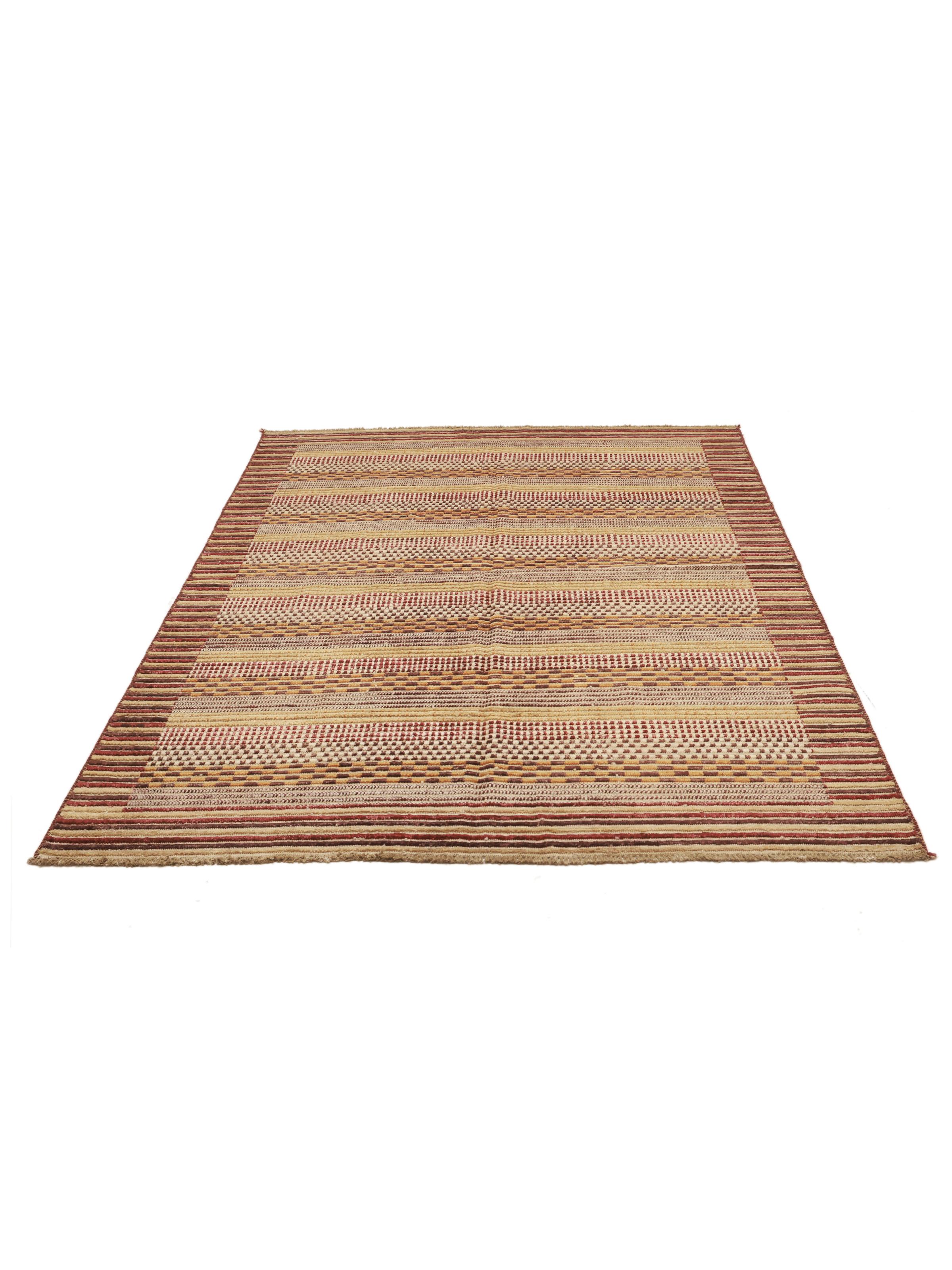
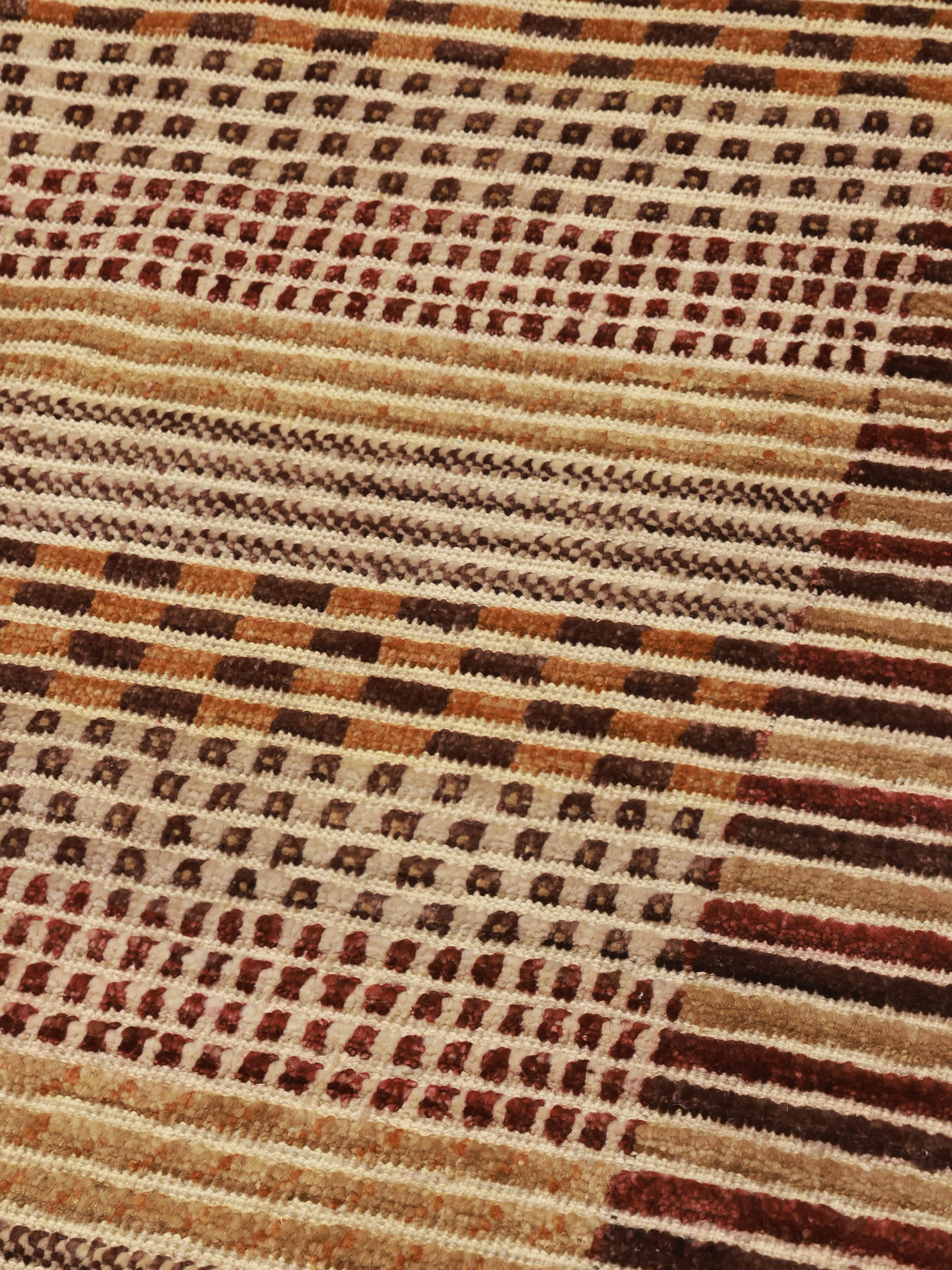
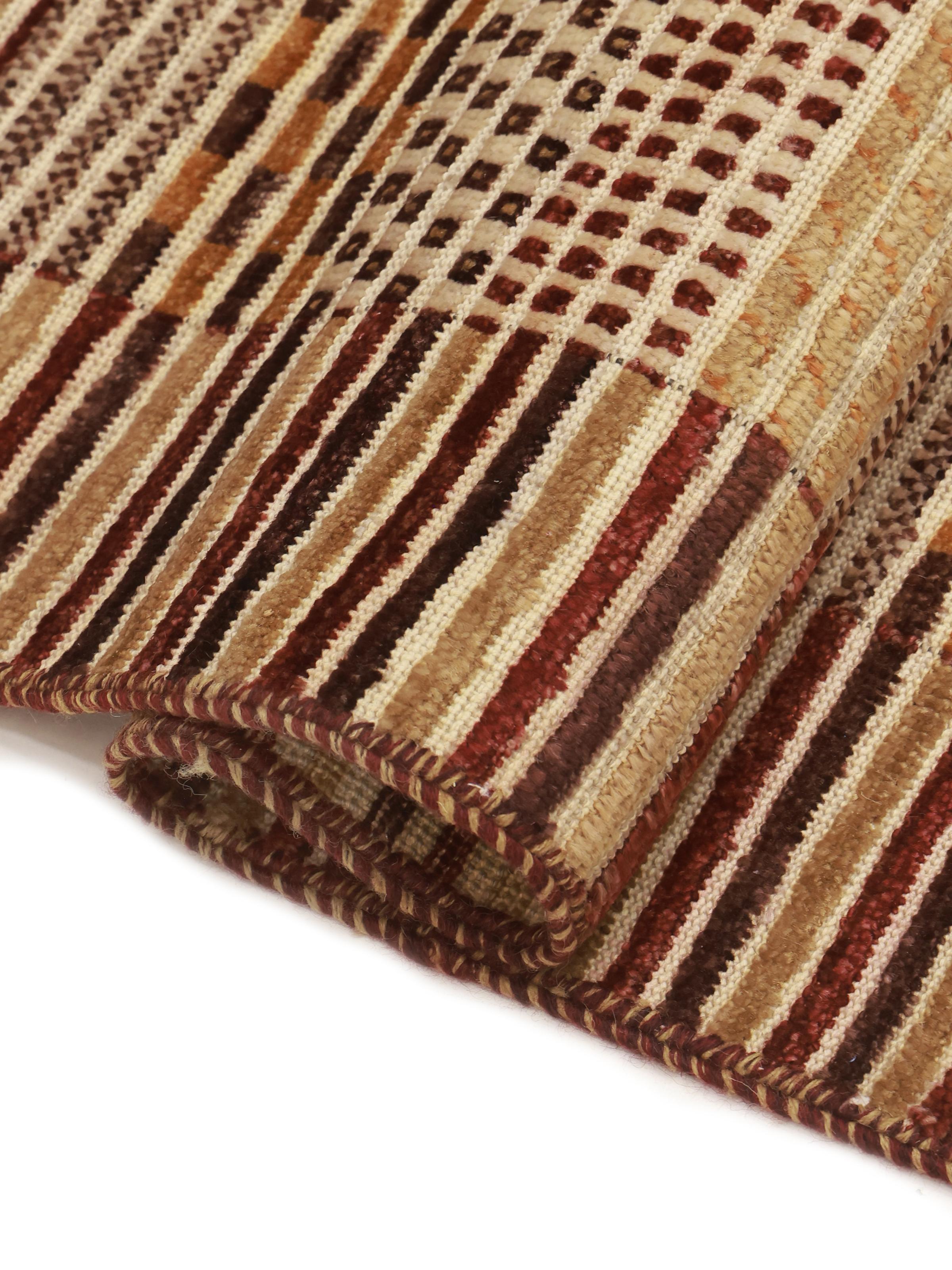
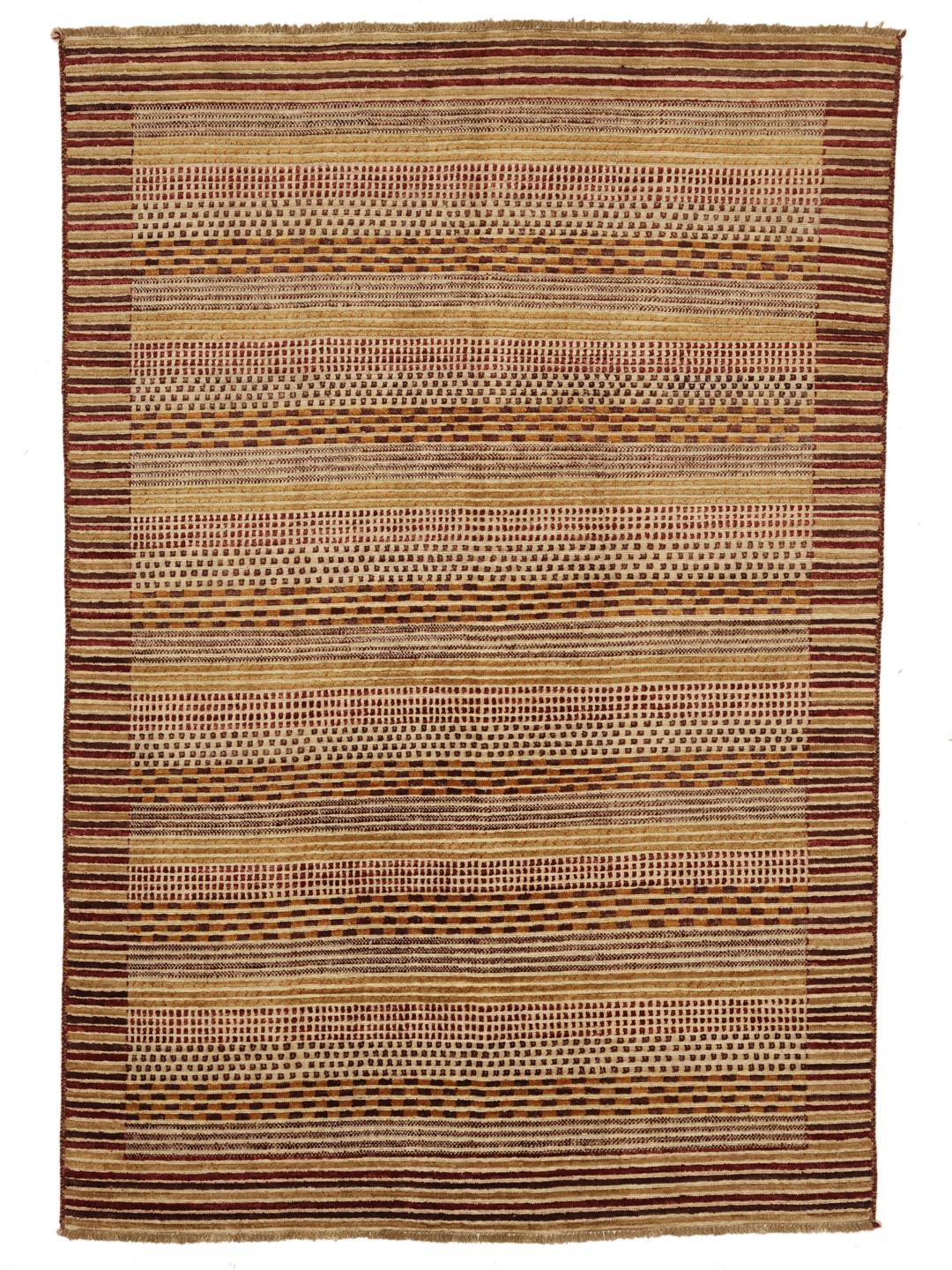
Gabbeh rugs have a rich heritage rooted in the nomadic traditions of tribal weavers. Traditionally created by women using hand-spun wool and natural dyes derived from local plants and minerals, these rugs were originally woven for daily use within the family tent, serving as warm bedding and floor coverings rather than commercial items.
The term Gabbeh translates roughly from Persian to mean raw, uncut, or natural, which aptly describes their characteristic minimalist aesthetic and thick, plush pile. Over time, these traditional techniques spread and evolved across the wider region, with skilled weavers in Afghanistan continuing to produce exceptional examples that honour these ancient roots.
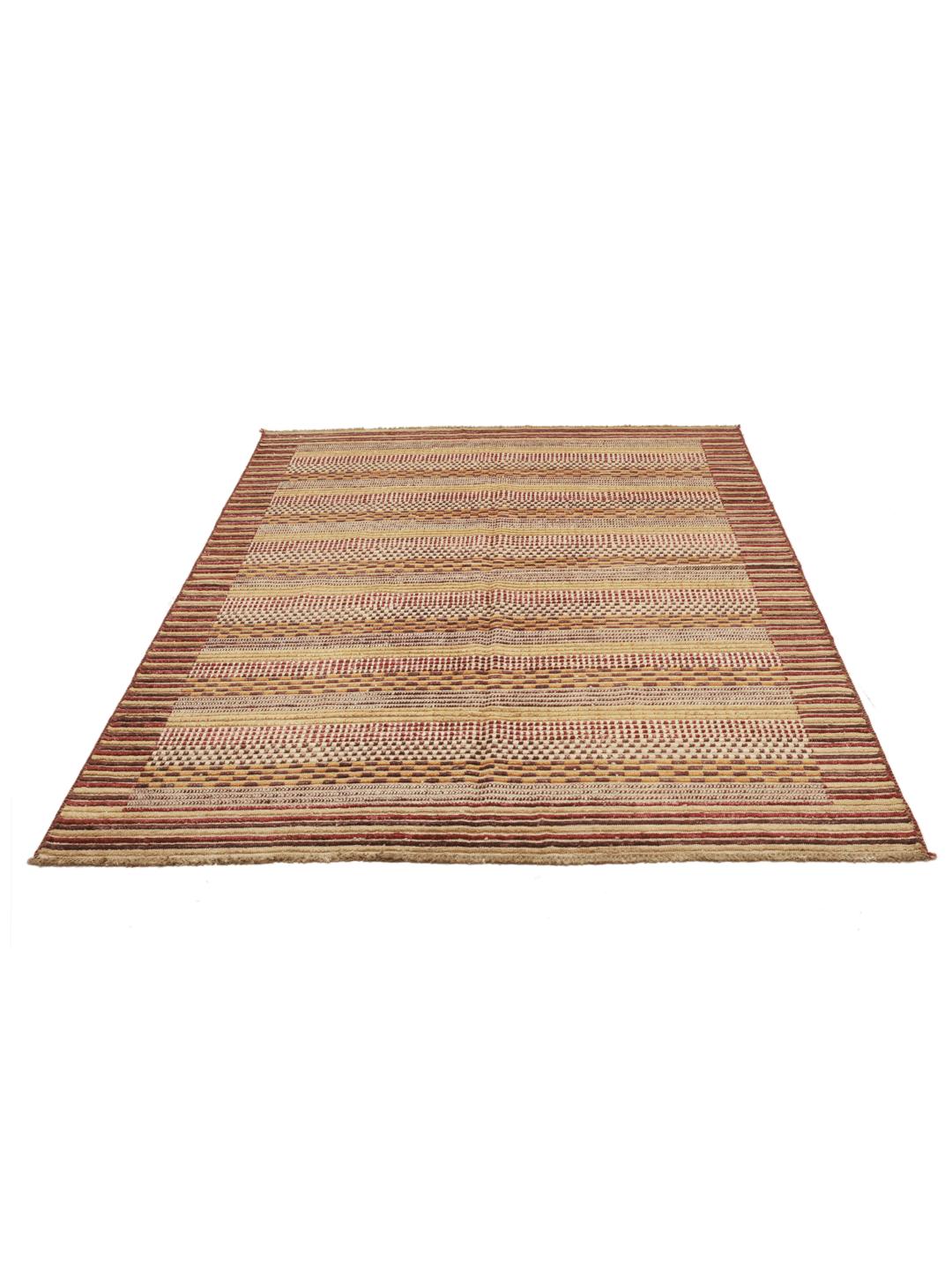
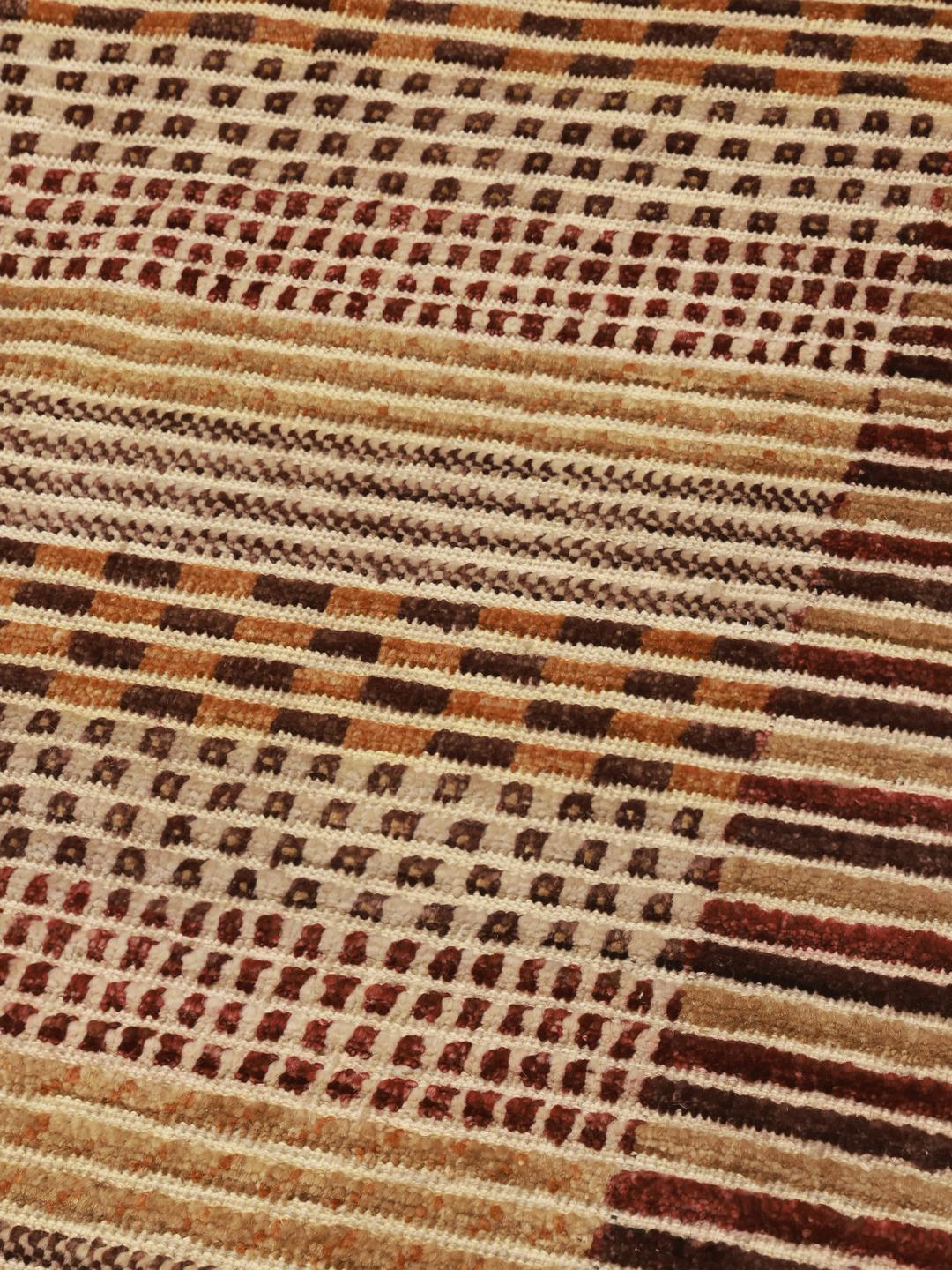
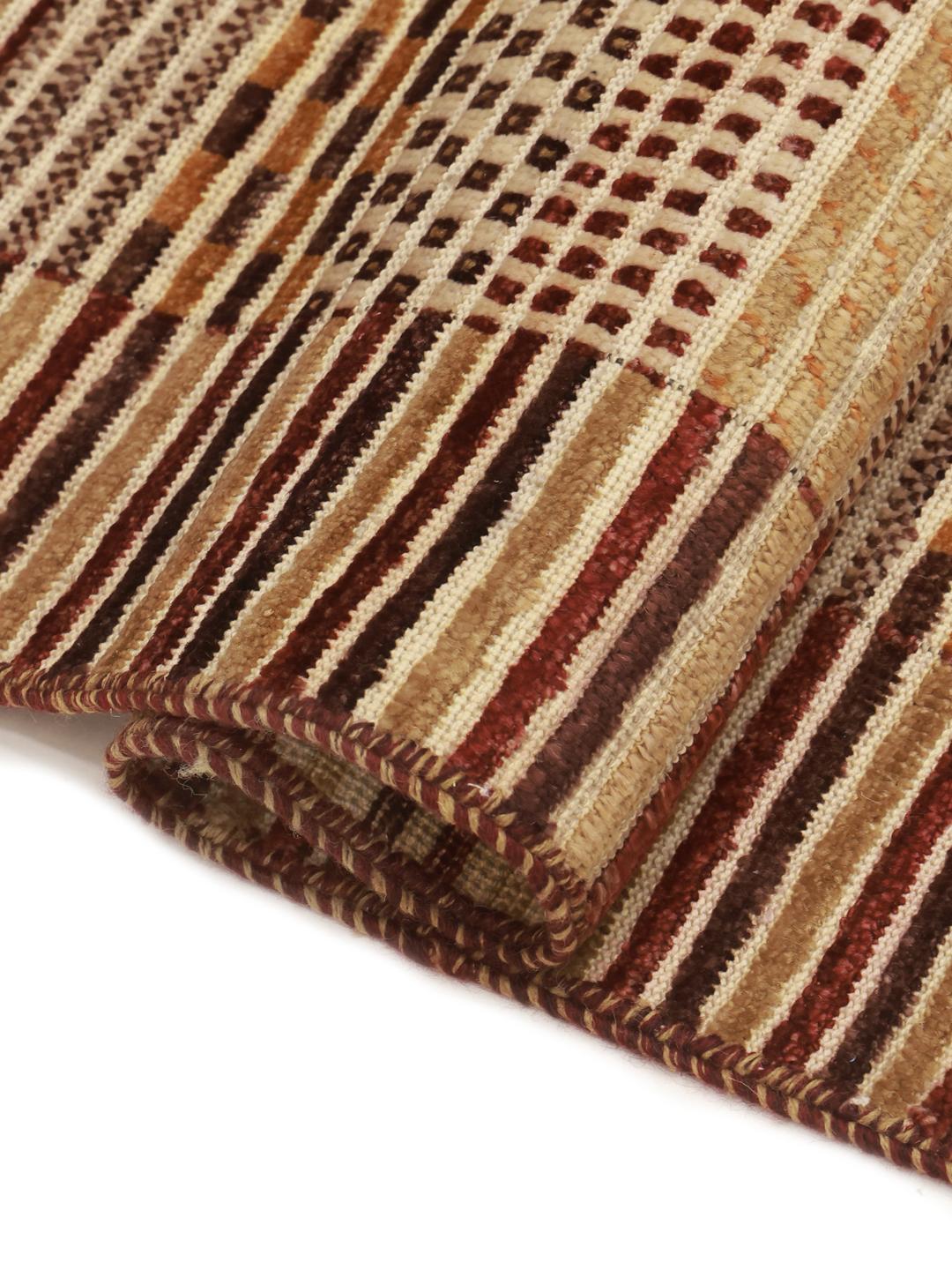
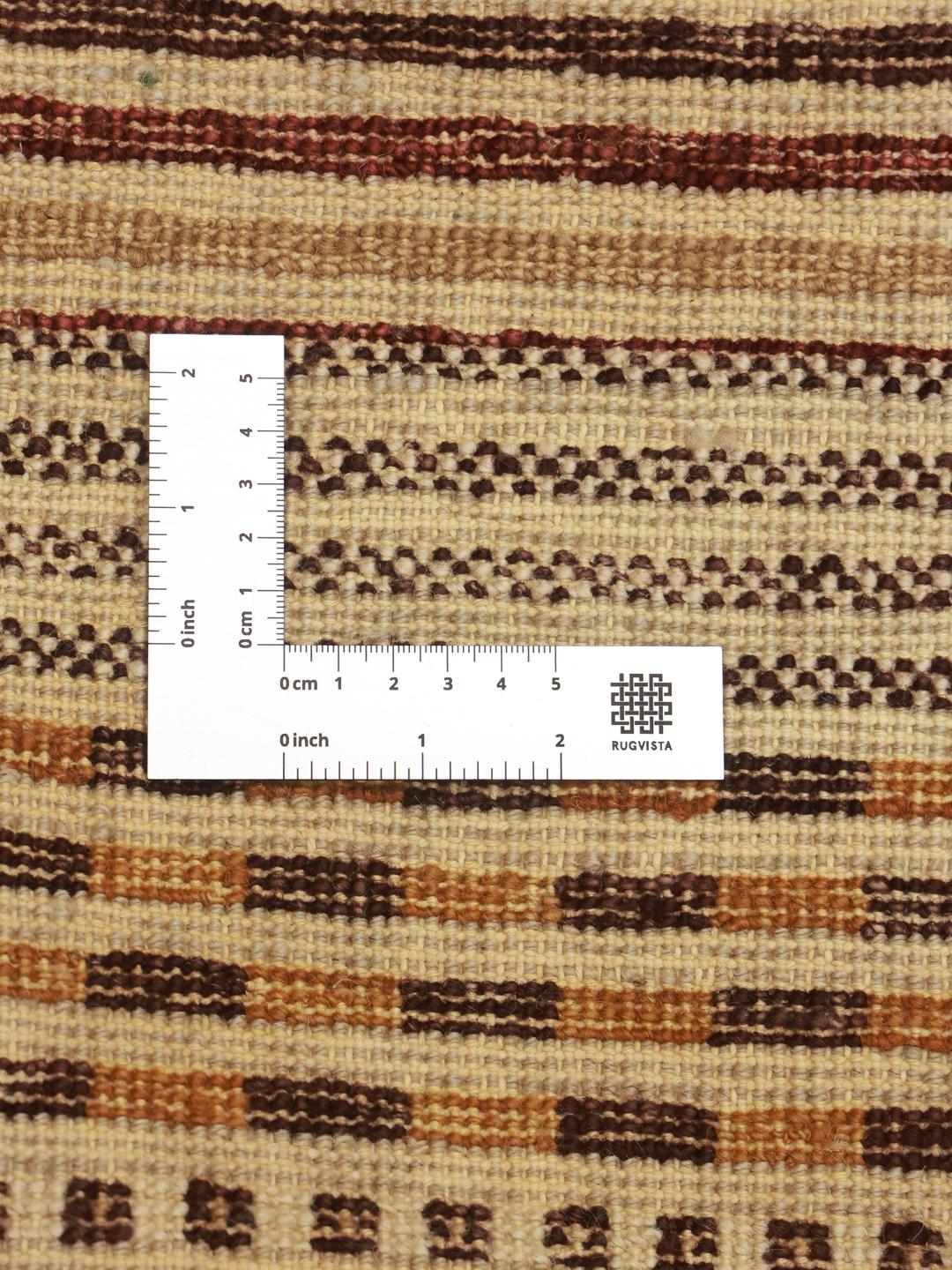
Unlike formal city carpets with intricate floral medallions, traditional Gabbeh design relies on a sparse visual language. Artisans often use wide fields of solid or subtly shaded colour, sometimes accented with simple geometric shapes, animal motifs, or striped borders inspired by everyday desert life.
Owning a Gabbeh rug connects your living space to centuries of textile artistry and nomadic resourcefulness. Each piece carries the personal expression of the artisan who wove it, making it a valued collector item that celebrates genuine human skill and enduring cultural heritage.