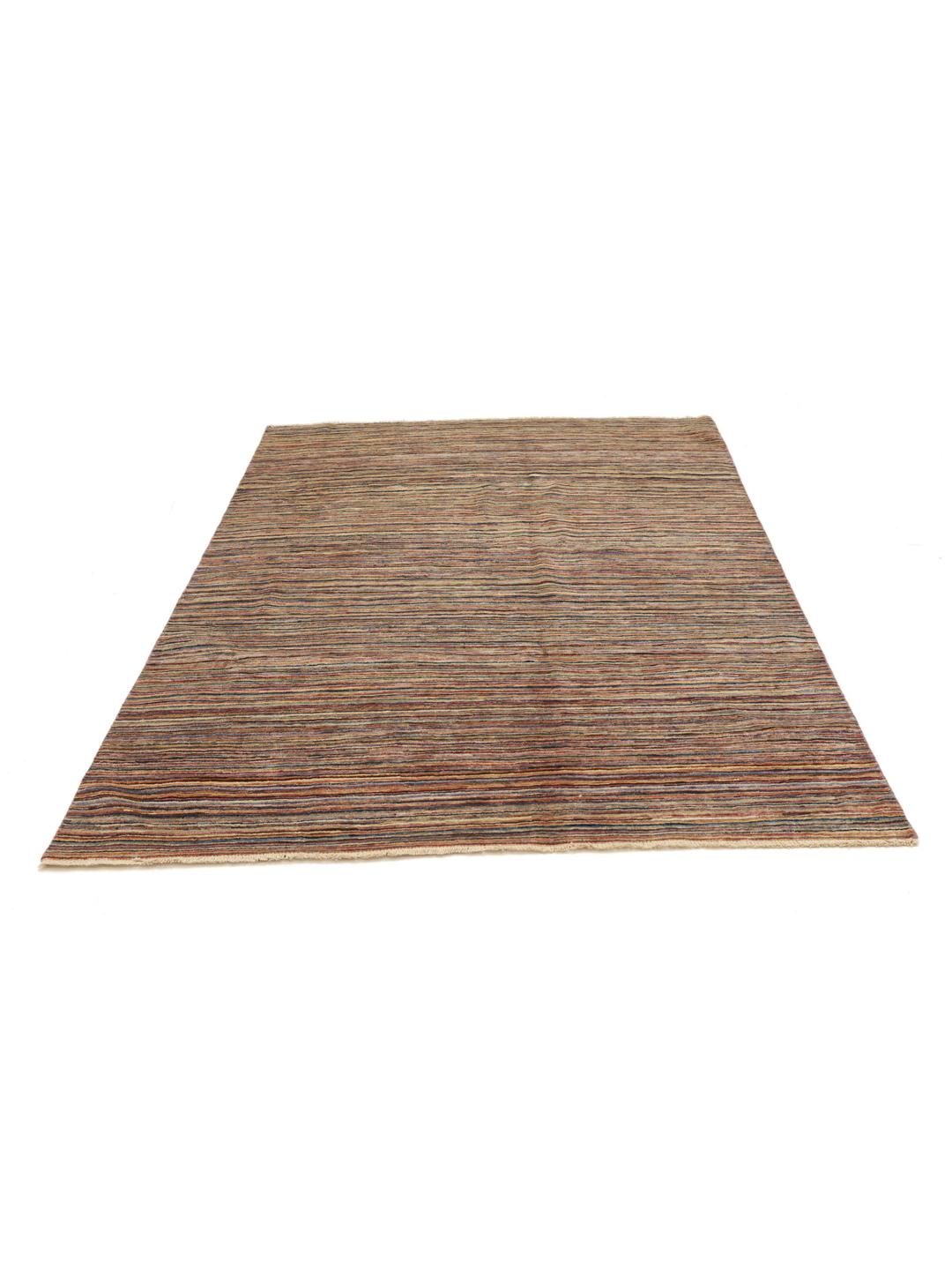
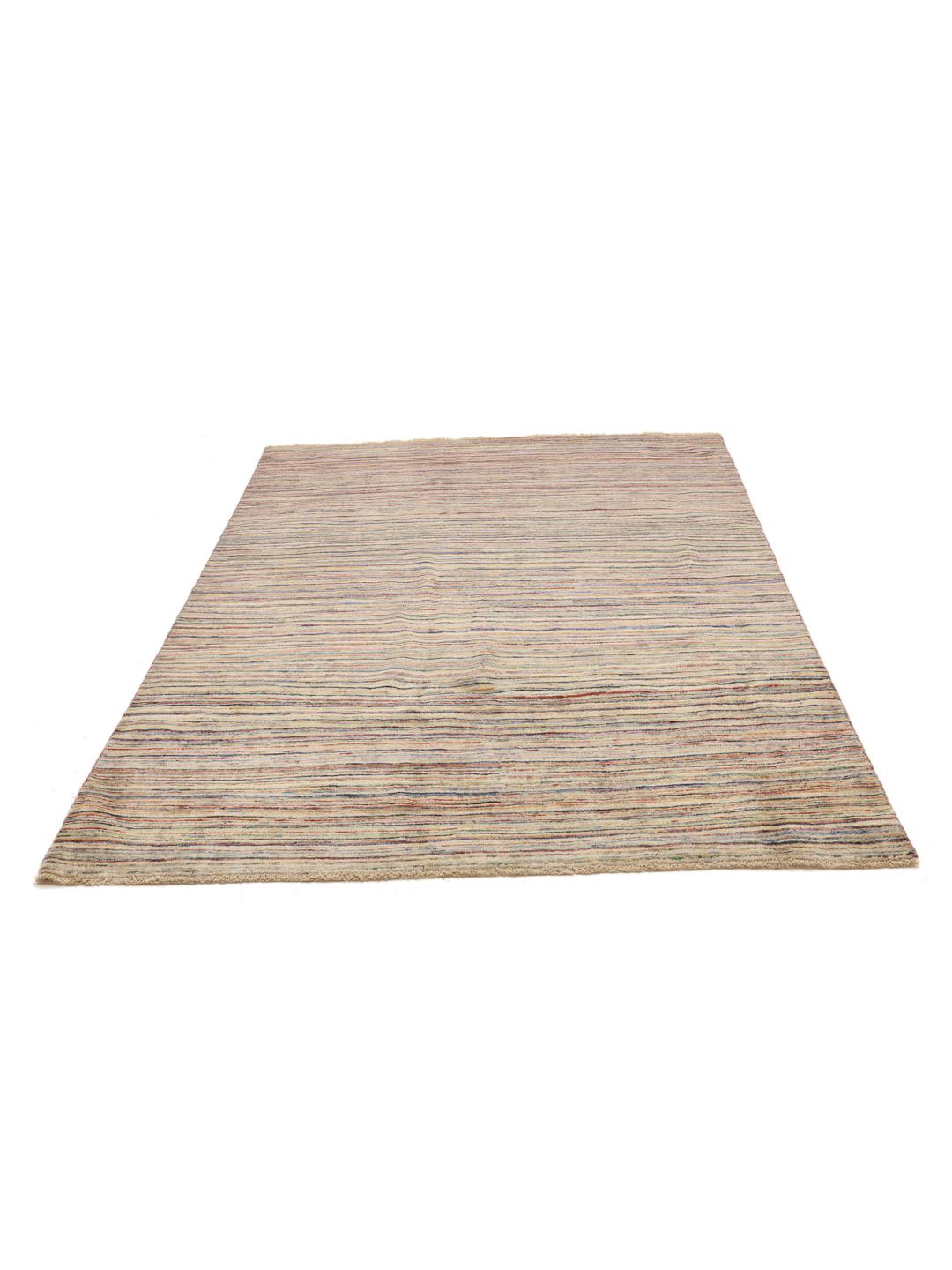
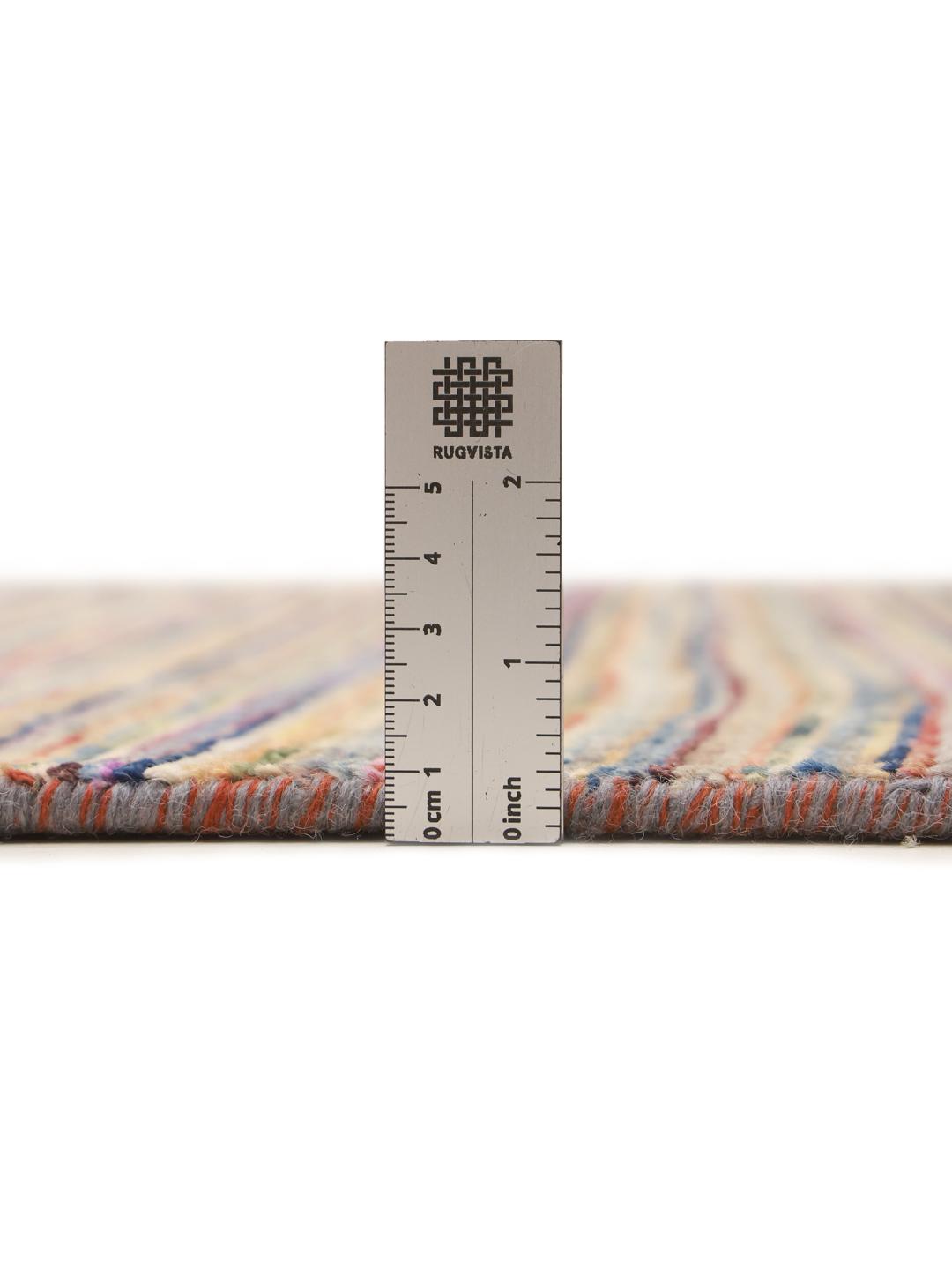
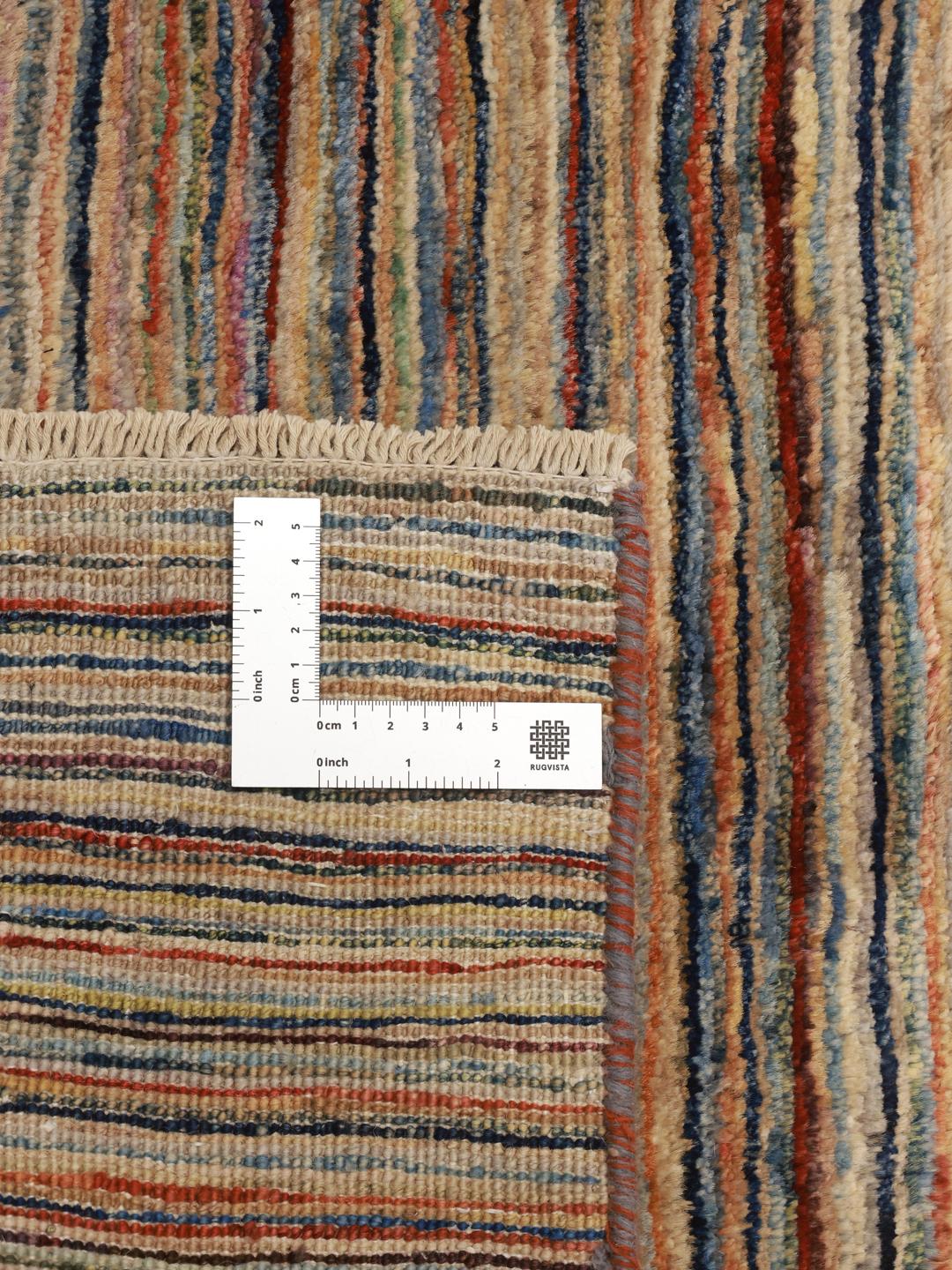
Gabbeh rugs trace their roots to the nomadic tribes of the Middle East, particularly the Qashqai and neighboring pastoral groups who originally wove them for their own practical use on tent floors. Unlike formal urban carpets with intricate floral compositions, traditional Gabbehs were born from a simpler, more expressive visual language. The word gabbeh itself translates to raw, natural, or uncut, referring to the thick and plush pile that distinguished these rustic floor coverings from finer workshop counterparts.
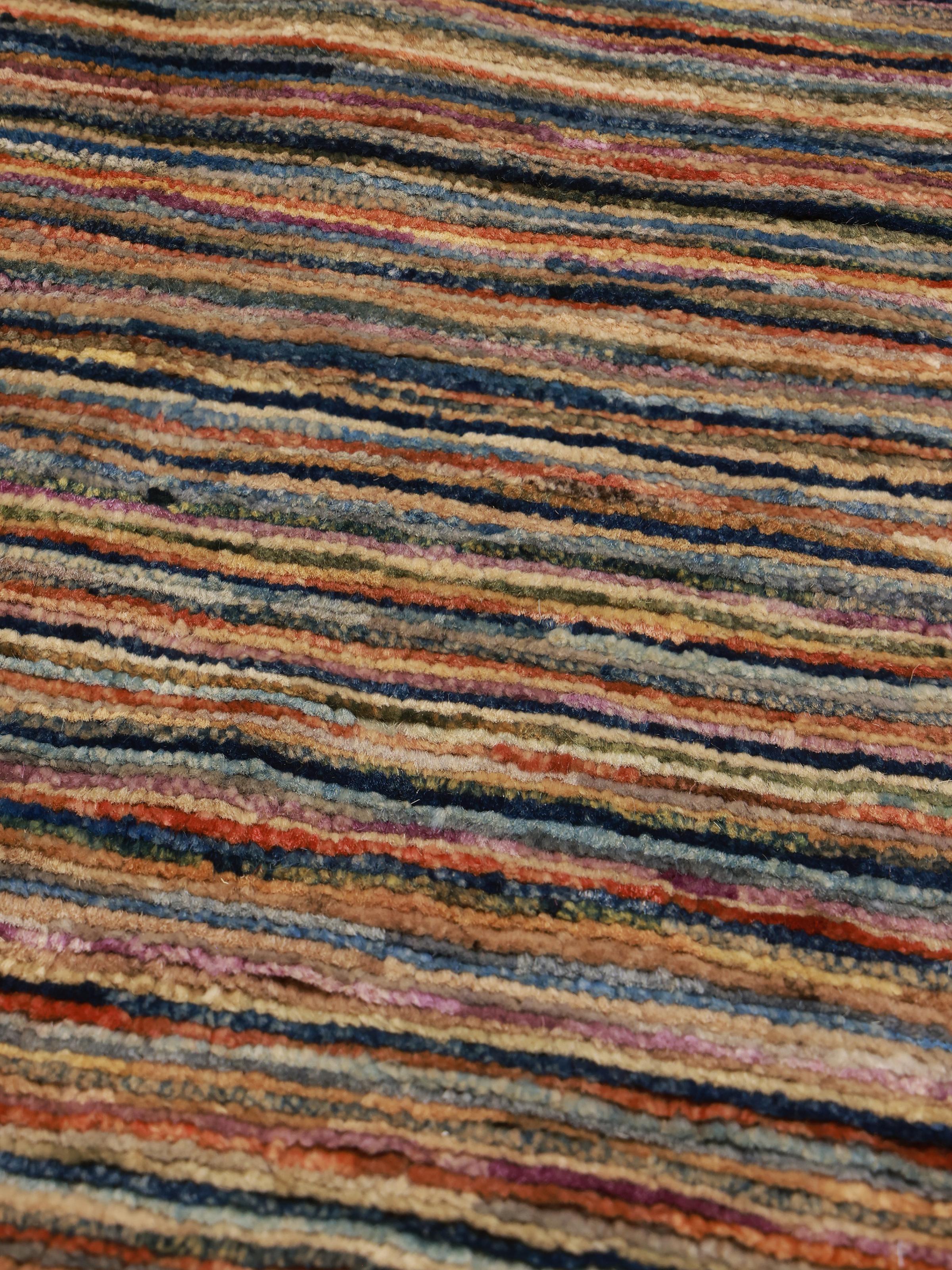
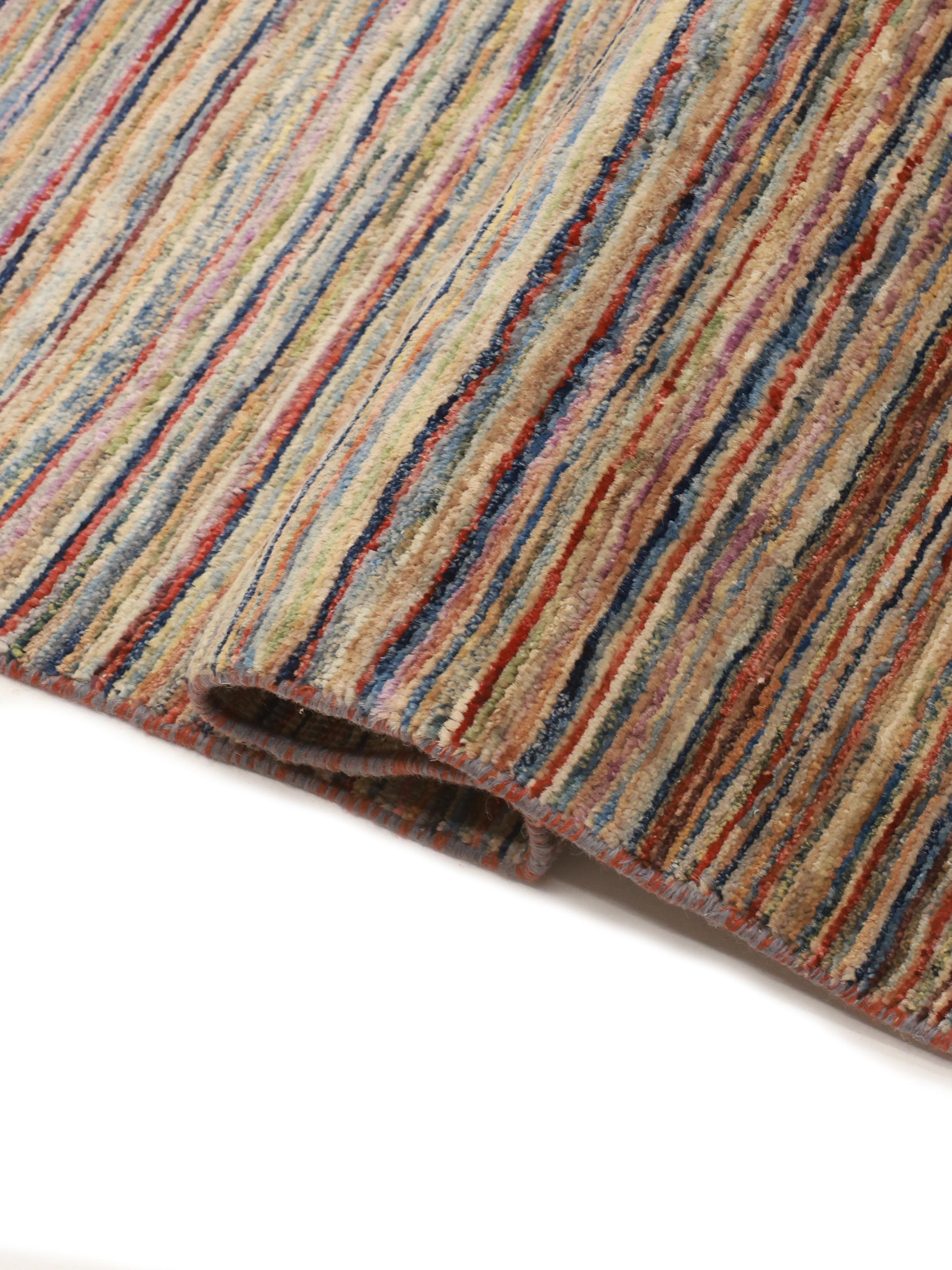
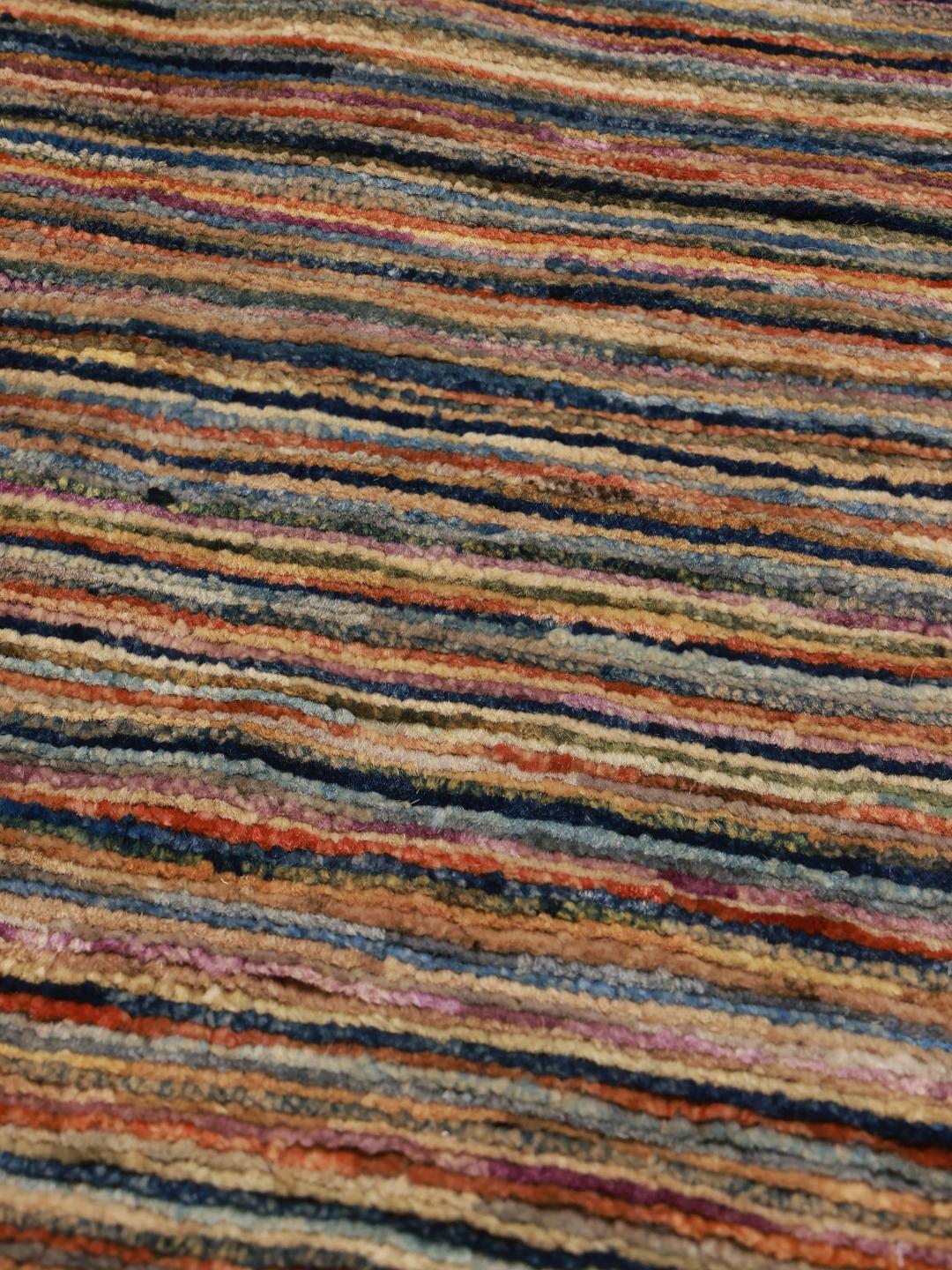
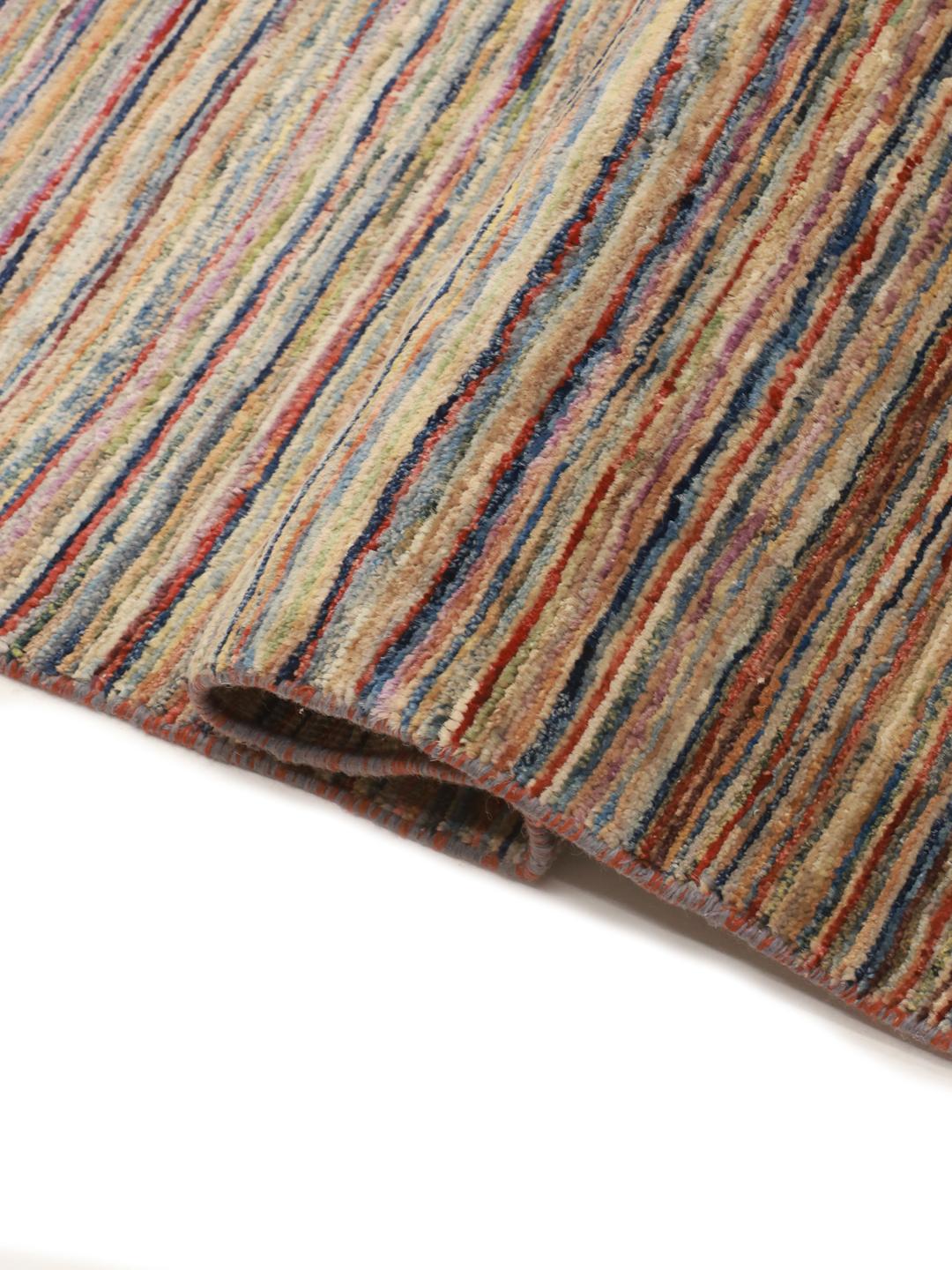
The construction of a Gabbeh relies on hand-spun wool and traditional knotting techniques that prioritize comfort and durability over complex symmetry. Artisans use hand-carded yarn dyed with natural elements, resulting in subtle tonal variations known as abrage. This gentle shading gives the wool a living, breathing quality as light shifts across the surface throughout the day, creating a rich visual depth that synthetic dyes simply cannot replicate.
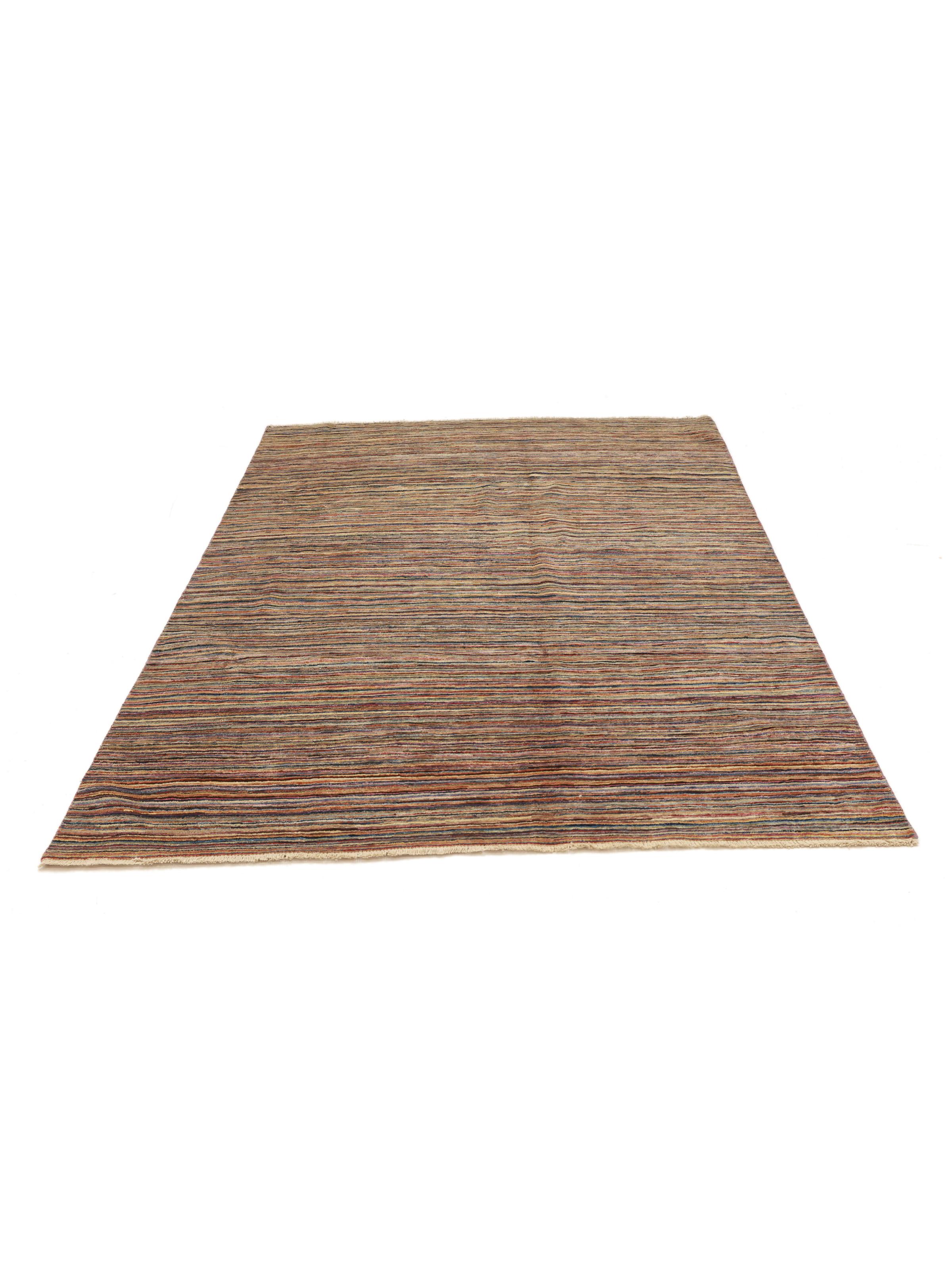
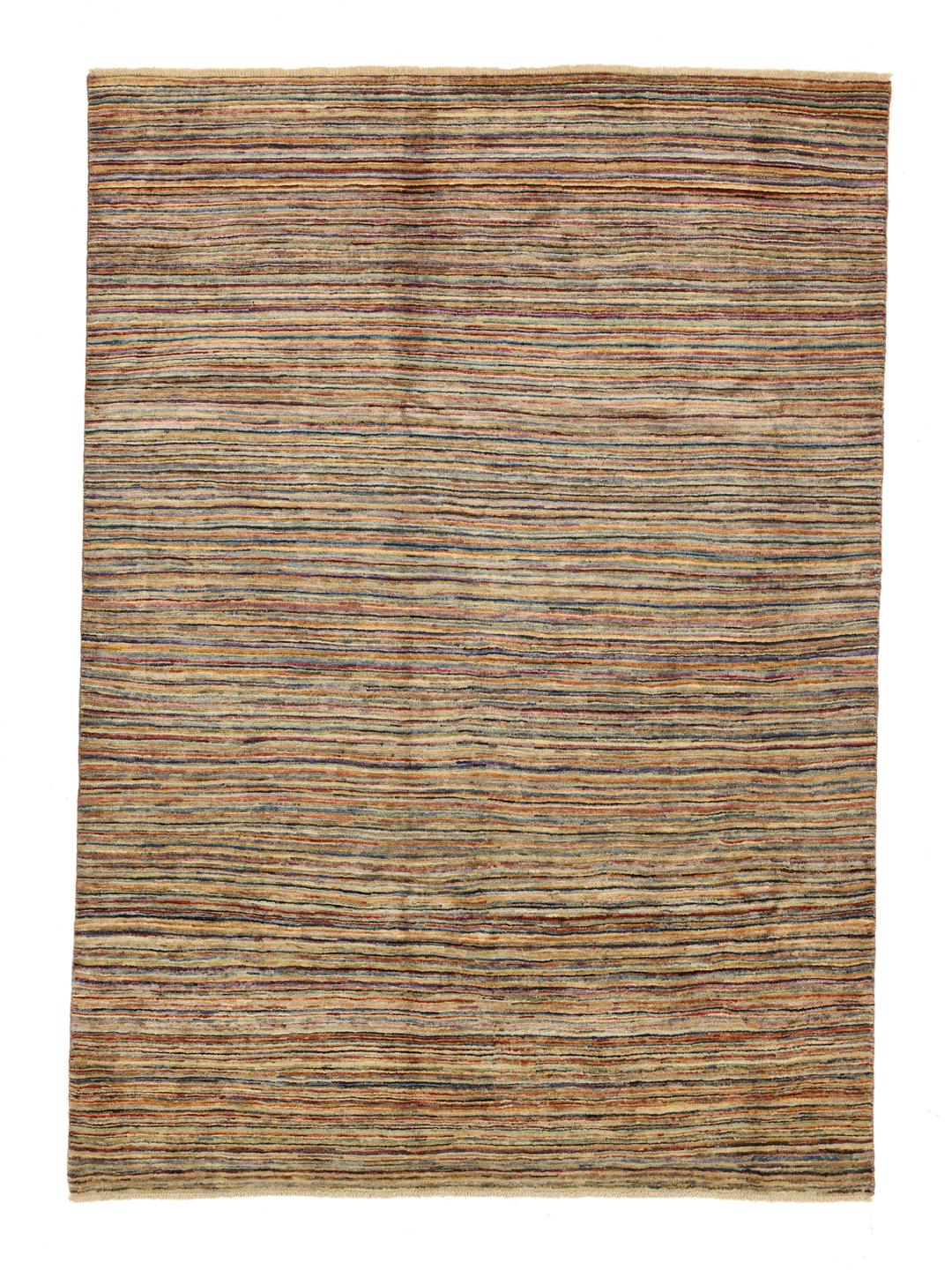
Historically, the designs were deeply personal narratives rather than strict pattern books. Weavers often incorporated minimalist stripes, open field spaces, or stylized representations of family, animals, and the surrounding desert landscape. In this modern interpretation, the traditional striped motif is reinterpreted through a refined lens, blending ancient nomadic aesthetics with contemporary sensibilities to suit today's living spaces.
Collecting a Gabbeh means welcoming a piece of living cultural heritage into your home. The tradition represents a rare intersection of utilitarian warmth and unpretentious artistry. Preserving these hand-knotted techniques supports enduring artisan skills and ensures that the soulful character of nomadic weaving continues to thrive in modern interiors.