Gabbeh rugs trace their roots to the nomadic tribes of the Zagros Mountains, where weavers traditionally created thick, plush floor coverings for their own daily use. Unlike formal workshop carpets, these traditional pieces were woven from memory, featuring spontaneous designs that reflected the weaver's immediate surroundings, daily life, and natural environment.
The word Gabbeh translates to raw, natural, or uncut, which accurately describes the simple yet striking aesthetic of these traditional rugs. Over generations, this nomadic craft evolved while keeping its core focus on comfort, thick pile construction, and the use of hand-spun wool dyed with natural materials.
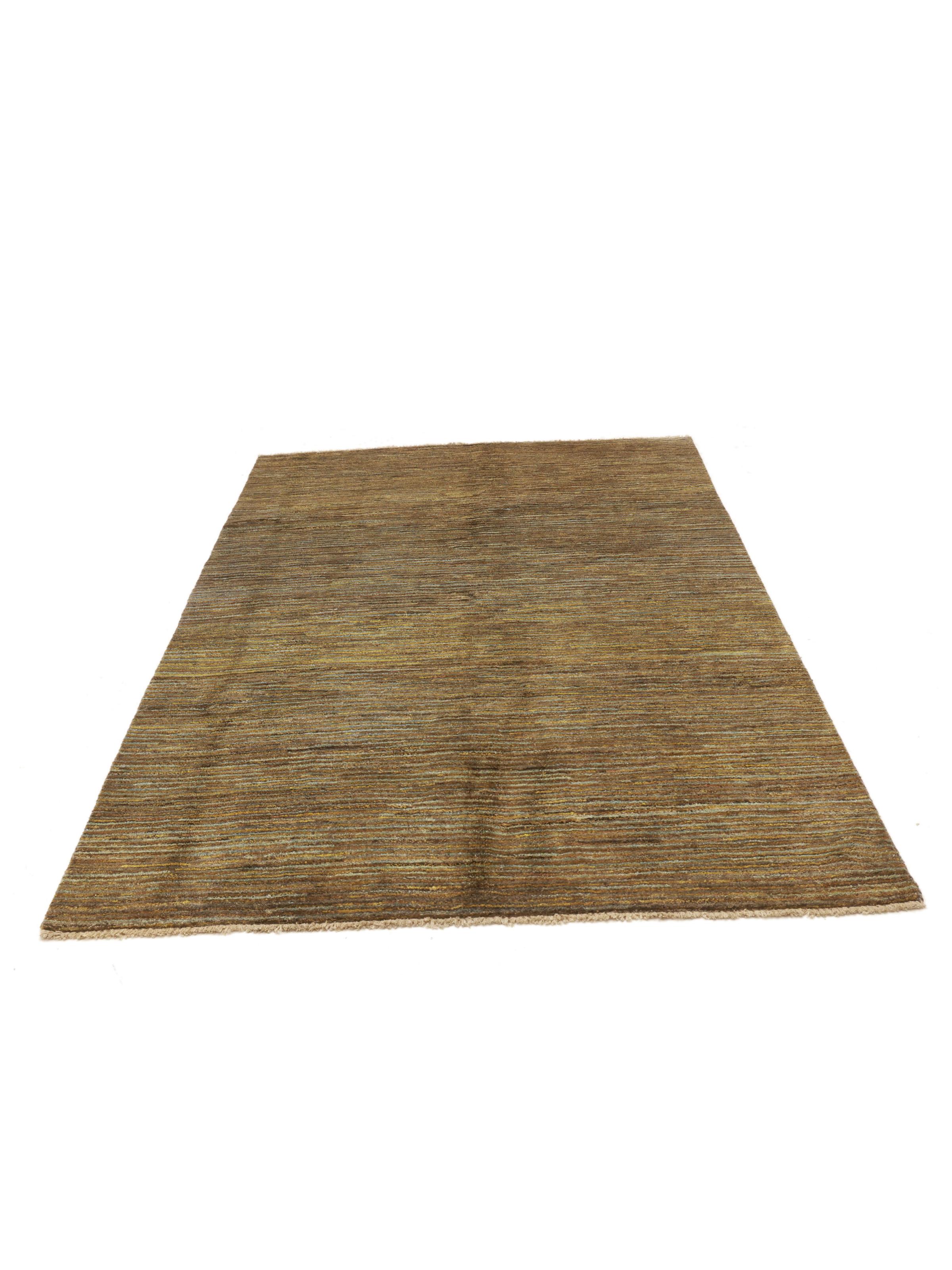
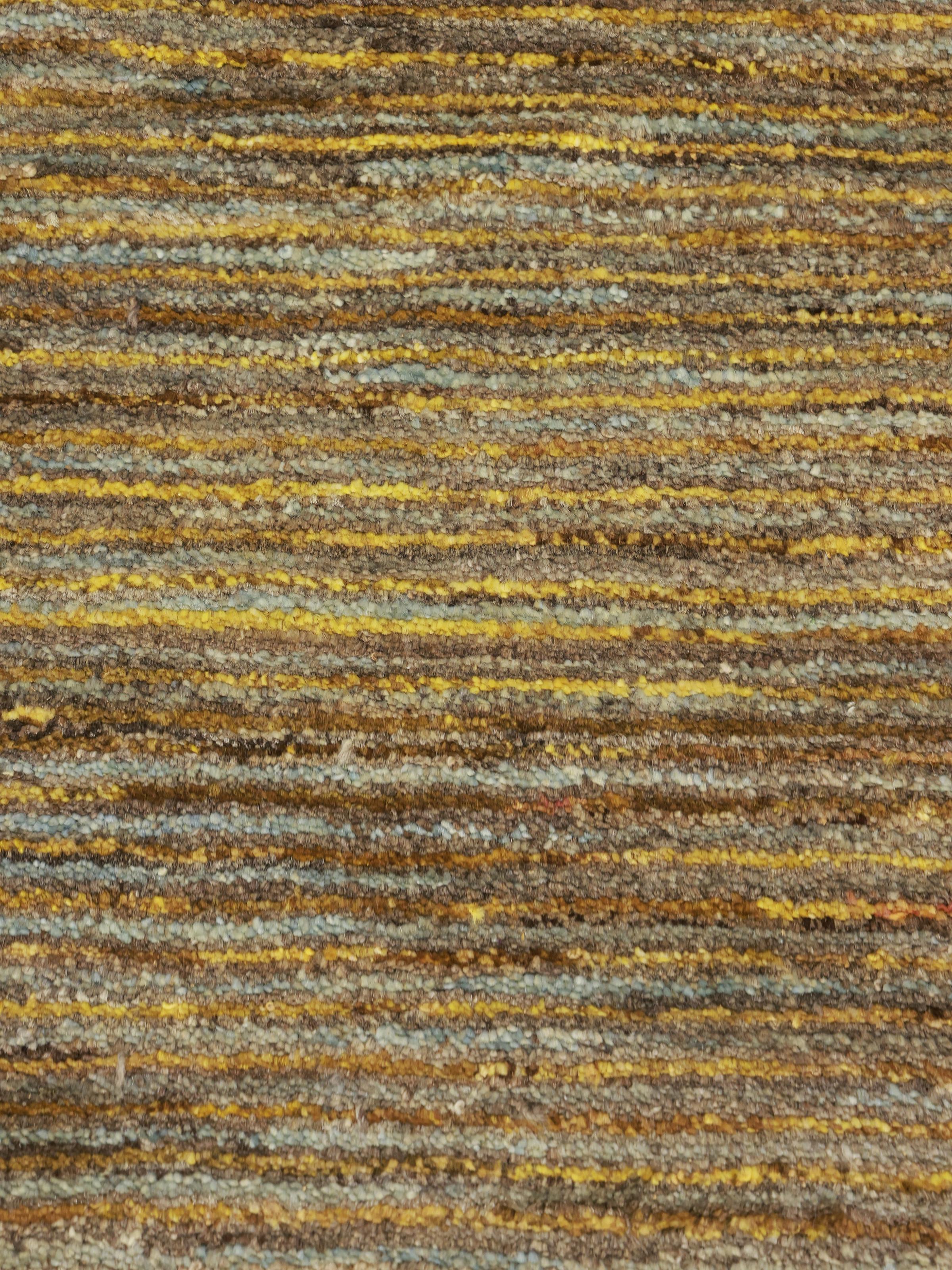
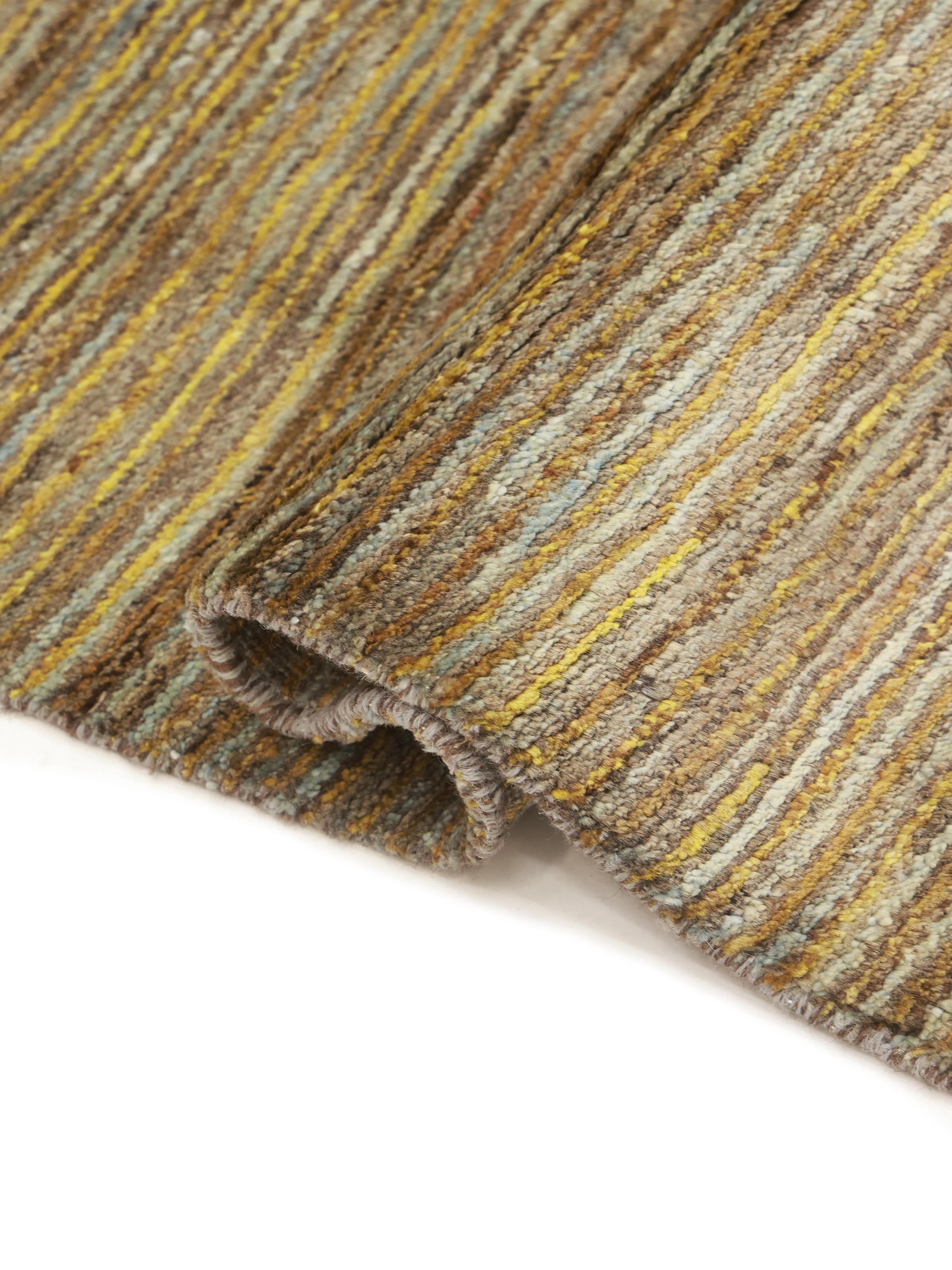
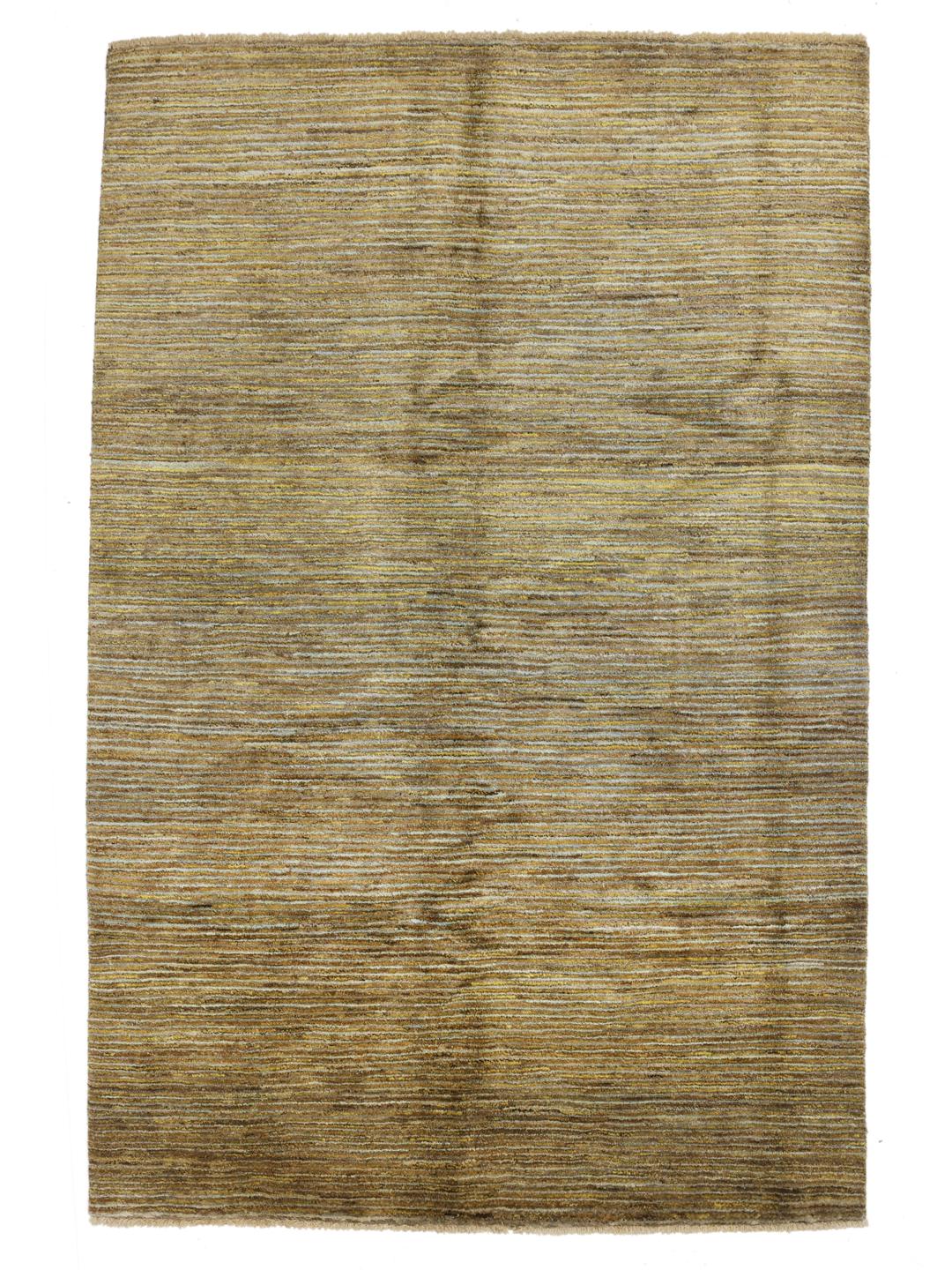
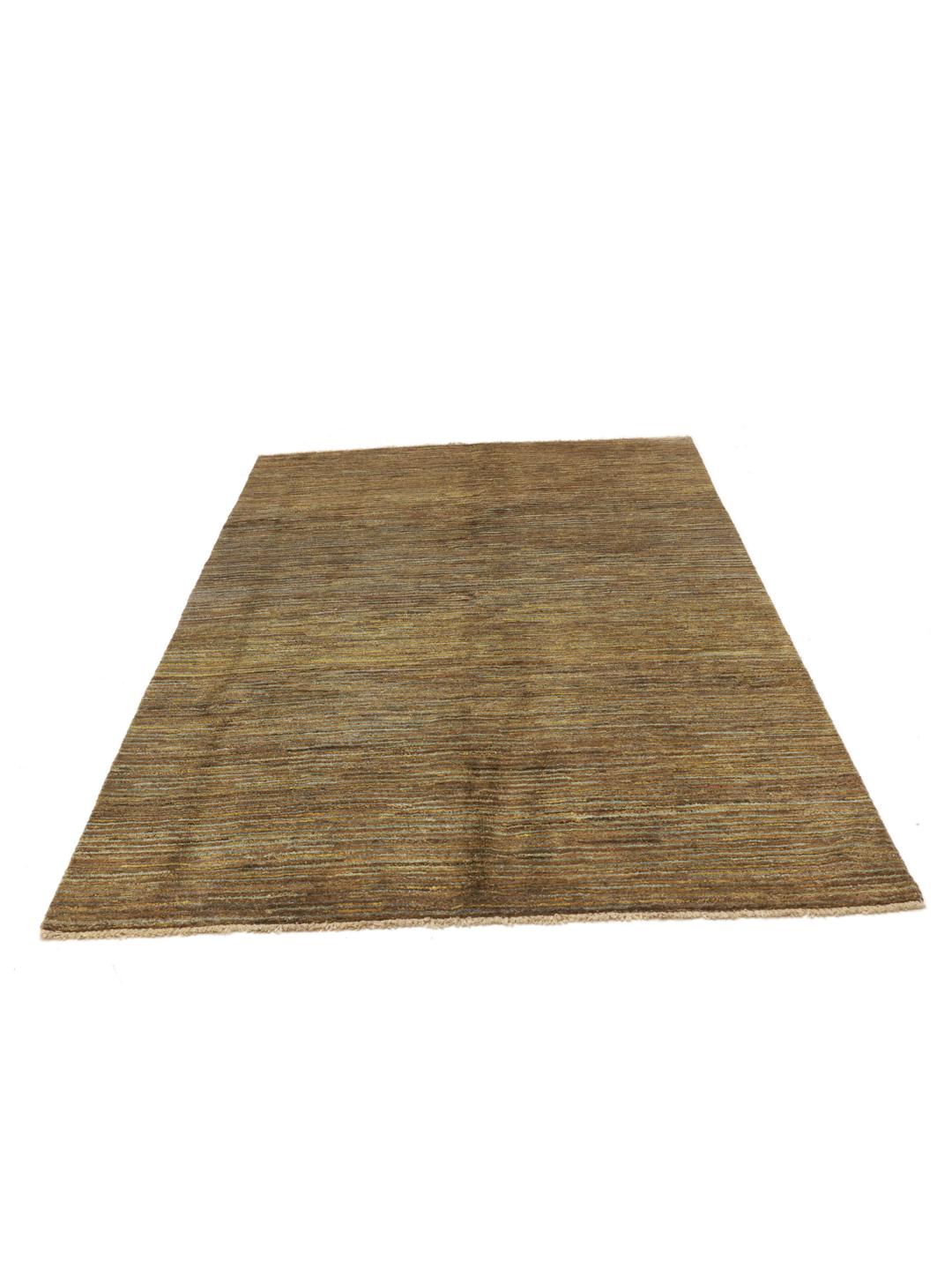
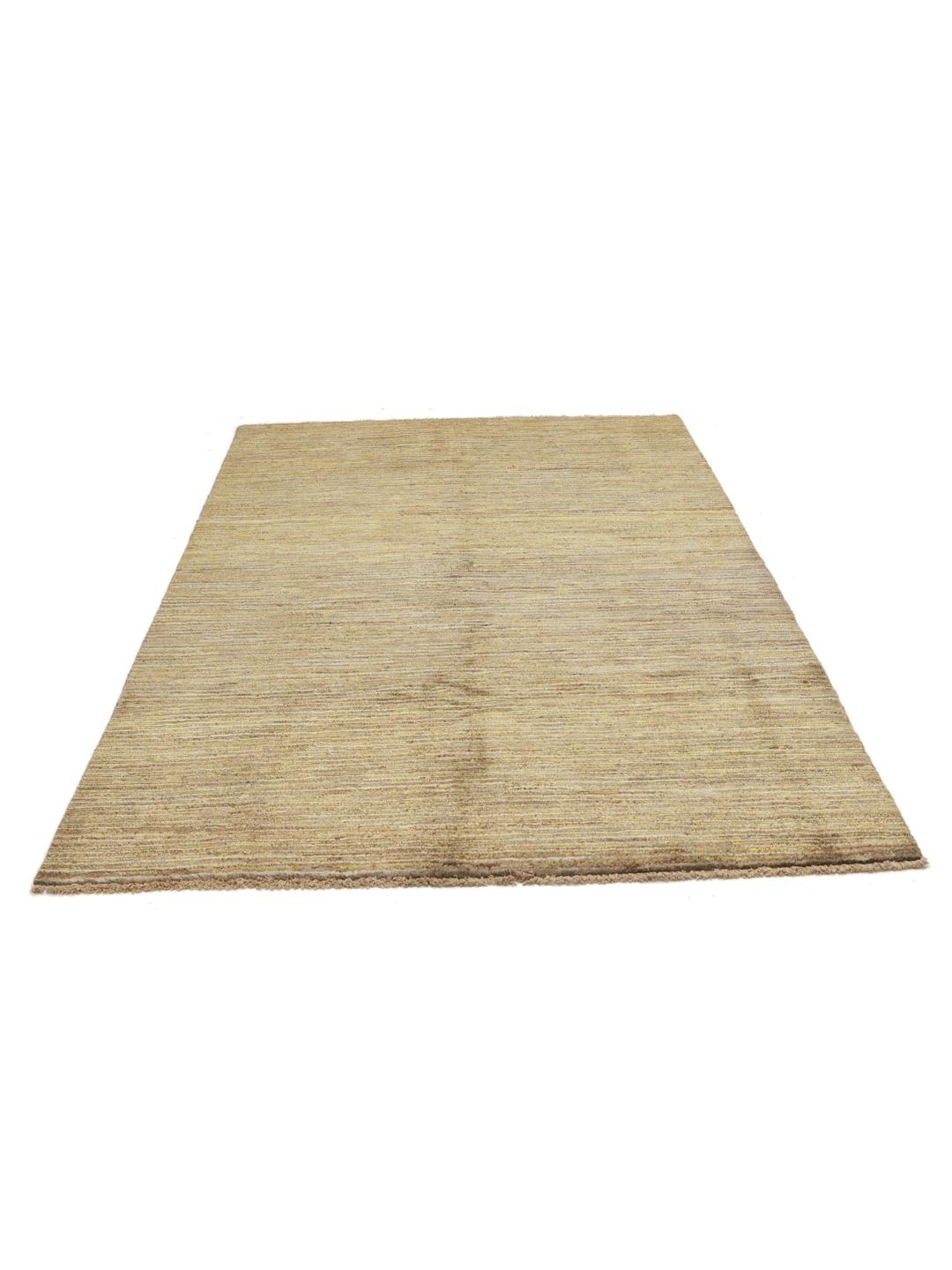
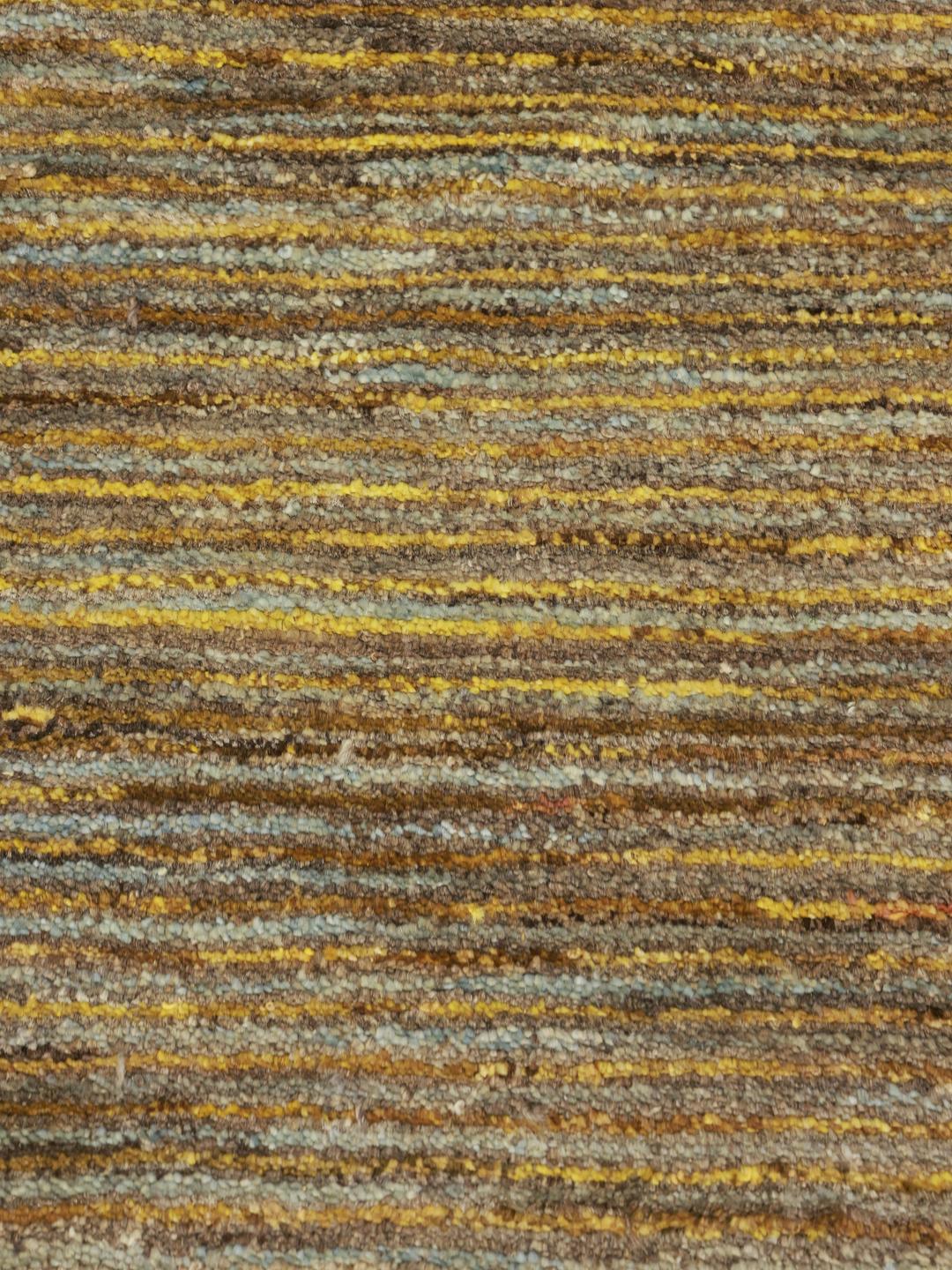
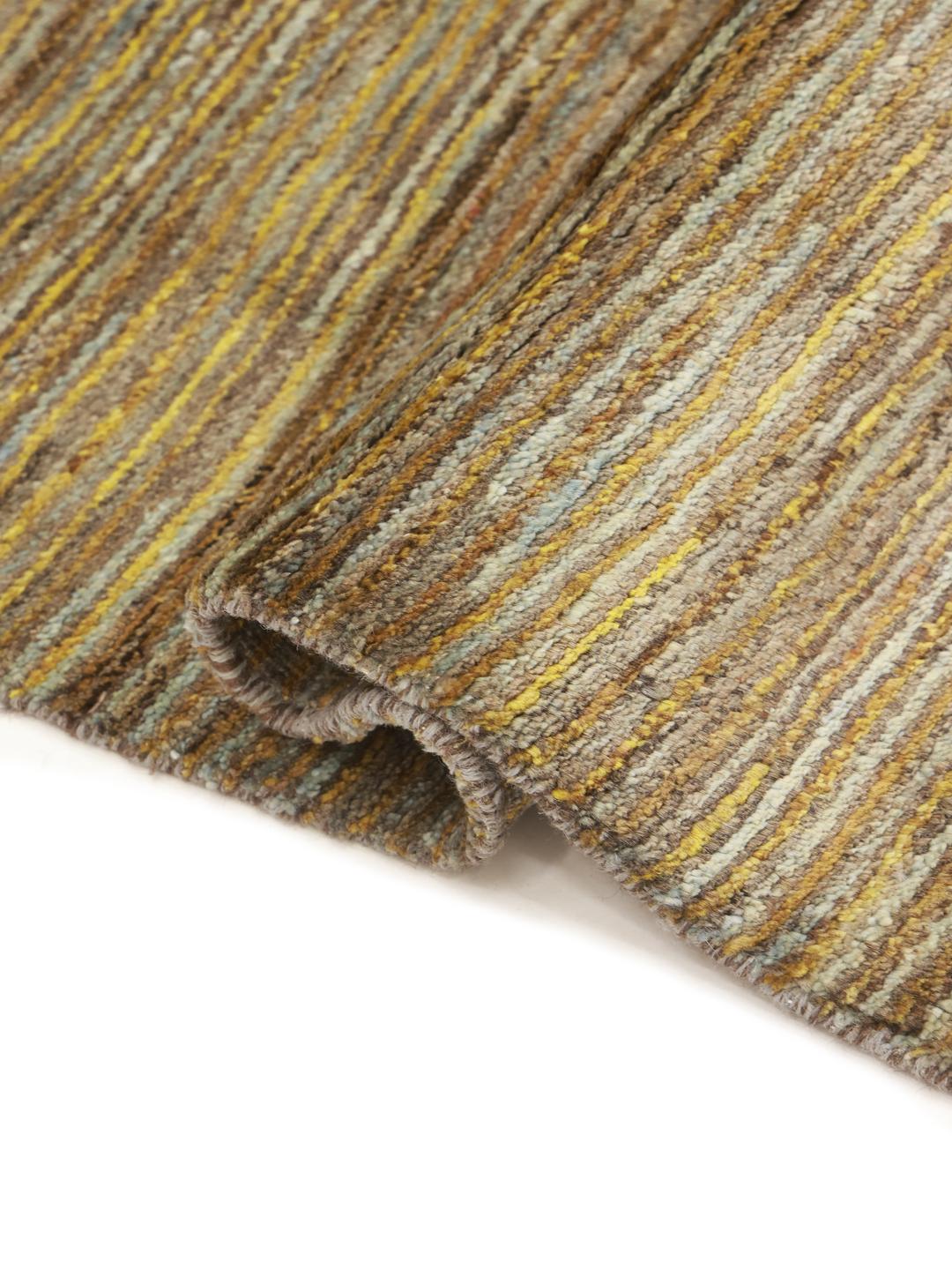
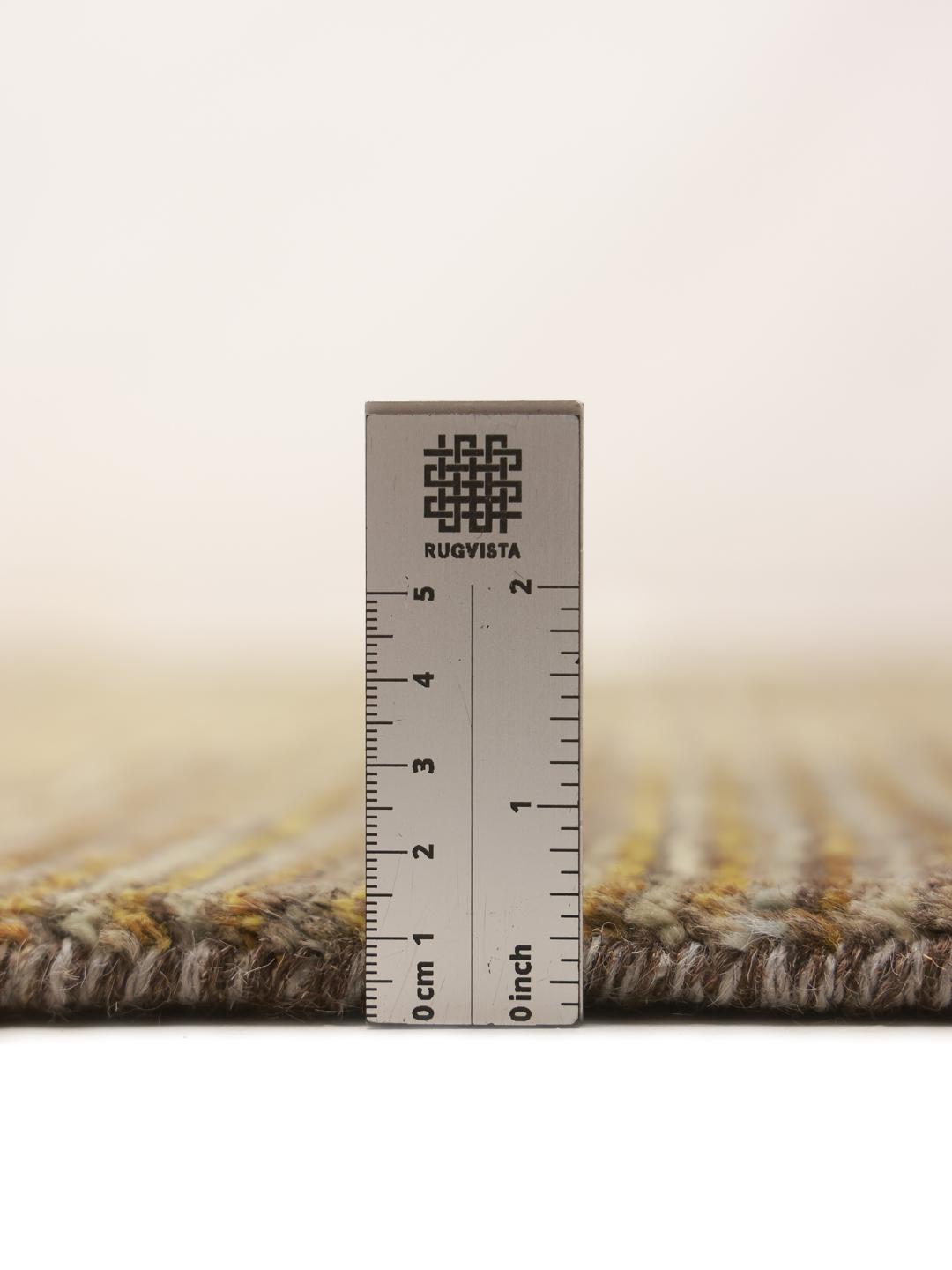
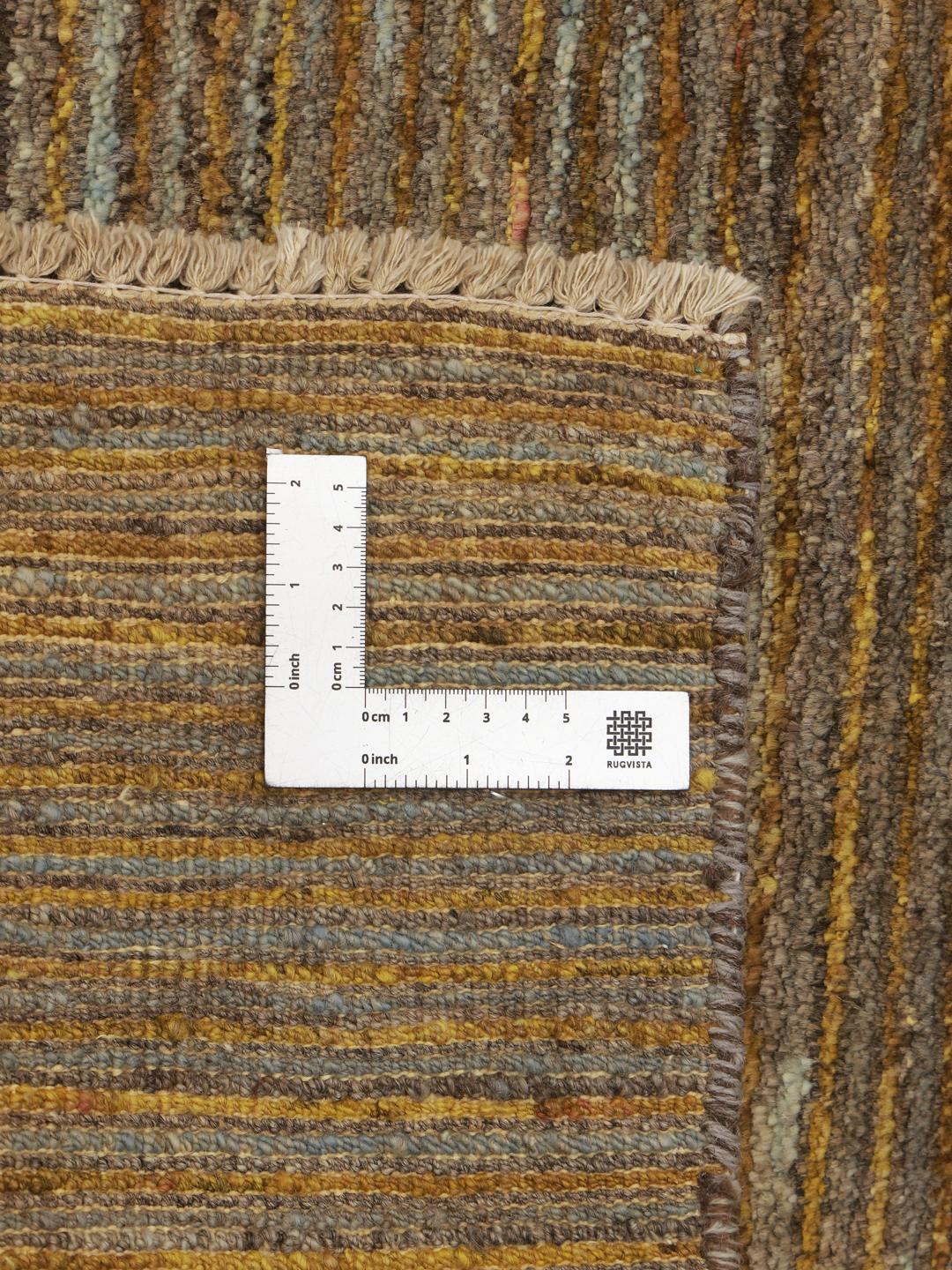
The visual language of a Gabbeh is characterised by its open, uncluttered fields and subtle play of colour variations known as abrage, created by hand-dyeing yarns in small batches. This particular rug features a minimal striped pattern that lets the natural texture and rich tonal depth of the wool take centre stage.
Today, owning a piece from this weaving tradition means preserving centuries of nomadic craft heritage. These rugs are valued by collectors and home decorators alike for their authenticity, warmth, and the remarkable human skill required to bring each individual piece to life.