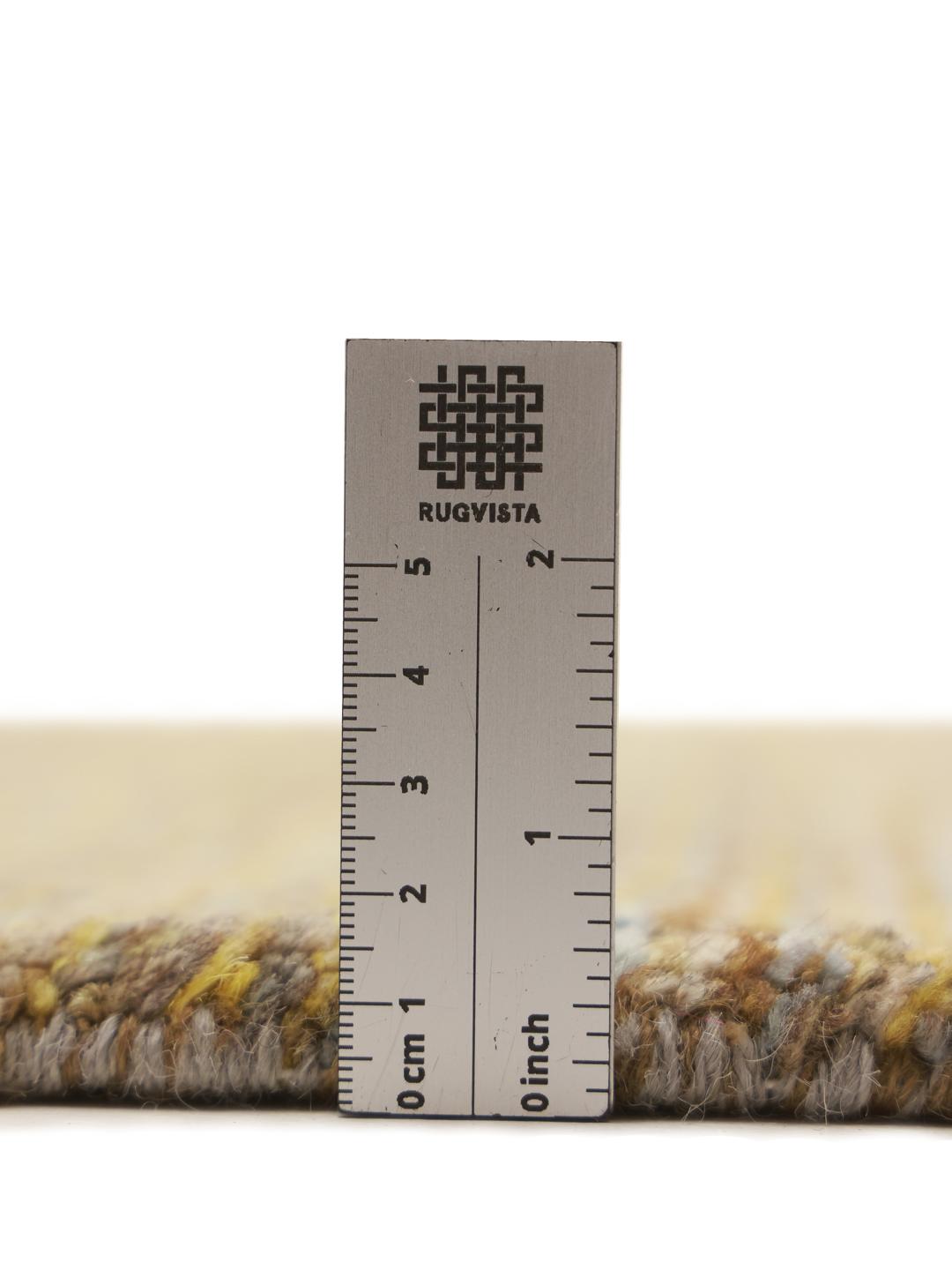
Gabbeh rugs originate from the nomadic weaving traditions of the Zagros Mountains in the Middle East, where tribal weavers traditionally crafted heavy, plush floor coverings for daily nomadic life. Over generations, these utilitarian pieces evolved into celebrated works of folk art known for their minimalist aesthetics and deep connection to the natural world.
The term Gabbeh translates to raw, natural, or uncut, which describes the thick pile and straightforward knotting techniques historically used by tribal weavers. Working from memory rather than drawn patterns, weavers relied on personal expression, resulting in spontaneous designs that capture the unhurried rhythm of traditional craft.
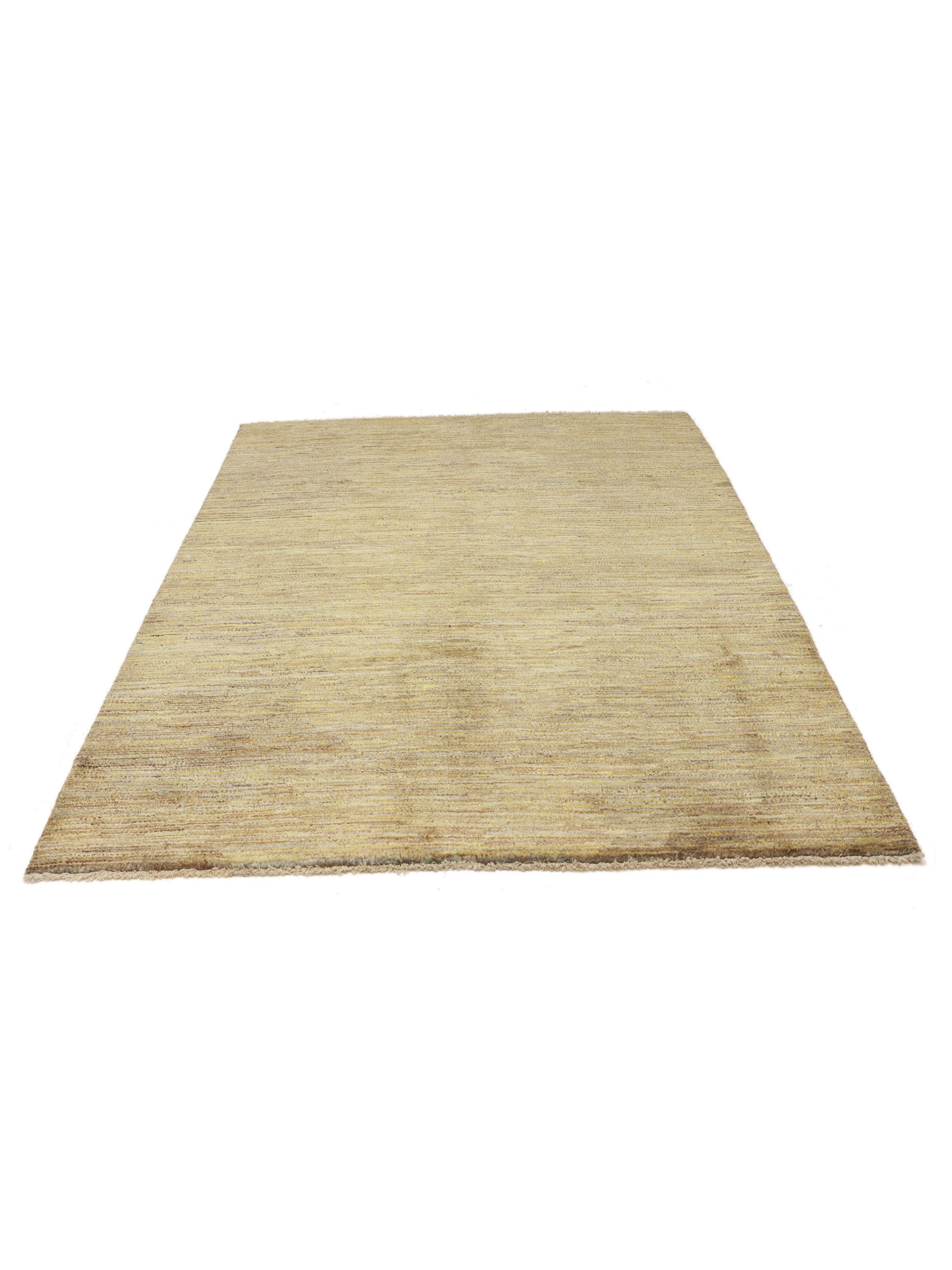
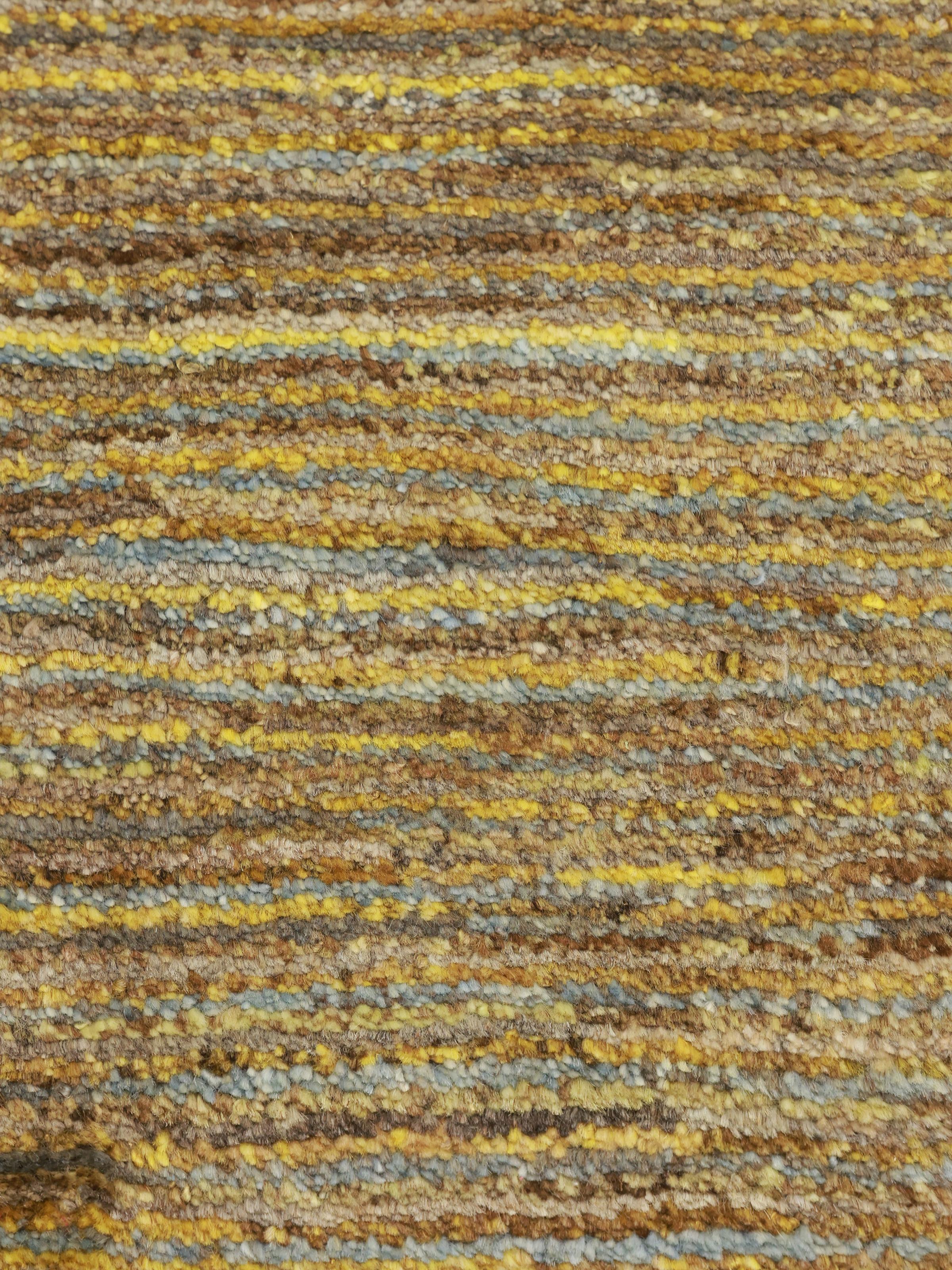
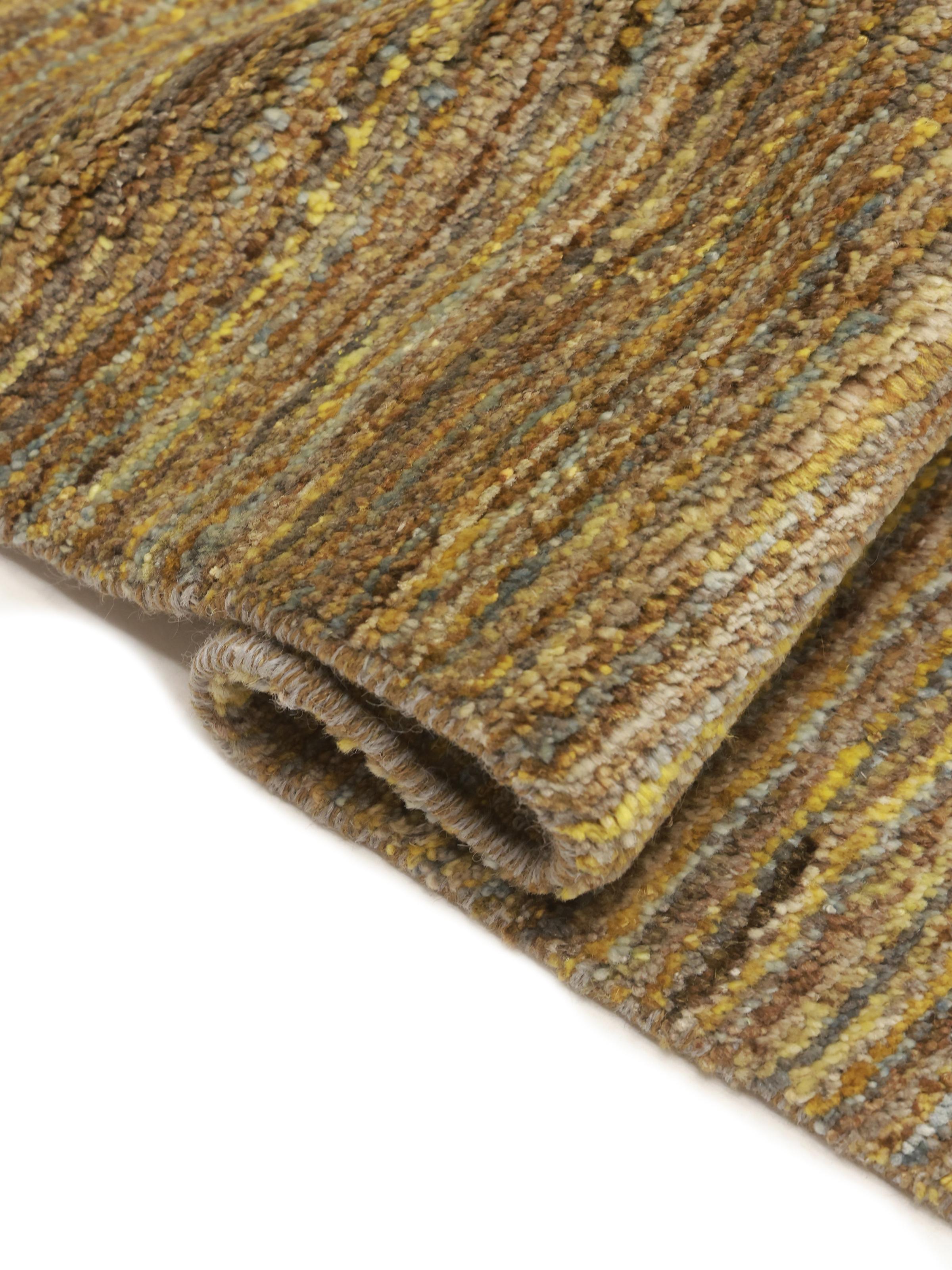
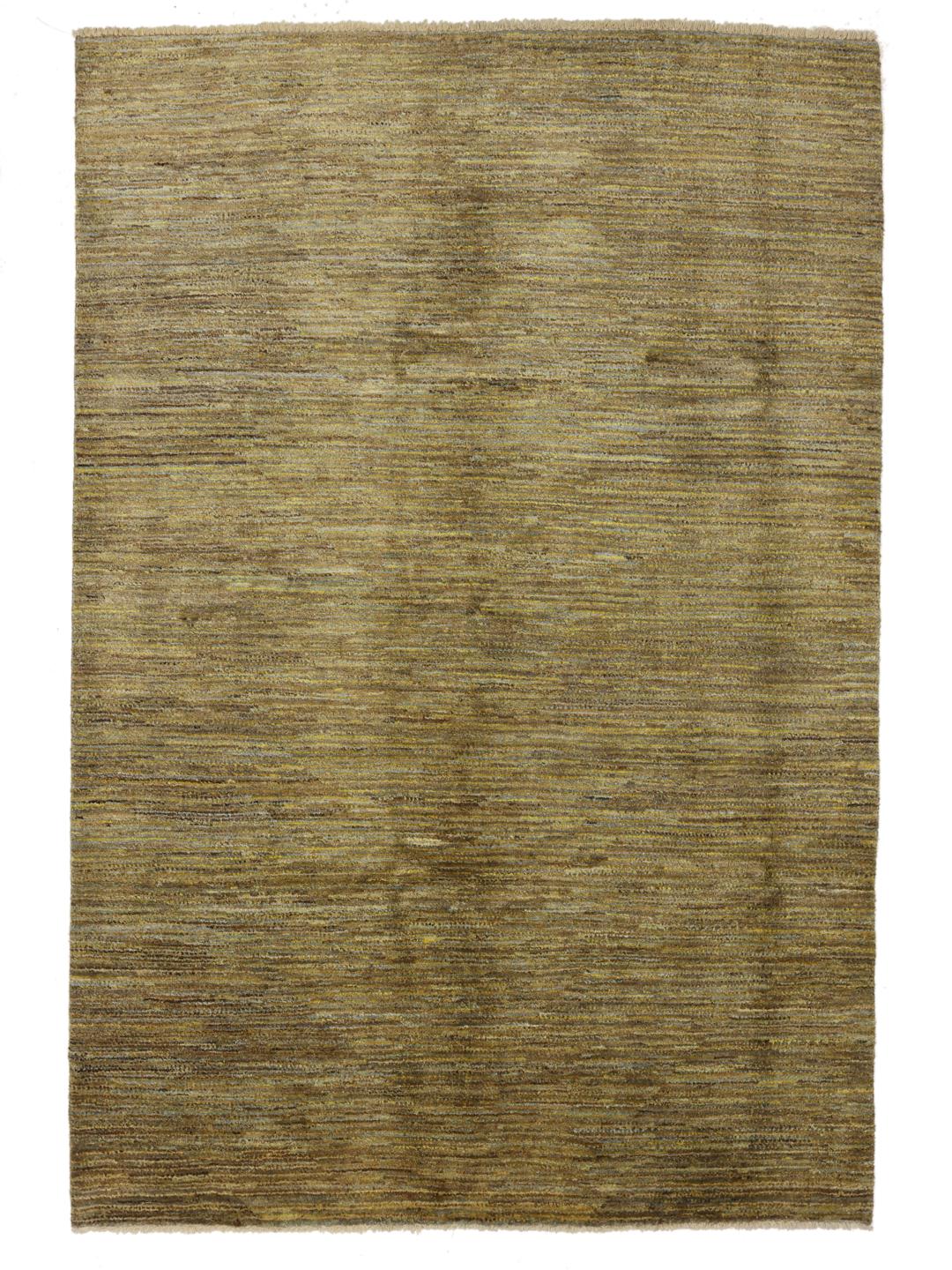
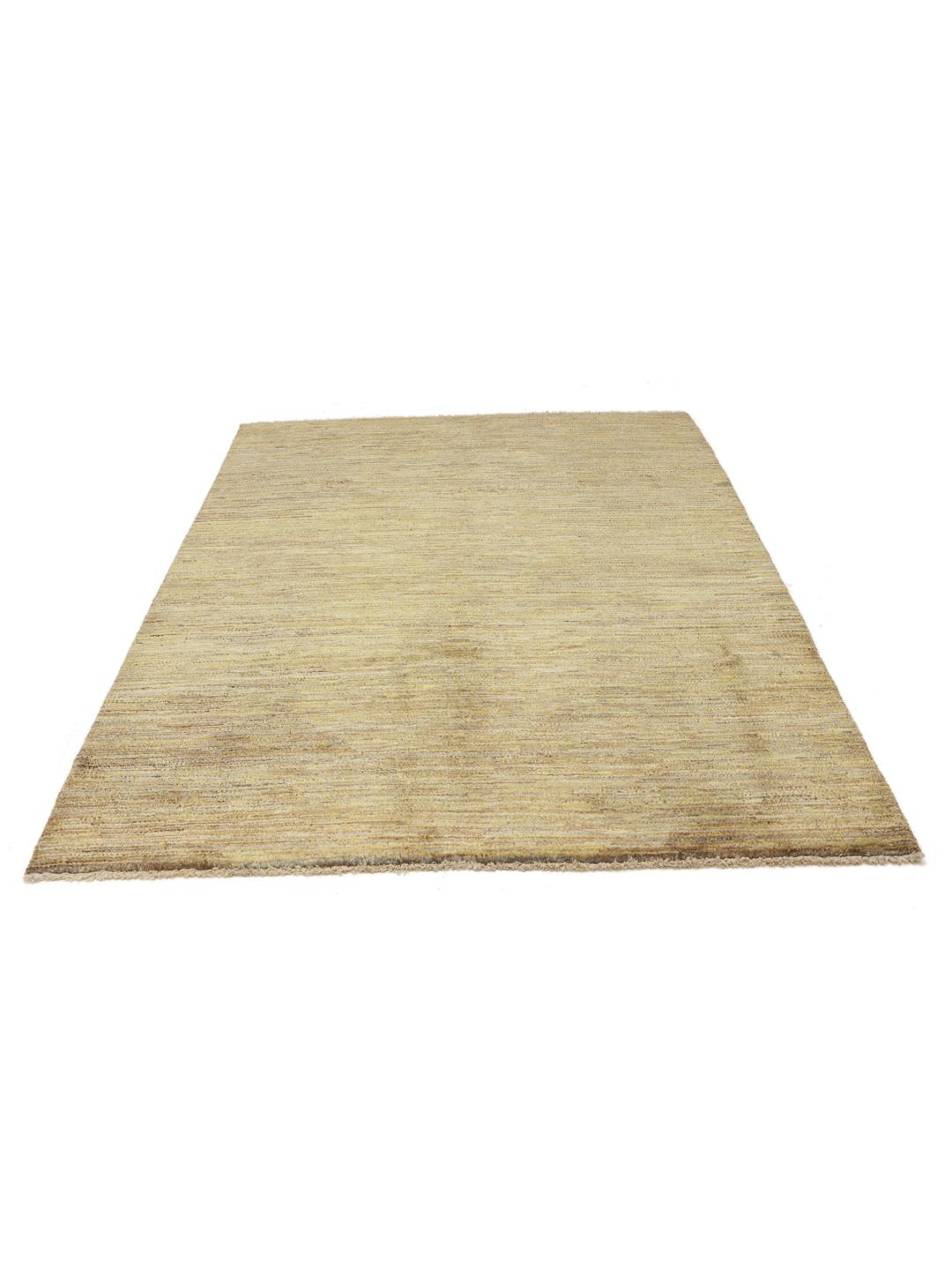
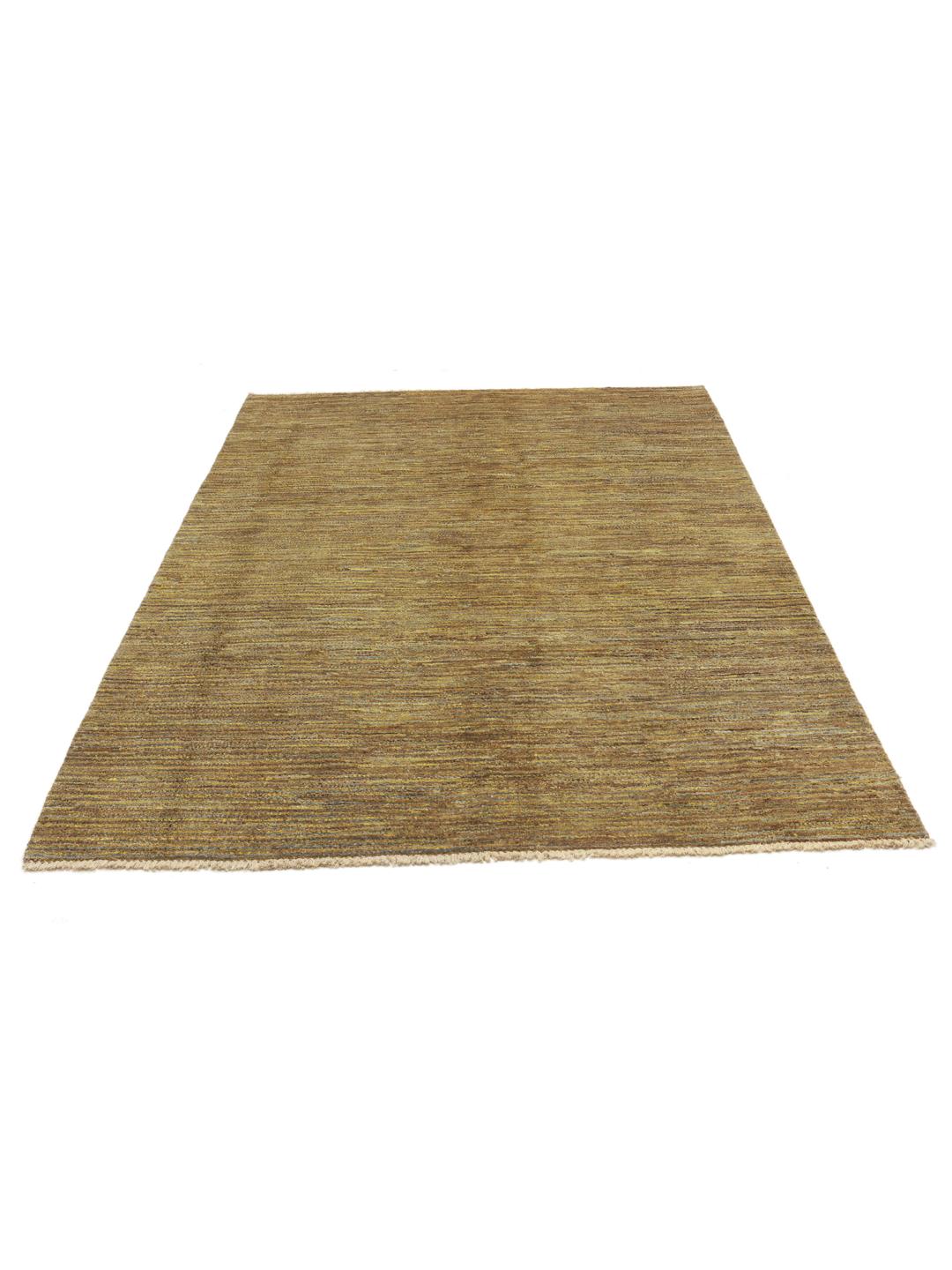
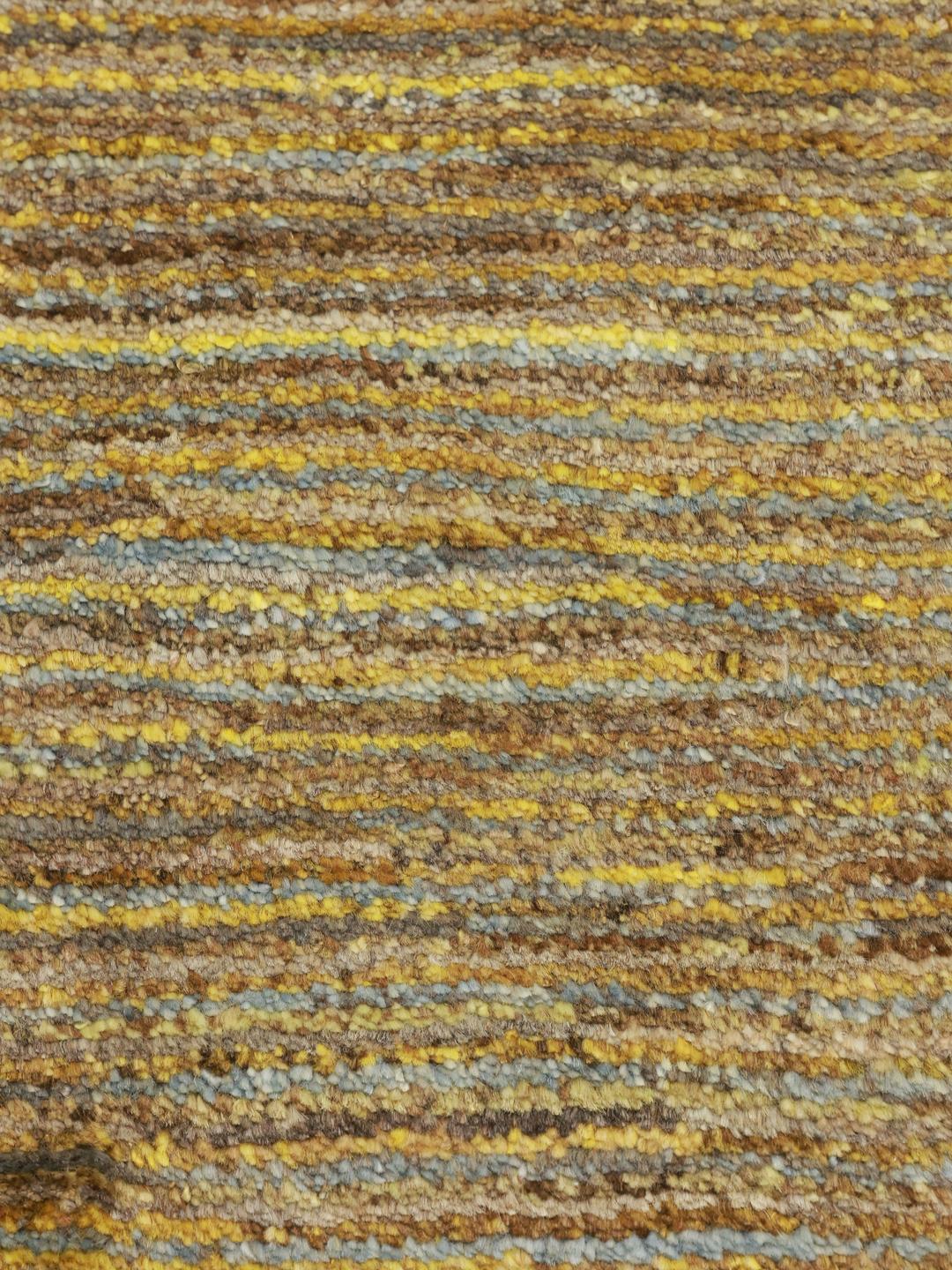
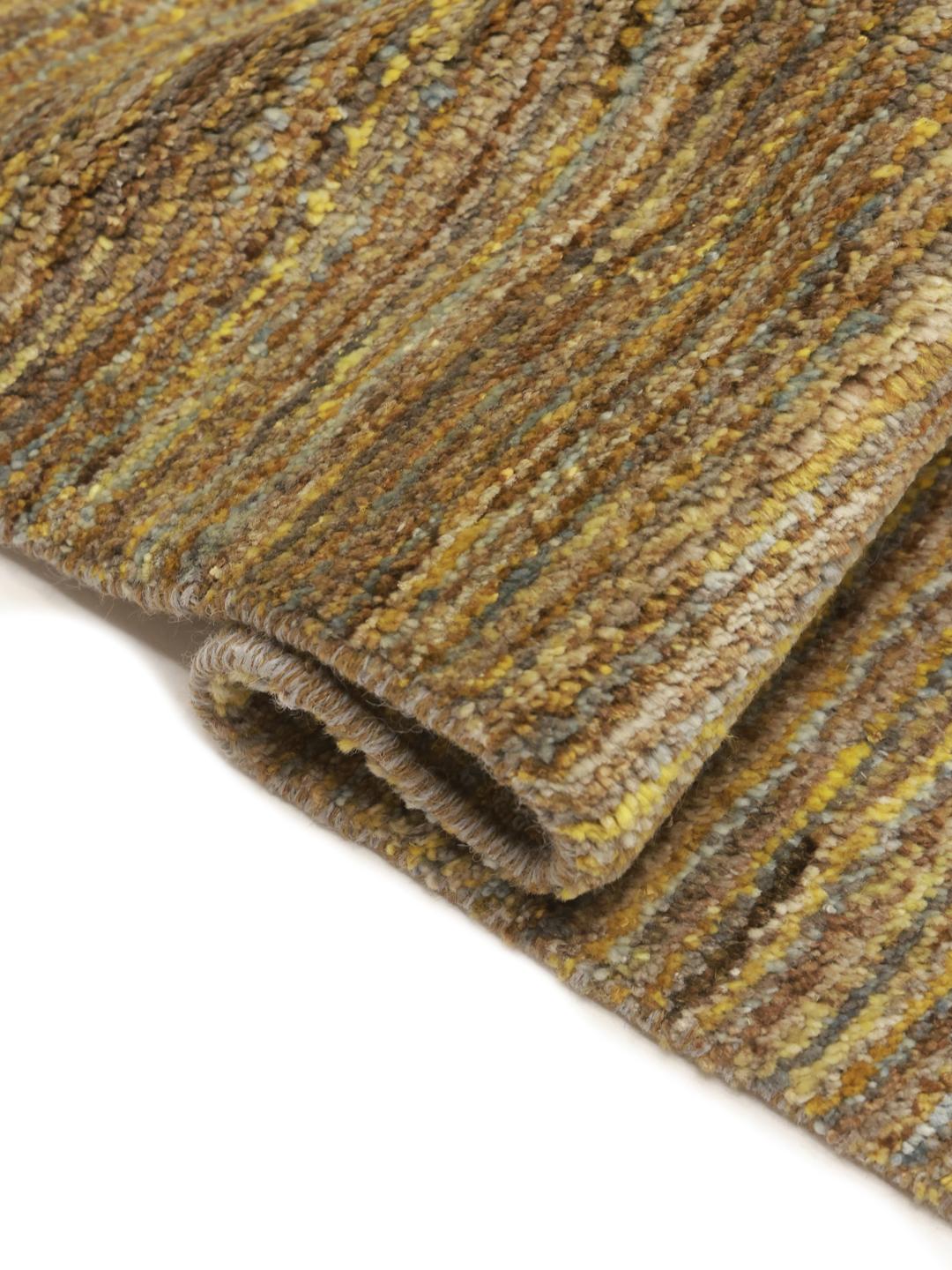
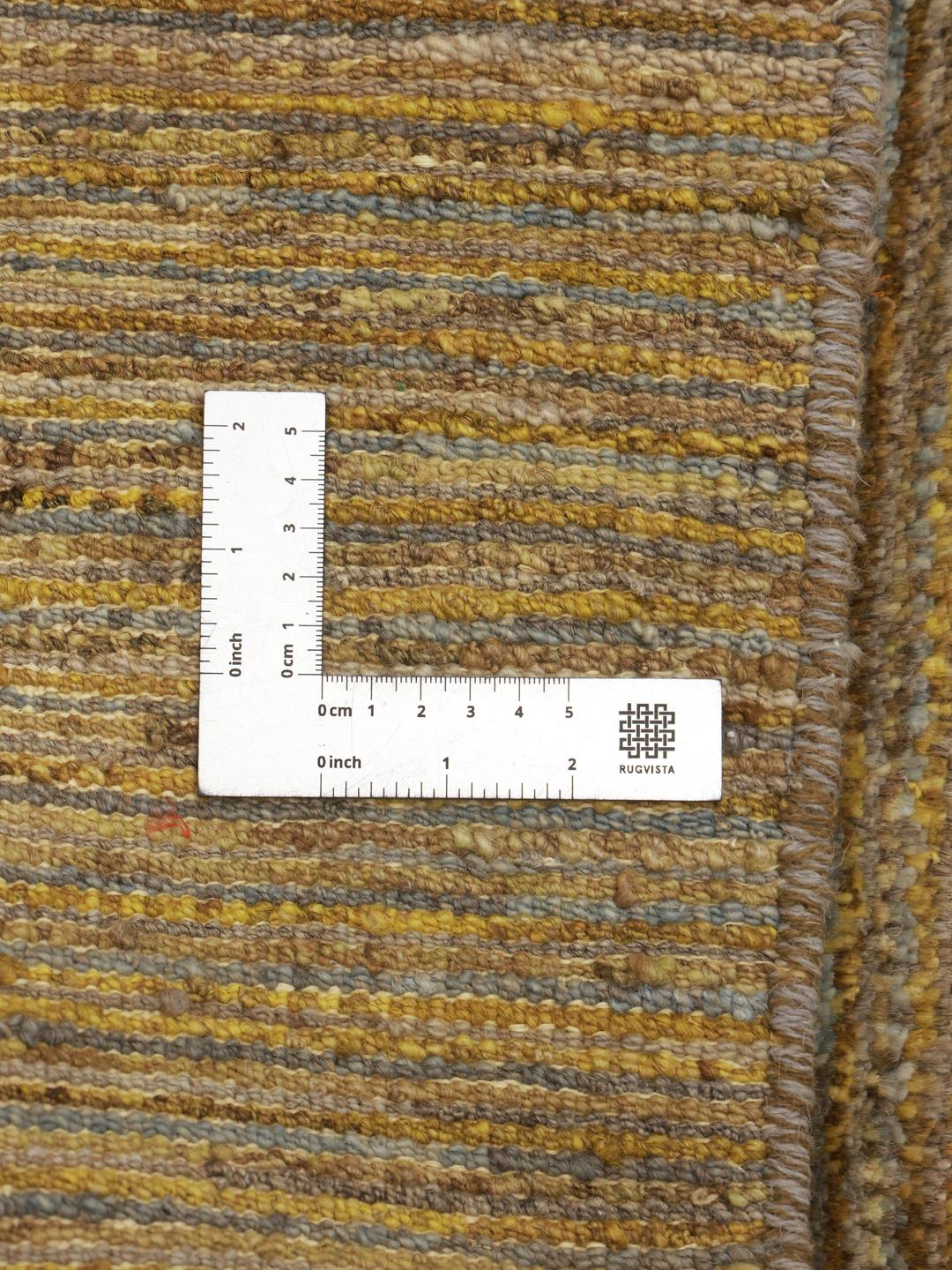
Unlike formal patterned carpets, traditional Gabbehs often feature open fields of colour created using hand-spun wool and natural plant dyes sourced from local roots and flowers. The subtle horizontal shading and earthy tones seen in this piece are characteristic of the Gabbeh tradition, reflecting organic shifts in wool dye lots and the weaver's intuitive approach.
Today, owning a Gabbeh represents a connection to a rich heritage of independent weaving skill and resilient craftsmanship. These rugs are valued by collectors and homeowners alike for their comforting weight, enduring natural materials, and the honest, human story woven into every fibre.