Gabbeh rugs trace their roots to the nomadic tribes of the Middle East, particularly the Qashqai weavers who crafted these thick, heavy pieces primarily for their own domestic use. Unlike urban workshop carpets featuring intricate floral medallions, traditional Gabbehs were born from a simpler, more spontaneous artistic vision, often reflecting the weavers daily lives, surroundings, and stories through minimalist designs.
The term Gabbeh itself translates from Persian as raw, uncut, or natural, which aptly describes the rustic, unpretentious charm of these traditional floor coverings. Over generations, this heritage evolved into the modern Gabbeh style seen today, retaining the chunky, tactile pile while adapting to contemporary aesthetic preferences.
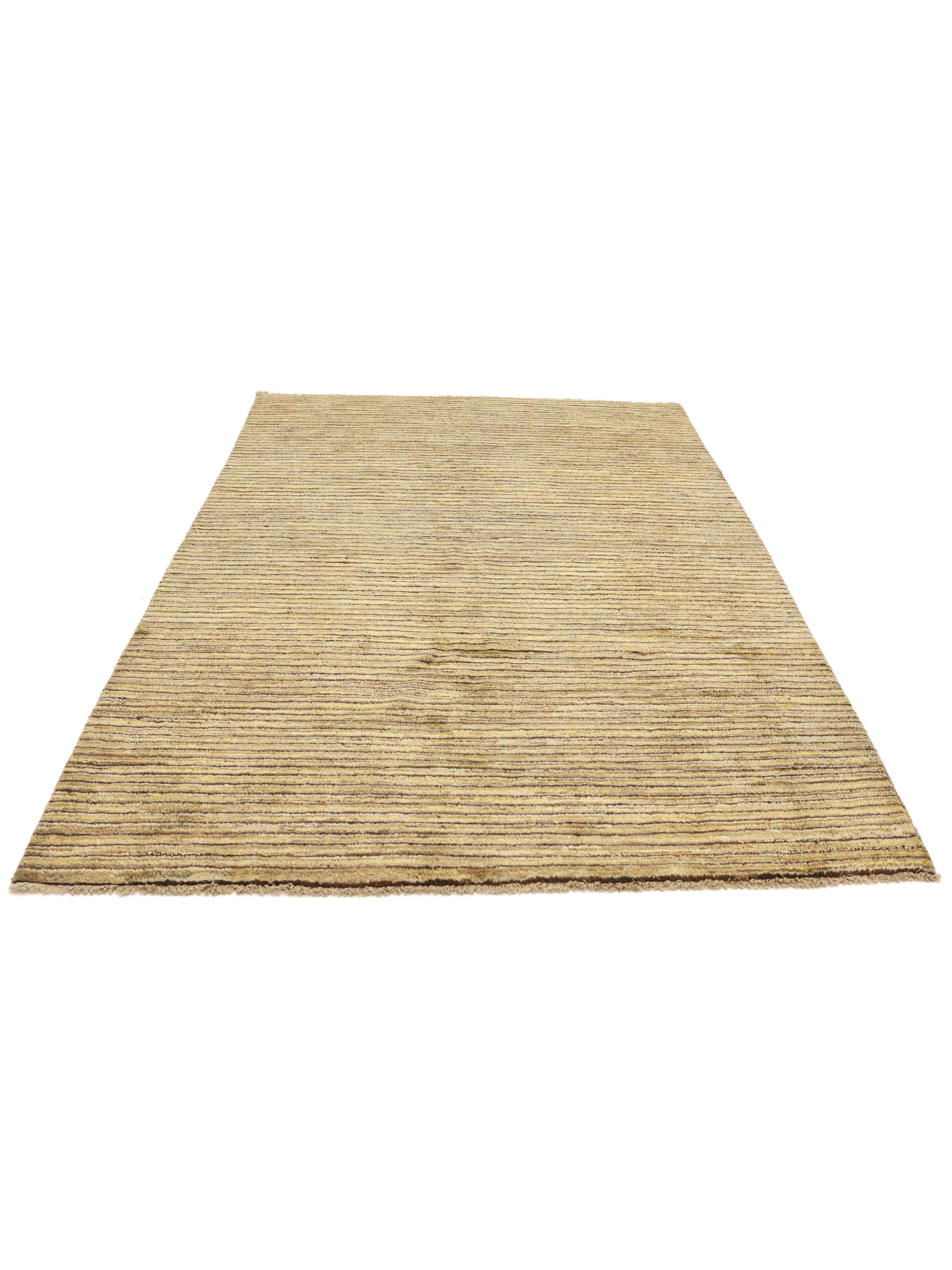
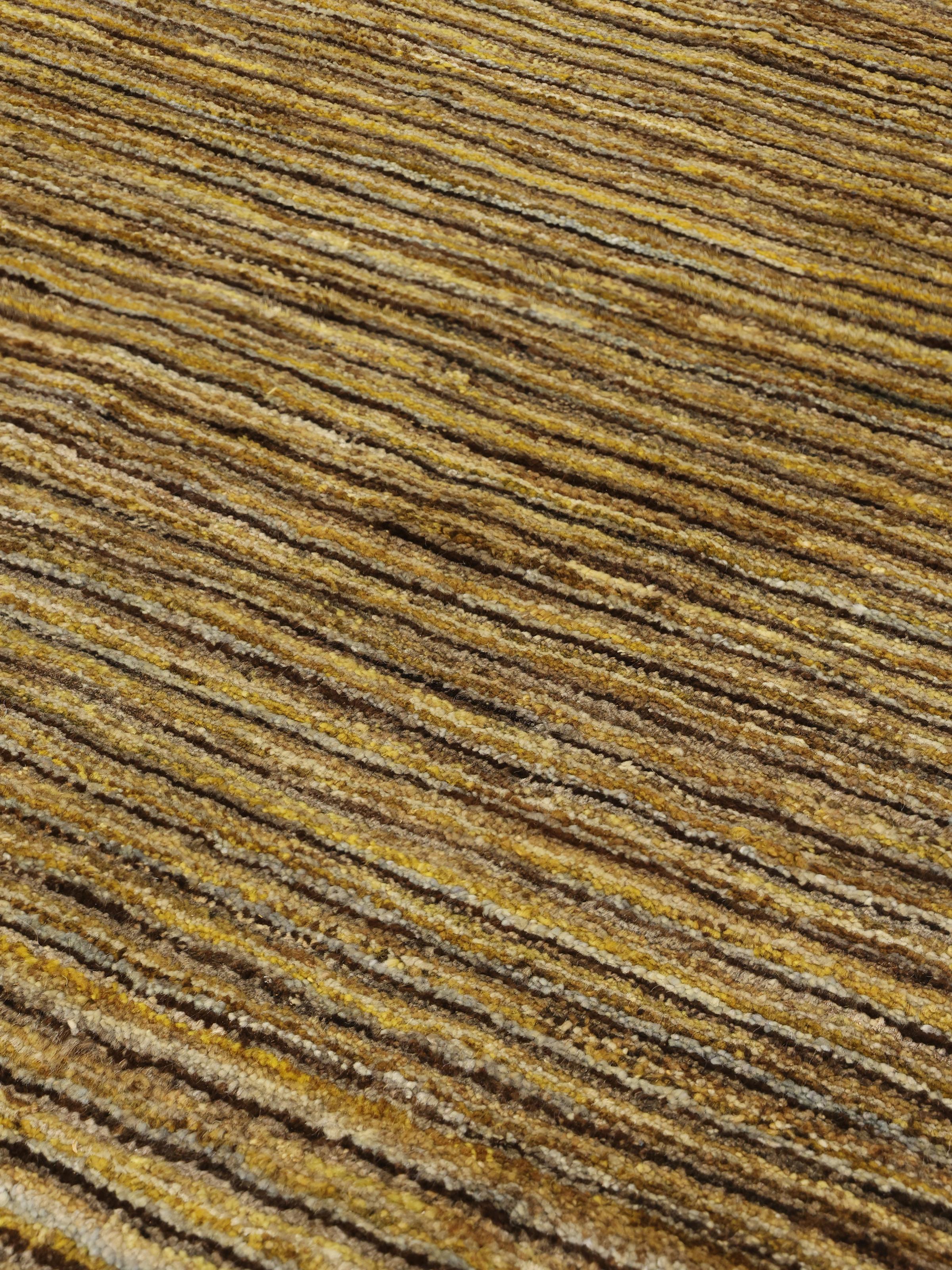
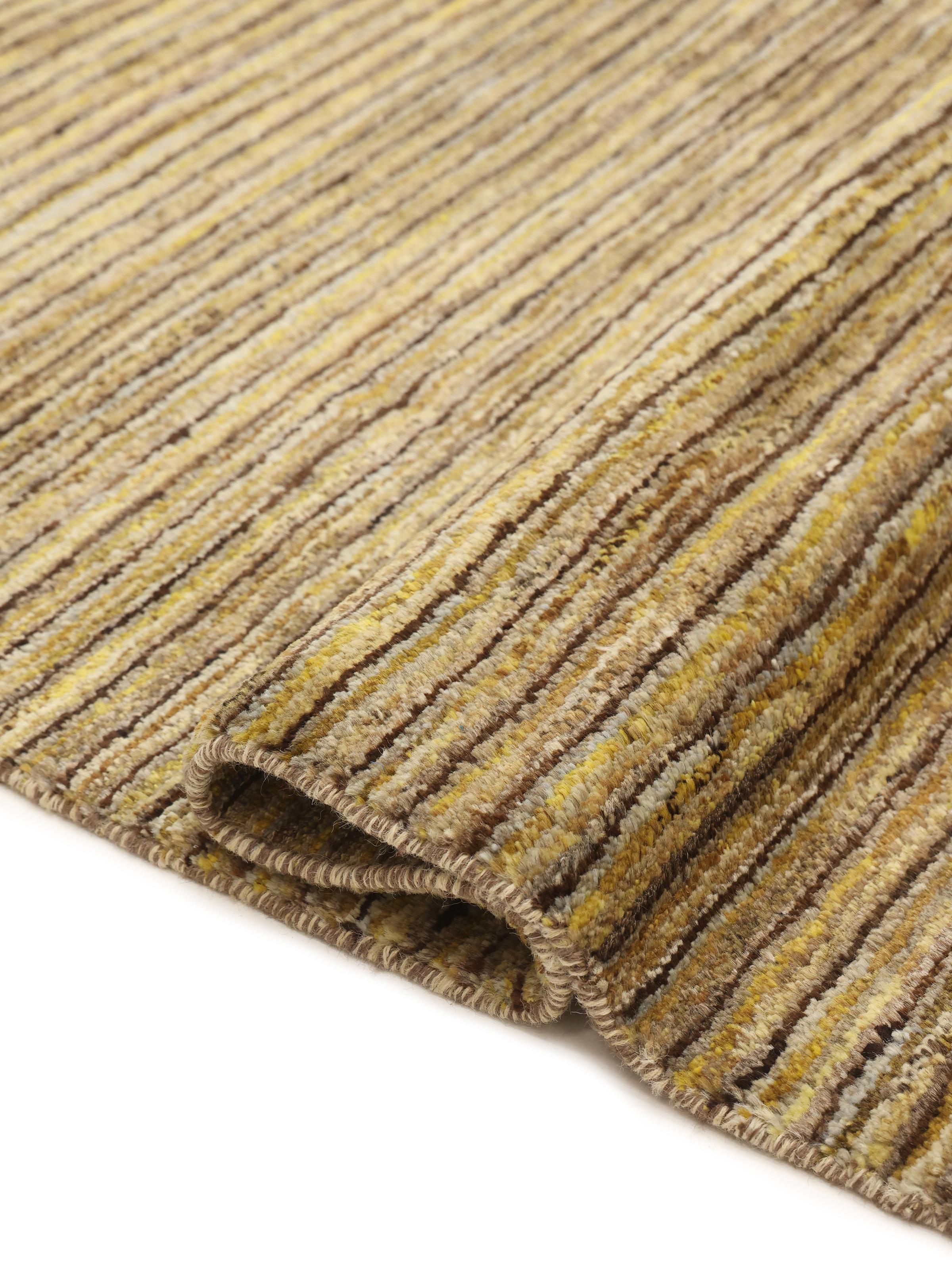
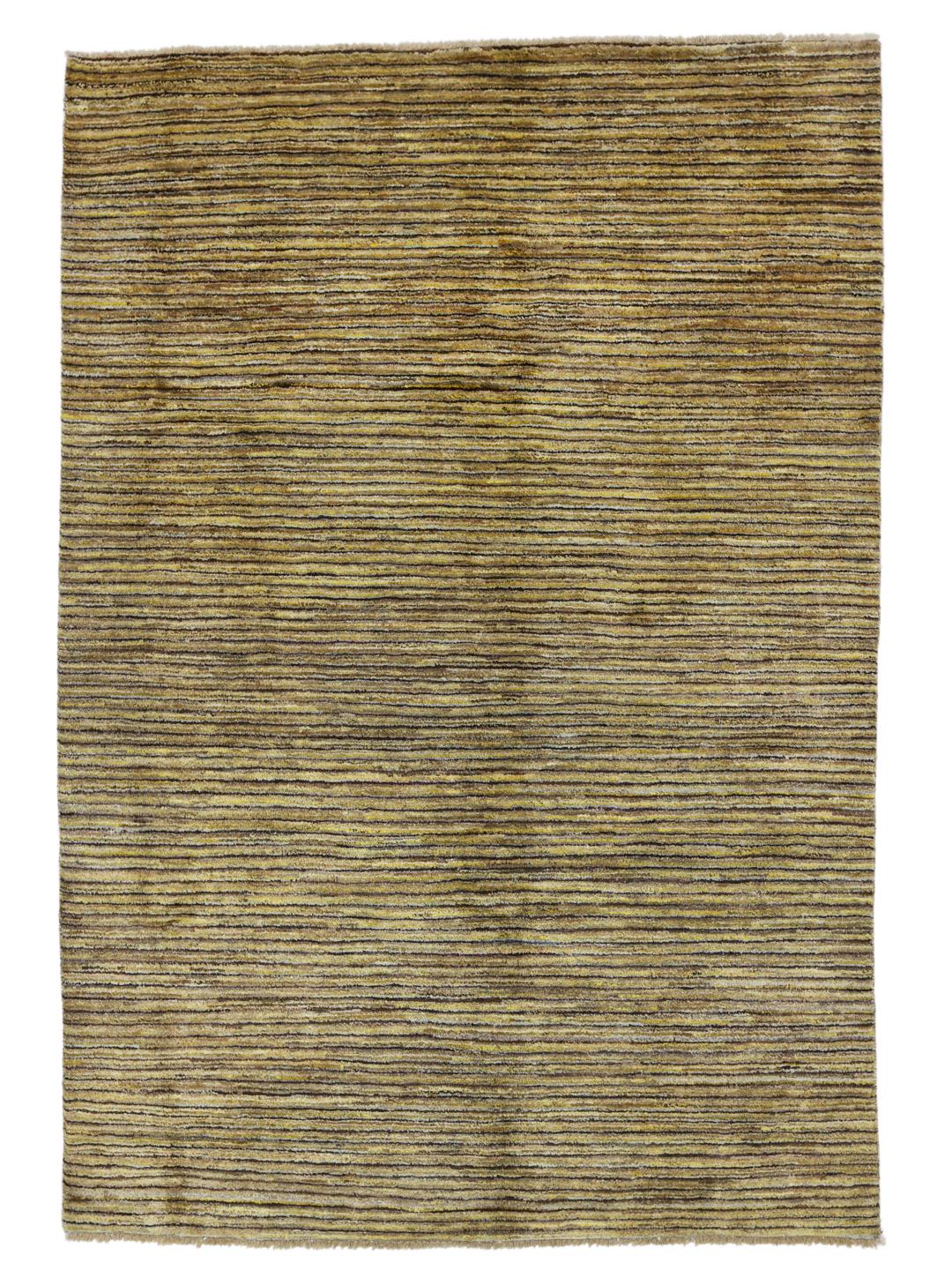
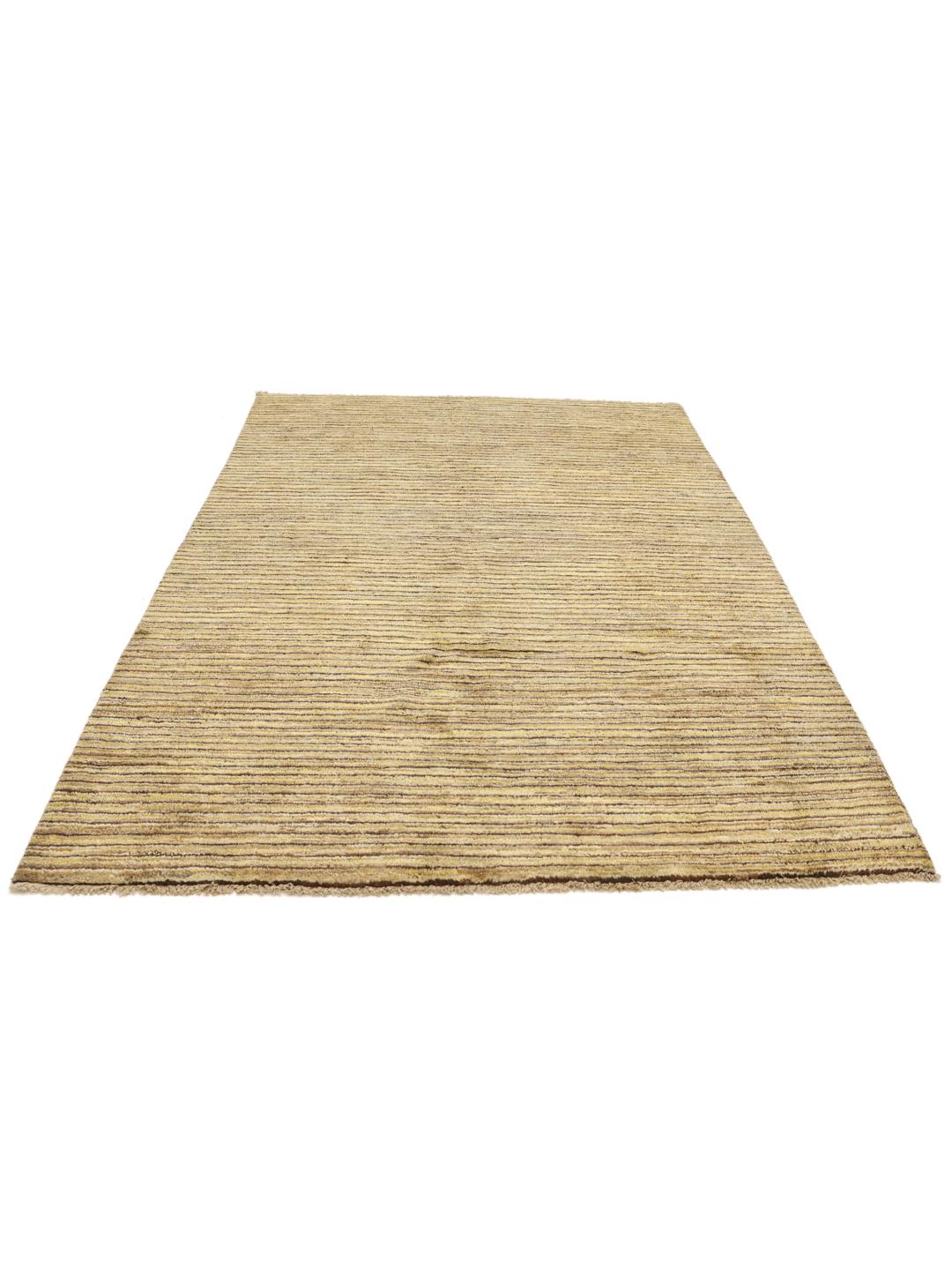
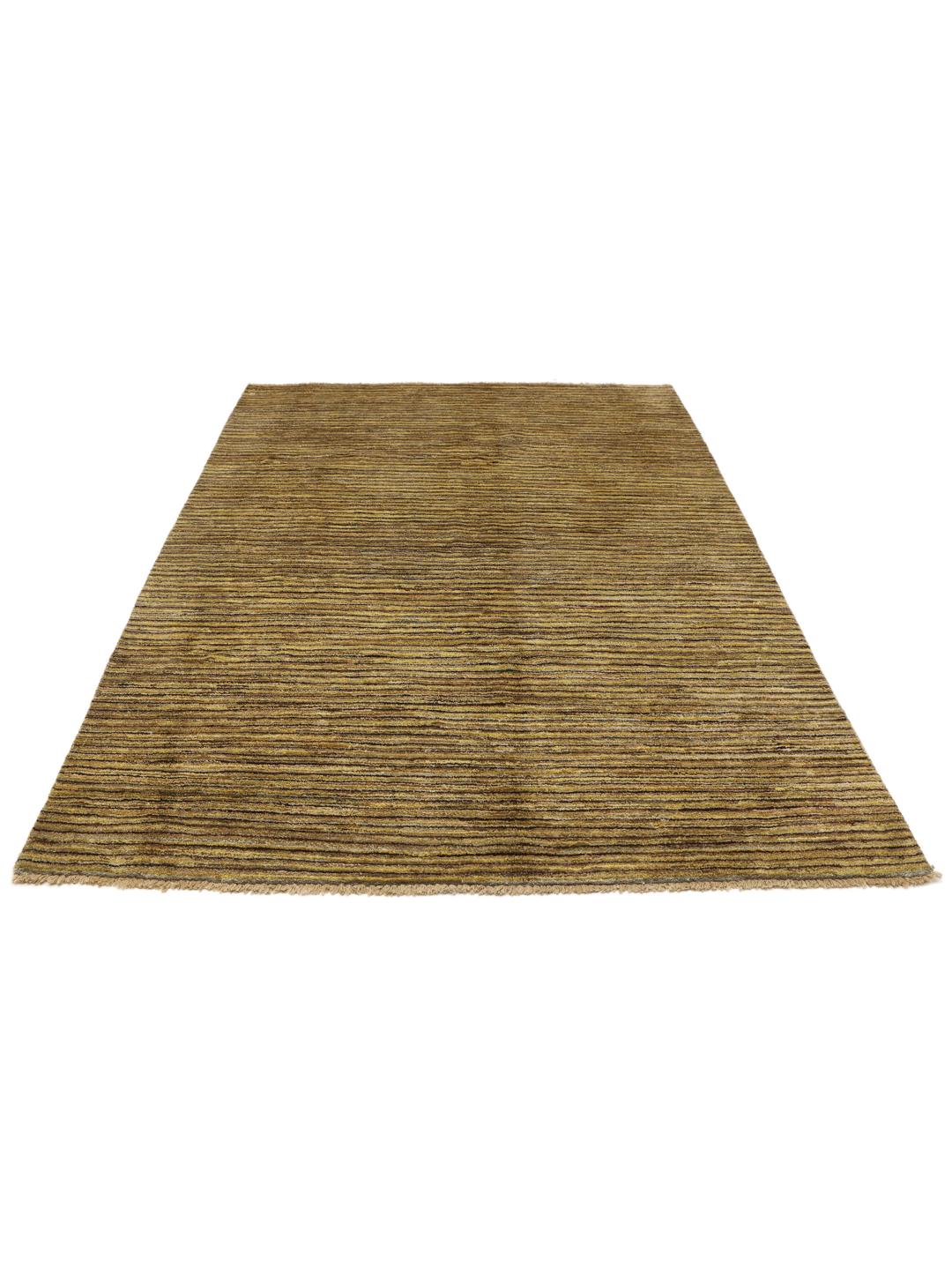
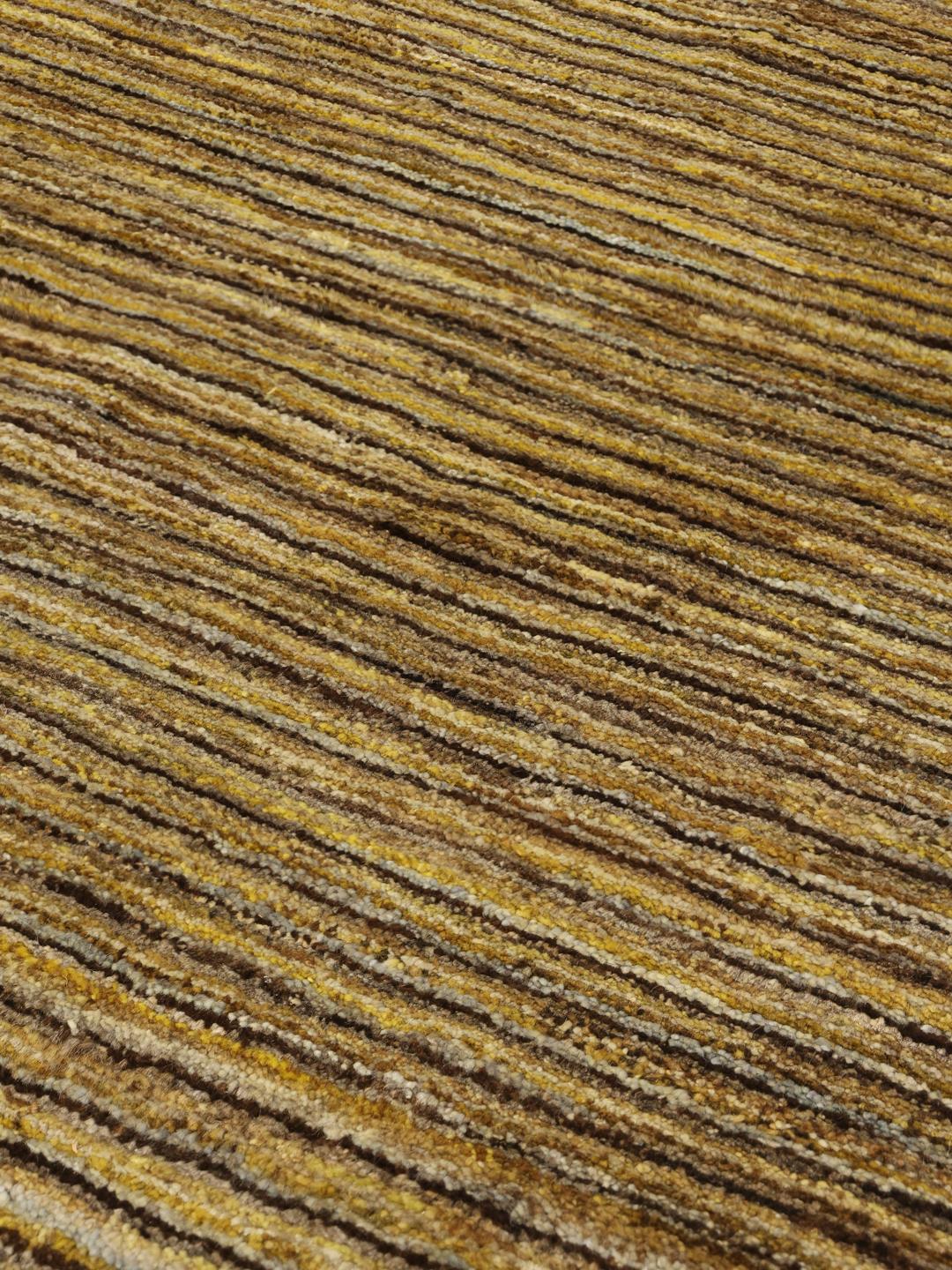
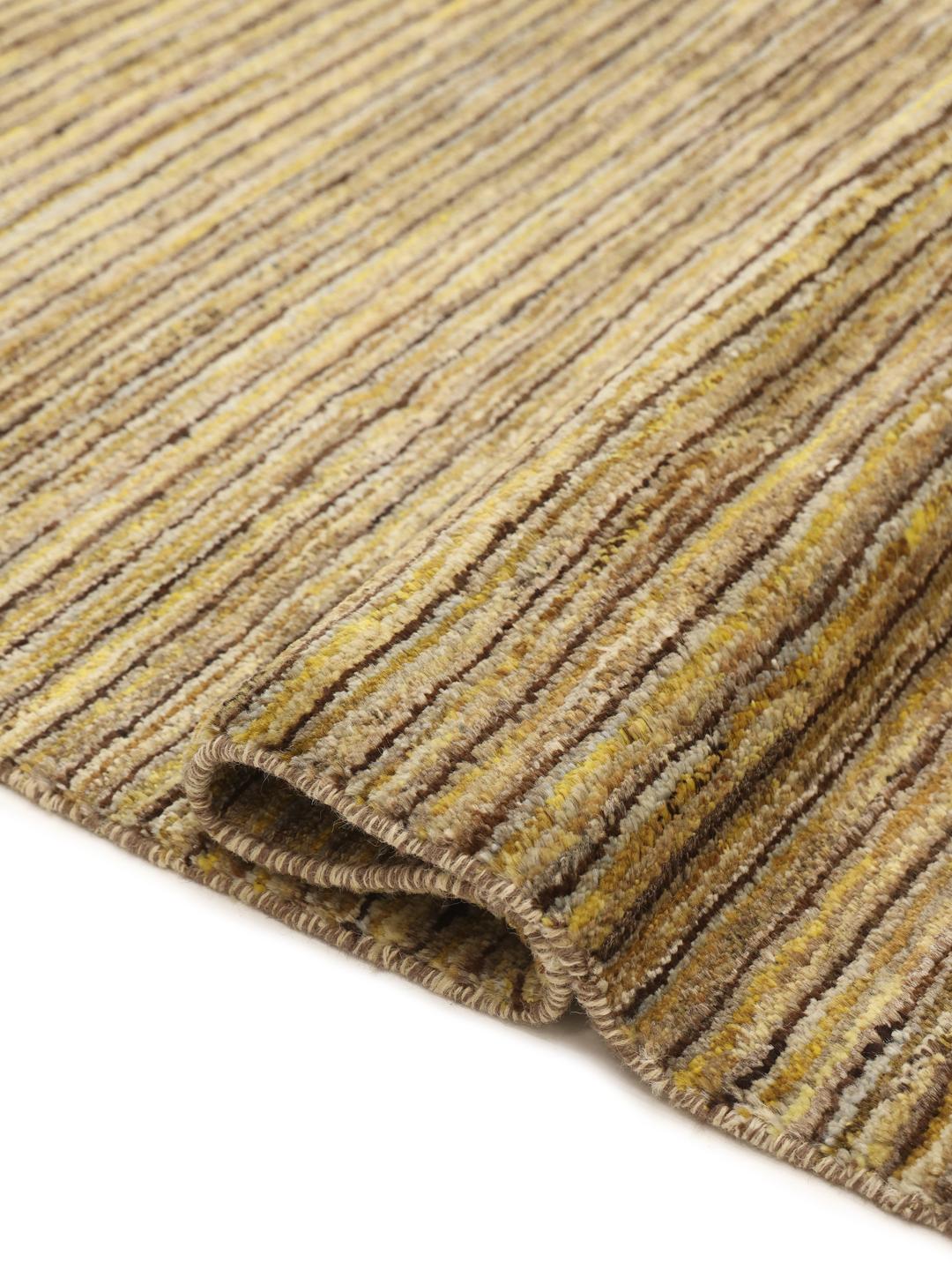
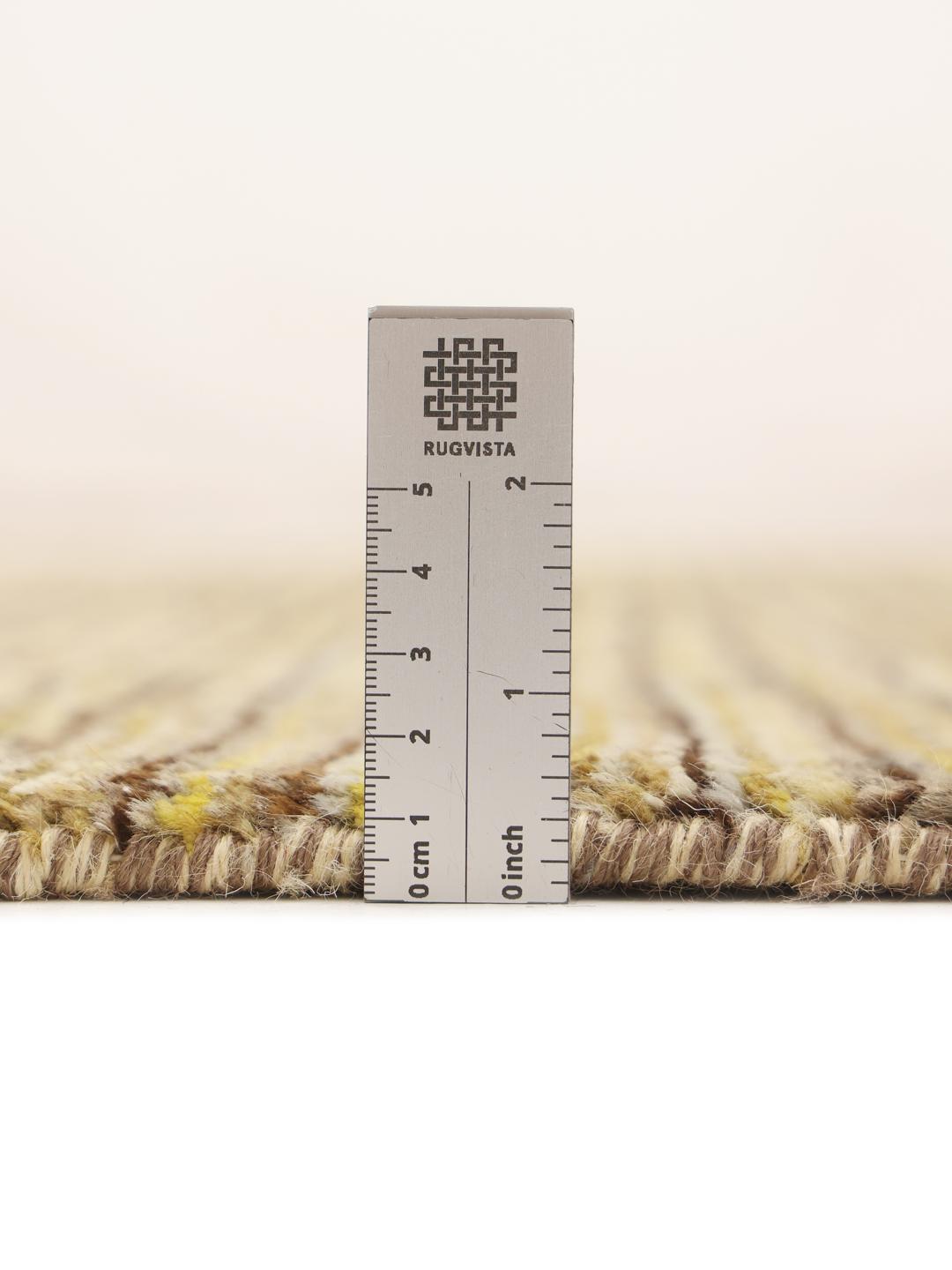
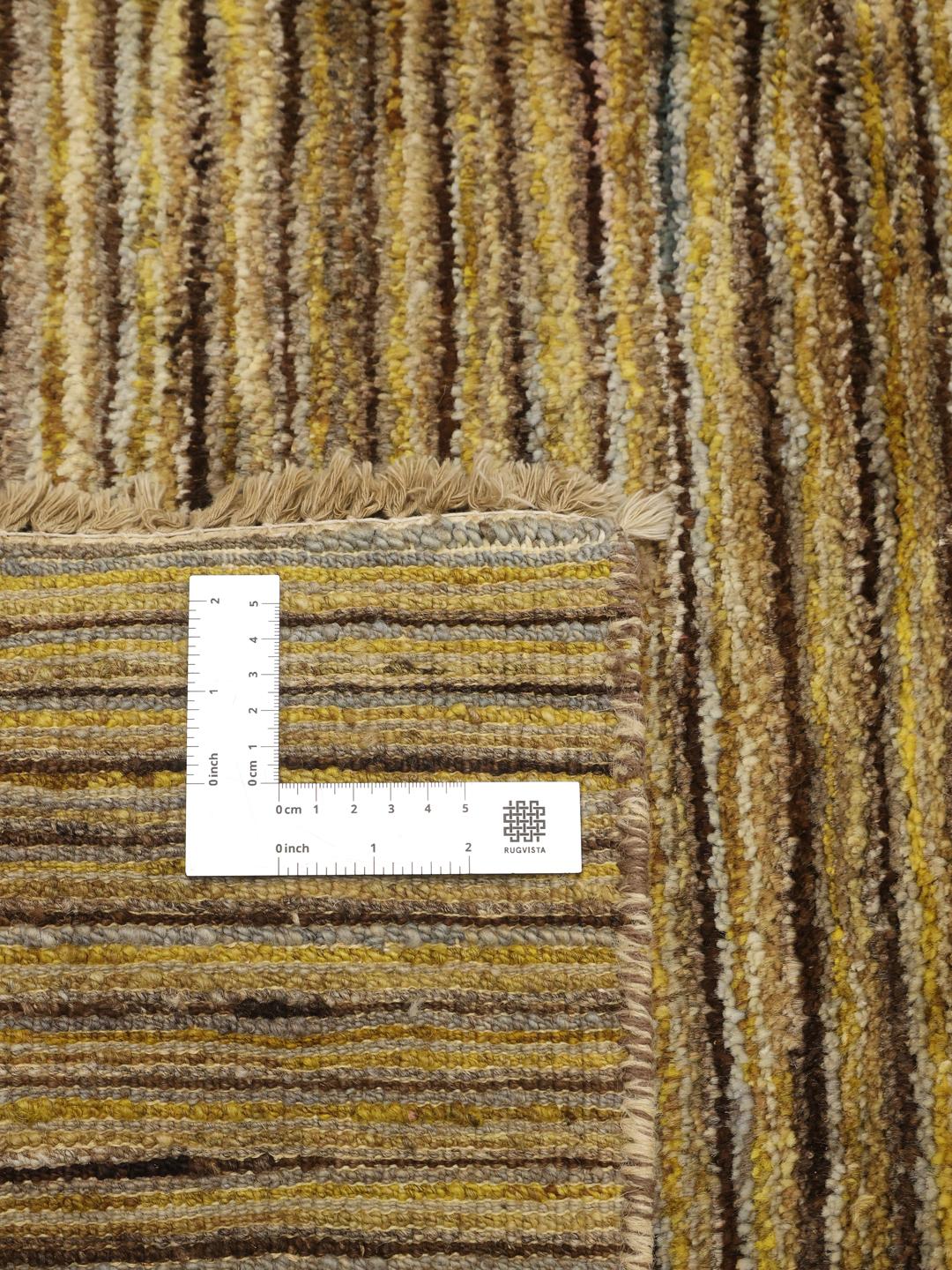
Signature design elements of the Gabbeh tradition include expansive fields of solid or subtly graded colour, often accented with sparse geometric motifs or horizontal bands. The horizontal striping on this particular piece offers a quiet visual rhythm, utilising tonal shifts in the wool to create gentle depth across the surface without overwhelming the room.
Collecting a Gabbeh means welcoming a piece of nomadic weaving history into your interior. These rugs are valued for their honest use of natural materials and their direct connection to a centuries-old craft tradition, offering a grounded, authentic presence that mass-produced alternatives simply cannot replicate.