Gabbeh rugs trace their roots to the nomadic tribes of the Middle East, particularly the Qashqai people who traditionally wove them for practical everyday use rather than trade. These weavers relied entirely on memory and their immediate surroundings, resulting in simple, deeply personal designs that reflected their daily lives and connection to nature.
The term Gabbeh itself translates from Persian as raw, uncut, or natural, describing the thick, plush pile and unpretentious character of early nomadic weaving. Over generations, this utilitarian craft evolved into a cherished artistic tradition, with modern interpretations like this piece bridging ancient nomadic aesthetics with contemporary interior needs.
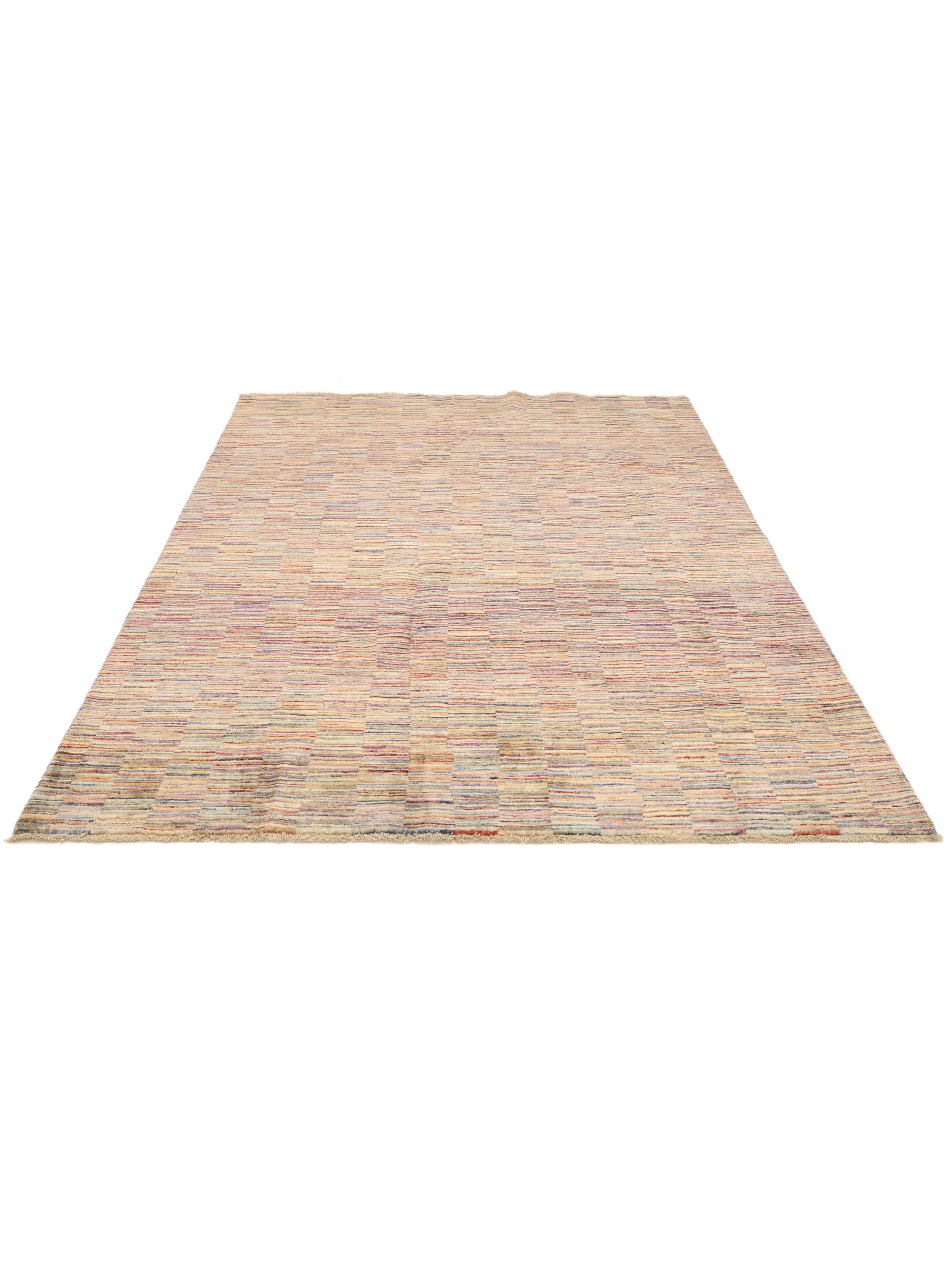
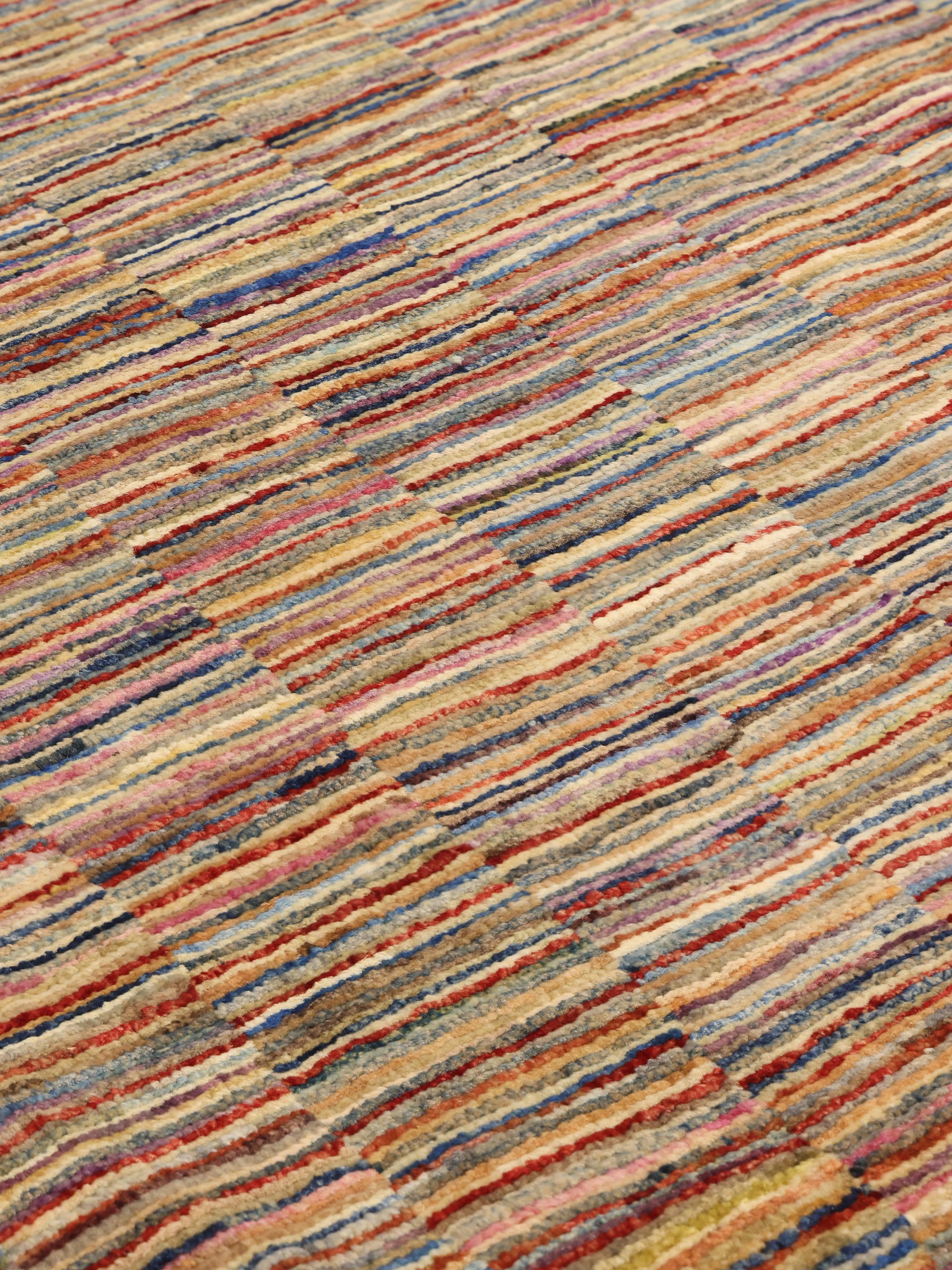
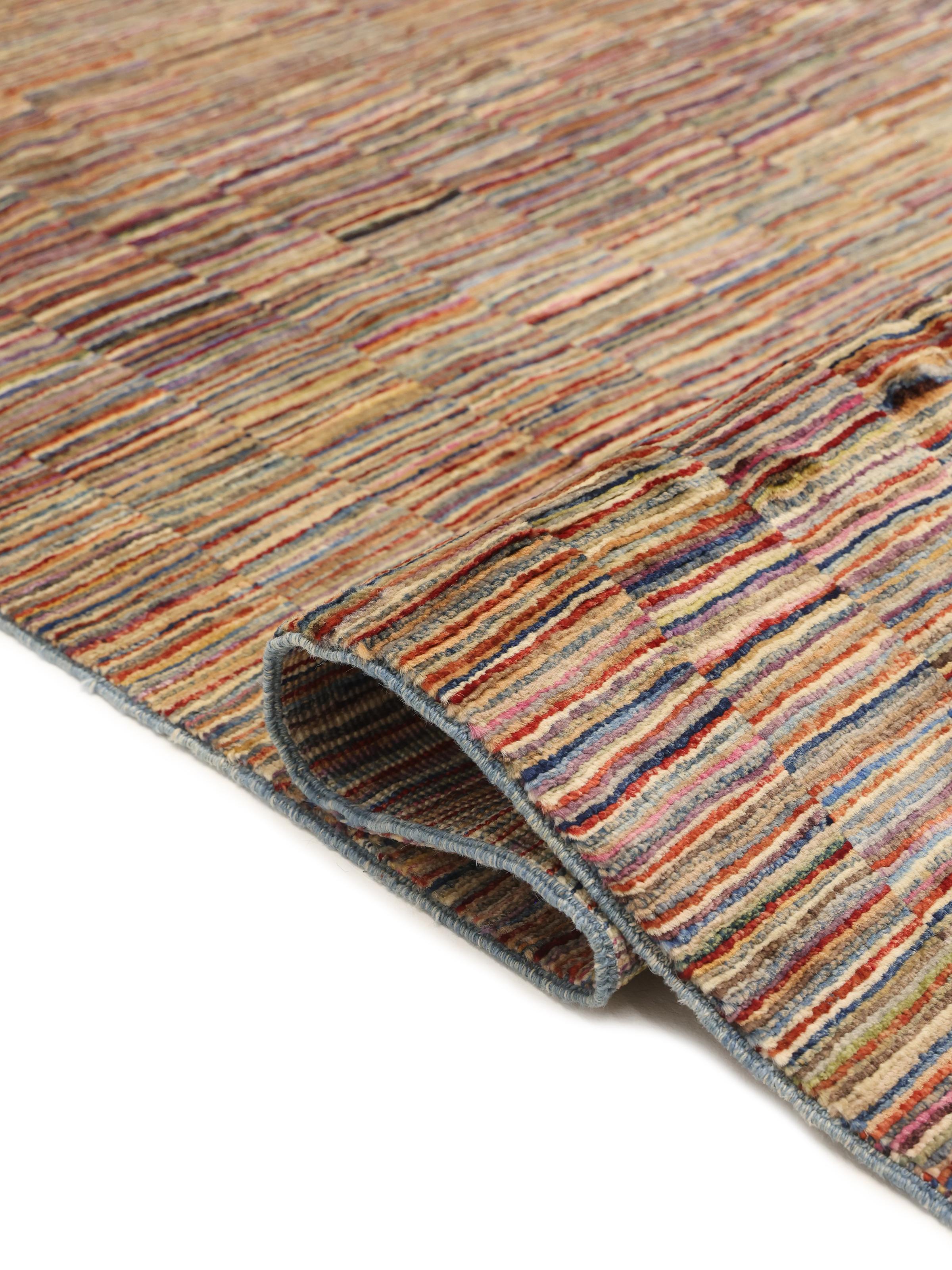
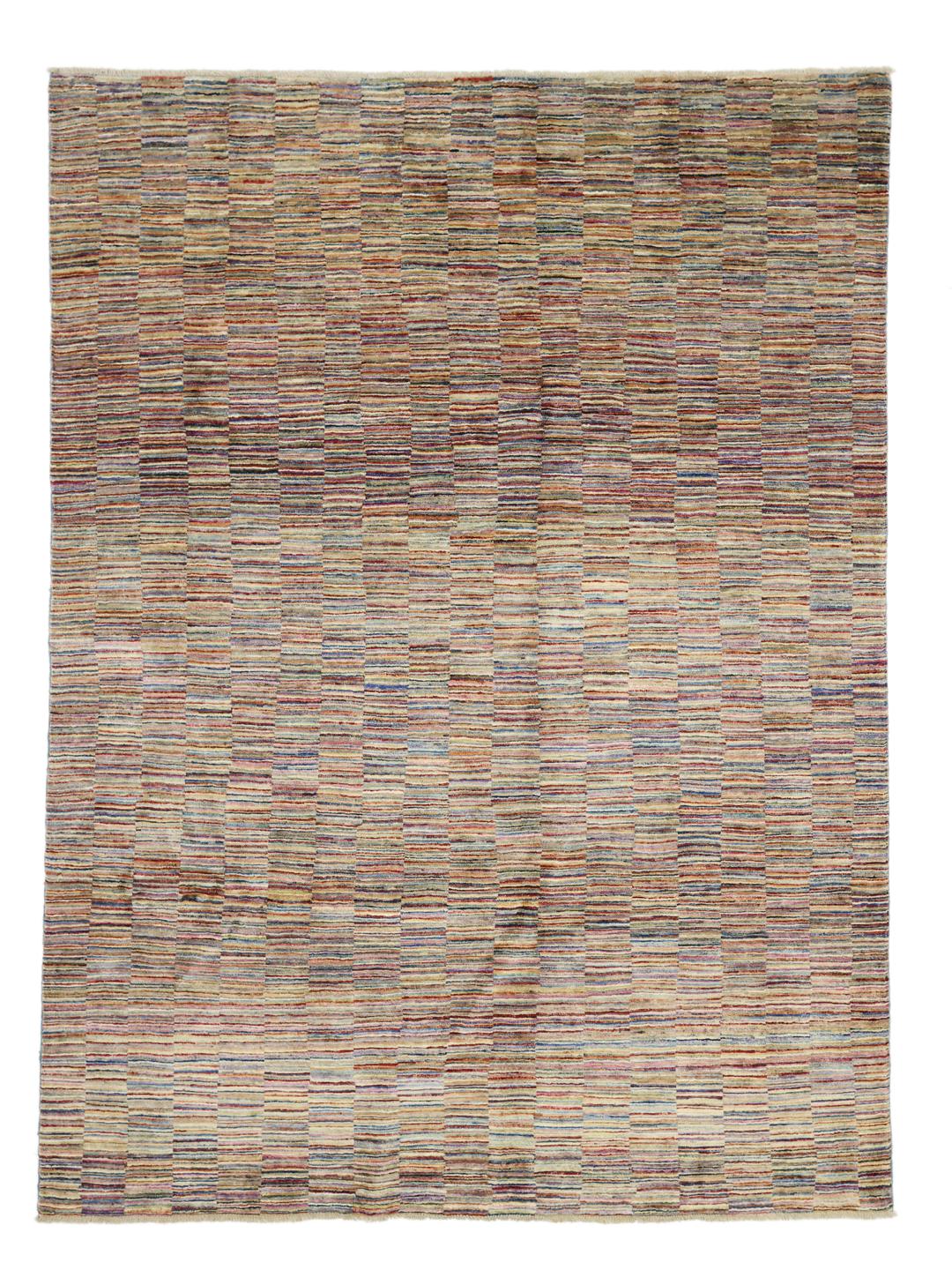
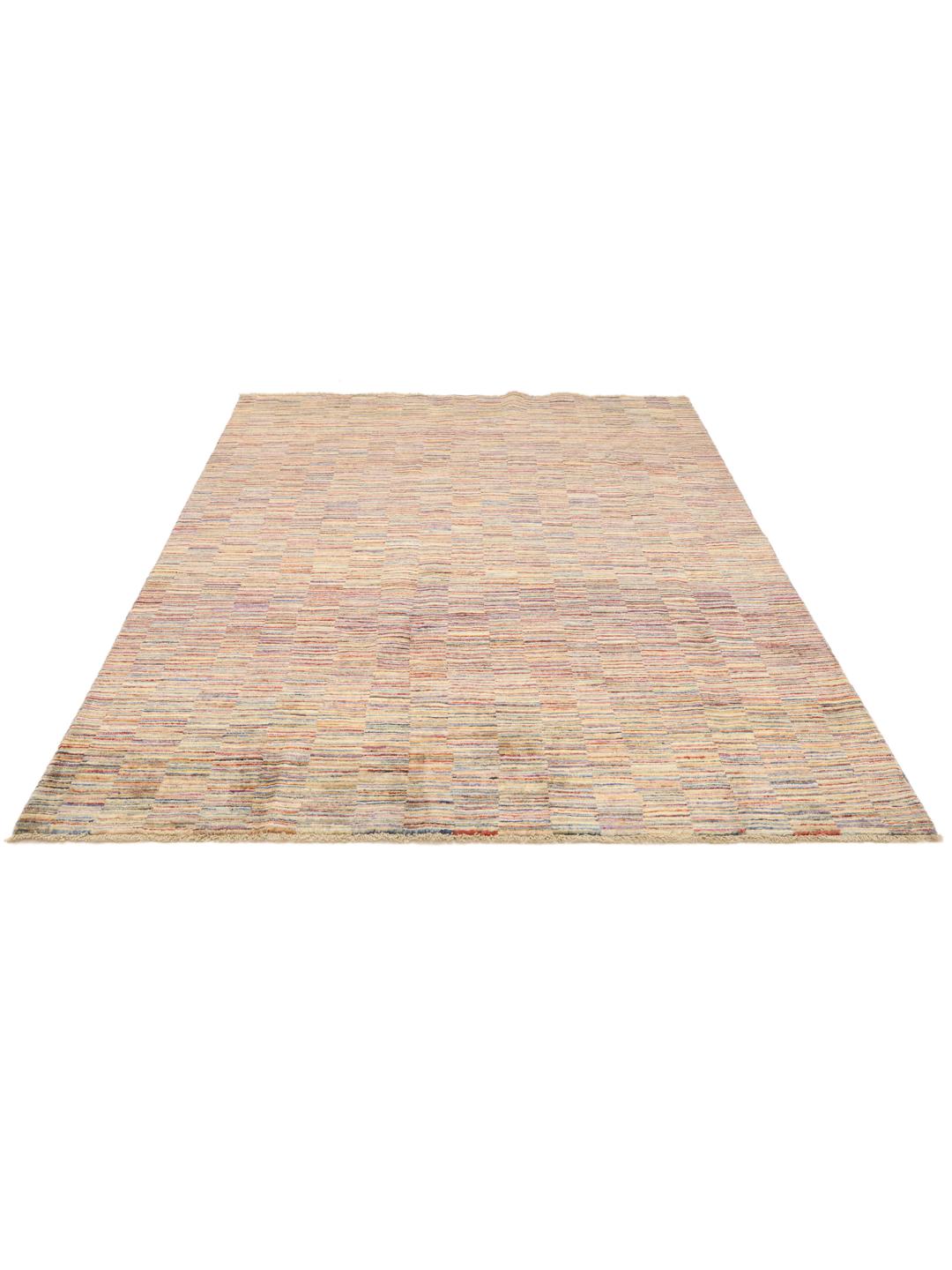
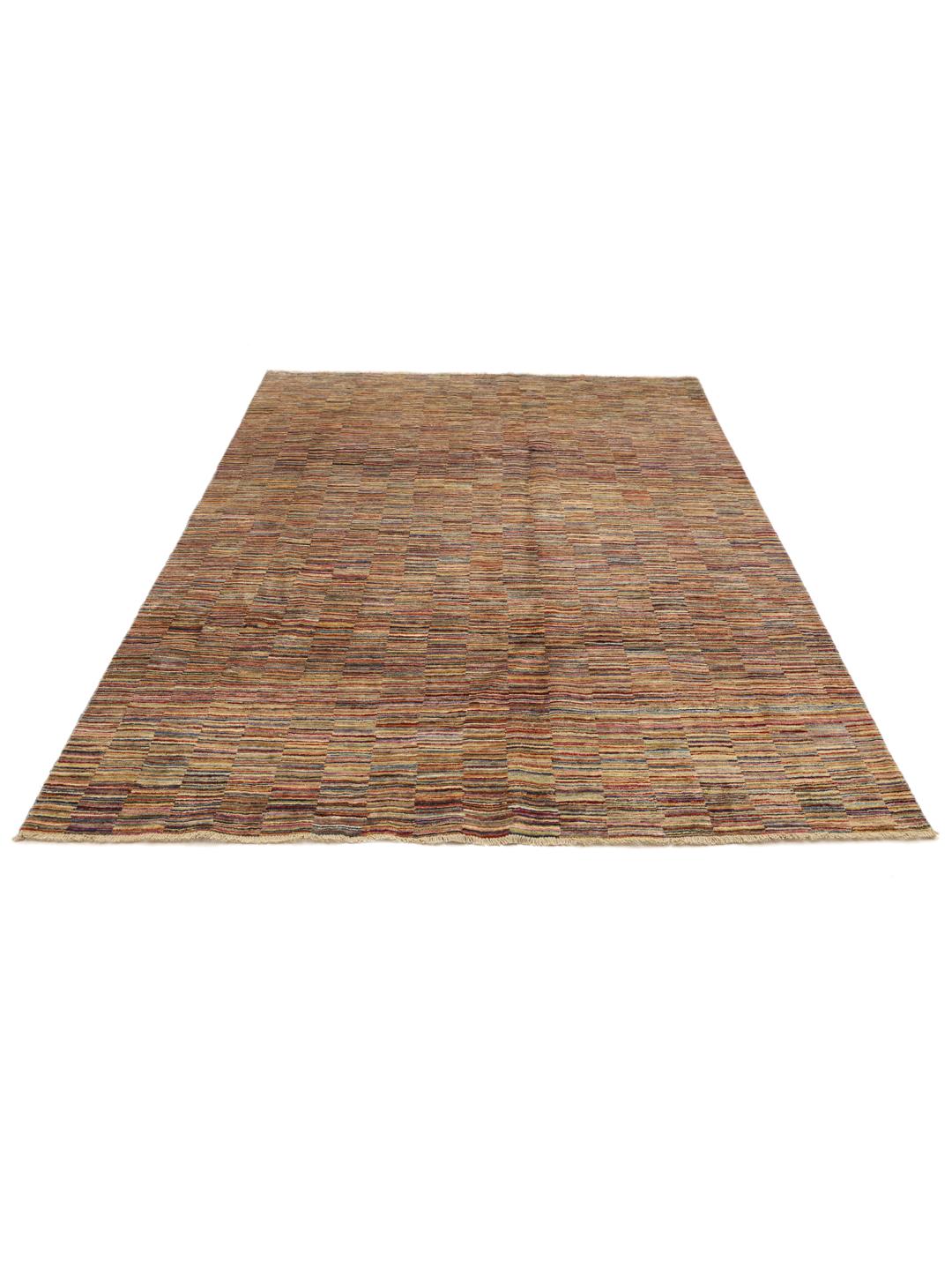
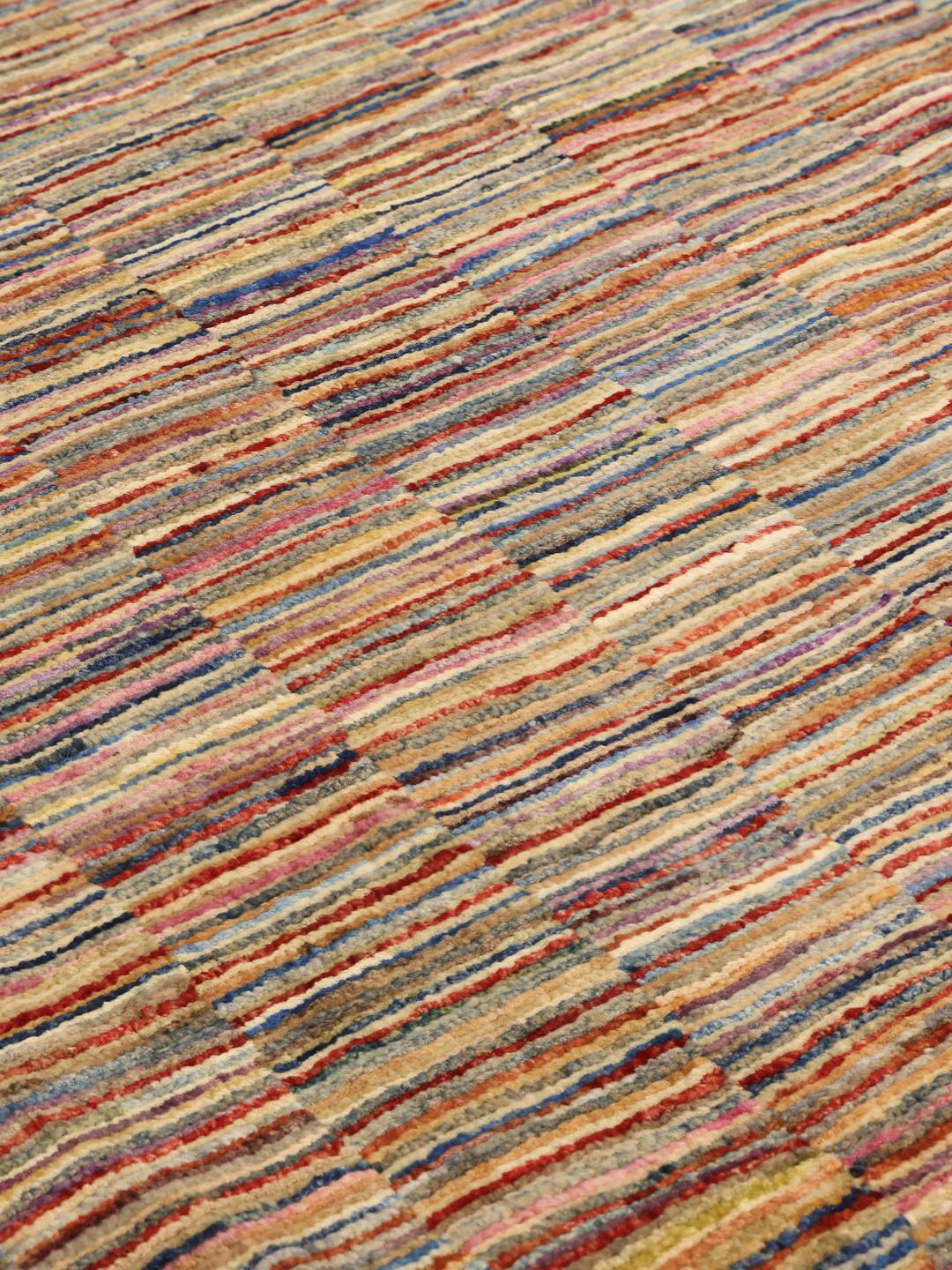
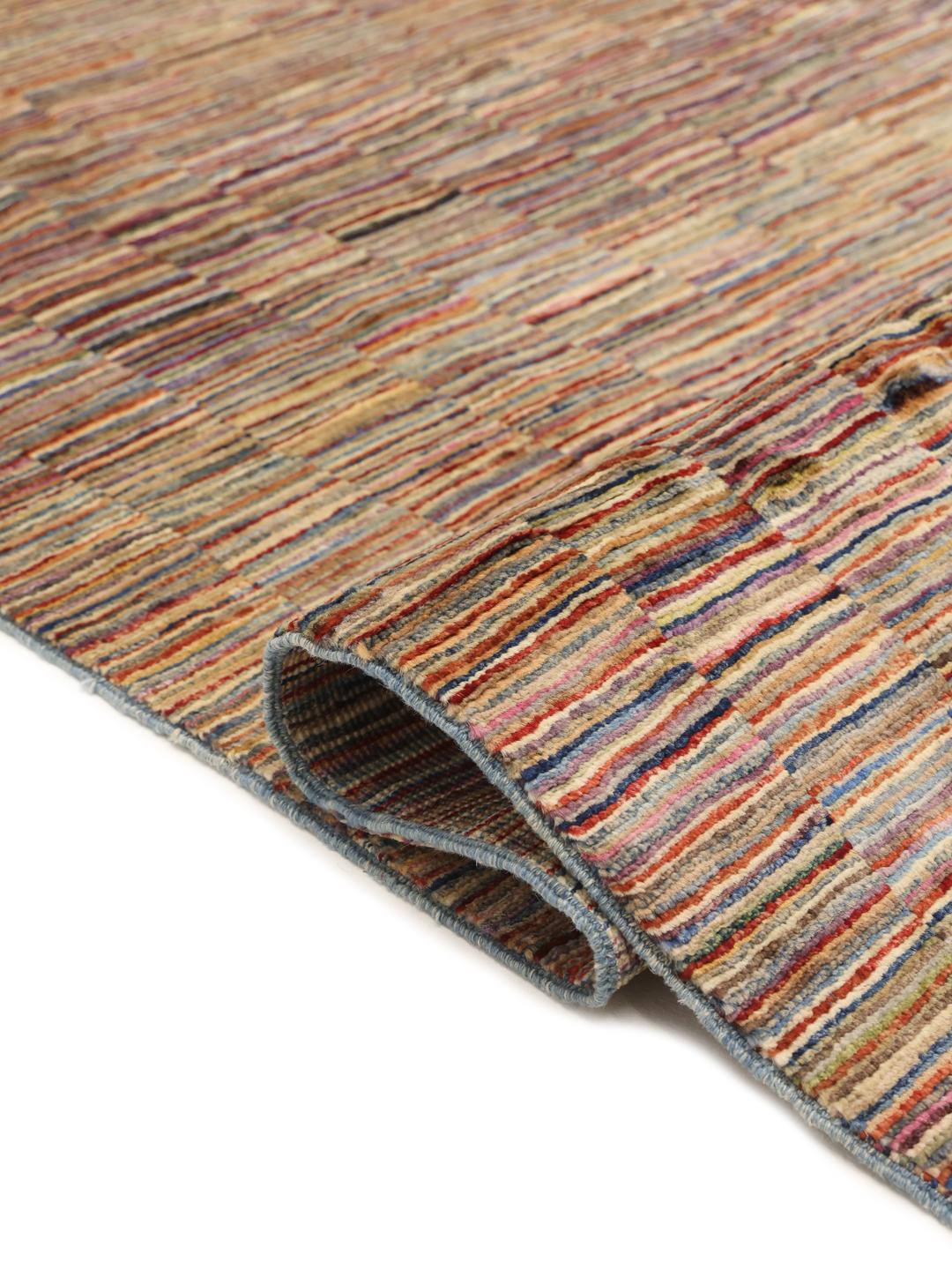
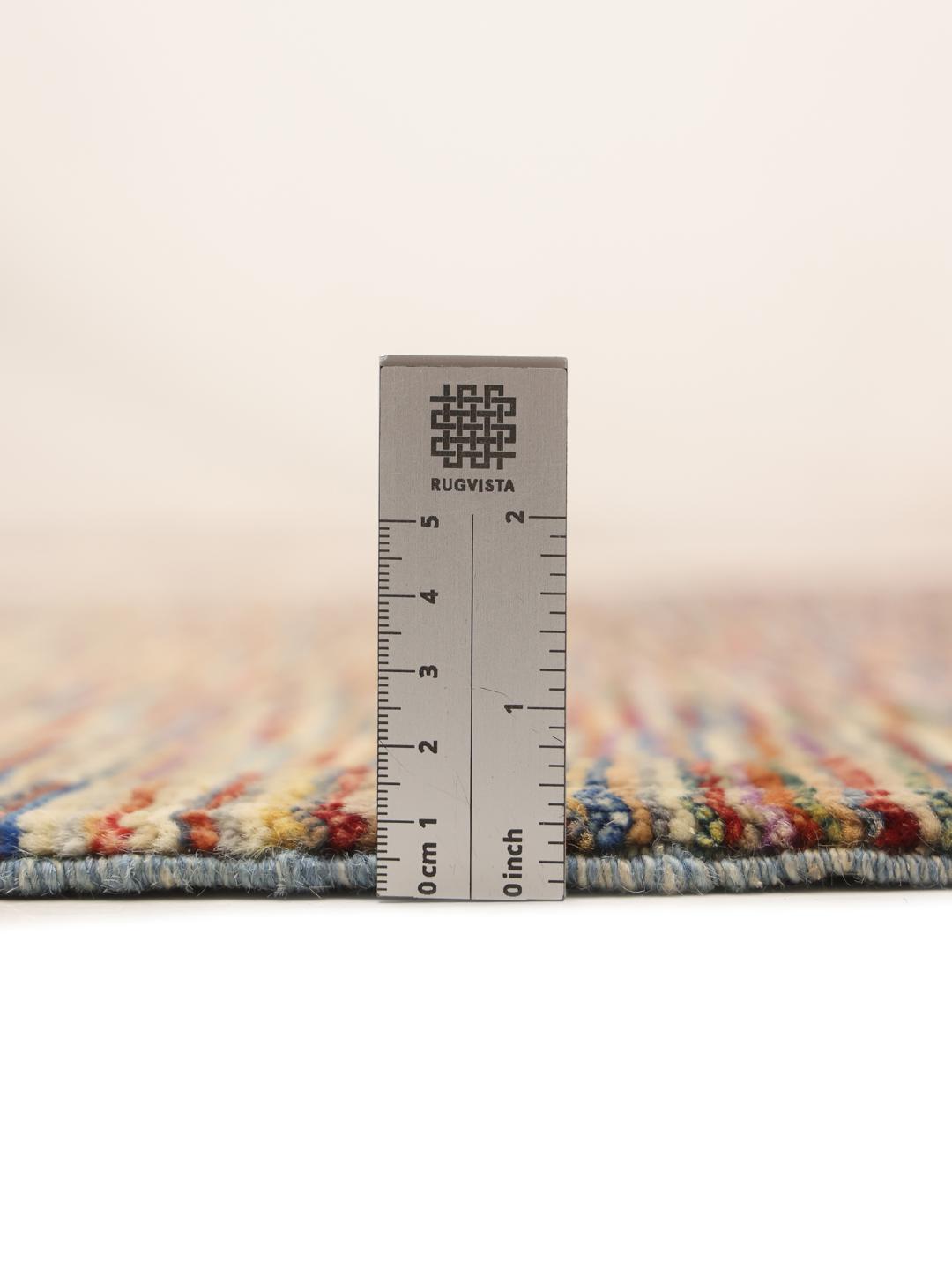
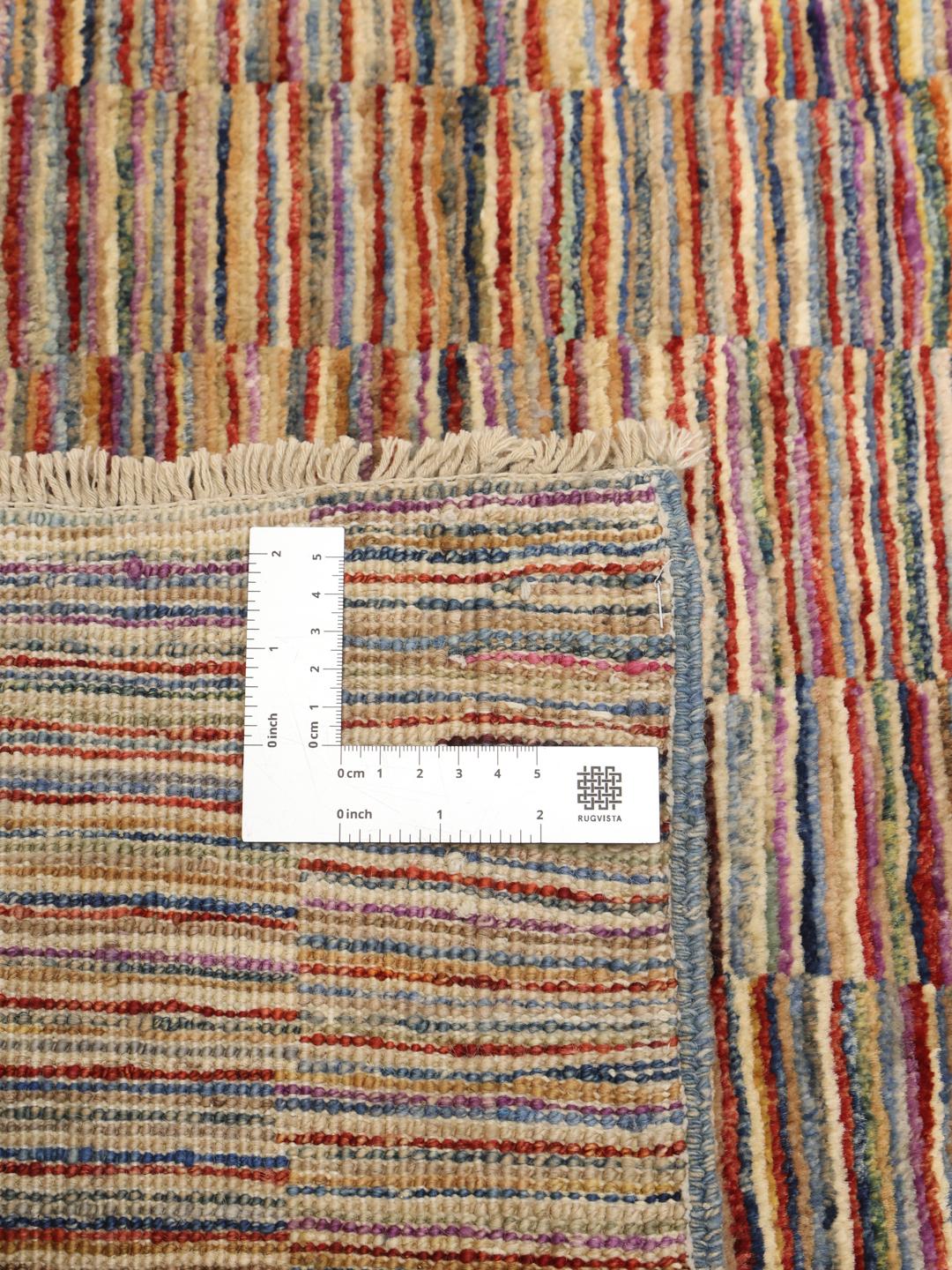
Traditional Gabbeh designs are celebrated for their open fields of colour, often created using natural plant dyes derived from roots, leaves, and walnut husks. While older pieces typically featured bold, unadorned expanses, modern variations introduce subtle horizontal stripes and shifting tonal fields that create a gentle sense of movement across the surface.
Collecting a Gabbeh means welcoming a piece of living cultural history into your home. The weavers pour their personal stories and traditional knowledge into every line, making these rugs valued not only for their robust warmth and practical comfort but also for the authentic human artistry they represent.