Gabbeh rugs have a long and storied history, originating from the nomadic tribes of the Middle East. Historically, these rugs were created by women for their own personal use, often serving as warm bedding or floor coverings inside traditional tents. Unlike more formal, intricate city rugs, Gabbeh designs were deeply personal and often improvised, reflecting the weaver's own surroundings and feelings.
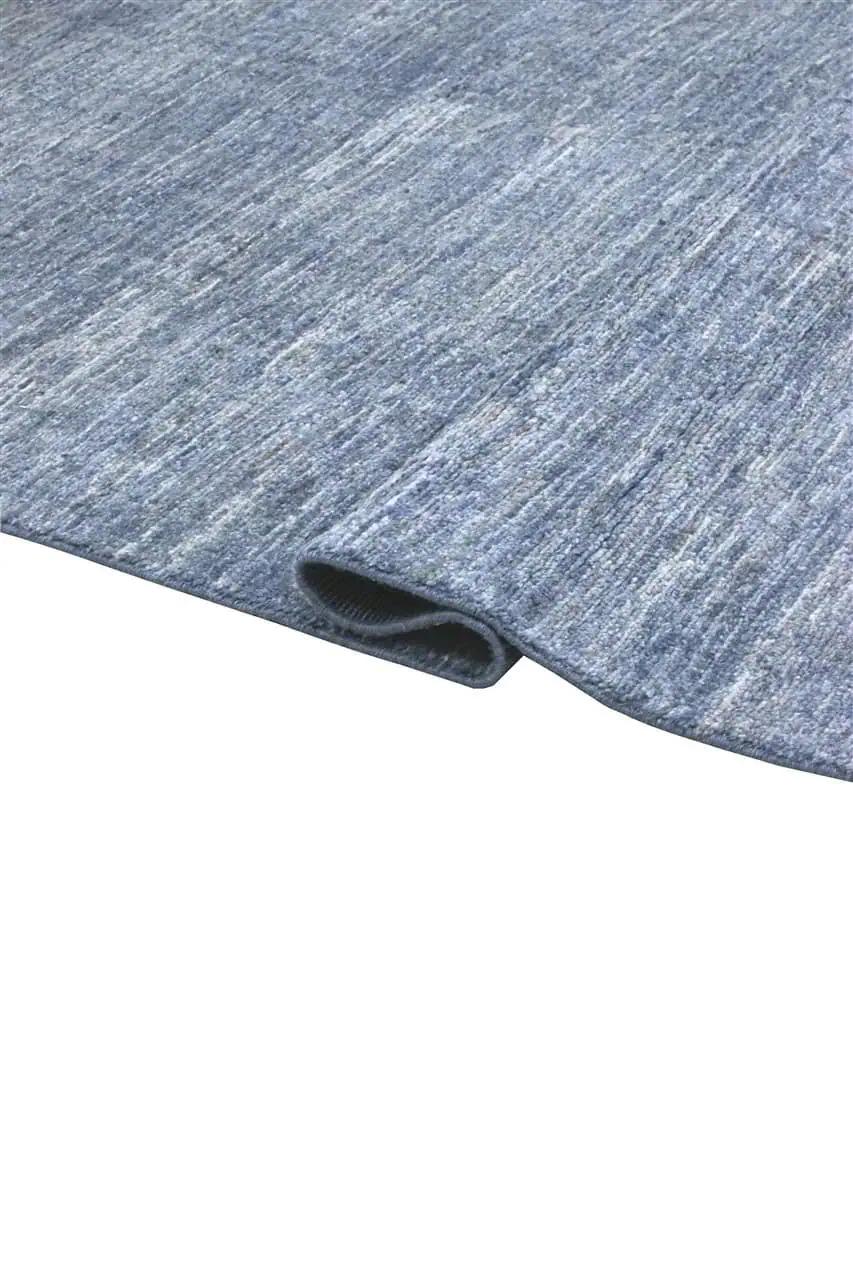
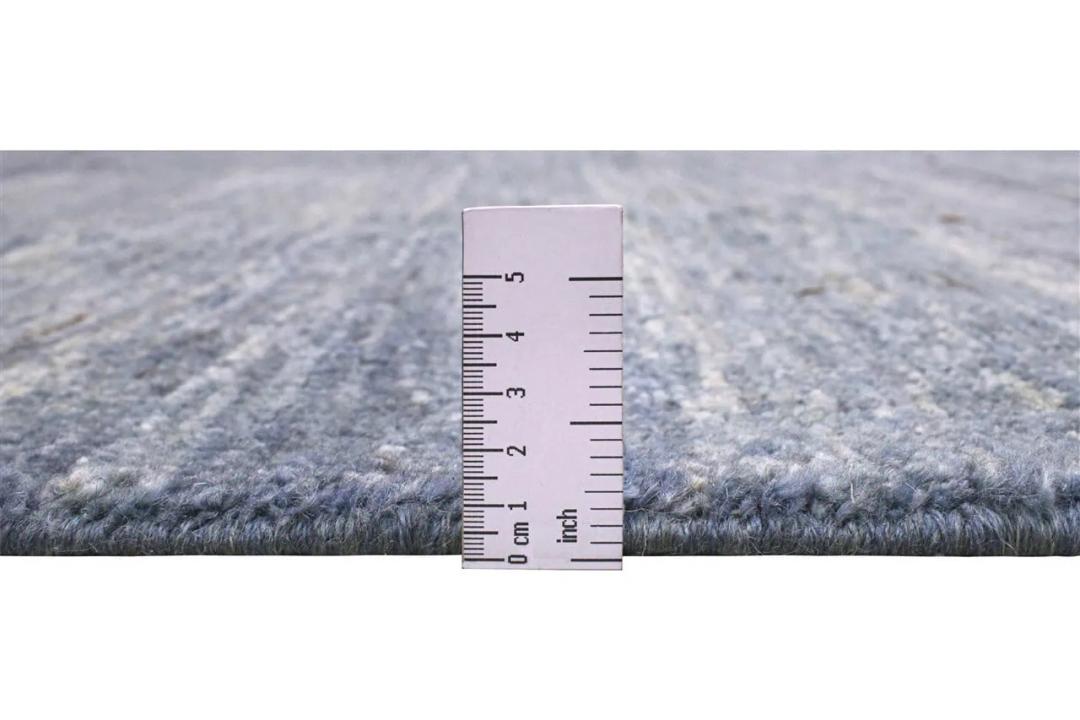
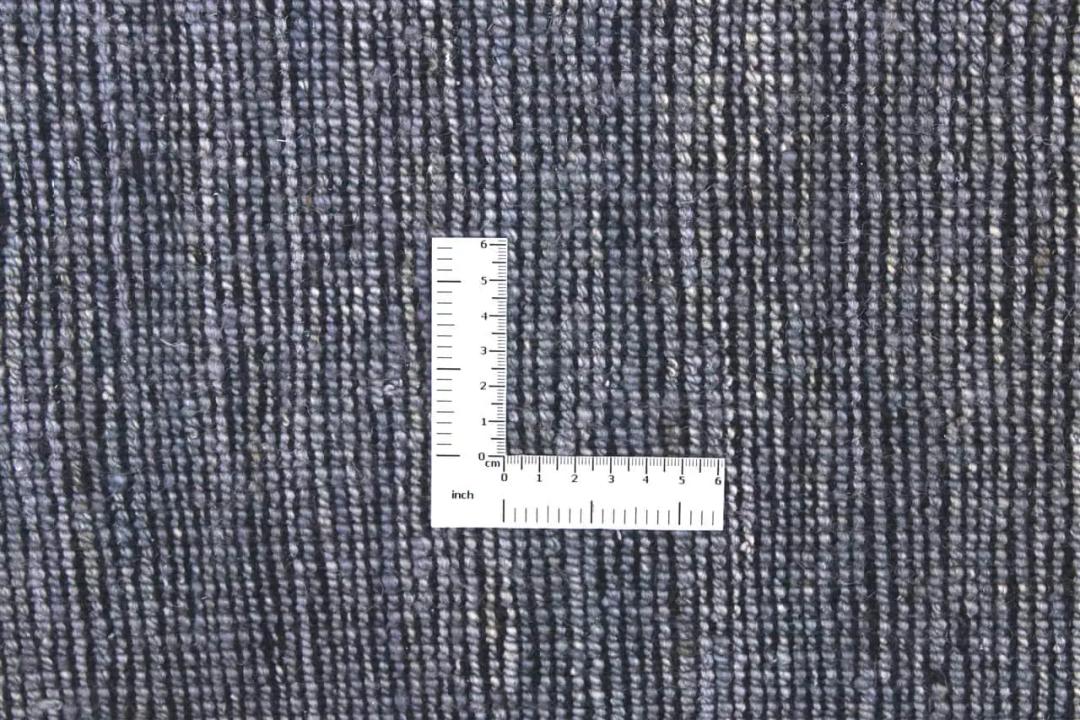
The term 'Gabbeh' itself translates to 'raw' or 'natural', which perfectly describes the aesthetic of these pieces. They are known for their thicker, coarser pile and simpler, more abstract designs compared to other regional styles. This design choice is not merely aesthetic but technical, as the lower knot density allows for a thicker yarn to be used, resulting in a soft, plush feel that is incredibly durable and ideal for everyday life.
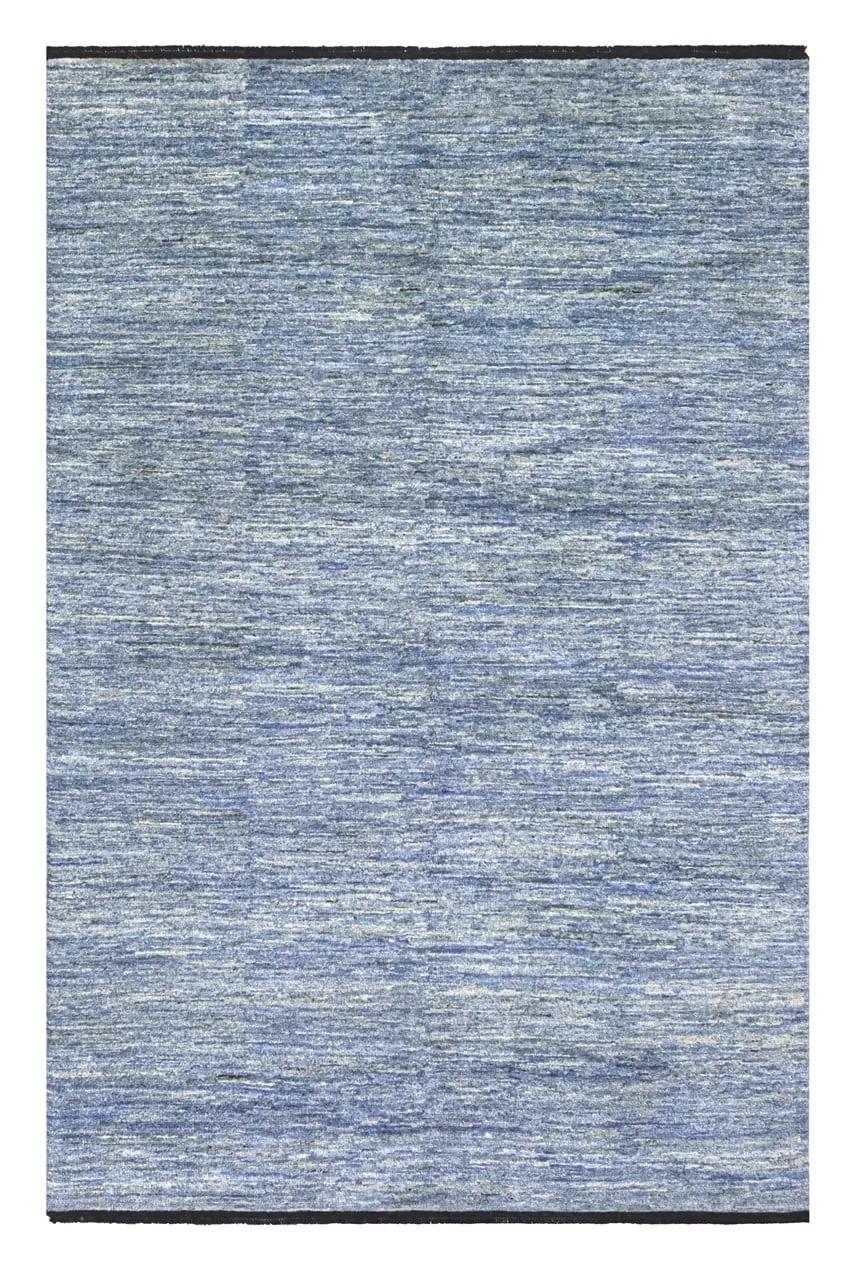
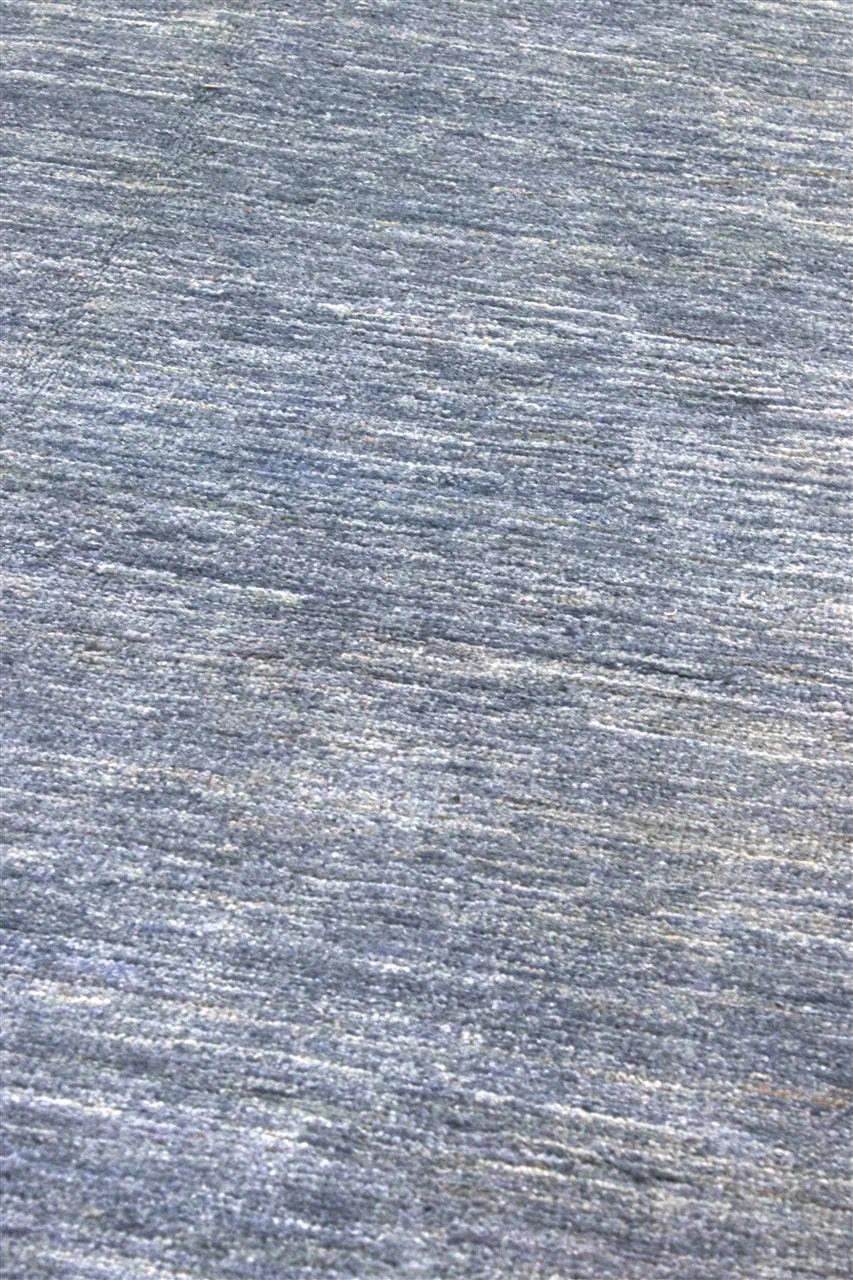
The visual language of a Gabbeh rug is typically minimalist, often featuring wide fields of solid or subtly variegated colour. In this modern interpretation, the focus remains on the purity of the wool and the depth of the colour, allowing the natural variations in the fibre to create a sense of movement across the surface. While they lack the complex floral medallions found in other traditions, they possess a powerful, artistic simplicity that has made them highly sought after by collectors and interior designers alike.
Today, Gabbeh rugs are recognised as a pinnacle of nomadic craft, valued for their honesty and the direct connection they provide to a long-standing cultural tradition. Owning one is an opportunity to connect with a history of skilful, independent artistry. They are collected not just for their utility, but for the way they bring a sense of warmth, heritage, and genuine human connection into the modern home.