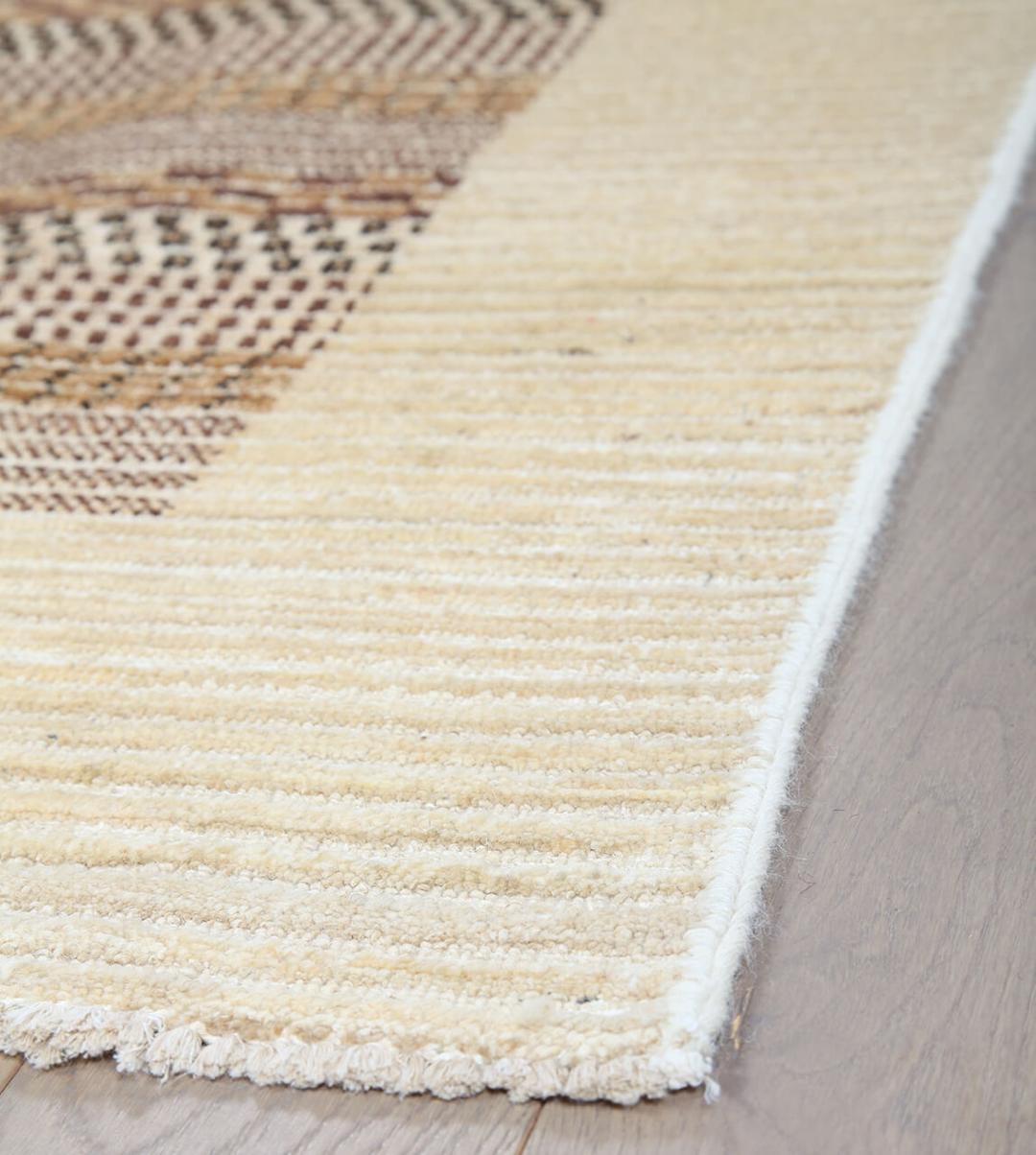
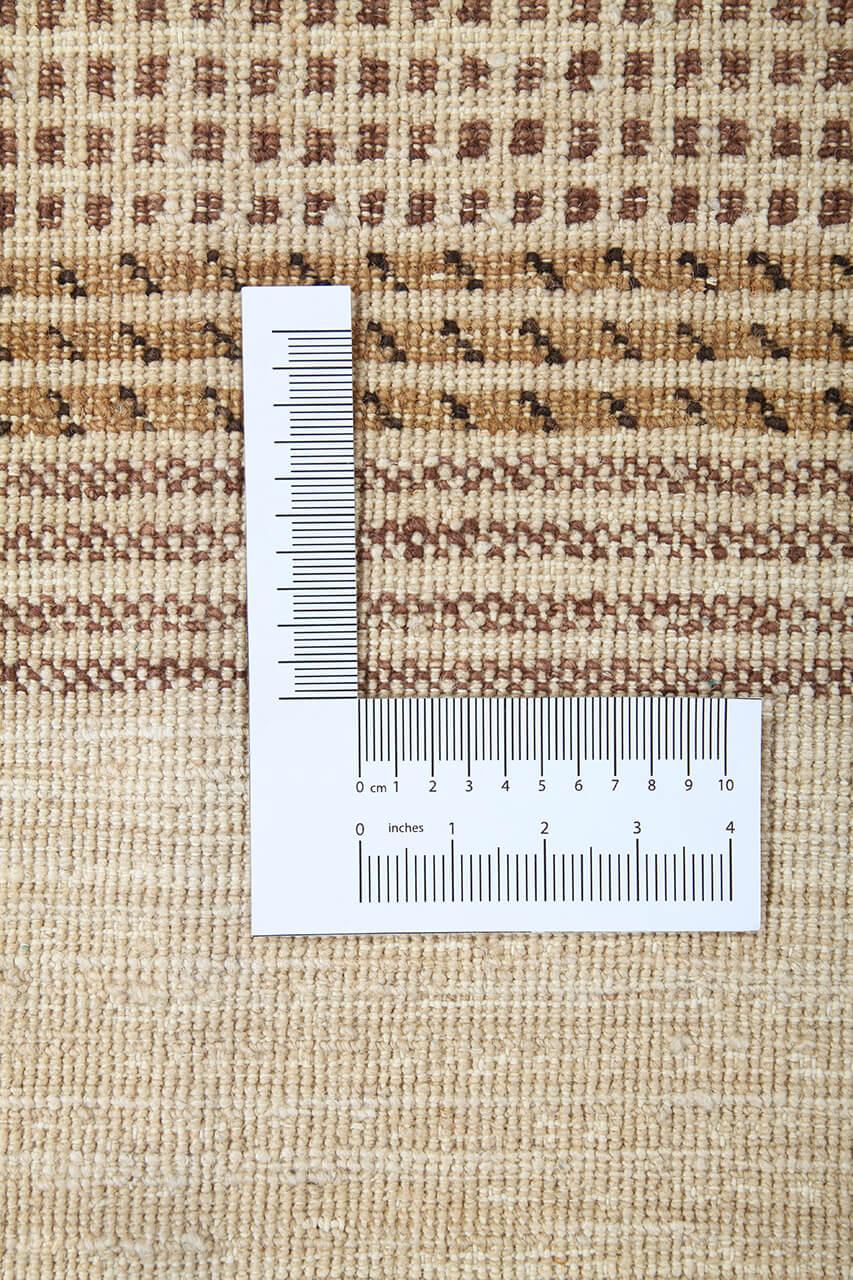
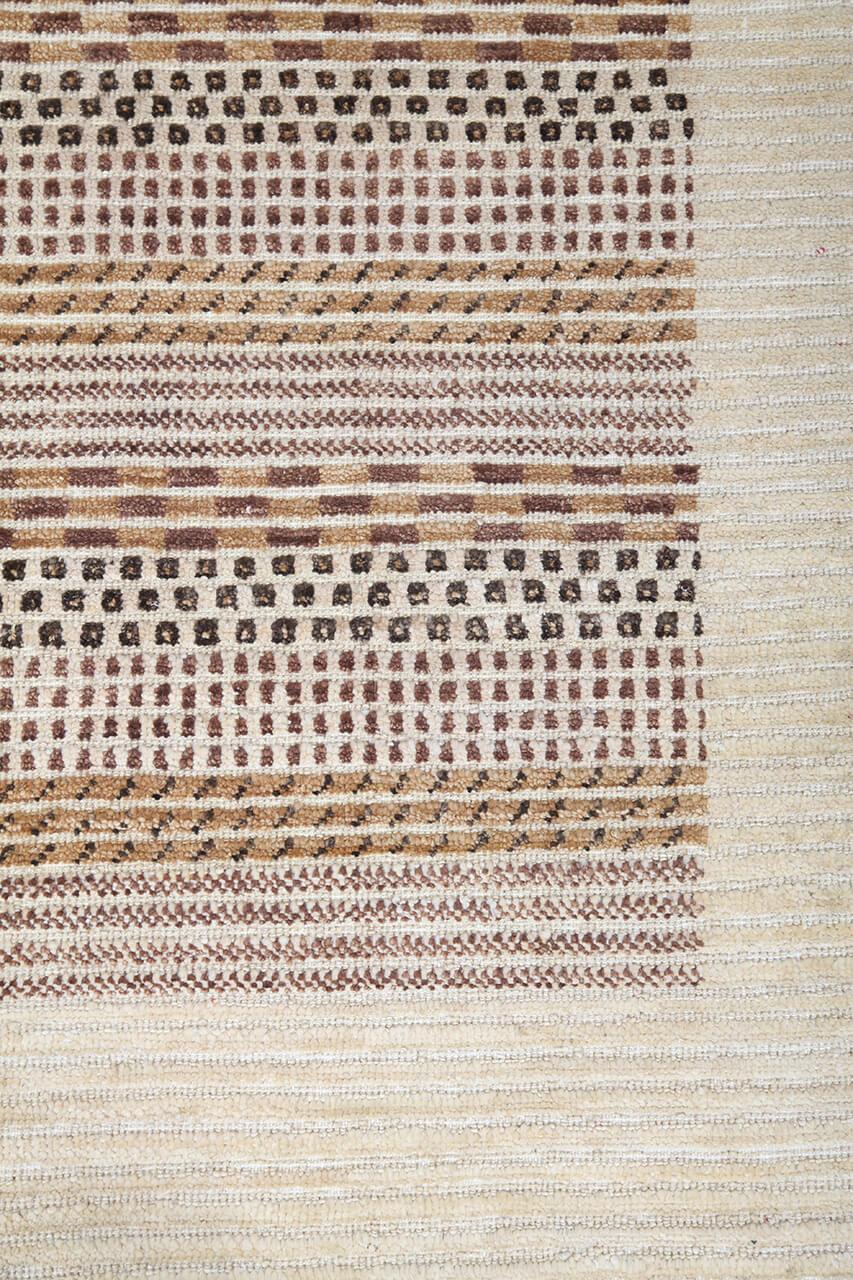
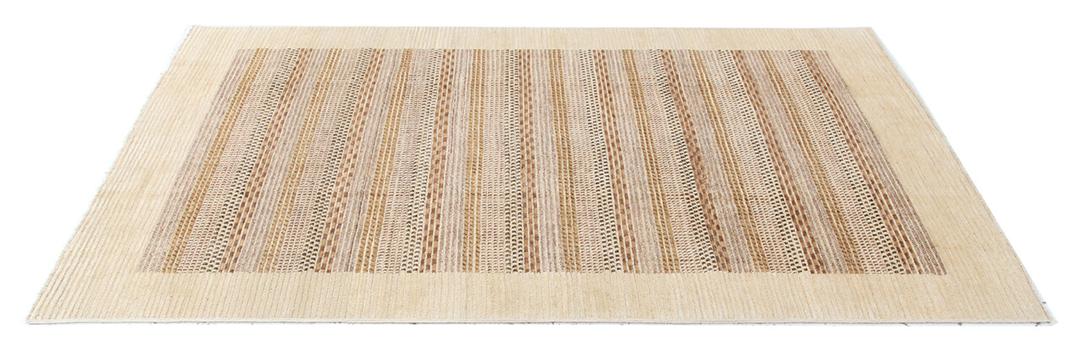
Gabbeh rugs have a long history rooted in the nomadic traditions of the Middle East. Originally woven by tribal groups for their own practical use, these rugs were designed to be thick, warm, and durable enough for life on the move. Unlike more formal, city-woven rugs, the Gabbeh was a personal expression of the weaver, often featuring simplified, evocative designs that reflected their natural surroundings.
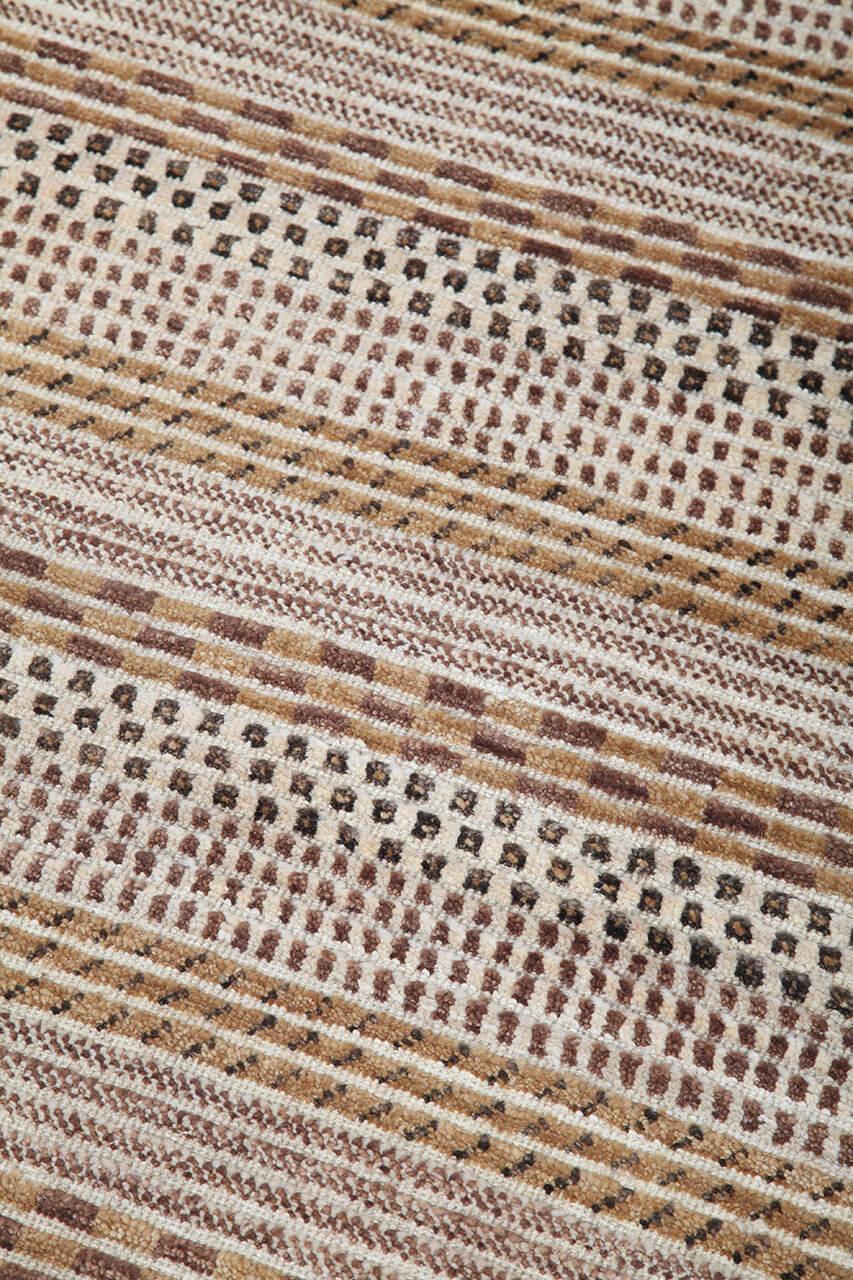
The term 'Gabbeh' itself translates to 'raw', 'natural', or 'unclipped', which speaks to the tradition of leaving the Wool pile longer than in other rug styles. This construction choice is deliberate, creating a plush, soft surface that provides exceptional insulation against cold floors and a wonderfully tactile experience for the owner.
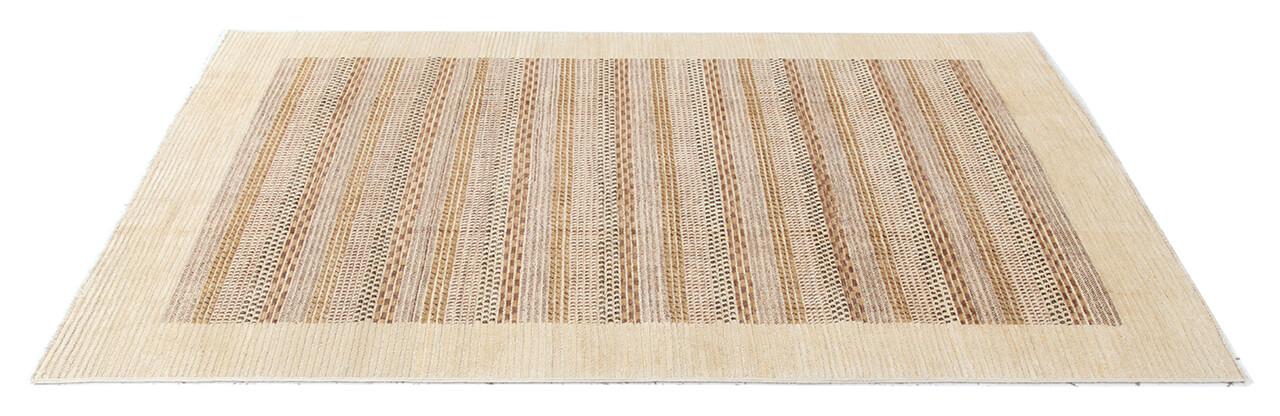
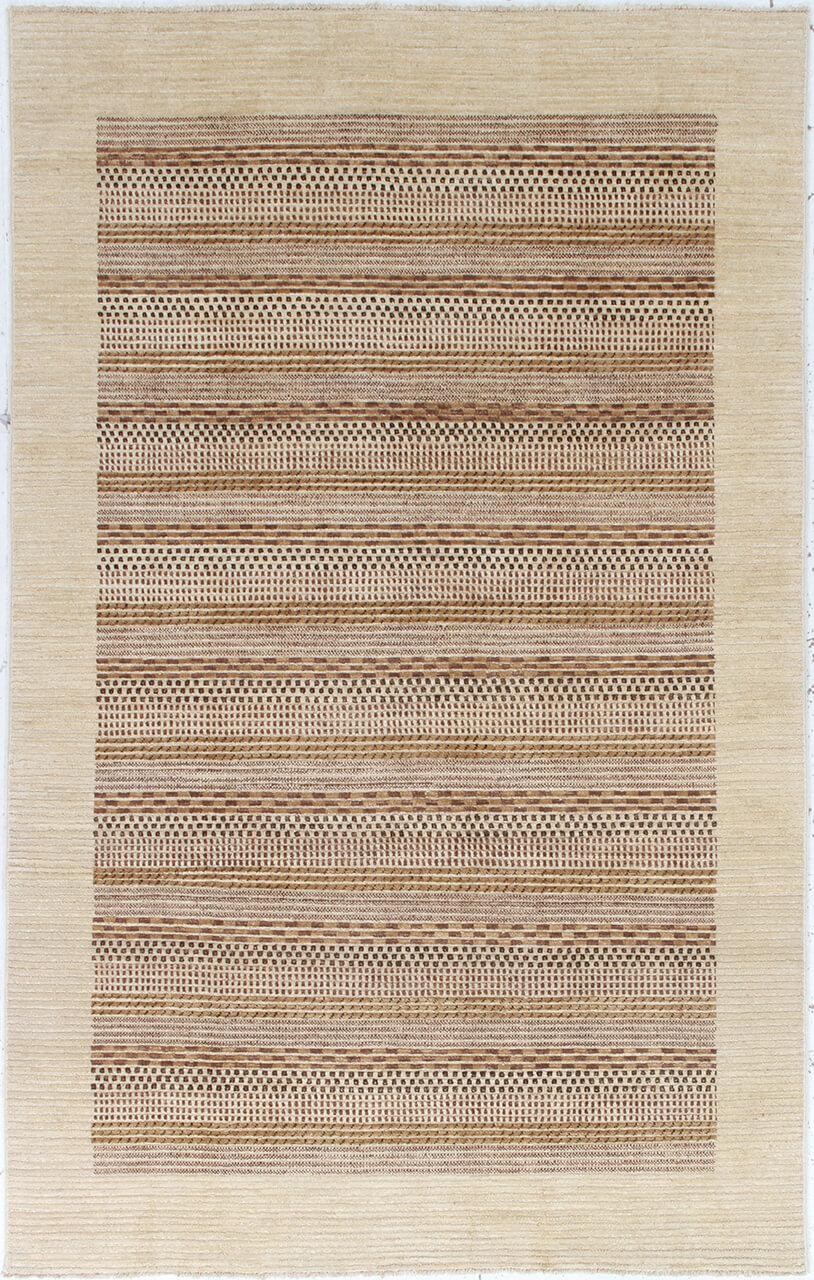
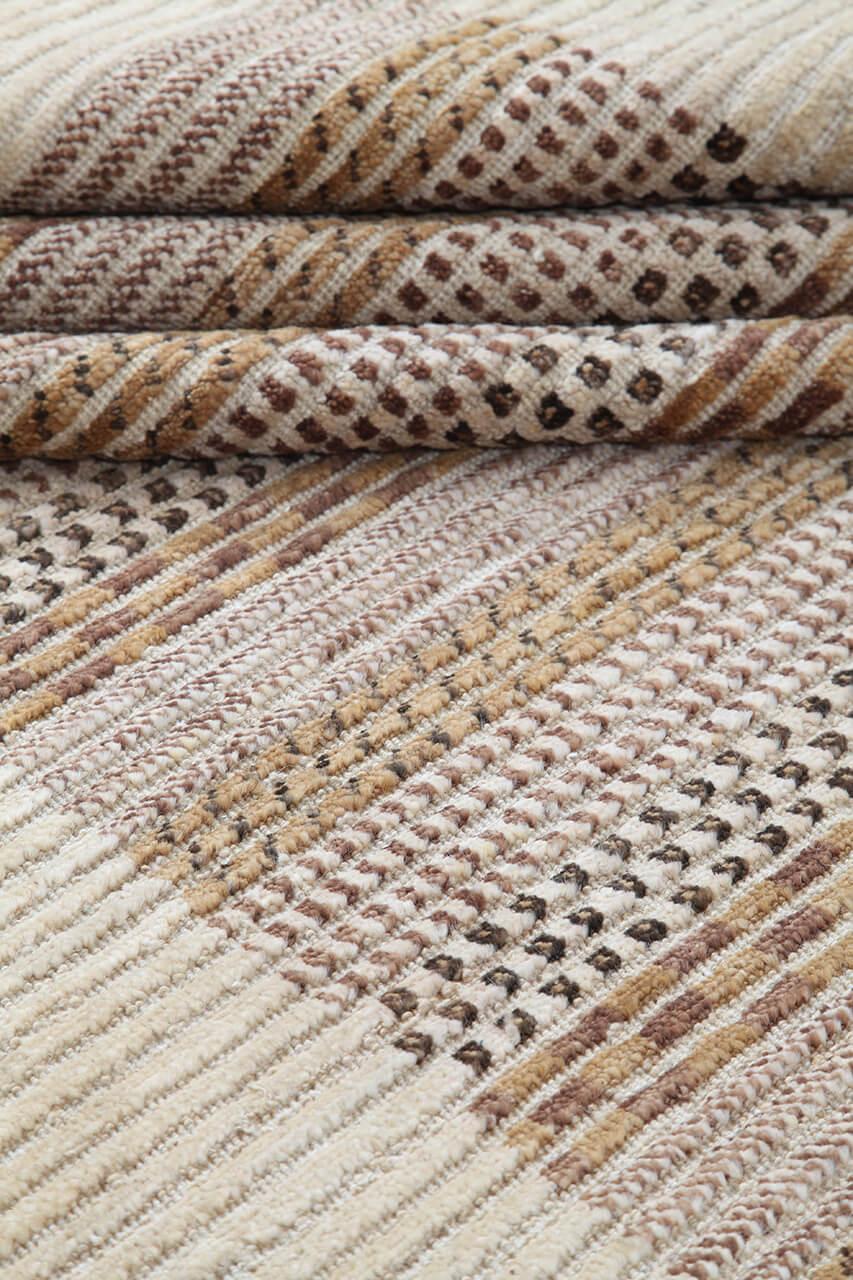
Visually, these rugs are celebrated for their artistic use of negative space and bold, simplified motifs. While traditional versions often used vibrant, naturally dyed Wool to create abstract landscapes or animal shapes, the modern evolution of the style—like this Afghan-woven piece—frequently leans into more contemporary, minimalist sensibilities while retaining the original, earthy soul of the tradition.
Today, owning a Gabbeh is a way to connect with an ancient craft that values human intuition over rigid symmetry. Collectors and homeowners alike prize these pieces for their authenticity, the warmth they bring to a room, and the evidence of the weaver's hand in every inch of the fabric.