Gabbeh rugs have a long and storied history, originating as humble, functional floor coverings woven by nomadic tribes in the Middle East. Traditionally, these rugs were created for personal use within the home, designed to provide warmth and comfort on cold tent floors. Over time, their simple yet evocative aesthetic gained international appreciation, leading to their evolution into the modern pieces we see today.
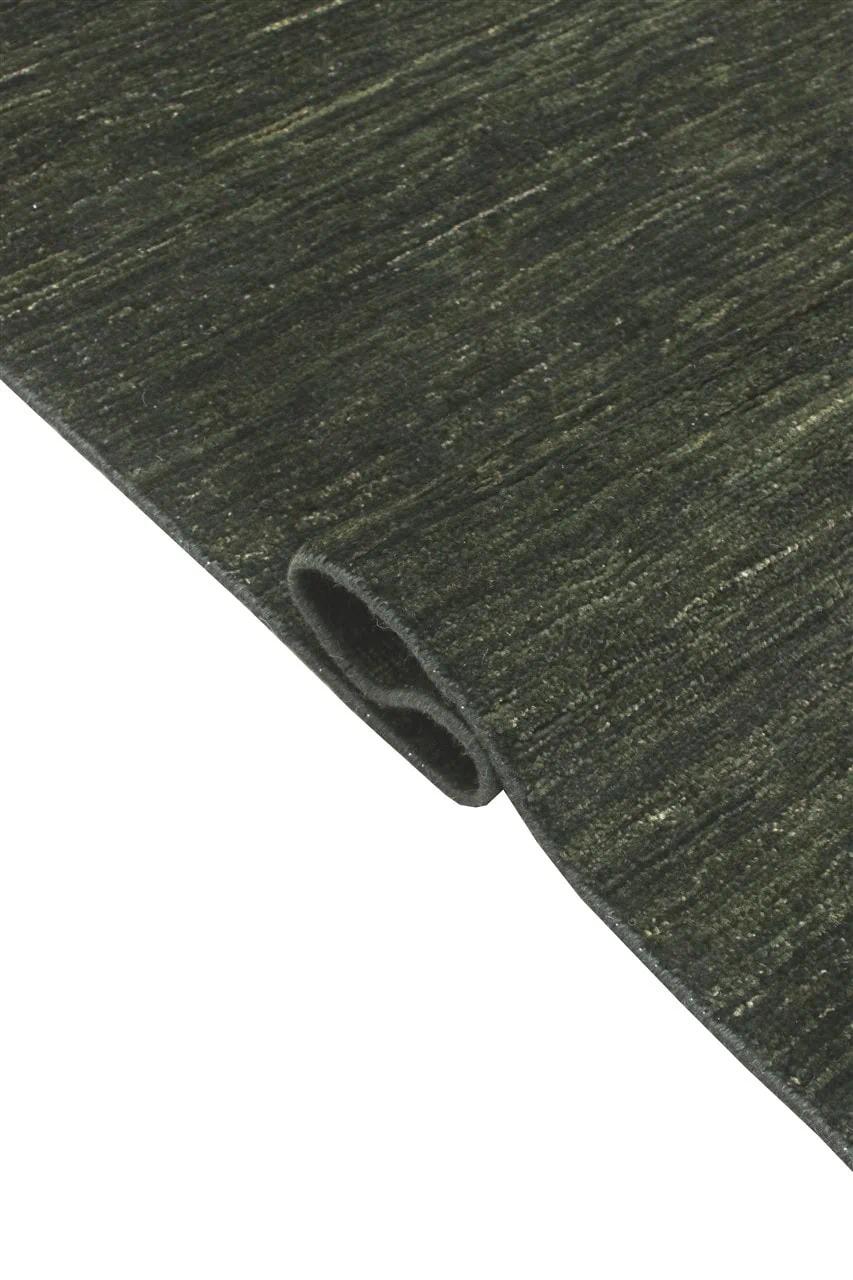
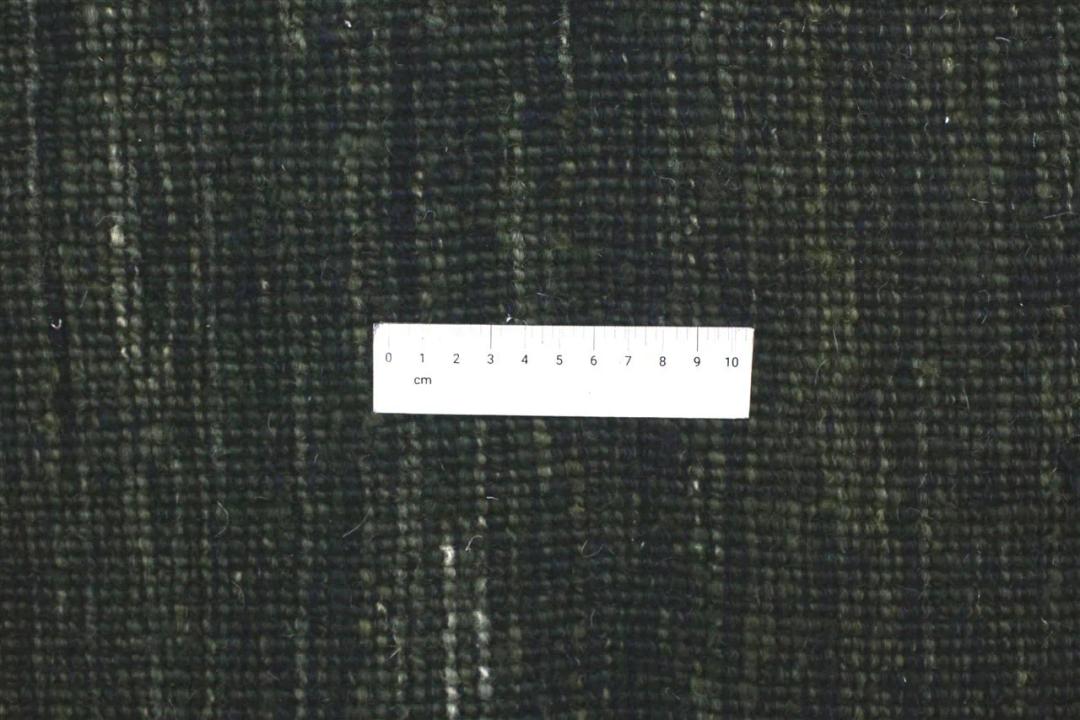
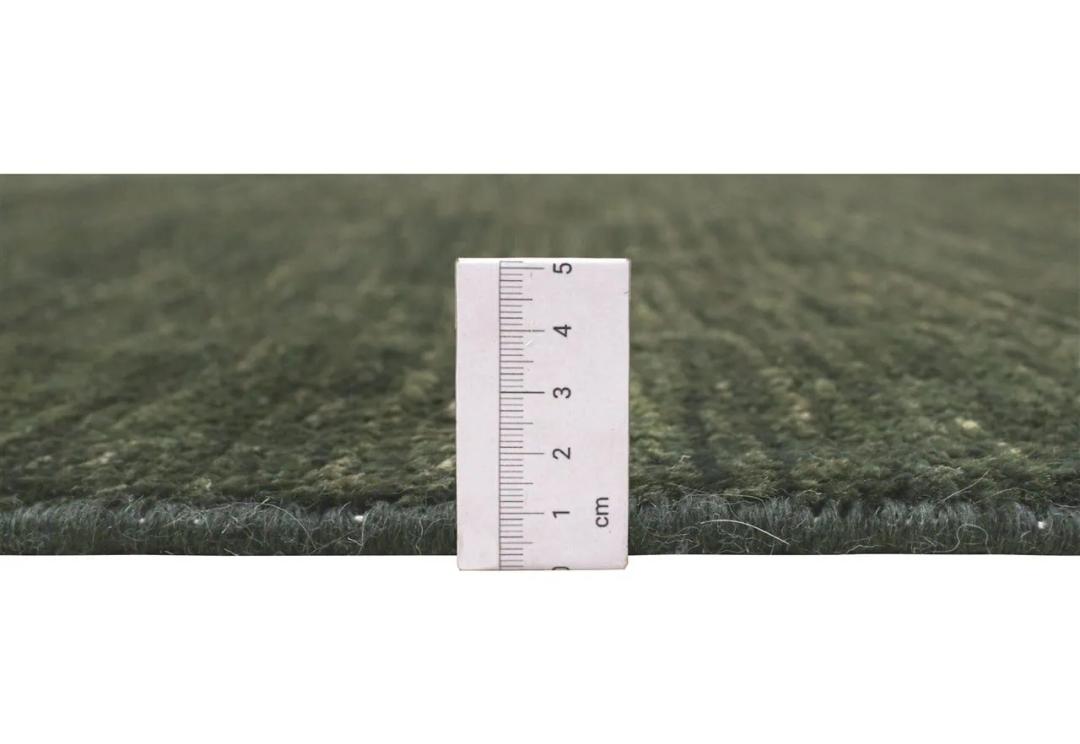
The term Gabbeh refers to a style of weaving that emphasises a thicker, coarser pile compared to more intricate formal rugs. This construction is intentional; by using a lower knot density and thicker, hand-spun wool, the weavers produce a rug that is incredibly soft and cushiony. This technical choice is what gives the Gabbeh its signature tactile appeal and makes it a favourite for those seeking comfort.
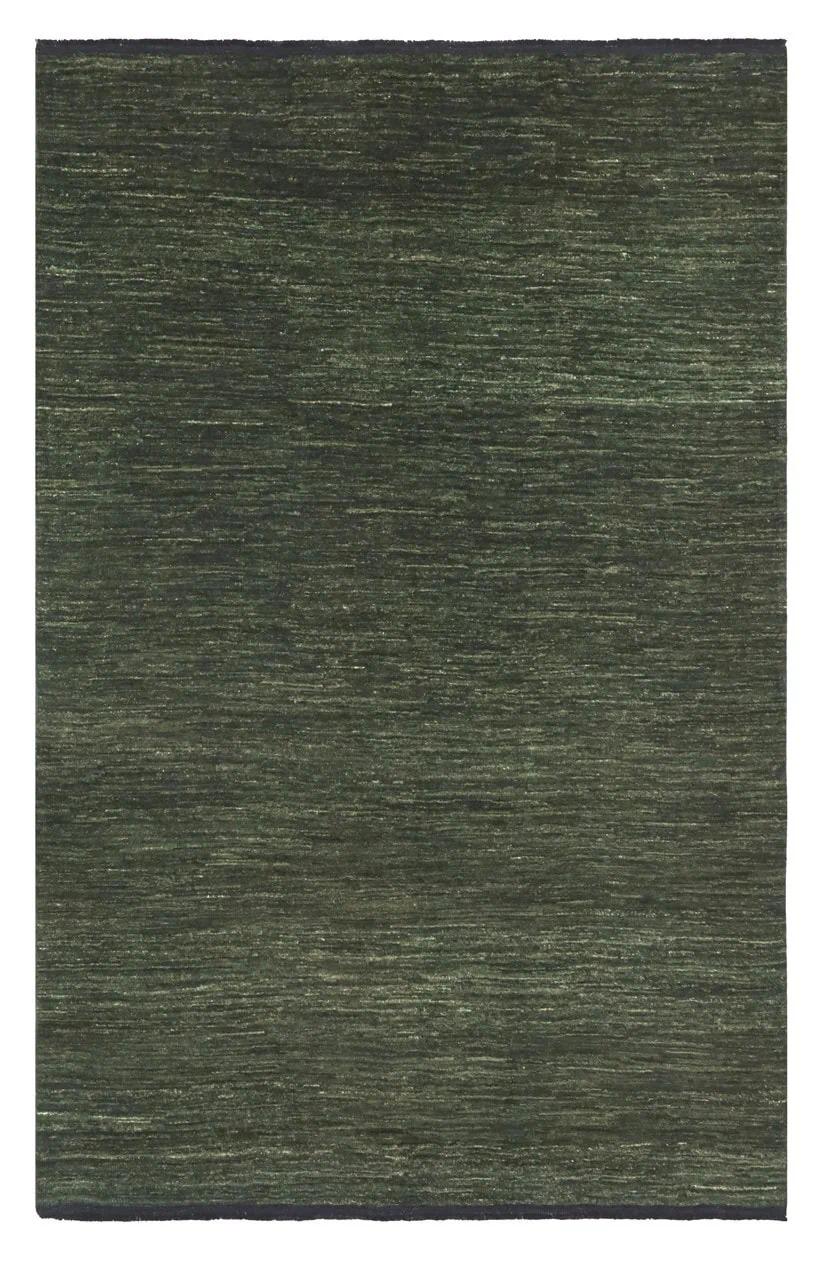
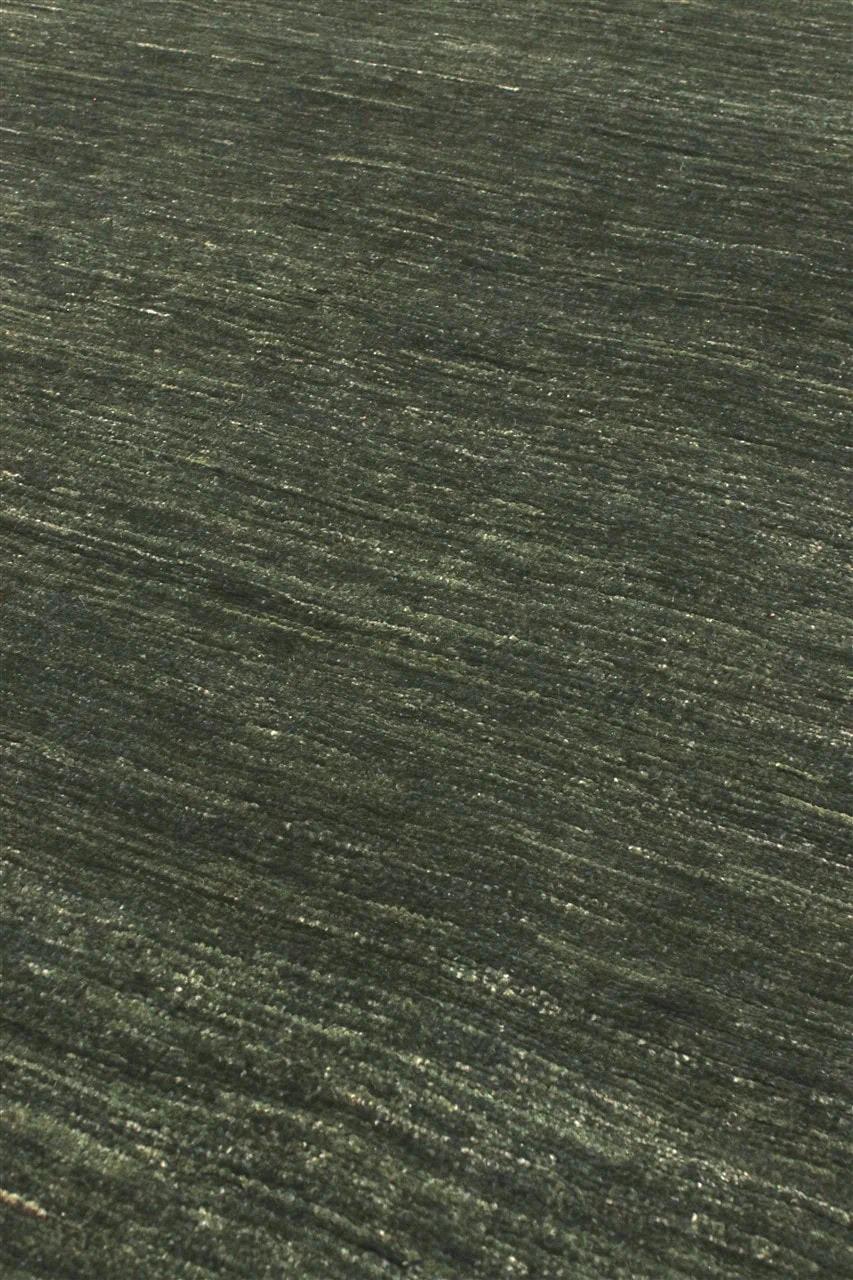
Visually, these rugs are defined by a minimalist approach that stands in contrast to the ornate patterns of other regional traditions. They often feature large, open fields of colour, sometimes accented by subtle, abstract motifs or simple geometric shapes inspired by the weaver's environment. This rug's dark-green palette is a beautiful example of this tradition, where colour is used to create a mood and a sense of harmony rather than a complex narrative.
Today, Gabbeh rugs are highly valued by collectors and homeowners alike for their authenticity and the human element present in every knot. Owning one is a way to connect with a centuries-old craft tradition that values the weaver's intuition and creativity. These rugs are not just floor coverings; they are tangible links to a culture that celebrates the beauty of simplicity and the enduring value of handmade work.