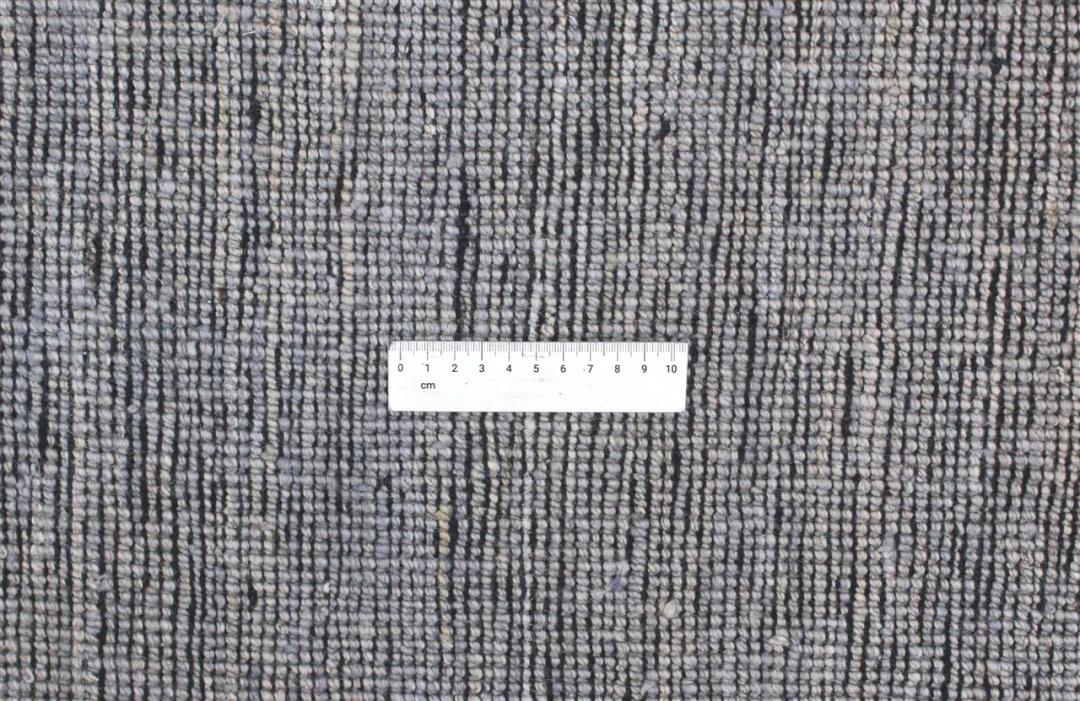
Gabbeh rugs have a long history rooted in the nomadic and village traditions of the Middle East. Originally, these rugs were woven by tribal women for their own domestic use, serving as thick, protective floor coverings for tents. Unlike formal, city-woven rugs that follow strict, pre-planned patterns, Gabbeh rugs were born from the weaver's own imagination and personal experiences, often reflecting the landscapes and stories of their daily lives.
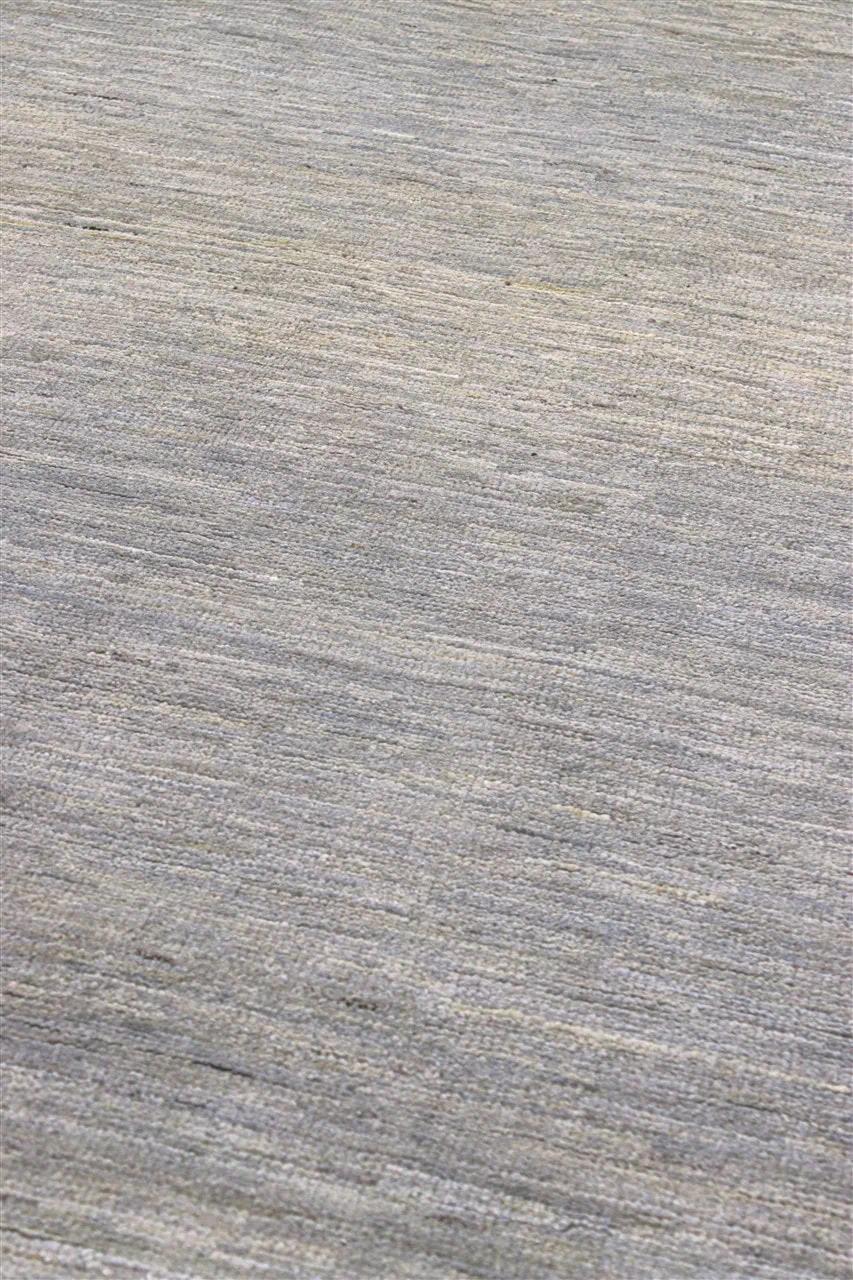
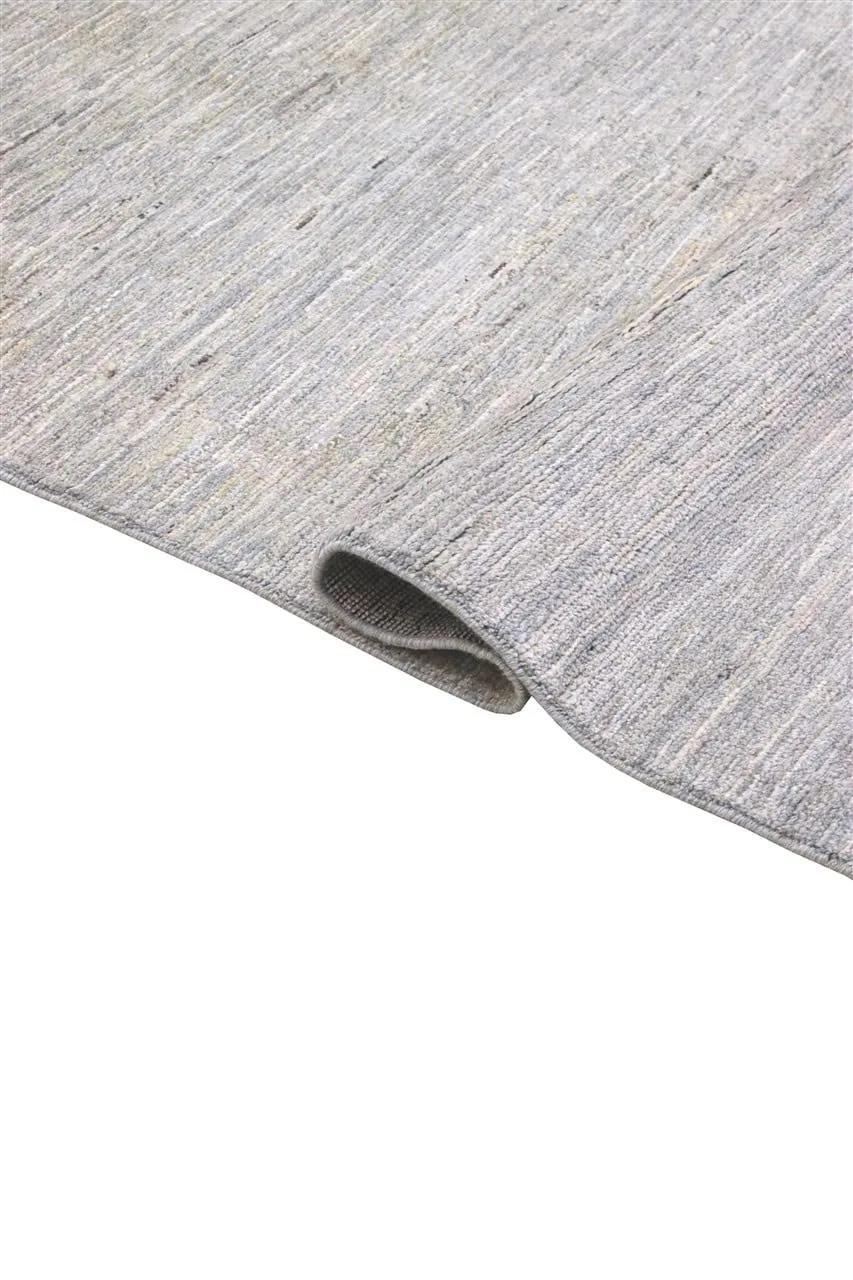
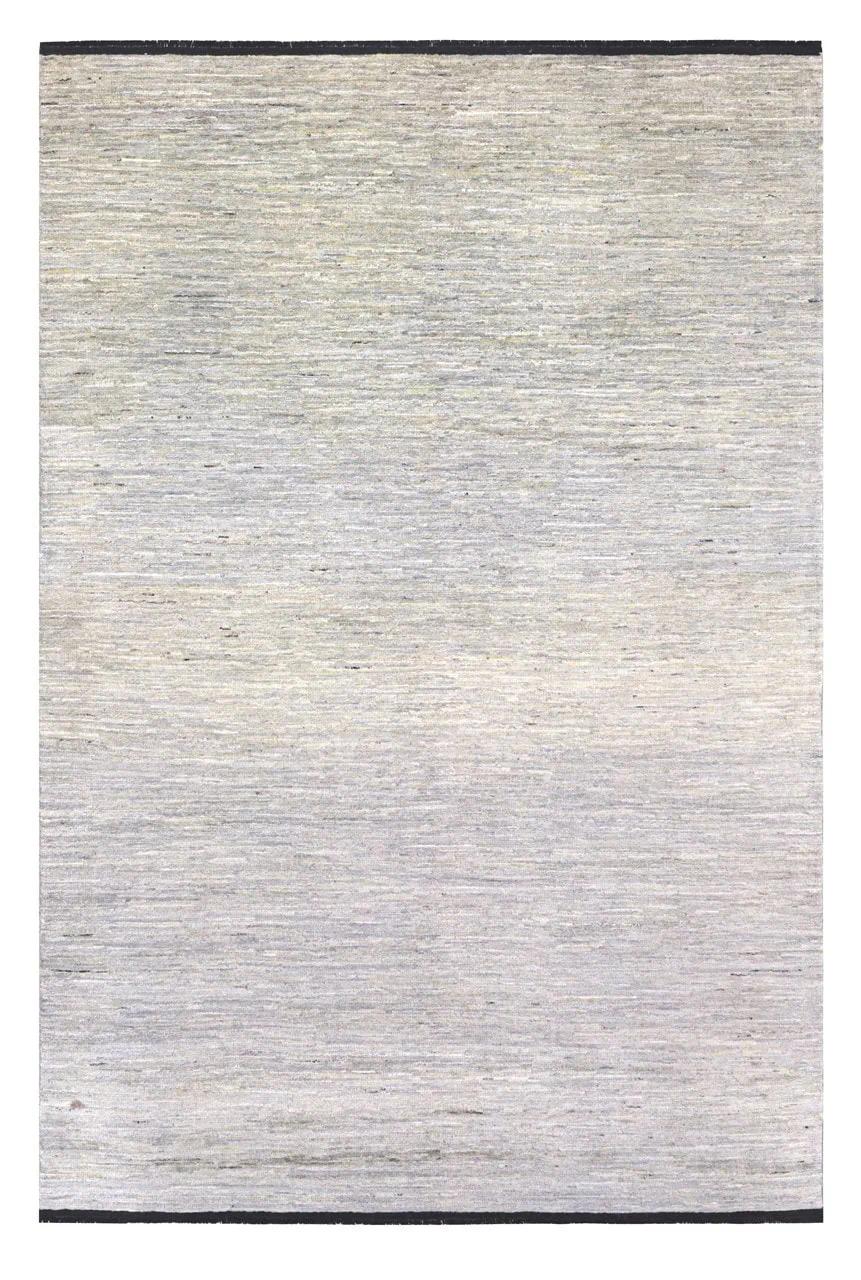
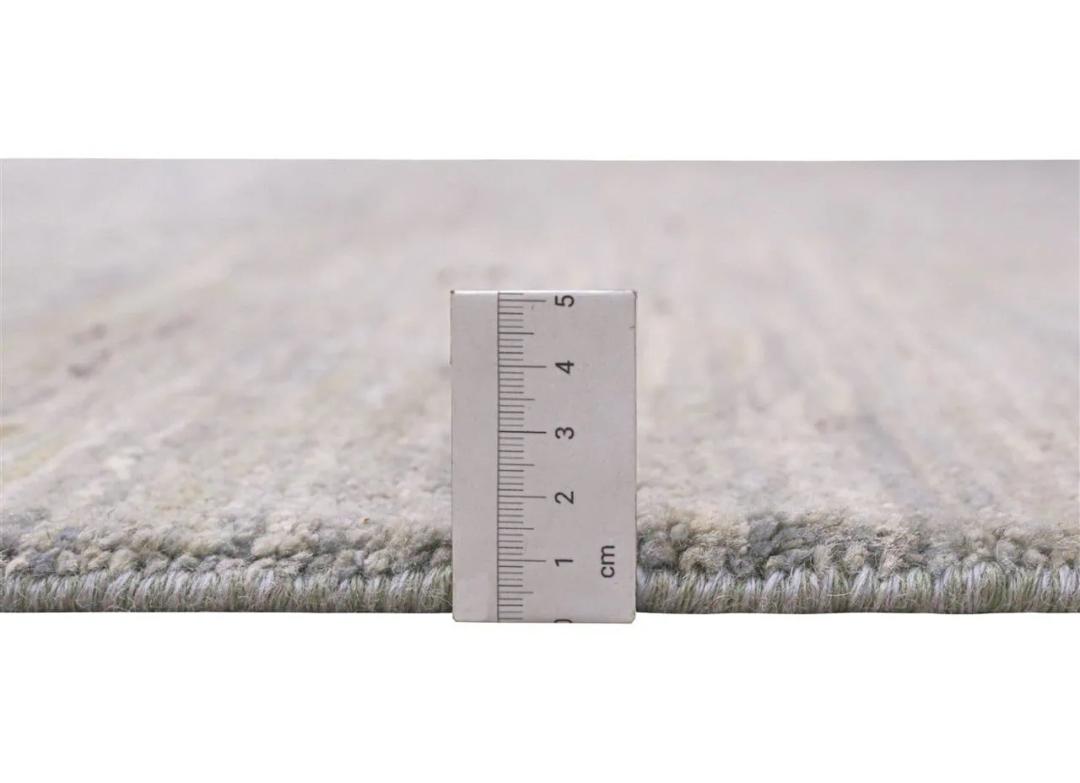
The term 'Gabbeh' itself translates to 'raw' or 'natural', which perfectly describes the aesthetic of these pieces. They are known for their thick, chunky pile and a simplified design language that often features bold, open fields of colour or minimalist, geometric shapes. This approach focuses on the inherent beauty of the wool rather than complex, intricate patterns, making them a favourite for those who appreciate a more rustic and tactile style.
The visual language of the Gabbeh is defined by its spontaneity. You will often see variations in colour, known as abrash, which occur when different batches of natural dye are used, giving the rug a vibrant, hand-crafted look that is full of character. These rugs are rarely perfectly symmetrical, which is a hallmark of their authenticity and a deliberate rejection of the rigid formality found in other traditional rug styles.
Today, these rugs are highly prized by collectors and homeowners alike for their cultural weight and their ability to anchor a modern space with a sense of history. Owning a Gabbeh is about celebrating the human element in design—the small imperfections and the distinct choices made by the weaver that turn a functional object into a piece of folk art. It is a testament to the enduring appeal of craft that has remained largely unchanged for generations.