Gabbeh rugs trace their roots to the nomadic weaving traditions of the Middle East, where tribal weavers created thick, plush floor coverings primarily for their own daily use.
Unlike formal workshop carpets with rigid geometric templates, traditional Gabbeh pieces were improvised expressions reflecting the weaver's immediate surroundings, personal stories, and connection to the natural landscape.
Over time, these rustic tribal textiles evolved into the Gabbeh Modern style seen today, adapting ancient knotting methods to suit contemporary interiors while retaining their characteristic thick pile and spontaneous aesthetic.
The craft relies on hand-spun wool and traditional dyeing methods, often utilising natural pigments derived from plants and roots found in the local region.
The visual language of this tradition typically features open fields of colour, subtle abrash tonal shifts, and minimalist motifs rather than complex medallions.
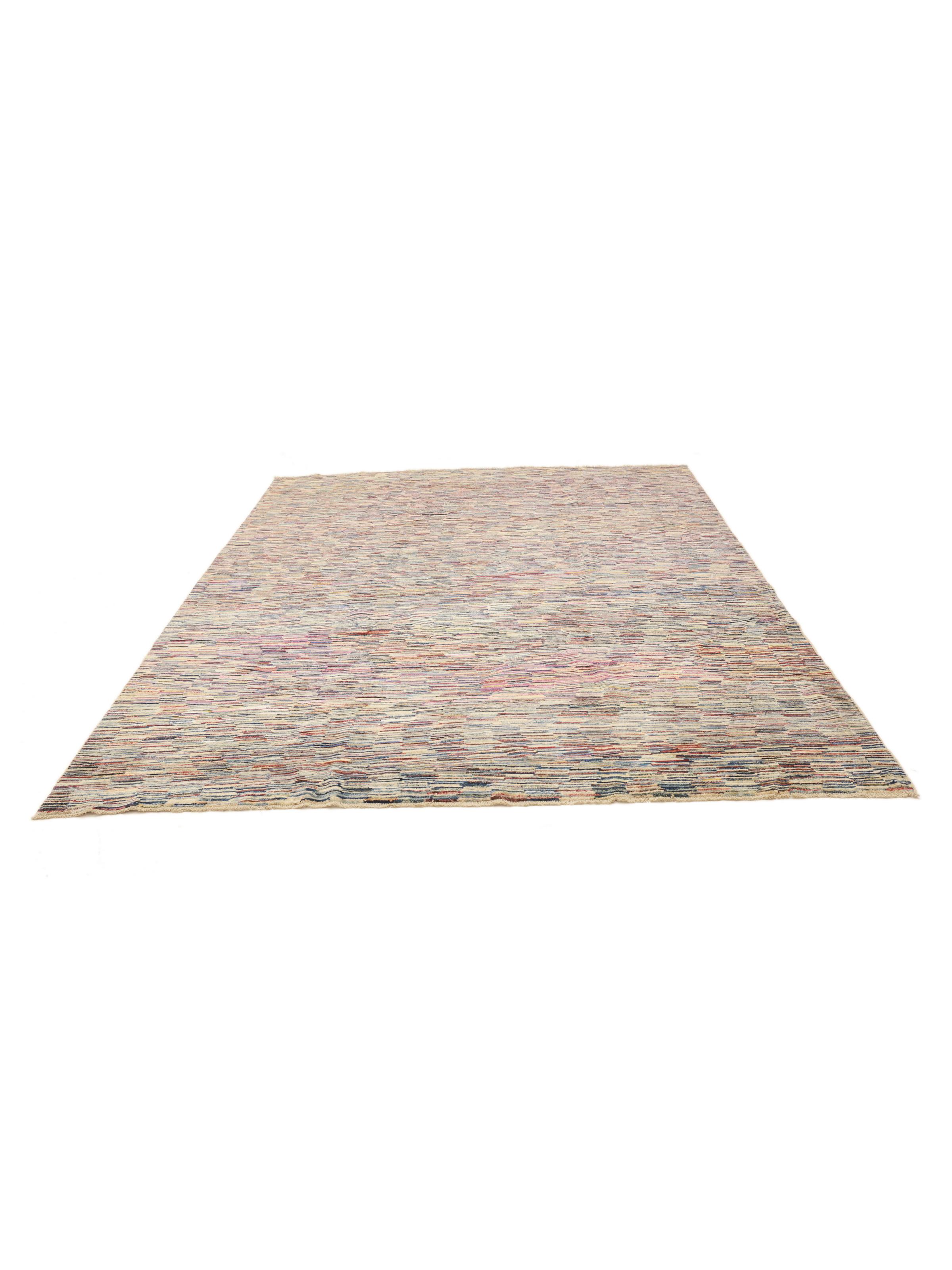
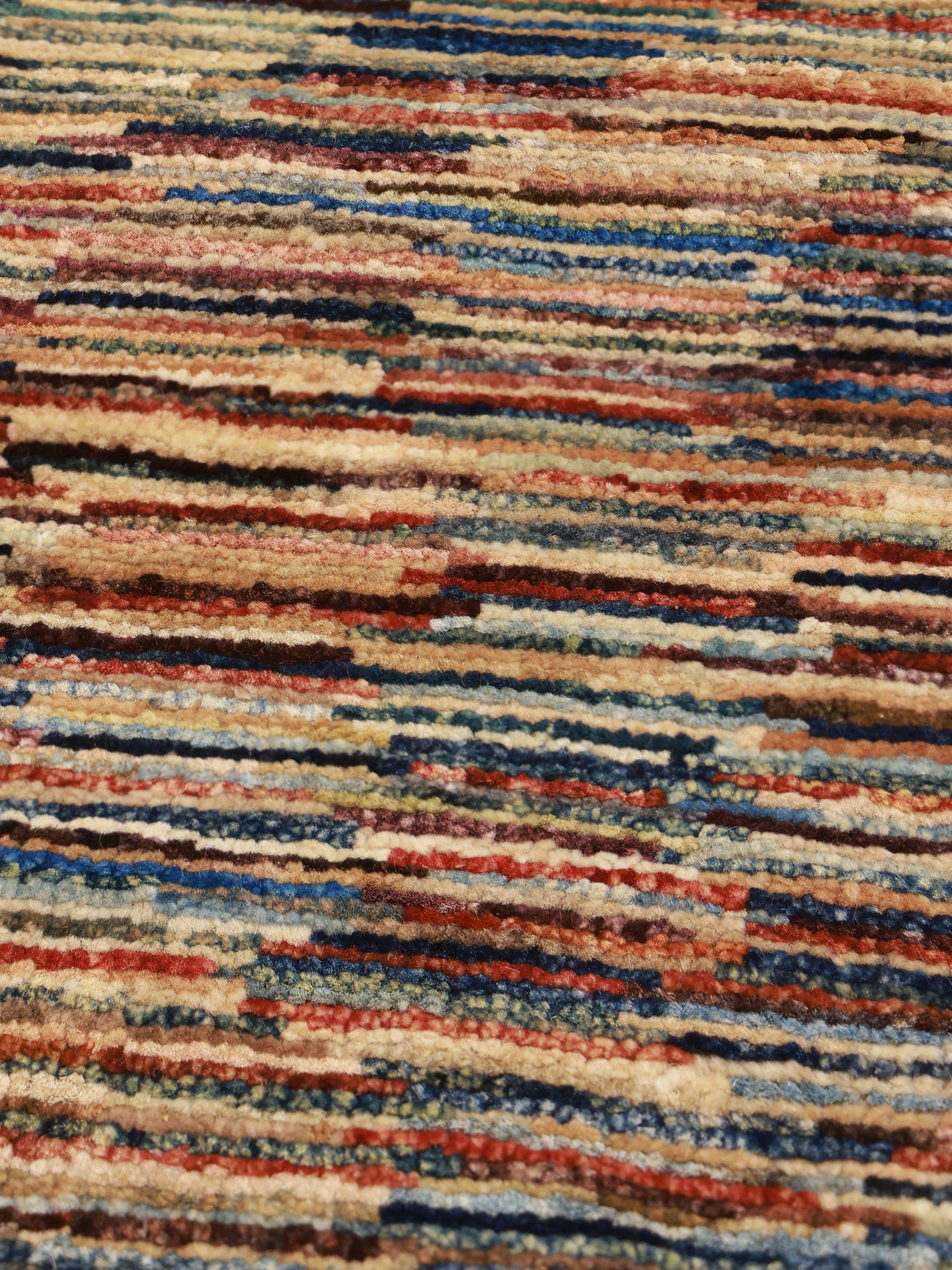
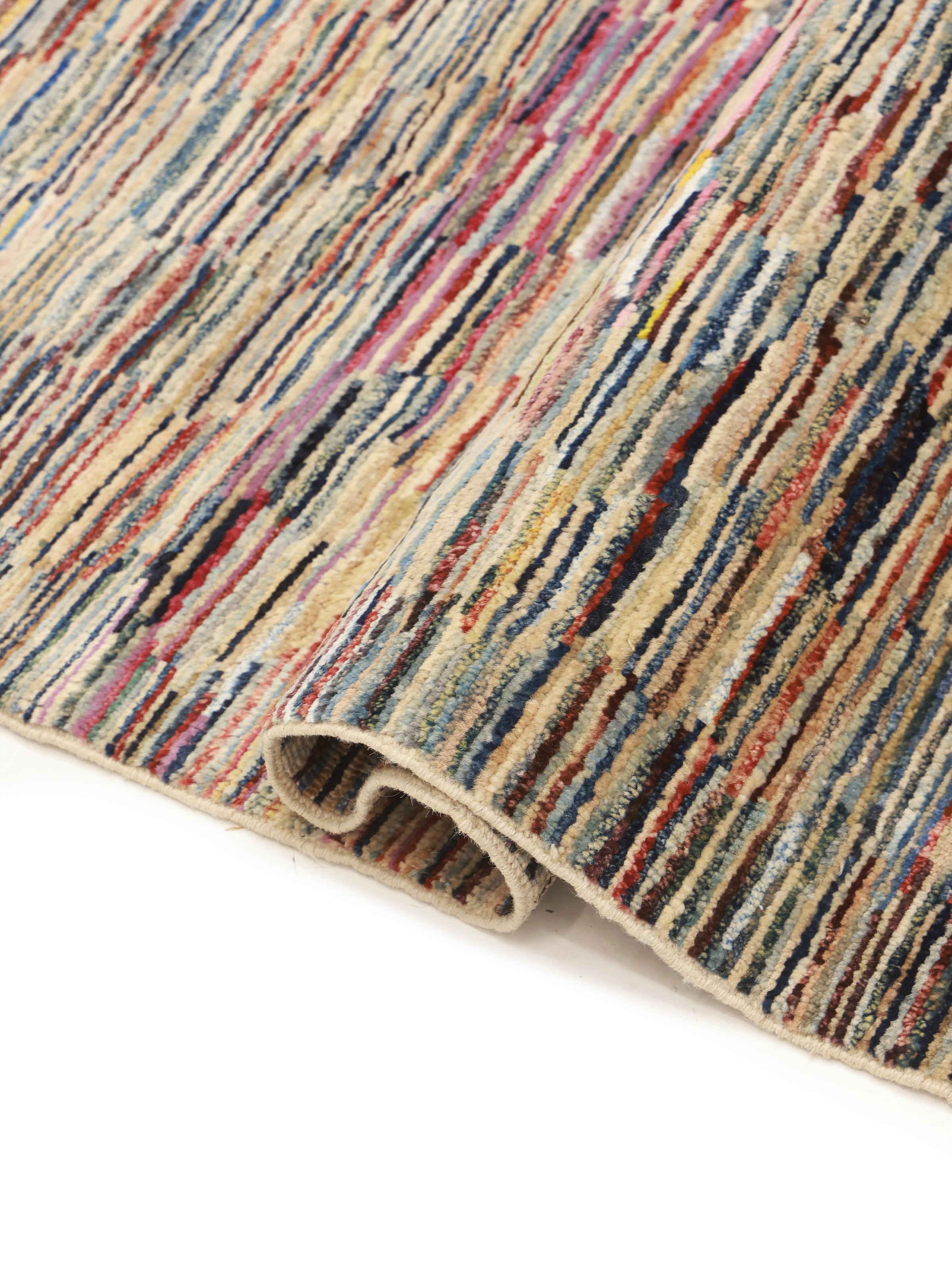
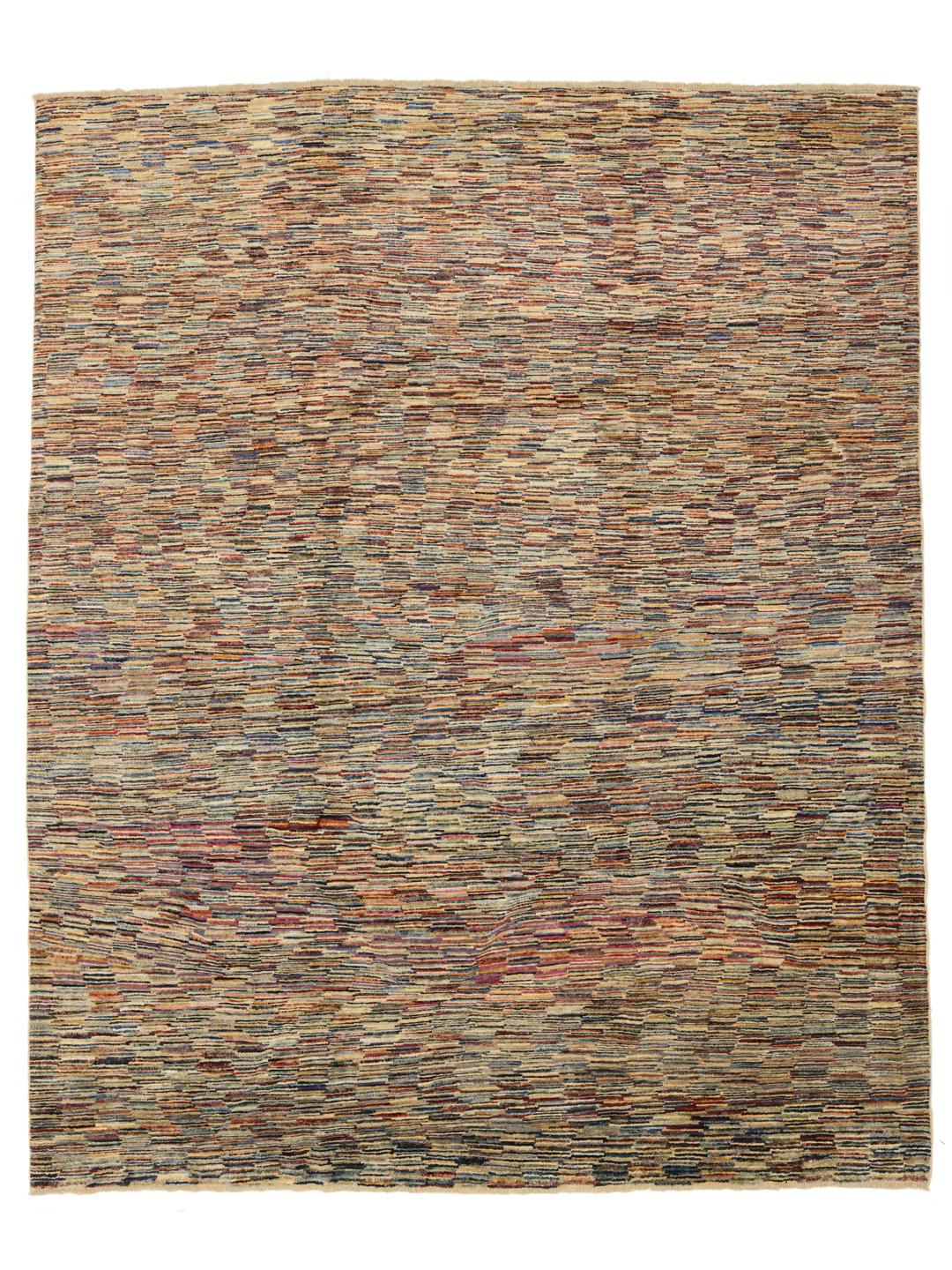
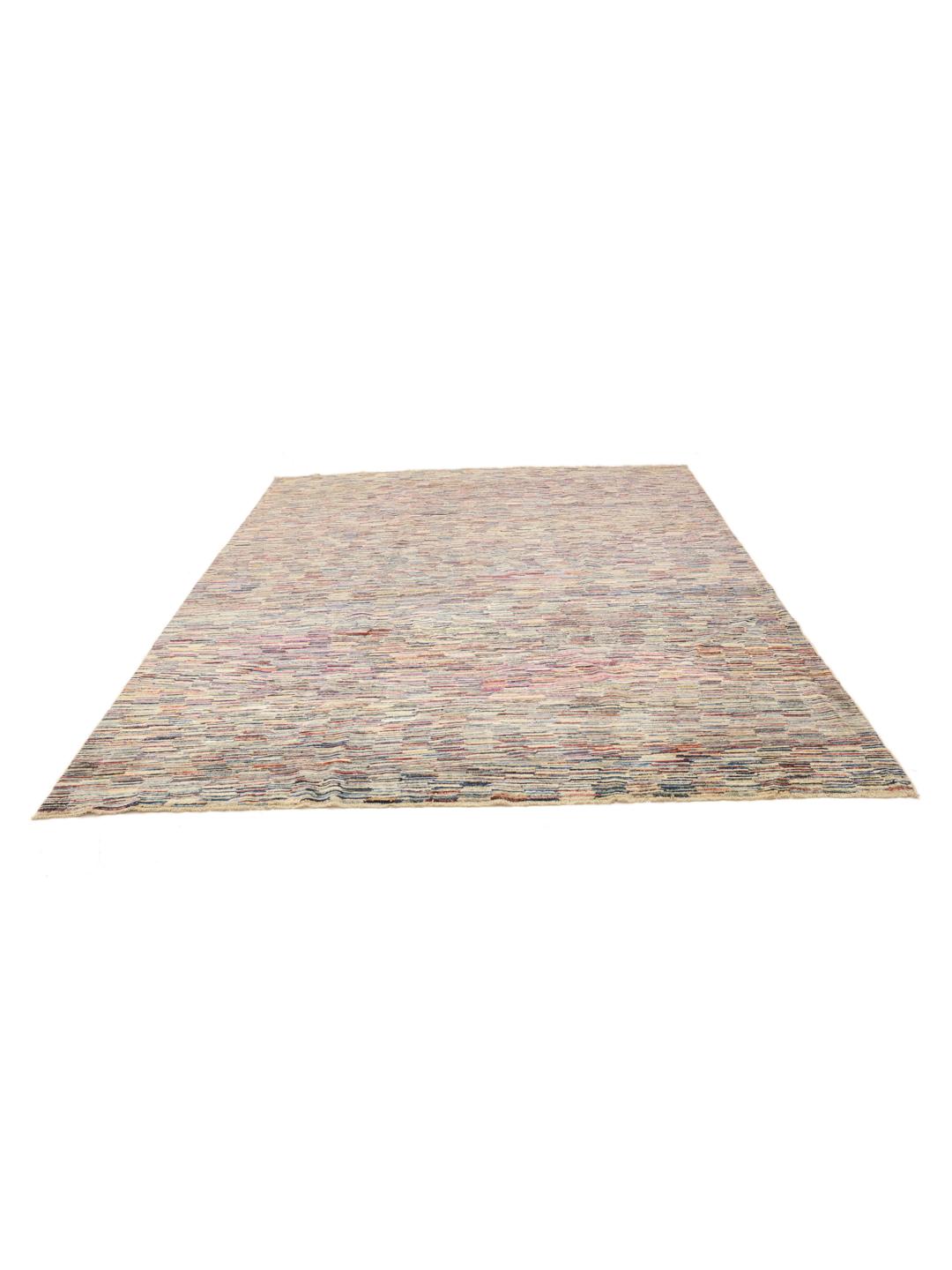
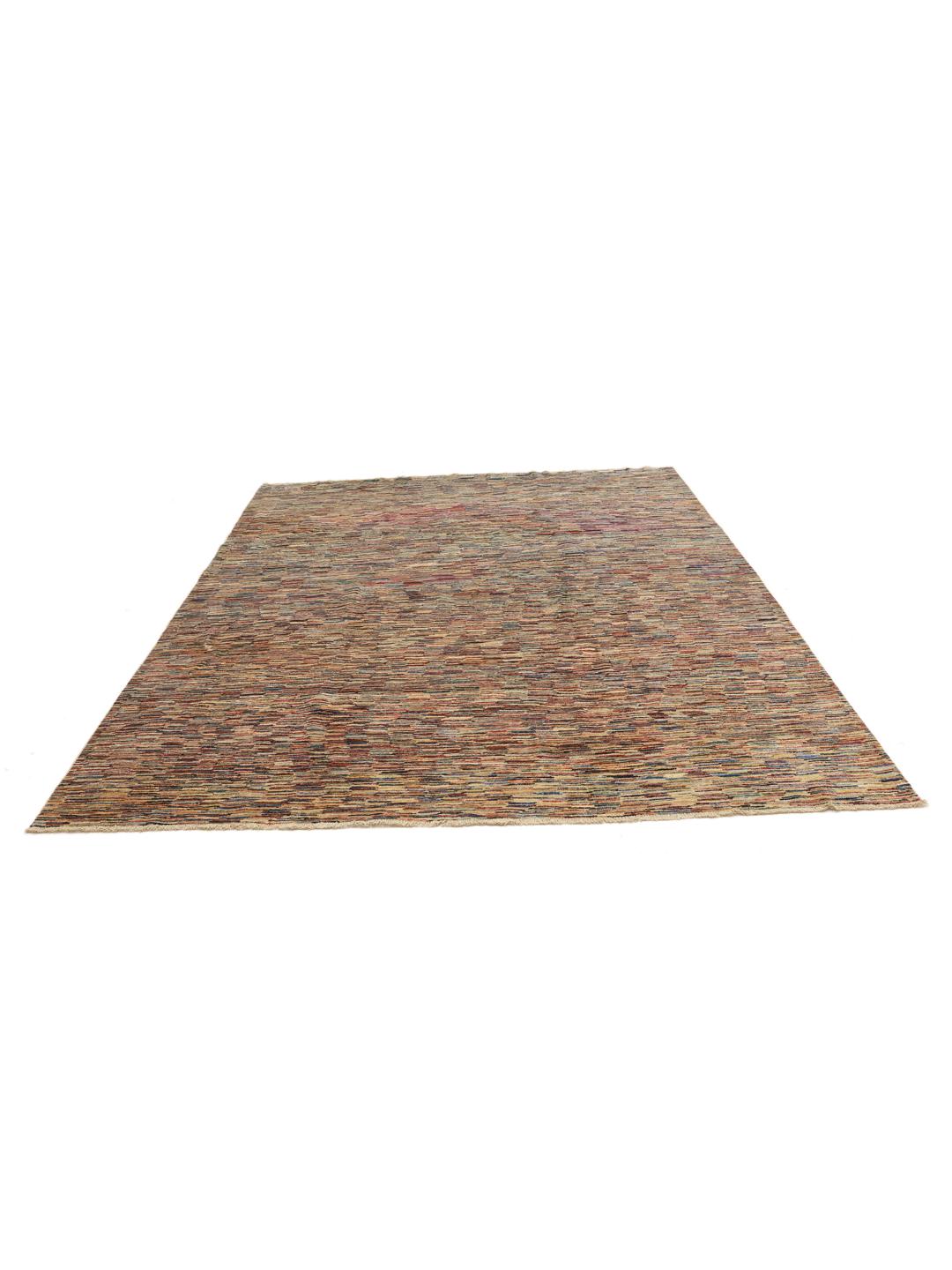
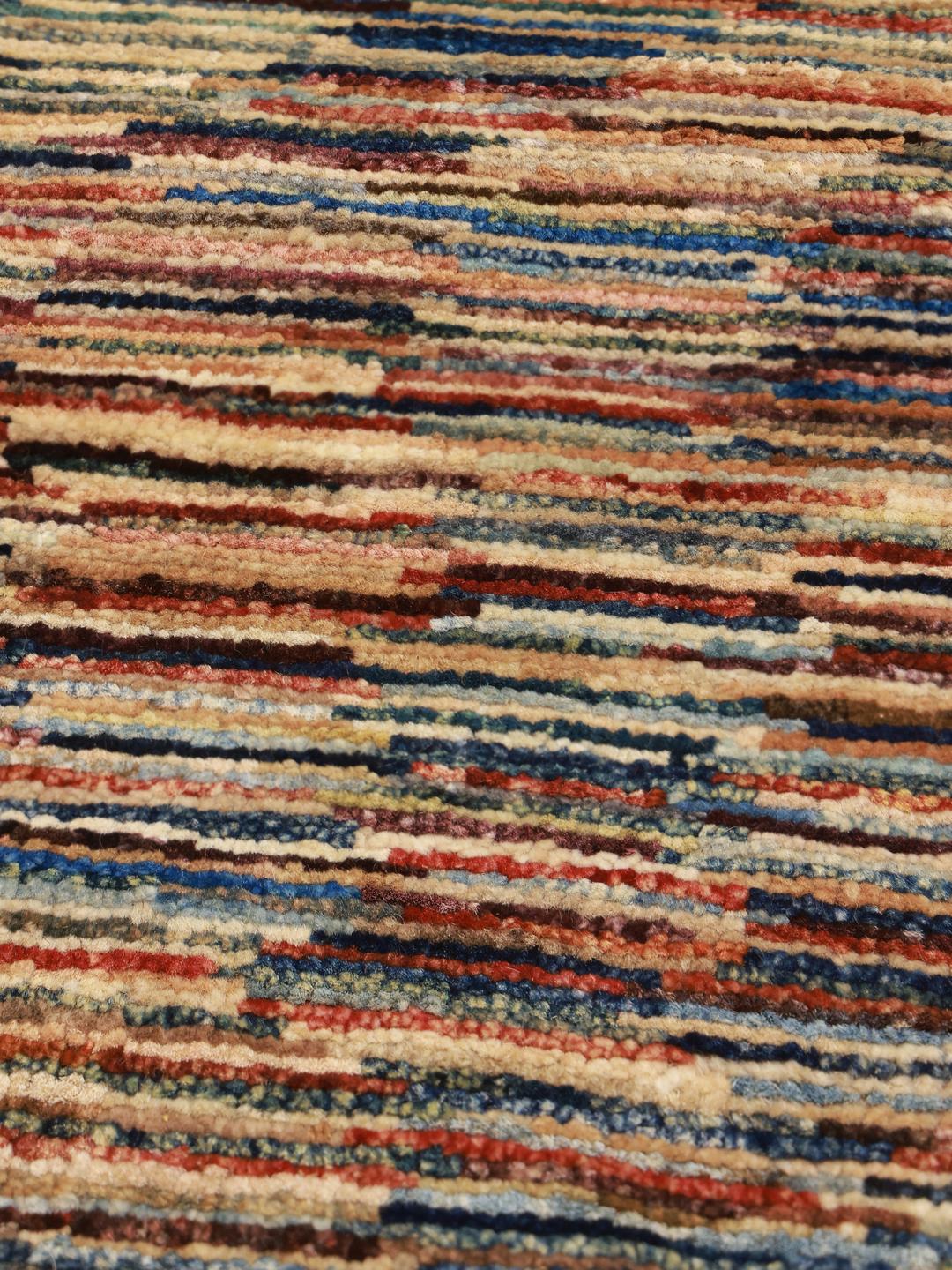
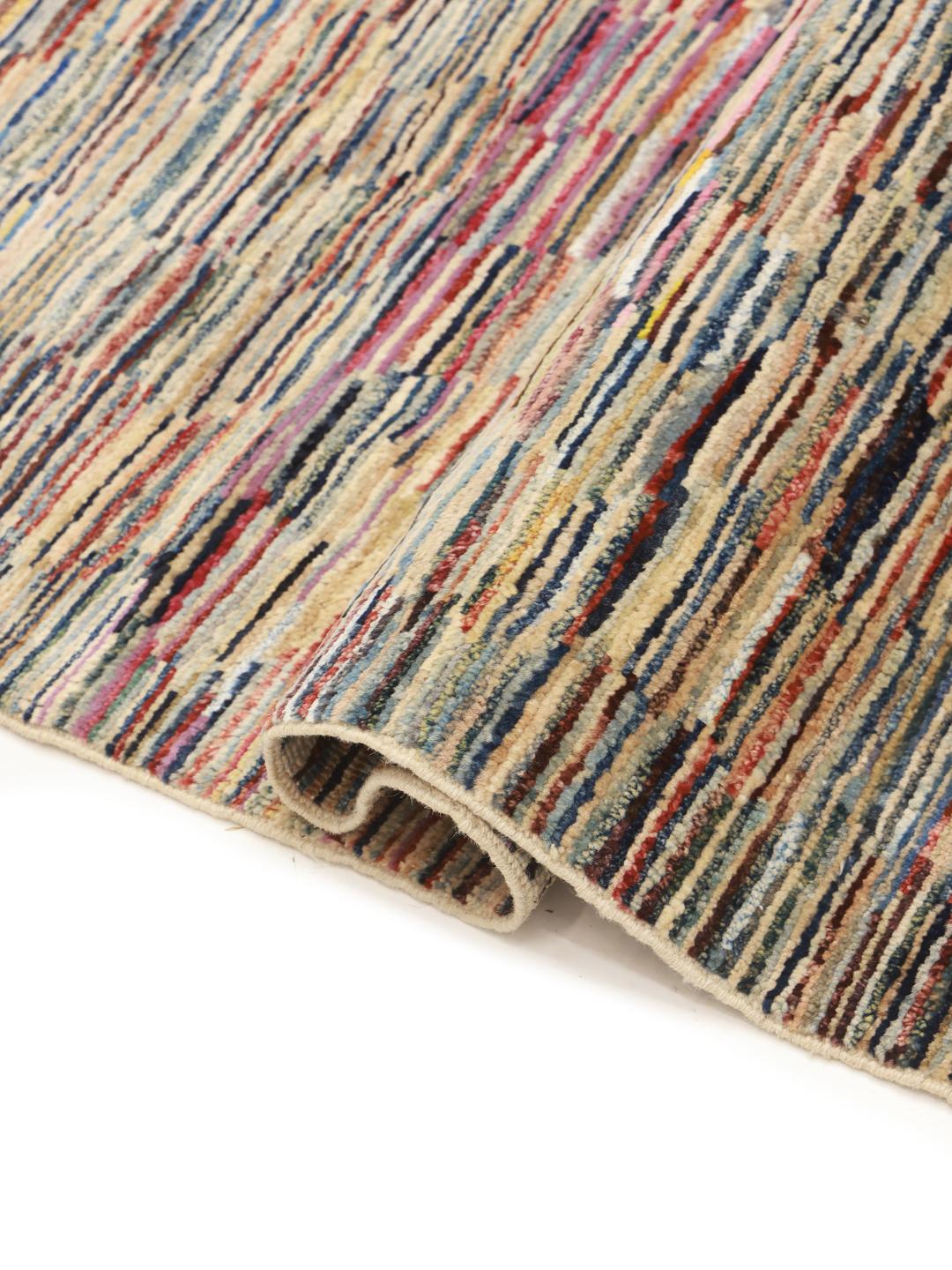
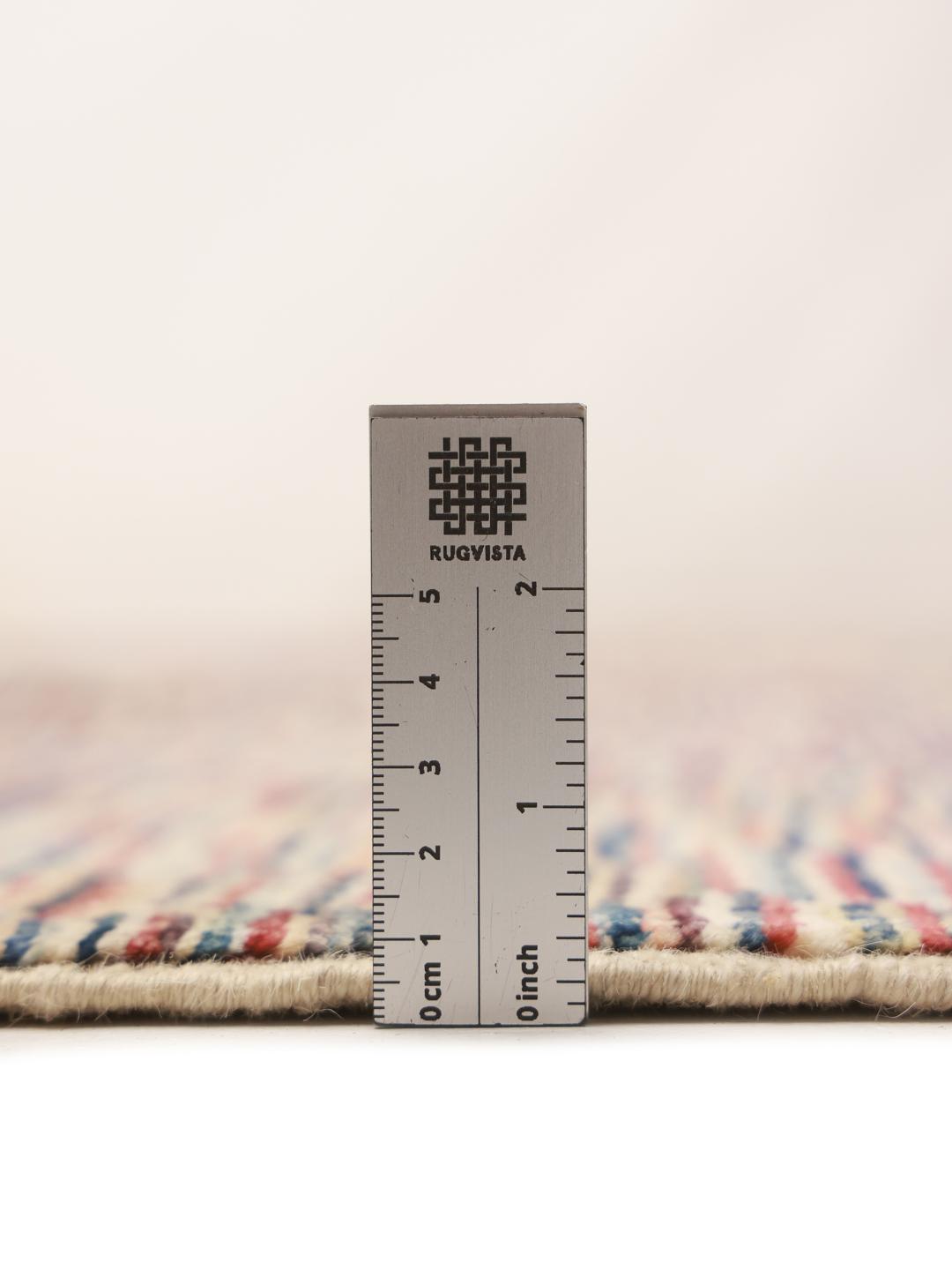
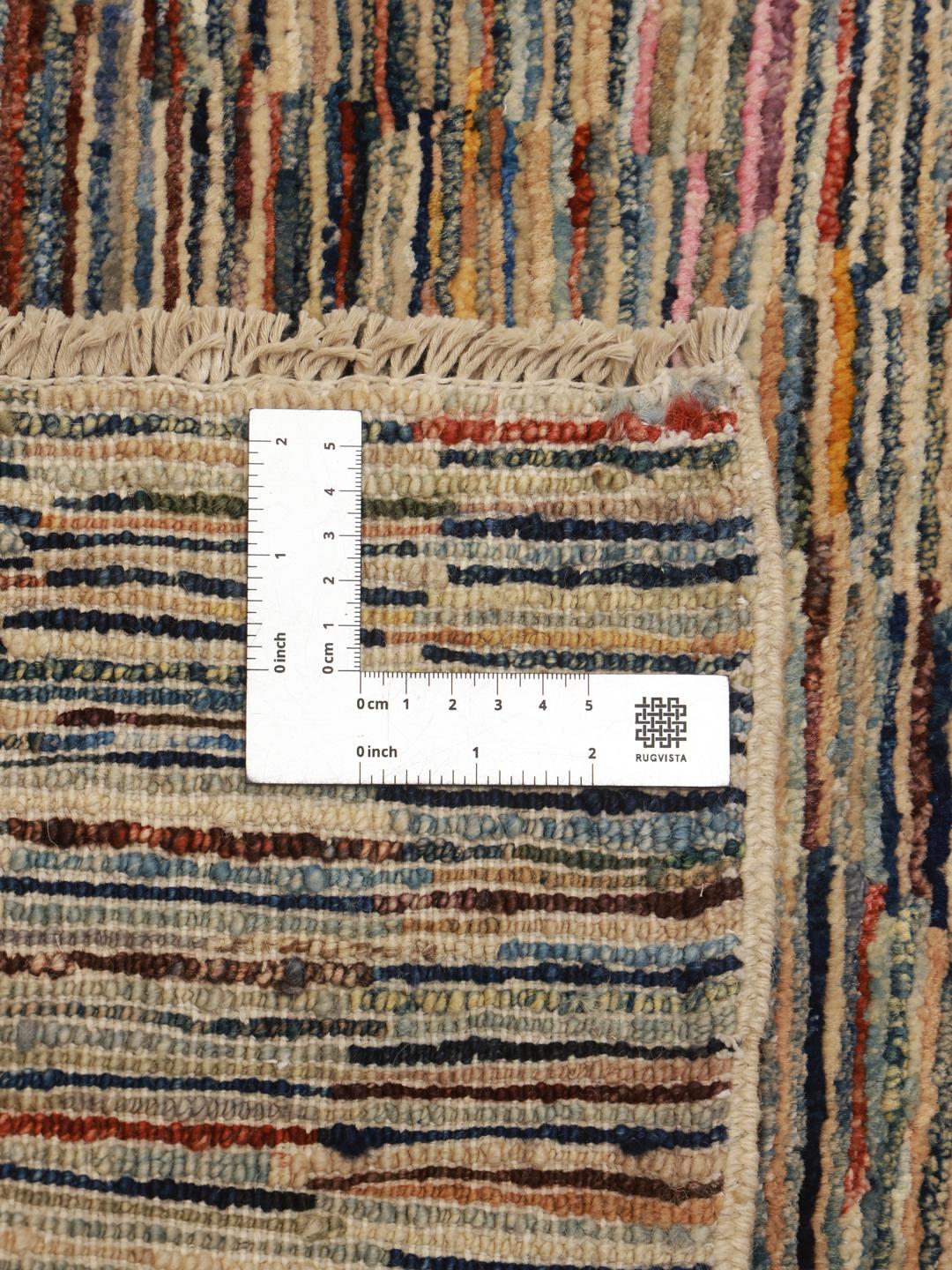
This particular piece showcases a rich textural field composed of layered horizontal colour variations, creating a warm and grounded visual depth that anchors a room with quiet character.
Collecting a handmade Gabbeh rug means preserving centuries of nomadic craft heritage. Each piece stands as a testament to the patience, skill, and cultural continuity passed down through generations of artisan families, offering enduring quality that mass-produced alternatives simply cannot replicate.