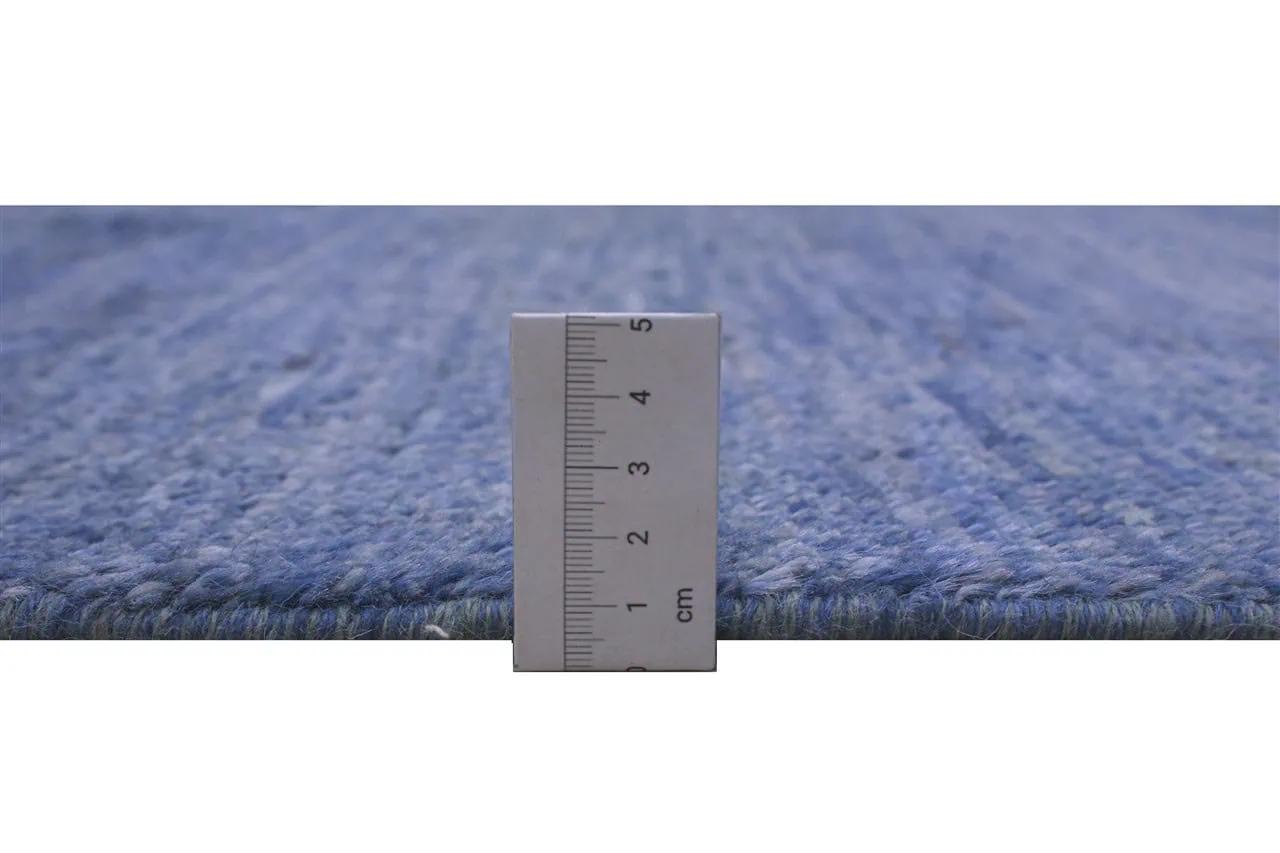
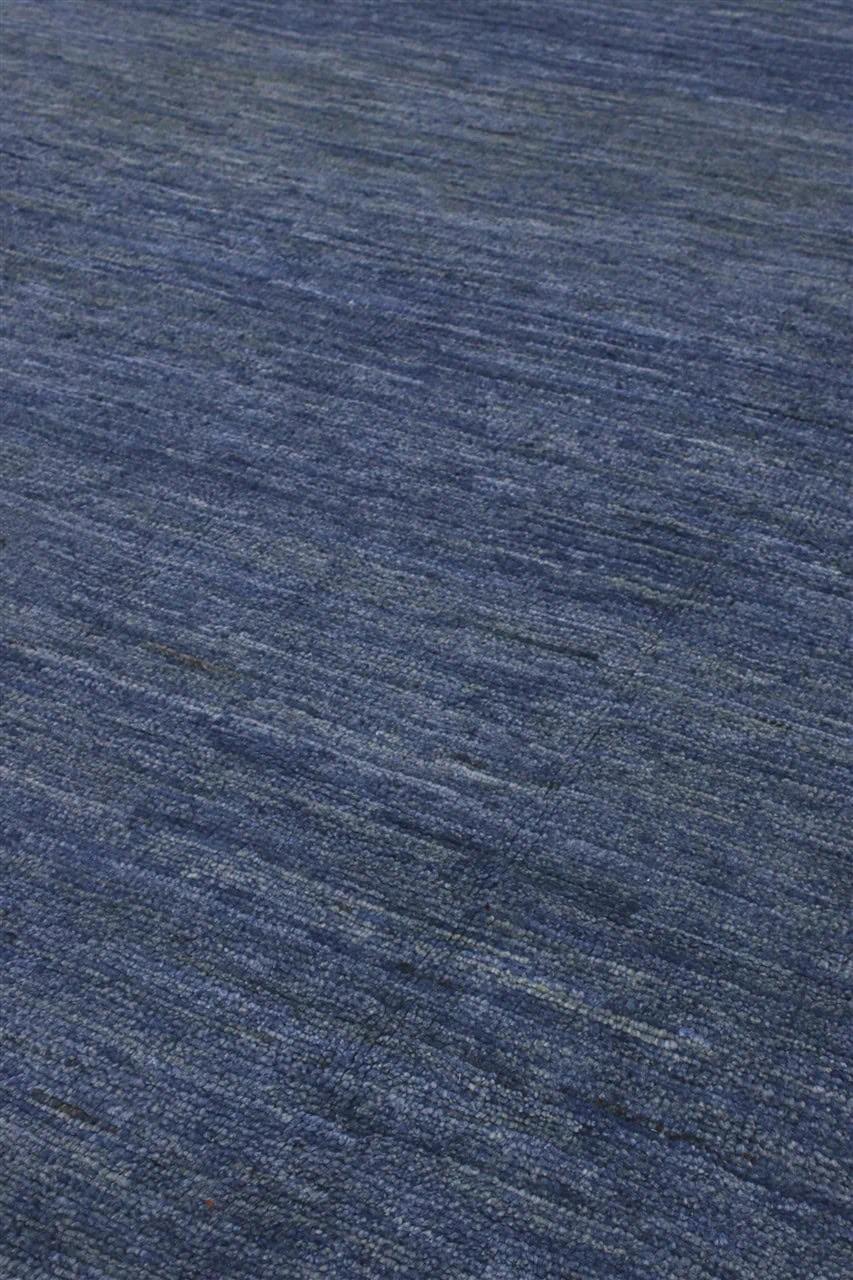
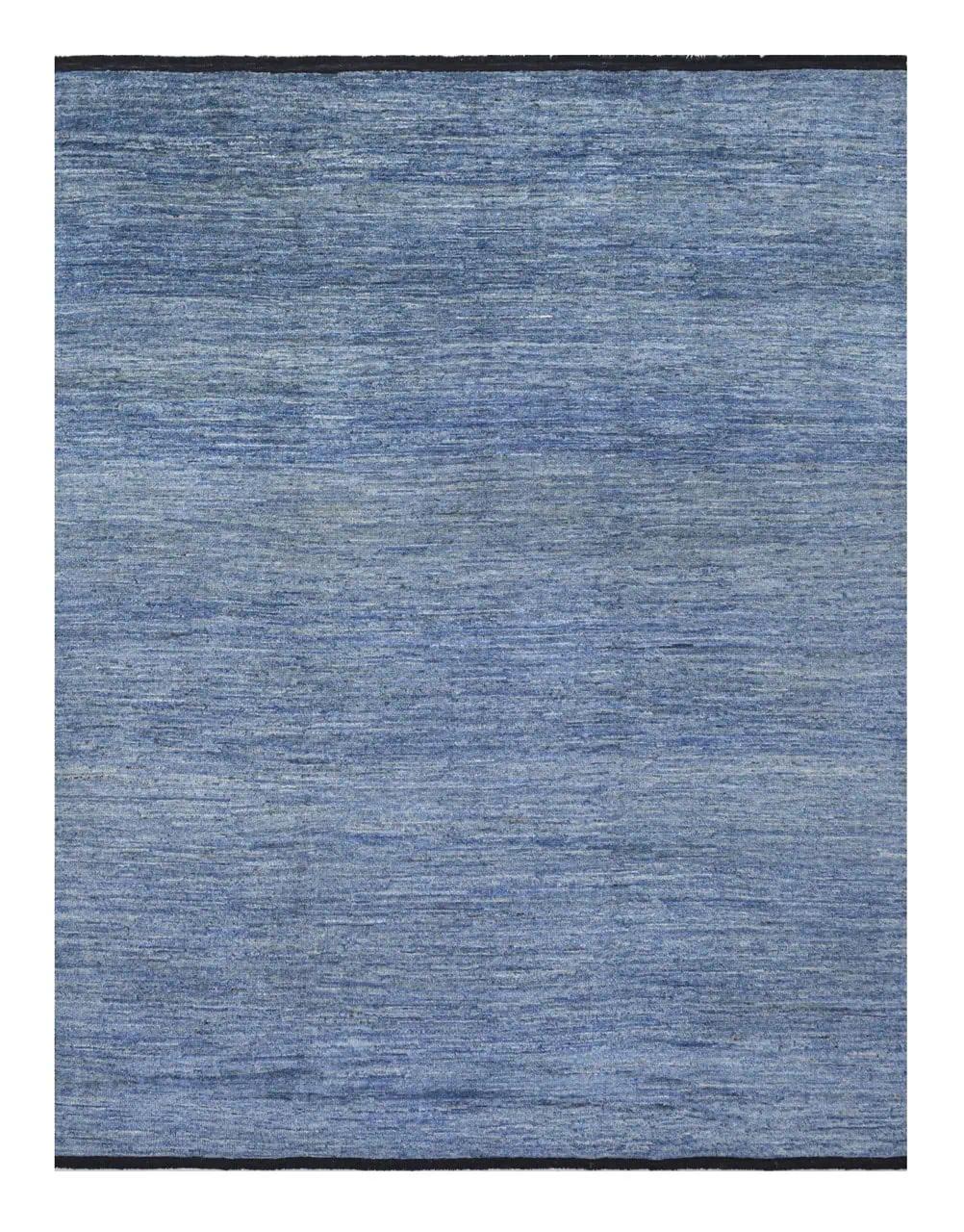
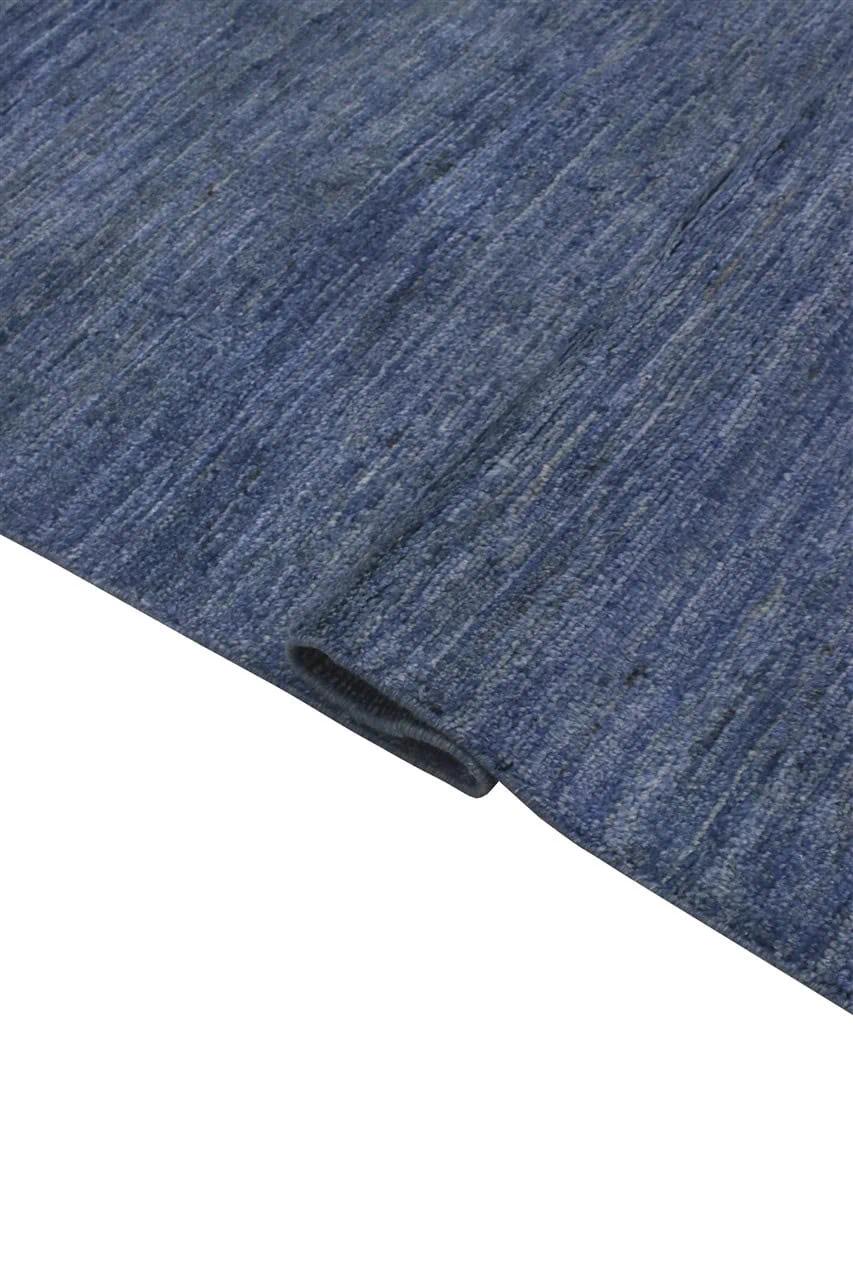
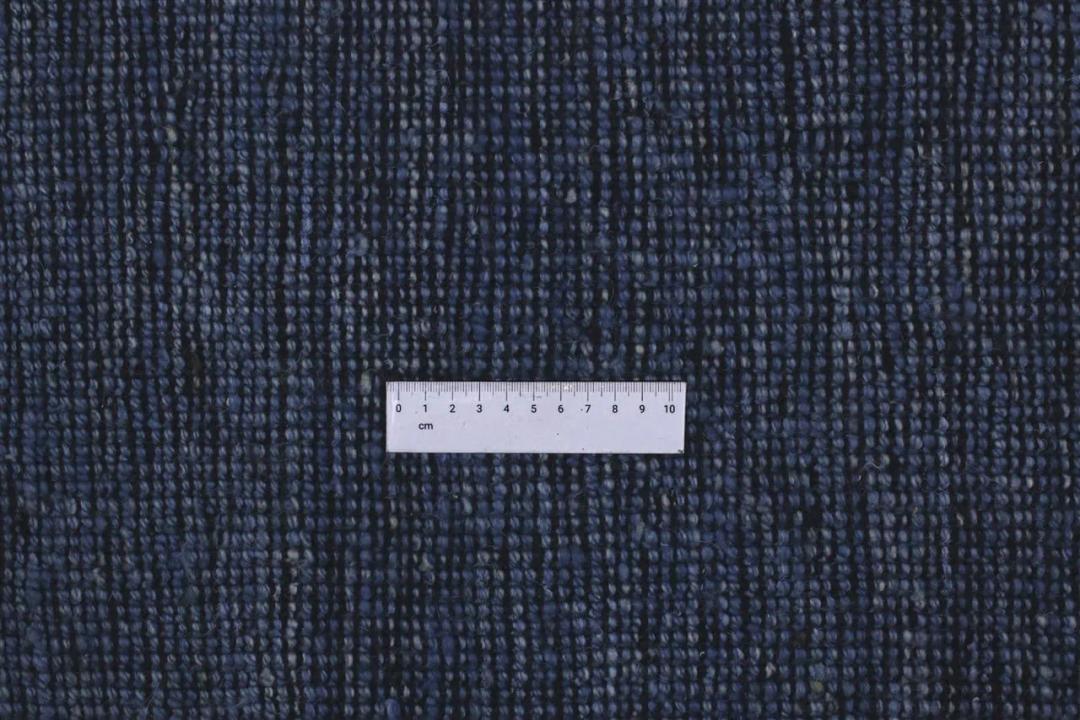
Gabbeh rugs have a long history rooted in the nomadic traditions of the Middle East, where they were originally woven for personal use rather than for trade. Historically, these rugs were characterised by their thick, plush piles and simple, often abstract designs, providing much-needed insulation against the harsh conditions of desert life.
The term 'Gabbeh' itself translates to 'raw' or 'natural', which perfectly describes the aesthetic of these pieces. Unlike formal city rugs that rely on complex, pre-planned patterns, traditional Gabbeh rugs were often created spontaneously by the weaver, using natural, undyed Wool and vibrant, locally sourced vegetable dyes to tell personal or cultural stories through colour and simple geometric shapes.
While the traditional Gabbeh is known for its bold, tribal simplicity, the modern evolution of the style brings these ancient techniques into a more contemporary context. Modern versions often utilise more refined Wool and a wider, more sophisticated colour palette, allowing them to bridge the gap between historic craft and modern interior design.
Owning a Gabbeh is a way to connect with a centuries-old tradition of weaving that prioritises the human touch over mechanical perfection. These rugs are highly valued by collectors for their authenticity and the unique, soulful character that only a hand-woven, one-of-a-kind object can possess.