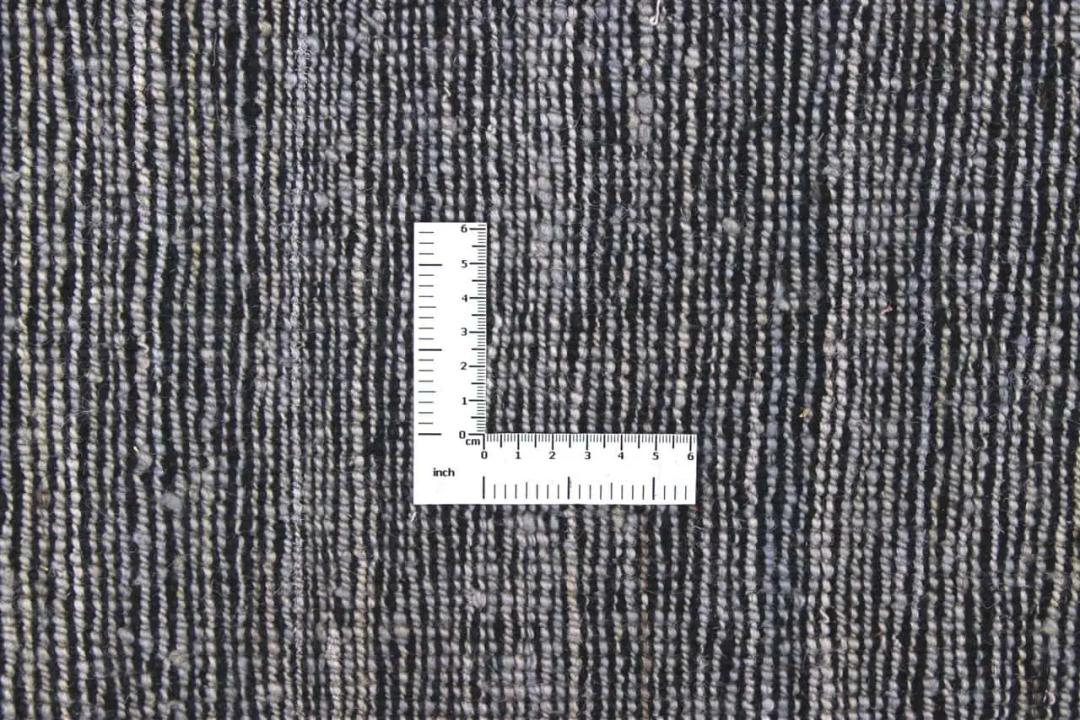
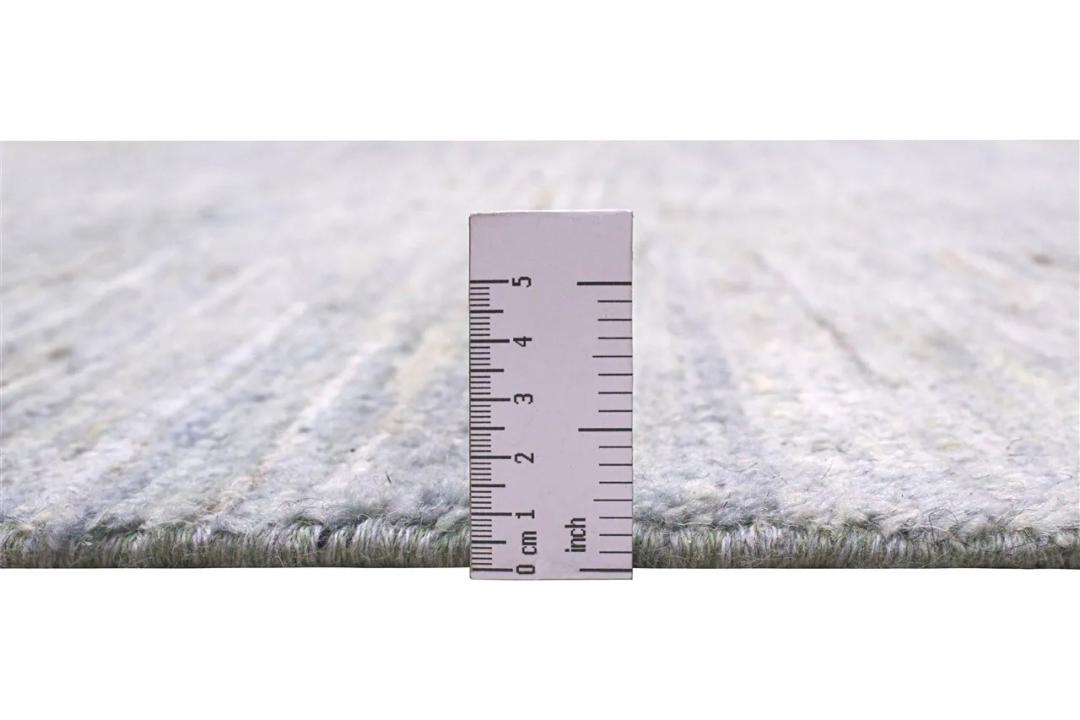
The Gabbeh tradition traces its roots to the nomadic tribes of the Middle East, where these rugs were originally crafted for personal use rather than for trade. Unlike the formal, symmetrical patterns of urban workshops, traditional Gabbeh rugs were defined by their thick, plush piles and spontaneous, often abstract designs that reflected the weaver's personal expression and the natural environment.
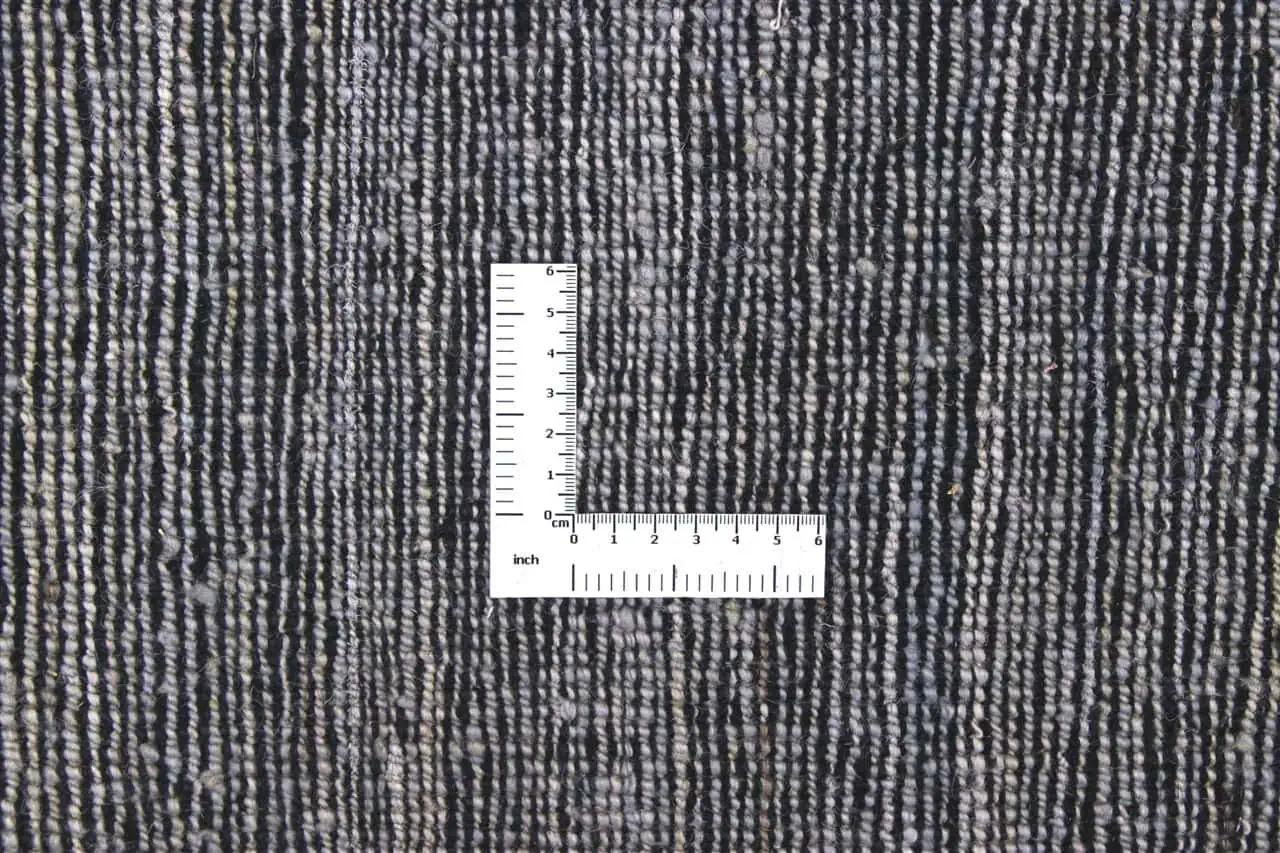
The term Gabbeh essentially translates to 'raw' or 'natural', which speaks to the unrefined and authentic nature of the craft. These rugs are typically made using hand-spun Wool, which retains more of its natural oils, resulting in a soft, resilient pile that is remarkably durable. This traditional method of preparation ensures that each rug maintains its lustre and texture over many years of use.
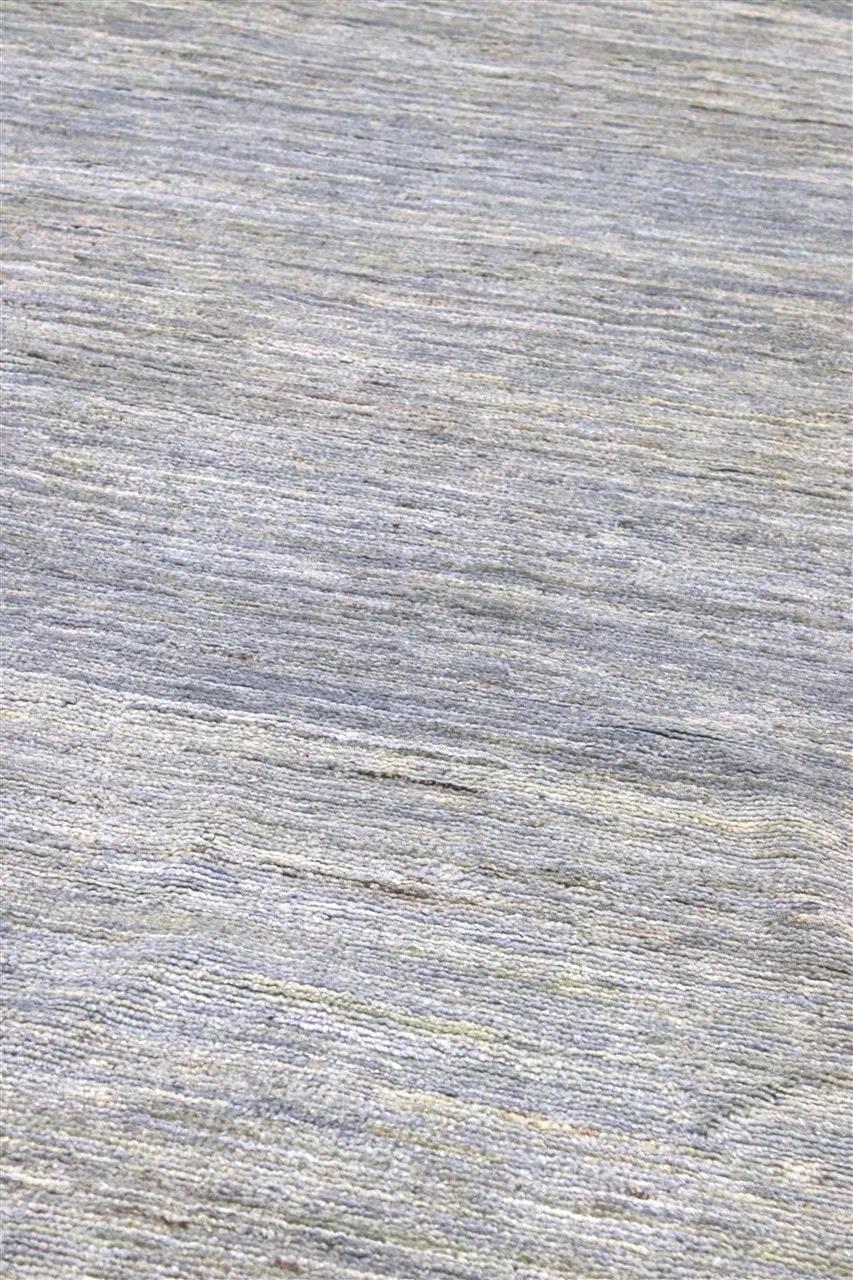
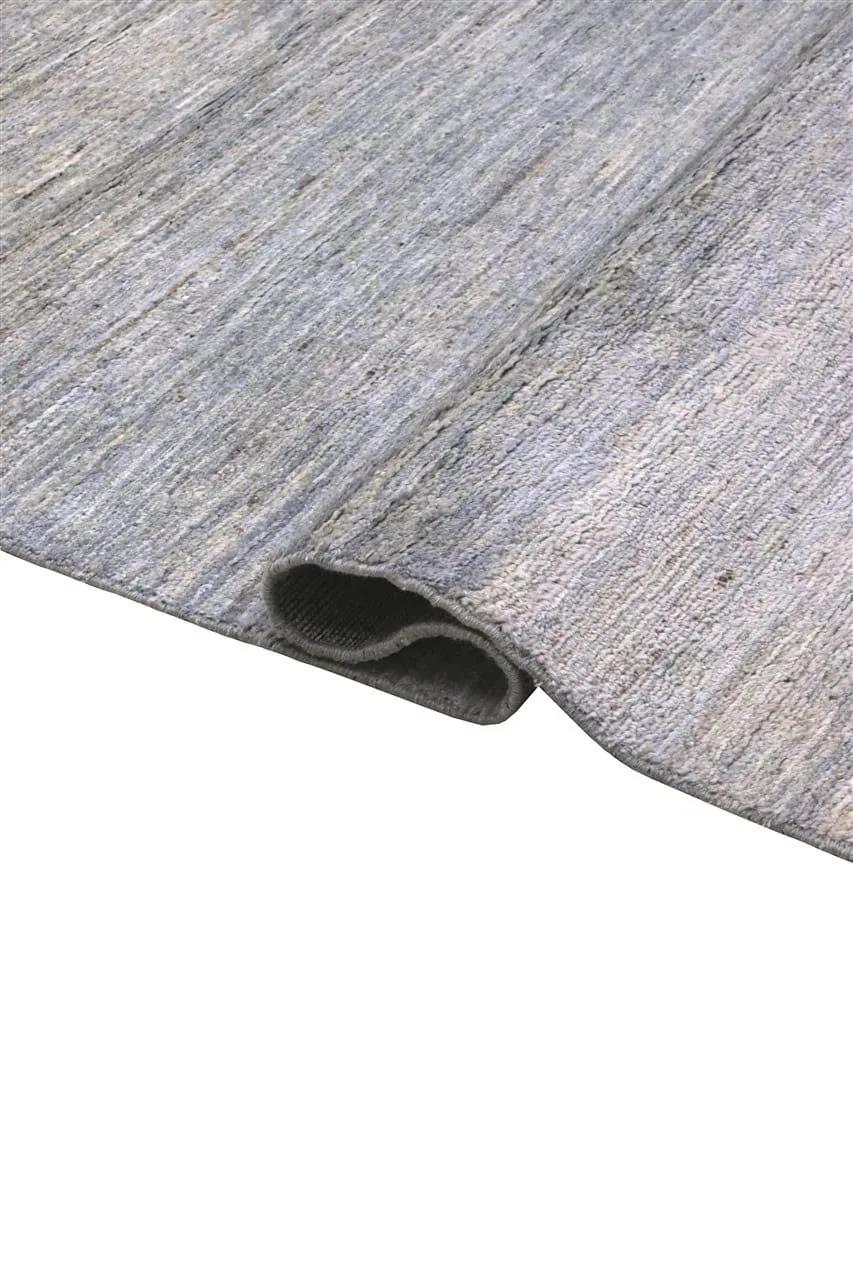
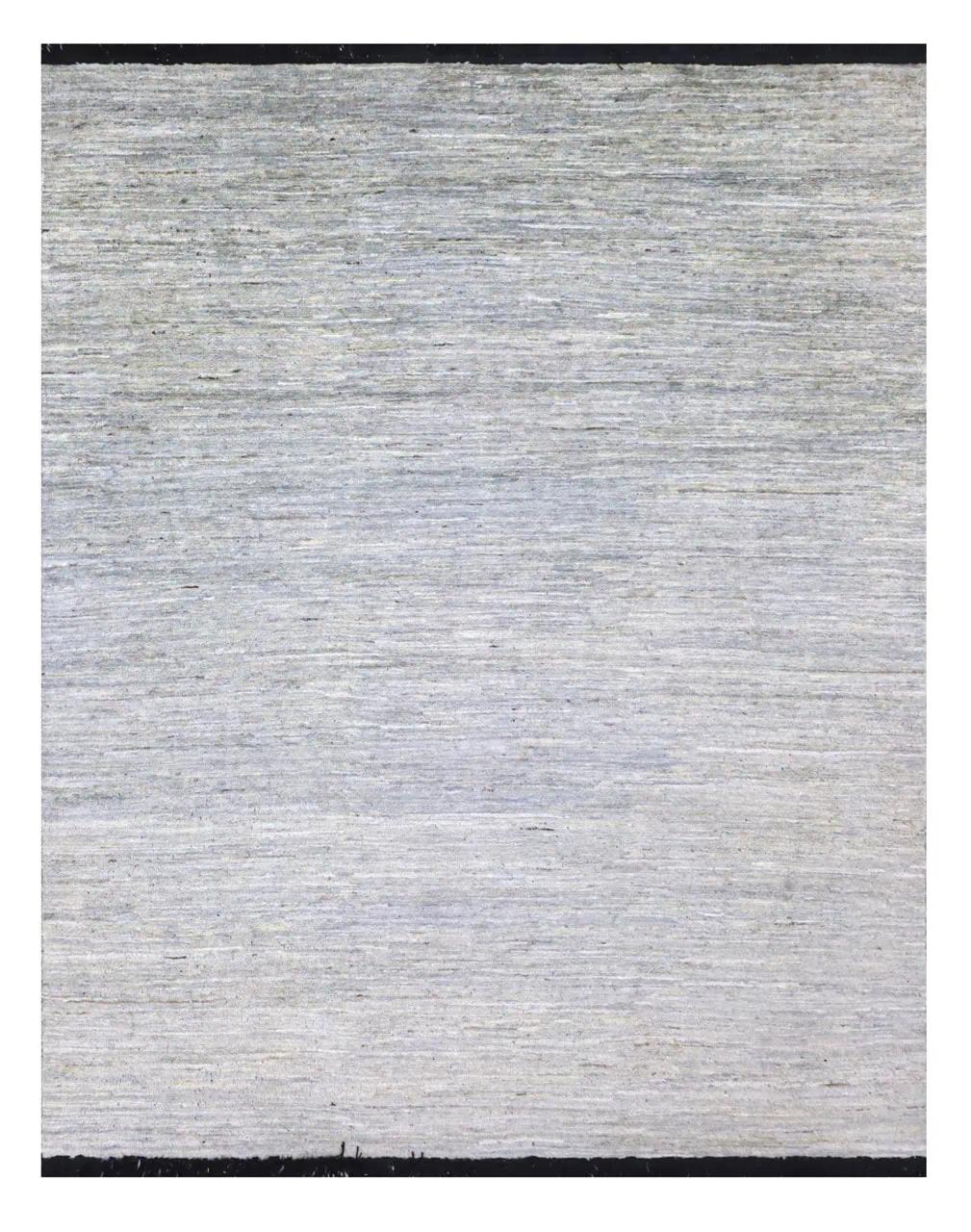
While traditional Gabbeh rugs often featured bold, geometric motifs inspired by tribal life, the modern evolution of the style has embraced a more minimalist approach. This version shifts the focus toward subtle colour gradients and texture, moving away from explicit imagery to create a versatile, contemporary look that fits seamlessly into modern homes while retaining its tribal soul.
Collecting a piece from this tradition is an act of preserving a dying art form. Each rug serves as a bridge between ancient nomadic heritage and the needs of a contemporary household. By choosing a Gabbeh, you are acquiring a piece of cultural history that values the human hand over the efficiency of the machine, making it a prized addition for those who appreciate authentic craft.