Gabbeh rugs have a storied history rooted in the nomadic traditions of the Middle East, where they were originally woven by tribal weavers for personal use rather than for trade. These rugs were designed to provide warmth and comfort in harsh climates, often serving as bedding or blankets for family members.
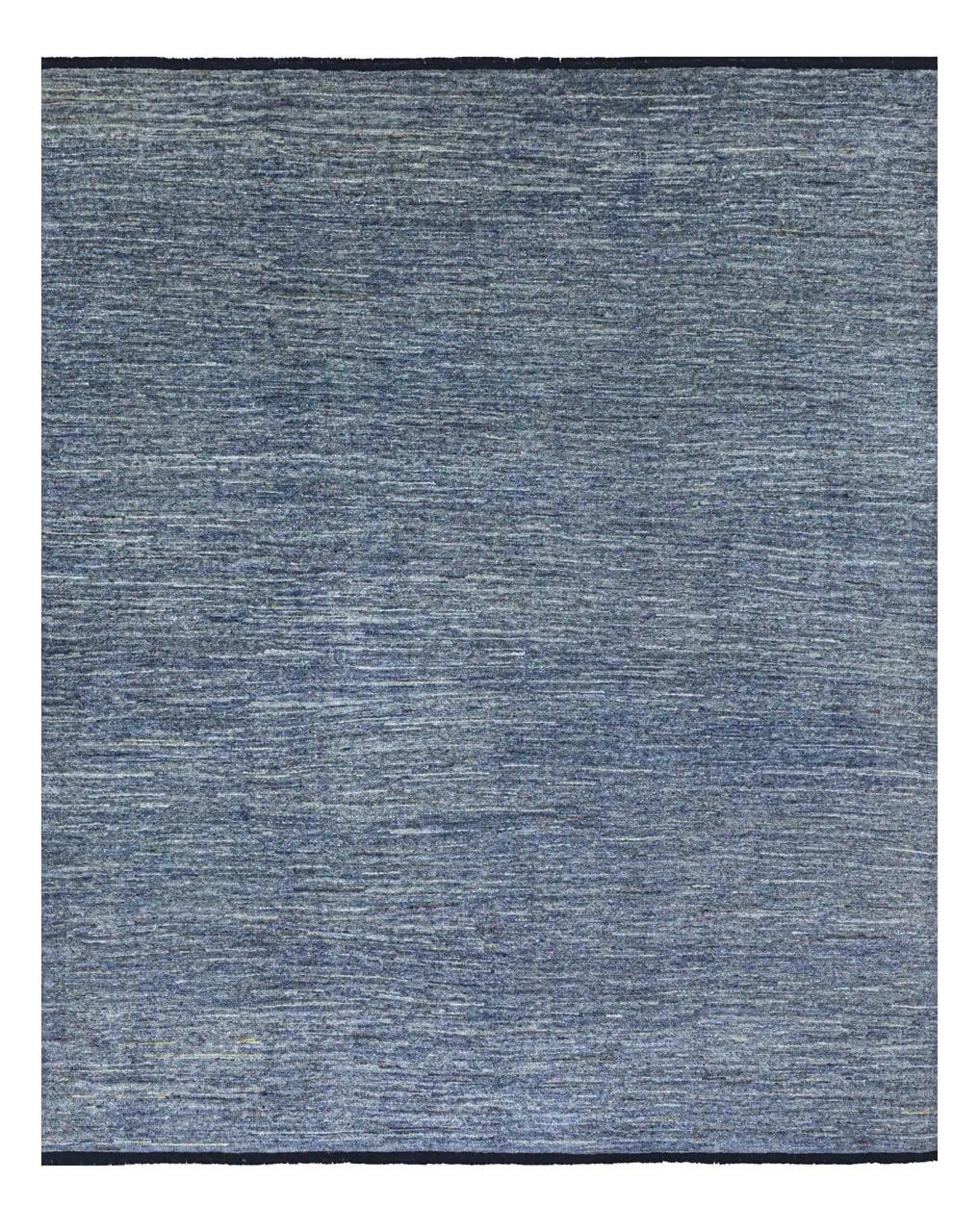
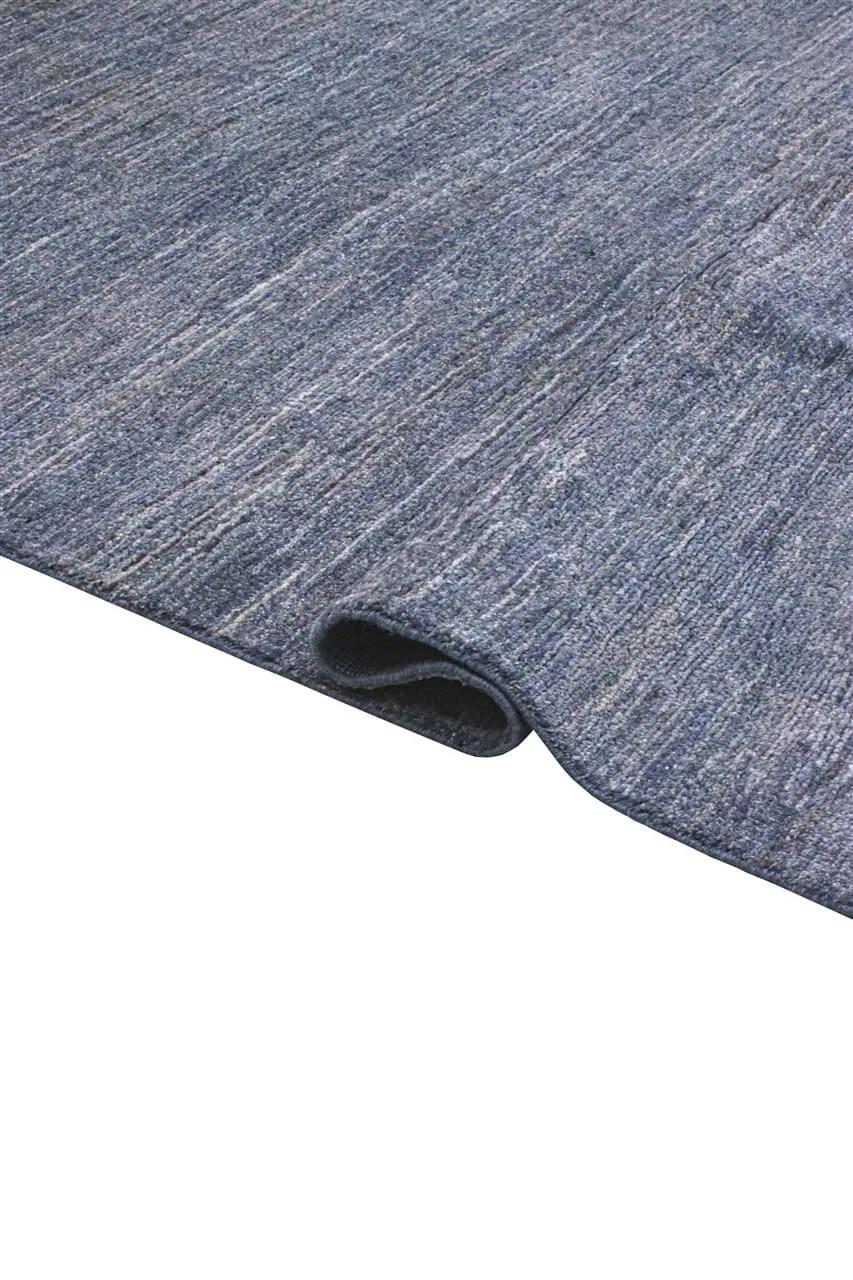
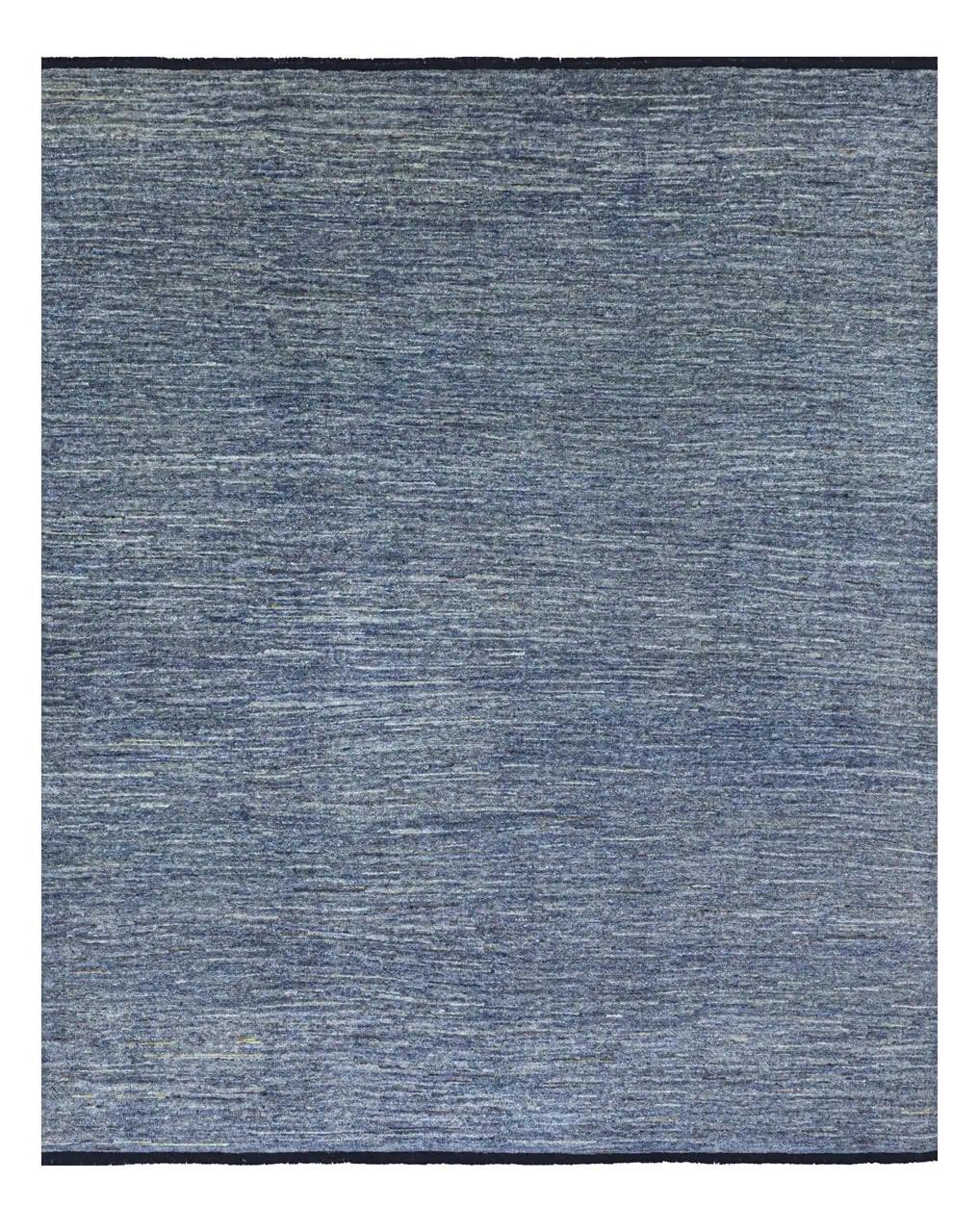
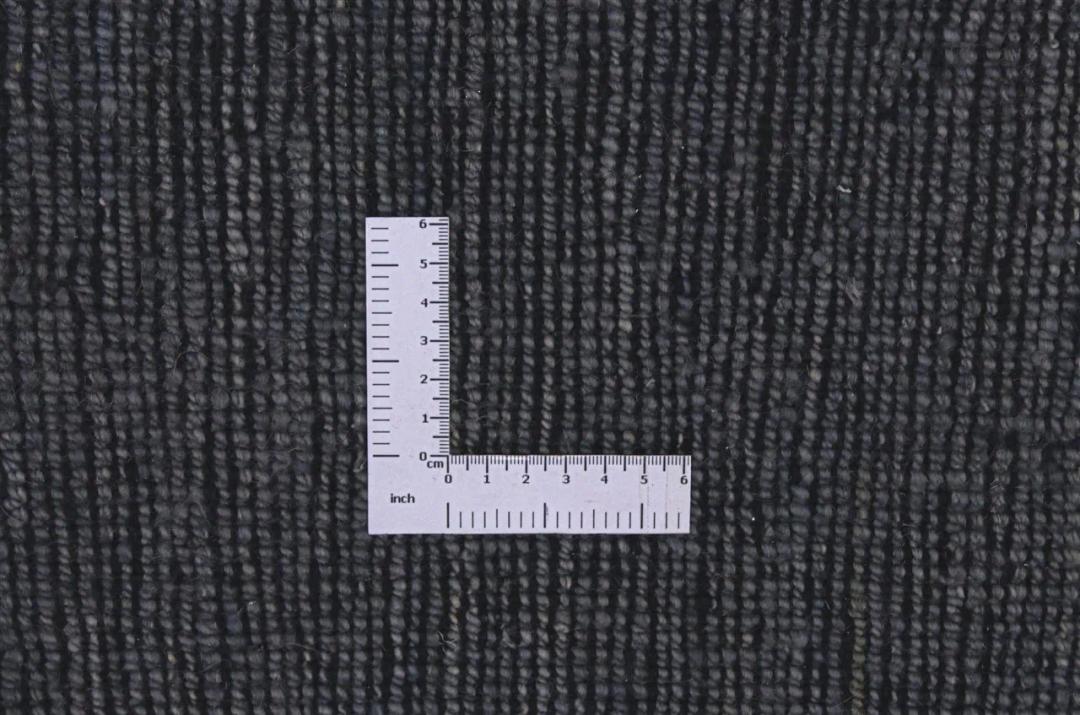
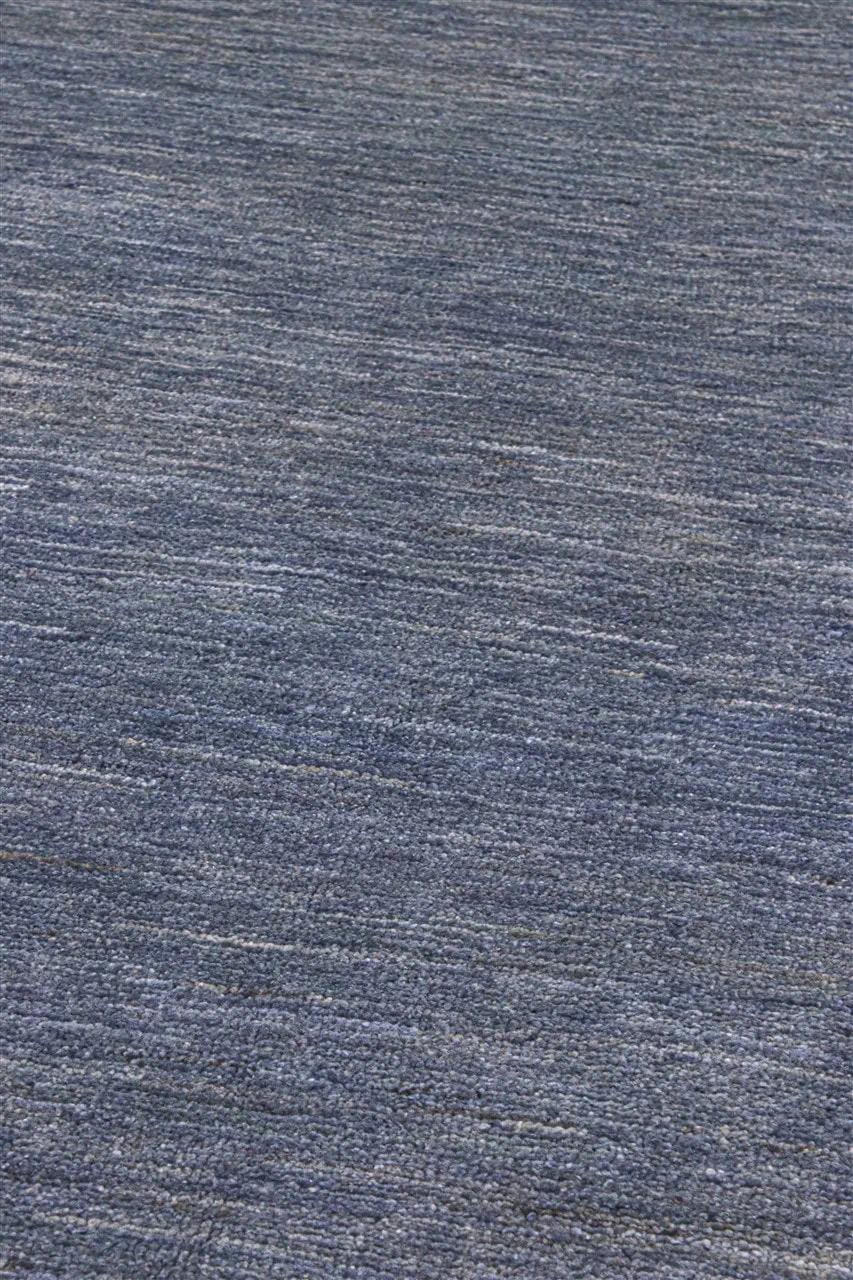
The term Gabbeh itself refers to a style that is traditionally thicker and more rustic than other regional rug varieties. Unlike the formal, symmetrical patterns found in urban workshops, these rugs are characterised by their minimalist aesthetic and use of vibrant, natural dyes, often telling a visual story through simple geometric forms or, as seen here, a focus on rich, monochromatic depth.
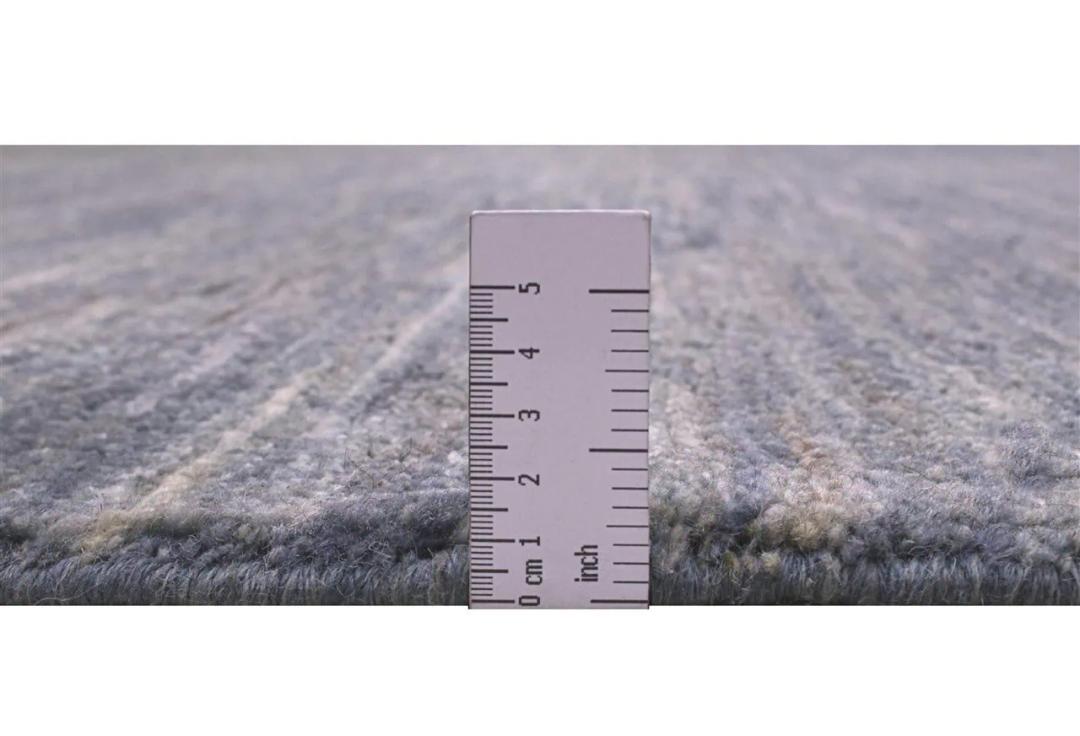
In recent decades, the Gabbeh tradition has evolved through the work of artisans in Afghanistan, who have adapted these classic techniques to suit contemporary interior tastes. This evolution maintains the soul of the craft while embracing a cleaner, more modern look that highlights the high-quality wool and the subtle nuances of hand-spun yarn.
Collecting a rug from this tradition is an act of preserving a human-centric craft that has remained largely unchanged for generations. These rugs are valued not just for their aesthetic appeal, but for the connection they provide to the history of nomadic life and the dedication of the individuals who continue to practice this demanding, time-honoured art form today.