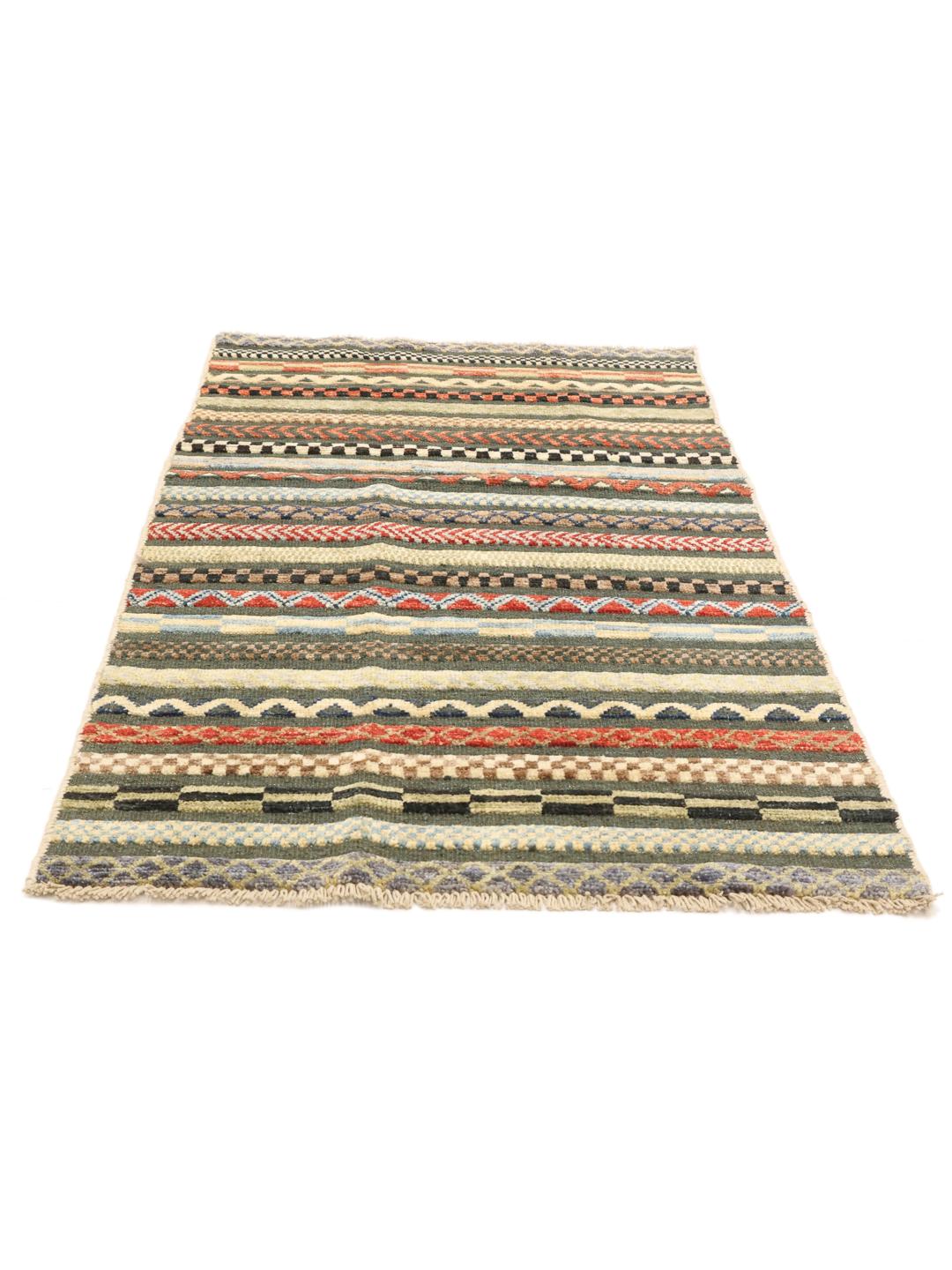
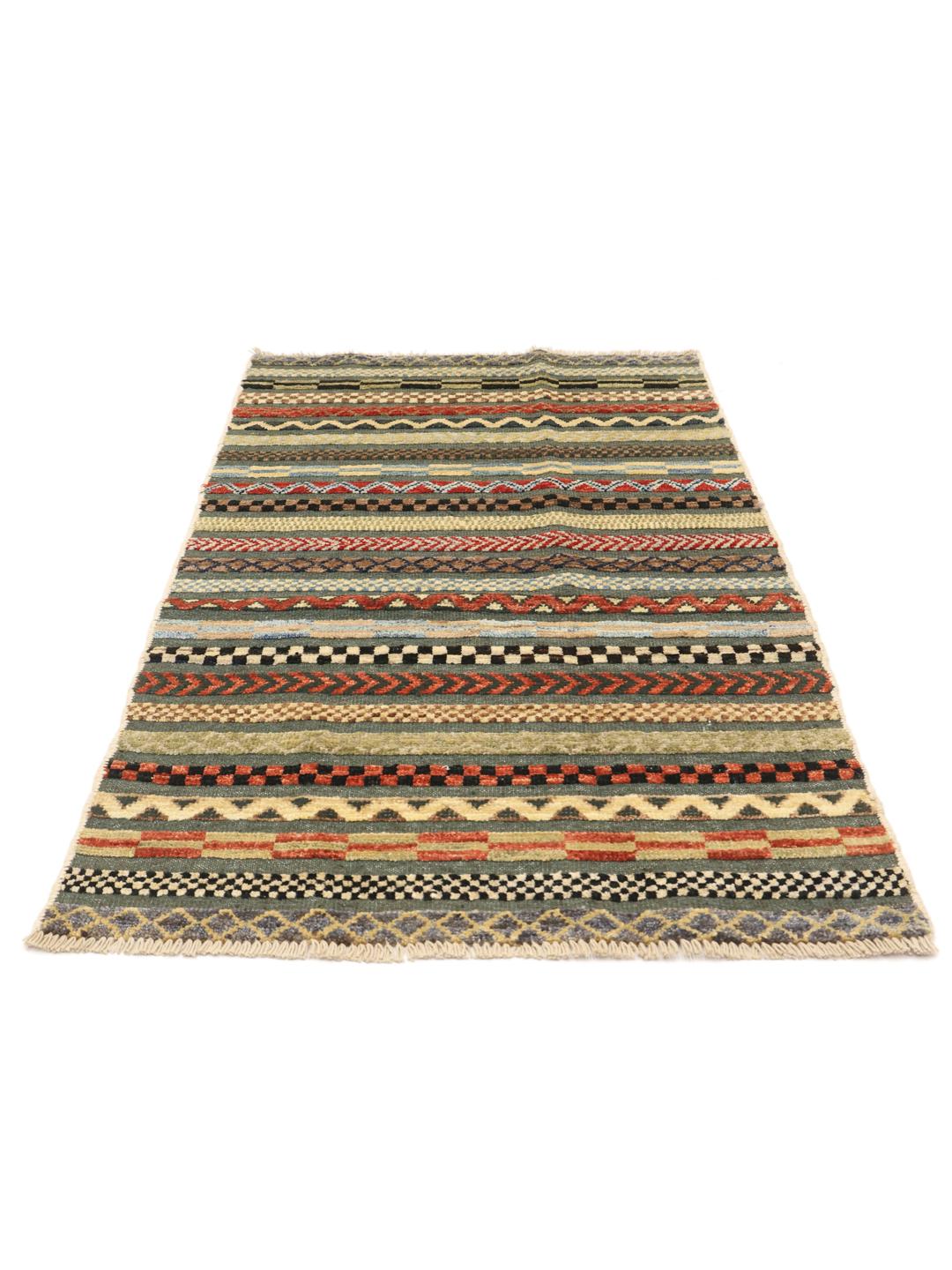
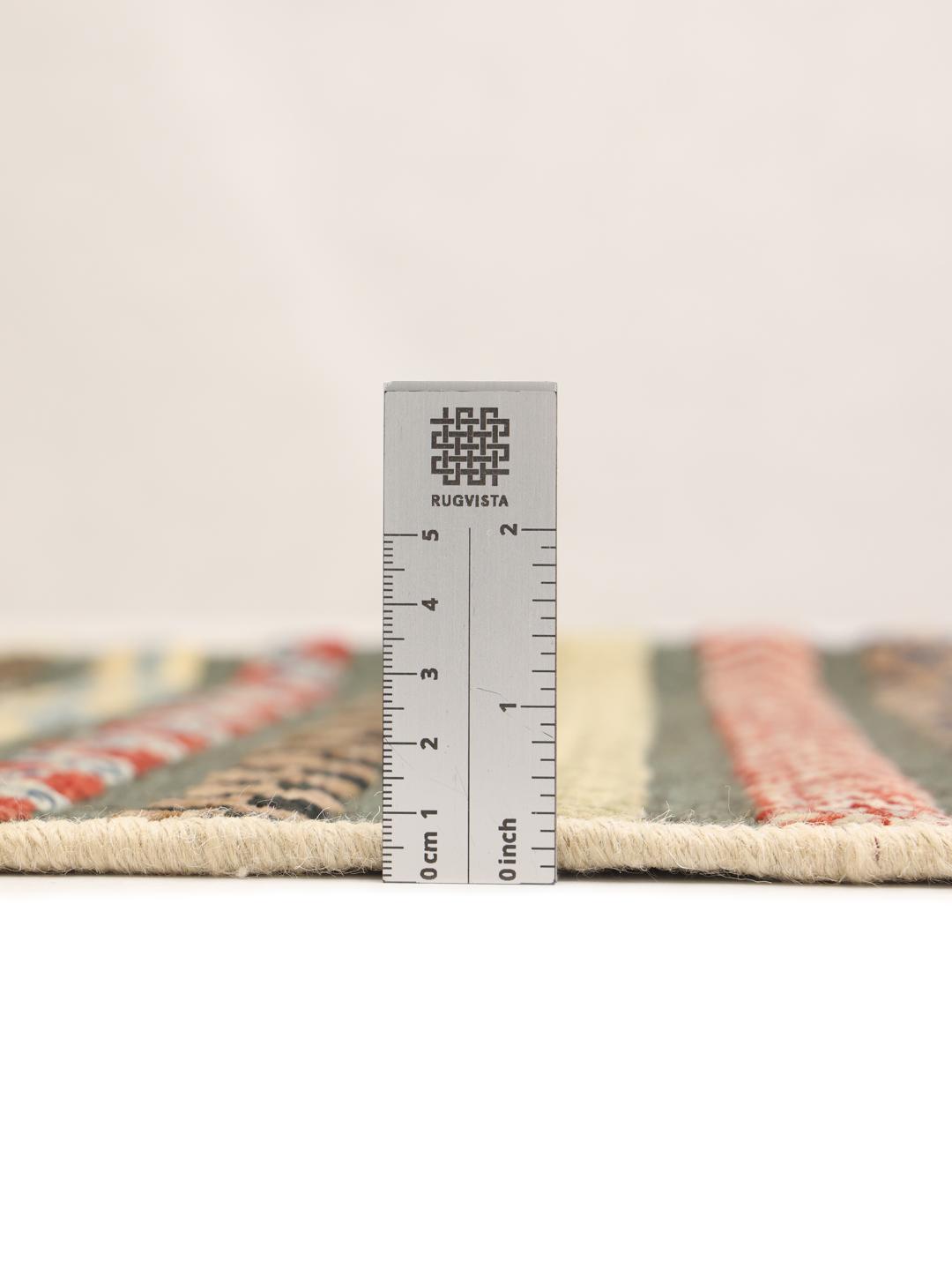
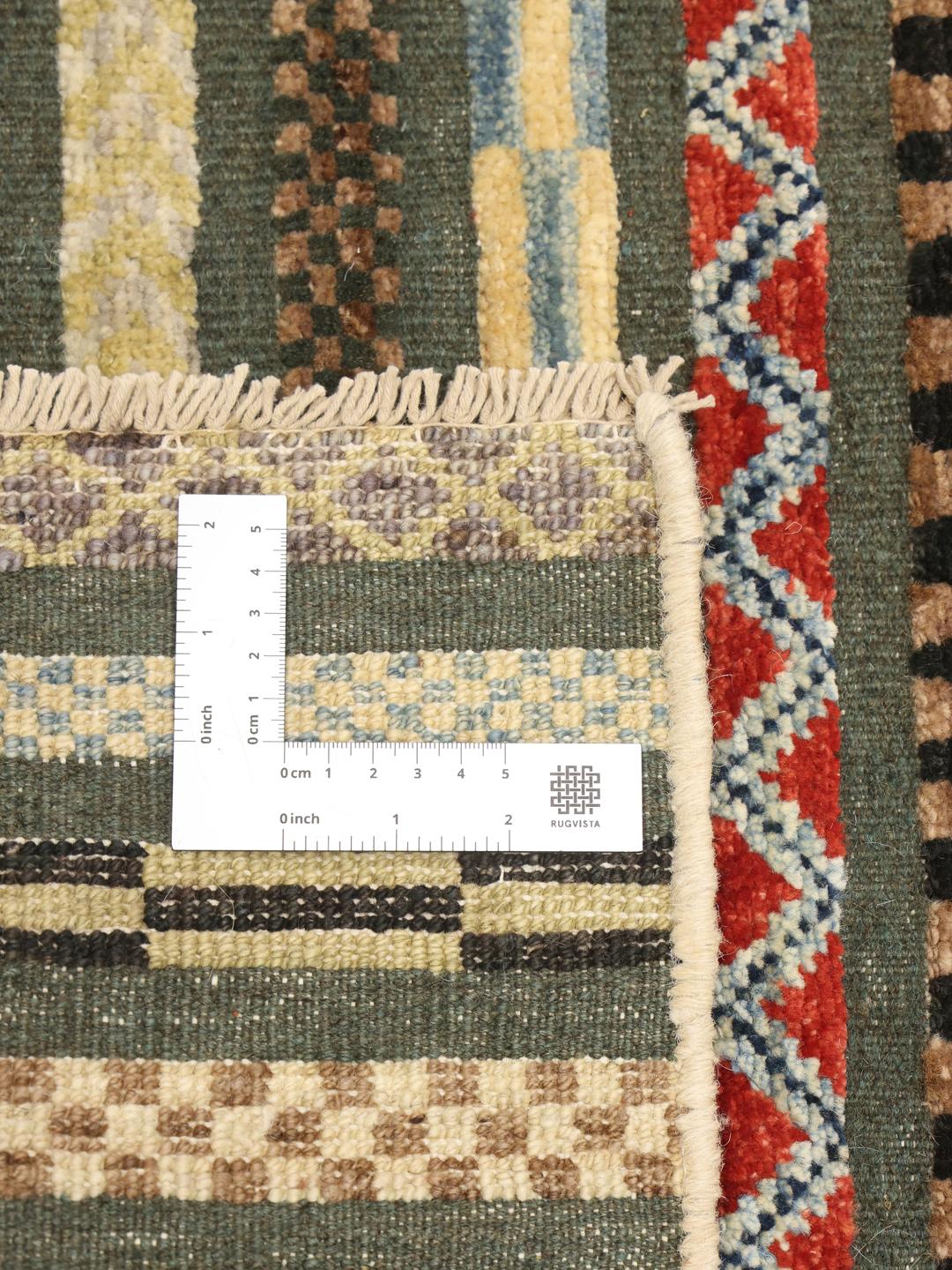
Gabbeh rugs trace their origins to the nomadic tribes of the Middle East, where they were originally crafted for personal use rather than for trade. These rugs were designed as thick, protective floor coverings that could withstand the harsh environment of mountain life. Over time, the style evolved from simple, functional mats into the highly expressive, artistic pieces that are celebrated by collectors today.
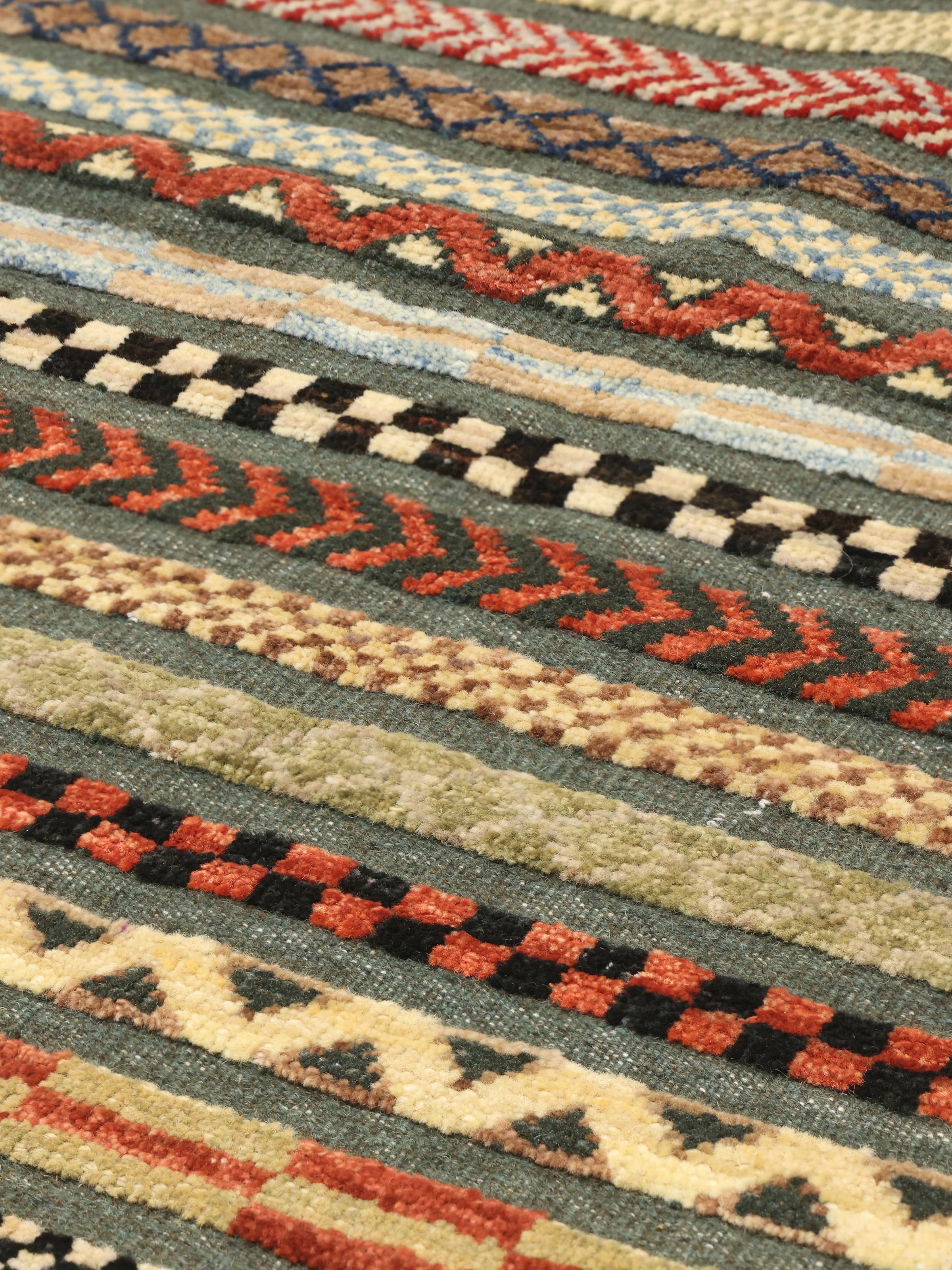
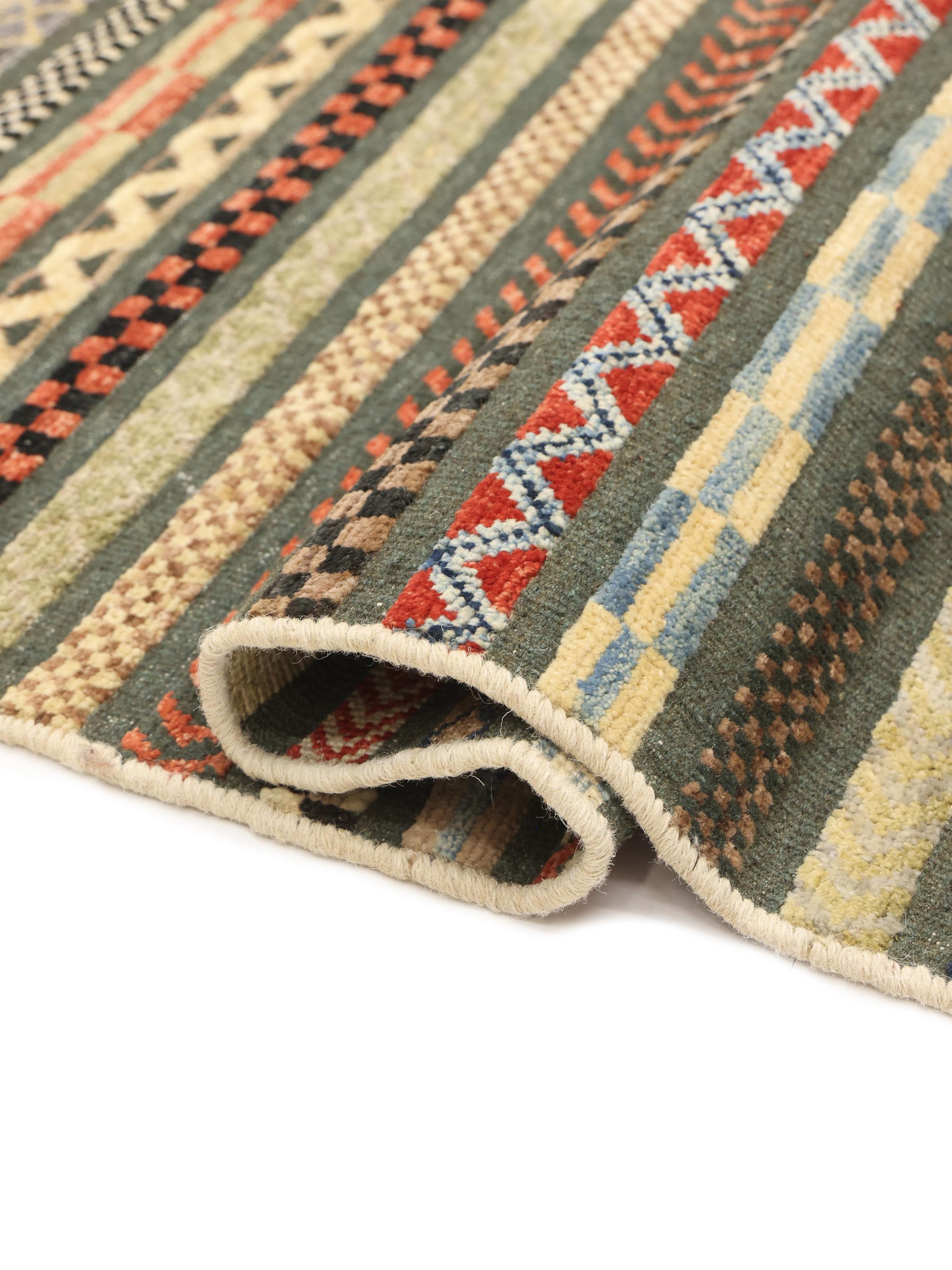
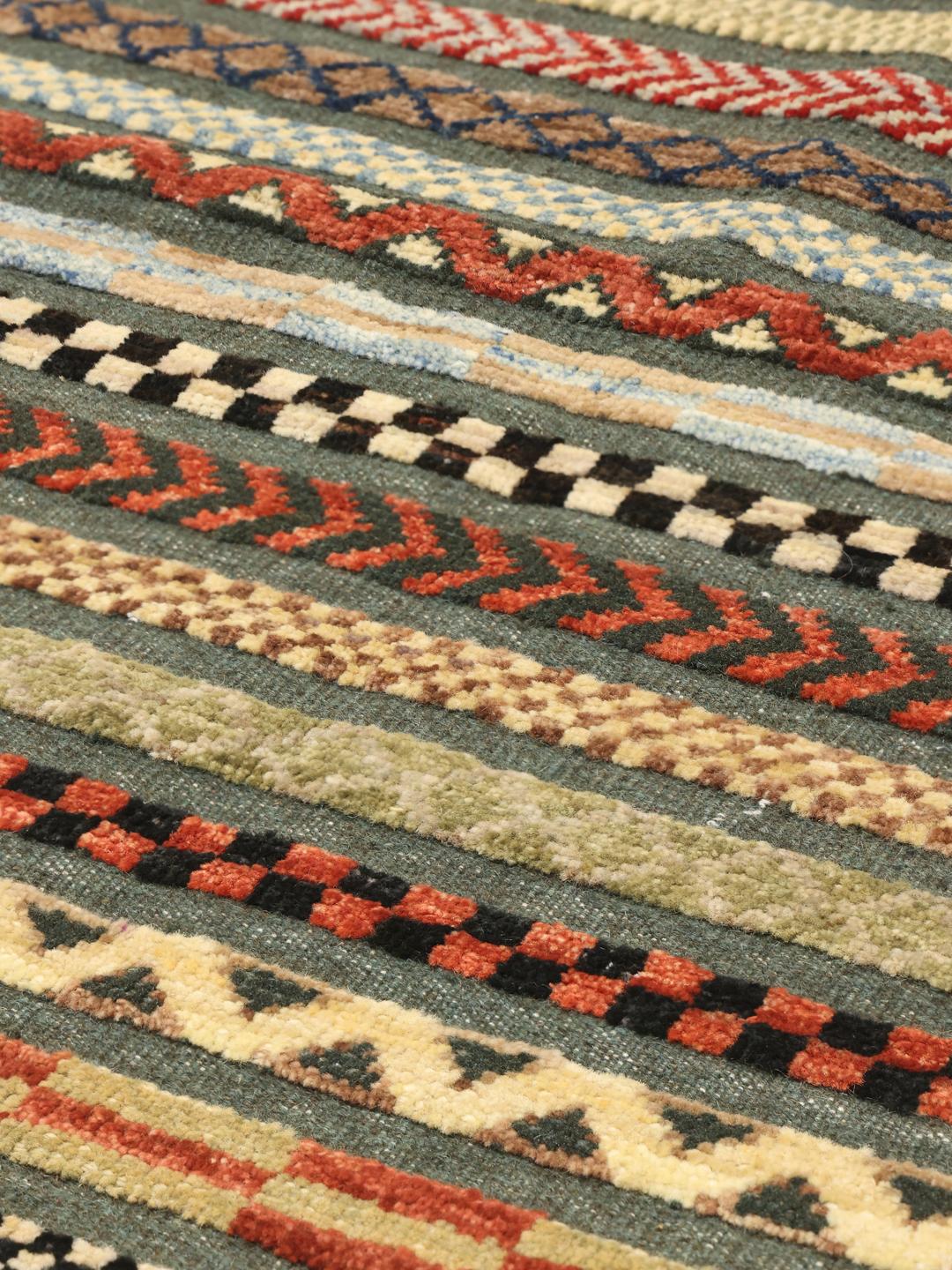
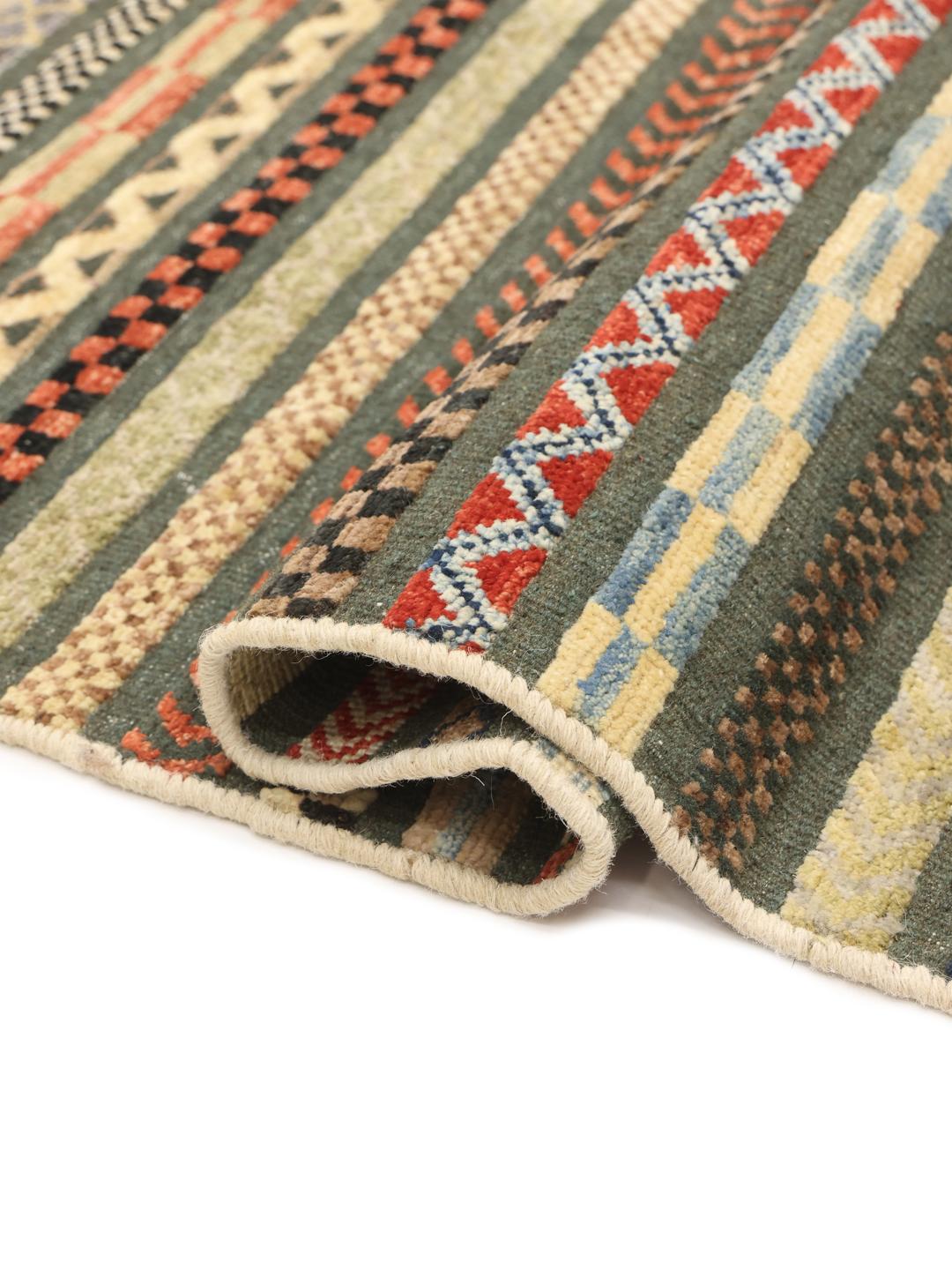
The term Gabbeh refers to a style of weaving that emphasises a more open and often abstract aesthetic compared to traditional, highly detailed carpets. The technique involves a generous, plush pile that allows for bold, graphic designs. This approach highlights the raw beauty of the Wool, showcasing its natural lustre and ability to take on vibrant, rich dyes derived from traditional sources.
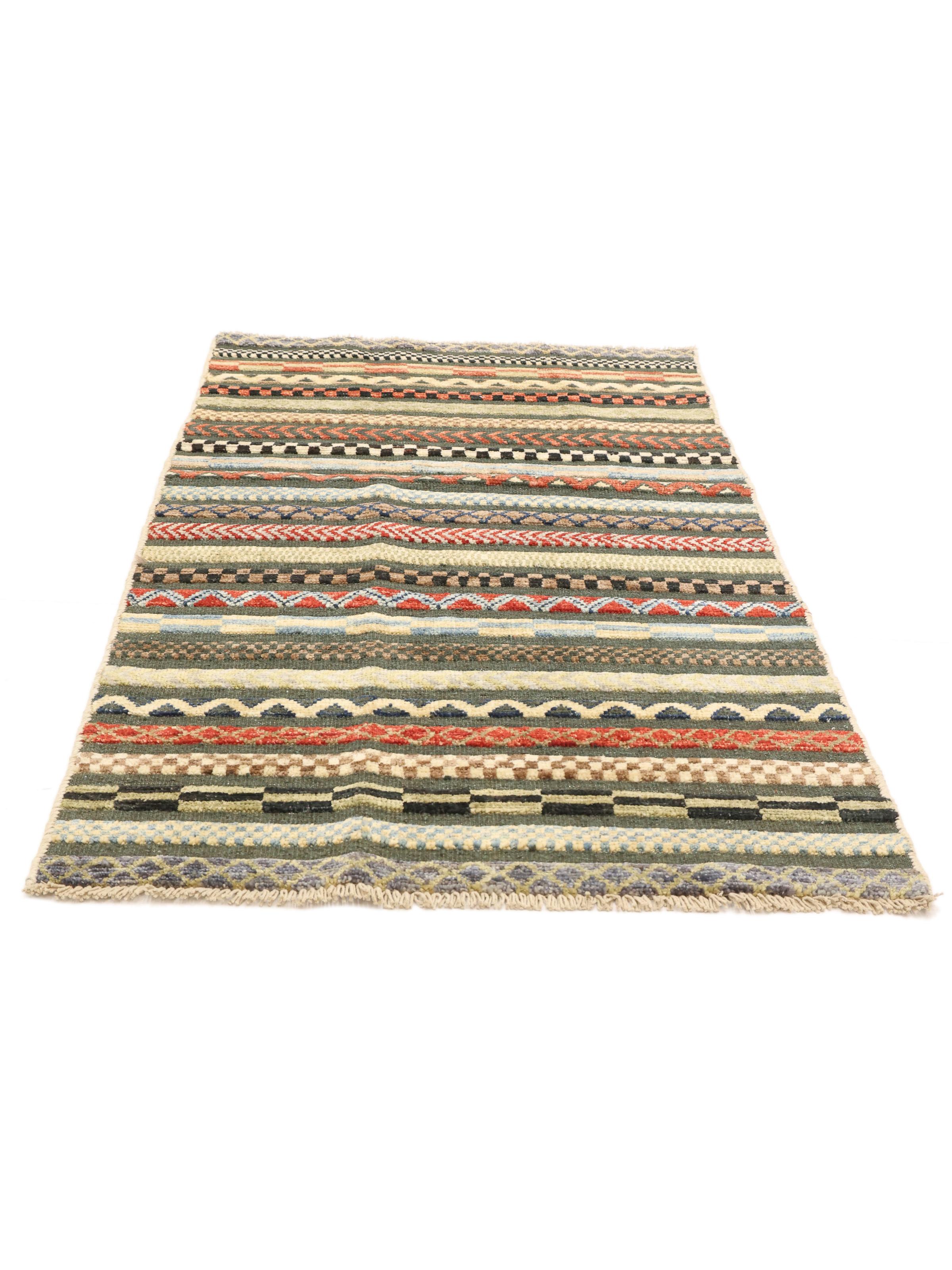
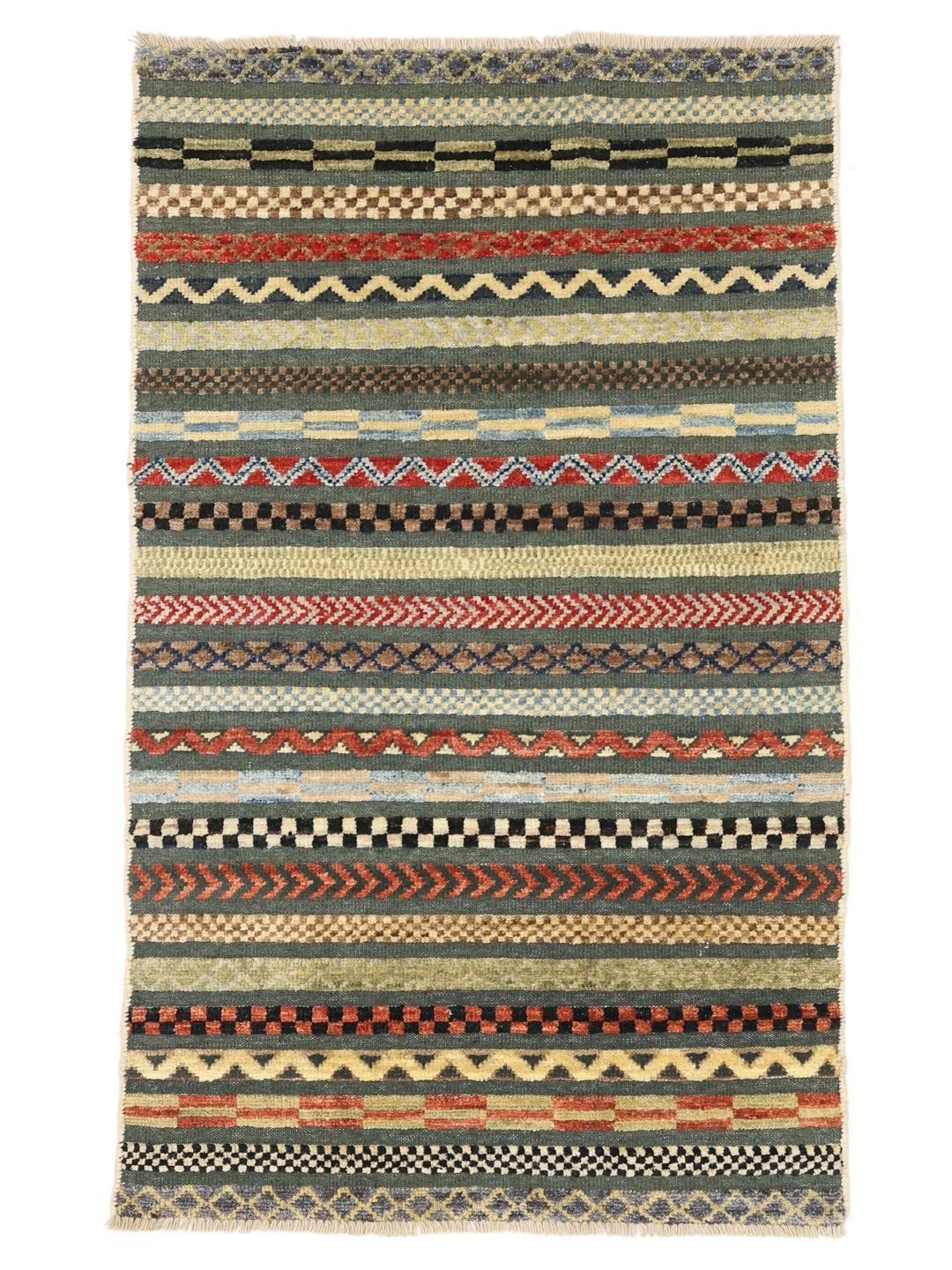
Signature elements of this tradition include the use of simplified, symbolic motifs that often represent the weaver’s surroundings, such as animals, plants, or abstract shapes. While many Gabbeh rugs are known for their solid or semi-solid fields, modern interpretations like this one often incorporate rhythmic, repeating stripes and geometric borders. These patterns are not just decorative but serve as a visual language reflecting the heritage of the weaving community.
Today, these rugs are prized for their authenticity and the human story behind every knot. Owning a Gabbeh is not merely about floor decor; it is about connecting with a tradition that values creative freedom and individual expression. Collectors value these pieces for their ability to bring a sense of history and soulful warmth into the modern home.