Gabbeh rugs trace their roots to the nomadic weaving traditions of the Qashqai and other tribal groups in the Middle East. Originally crafted by weavers for their own domestic use, these utilitarian floor coverings were designed to provide warmth and insulation against cold tent floors during seasonal migrations.
The word Gabbeh translates roughly to raw, uncut, or natural, which reflects the spontaneous and minimalist aesthetic of early pieces. Unlike formal city workshop carpets with pre-planned geometric blueprints, traditional Gabbehs were improvised directly on the loom, allowing weavers to express personal stories, daily observations, and connections to the natural world through abstract fields of colour.
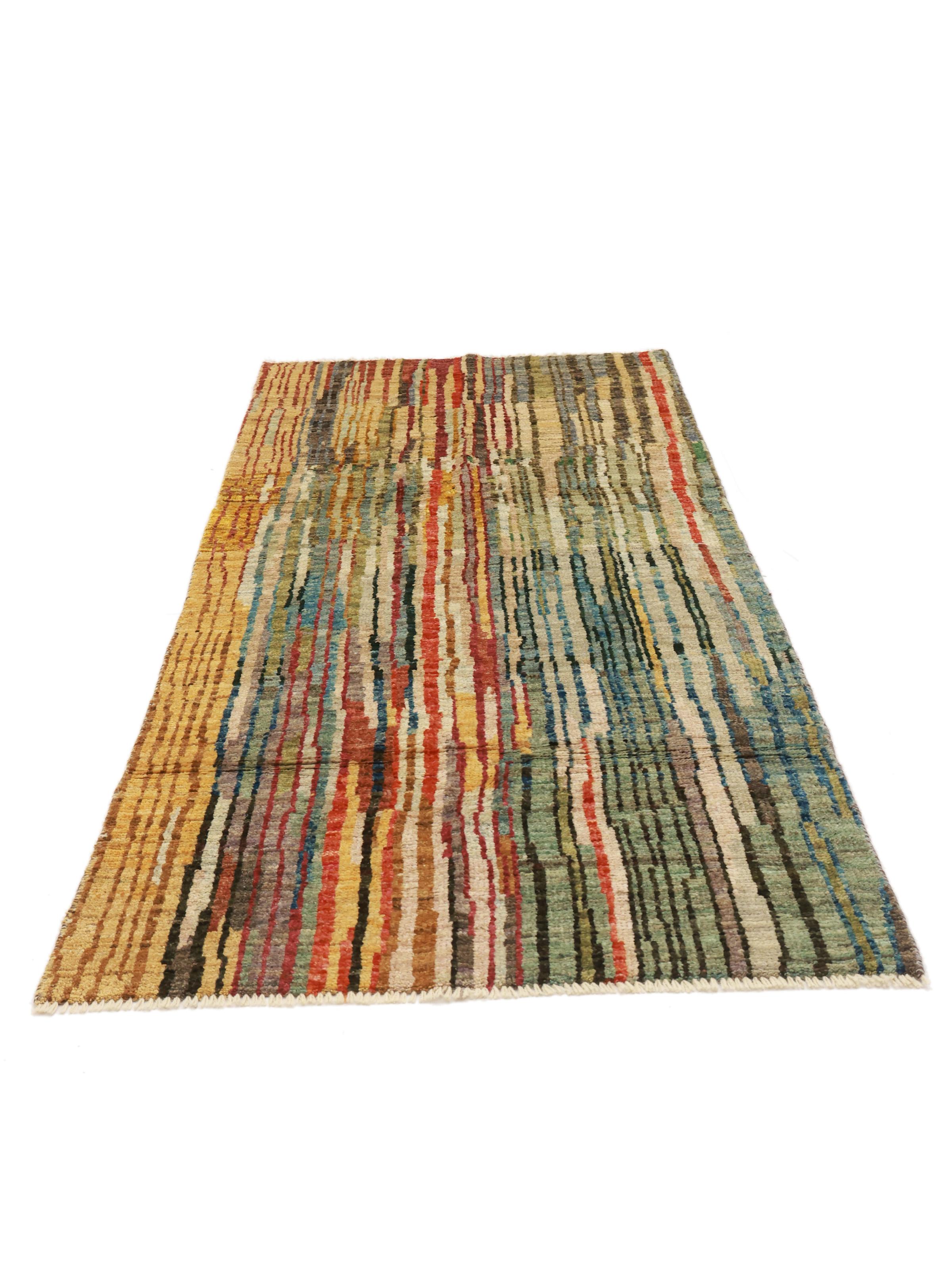
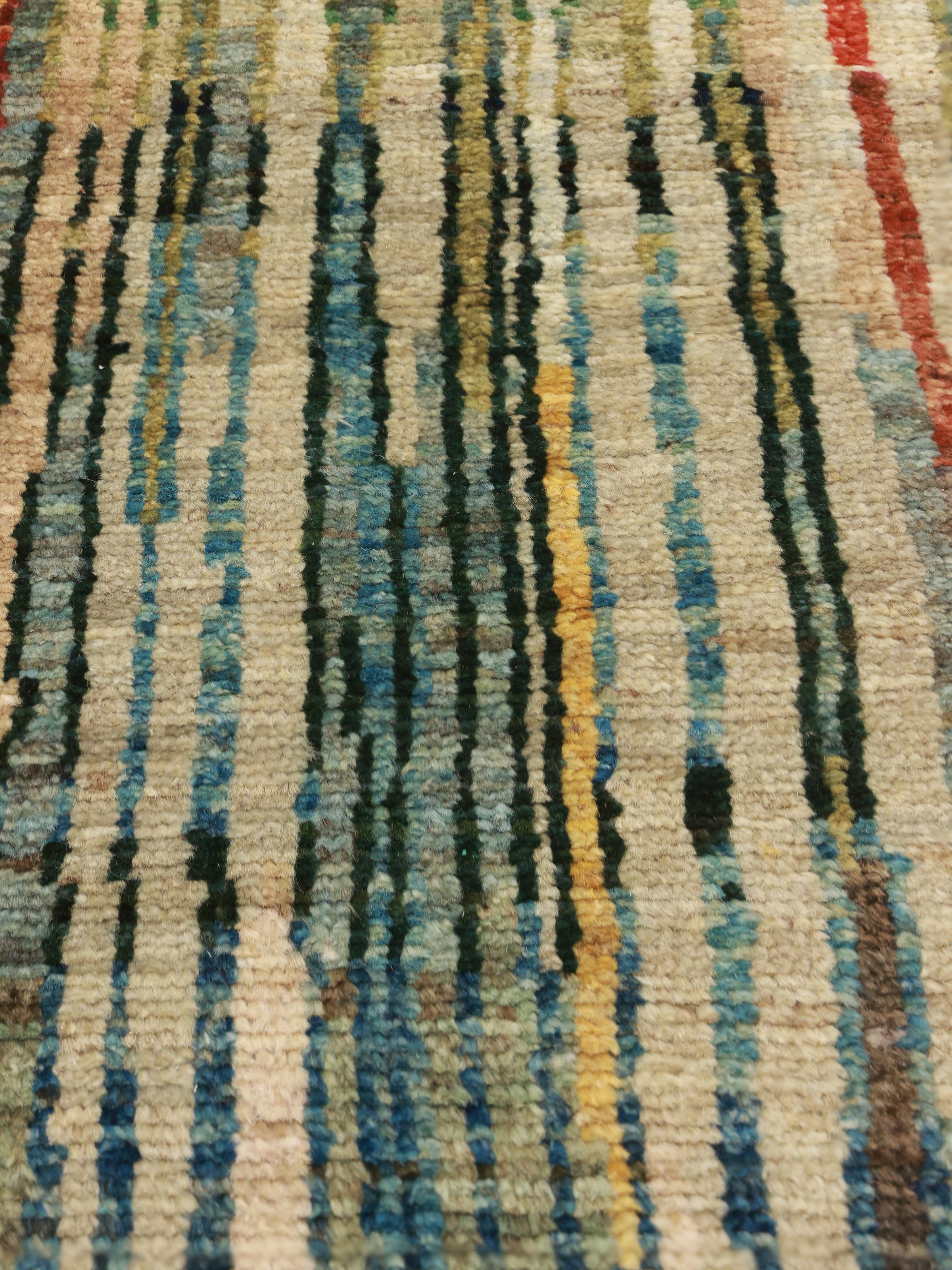
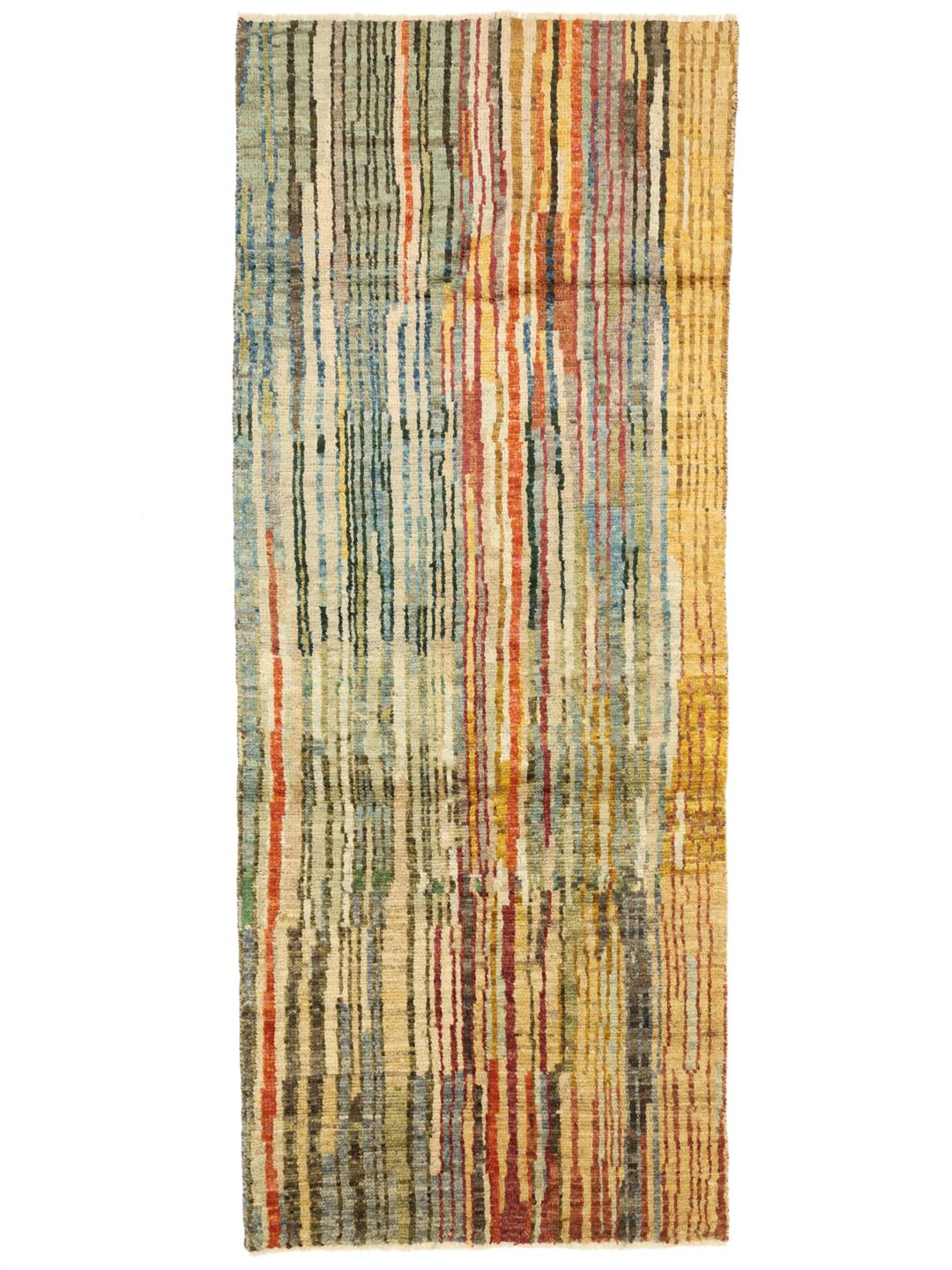
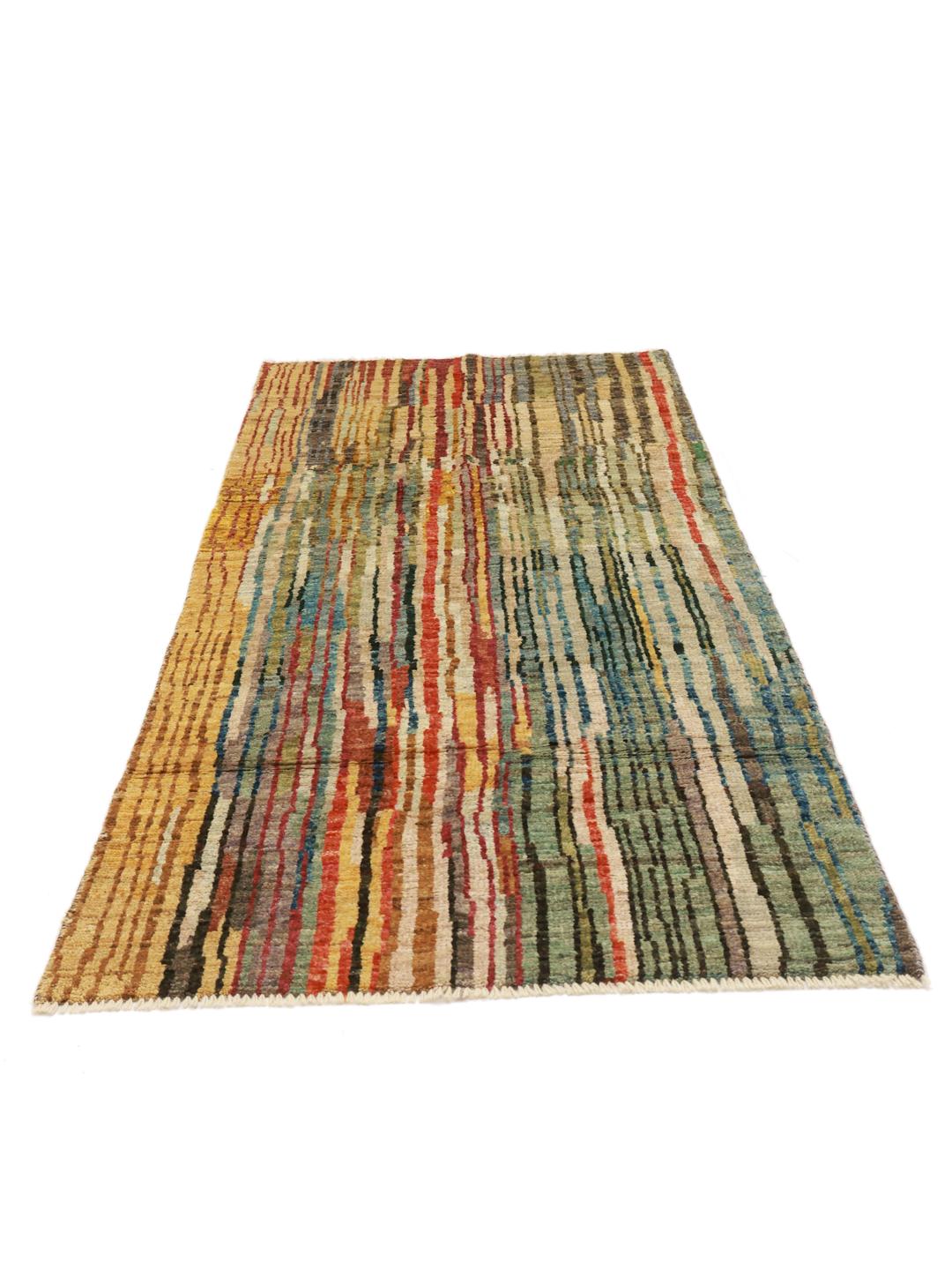
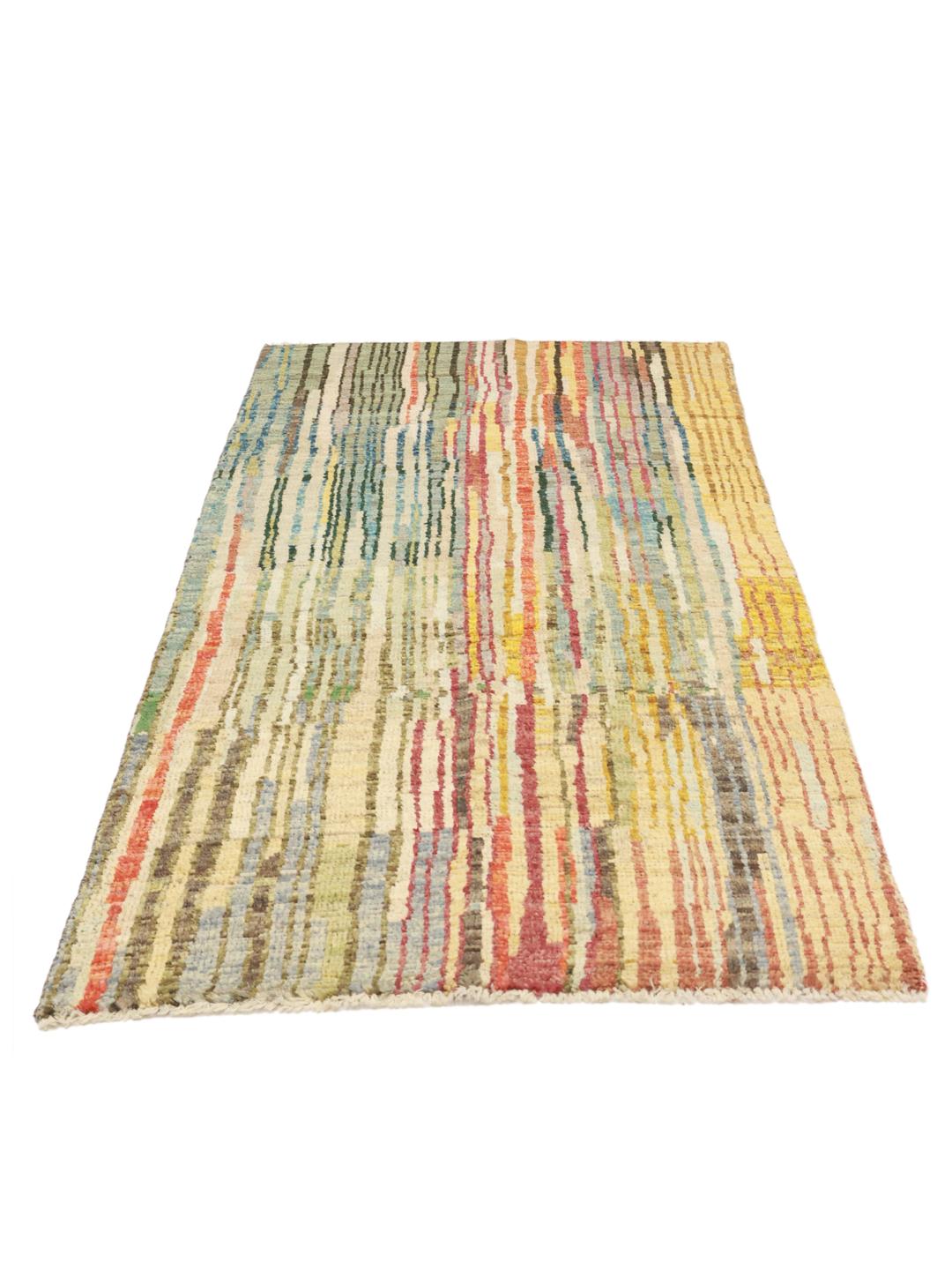
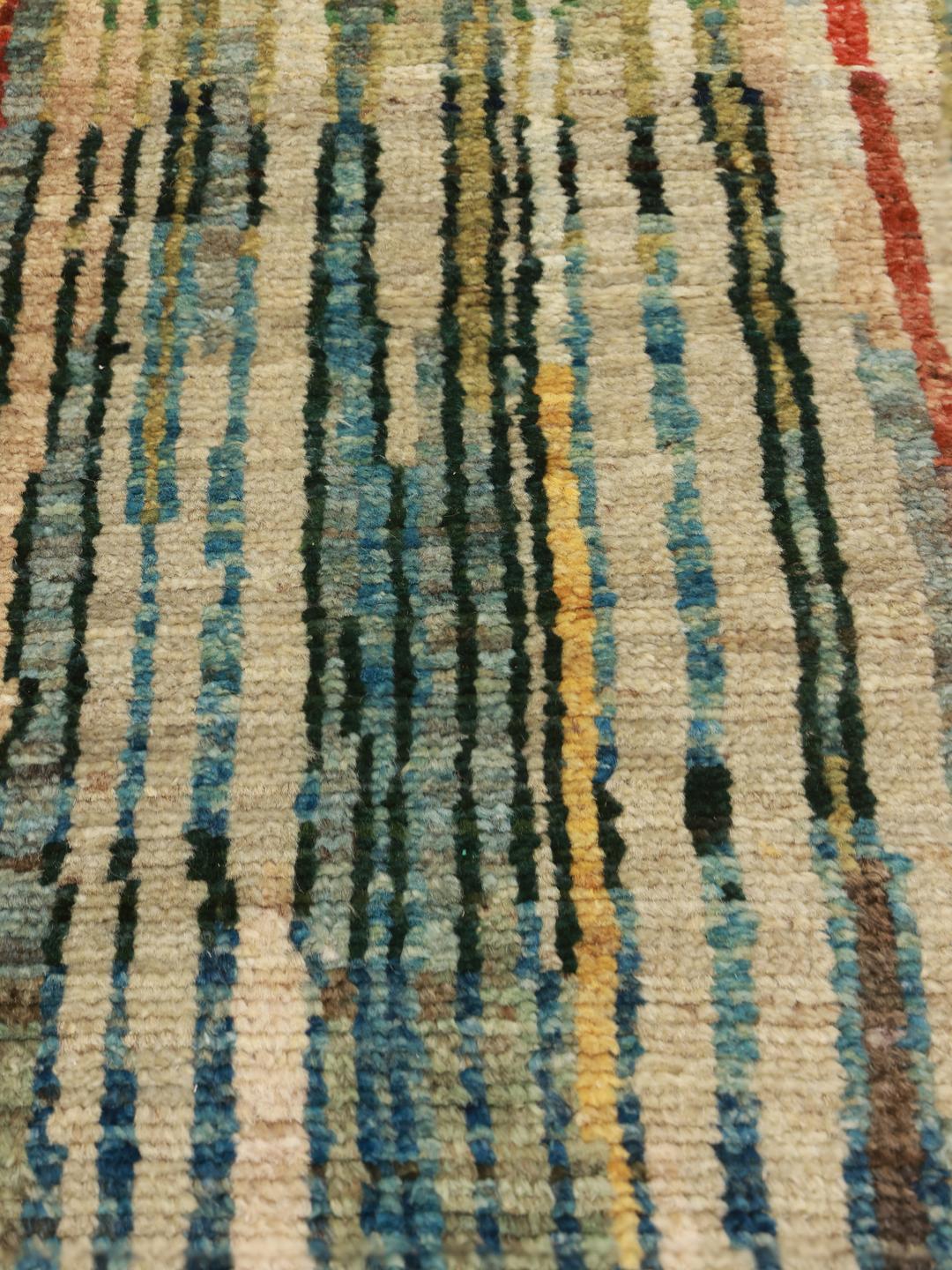
While traditional Gabbehs often featured sparse, large-scale animal and human motifs or solid abrash fields, modern interpretations embrace expressive linework and subtle colour transitions. This Gabbeh Modern style bridges ancient nomadic hand-knotting traditions with contemporary design sensibilities, maintaining the authentic spirit of tribal weaving while adapting gracefully to modern homes.
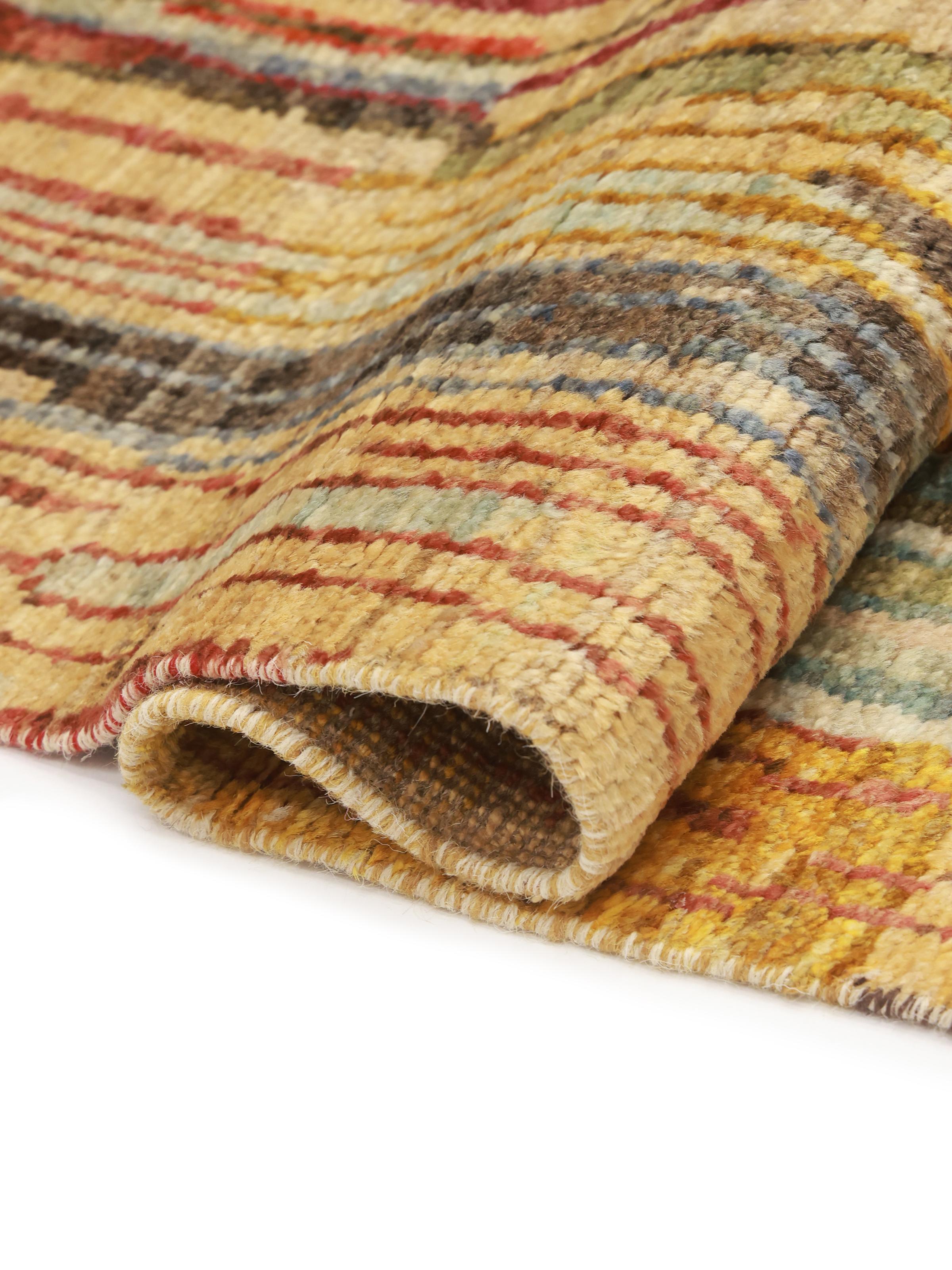
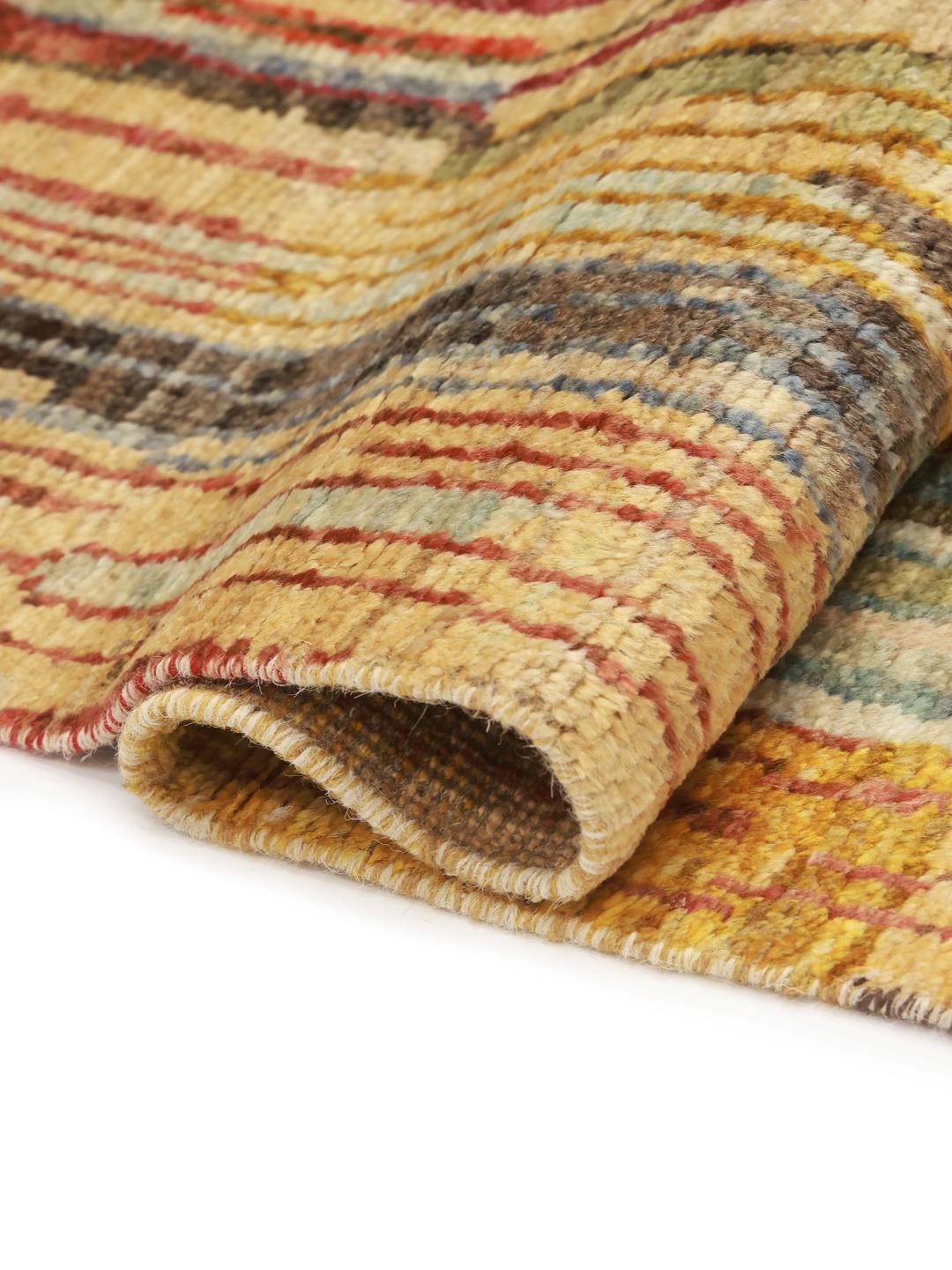
Collecting a handmade Gabbeh means preserving an ancient craft heritage that relies entirely on human skill rather than industrial machinery. Each piece acts as a physical archive of tribal storytelling, celebrating the timeless relationship between the artisan, natural wool, and the loom.