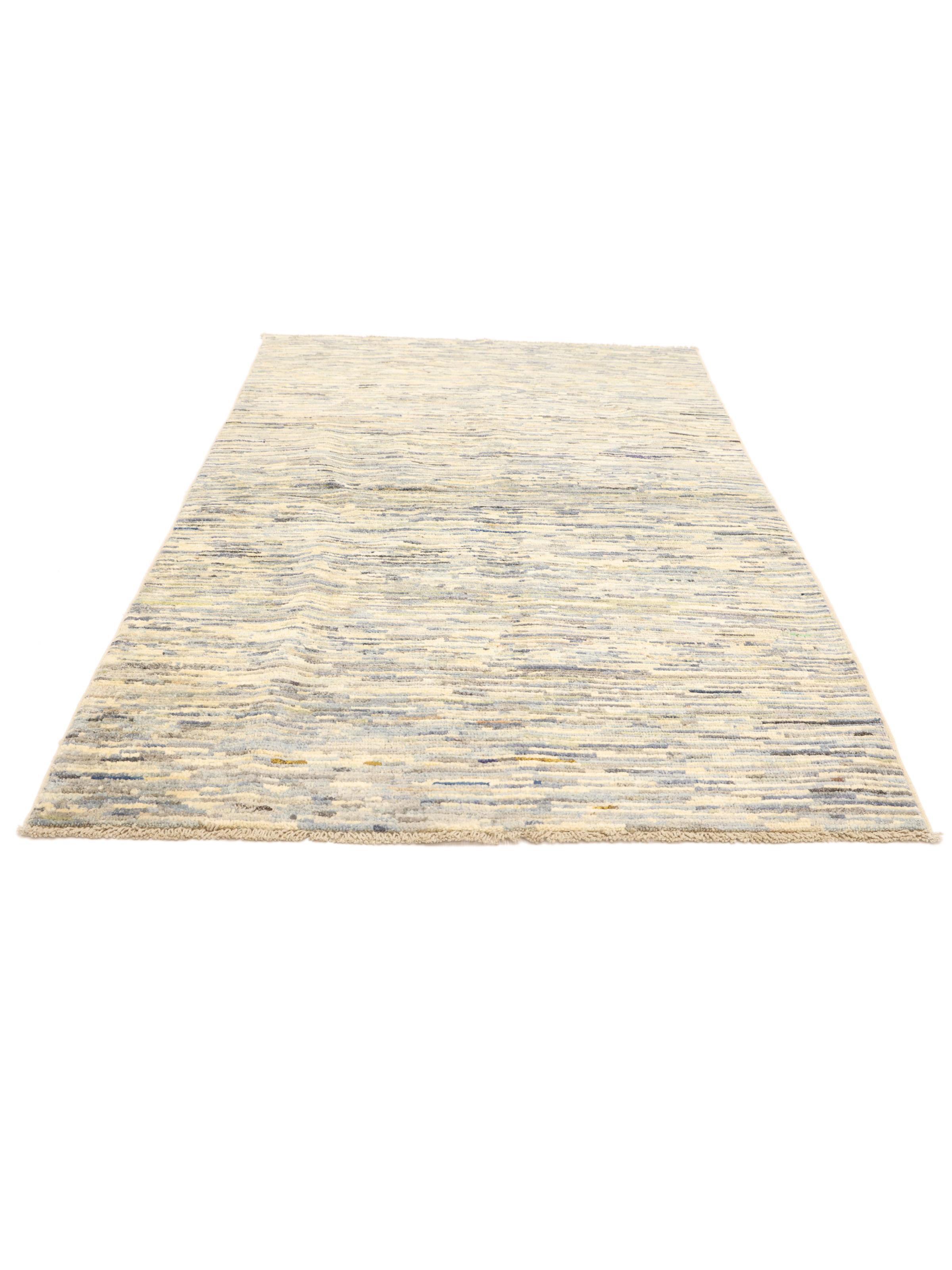
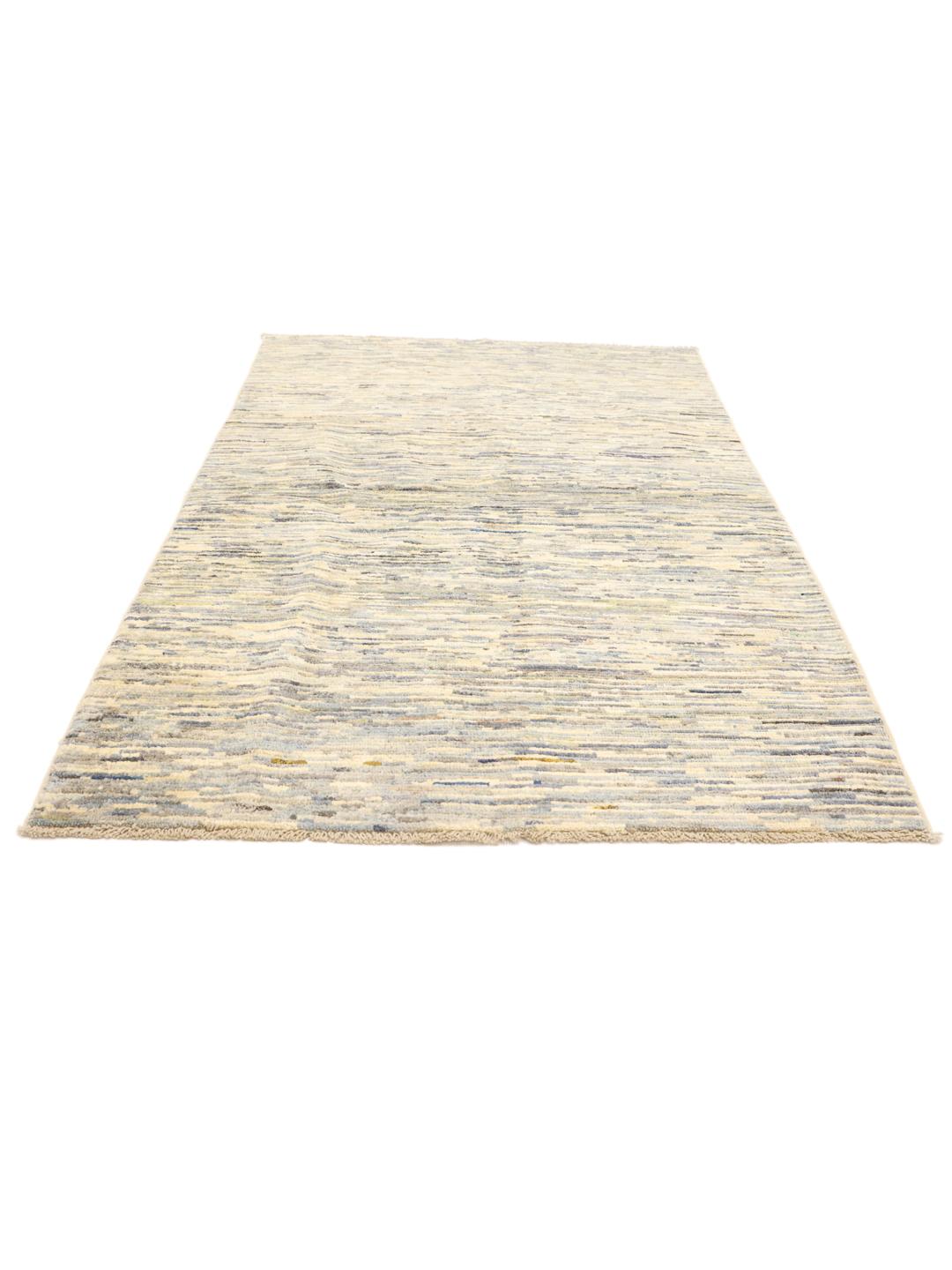
Gabbeh rugs have a long and storied history, originating as simple, functional floor coverings for nomadic tribes in the Middle East. Unlike more formal, city-woven rugs, these pieces were traditionally crafted by family members for their own use, focusing on comfort and protection from the elements rather than complex, rigid patterns.
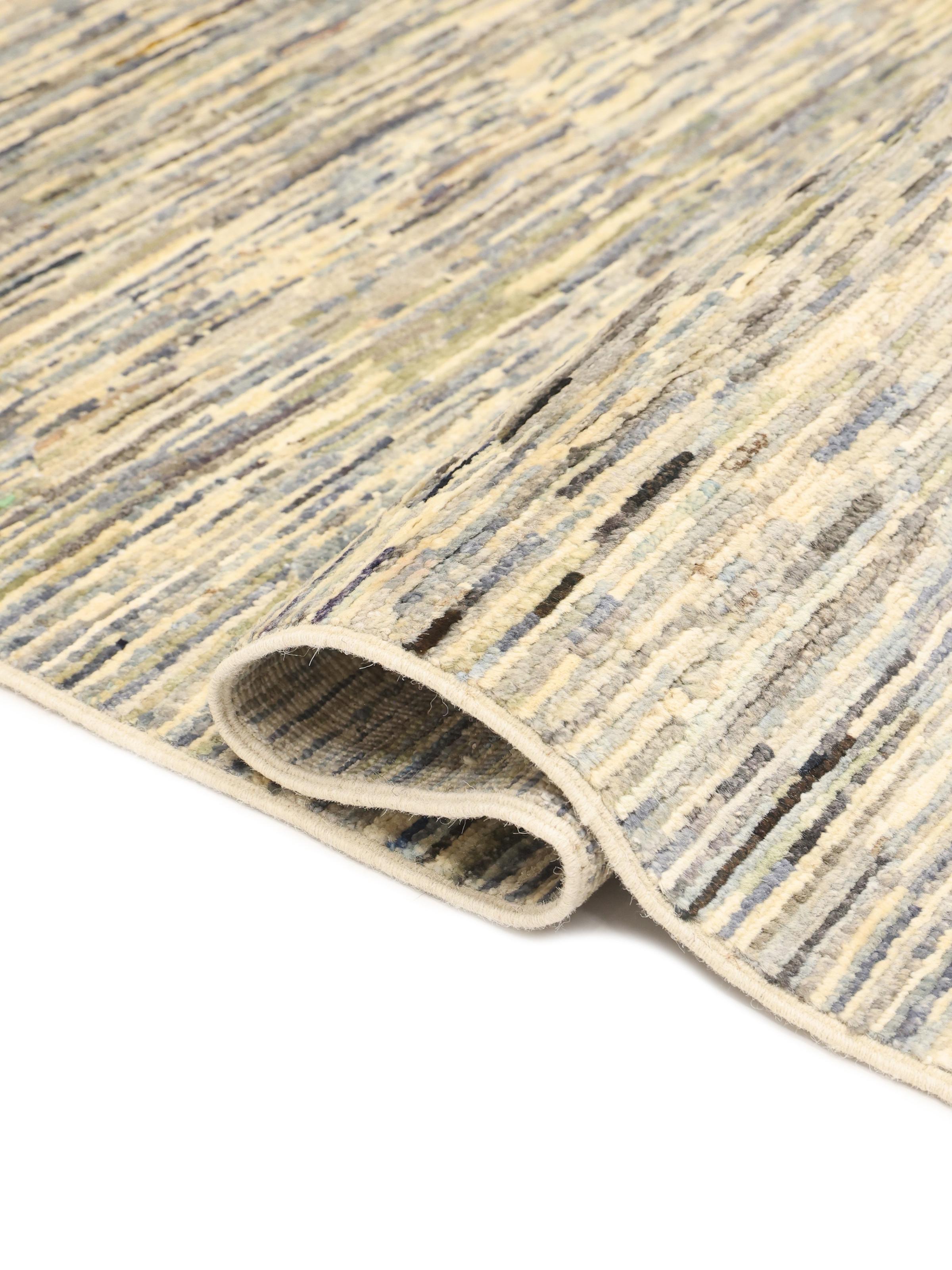
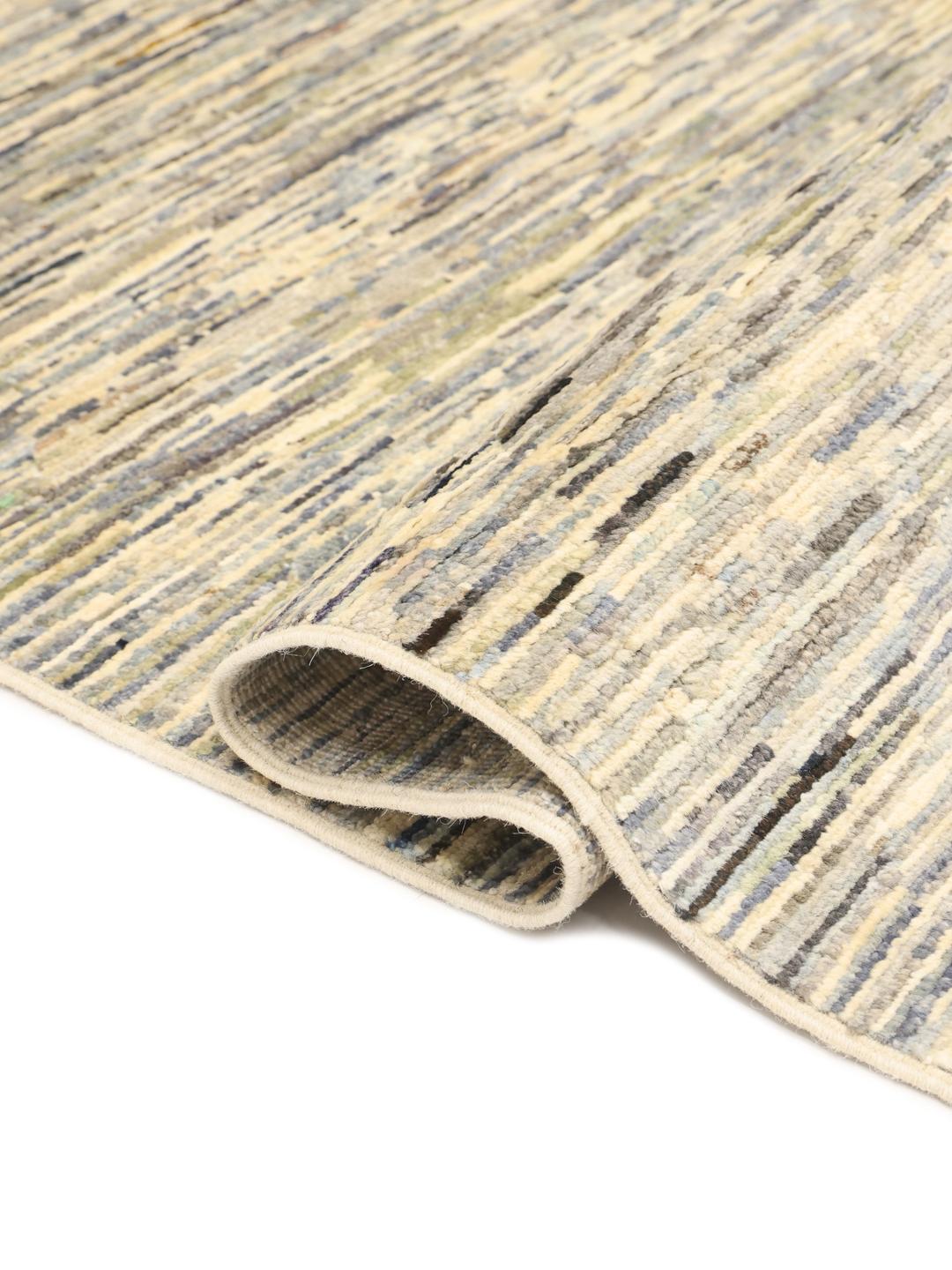
The term 'Gabbeh' itself translates to raw, natural, or unclipped, which speaks to the tradition of leaving the pile longer and focusing on the purity of the Wool. Over time, these rugs evolved from humble tribal mats into celebrated works of art, prized for their expressive, often abstract designs that reflect the weaver's personal story and natural surroundings.
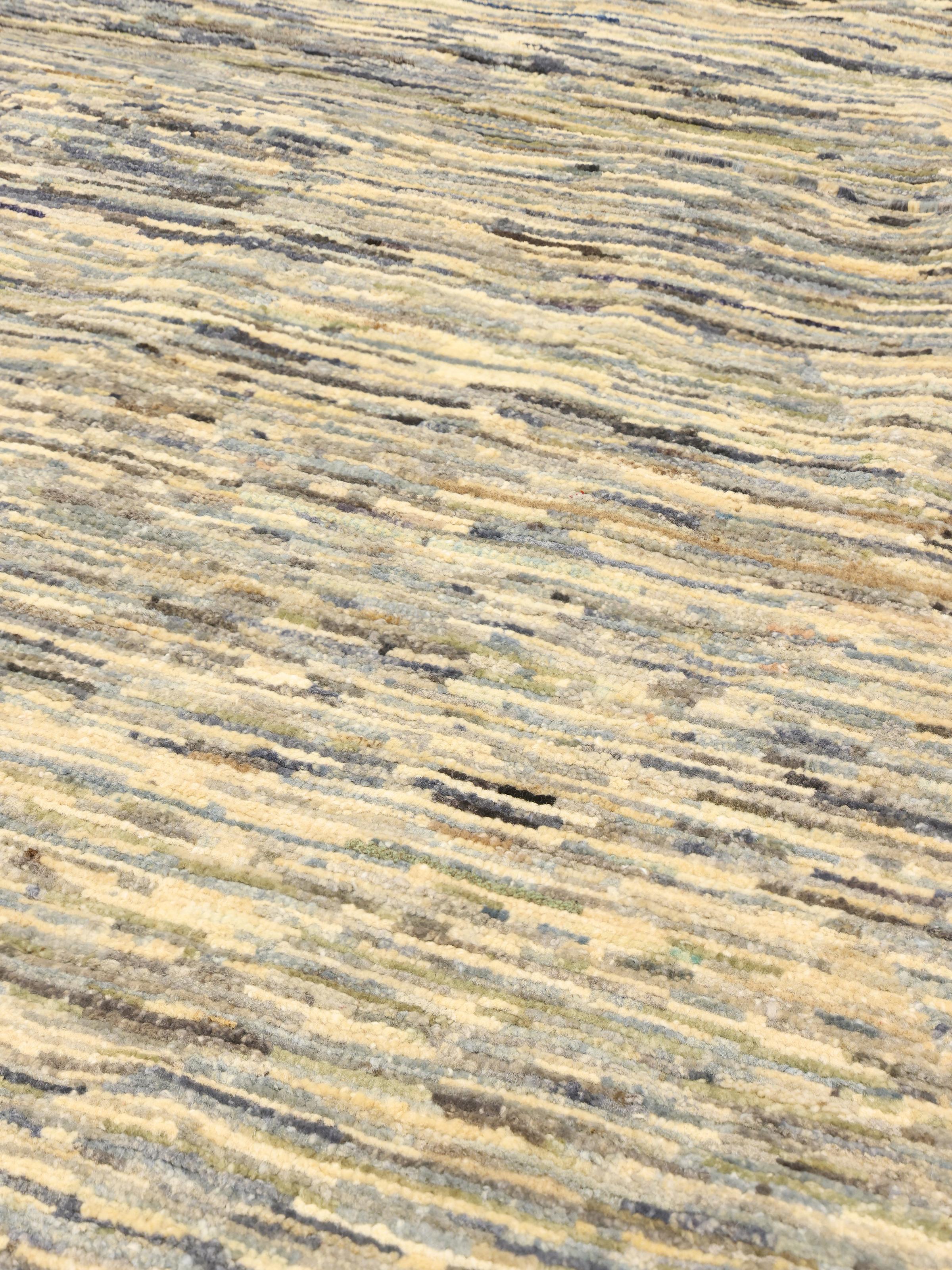
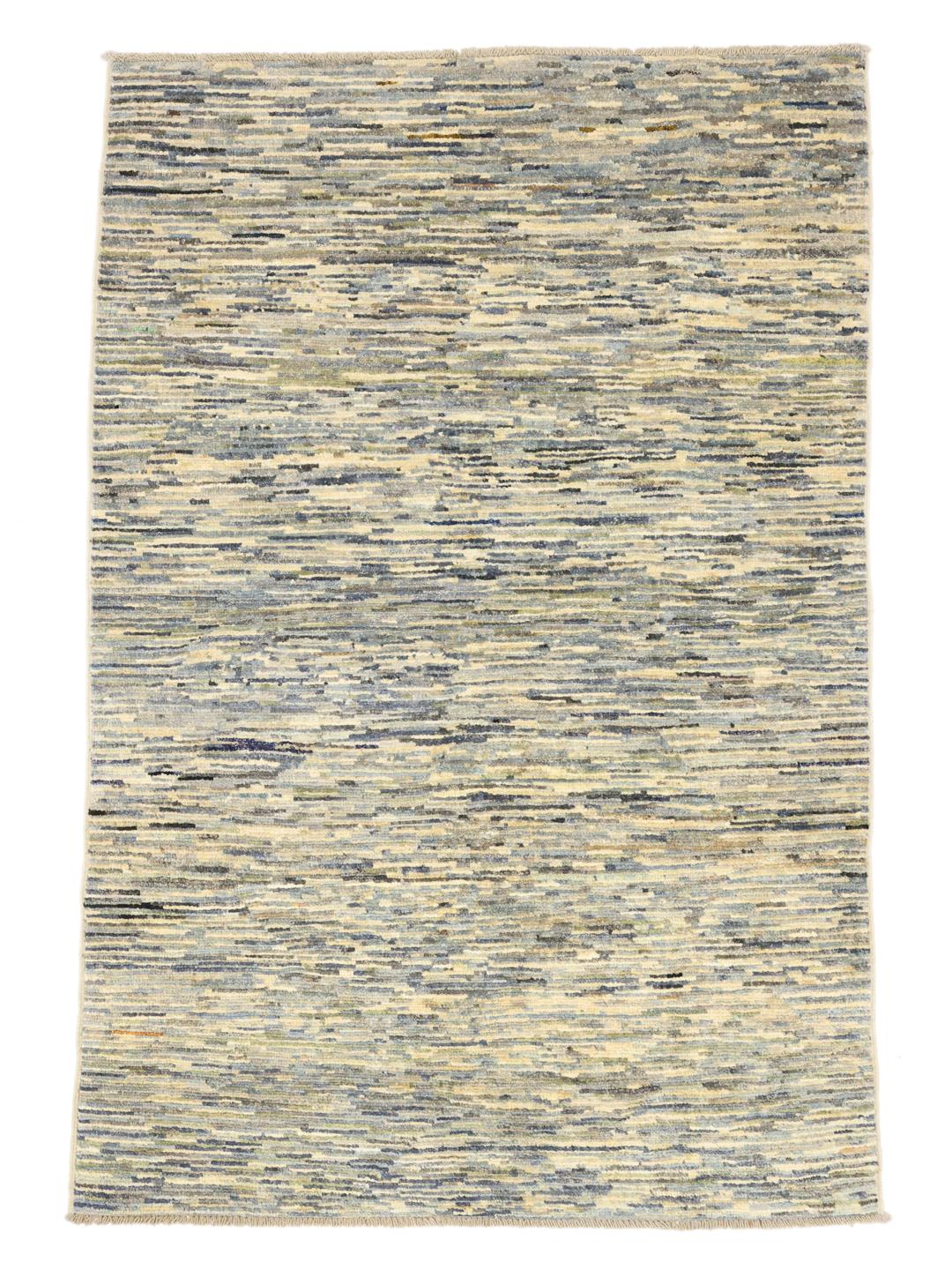
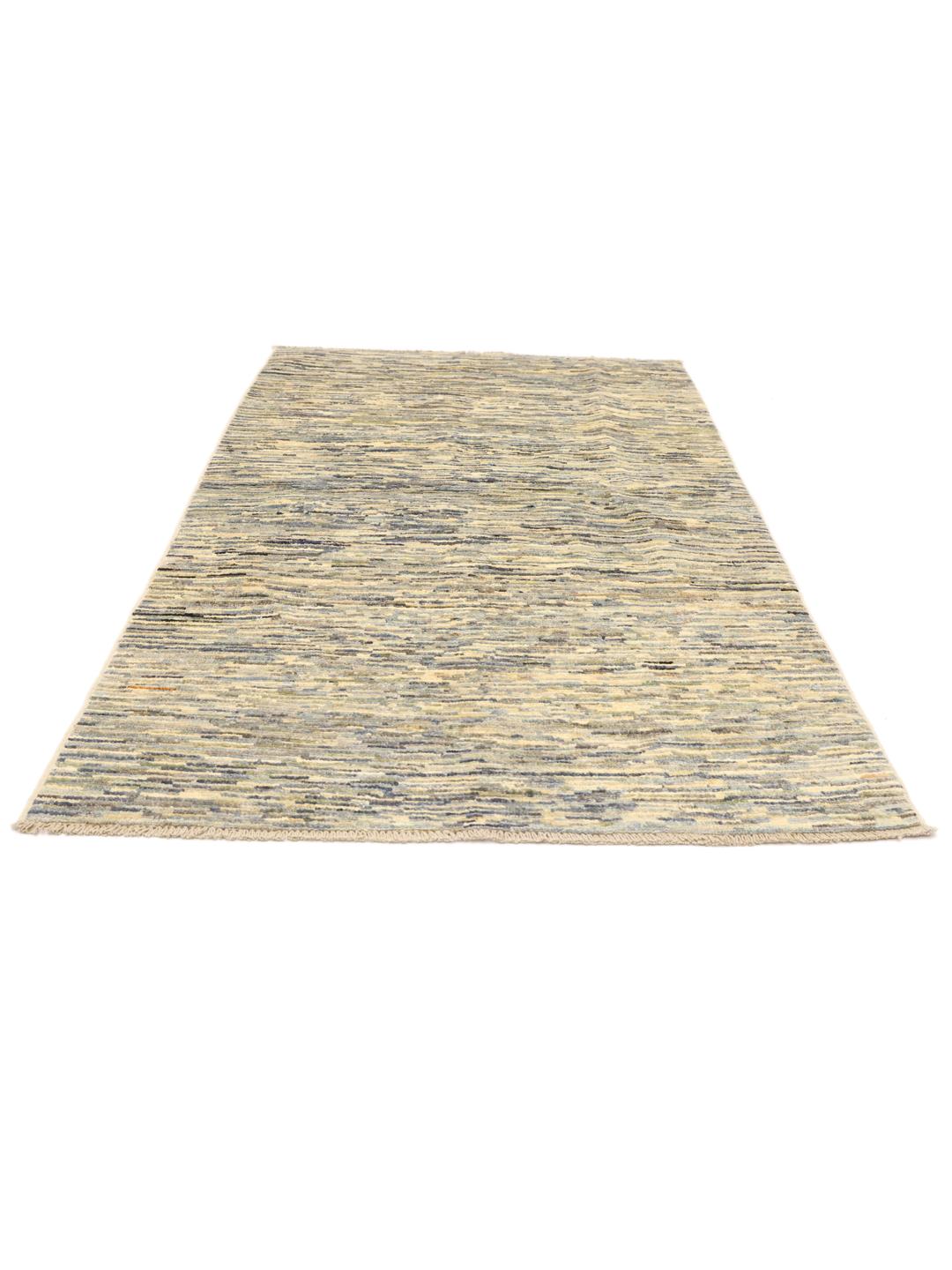
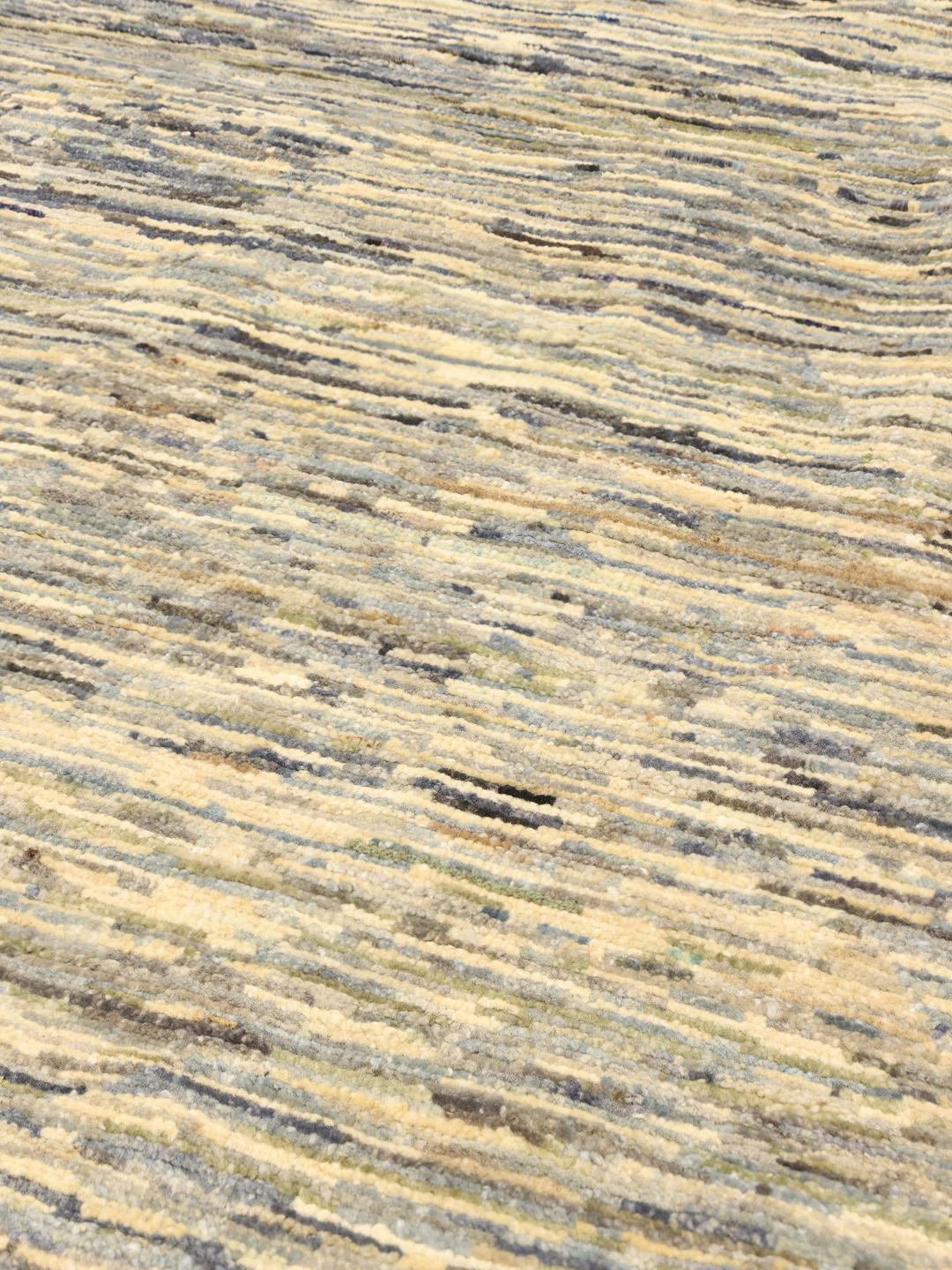
Design-wise, these rugs are known for their minimalist approach, often featuring large, open fields of colour or simple, rustic motifs rather than the intricate floral patterns seen in other traditions. The use of natural dyes and the variations in colour, known as abrash, are hallmarks of the style, giving each rug a vibrant, living quality that changes character in different lights.
Today, rugs from this tradition are highly sought after by collectors who value authenticity and the human element in design. Owning such a piece is an invitation to connect with a centuries-old craft that prioritises the warmth of hand-spun Wool and the creative freedom of the artisan over mass production.