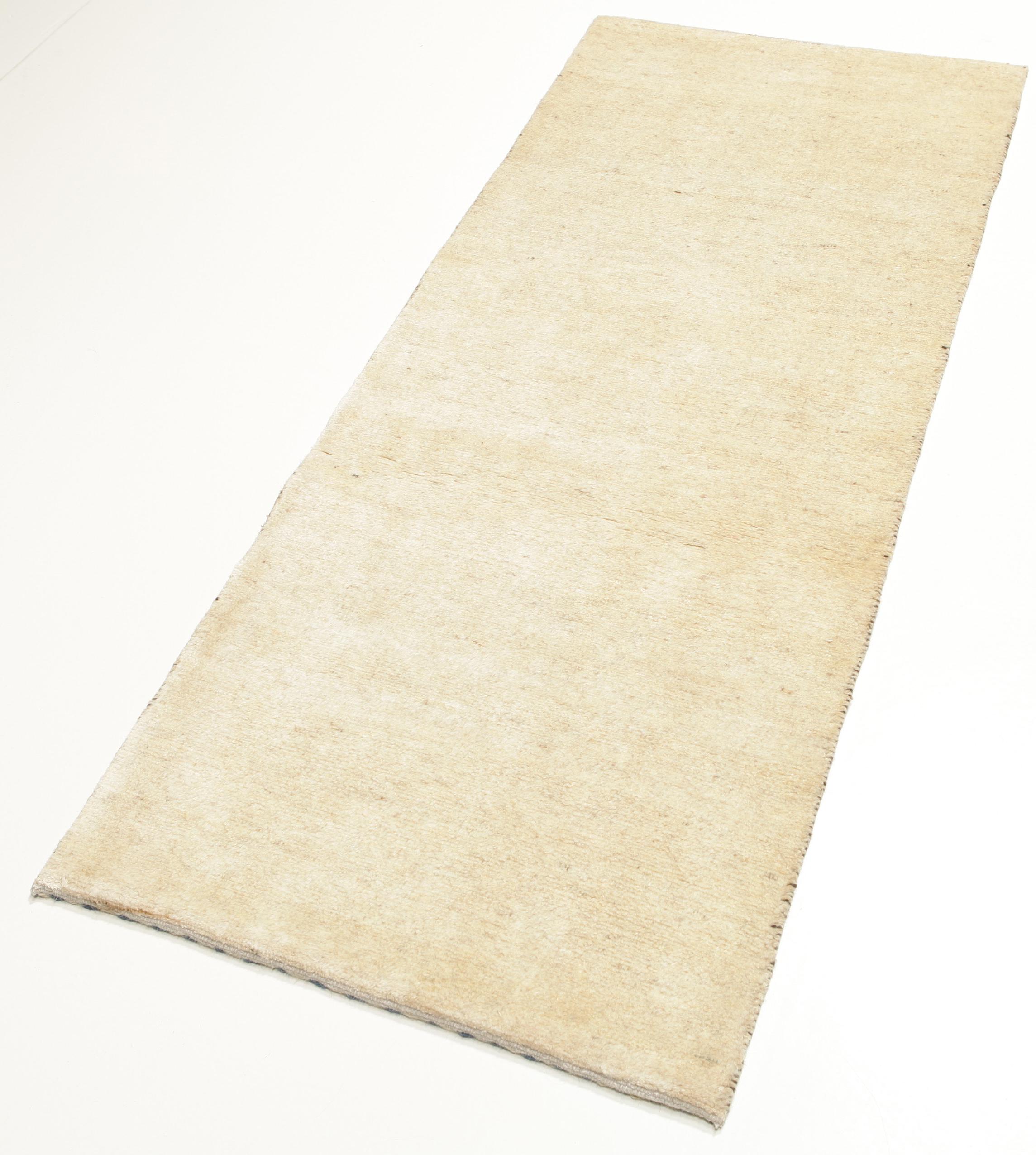
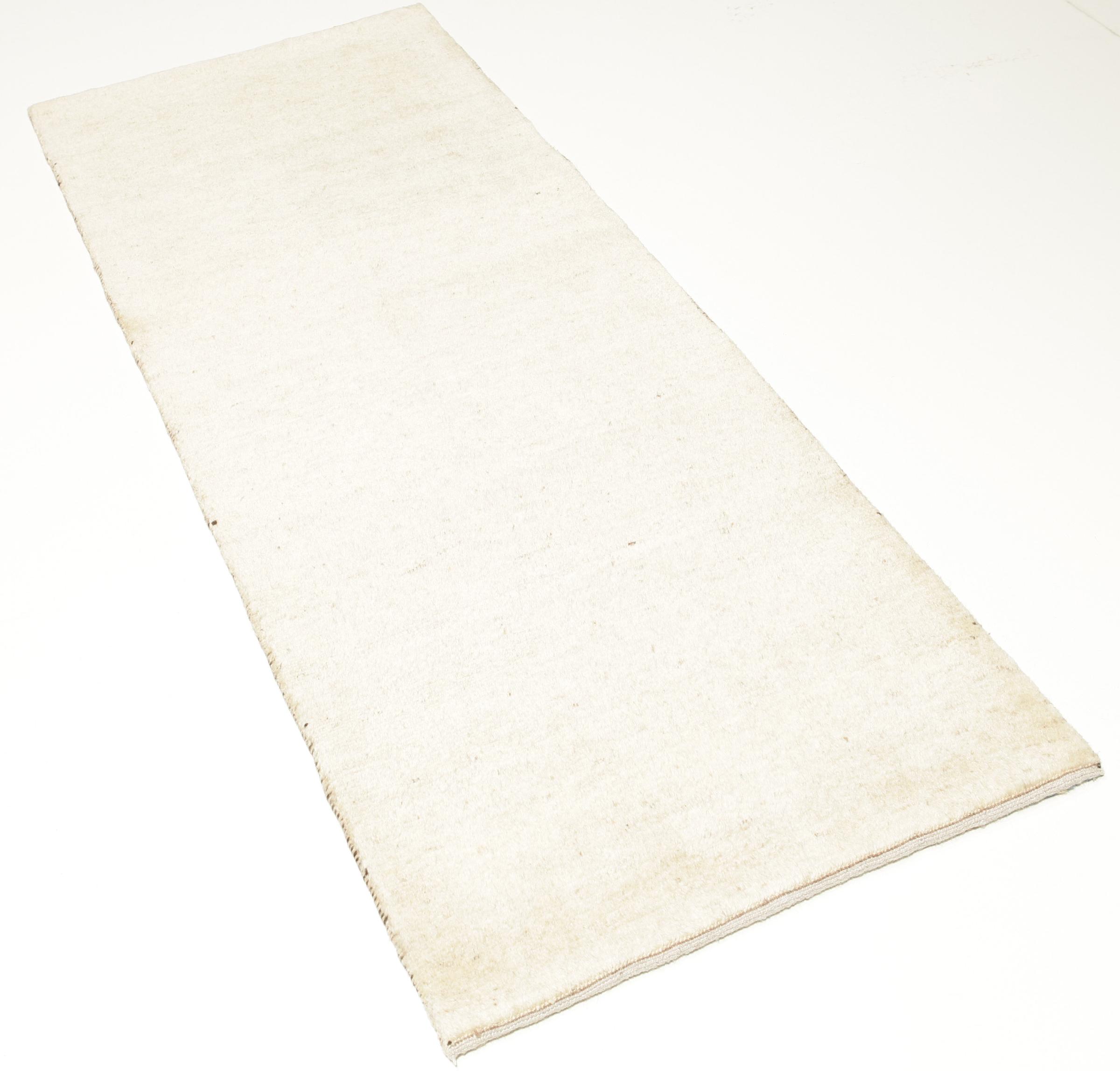
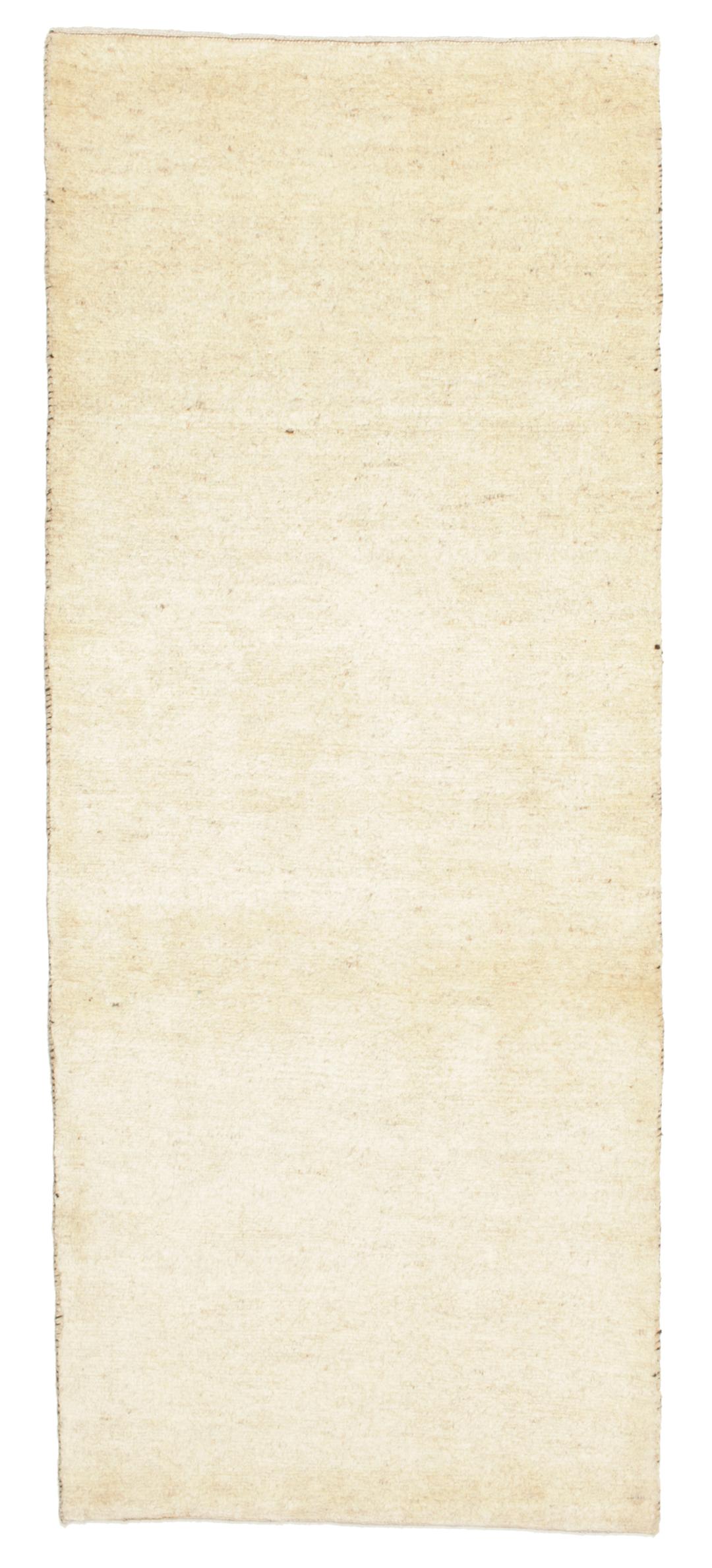
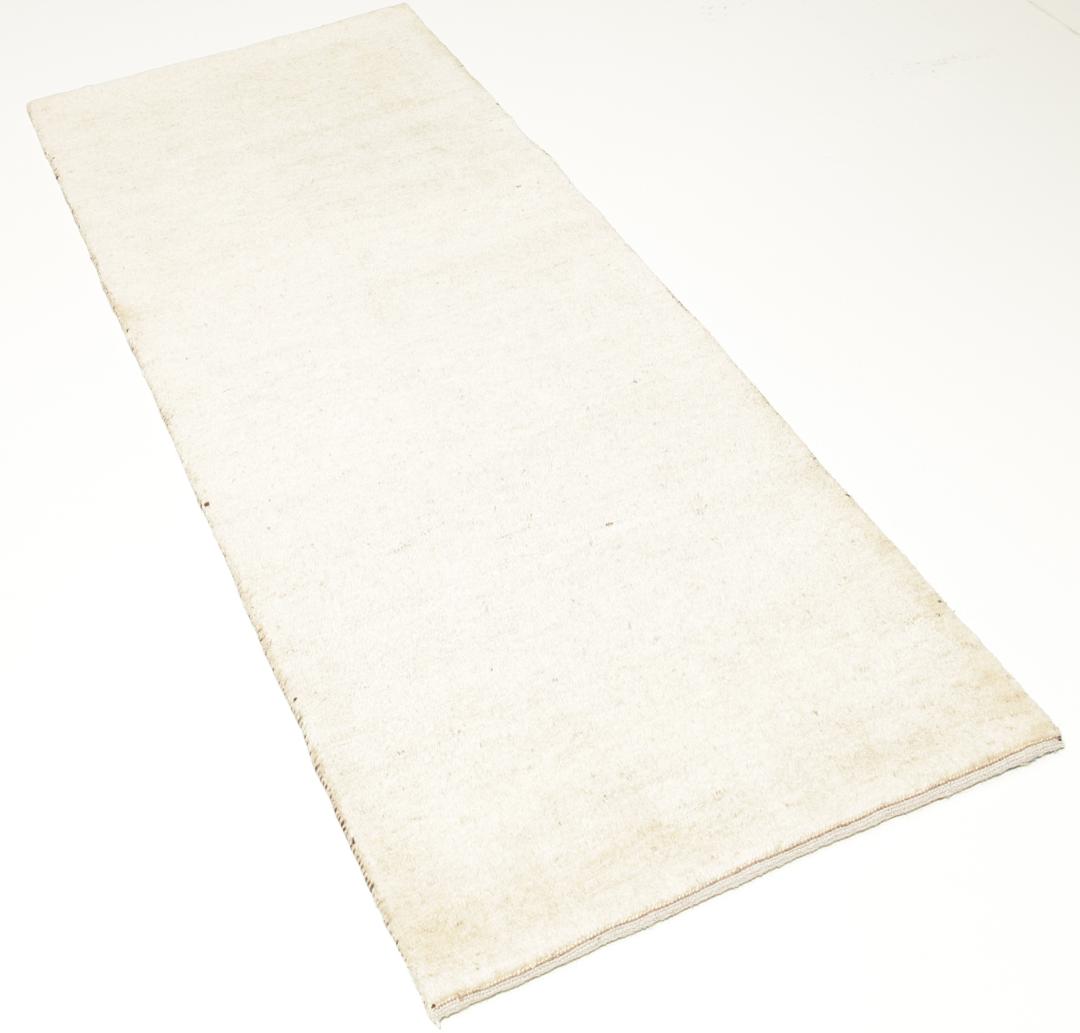
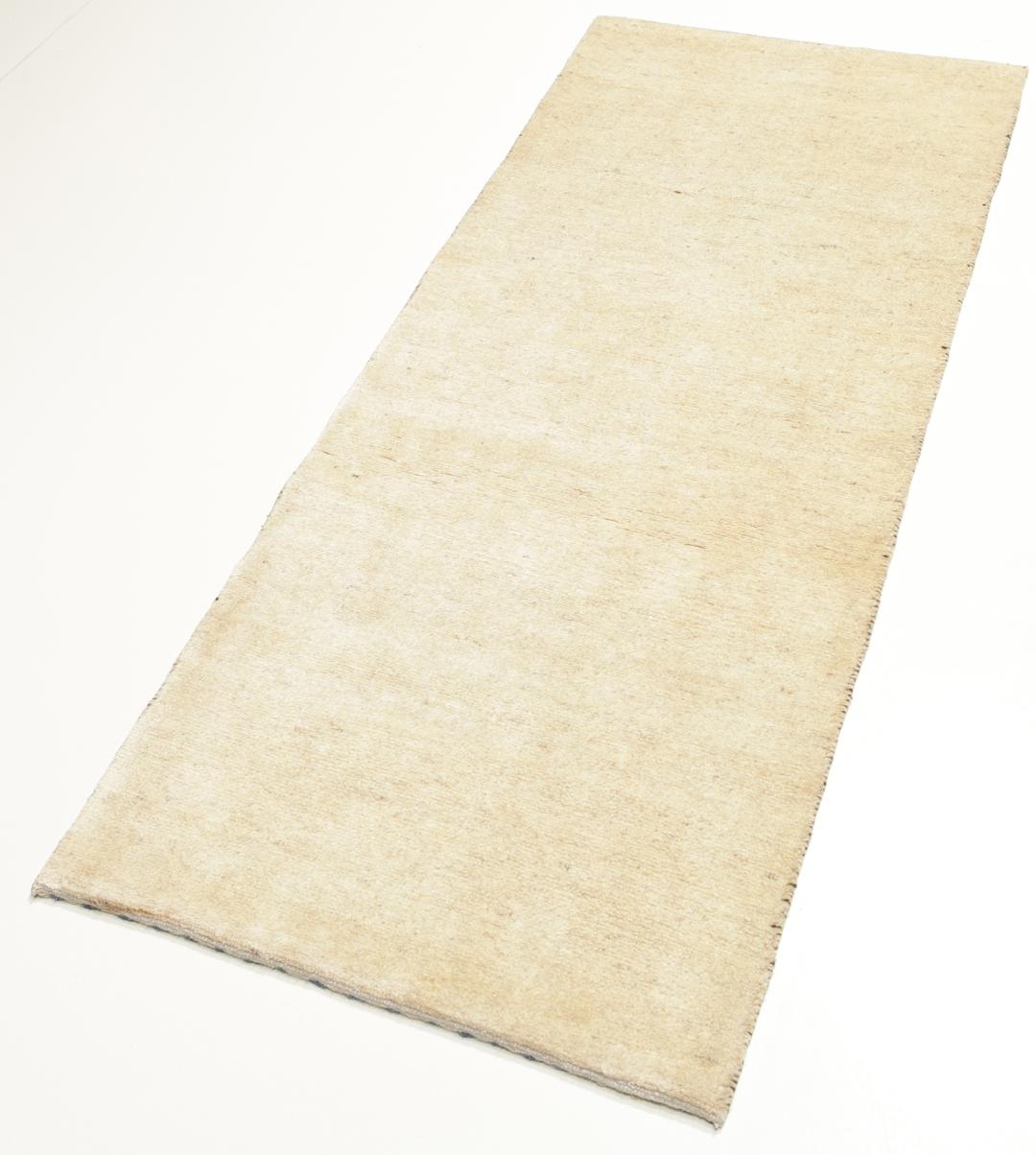
The Gabbeh tradition originates from the nomadic tribes of the Middle Eastern mountains, where weavers created these rugs primarily for their own domestic use rather than for trade. Unlike formal, city-made rugs, these pieces were expressions of the weaver's personal environment, often featuring simple designs that captured the raw beauty of the landscape.
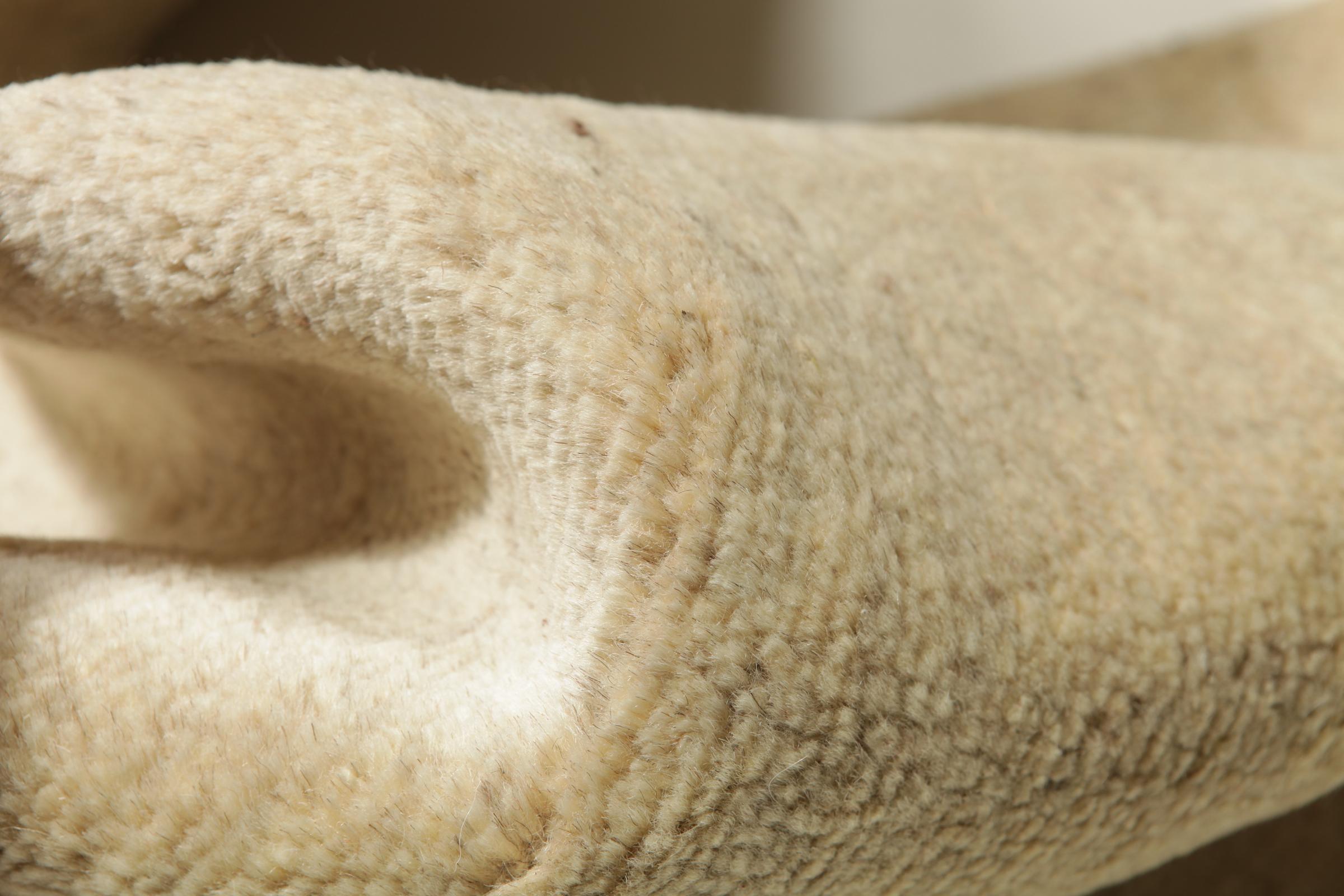
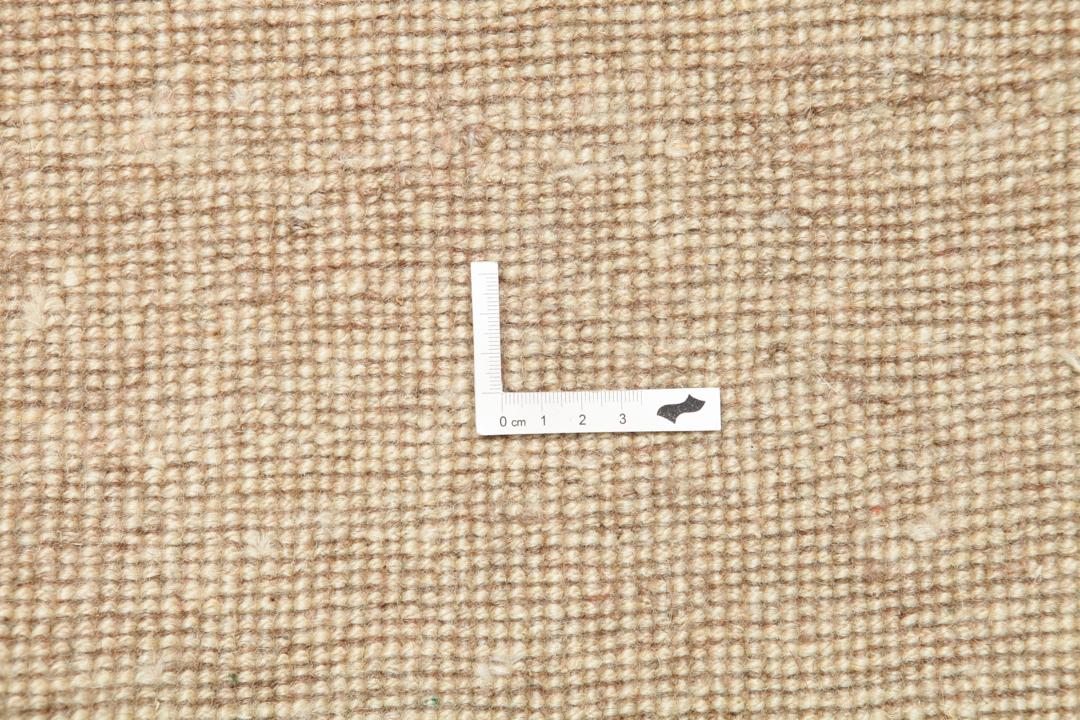
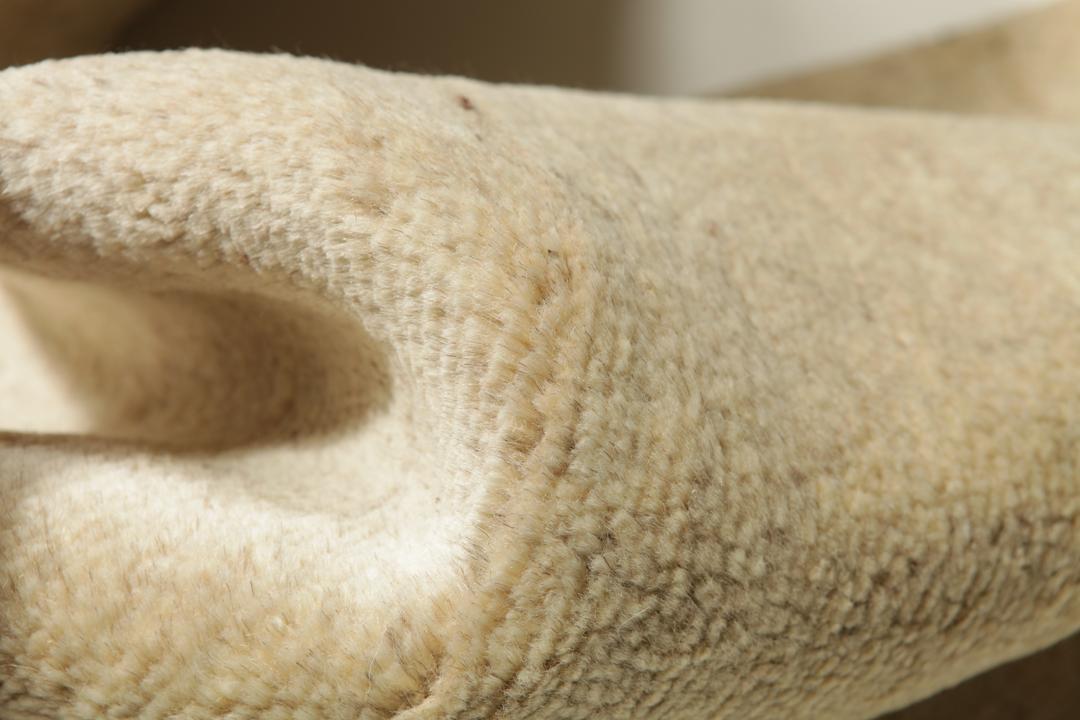
The term 'Gabbeh' itself translates to 'raw' or 'natural', which perfectly describes the aesthetic of these rugs. They are traditionally defined by their thick, plush pile and their focus on the material quality of the wool, often left in its undyed or naturally dyed state to showcase the inherent richness of the fibre.
Visually, these rugs are known for their minimalist approach, often stripping away complex motifs in favour of expansive, open fields of colour. This focus allows the subtle variations in the wool's tone to take centre stage, creating a depth and character that changes subtly depending on the light in your room.
Today, these rugs are highly valued by collectors and interior designers alike for their honest, unpretentious charm. Owning a piece from this tradition is an investment in a living heritage, representing a connection to the ancient, nomadic lifestyle where skill and utility were woven together into everyday objects of beauty.