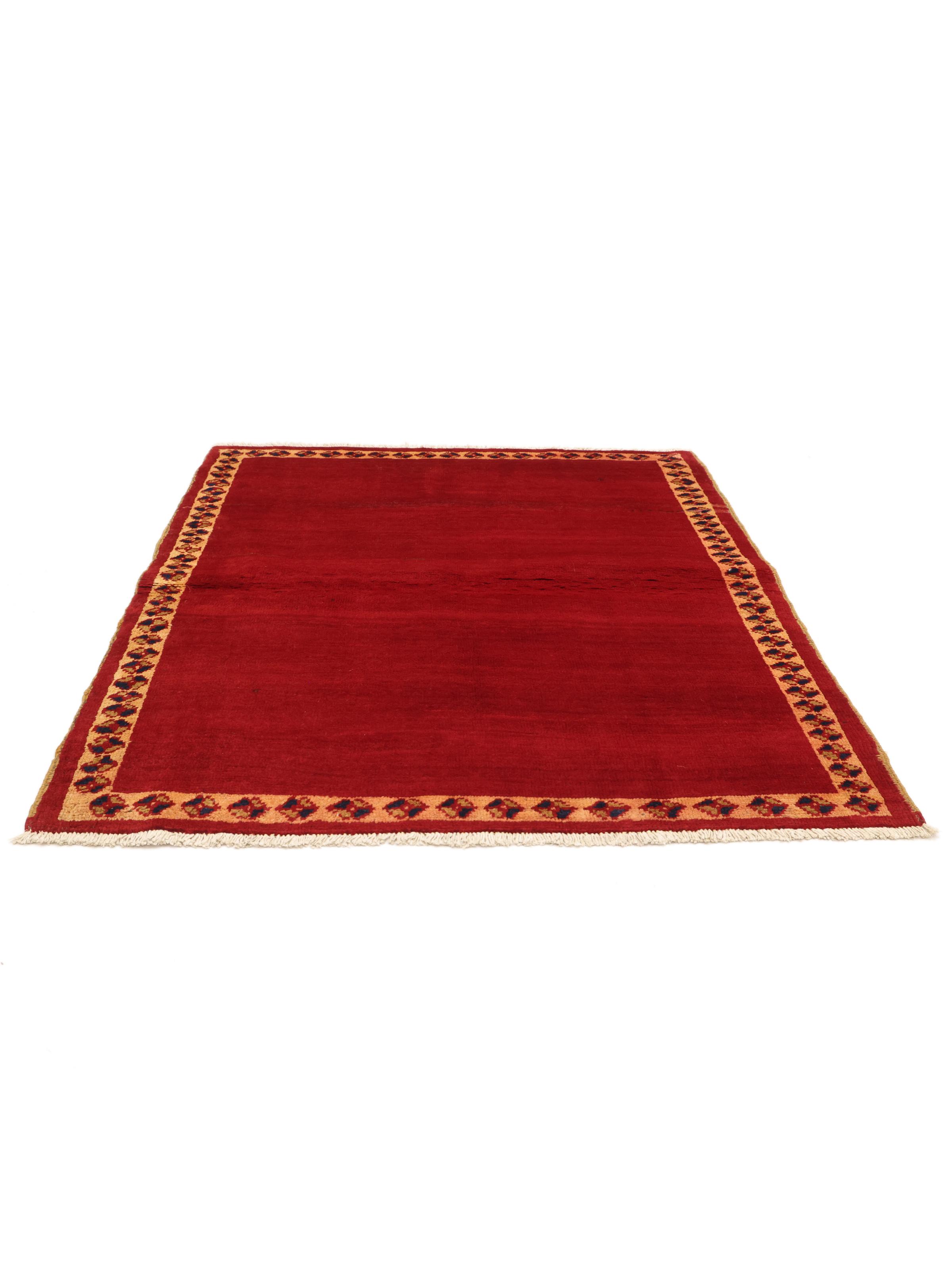
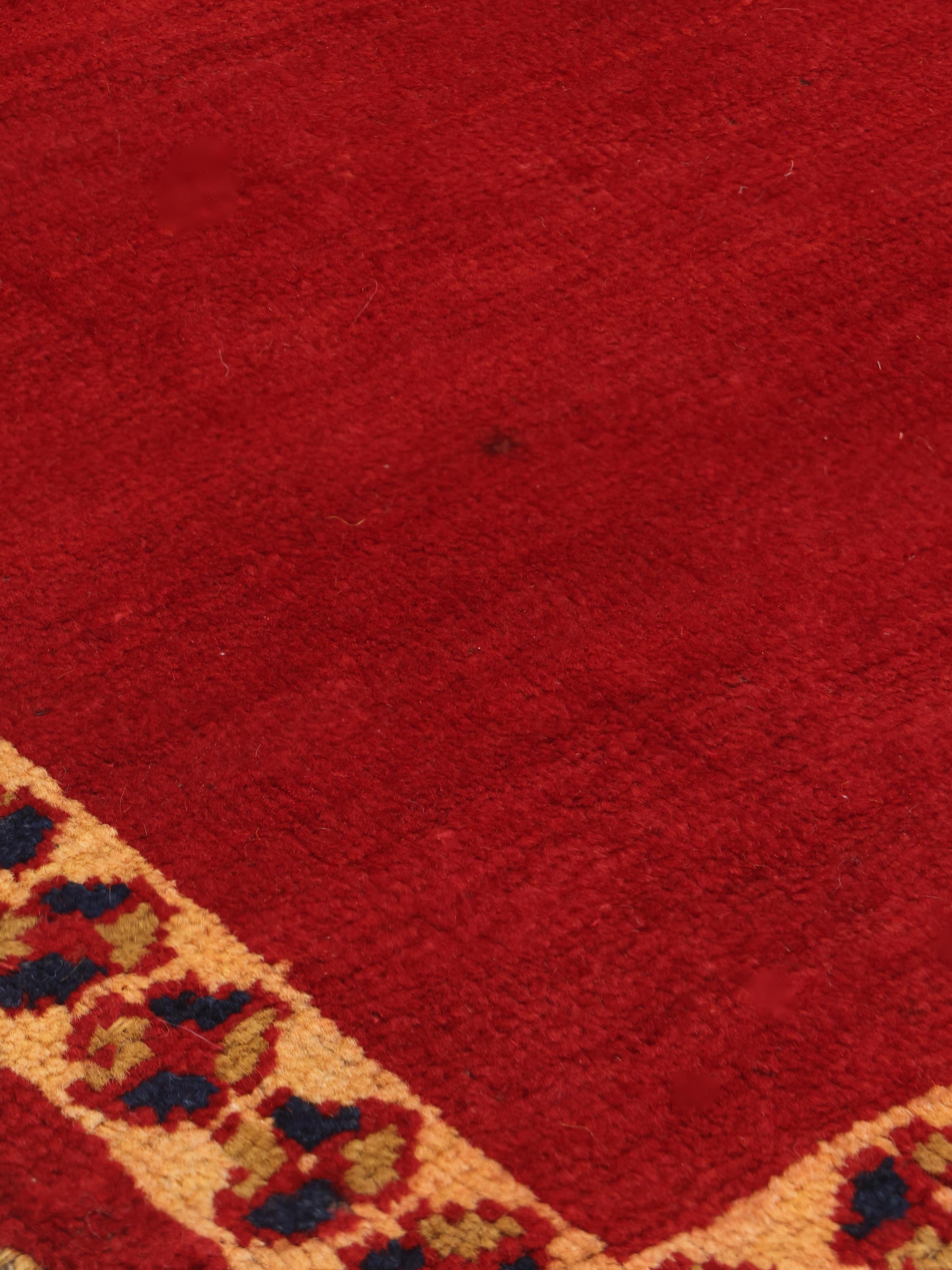
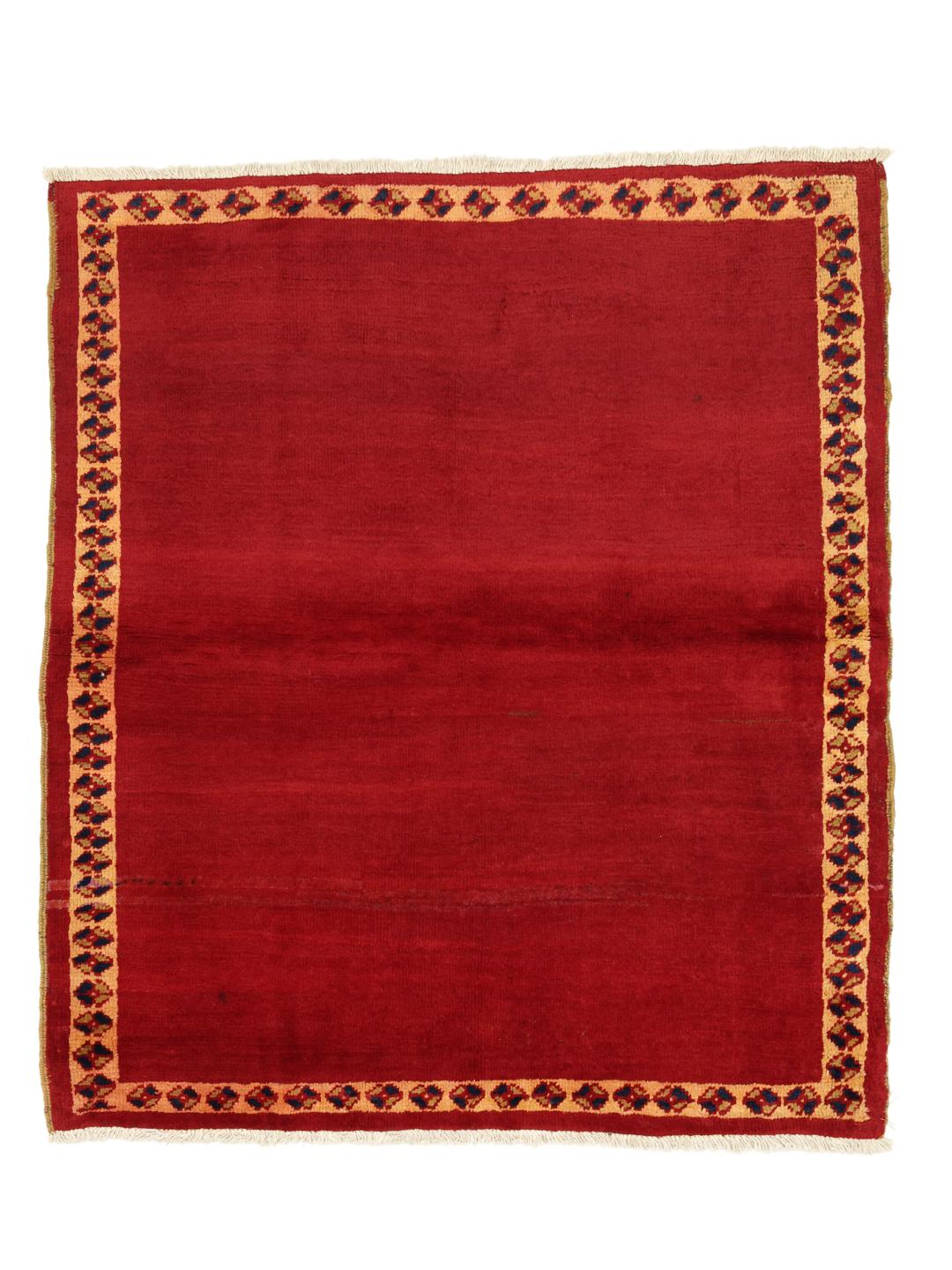
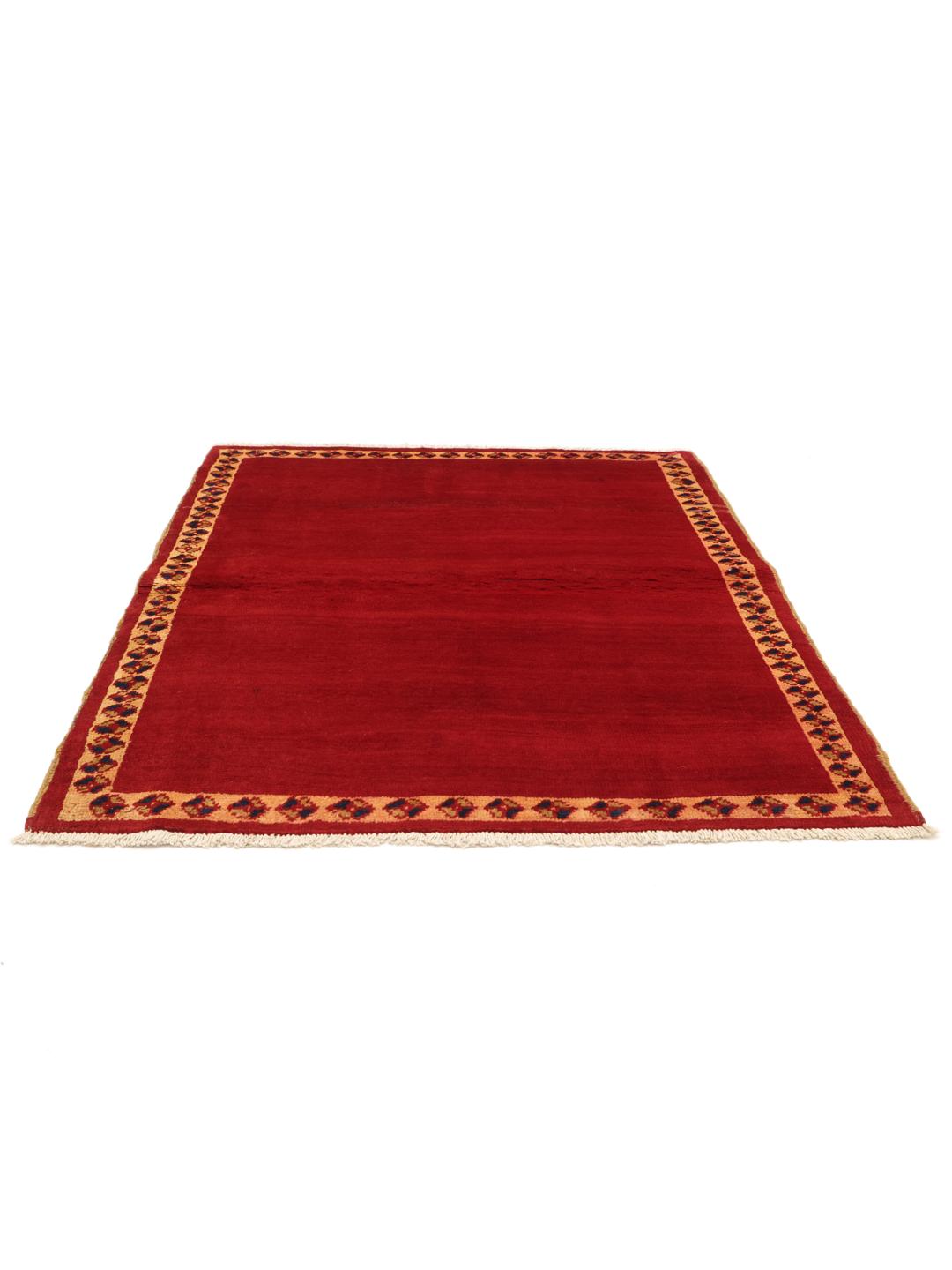
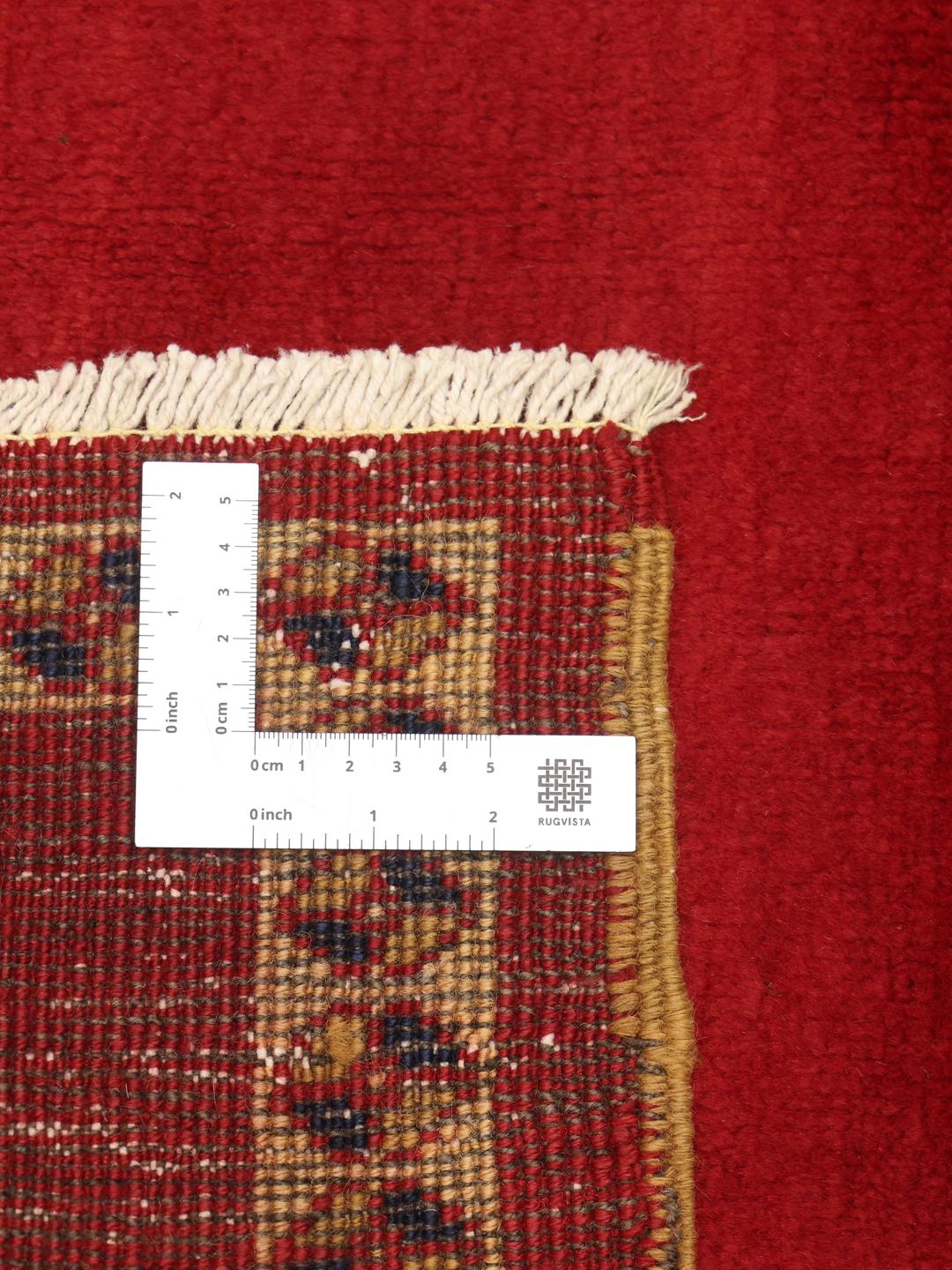
Gabbeh rugs were originally woven by nomadic and semi-nomadic tribes across the Middle East as essential household items. Traditionally created for personal use as sleeping mats and floor coverings, these rugs were valued for their thick pile, heavy weave, and intuitive design language.
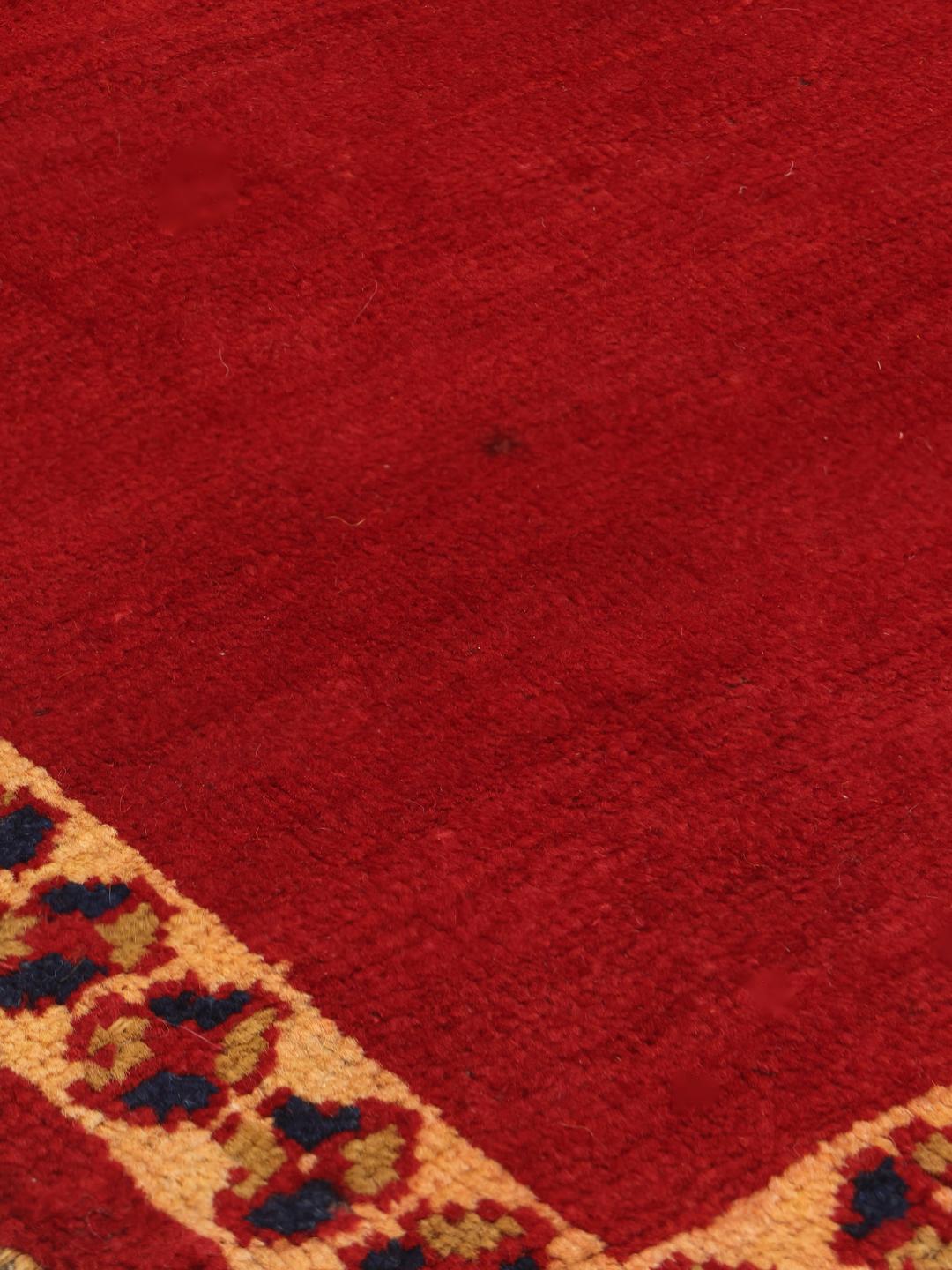
The word Gabbeh translates to raw, natural, or unclipped, pointing to the thick, plush nature of the original tribal textiles. Over decades, weavers in Pakistan adapted these traditional rustic styles, refining the knotting technique while preserving the simple compositions and rich natural palettes that make the style recognizable.
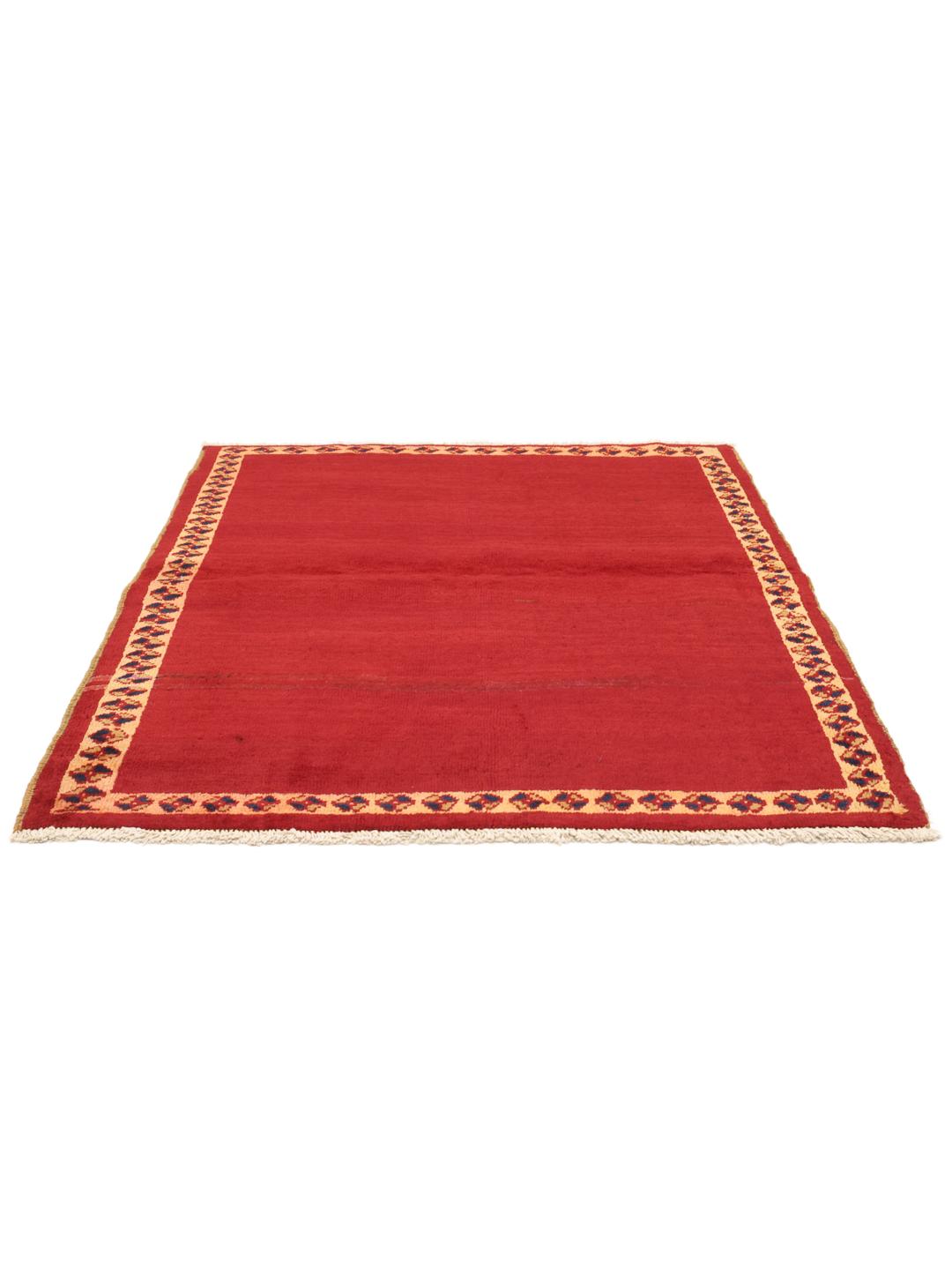
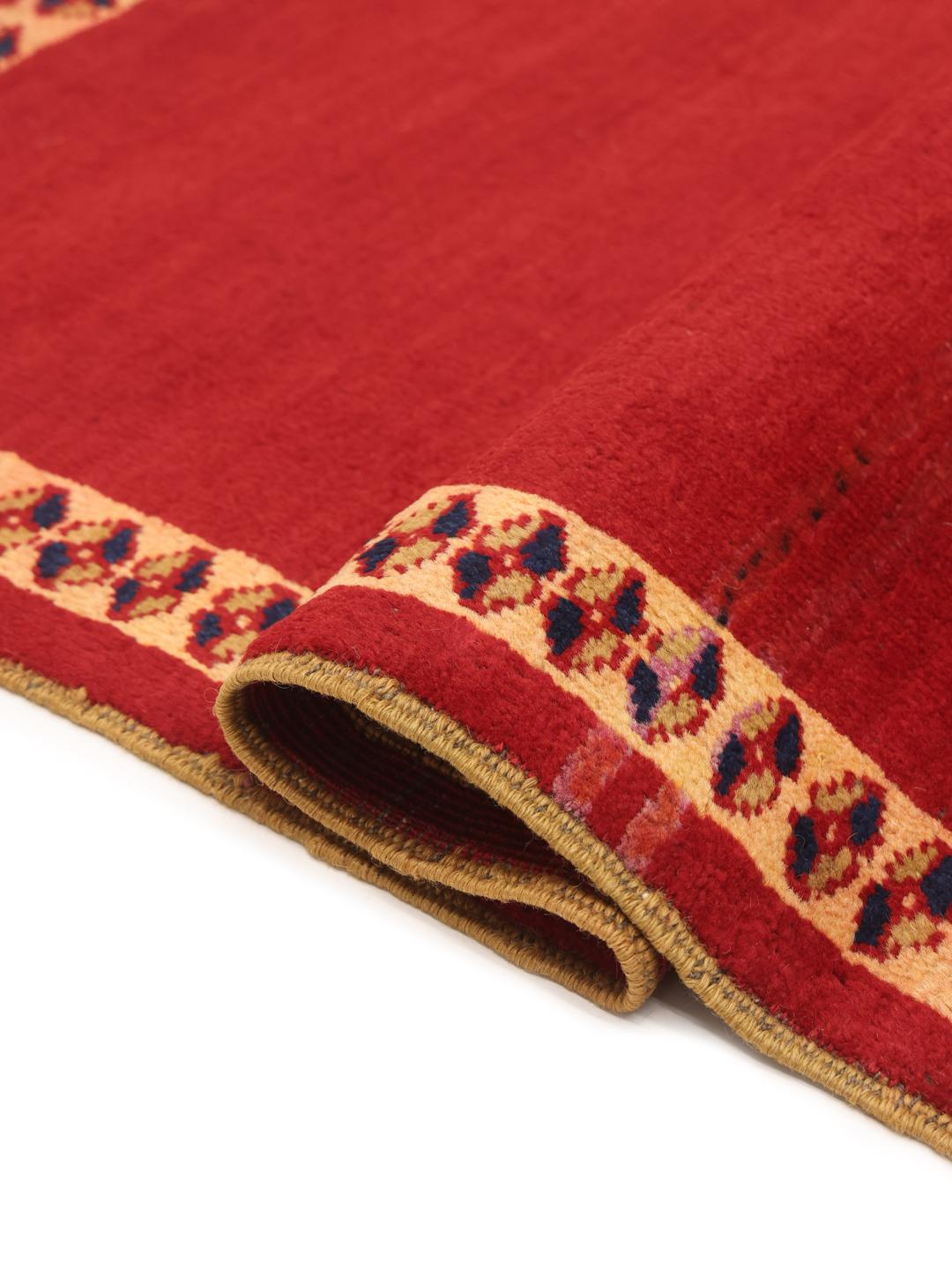
Visually, Gabbeh rugs are celebrated for their open fields of solid or subtly shaded color paired with minimalist border motifs. Small geometric figures representing stylized animals, trees, or family emblems often appear along the edges, giving each piece a narrative quality rooted in tribal storytelling.
Today, modern collectors and homeowners value Gabbeh rugs for their striking artistic simplicity. Owning a hand-knotted Gabbeh means bringing a piece of living folk art into your home, where centuries of nomadic heritage meet contemporary living.