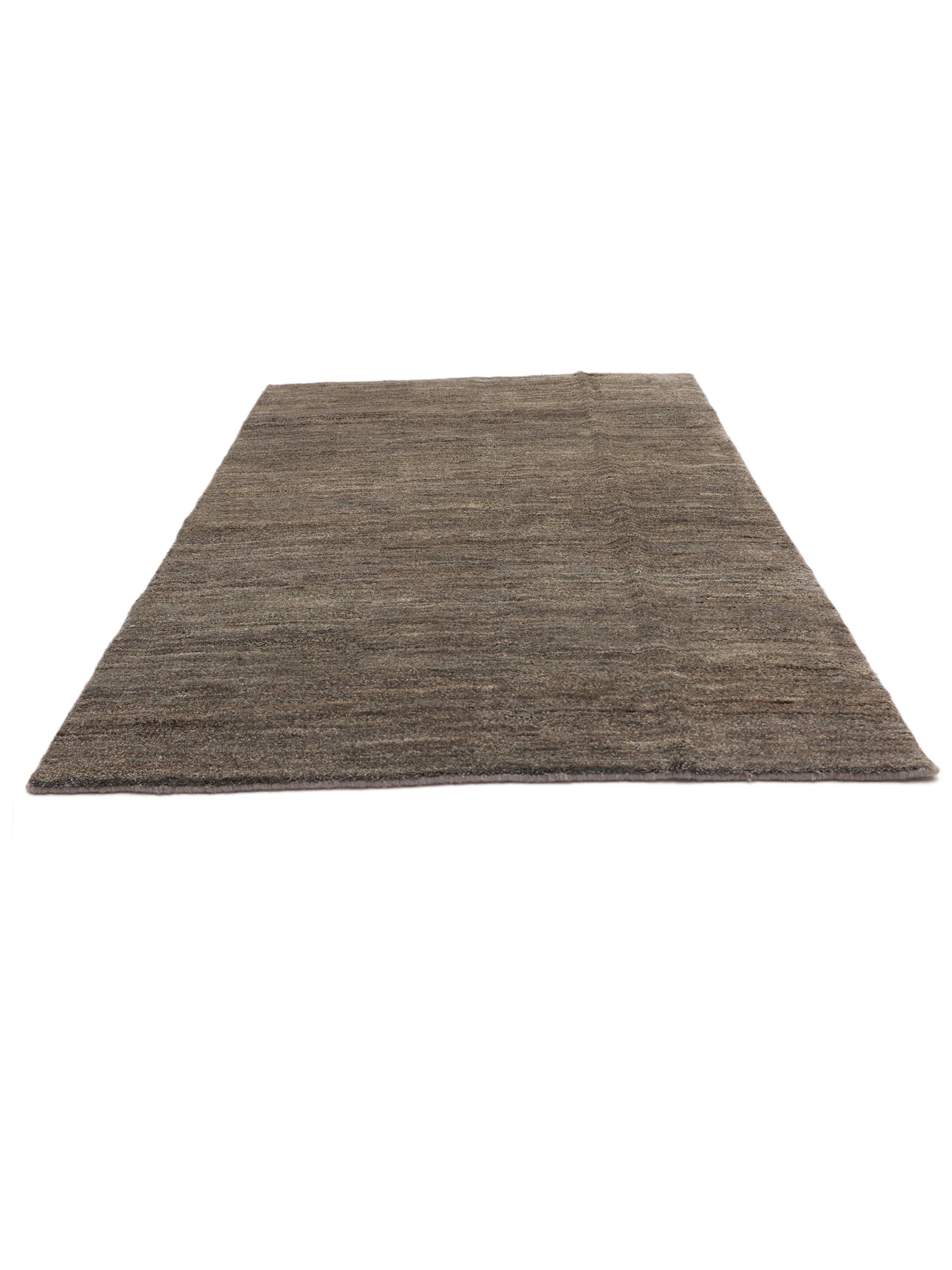
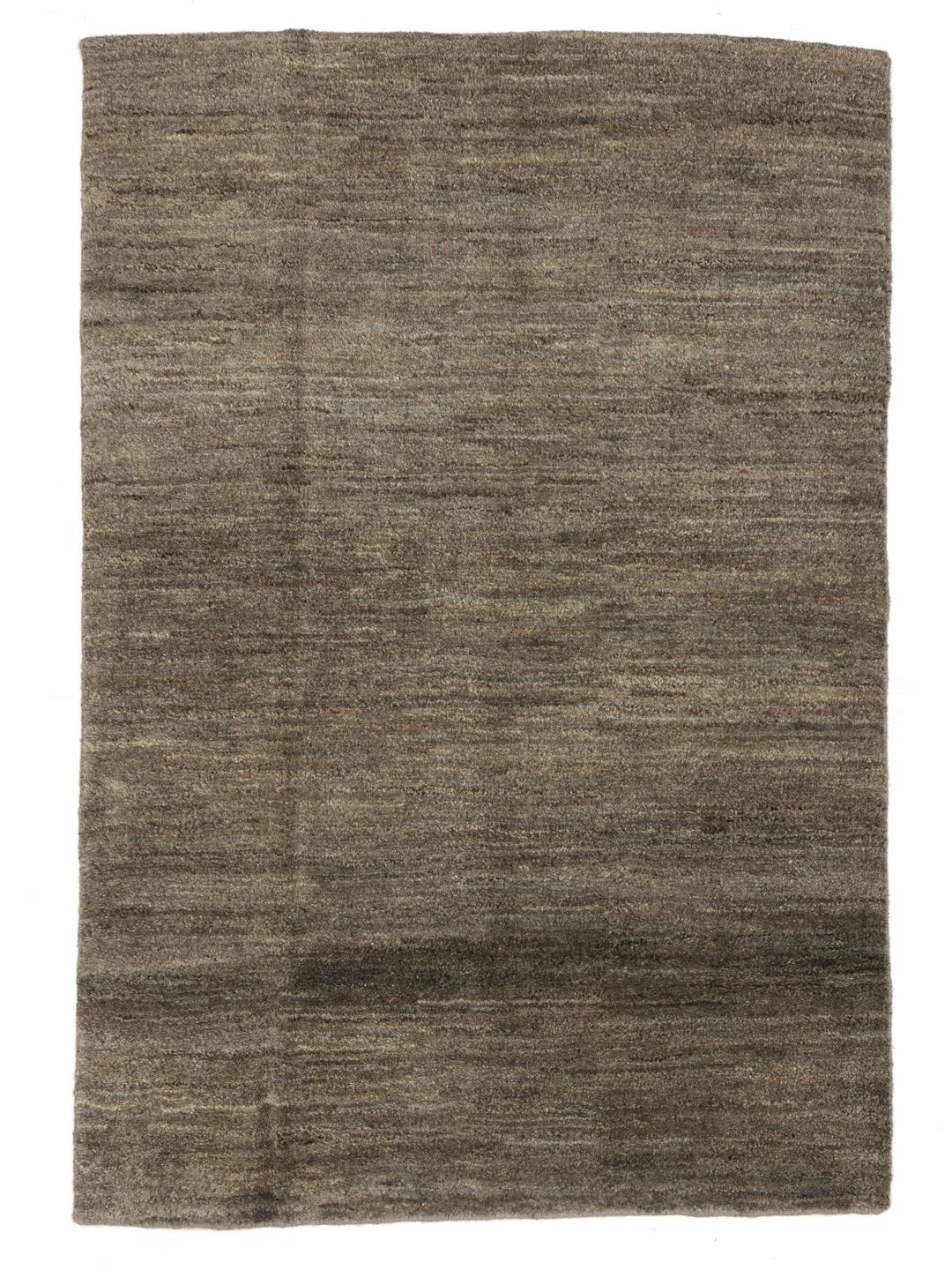
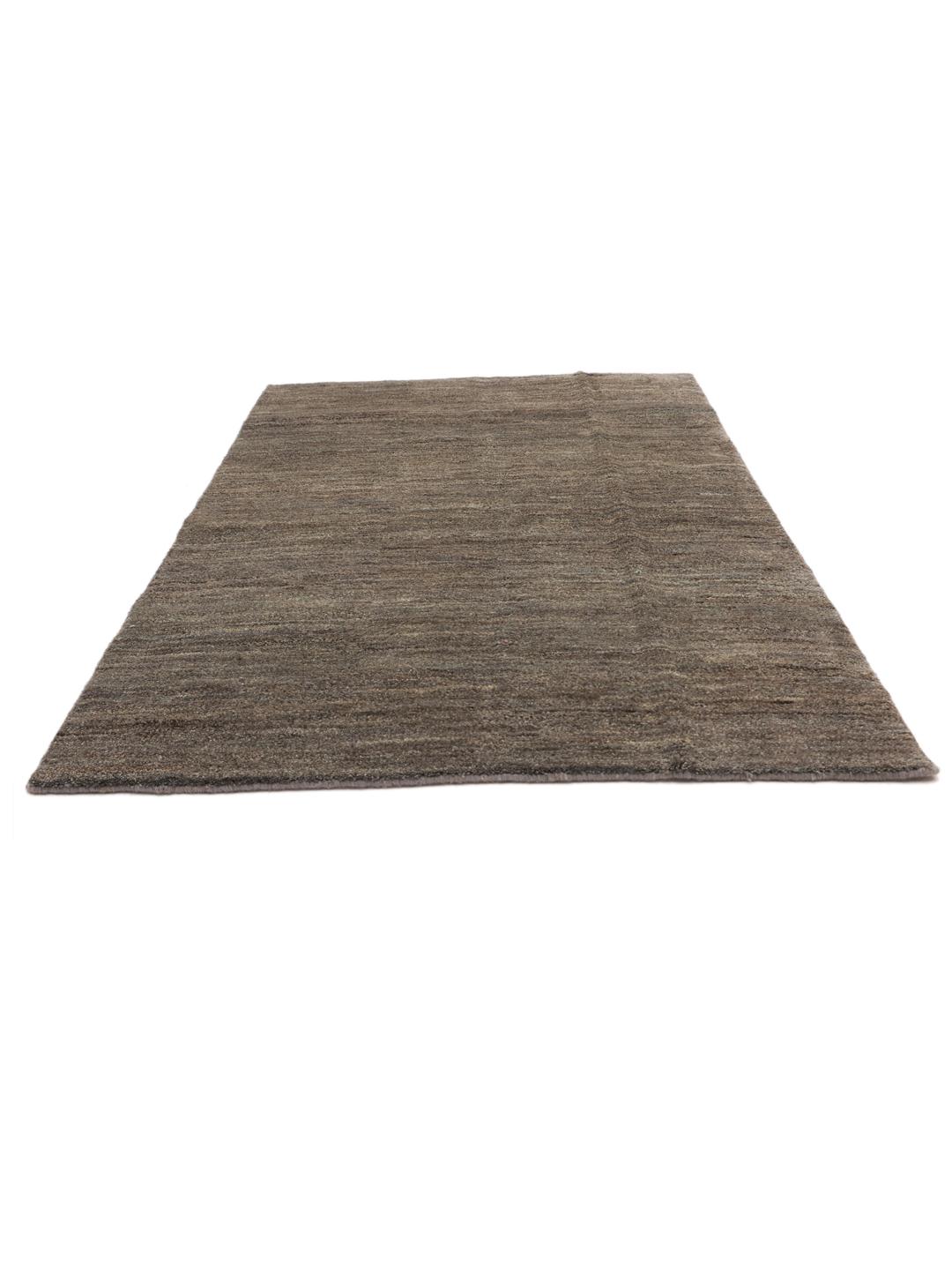
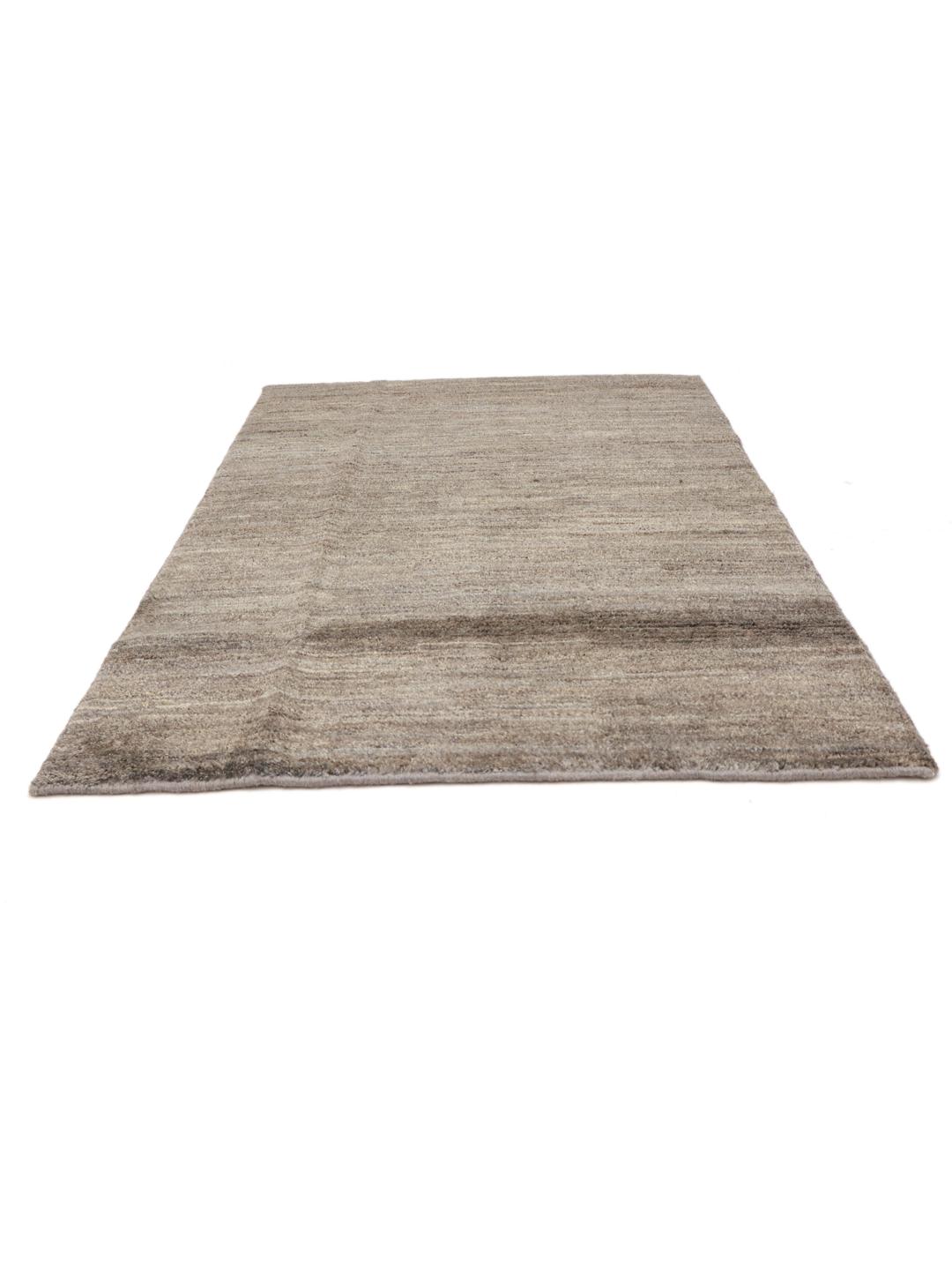
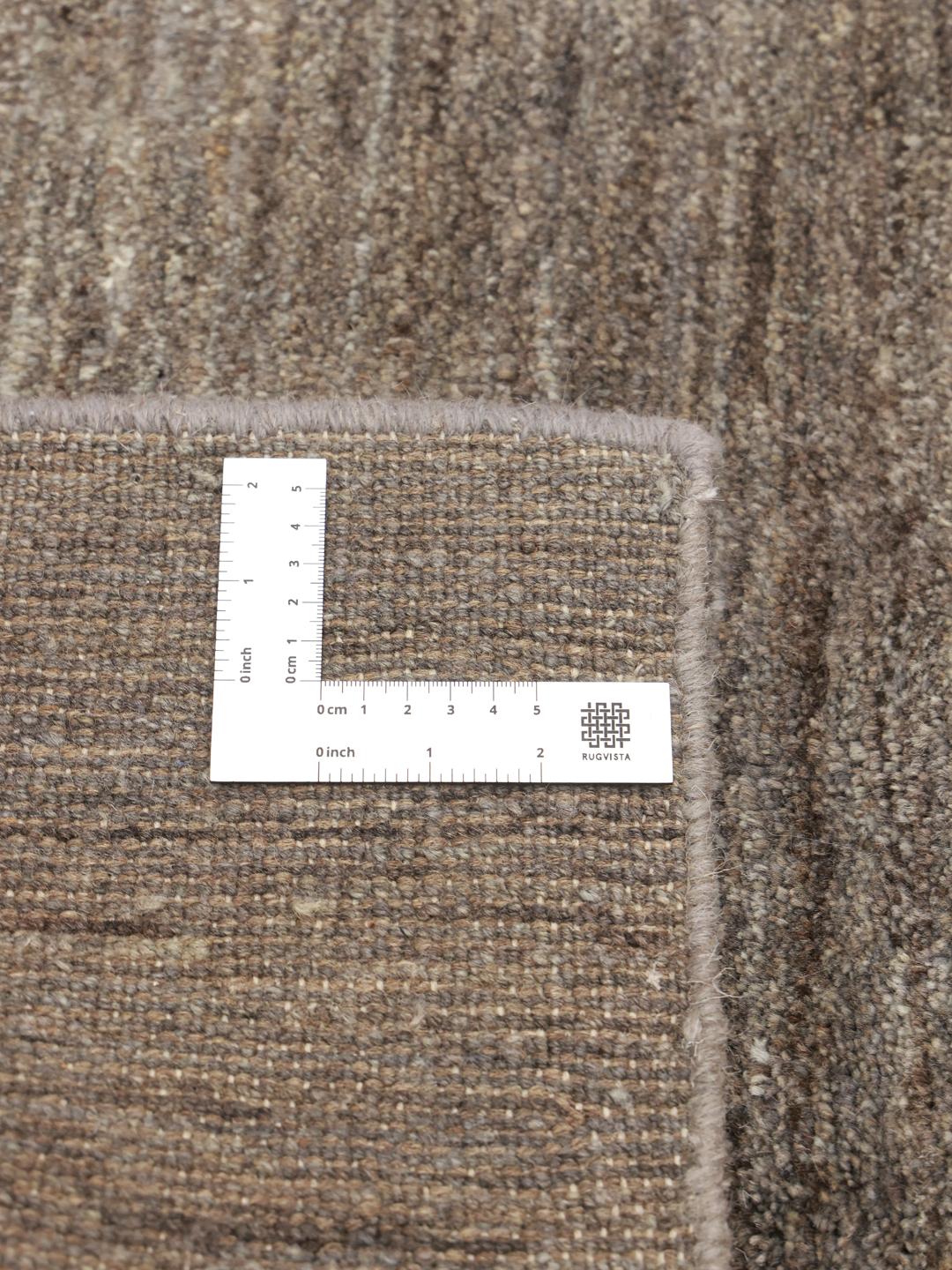
Gabbeh rugs were originally crafted by nomadic tribal groups across the Middle East. Intended for personal domestic use within tented homes rather than commercial trade, these rugs served as soft sleeping mats and floor covers designed to insulate against harsh terrain.
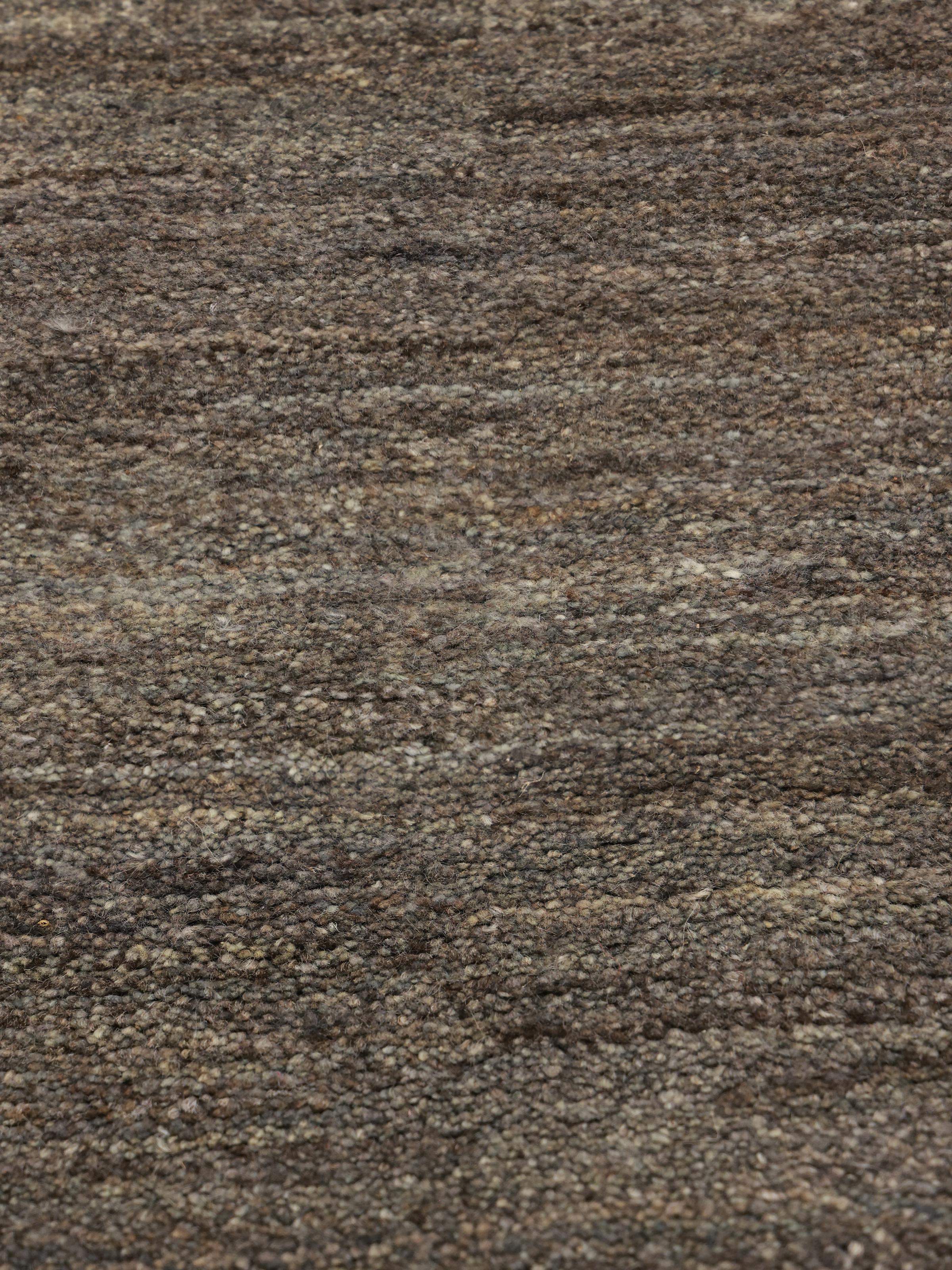
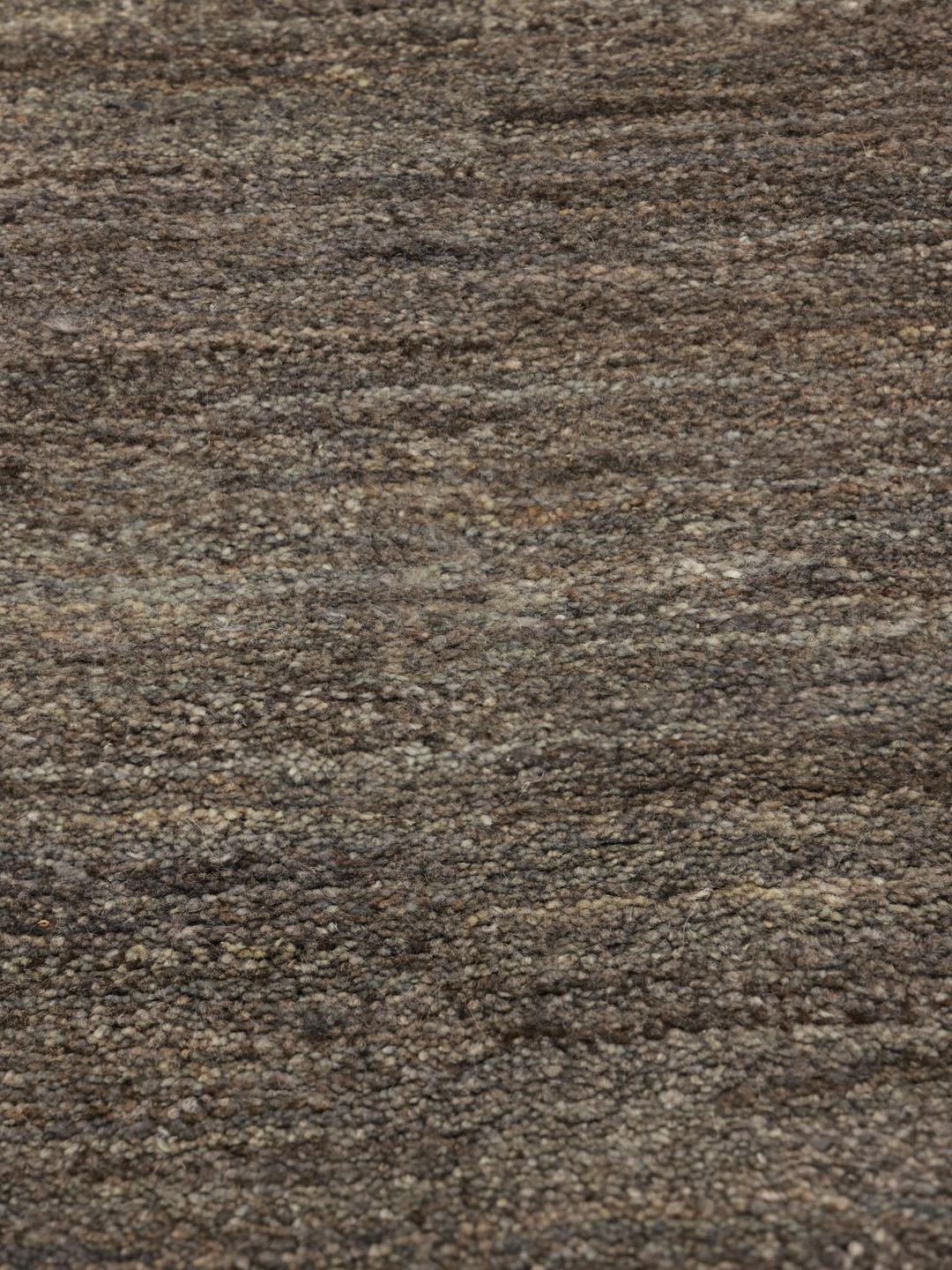
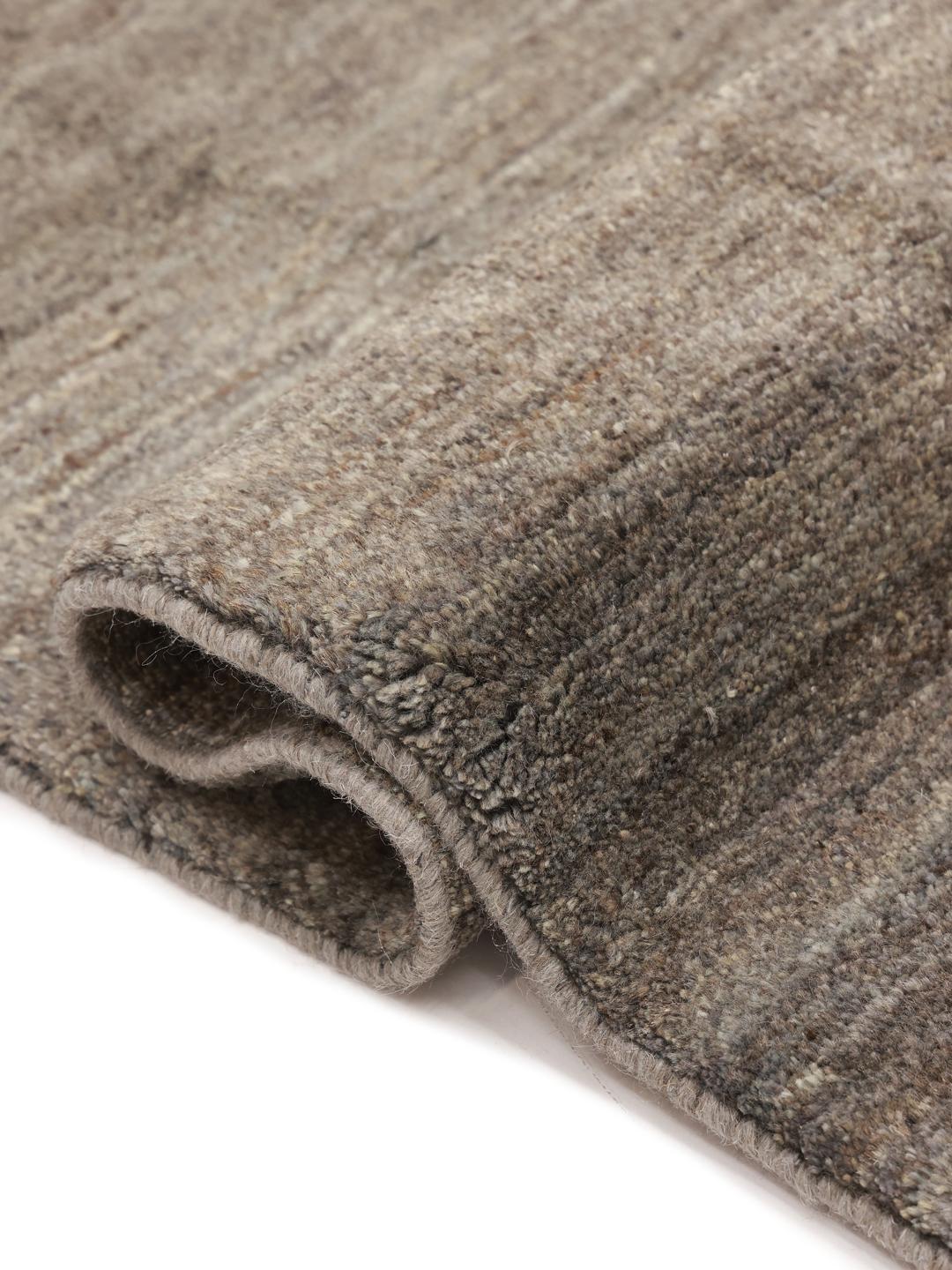
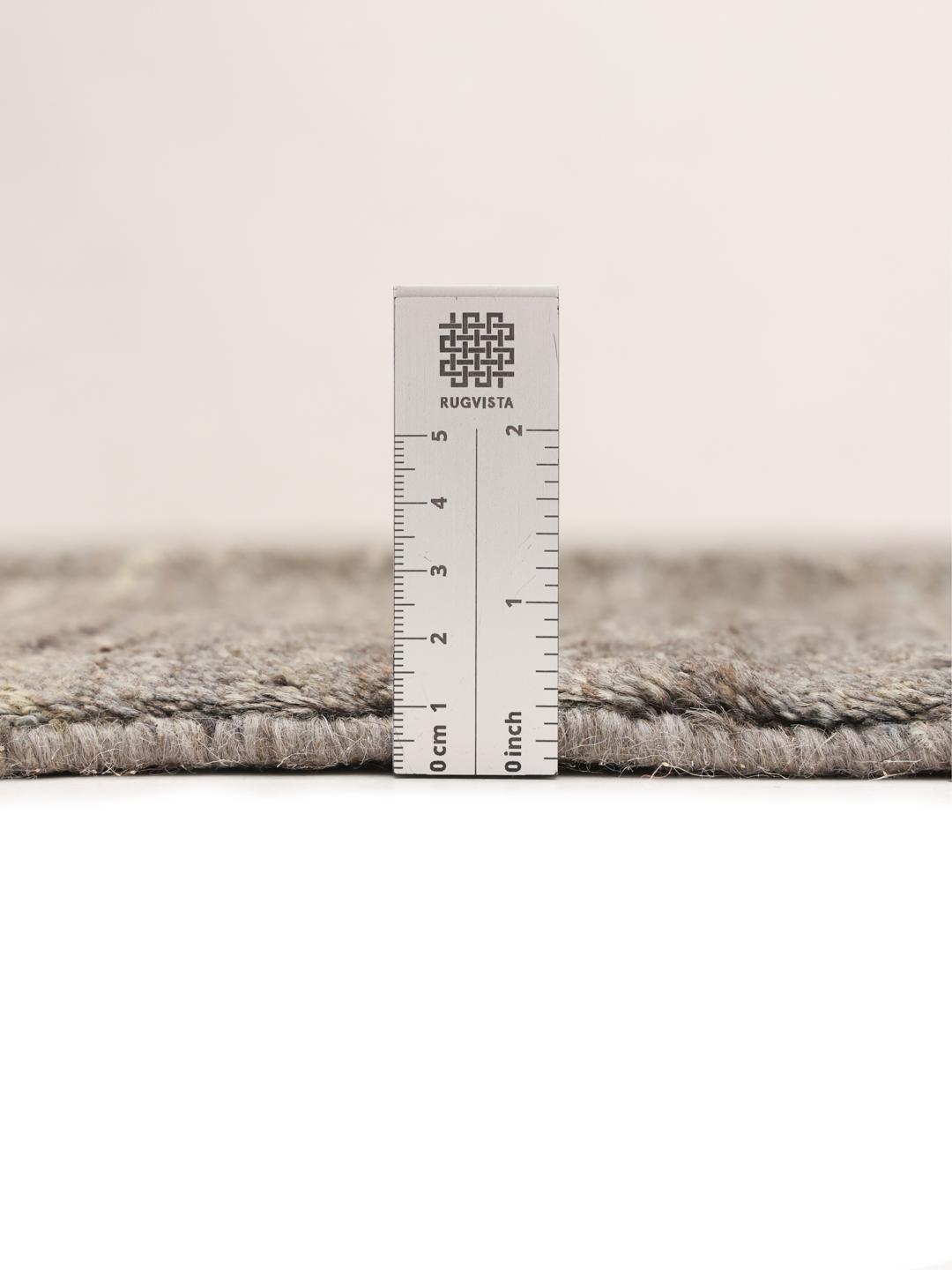
The term Gabbeh translates roughly to raw, natural, or uncut in Persian dialects, pointing to the thick, plush pile and simple weaving style characteristic of the tradition. Over time, master weavers in Pakistan adopted these techniques, refining the finishing while maintaining the loose, organic aesthetic of the tribal originals.
Unlike formal urban rugs that follow rigid, symmetrical patterns, traditional Gabbeh design favors broad fields of rich, mottled color. Weavers often use minimal decorative elements or simple abrash, which refers to the gentle horizontal color variations caused by natural dye batches, giving each piece a quiet, painterly depth.
Today, Gabbeh rugs are highly appreciated by collectors and interior enthusiasts for their modern, abstract quality. Owning one offers a connection to ancient weaving cultures where simplicity, functional warmth, and personal expression define the art form.