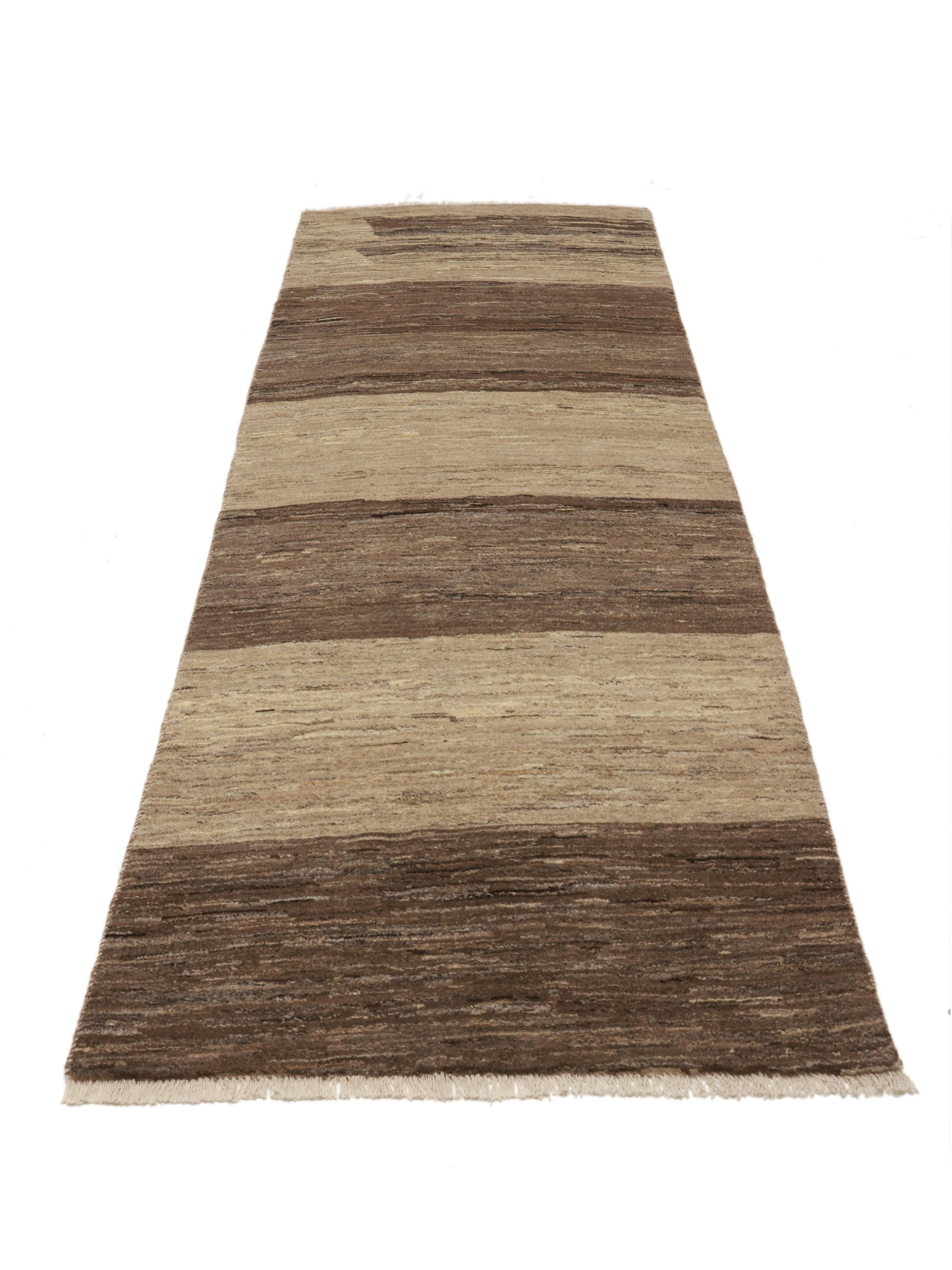
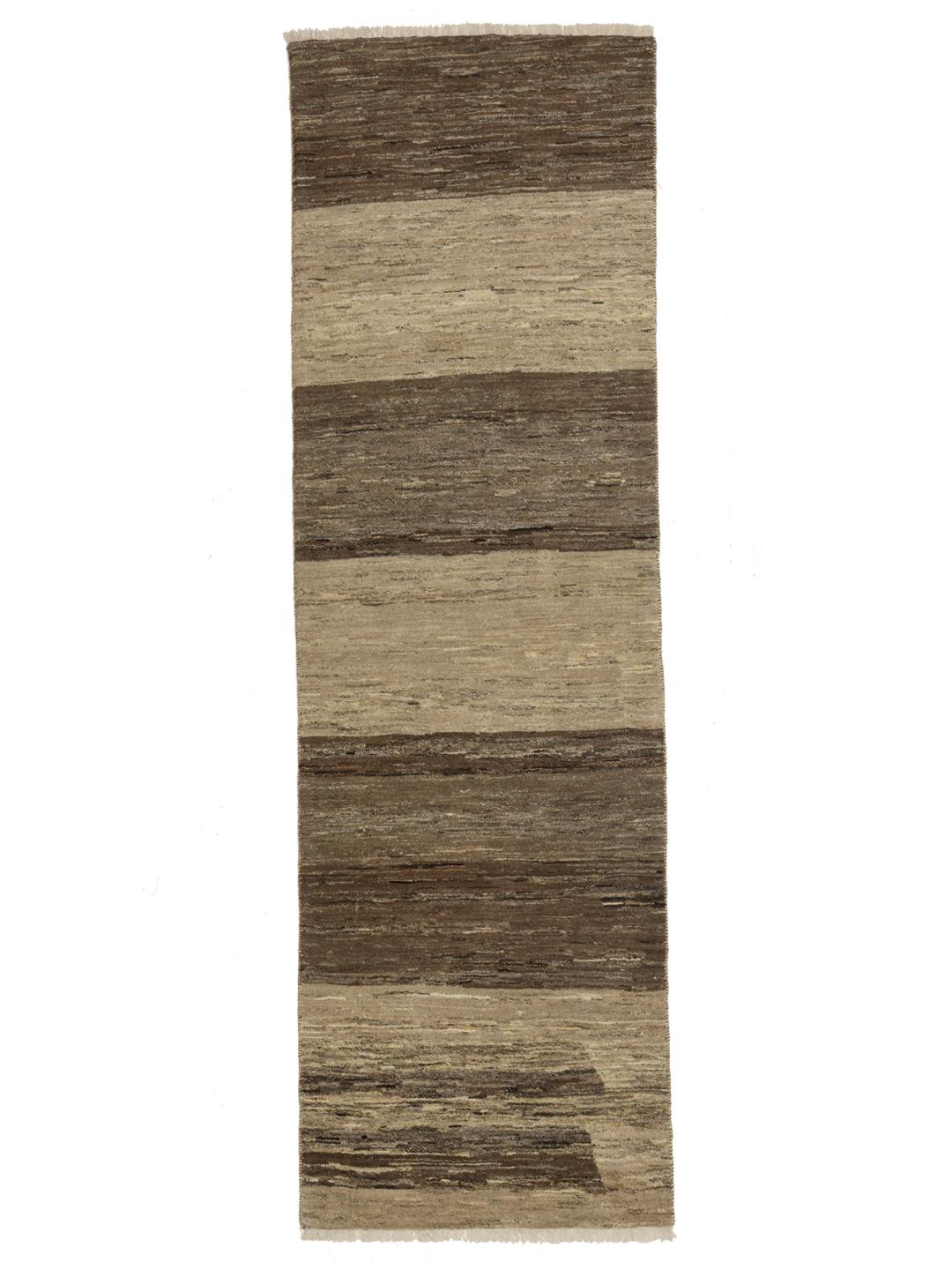
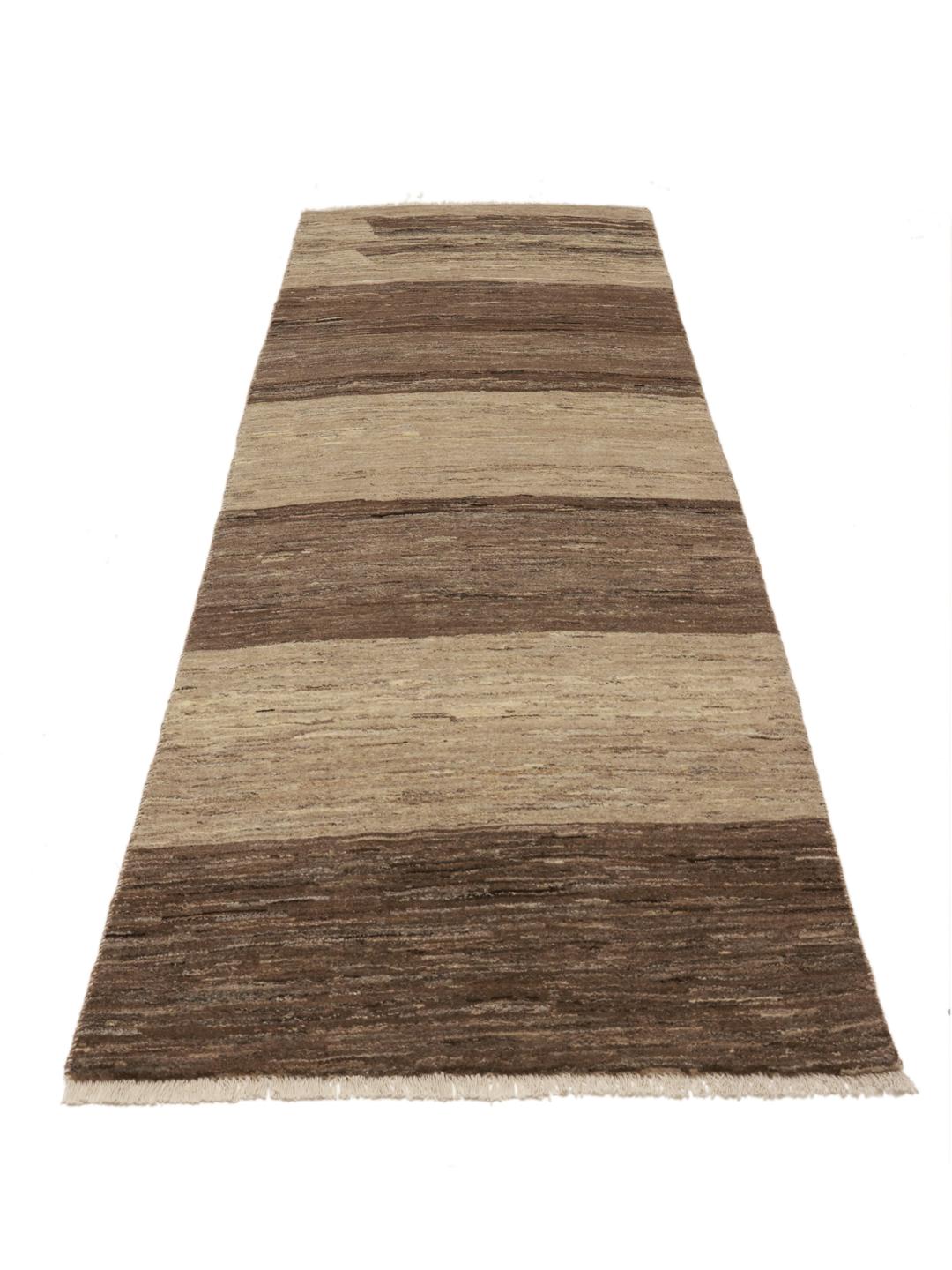
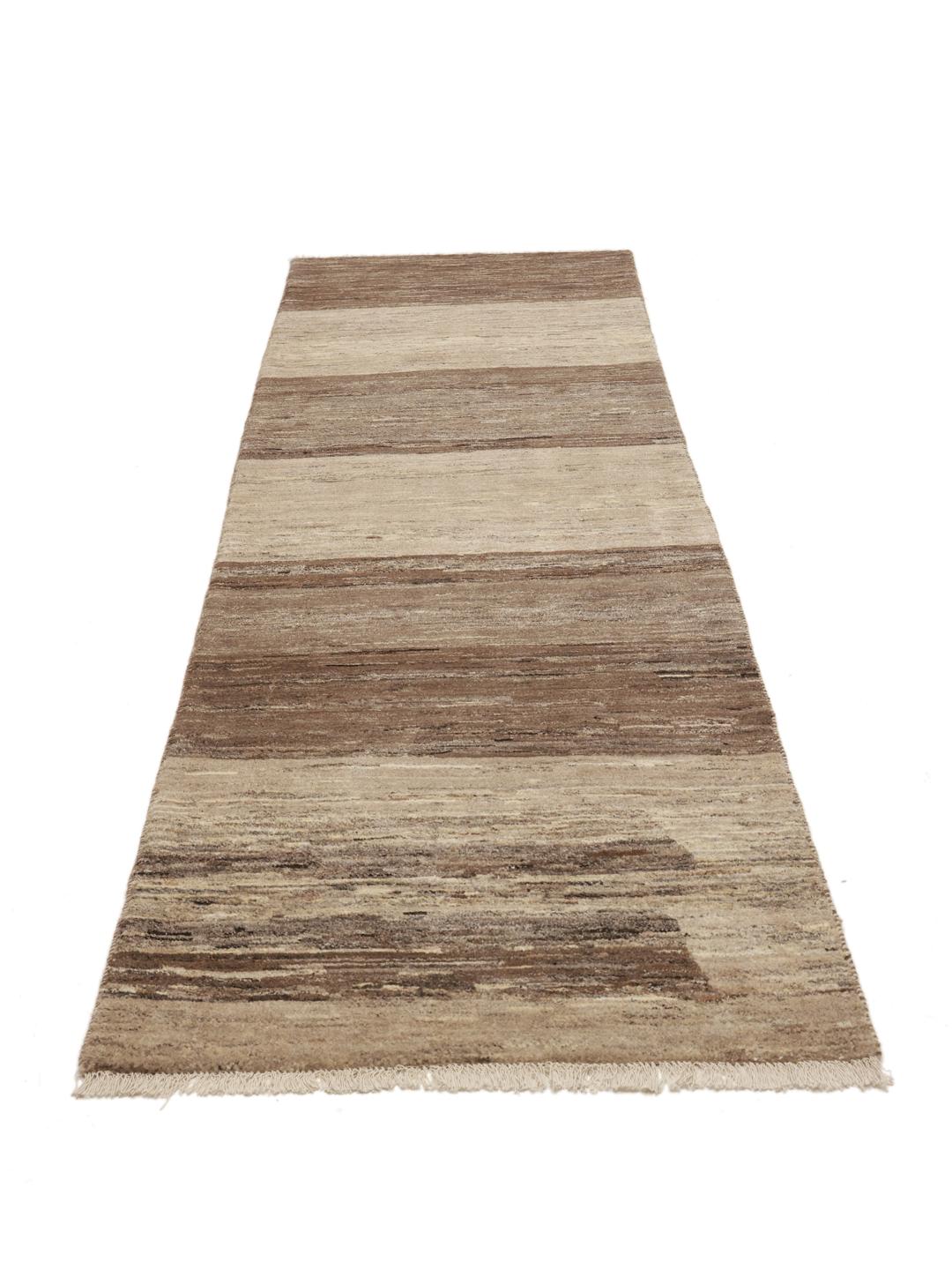
Gabbeh rugs have a rich history rooted in the nomadic tribes of the Middle East, where they were originally woven for personal use rather than for trade. These rugs were designed to serve as warm, insulating floor coverings for tents, reflecting the rugged and practical needs of nomadic life.
The term Gabbeh itself means raw, natural, or unclipped in the local dialect, which perfectly describes the aesthetic of these pieces. Unlike formal, city-made rugs that follow rigid, pre-planned patterns, Gabbeh rugs often celebrate spontaneity and the weaver's personal vision, resulting in designs that are deeply expressive and free-spirited.
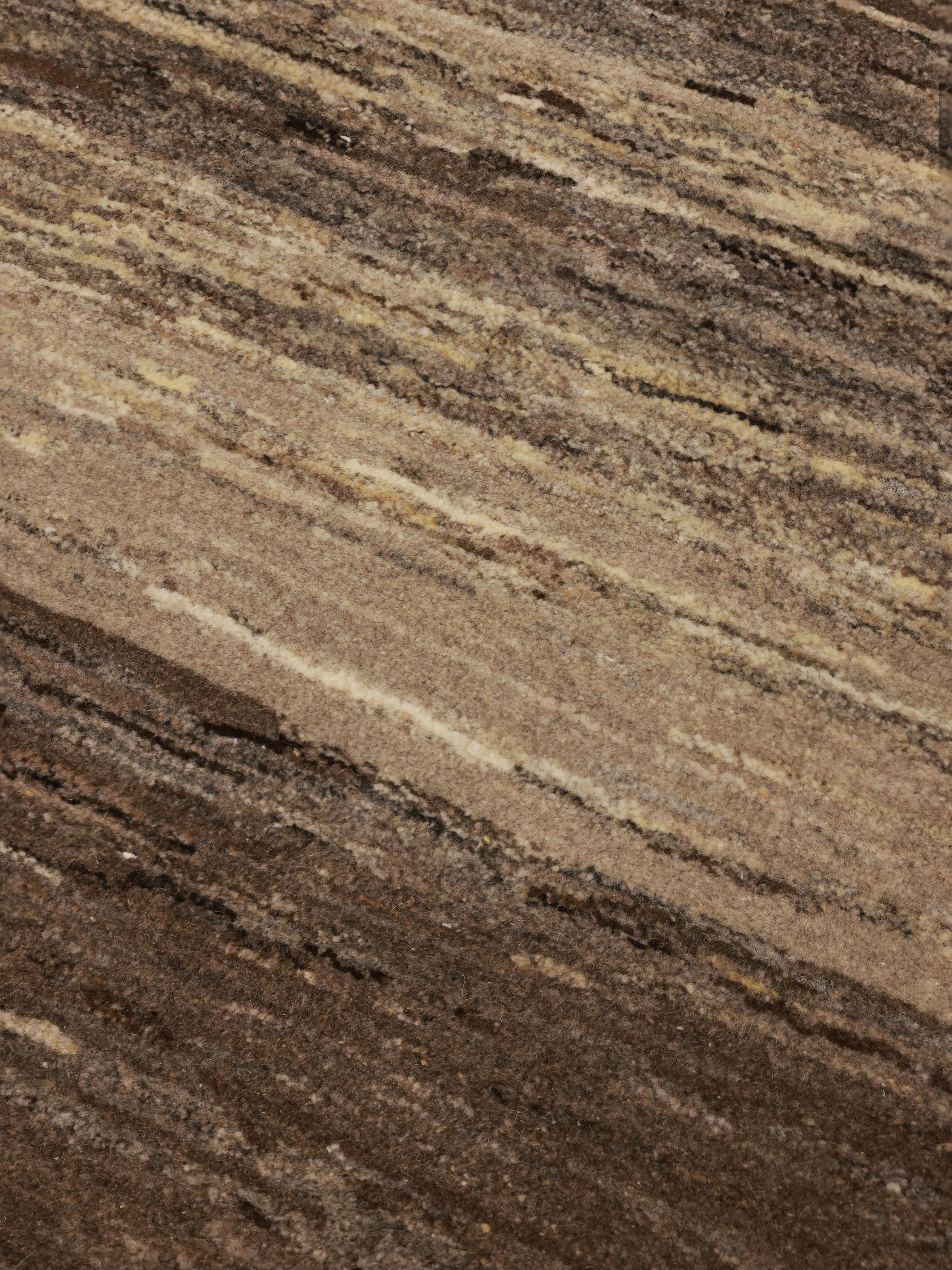
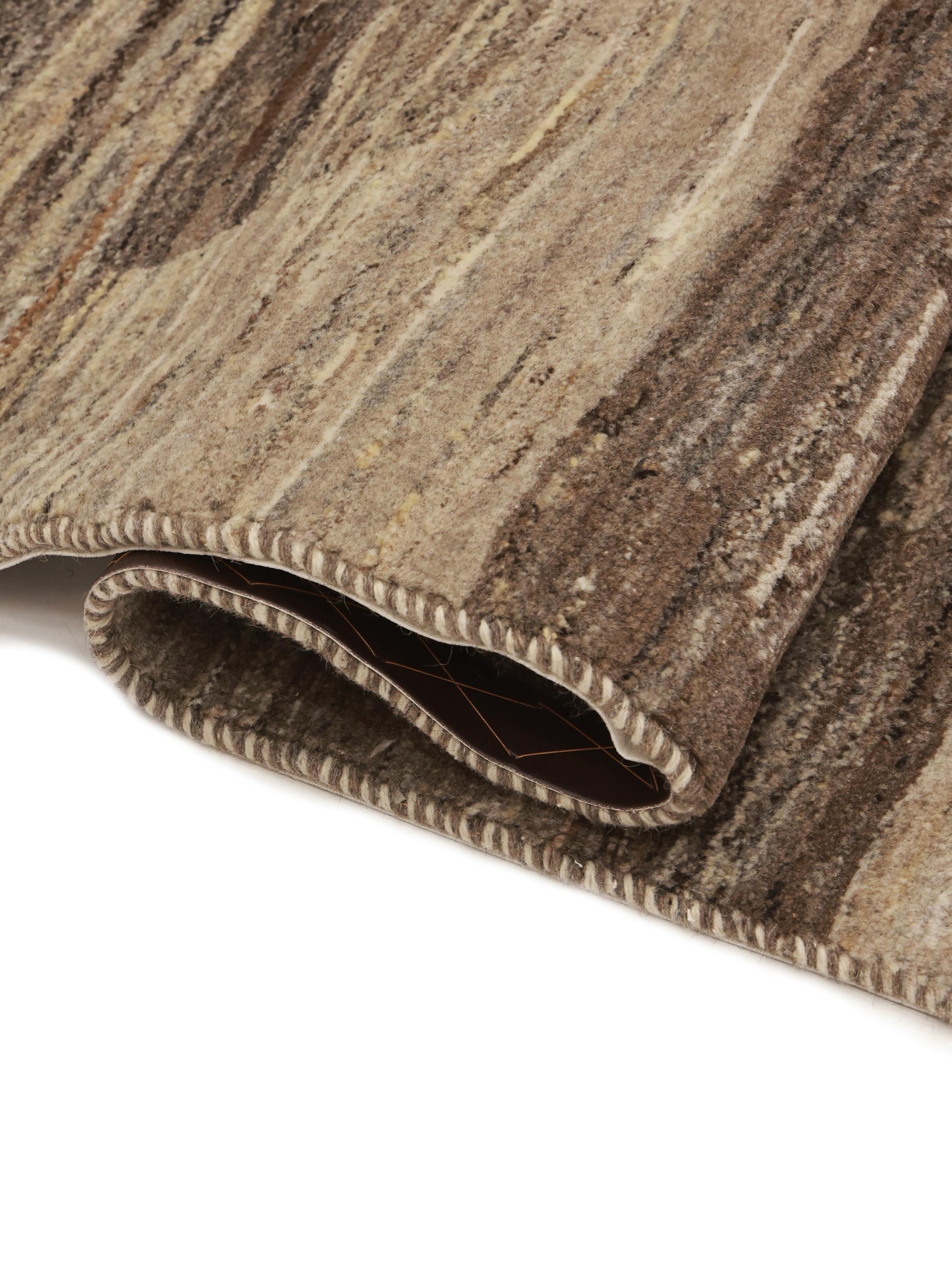
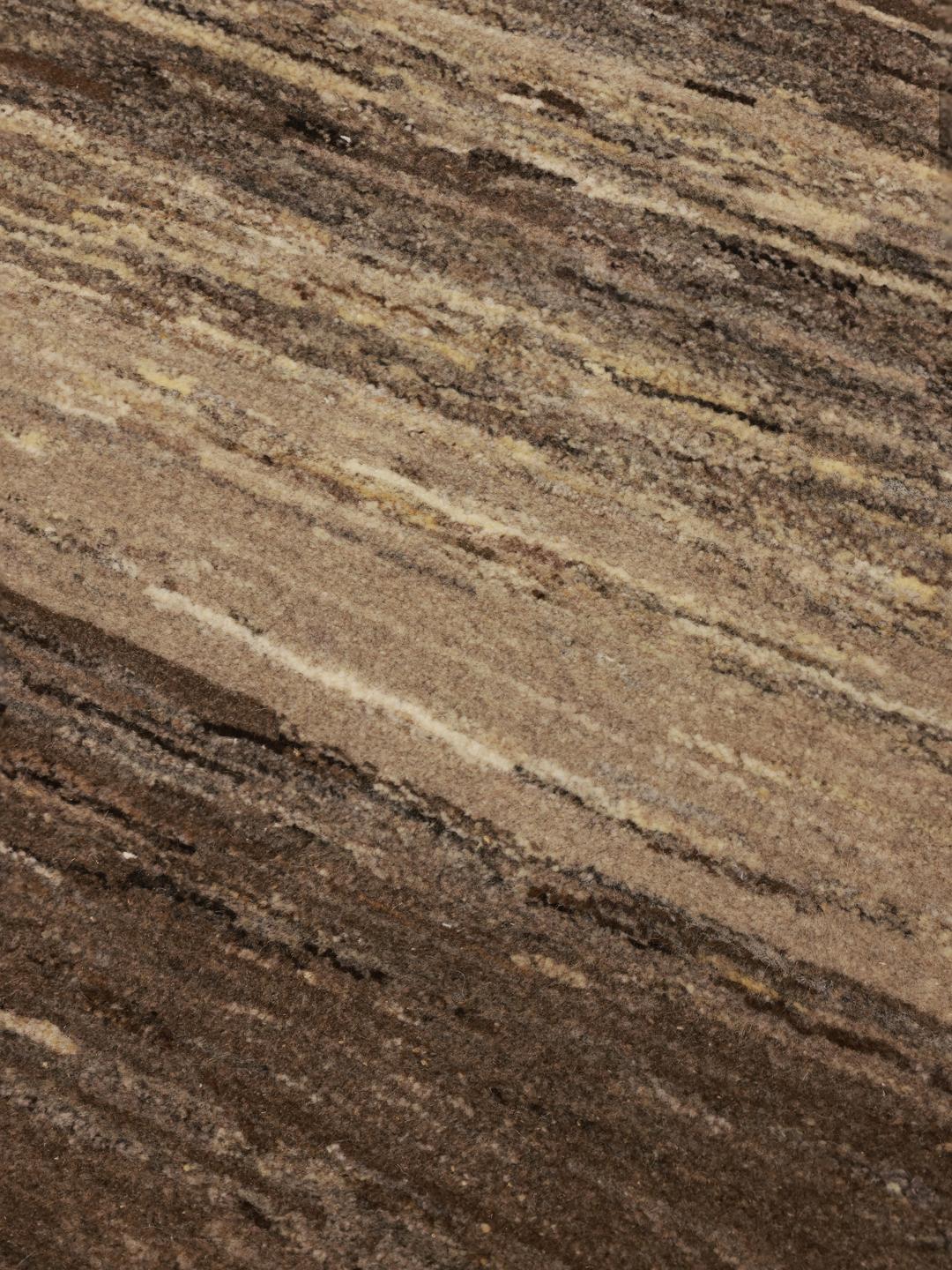
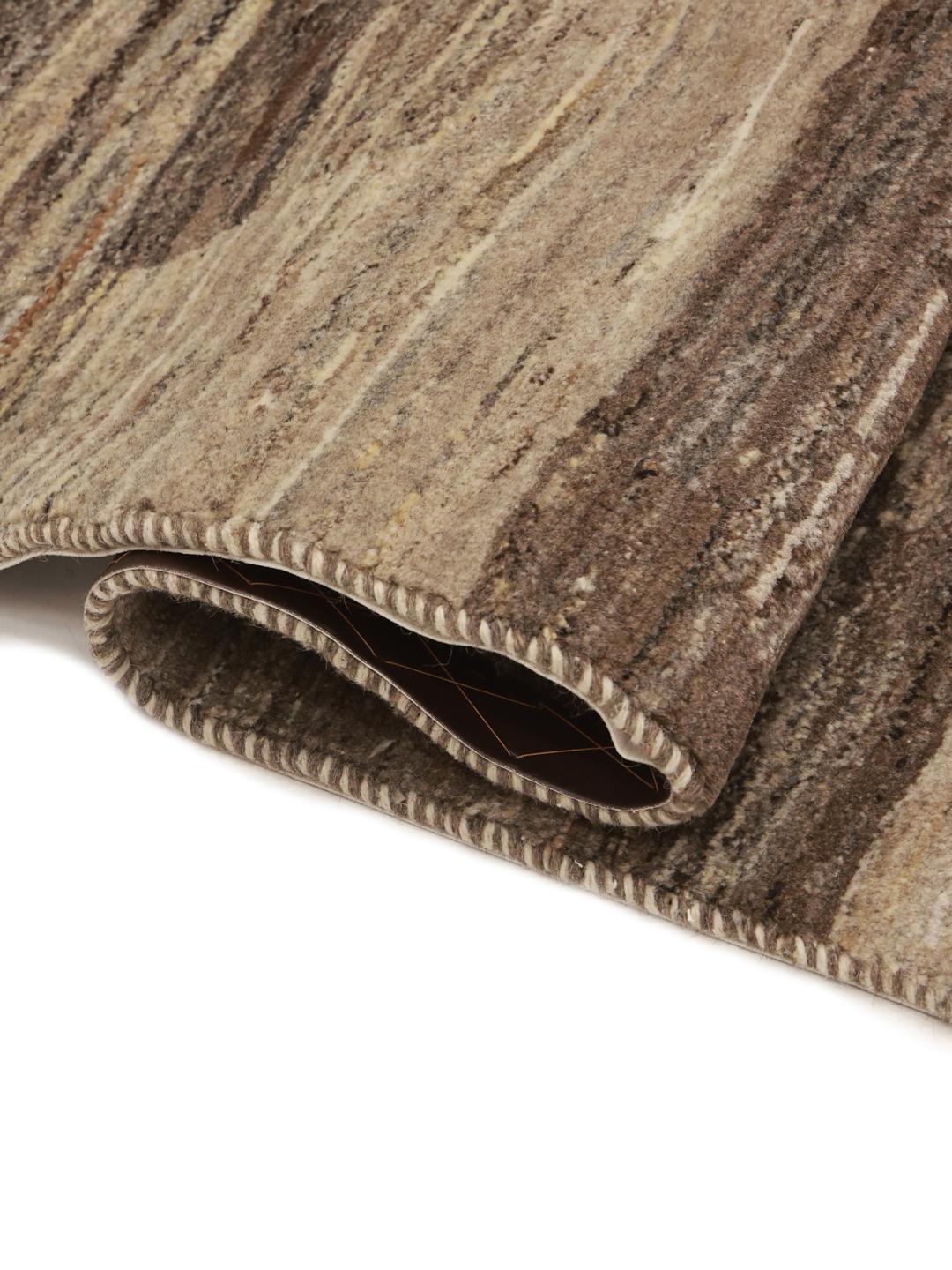
A defining signature of the Gabbeh style is its use of un-dyed or naturally dyed Wool, which creates a palette of rich, earthy tones. The patterns are usually minimalist, focusing on simple geometric shapes, stripes, or open, unadorned fields that highlight the natural lustre and high quality of the Wool used in the weave.
Today, these rugs are highly sought after by collectors who value their cultural heritage and the genuine human effort behind every knot. Owning a Gabbeh is not just about having a floor covering; it is about keeping a tradition alive and enjoying a piece of textile history that carries the warmth and character of its origin.