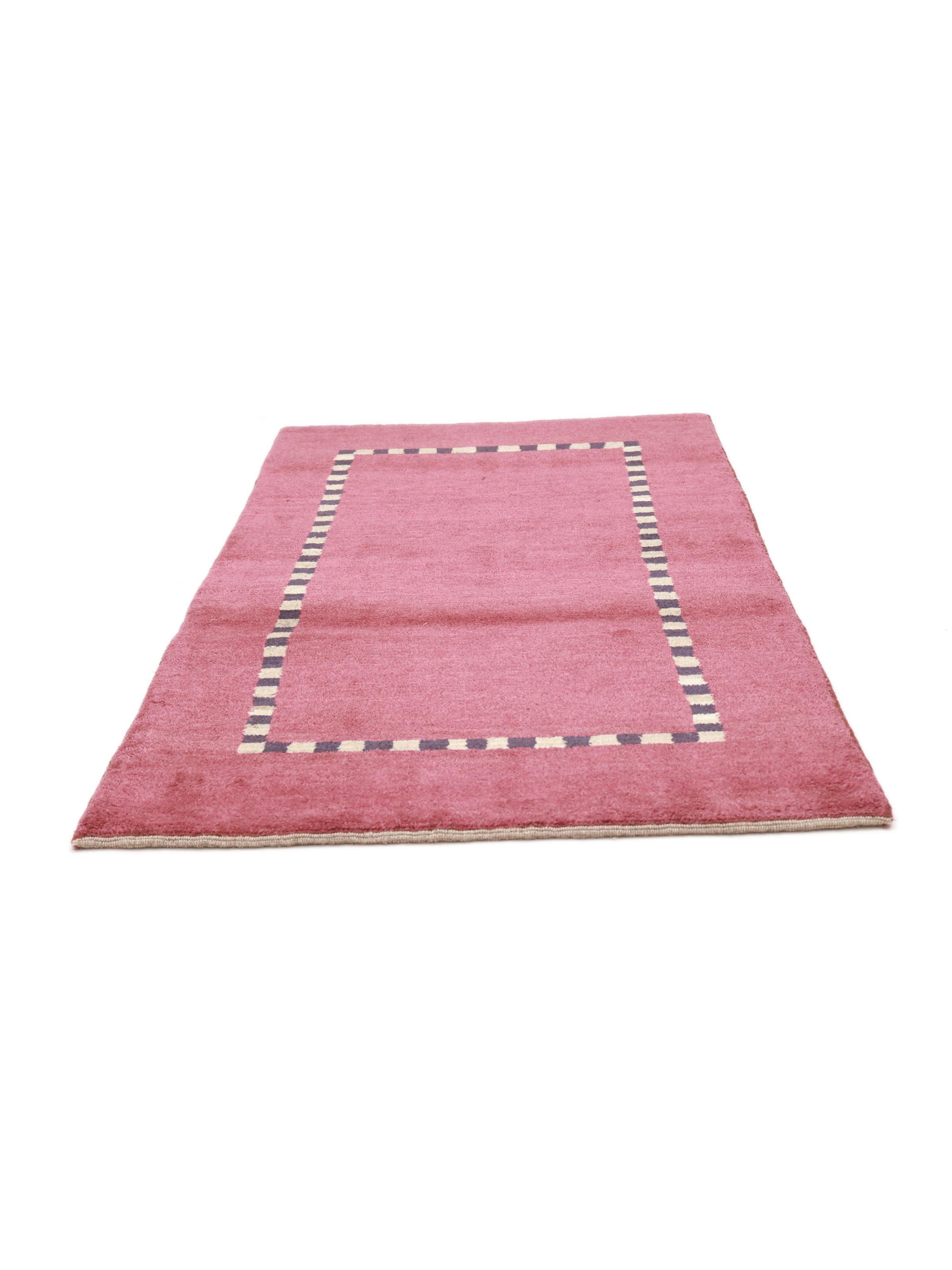
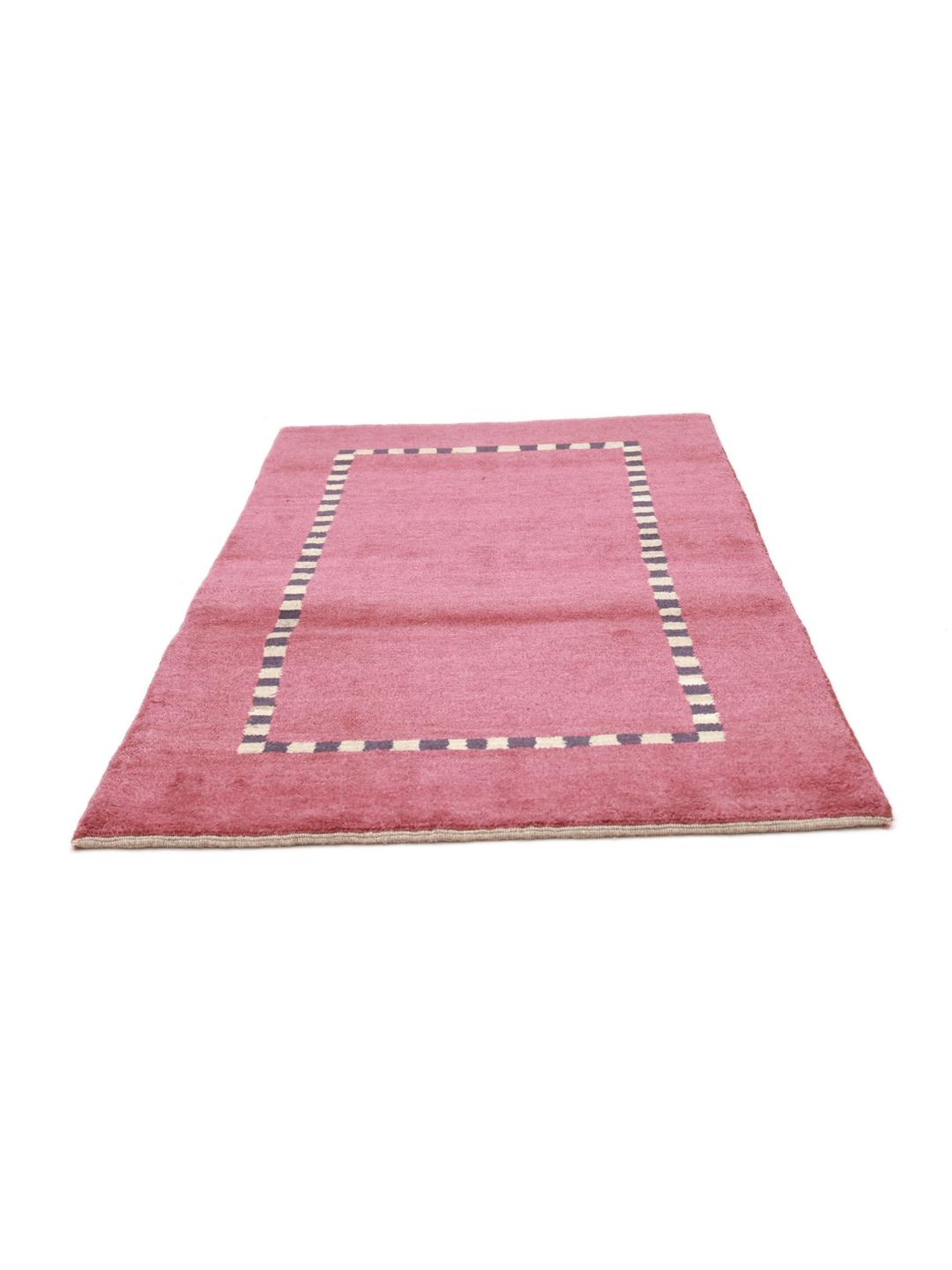
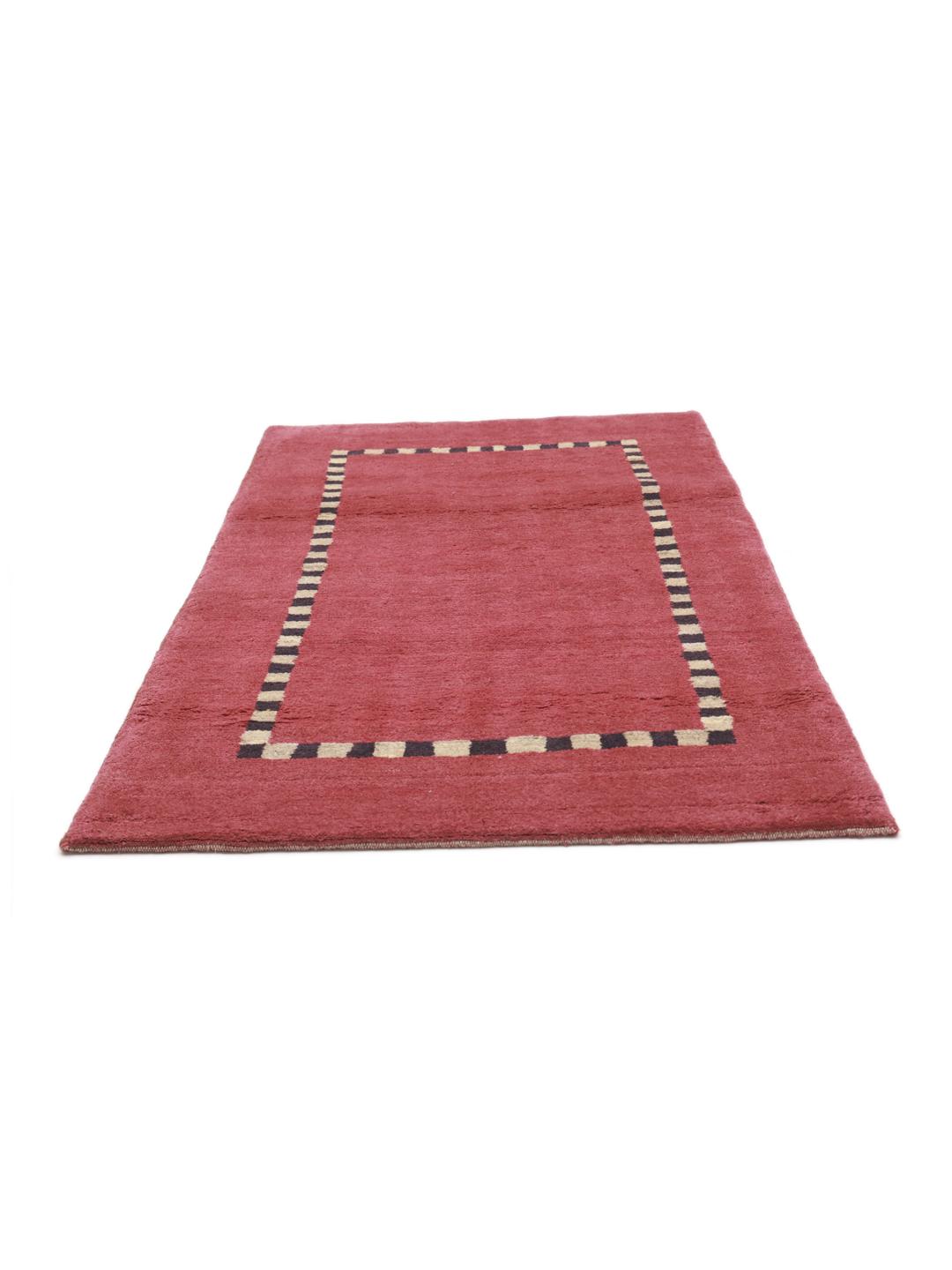
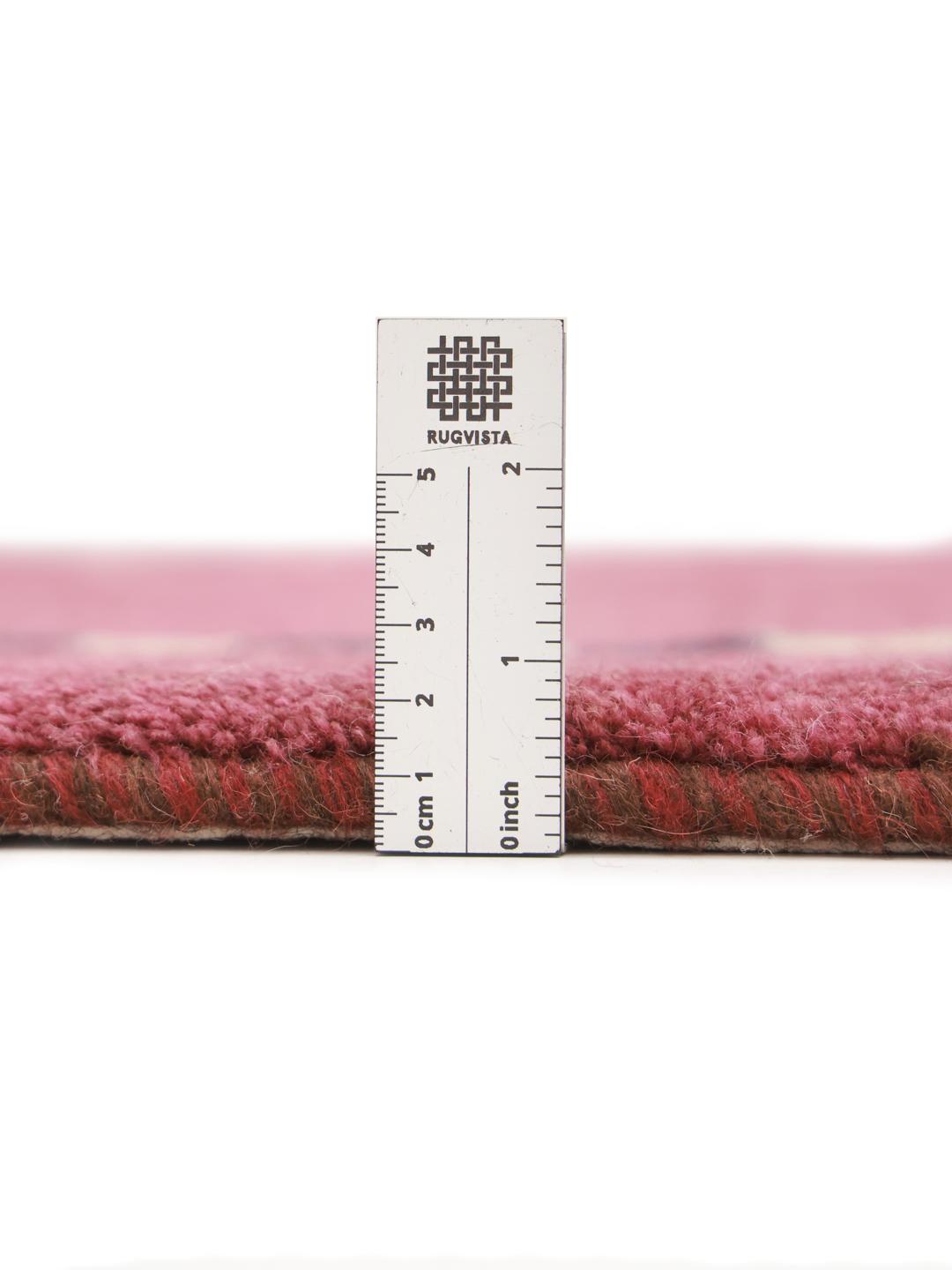
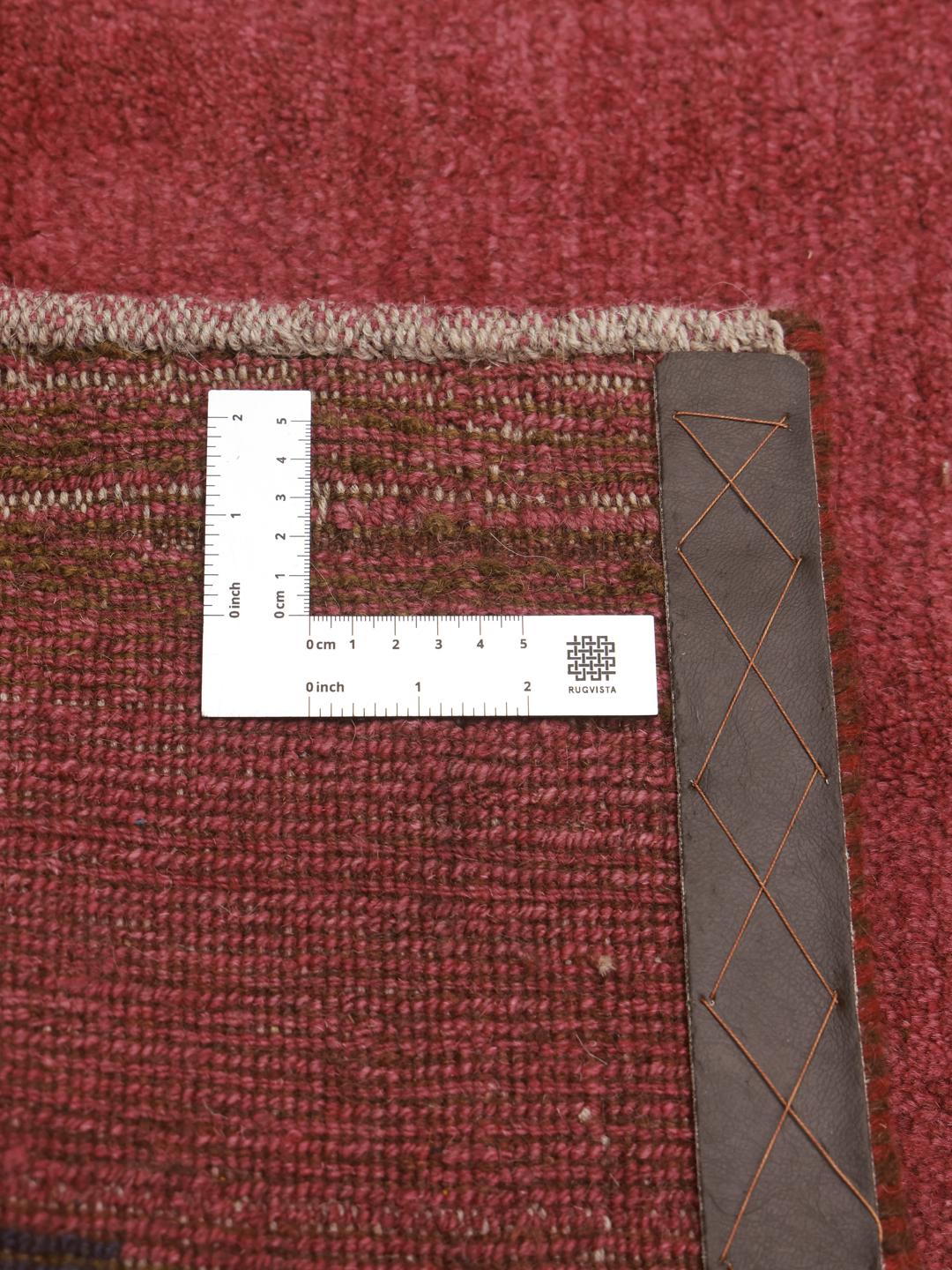
Gabbeh rugs originate from the tribal traditions of the Middle East, where they were traditionally woven by nomadic groups for their own personal use. Unlike formal city rugs, these pieces were designed for warmth and comfort, often serving as thick, protective bedding and floor coverings in harsh climates.
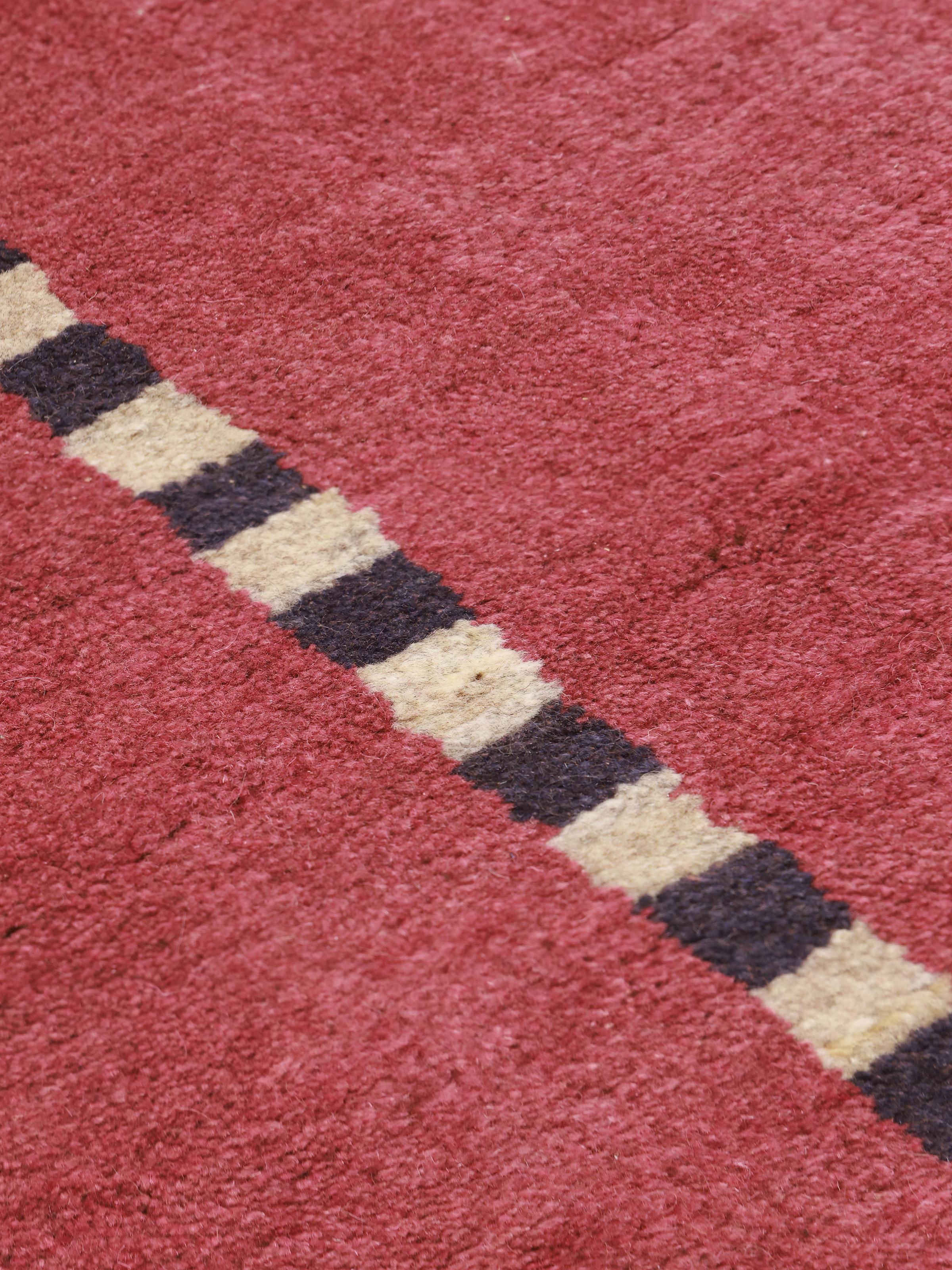
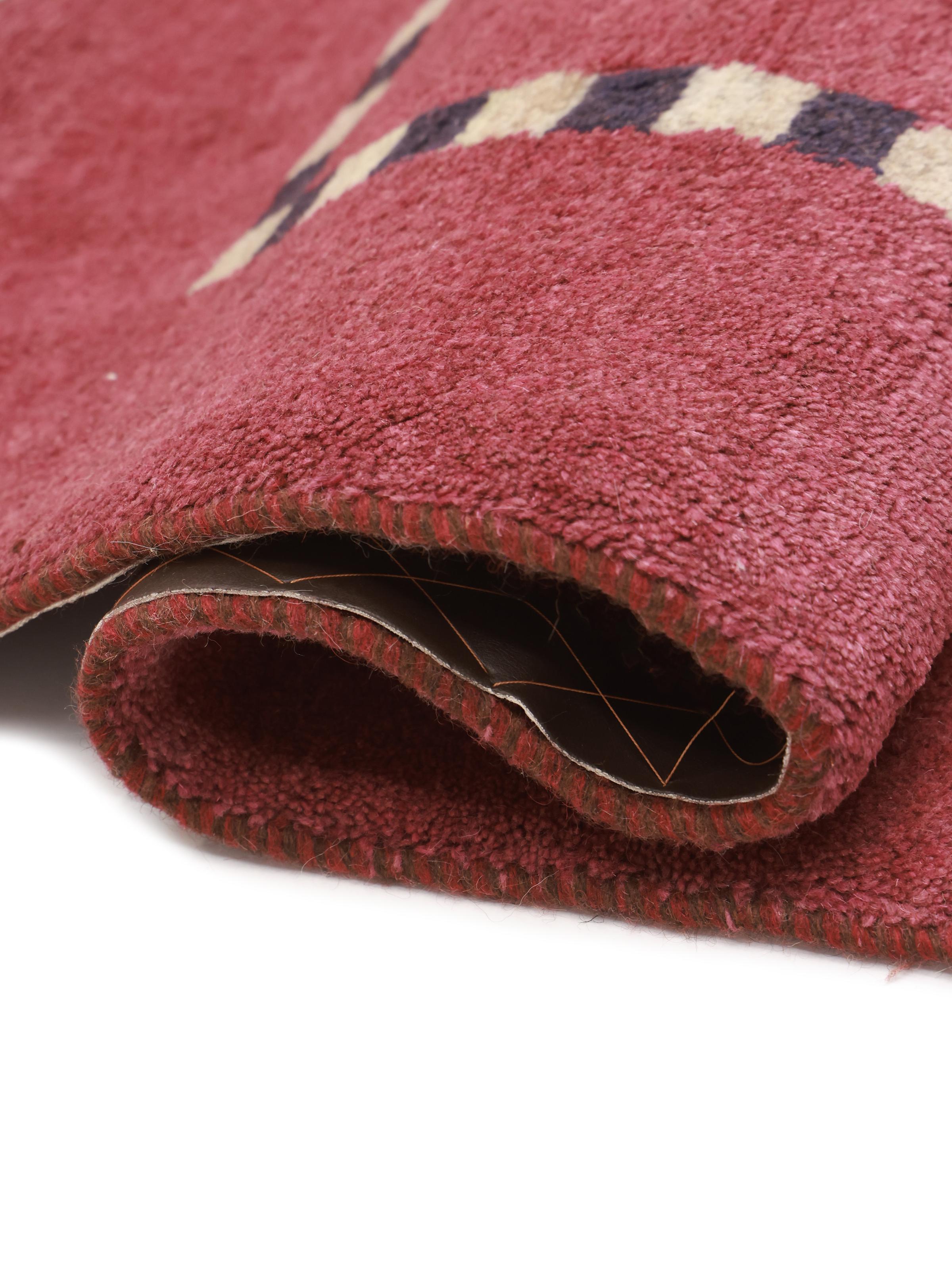
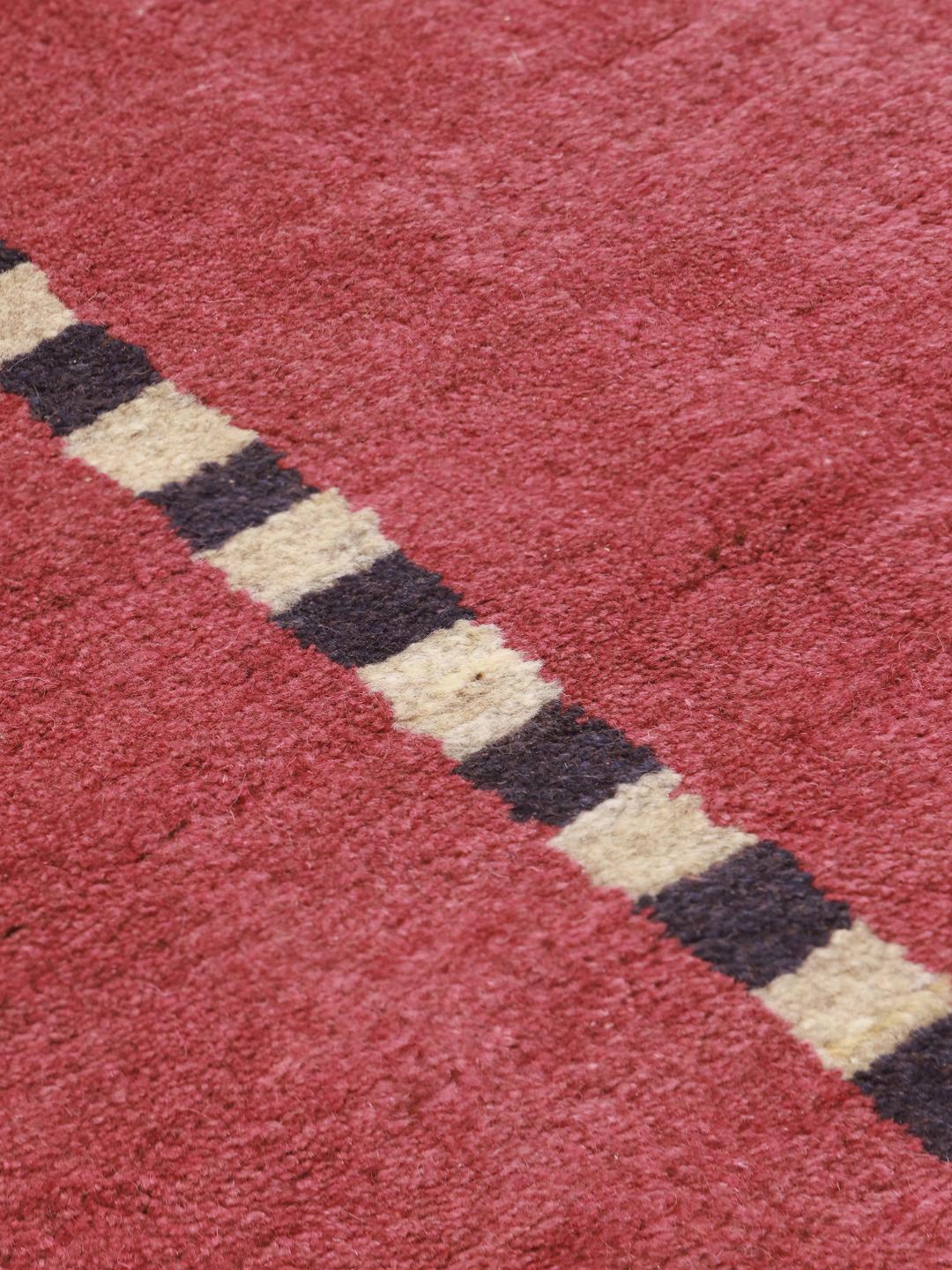
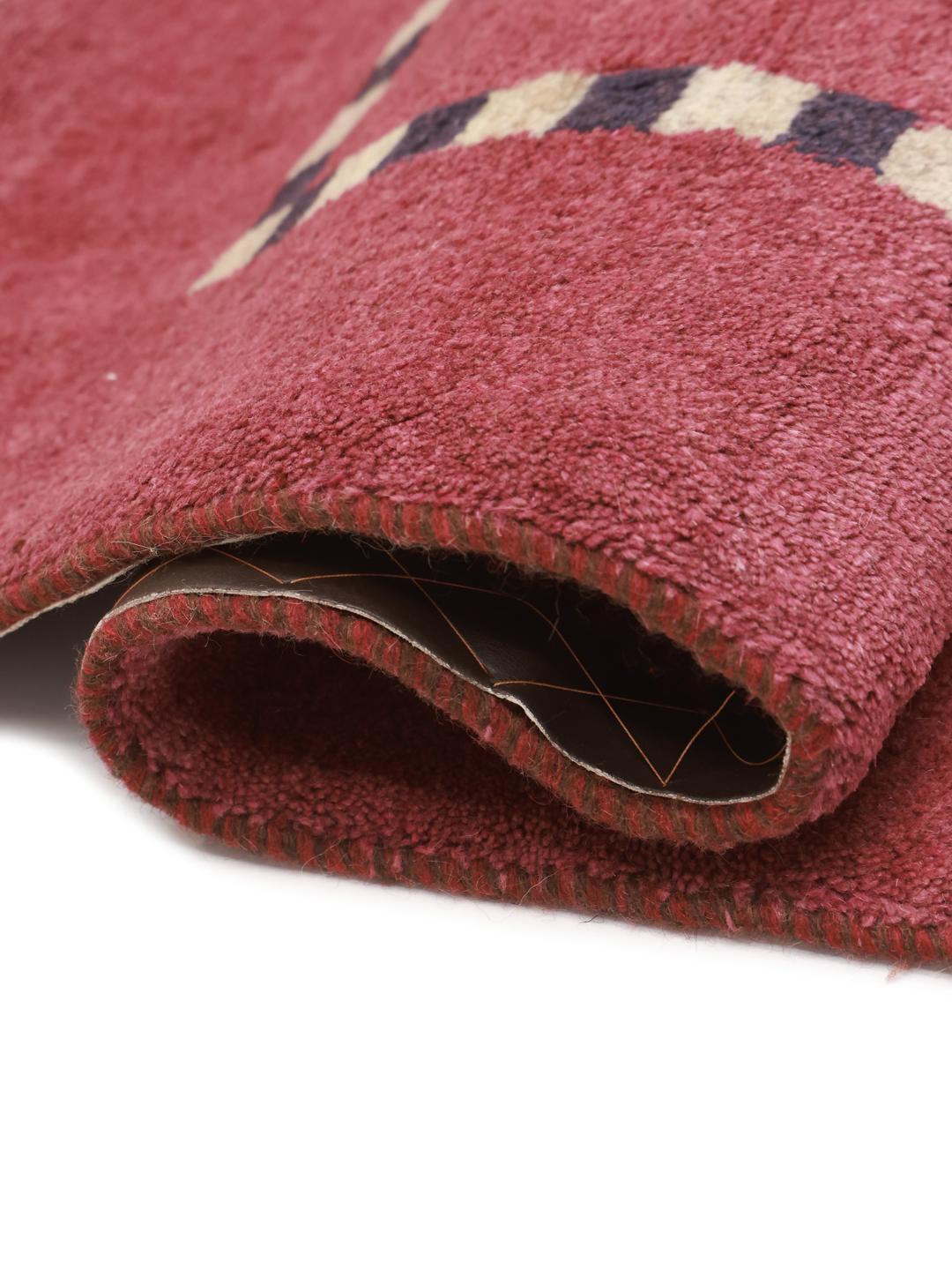
The term Gabbeh itself refers to a 'raw' or 'natural' style, which is reflected in their characteristically thick, plush pile and simple, bold aesthetic. The construction often uses a coarser knotting technique compared to city rugs, which results in a soft, heavy, and very inviting surface that has become highly sought after by collectors worldwide.
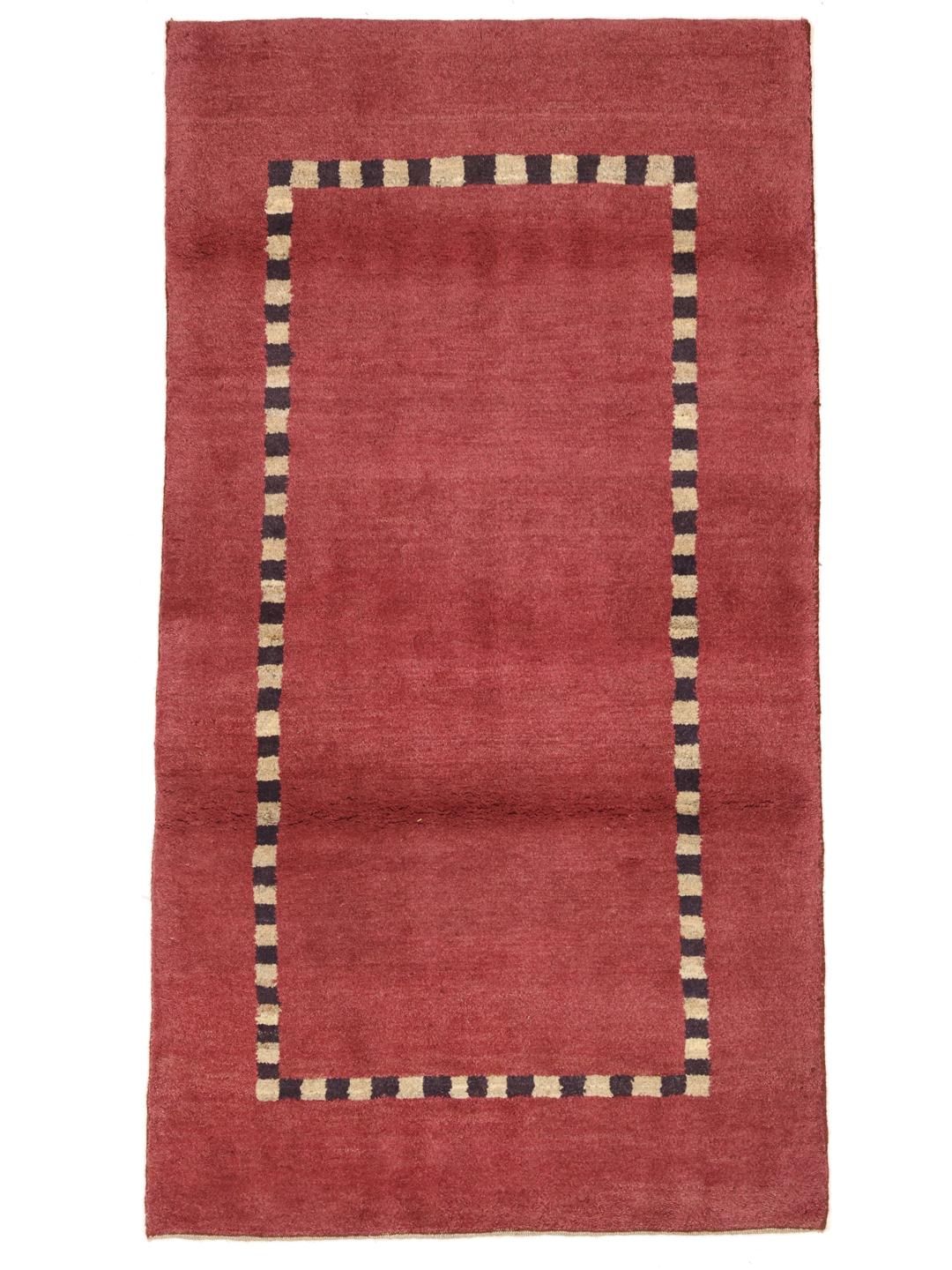
Visually, these rugs are defined by their minimalist approach, often featuring large areas of solid colour or very simplified geometric motifs. They act as a canvas for the weaver's creativity, often incorporating symbolic shapes or patterns that tell stories of the natural world or the weaver's own experiences, all rendered in vibrant, natural dyes.
Owning a Gabbeh today is an opportunity to possess a piece of living history. These rugs are highly valued for their honest, unpretentious beauty and the immense skill required to produce them. They represent a bridge between the ancient nomadic life and modern home design, offering a timeless sense of groundedness and cultural depth.