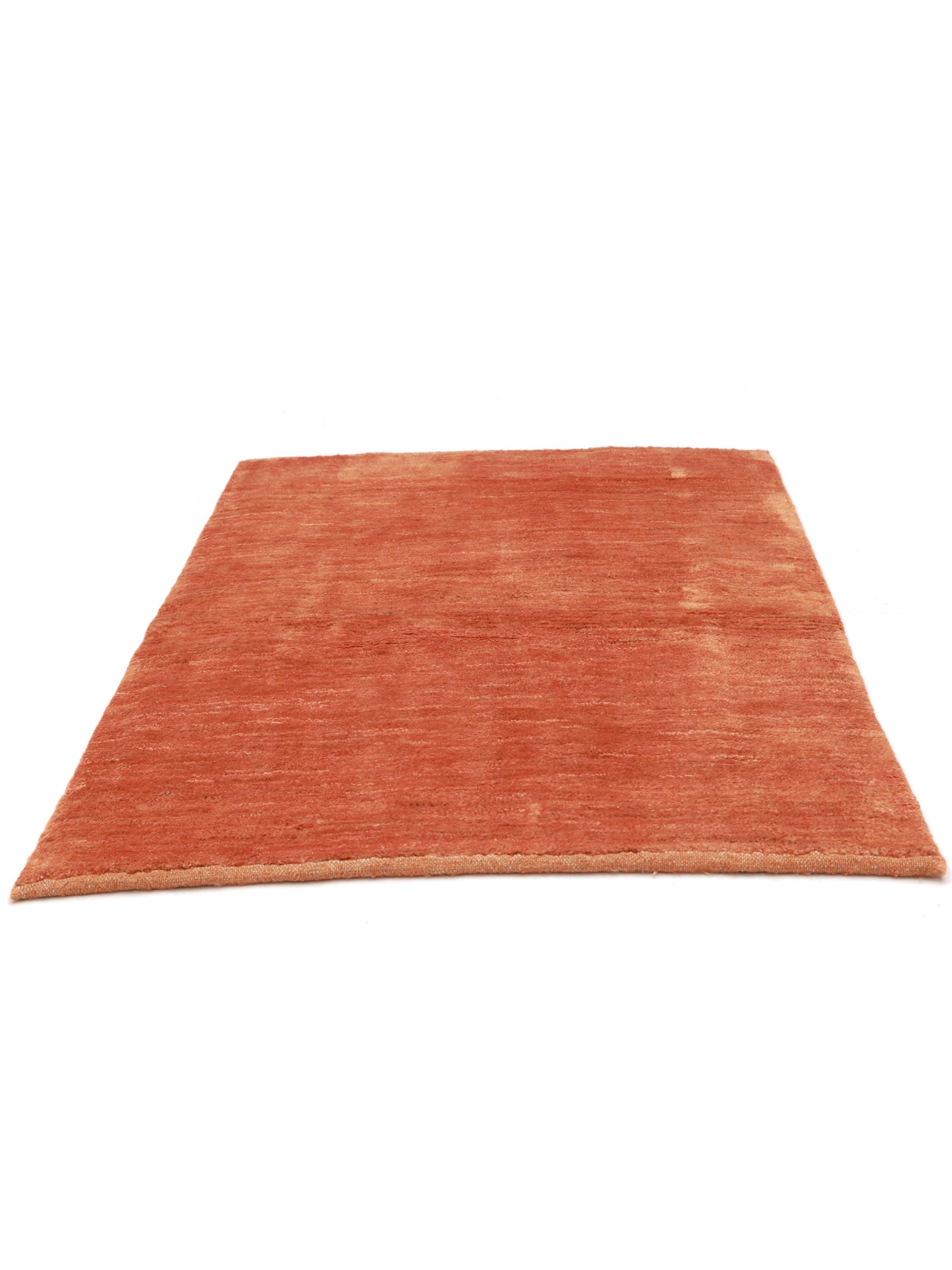
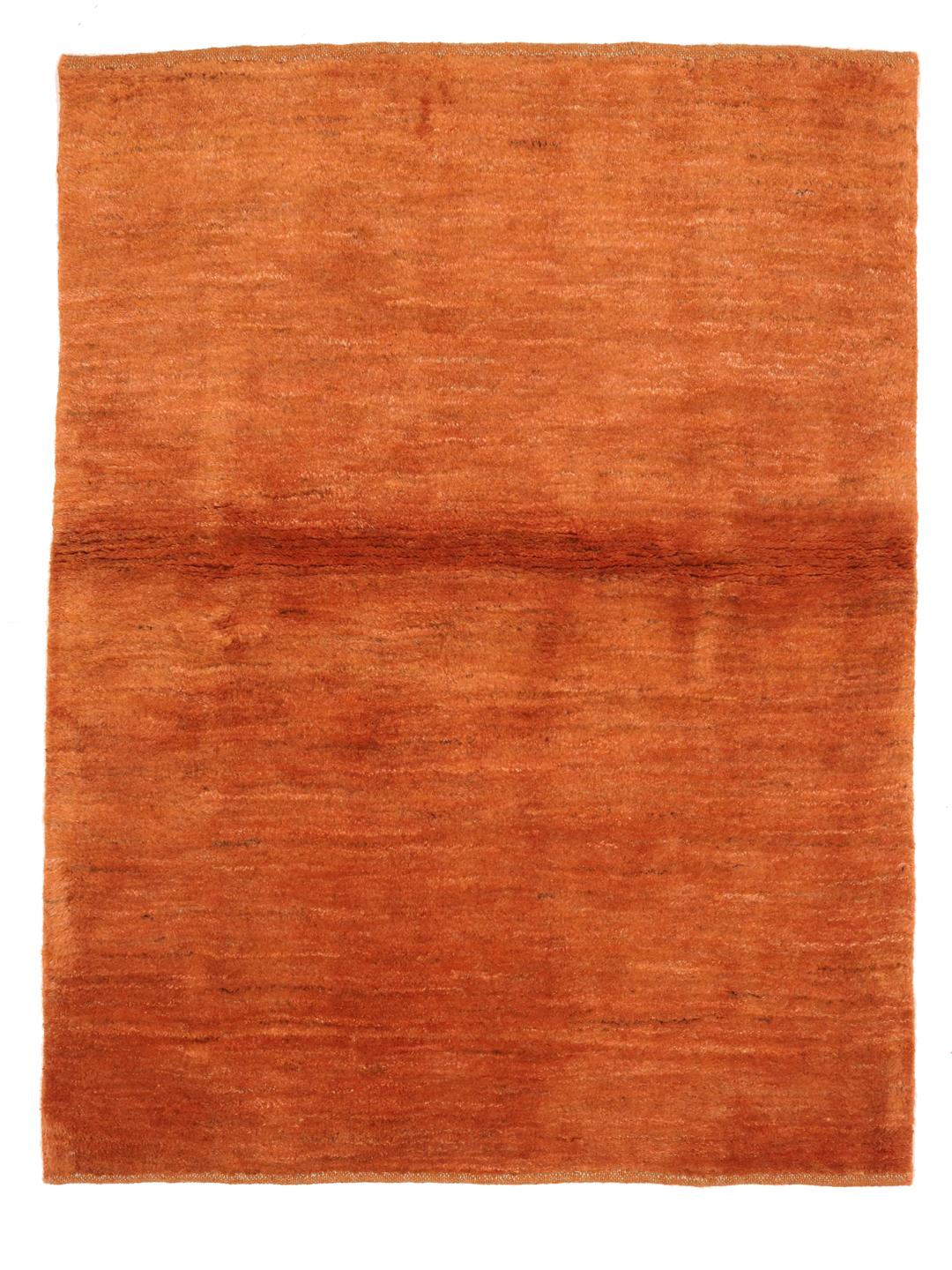
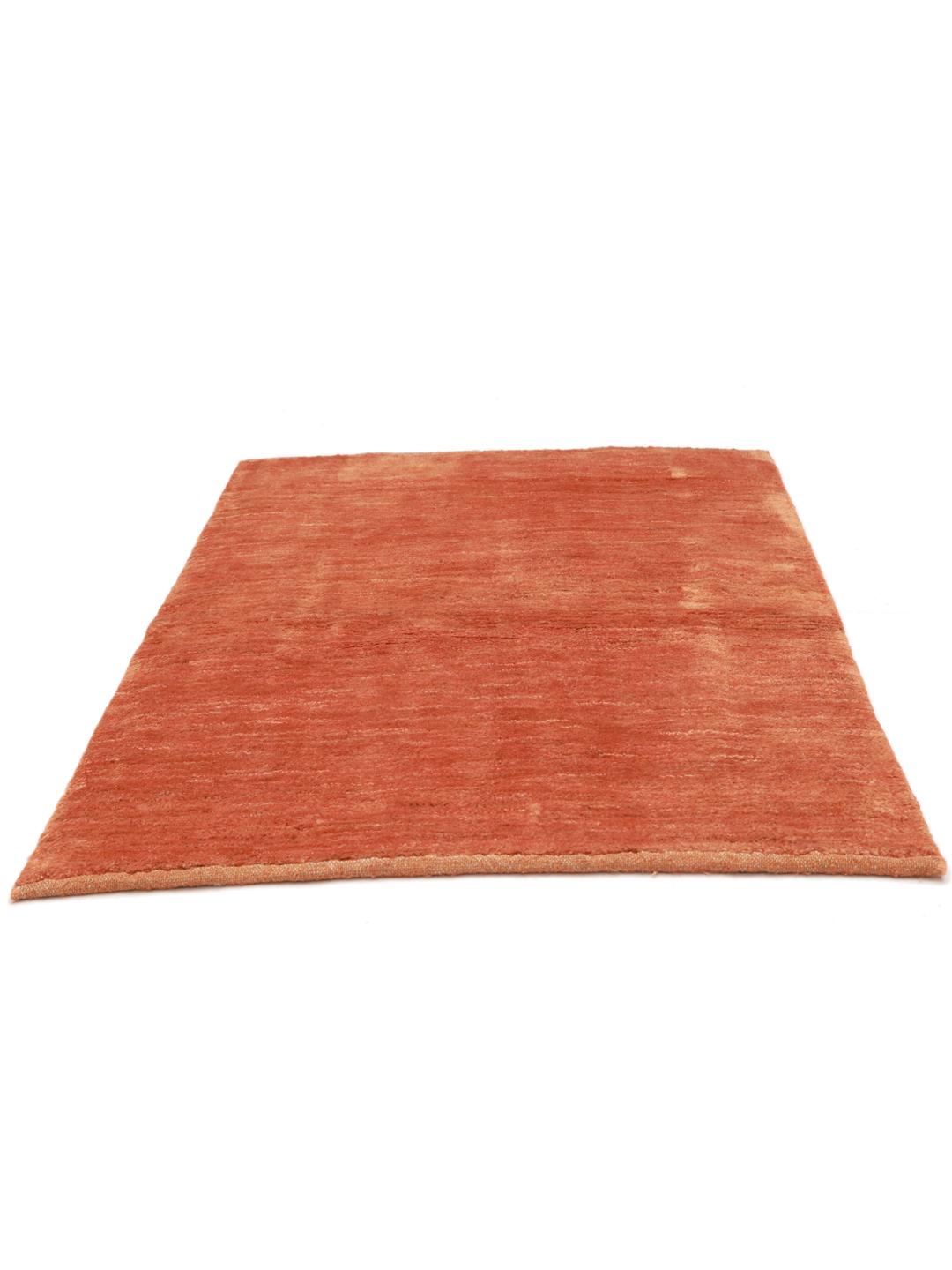
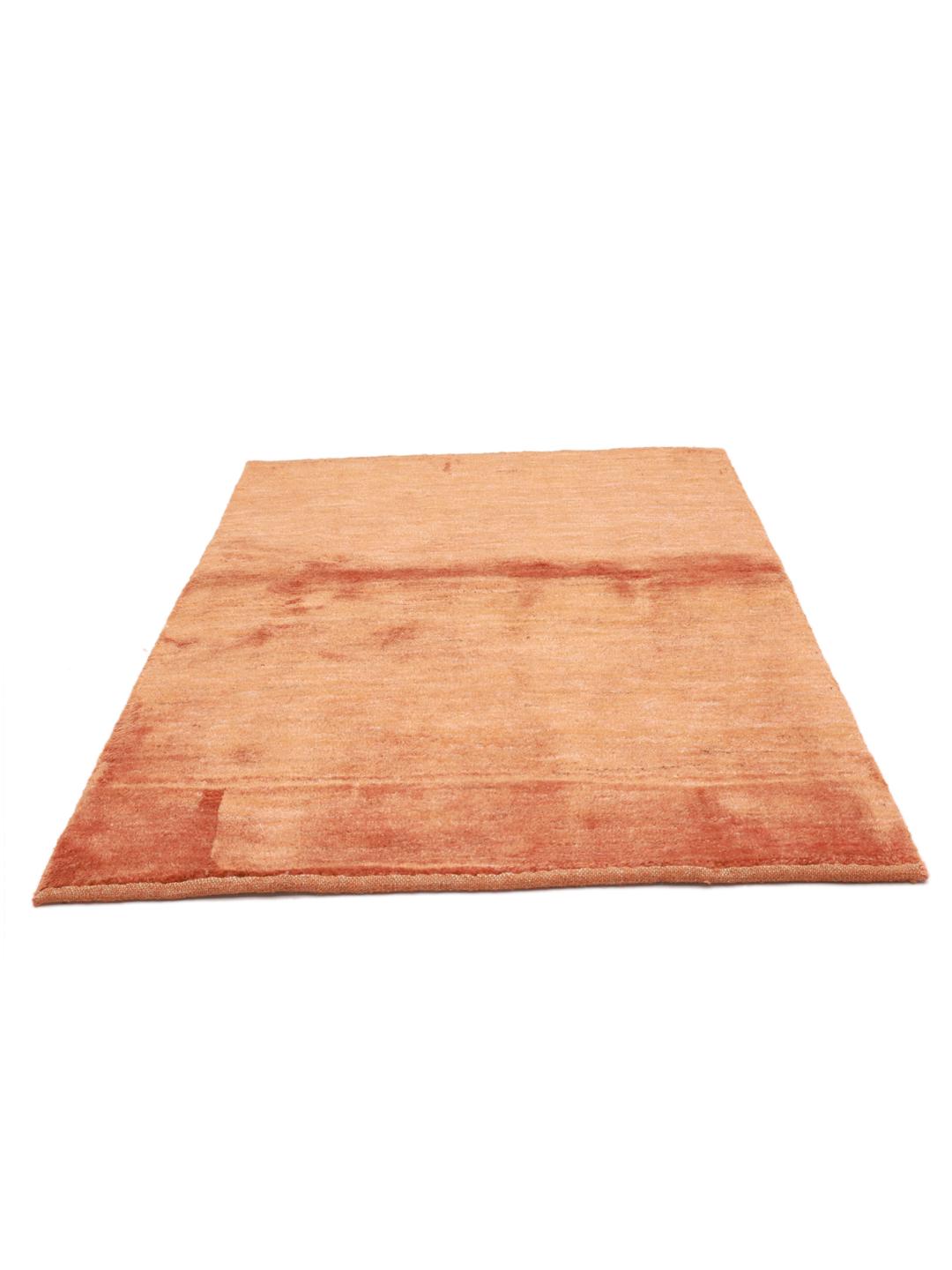
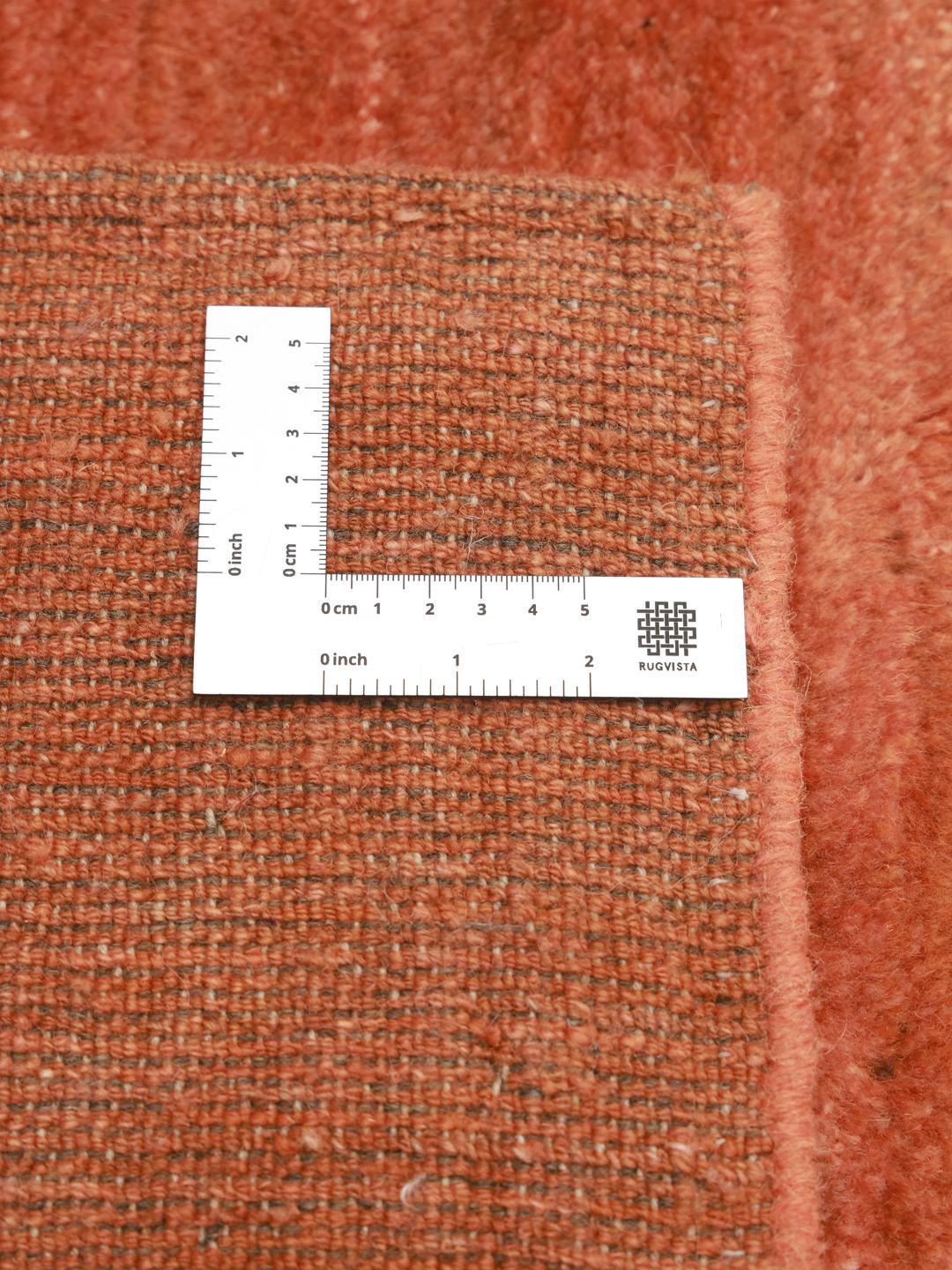
Gabbeh rugs were originally woven by nomadic tribal weavers across the Middle East for everyday family use. Designed primarily as thick sleeping mats and floor covers, these rugs prioritised comfort, warmth, and heavy construction over formal geometric rules, resulting in a rich traditional craft.
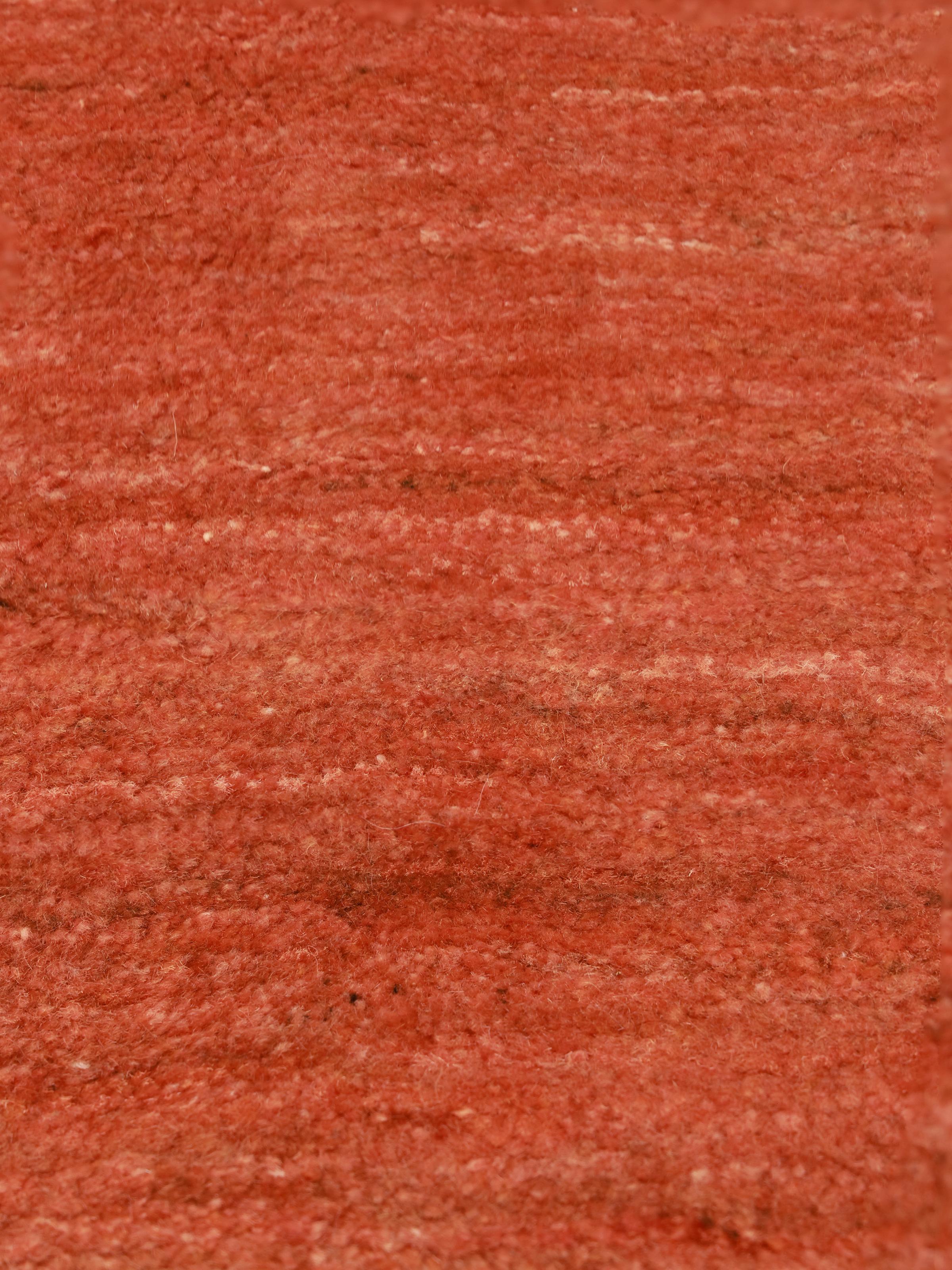
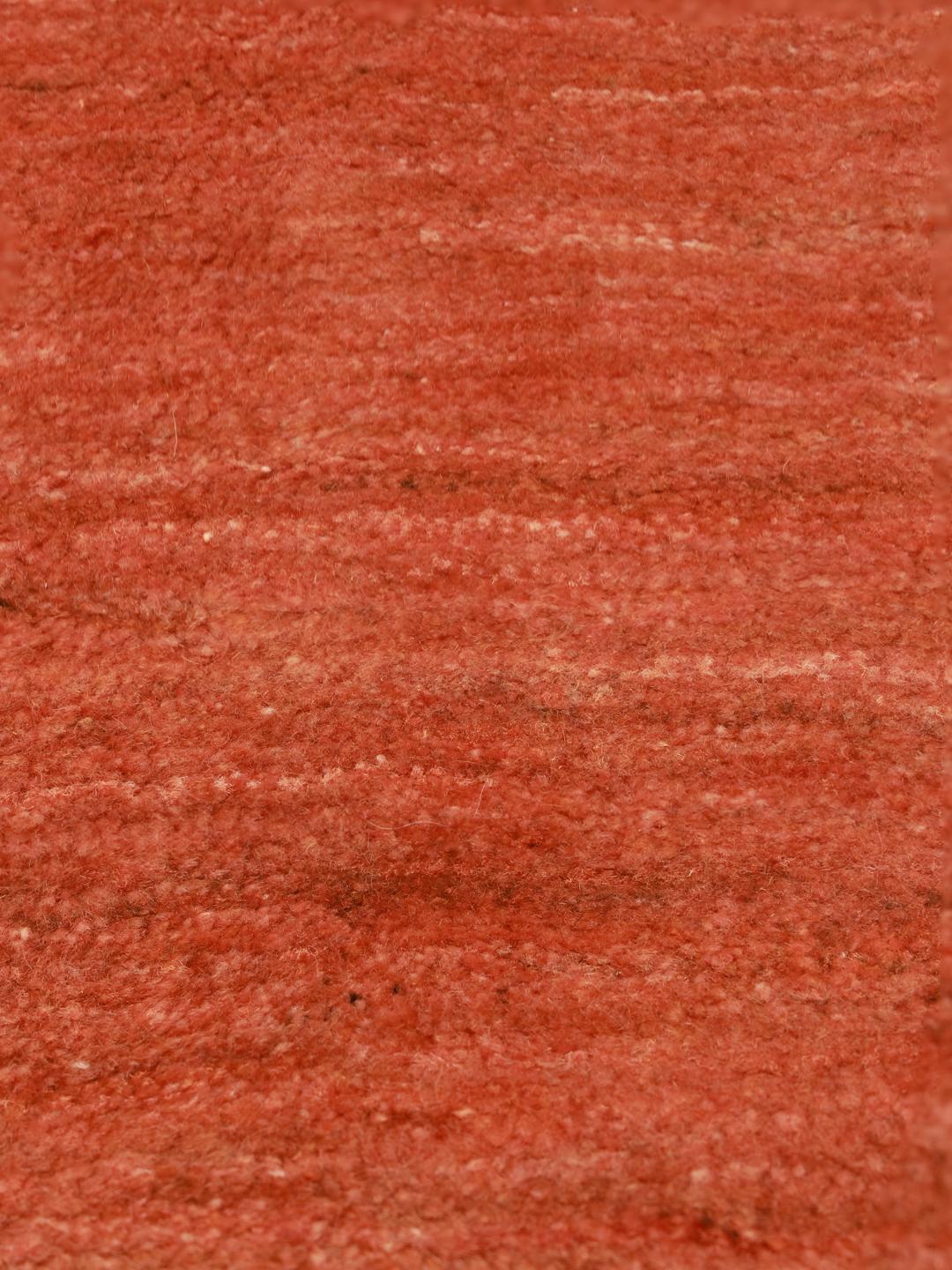
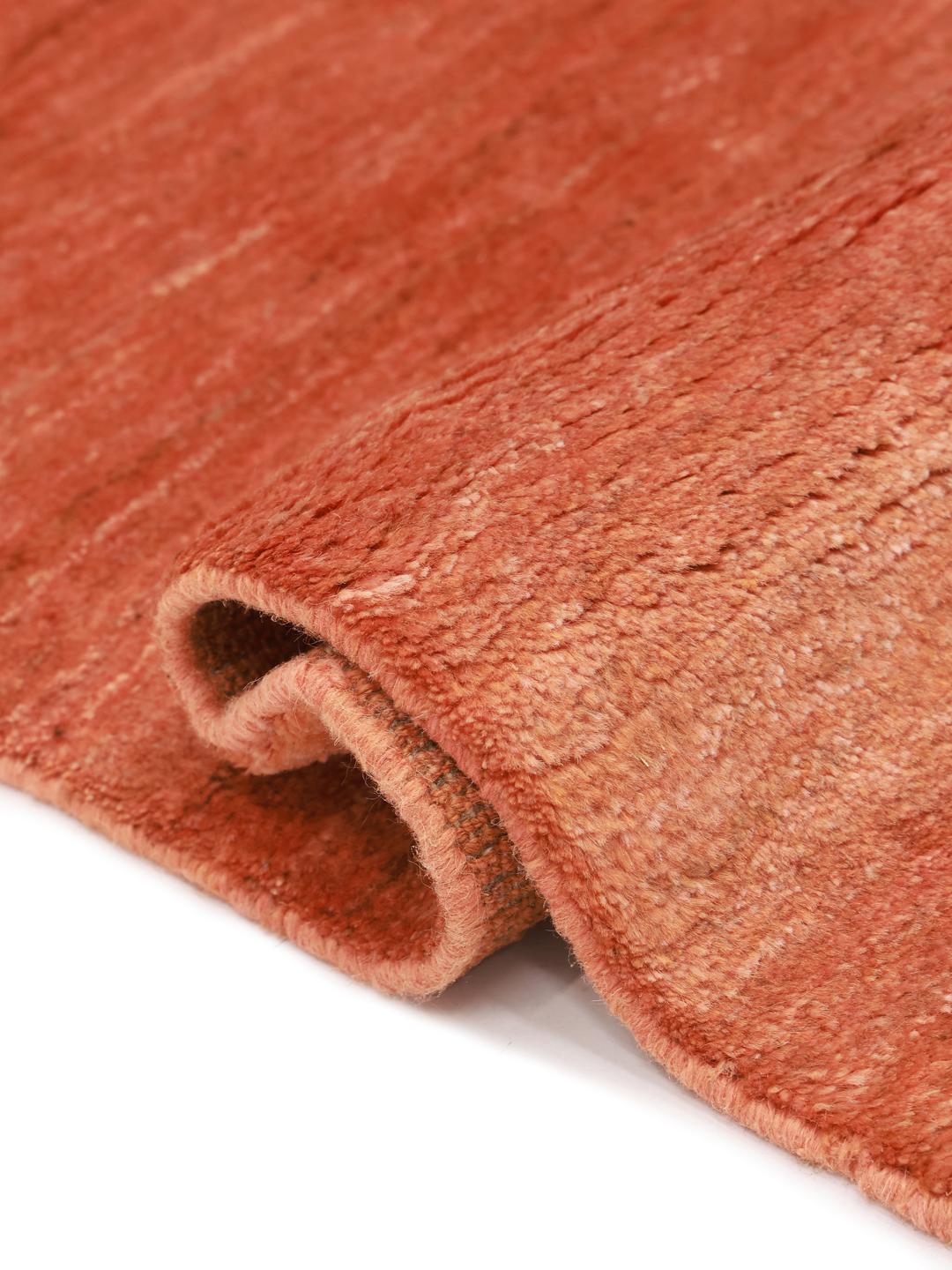
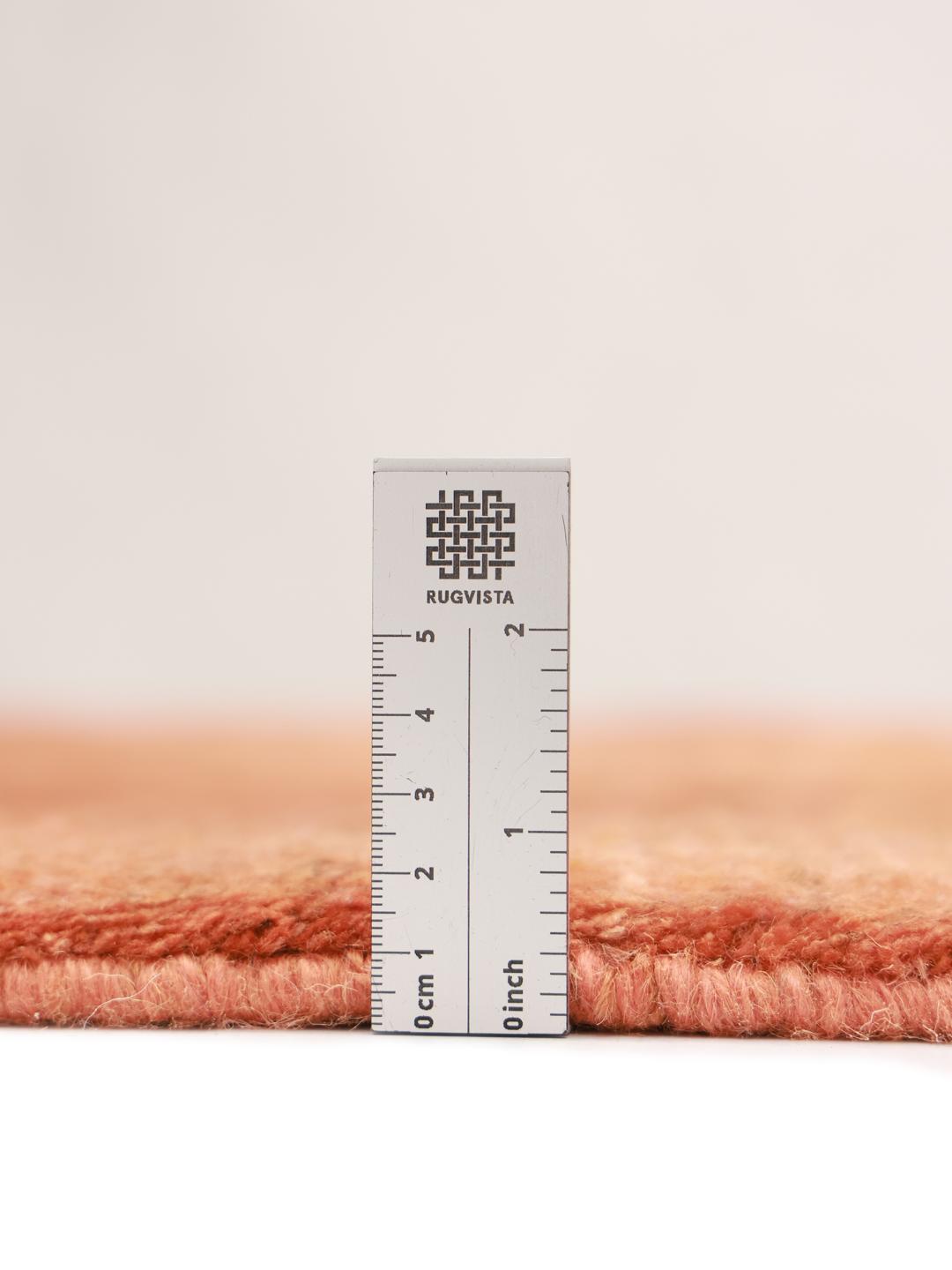
The term Gabbeh translates roughly to raw, natural, or unclipped in Persian, referencing the rug's characteristically thick, plush pile. Historically, weavers used locally sourced wool and natural vegetable dyes, leading to the simple, expressive fields of color and subtle tonal shifts known as abrash.
Unlike formal urban rugs with intricate central medallions, traditional Gabbeh design relies on minimalist composition, open fields, or small rustic motifs. The minimalist aesthetic allows the natural texture and rich chromatic depth of the dyed wool to serve as the primary visual element.
Today, traditional Gabbeh weaving has expanded into renown regional craft hubs like Pakistan, where artisans maintain these heritage knotting techniques. Their soft texture, plain modern appeal, and lasting durability have made Gabbeh rugs highly prized by interior design enthusiasts worldwide.