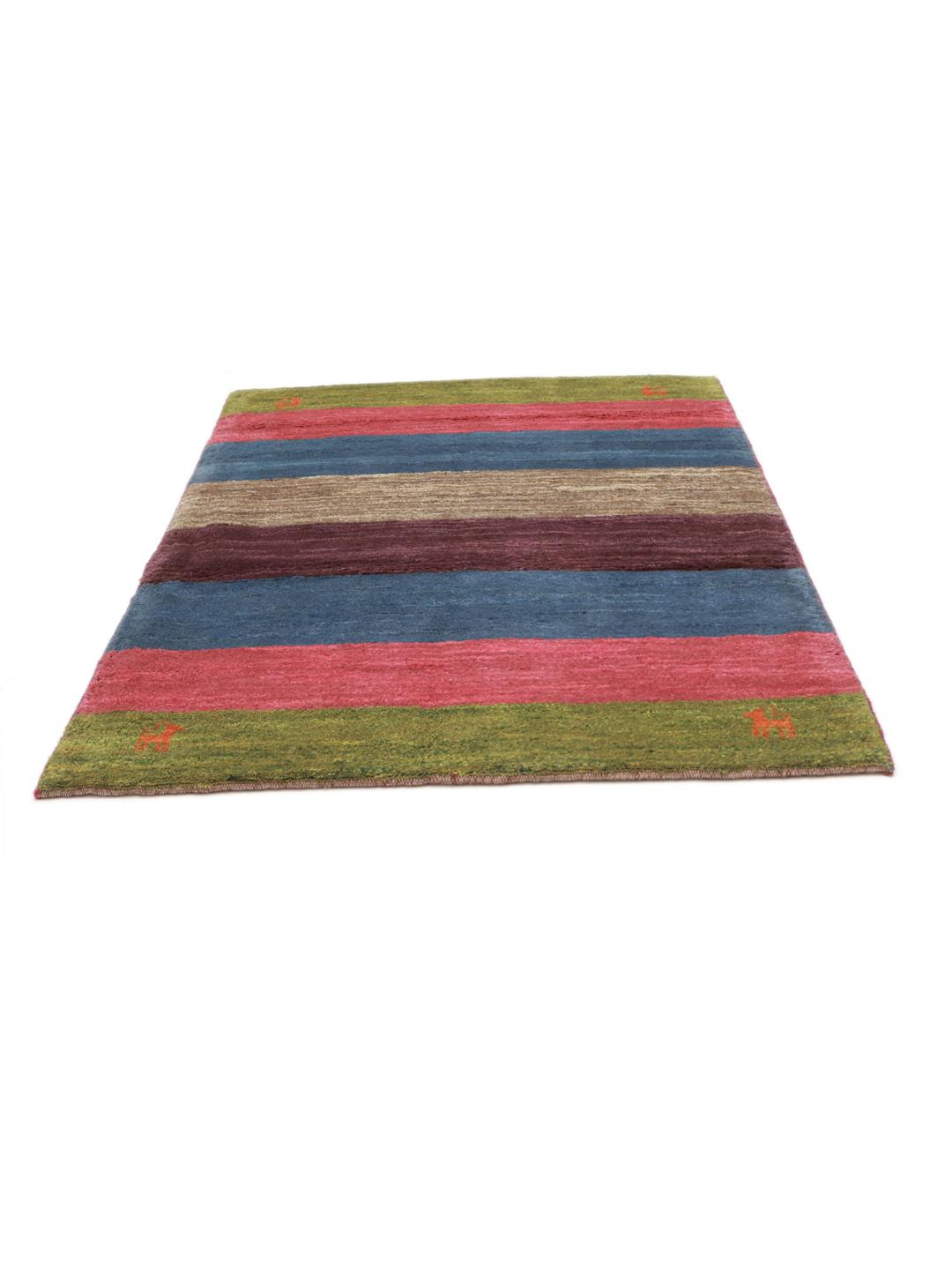
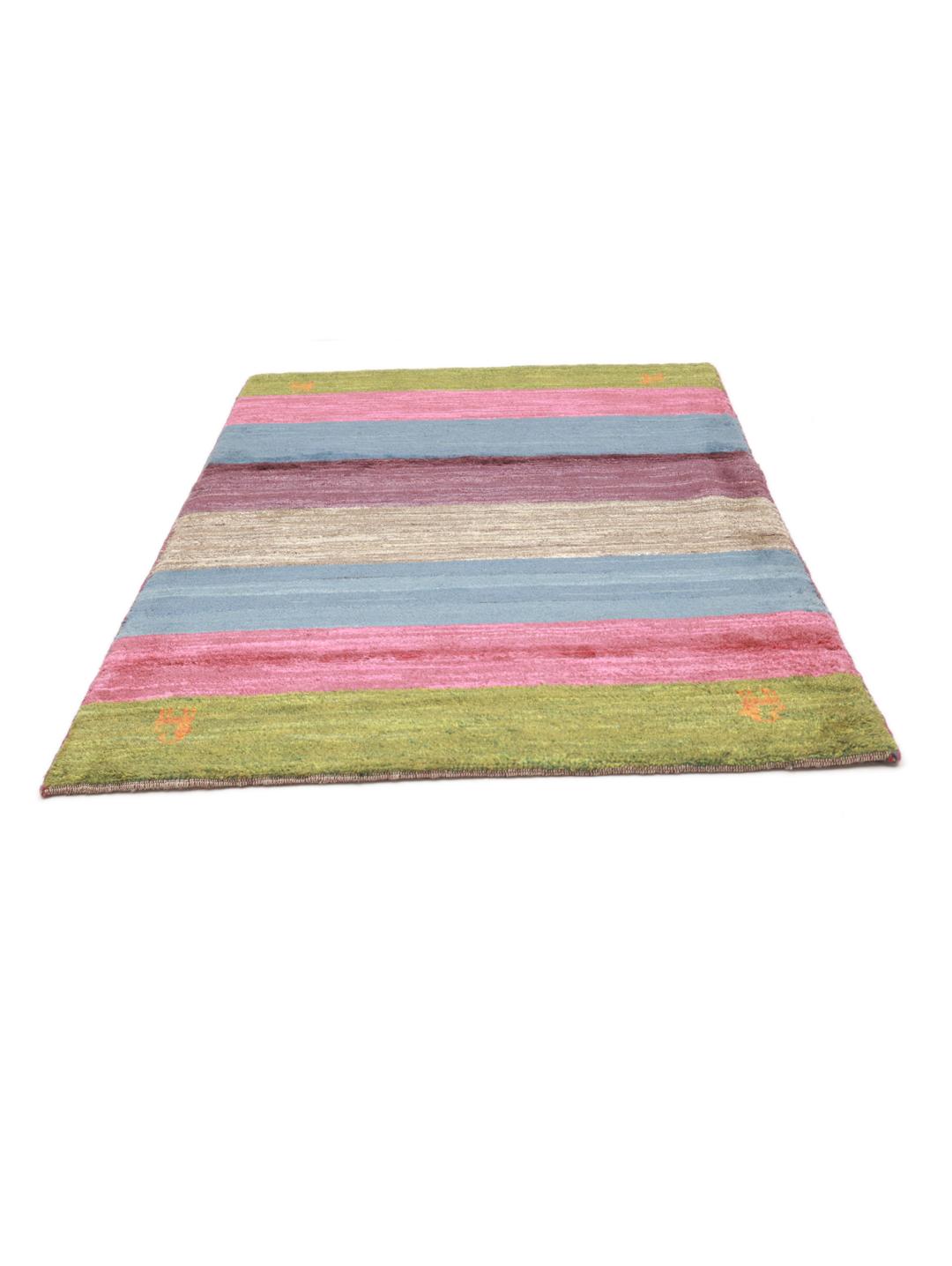
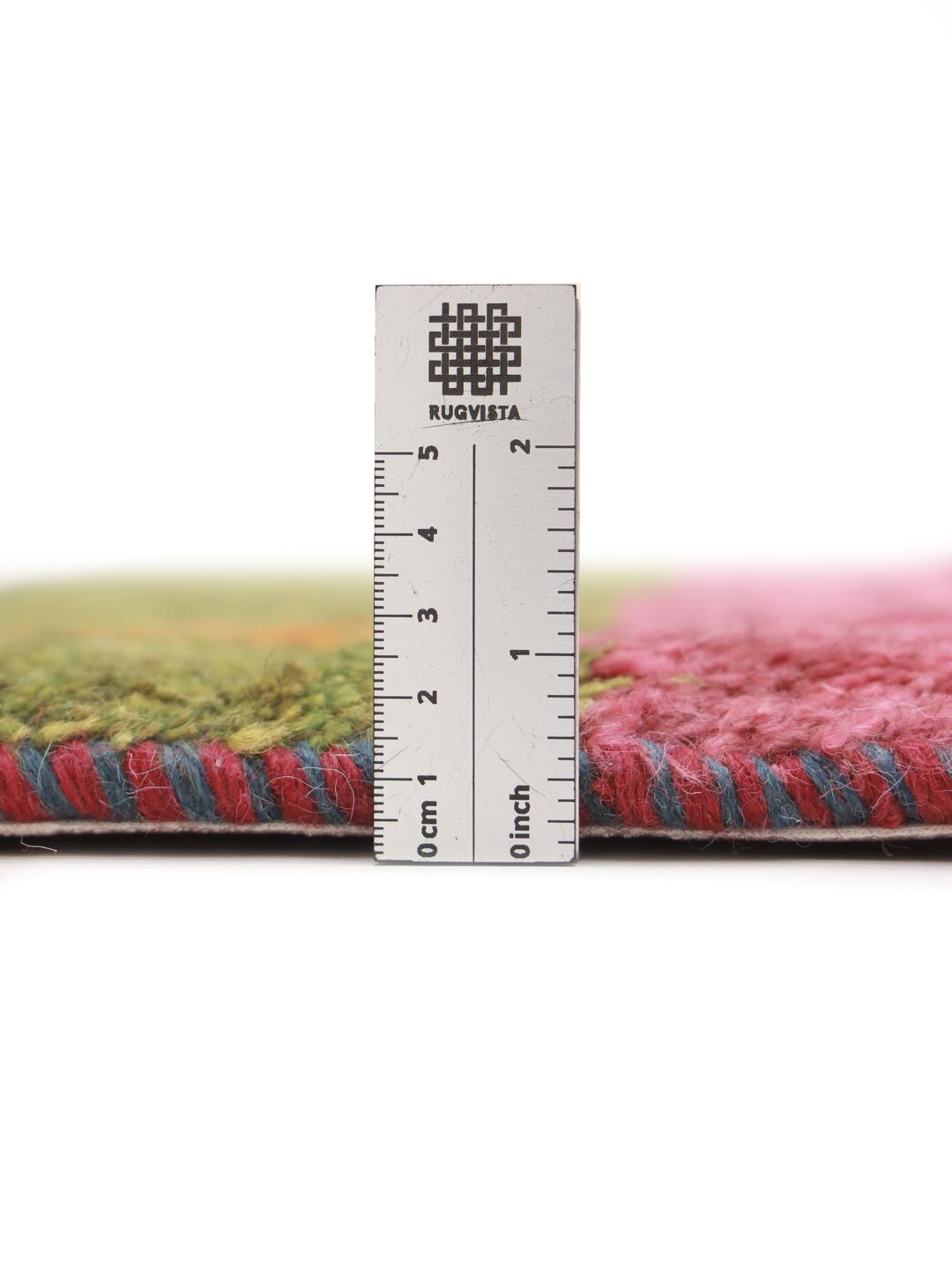
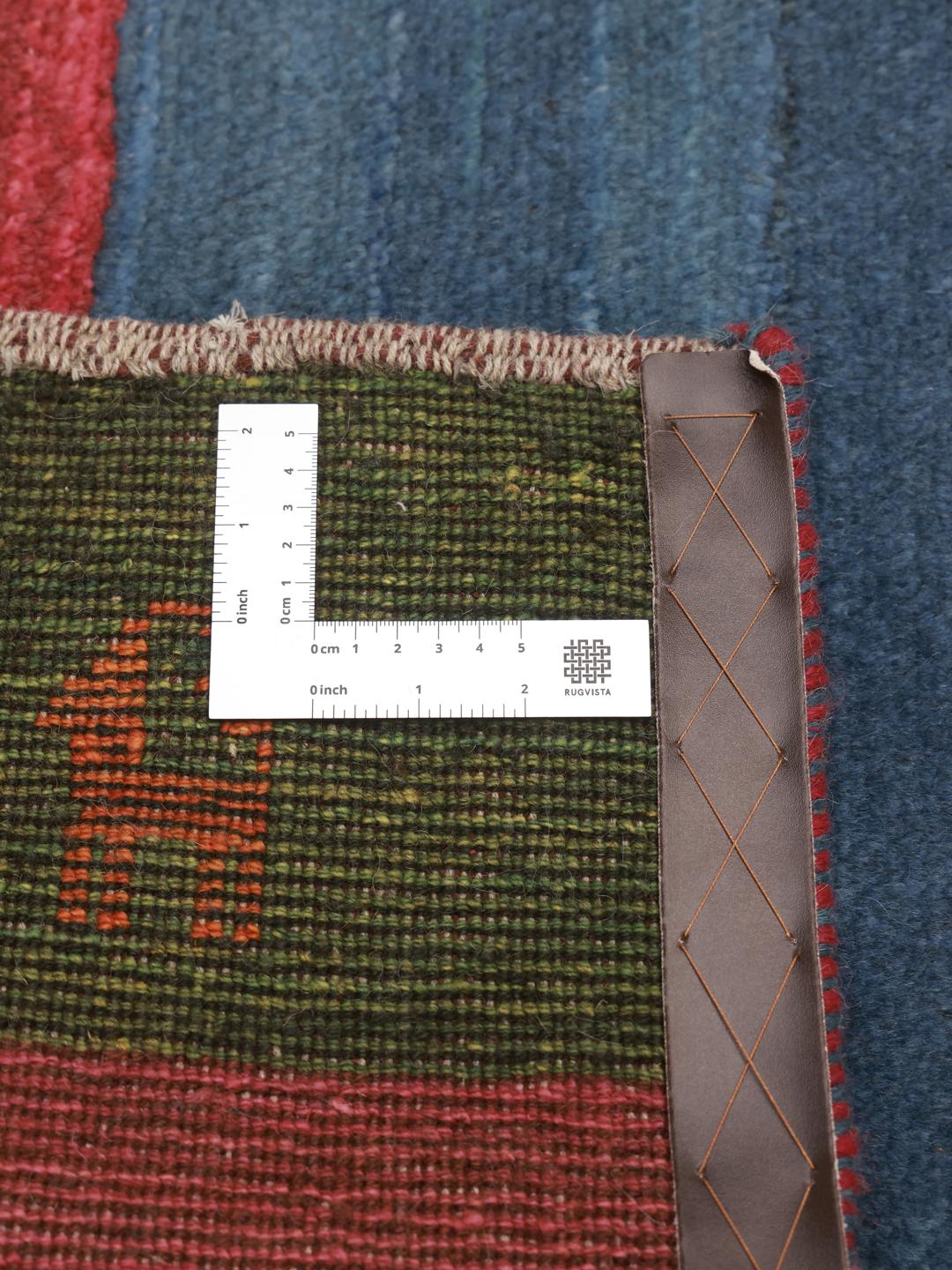
The Gabbeh tradition originates from the nomadic tribes of the Middle Eastern regions, where these rugs were originally crafted for personal use rather than for trade. These rugs are deeply rooted in the daily lives of tribal weavers, who used them as warm, thick bedding and floor coverings to protect against the harsh conditions of their environment.
The term Gabbeh itself implies something raw, natural, or in its most basic form. Unlike formal, highly patterned rugs, these pieces were traditionally defined by their simplicity and the freedom of the weaver to express themselves through bold colour choices and spontaneous, often abstract motifs.
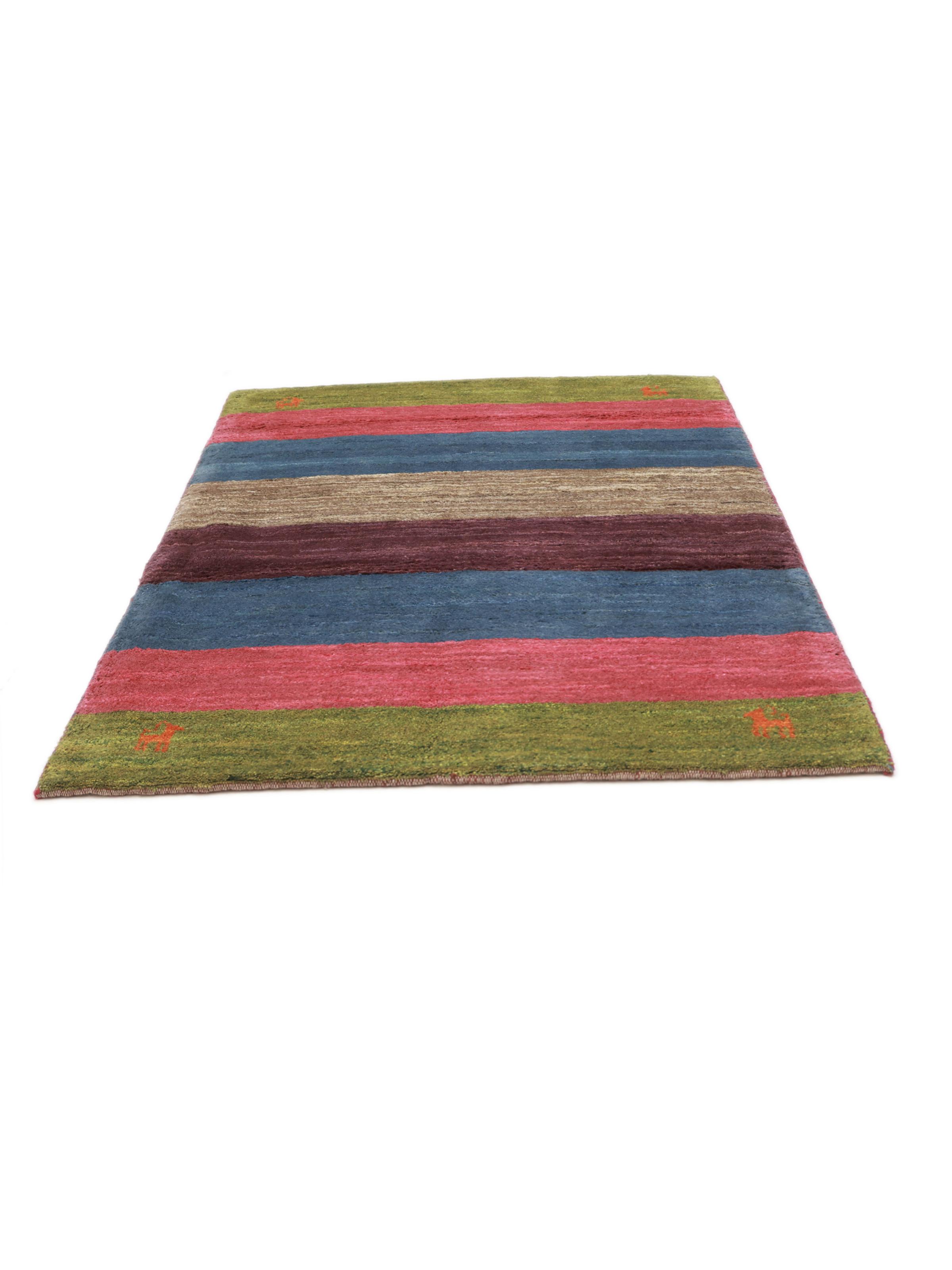
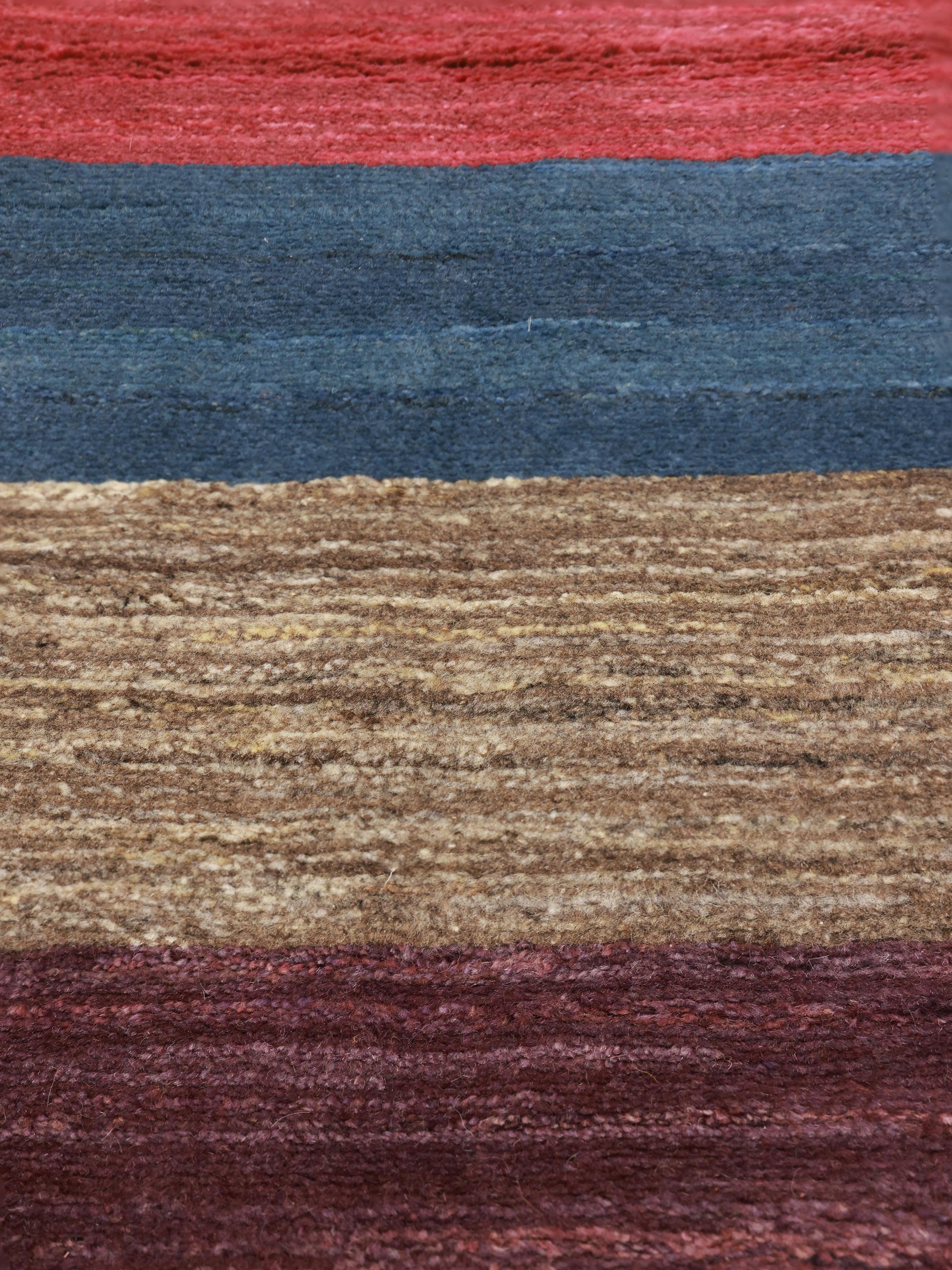
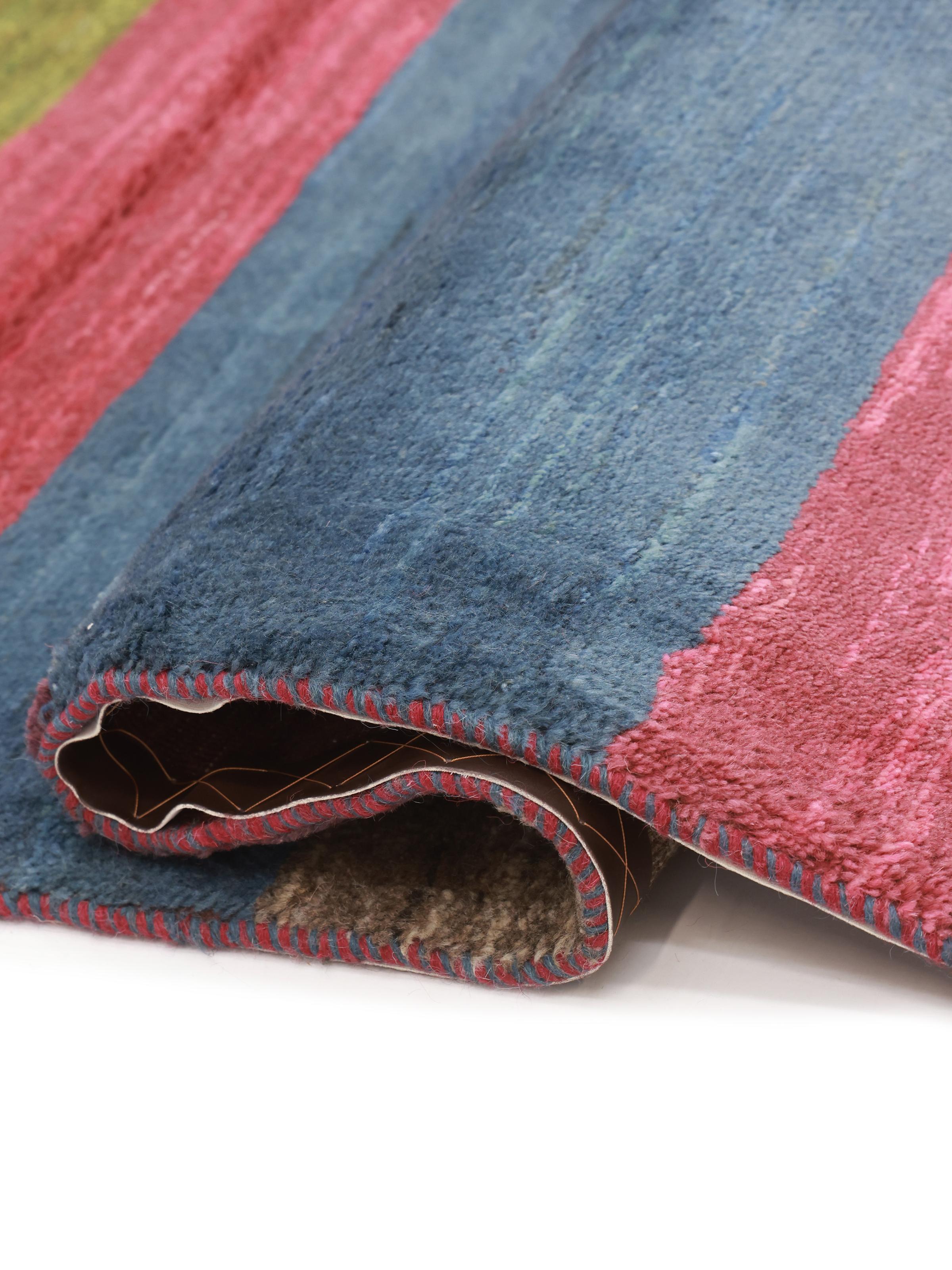
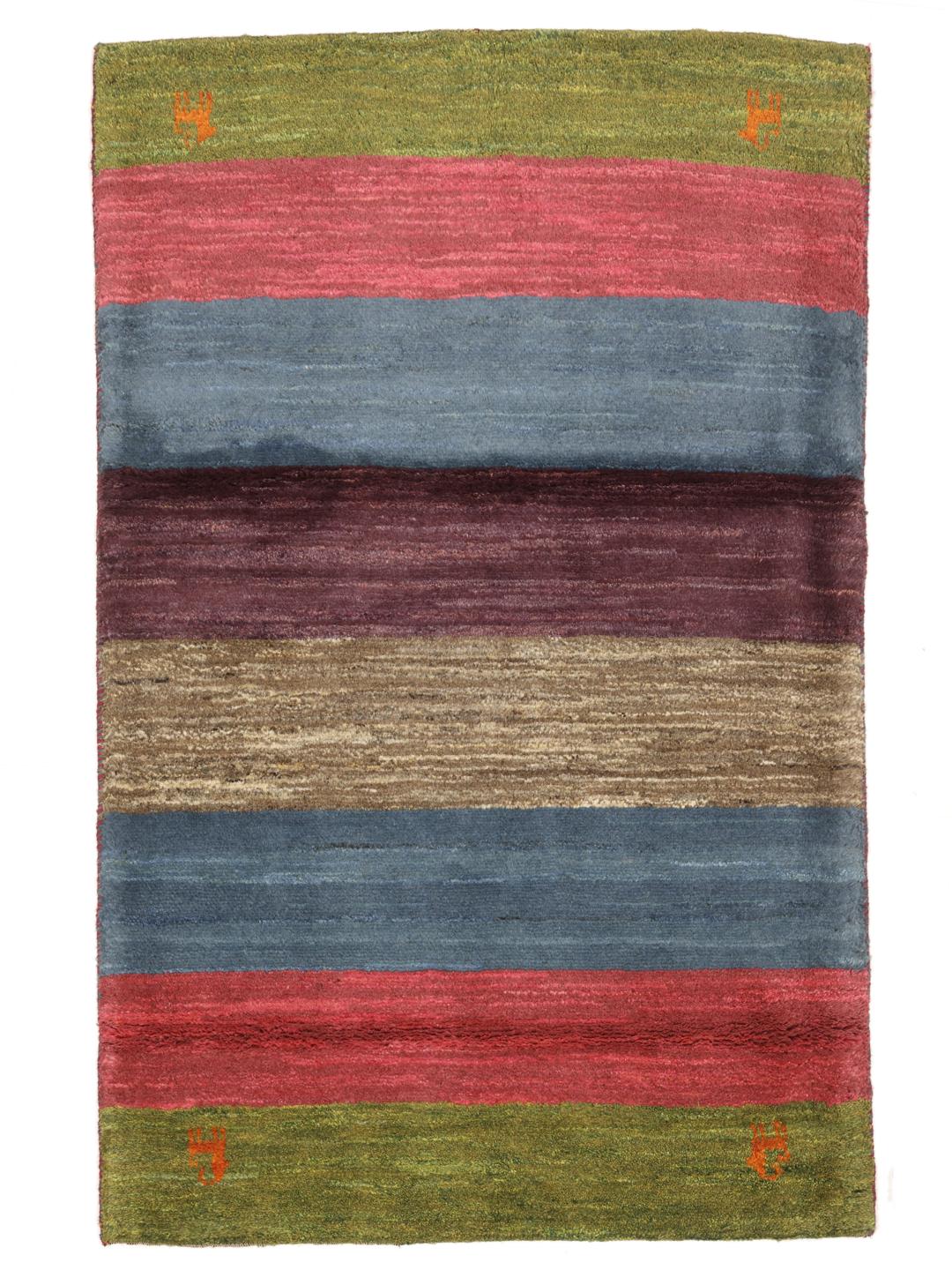
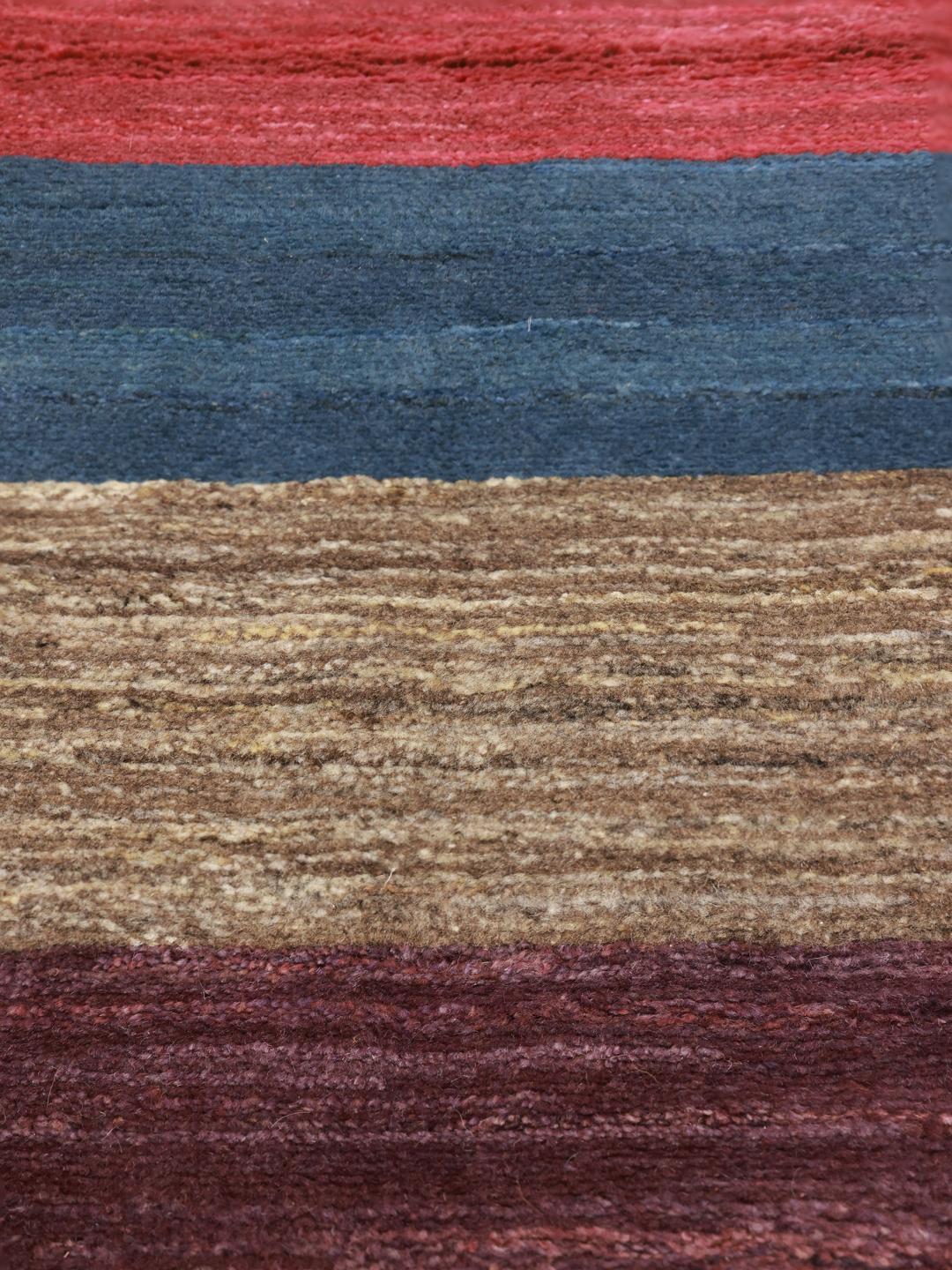
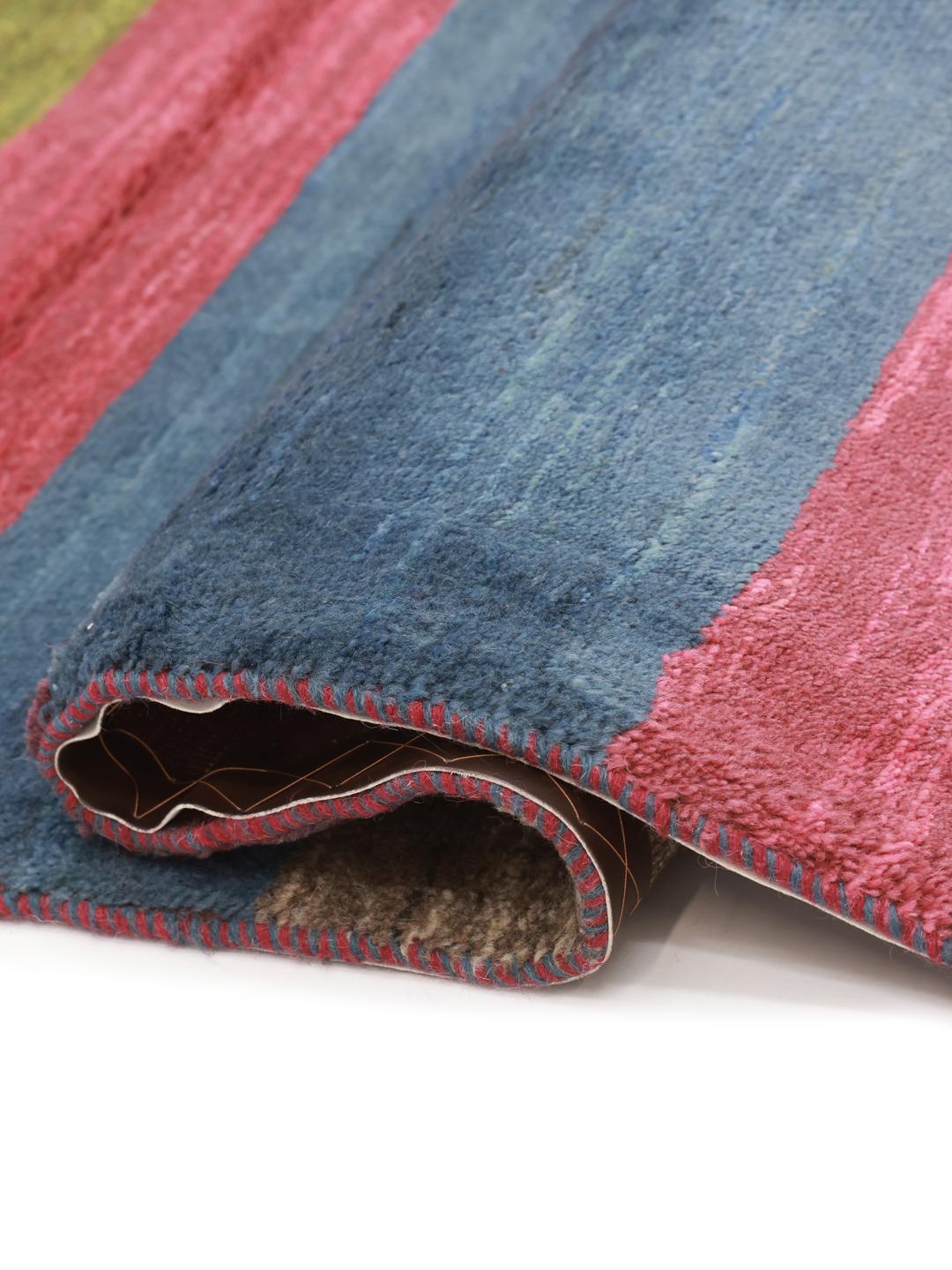
Visually, these rugs are celebrated for their thick pile and open, uncrowded fields. While they often feature simple geometric shapes or representations of local flora and fauna, the true hallmark of a classic Gabbeh is the creative use of undyed or vegetable-dyed Wool to create vibrant, saturated blocks of colour that feel both modern and ancient.
Collecting a rug from this tradition is an investment in human skill and cultural heritage. Because they were created outside of rigid, commercial design constraints, they represent a rare form of artistic independence. Owning one is an opportunity to connect with an enduring craft that values individual expression above all else.