Gabbeh rugs trace their origins to the nomadic tribes of the Middle East, where they were originally crafted for personal use rather than for trade. These rugs were designed to provide warmth and comfort within tents, often serving as bedding or floor coverings during cold winters. The tradition is deeply rooted in the daily lives of these tribes, reflecting a pragmatic yet artistic approach to home textiles.
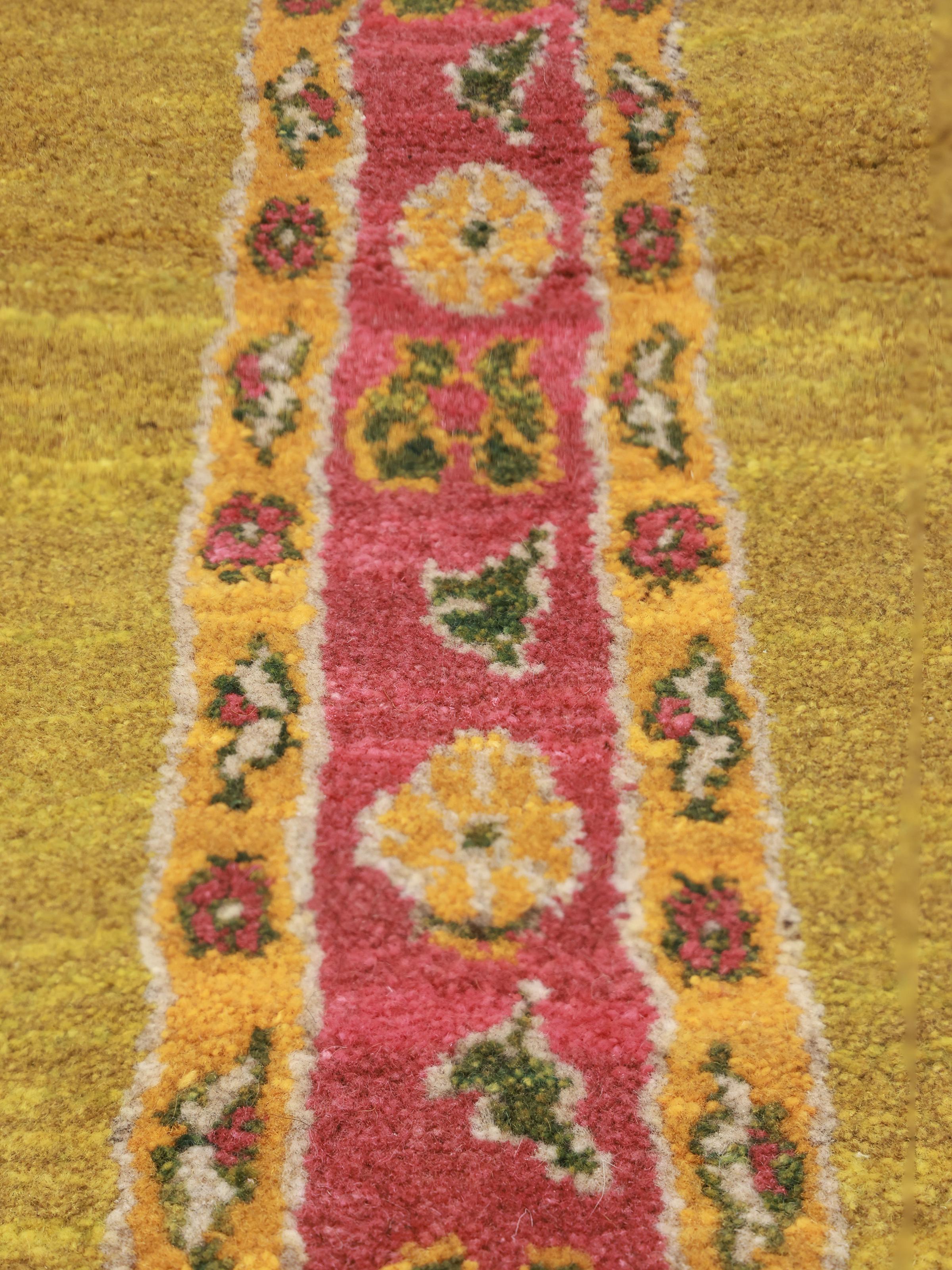
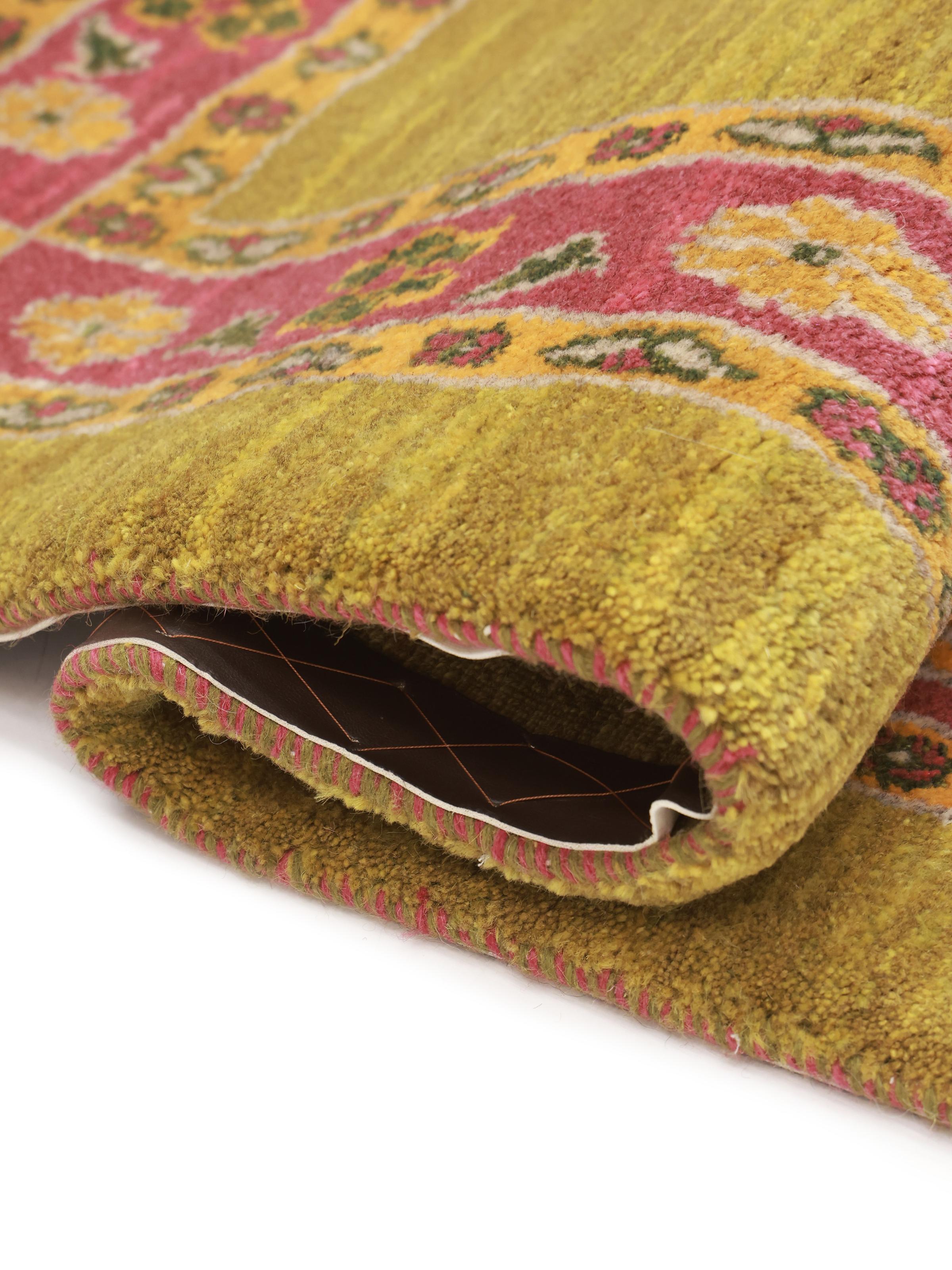
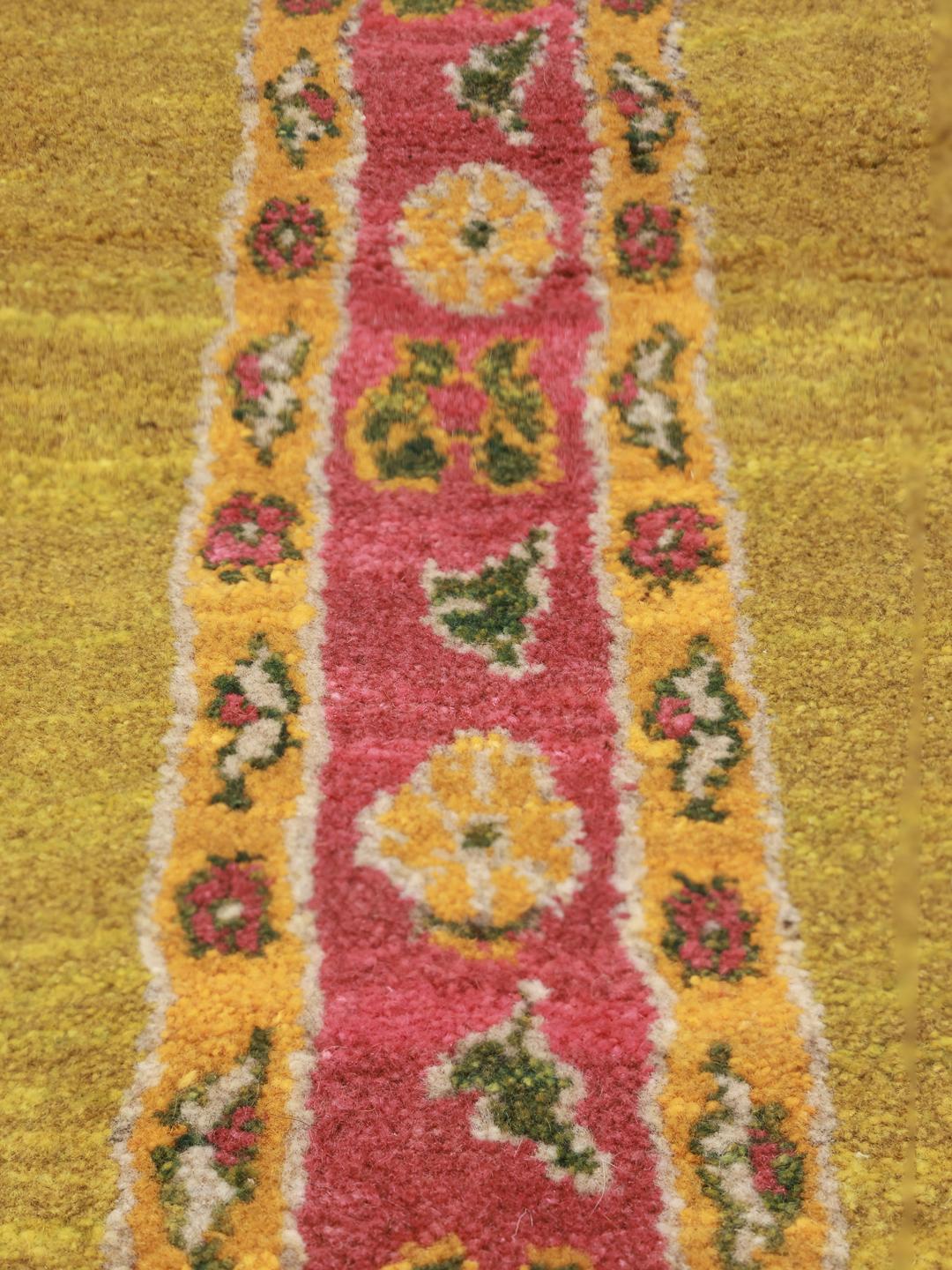
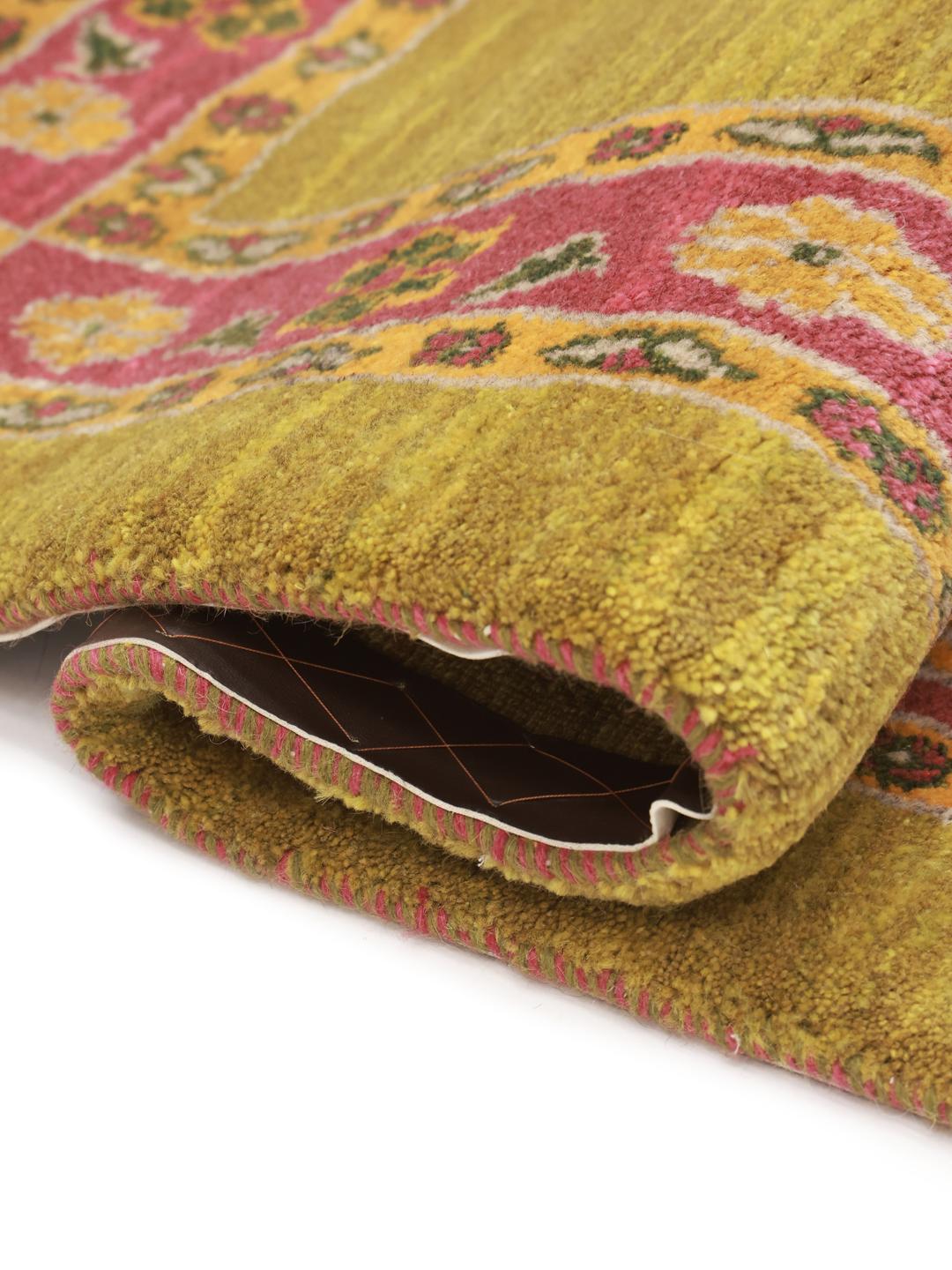
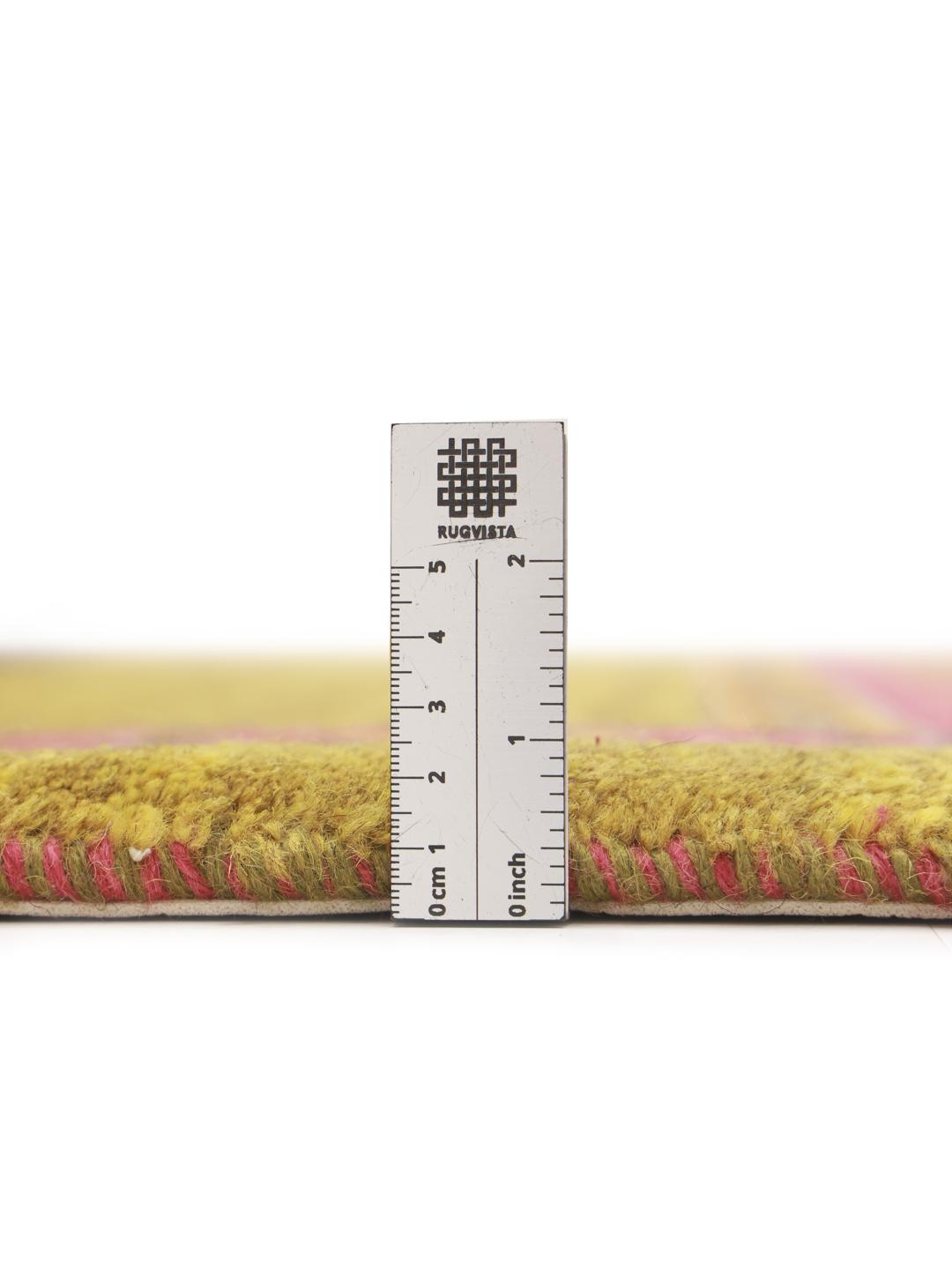
The term Gabbeh itself refers to a style that is often thicker and more coarsely knotted than other regional rugs. This construction is intentional, as it creates a plush, cushioned surface that is highly resilient. The use of hand-spun wool is central to this tradition, as it retains natural oils that contribute to the rug's longevity and soft, lustrous sheen.
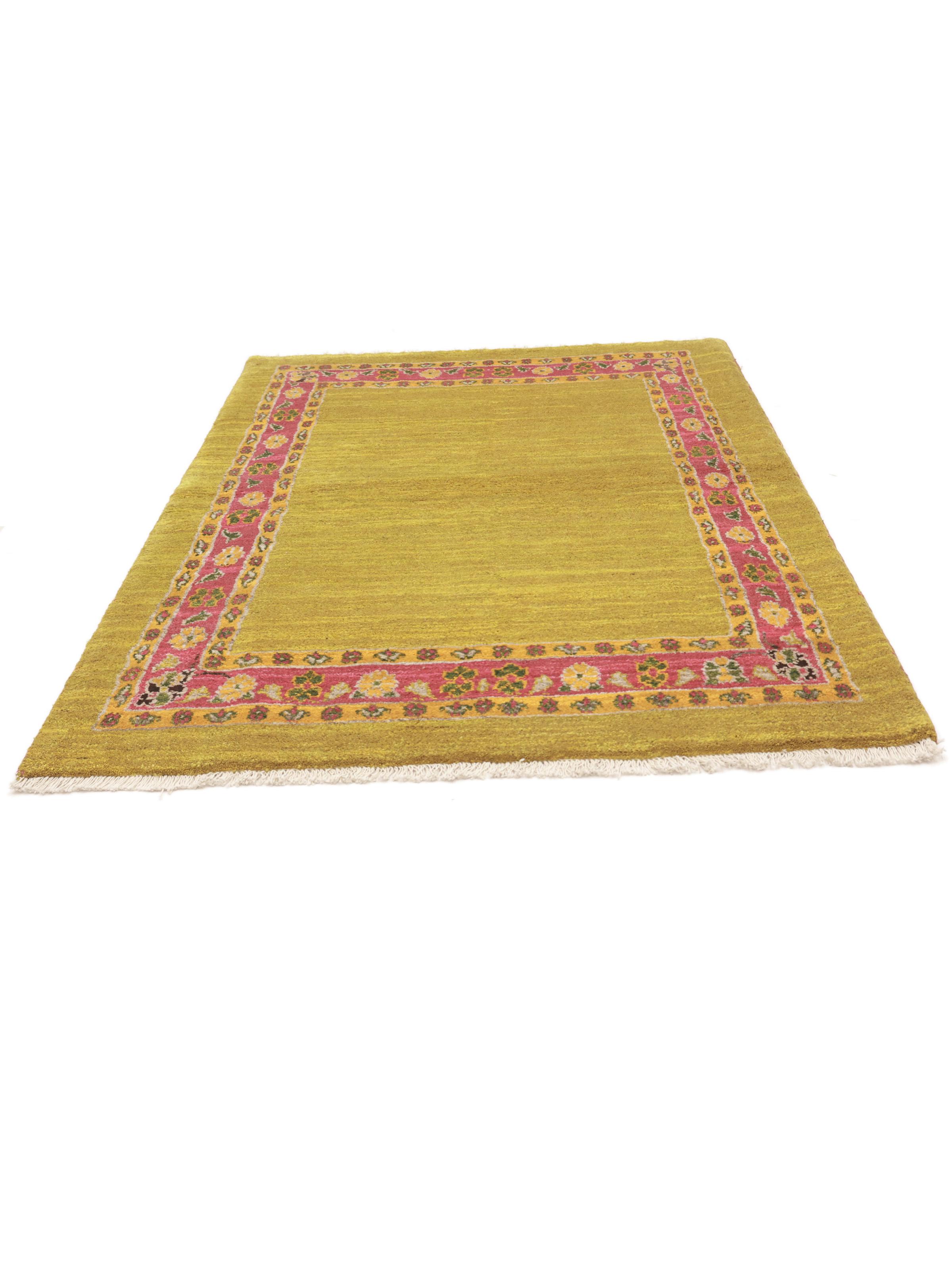
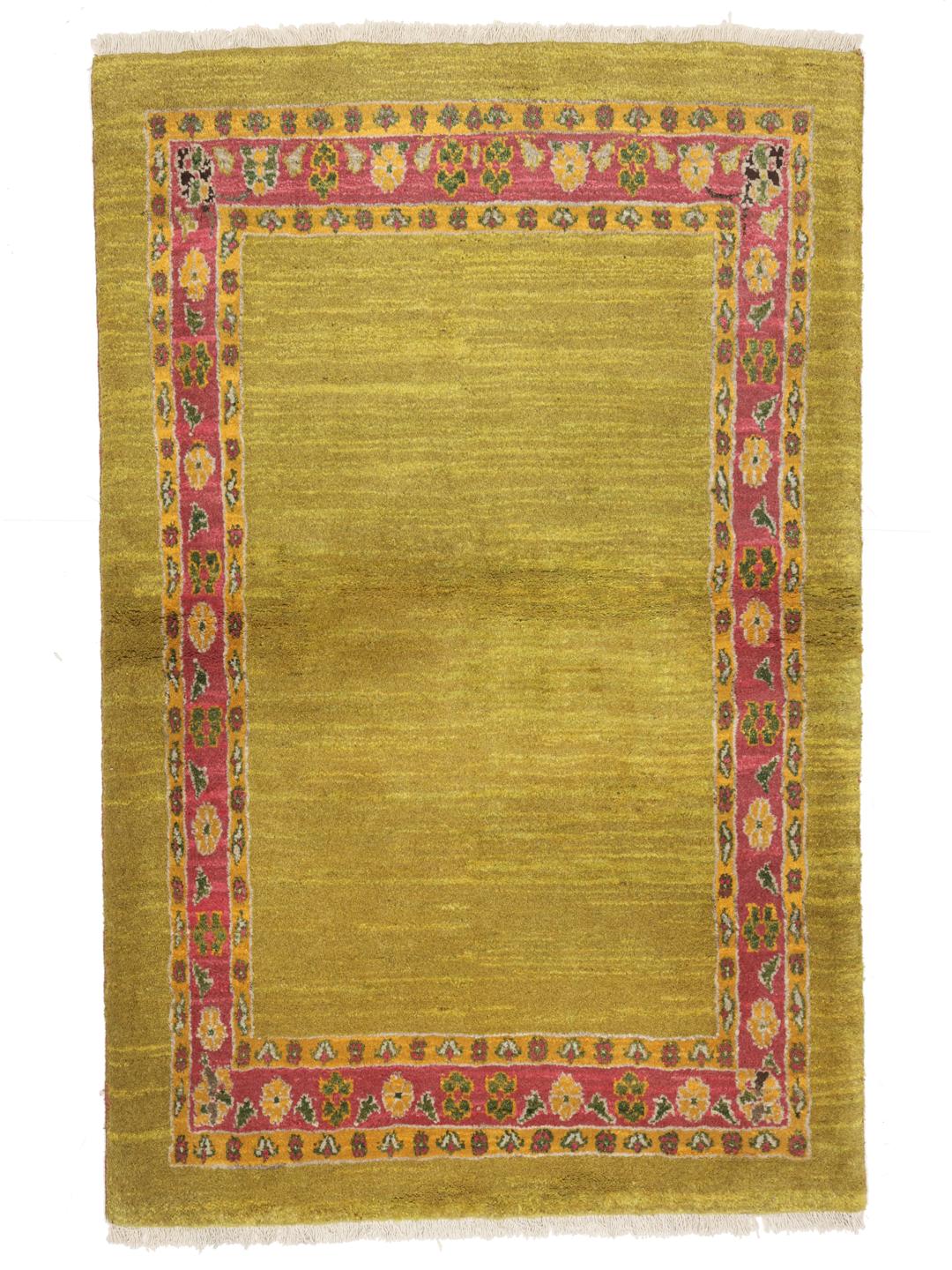
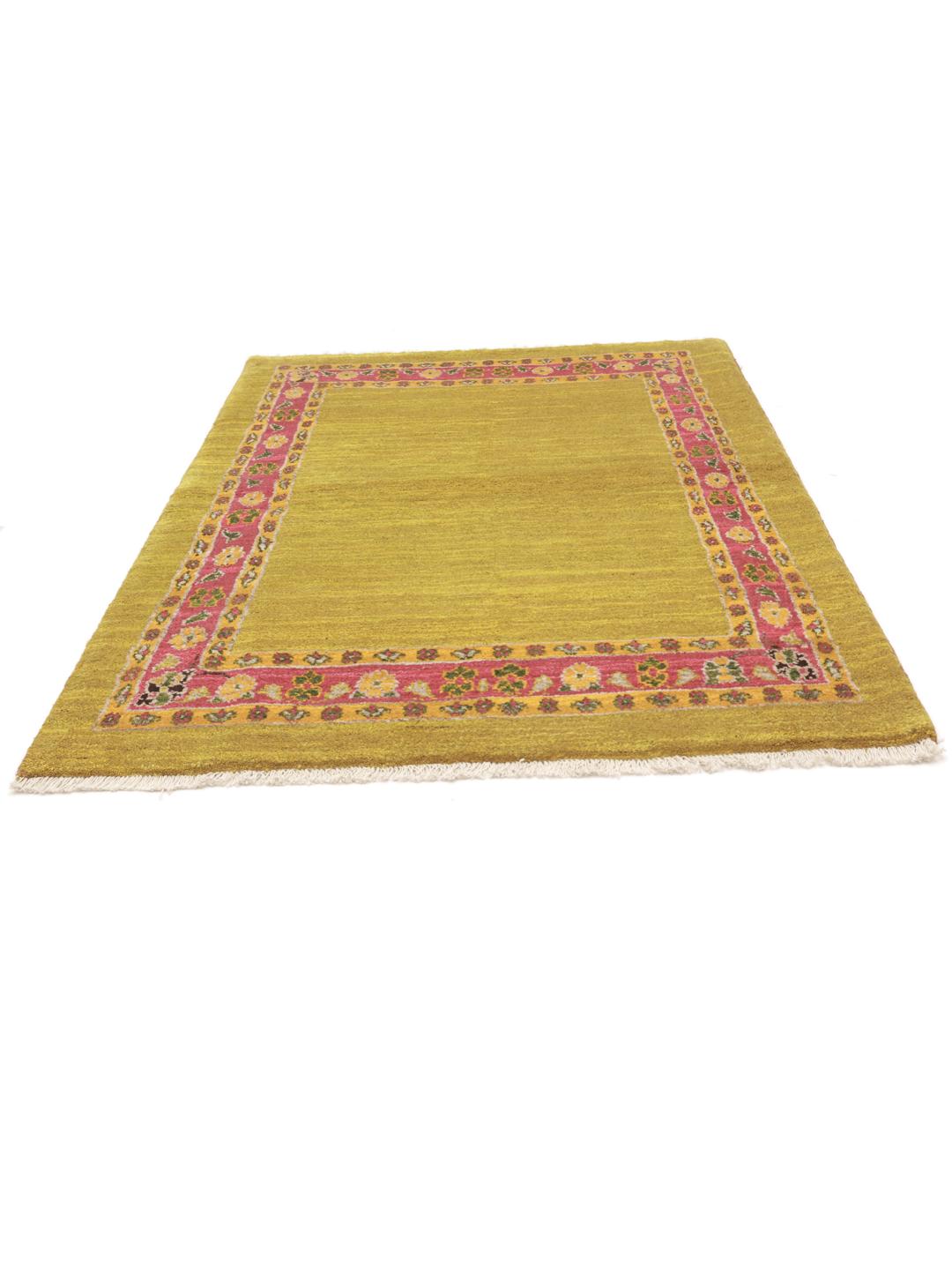
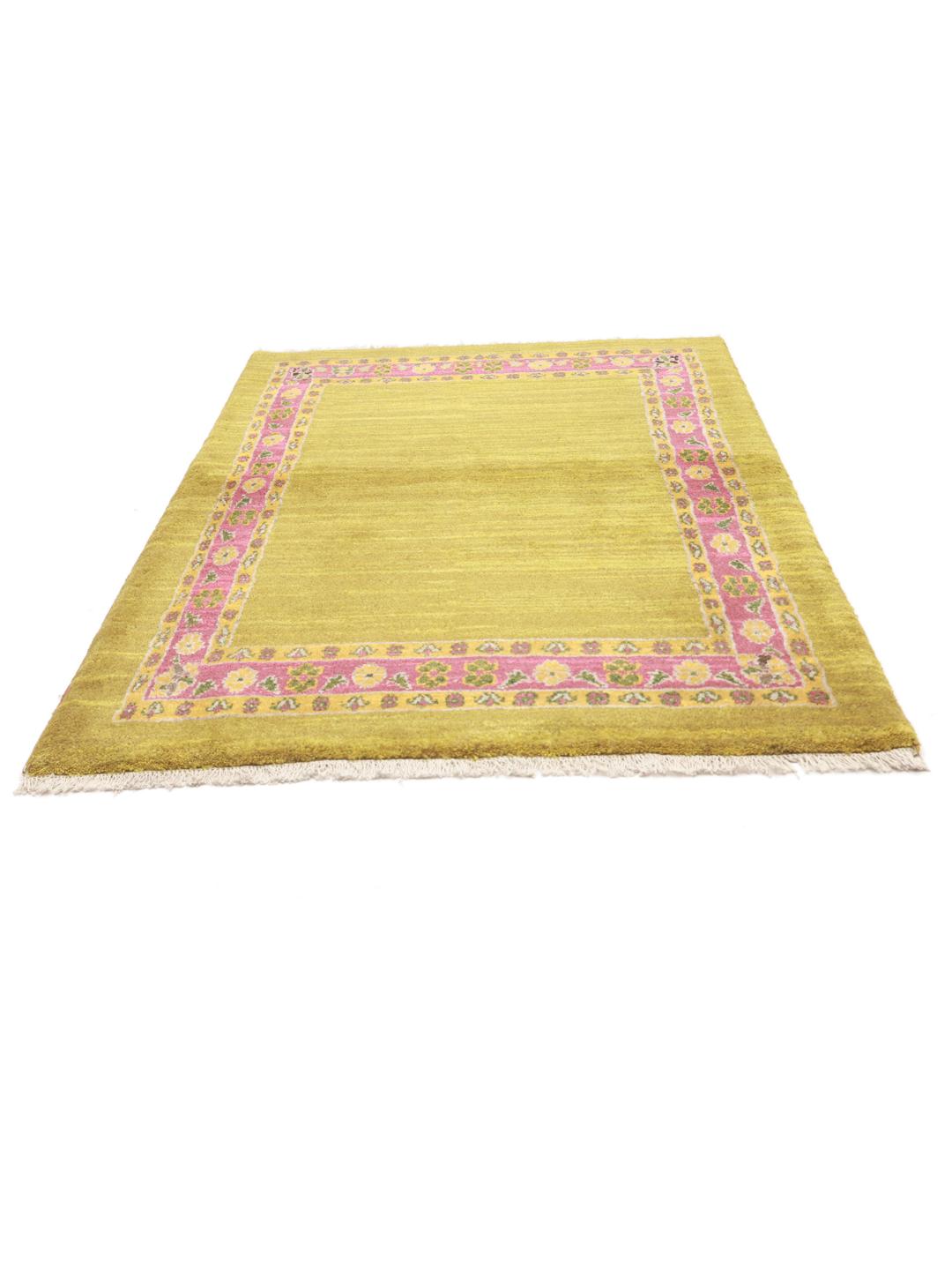
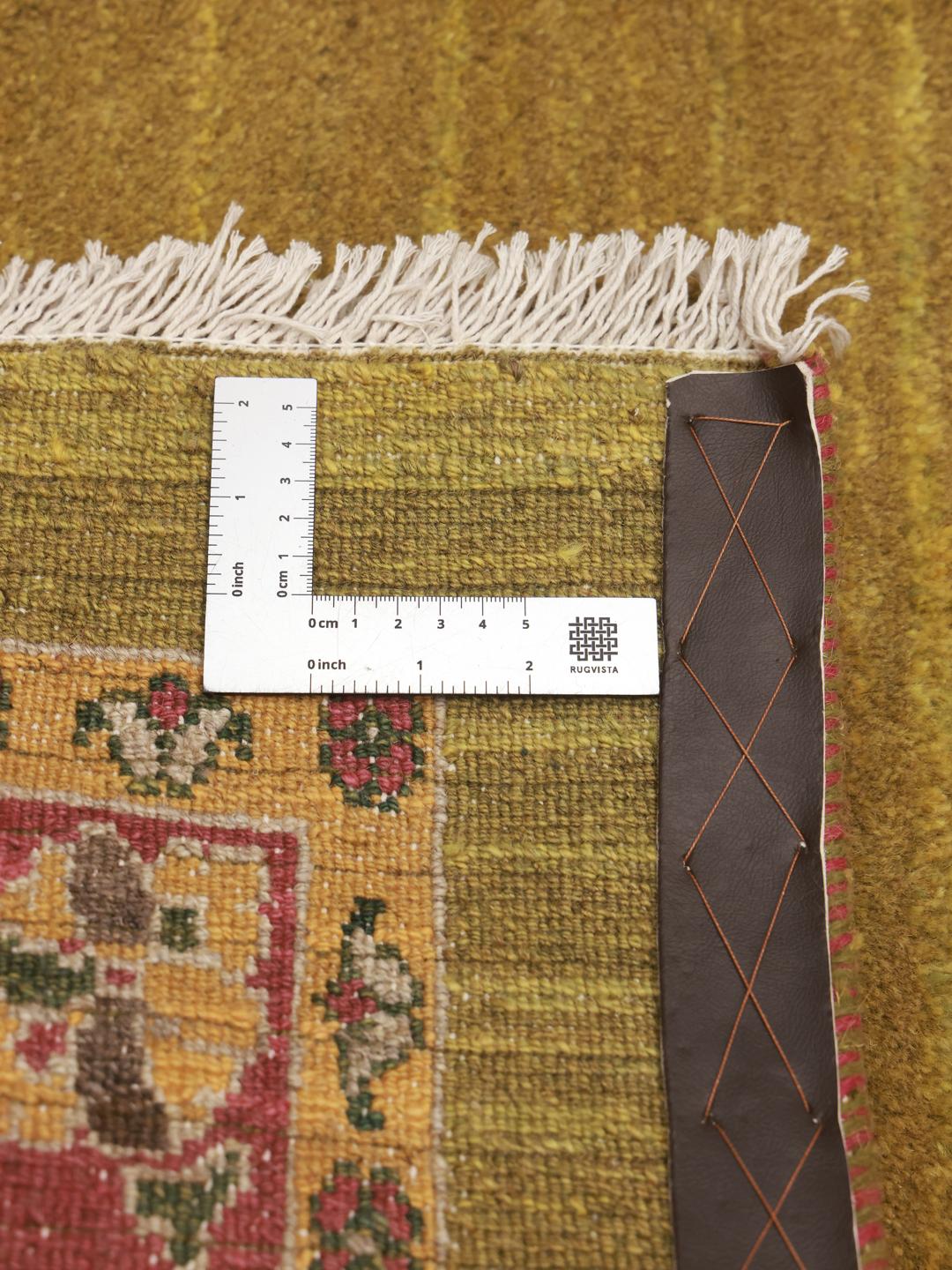
Visually, Gabbeh rugs are celebrated for their artistic simplicity and bold use of colour. While some feature tribal motifs or geometric shapes, many rely on the natural variations of the wool and the expressive quality of hand-dyed yarns. The borders often feature decorative elements that contrast beautifully with the open, unadorned fields, making them versatile pieces that complement a variety of settings.
Today, these rugs are highly sought after by collectors who value the human element inherent in their creation. Owning a piece from this tradition means supporting a heritage of skill passed down through generations. Each rug serves as a narrative of its maker, capturing a moment in time through its patterns and textures, and bringing a touch of authentic, cultural history into the modern home.