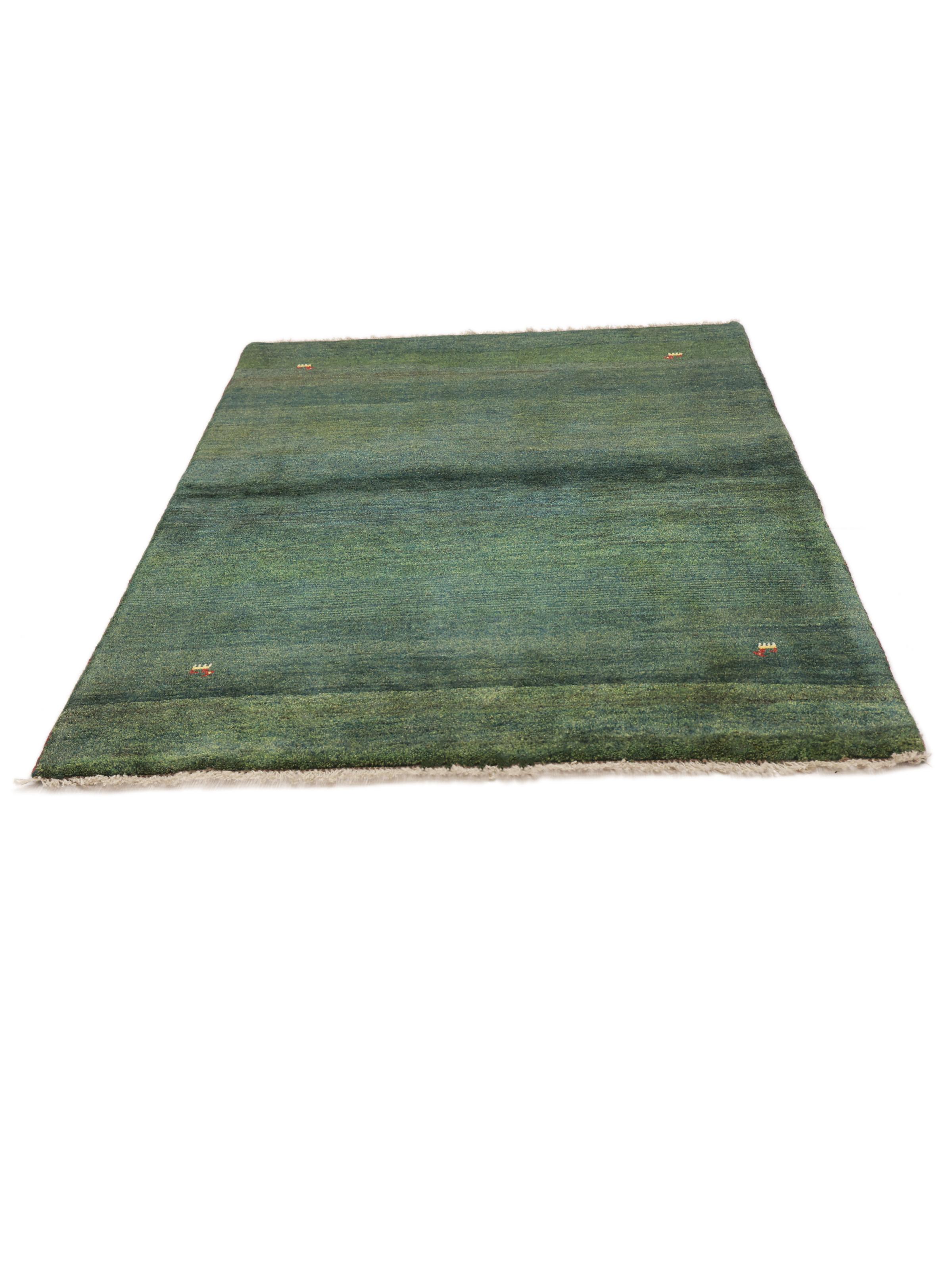
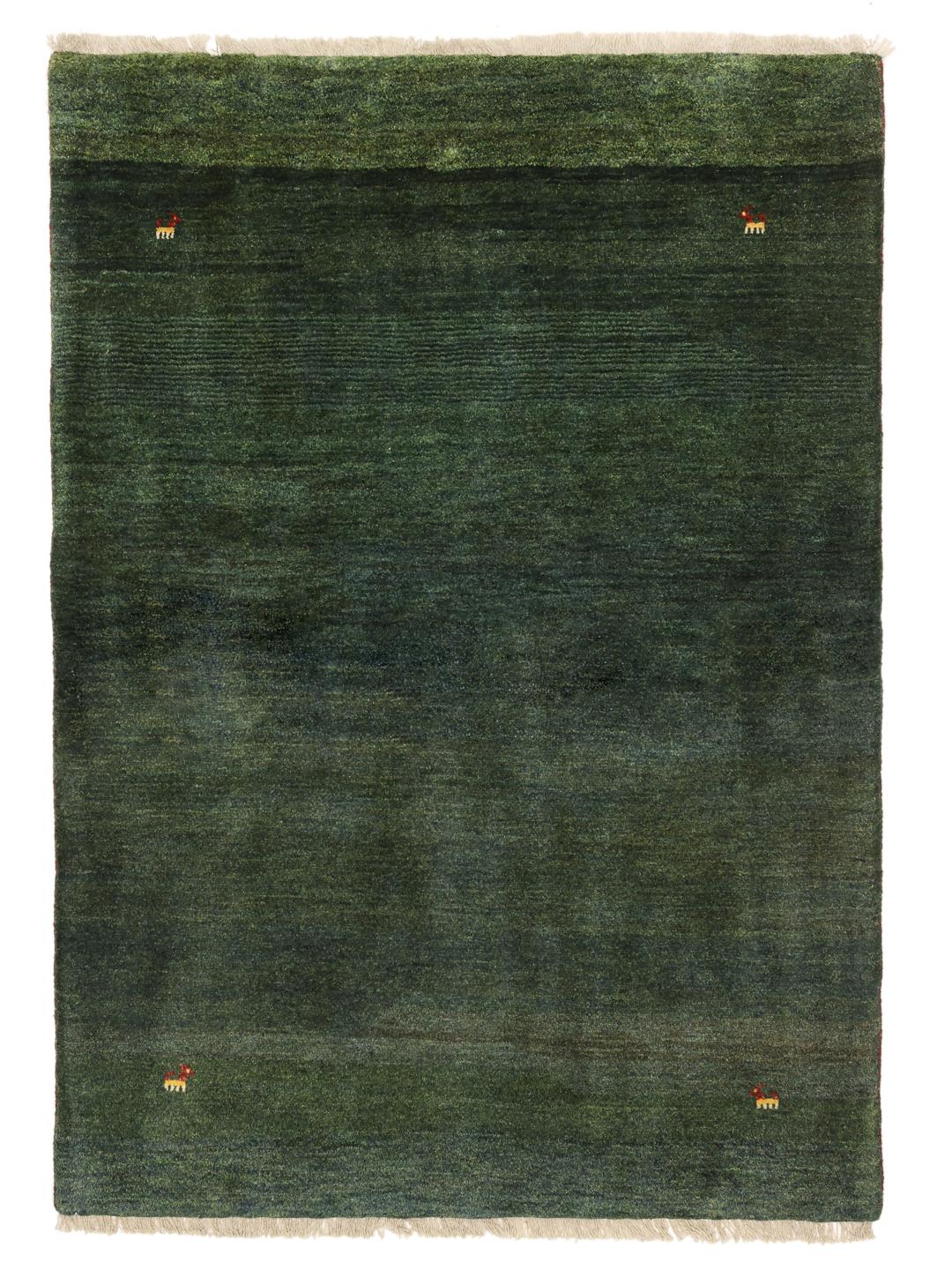
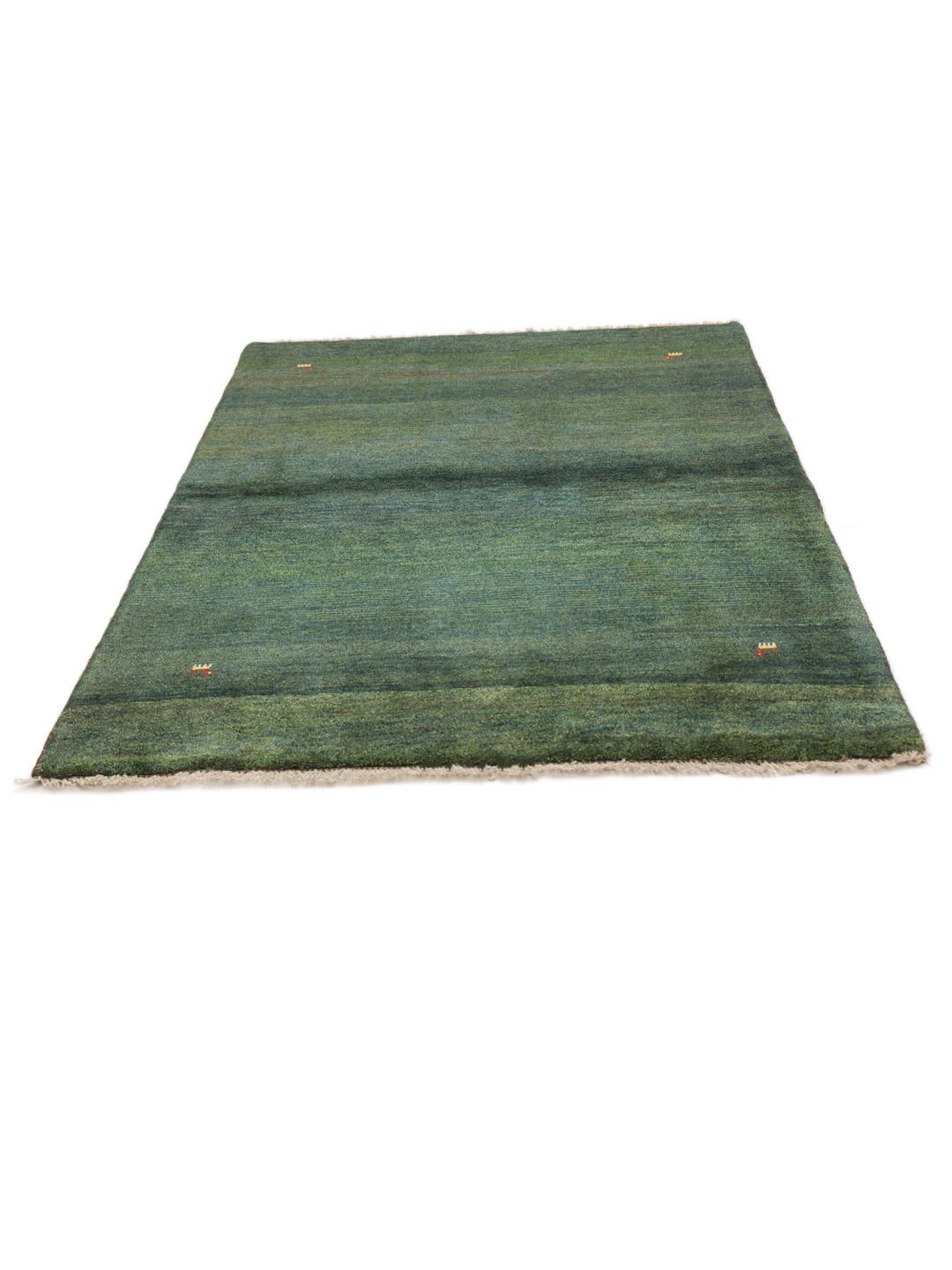
Gabbeh rugs originate from the tribal traditions of the Middle East, primarily created by nomadic groups who sought to produce practical, warm floor coverings for their tents. Unlike more formal, city-made rugs, these pieces were historically designed for personal use, allowing the weavers great creative freedom to express their surroundings and inner lives through their work.
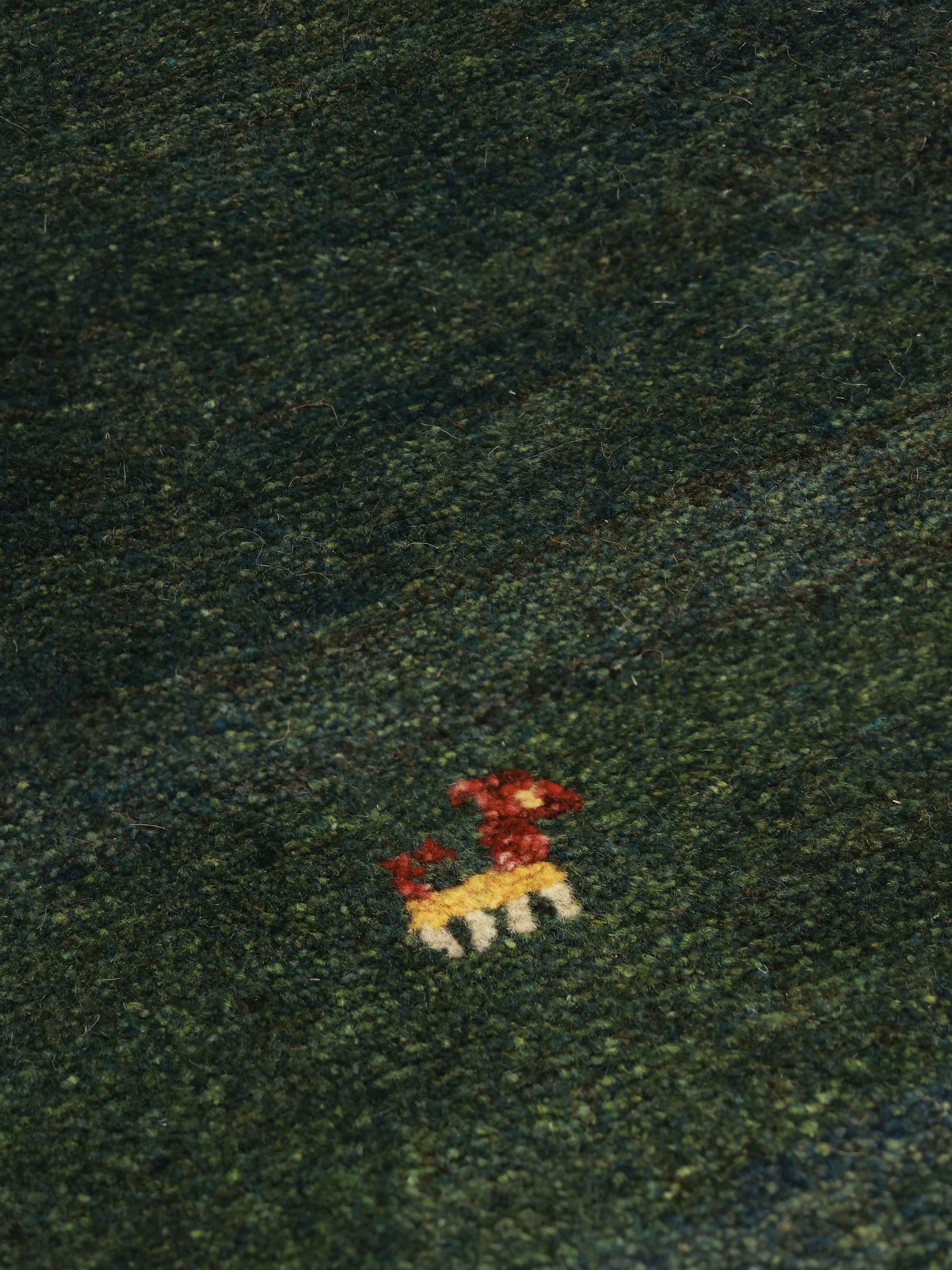
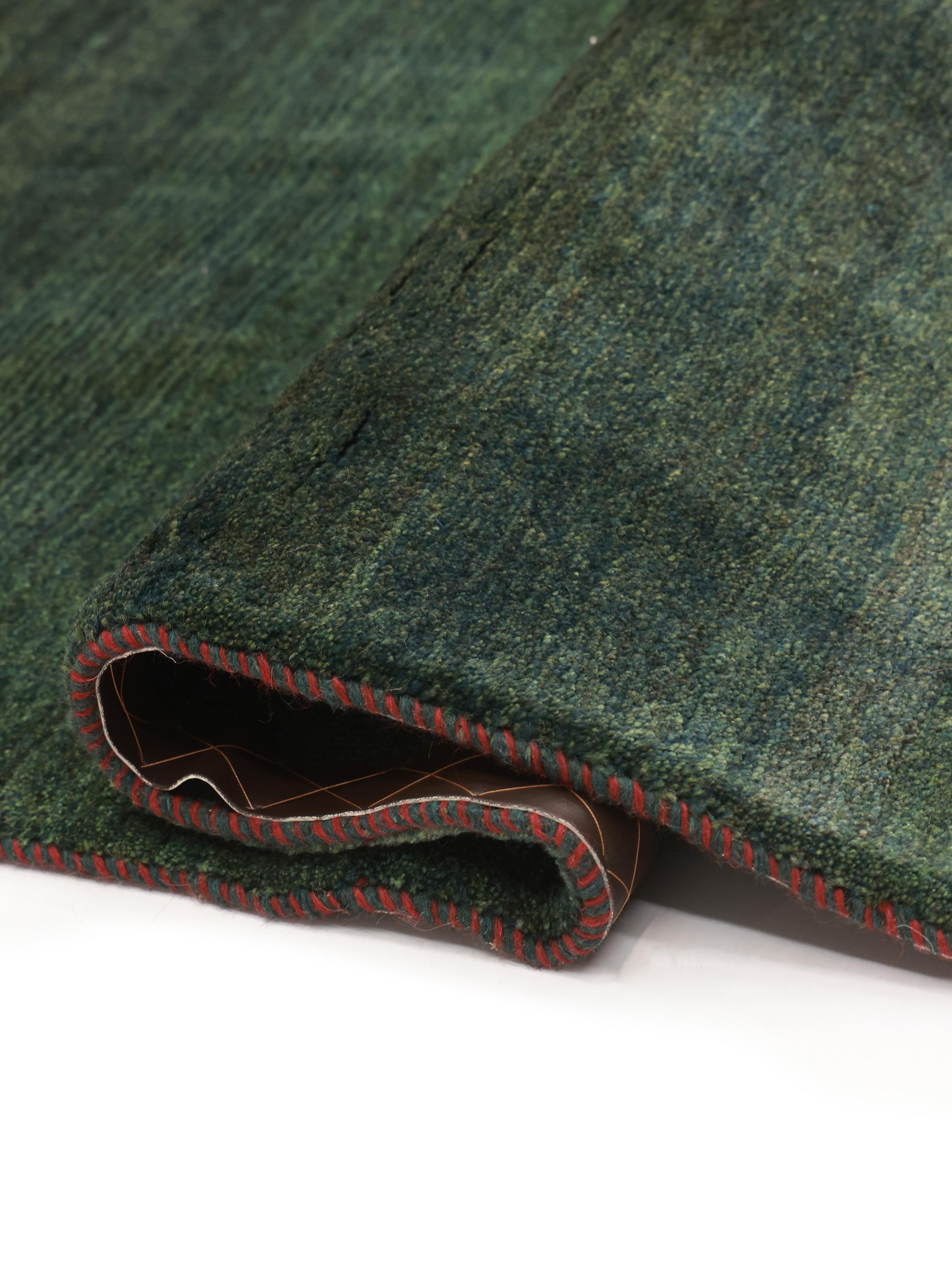
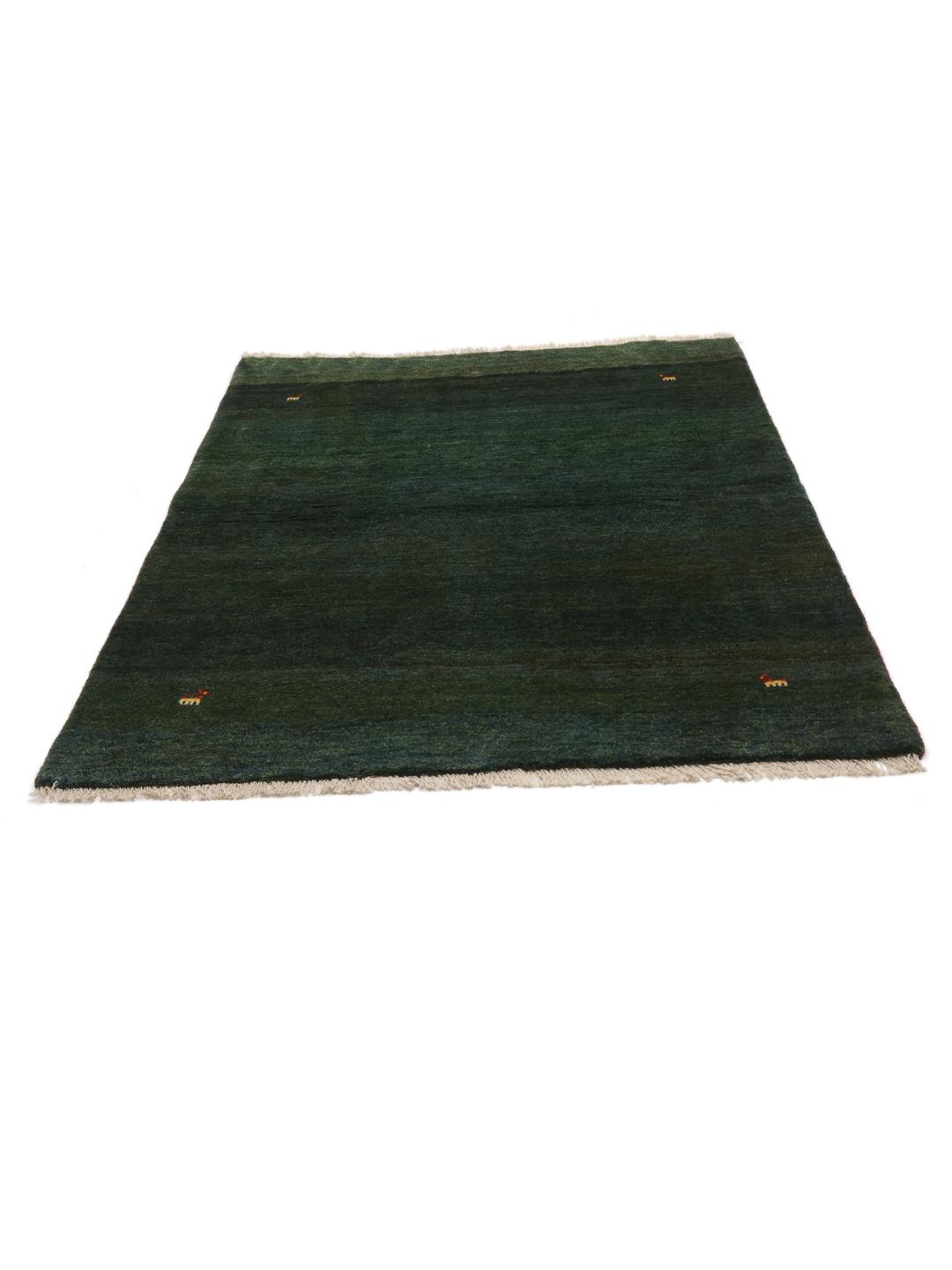
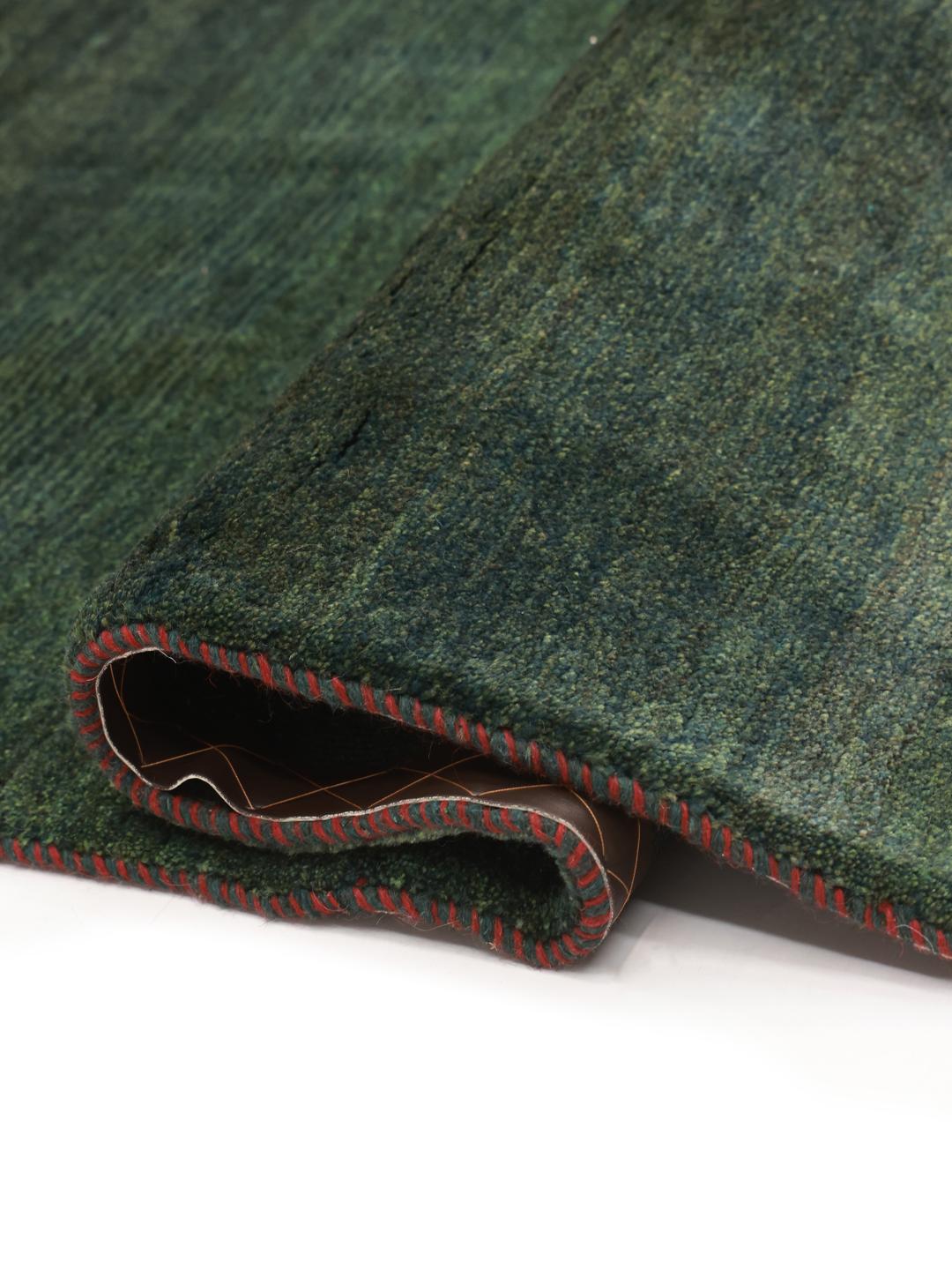
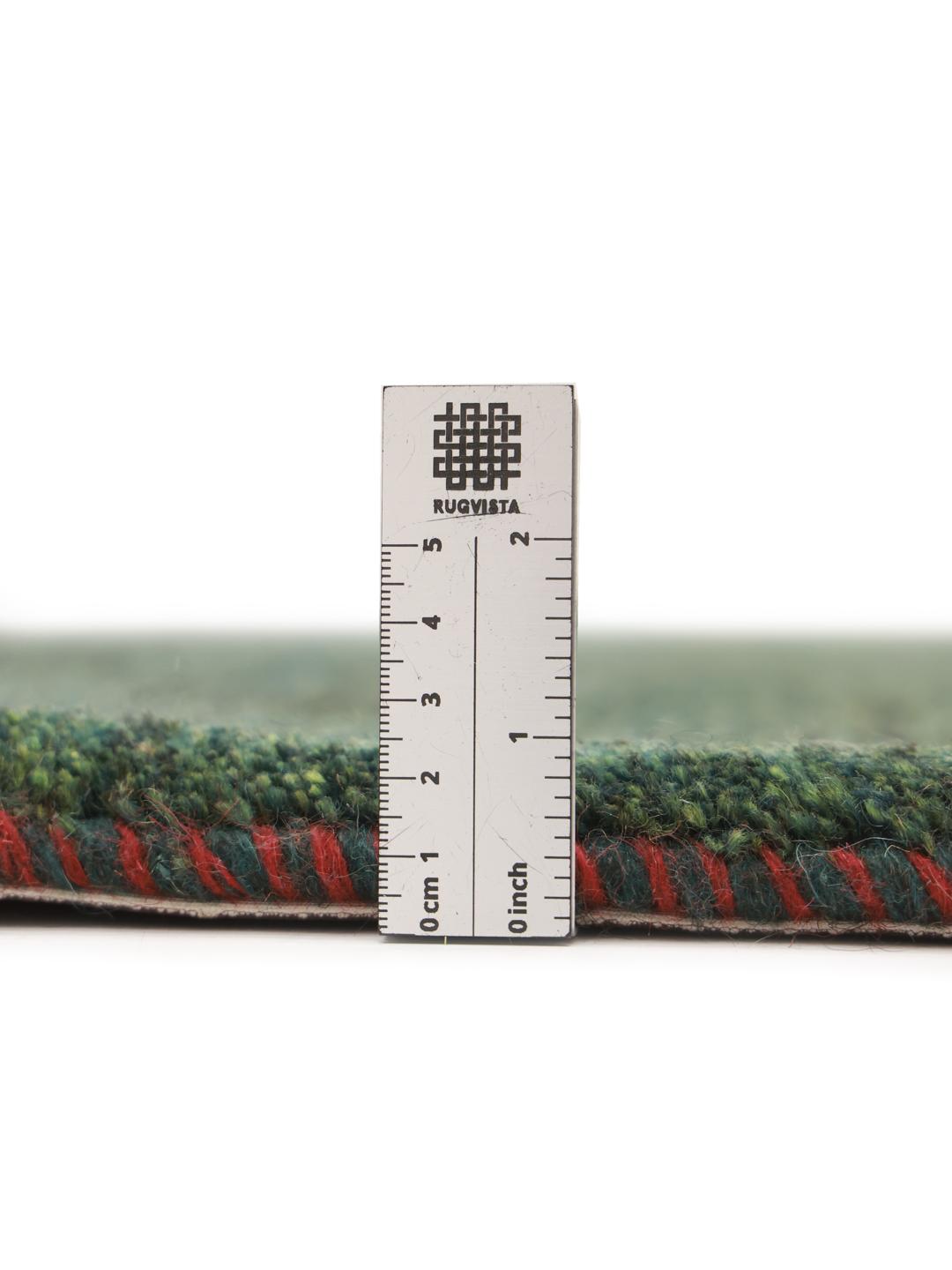
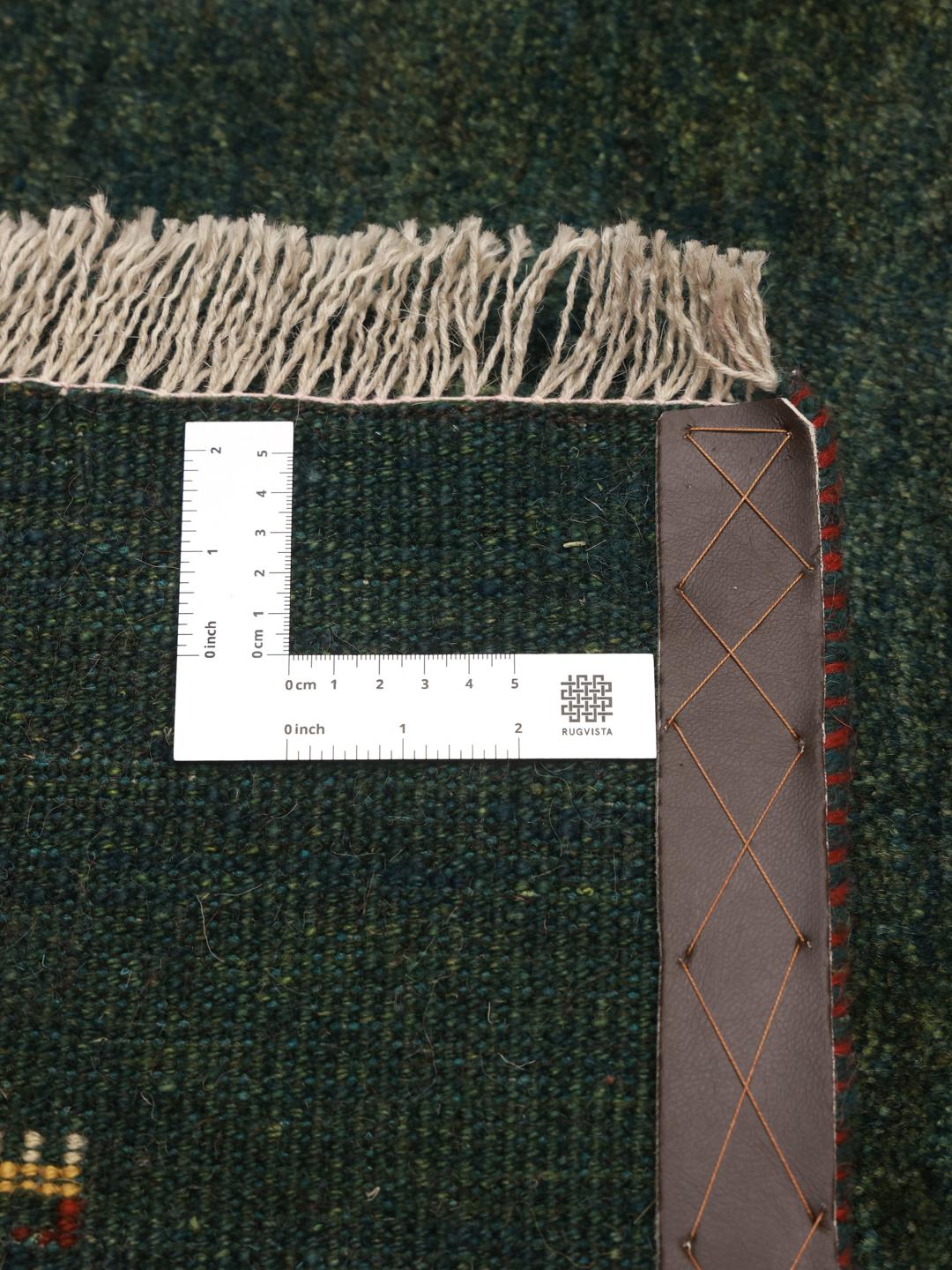
The term Gabbeh refers to a style that is characterised by its simplicity and raw, authentic beauty. These rugs often feature a thicker pile and a more relaxed approach to design, focusing on the quality of the material rather than complex, rigid patterns. This choice of construction results in a deeply comfortable, durable, and lustrous finish that highlights the natural characteristics of the wool.
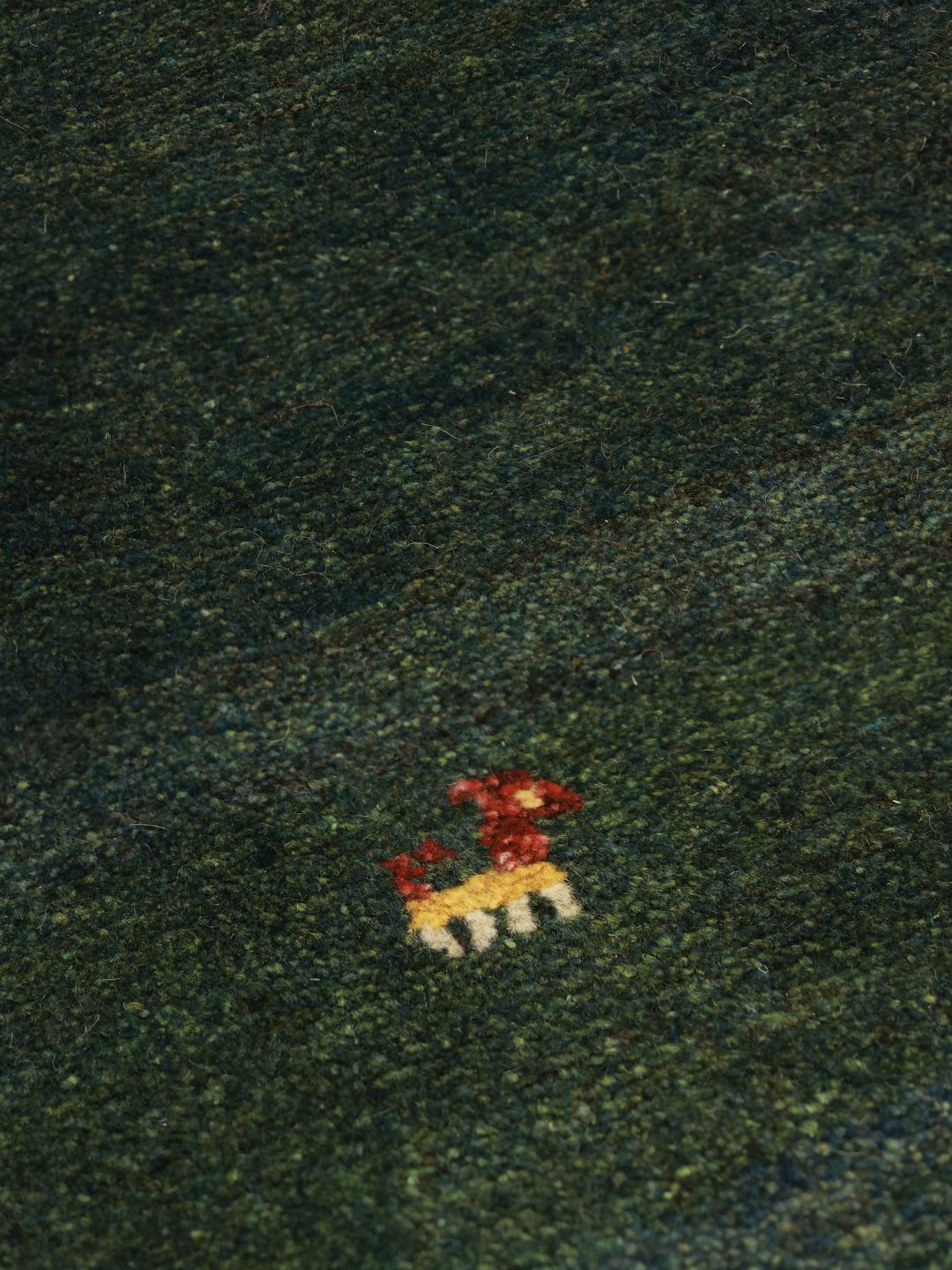
The signature design elements of a Gabbeh often include vast, open fields of colour, sometimes punctuated by simple, stylised motifs such as animals, plants, or geometric shapes. These motifs are not merely decorative but often hold symbolic meaning for the weaver, representing aspects of their daily life, the landscape, or local folklore. The sparse, intentional use of these elements creates a look that feels both ancient and remarkably modern.
Today, these rugs are highly prized by collectors for their individuality and the human touch they bring to a space. Owning a piece from this tradition is an investment in cultural heritage and artisanal skill. It signifies a preference for items that are crafted with care and soul, offering a timeless aesthetic that transcends fleeting interior trends.