Gabbeh rugs originate from the nomadic tribes of the Middle East, primarily woven by the Qashqai and Lori people. Traditionally, these rugs were created for personal use within the family, serving as bedding or floor coverings to protect against the cold, hard ground of the desert.
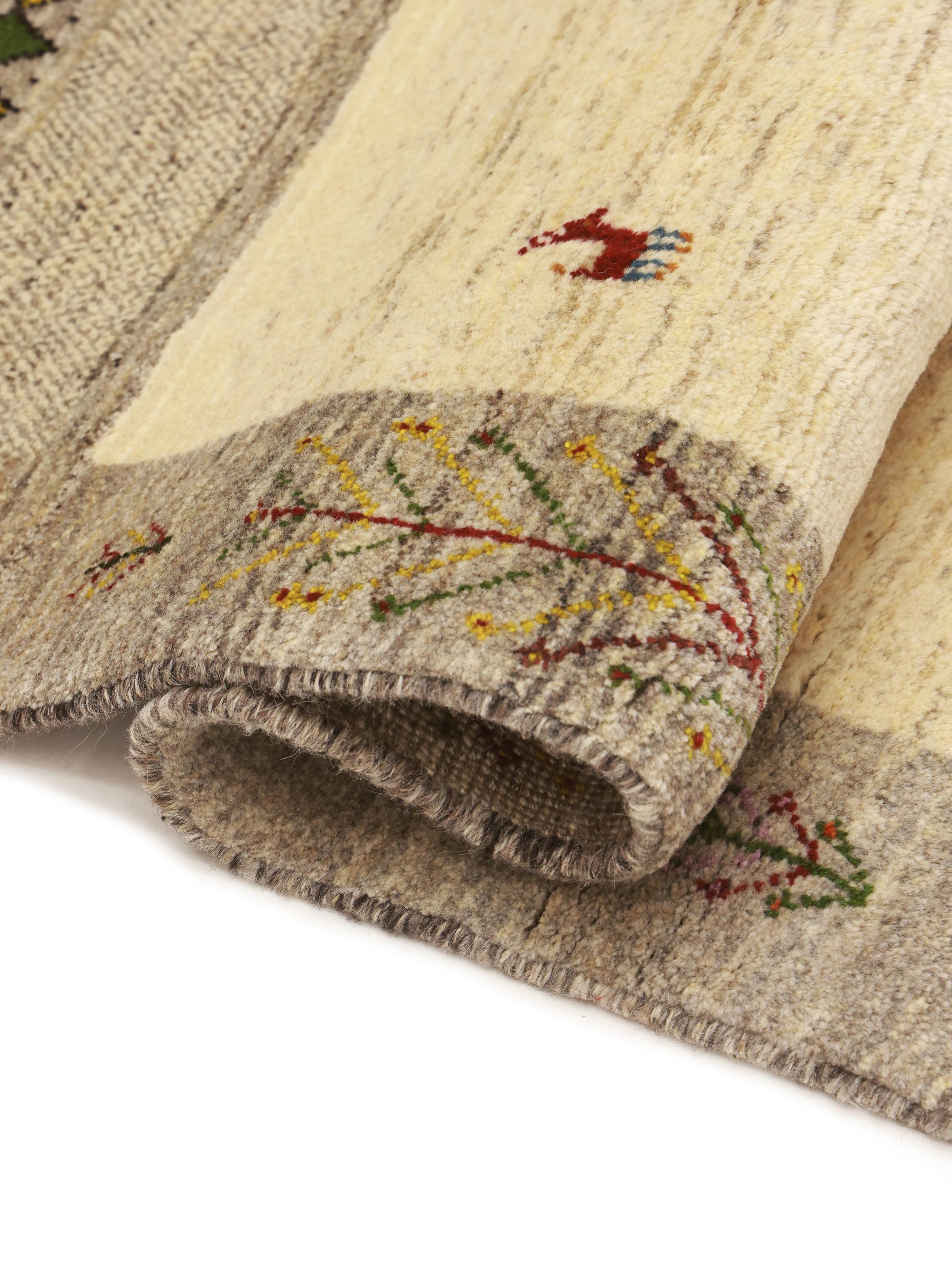
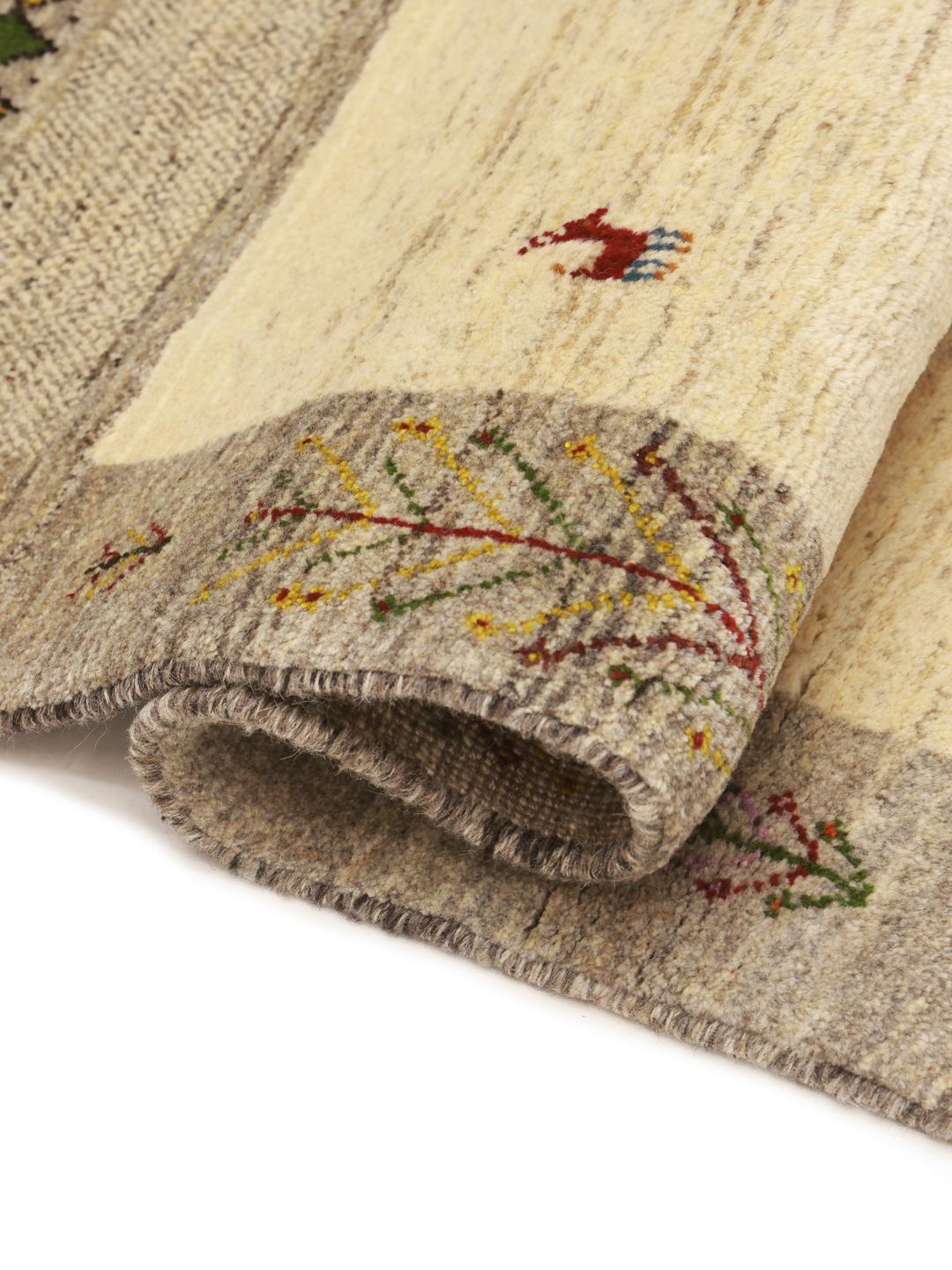
The term Gabbeh itself refers to a style that is intentionally simple, often characterised by a thicker, longer pile and a more primitive, artistic aesthetic. Unlike formal city rugs that follow rigid, pre-planned patterns, Gabbeh designs are often spontaneous, reflecting the weaver's personal experiences, surroundings, and stories.
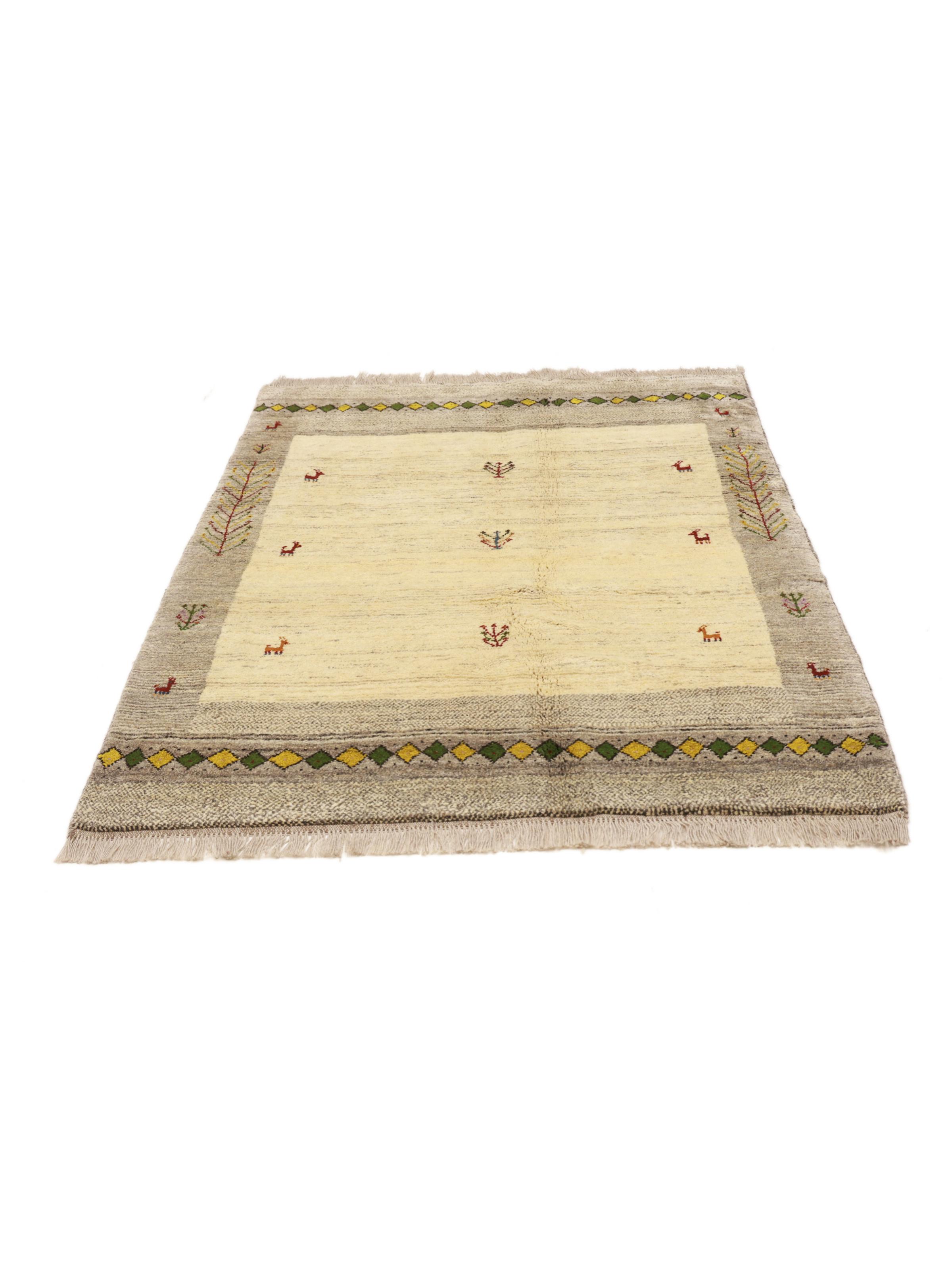
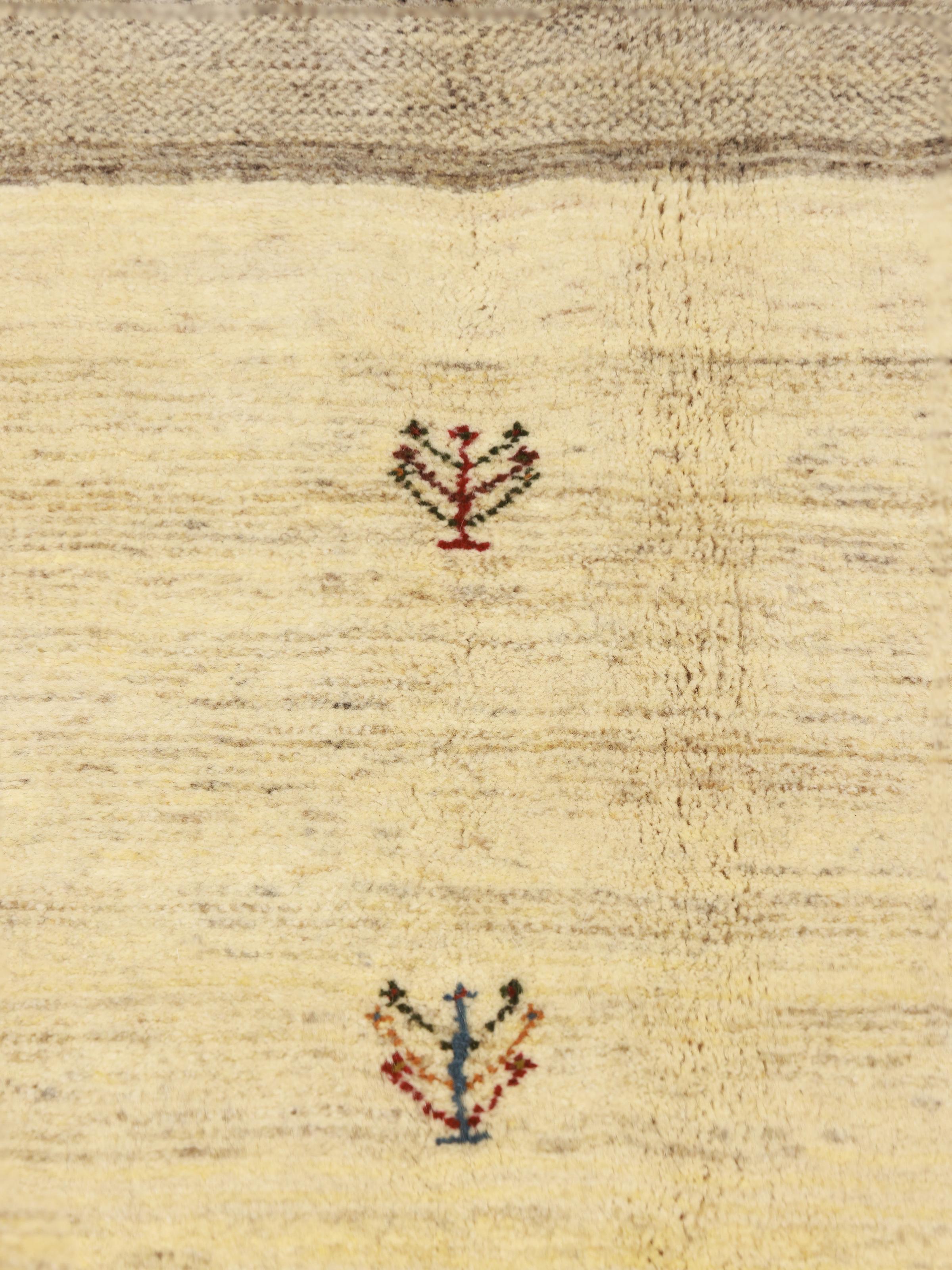
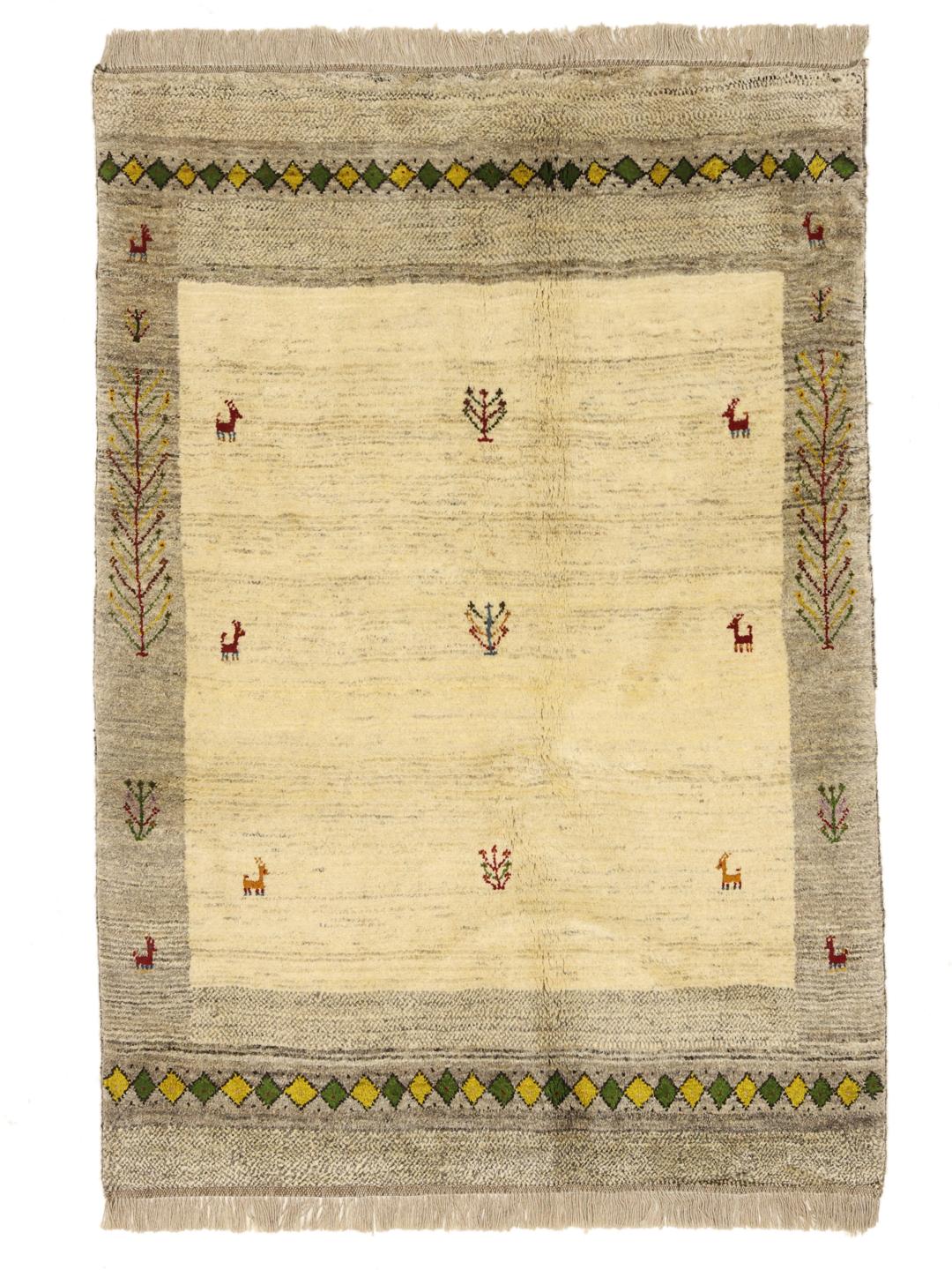
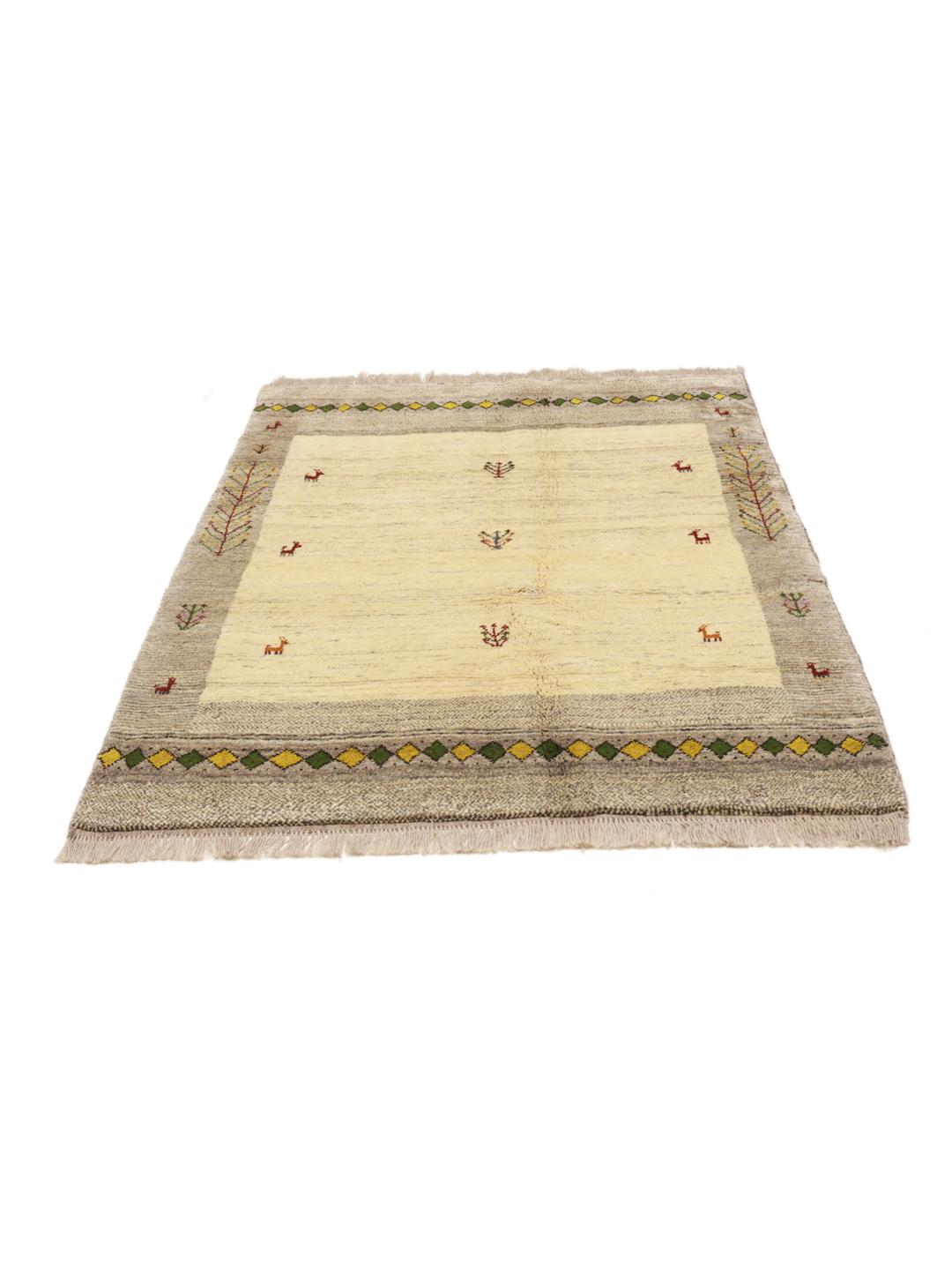
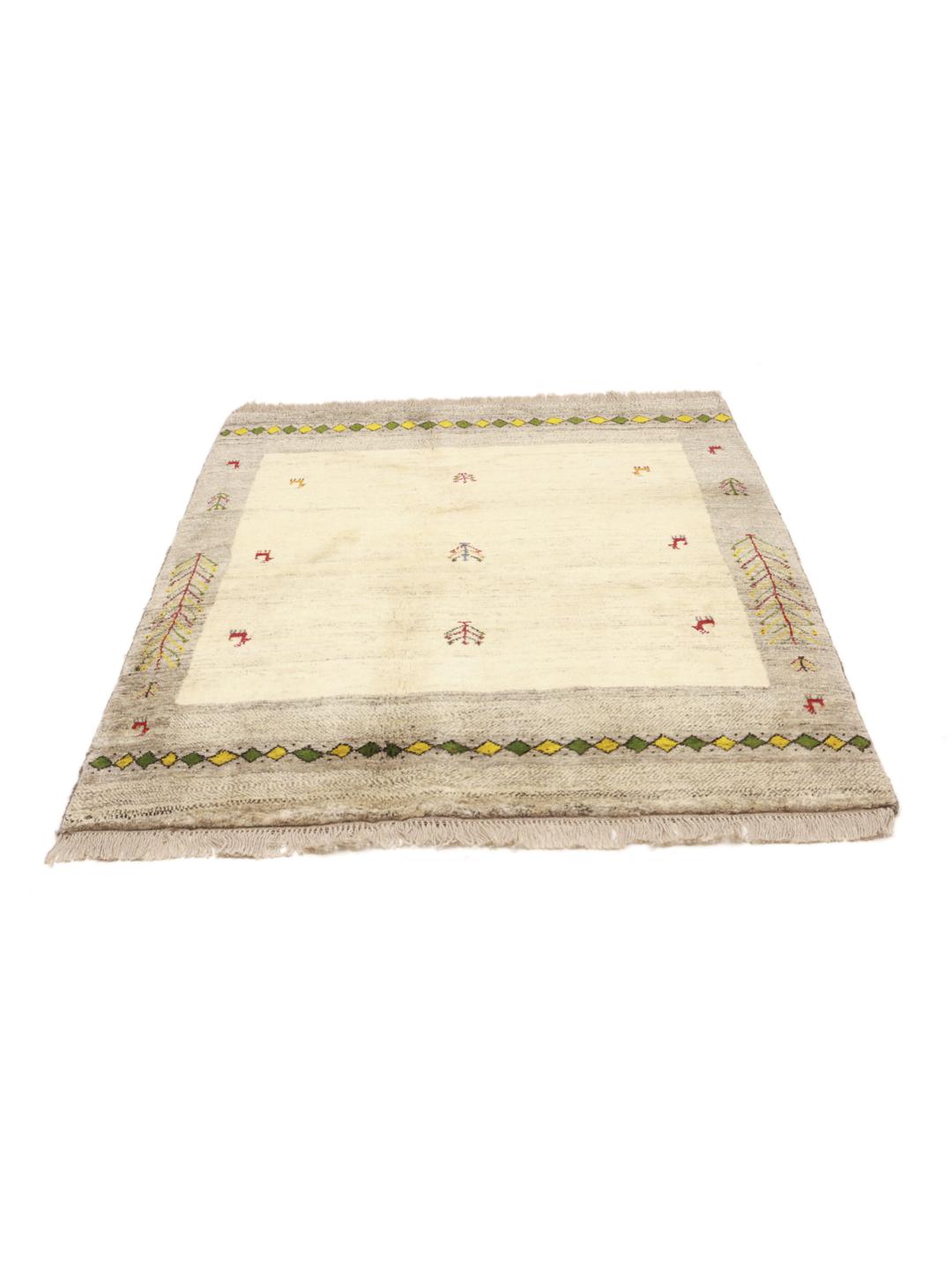
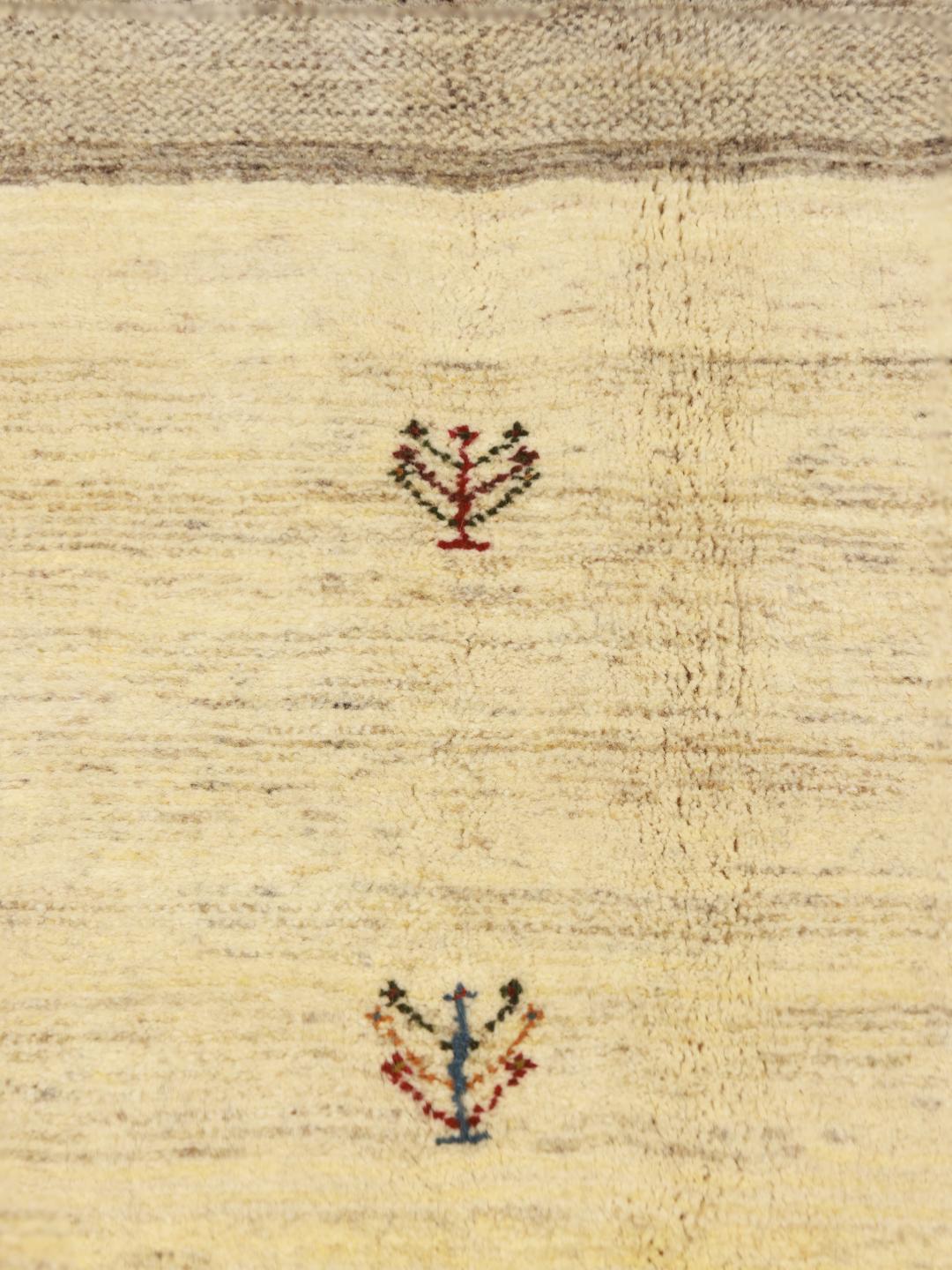
Signature design elements include wide, open fields of solid or abrash-dyed colours, punctuated by stylised representations of nature. You will often find simple geometric trees, animals, and human figures scattered across the surface, each serving as a symbolic connection to the pastoral life of the weaver.
Today, these rugs are highly valued by collectors for their authentic, uninhibited beauty and the connection they offer to an ancient, nomadic heritage. Owning a Gabbeh is not just about floor decor, but about preserving a piece of cultural history that celebrates individual expression and the enduring skill of the tribal weaver.