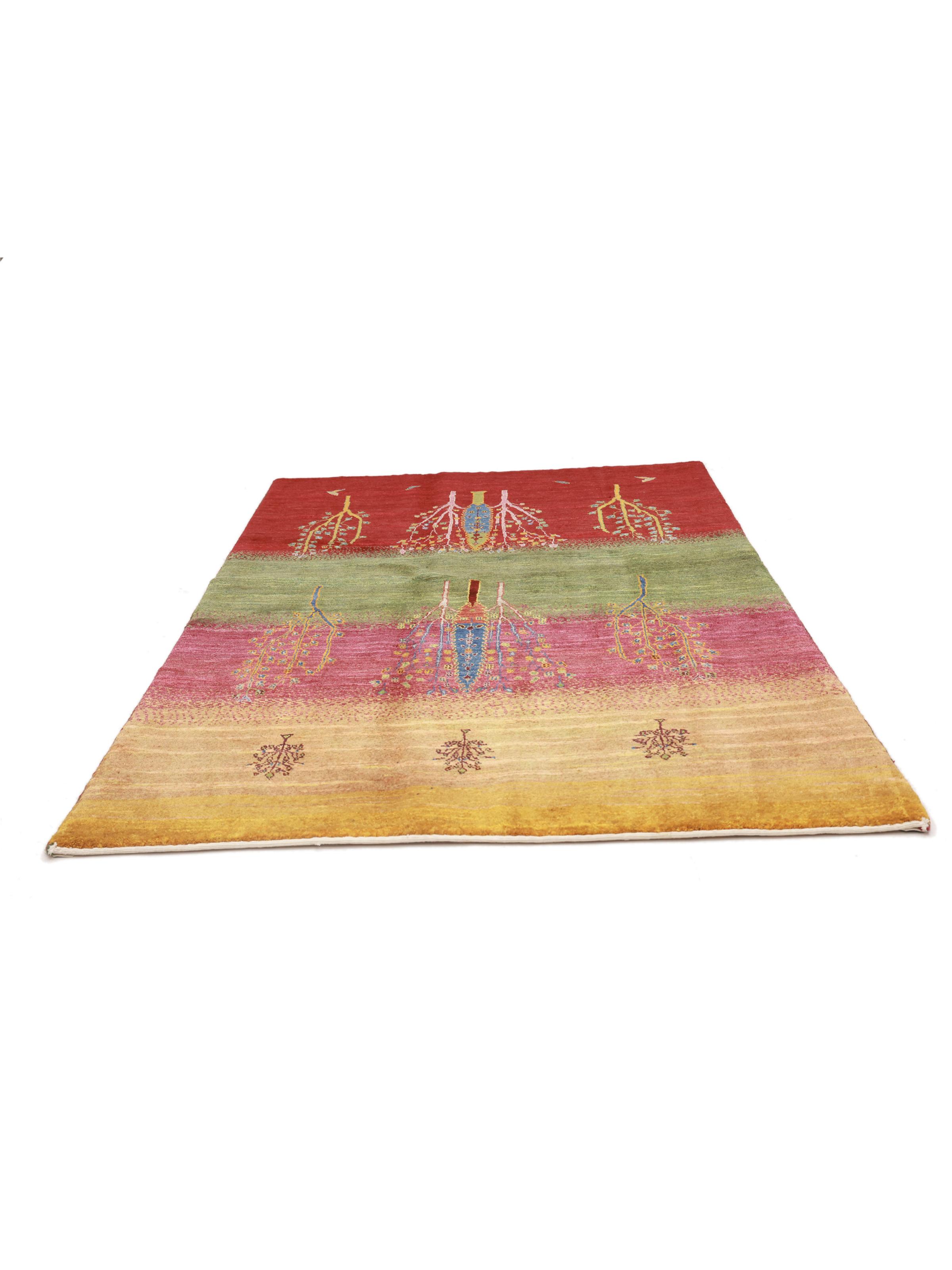
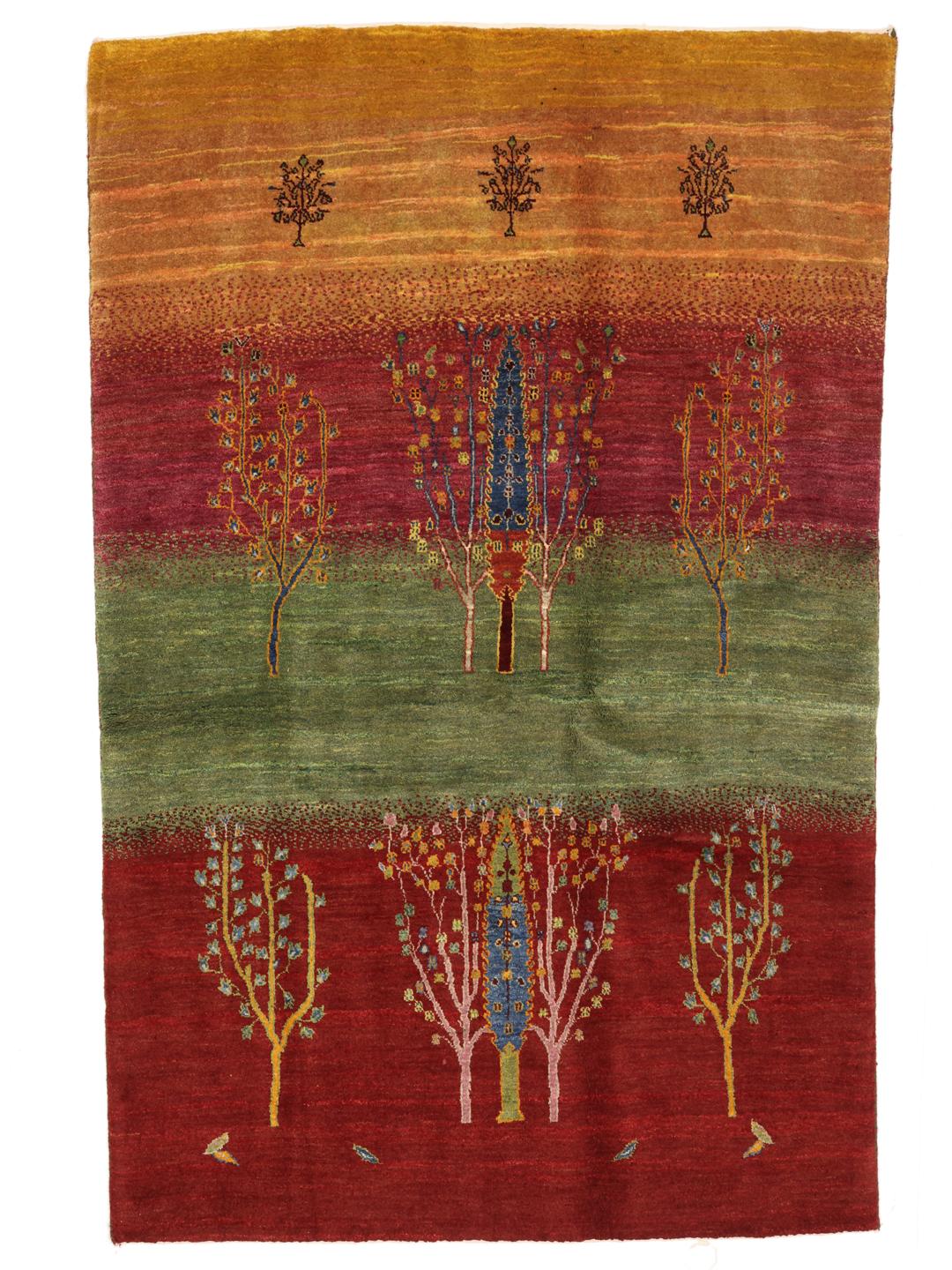
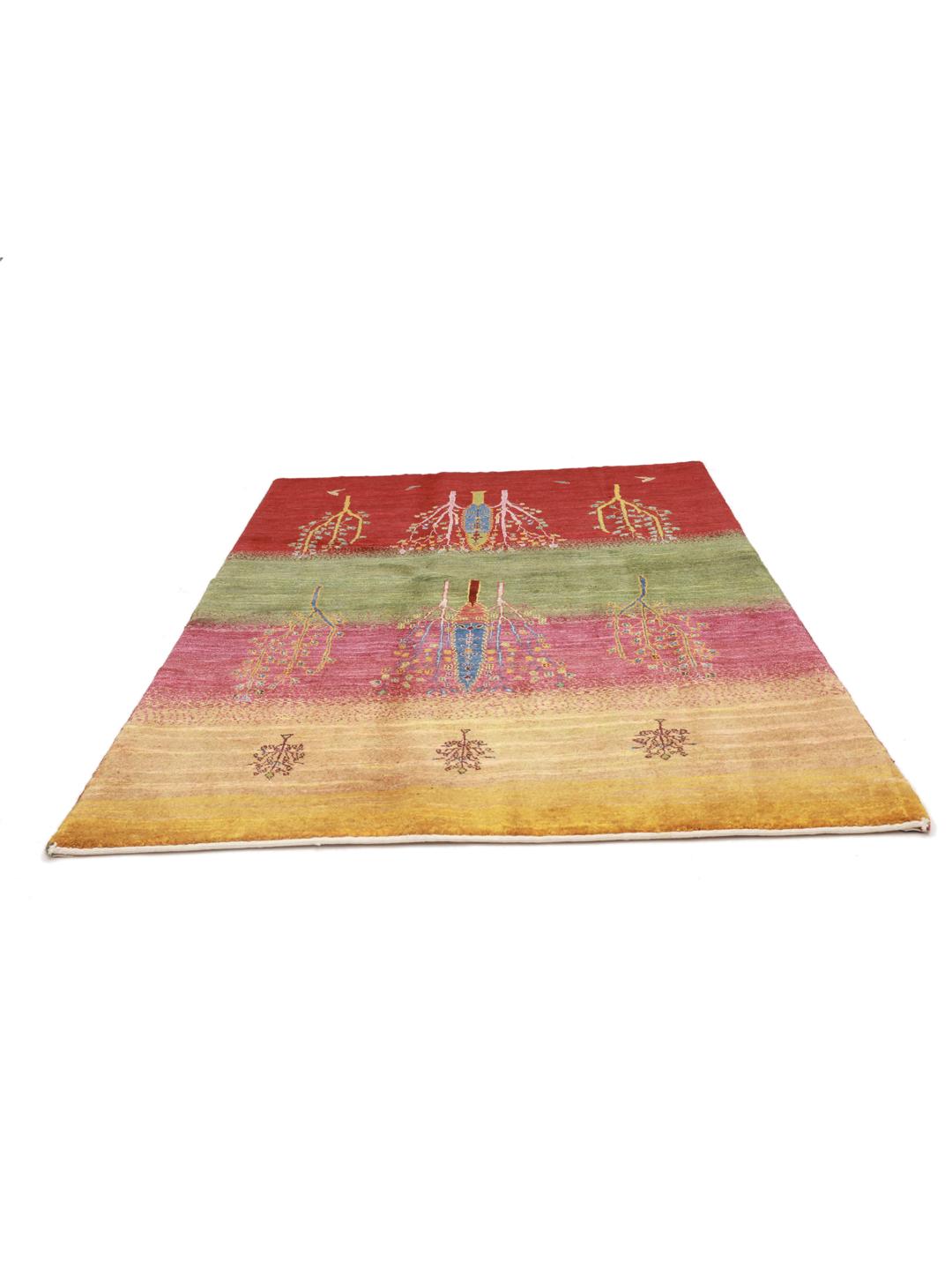
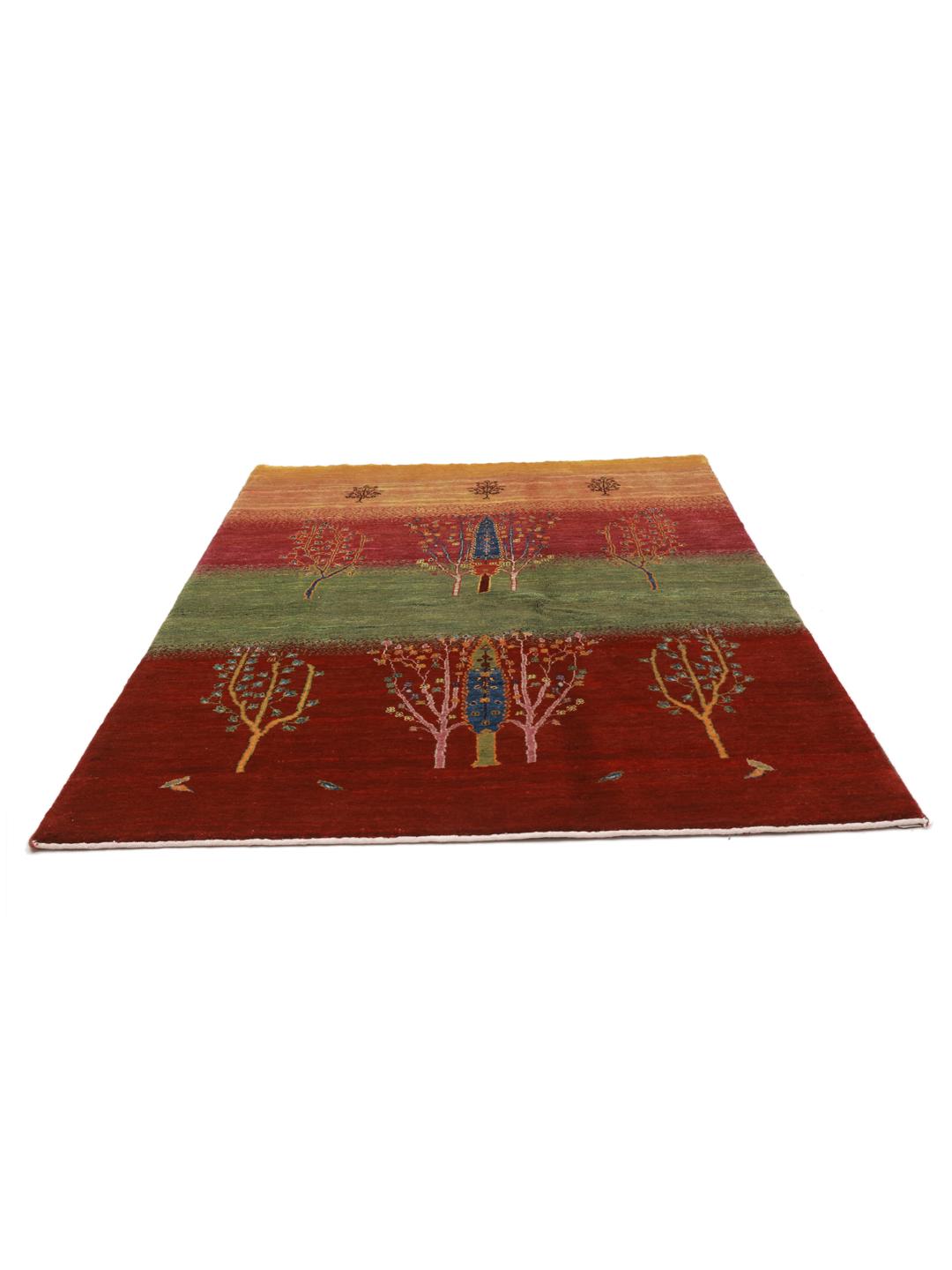
The Gabbeh rug is a celebrated tradition from the Middle East, historically woven by nomadic tribes as a practical and protective floor covering for their tents. These rugs were originally created for personal use rather than for trade, which allowed the weavers a great deal of creative freedom. Over time, these rugs have evolved from simple, functional items into highly sought-after pieces of folk art known for their bold, artistic expressions.
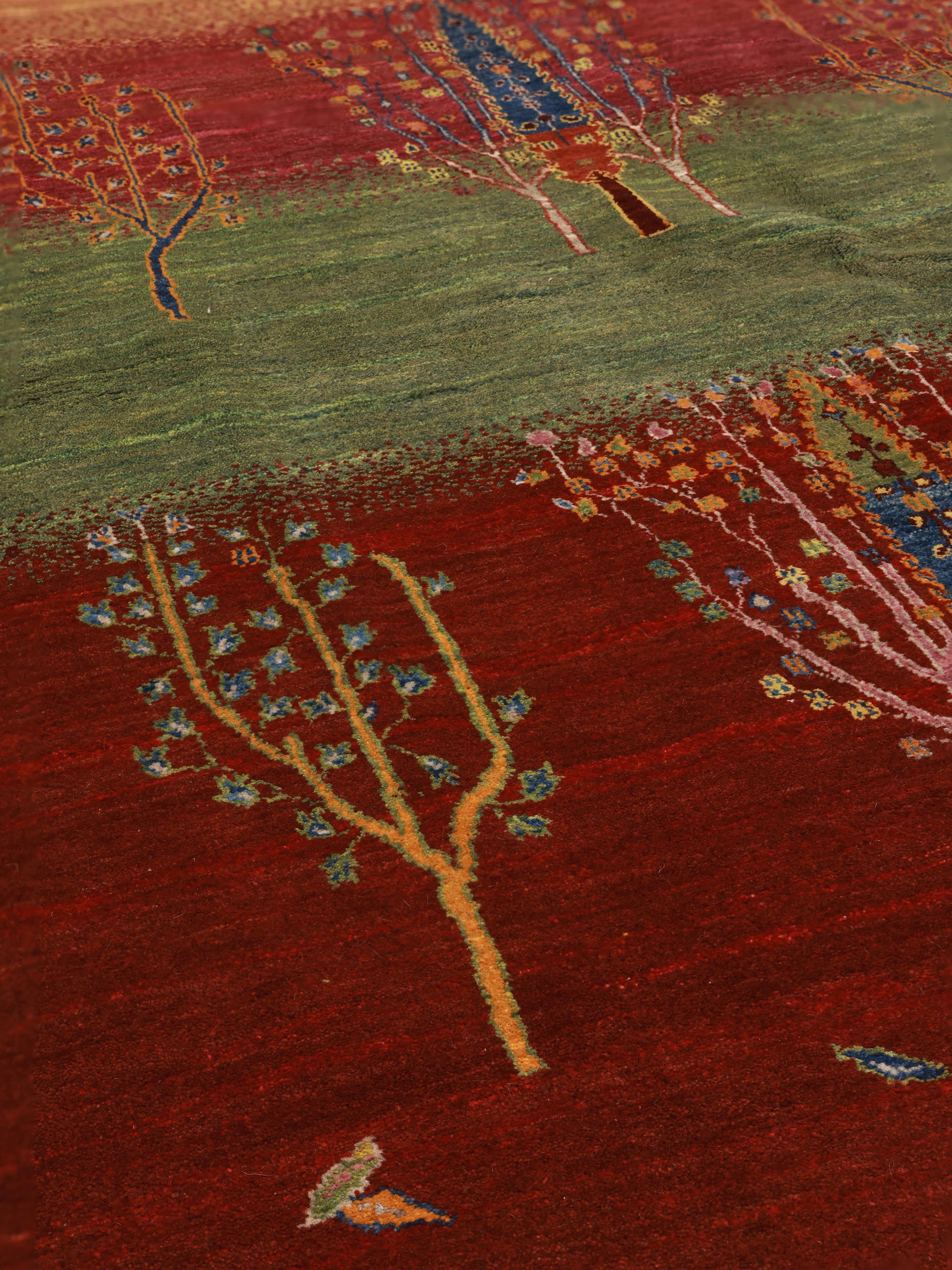
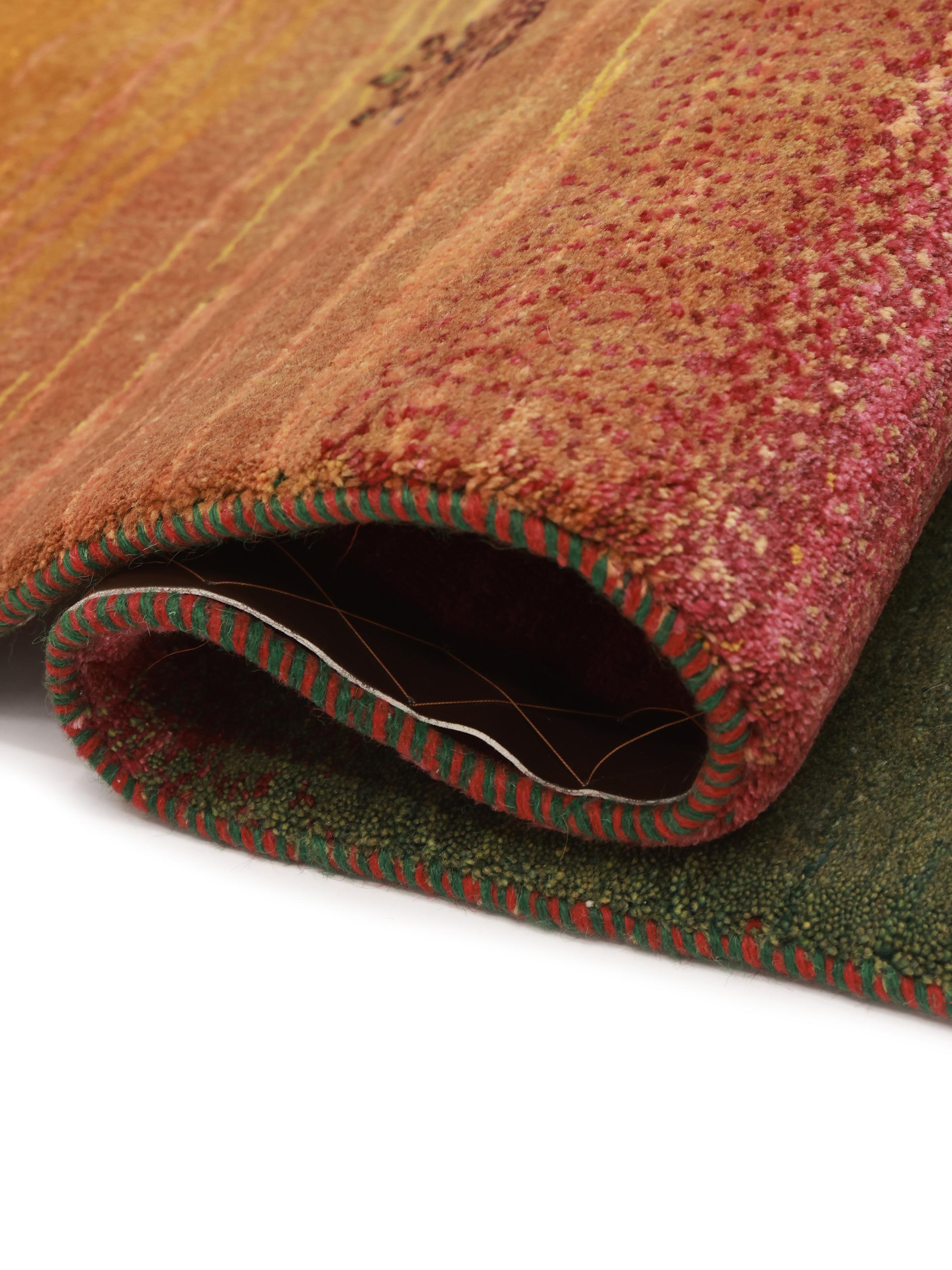
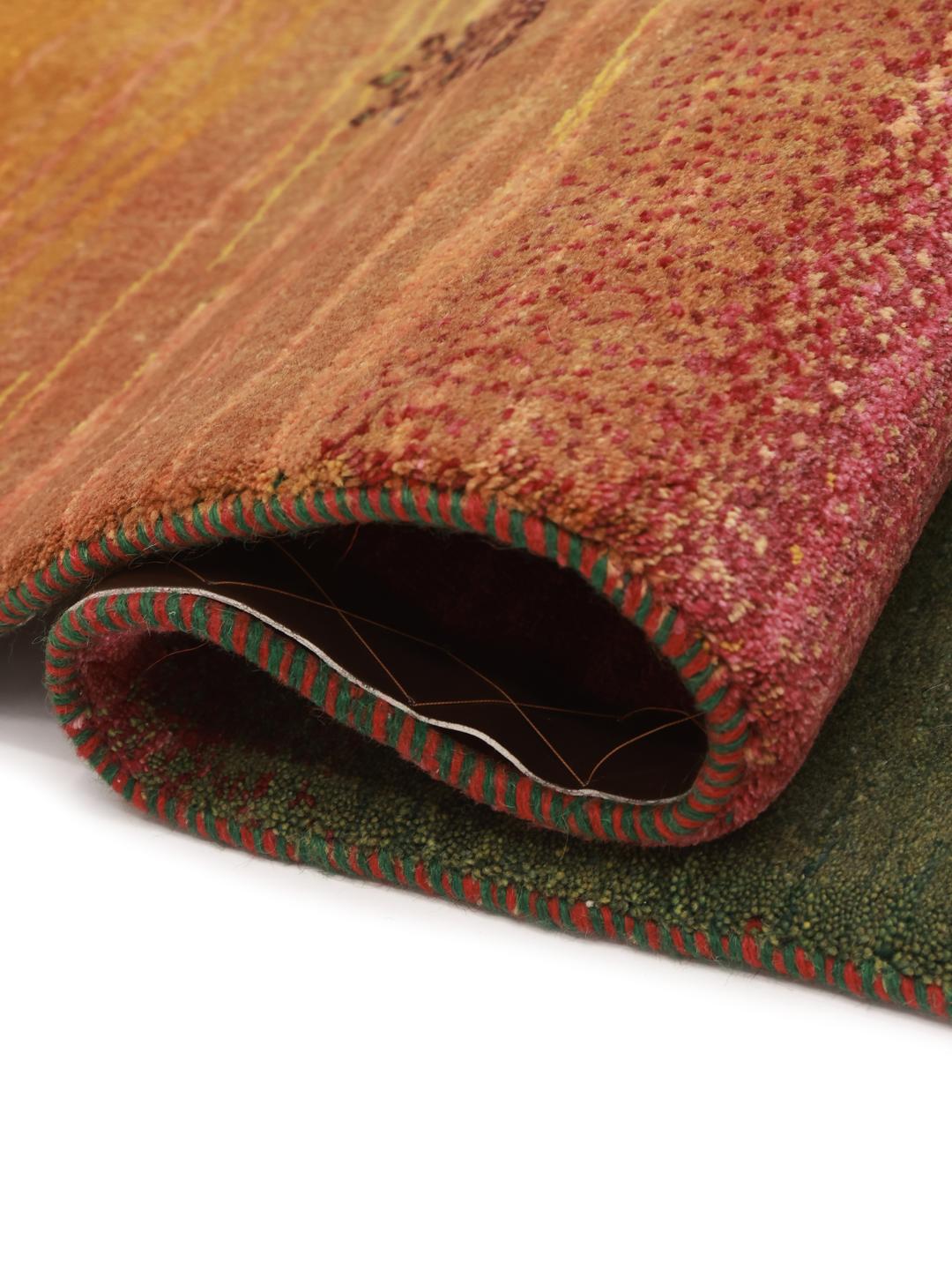
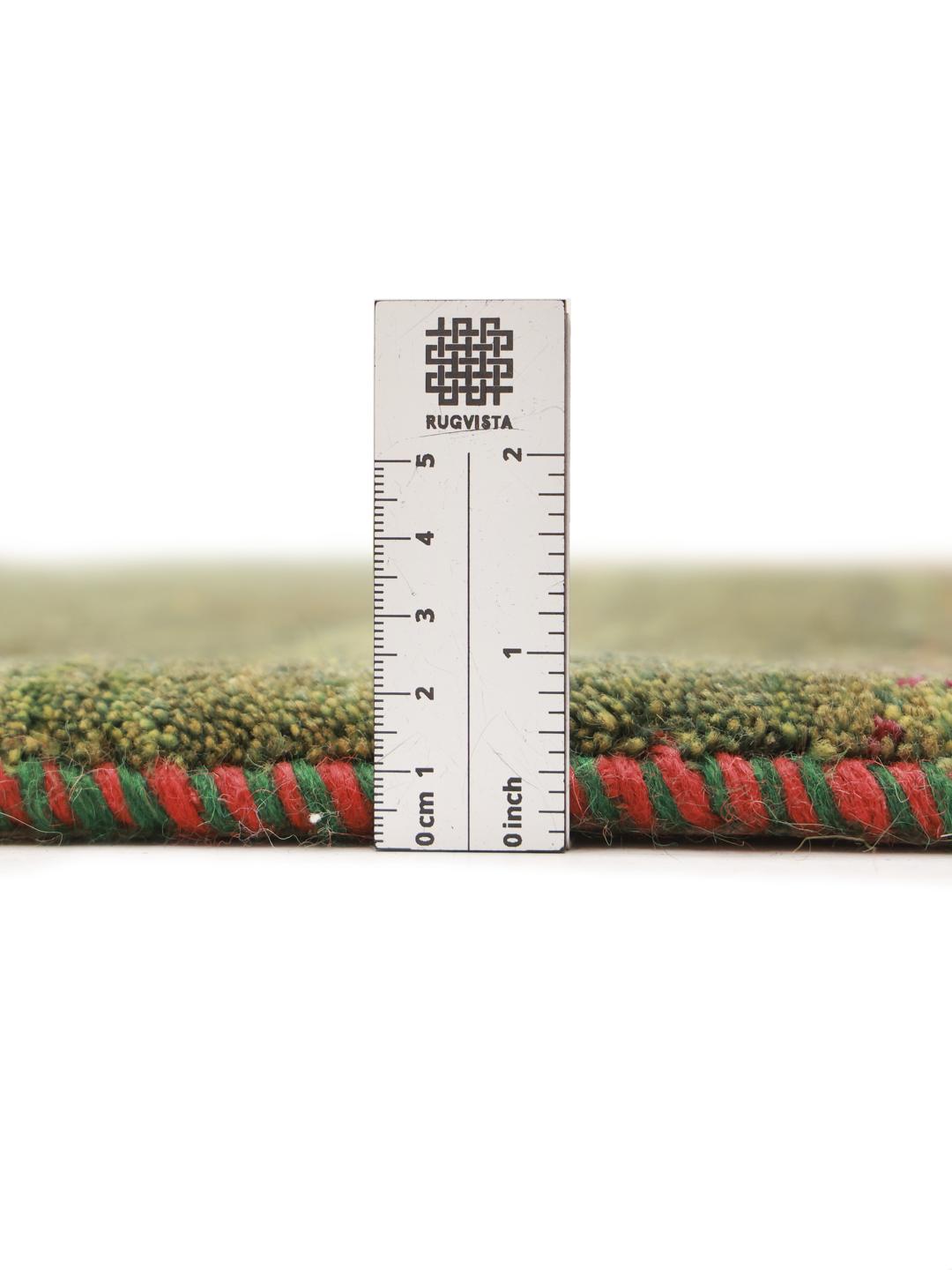
The term 'Shabargan' refers to a specific lineage of these rugs, often characterised by their deep, saturated colours and evocative, simplified designs. The construction of these rugs typically uses a thicker, hand-spun wool, which contributes to the characteristic depth and resilience of the pile. This construction is vital, as it provides the durability required for nomadic life while offering a soft, insulating surface that remains comfortable throughout the seasons.
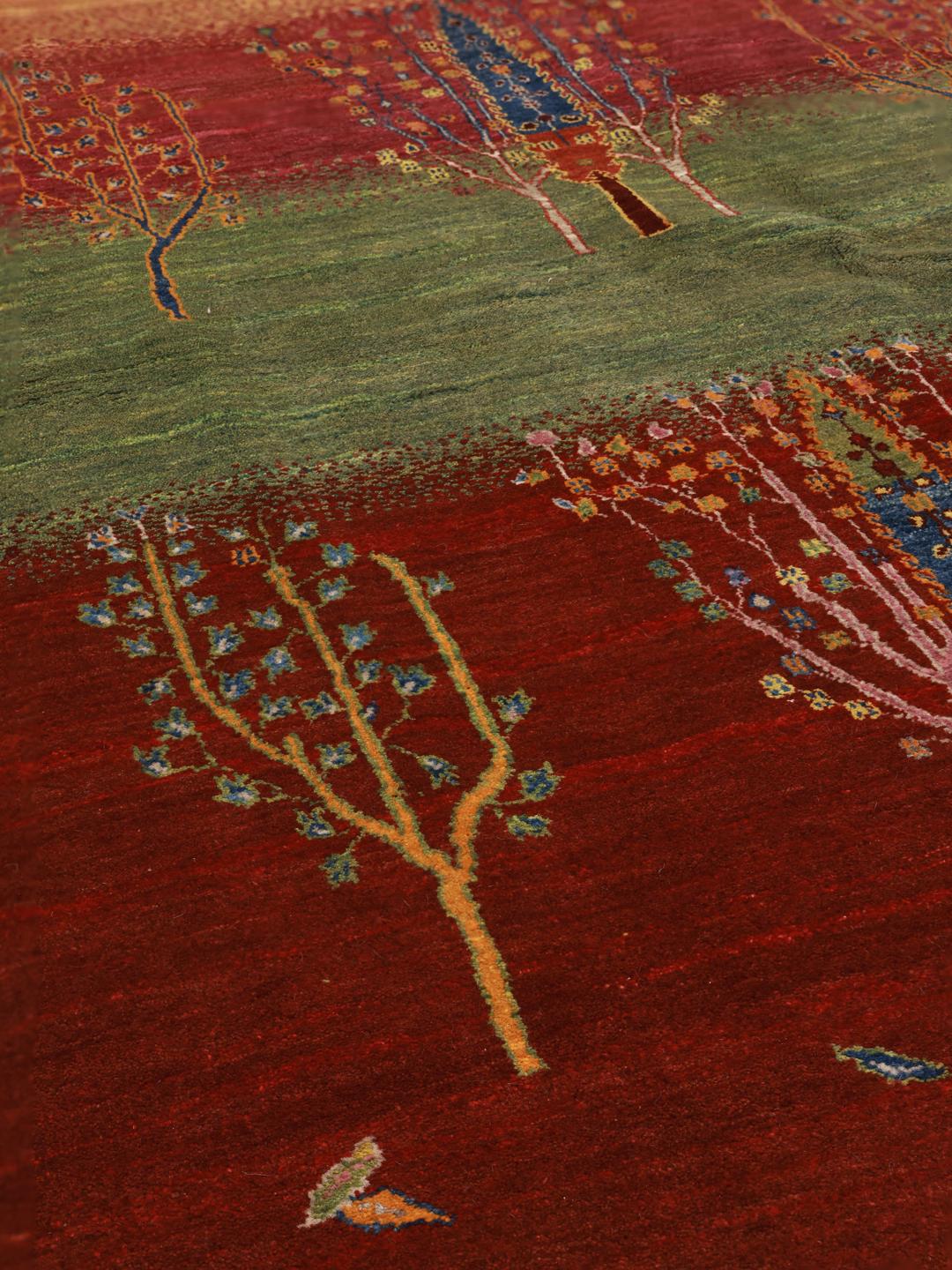
Visually, Gabbeh rugs are renowned for their use of negative space and abstract representations of nature. While many traditional rugs rely on complex, repetitive geometric patterns, the Gabbeh often features whimsical trees, animals, or human figures, reflecting the weaver's immediate environment and personal stories. The use of vibrant, natural dyes often results in subtle colour variations across the field, a phenomenon known as abrash, which adds a beautiful, painterly quality to the rug.
Today, these rugs are collected for their authenticity and the human story they tell. Owning a piece from this tradition is an opportunity to connect with a centuries-old craft that prizes individual expression over mass production. They are valued not just for their aesthetic beauty, but for the skill and cultural heritage woven into every row of knots, making them a lasting addition to any curated home.