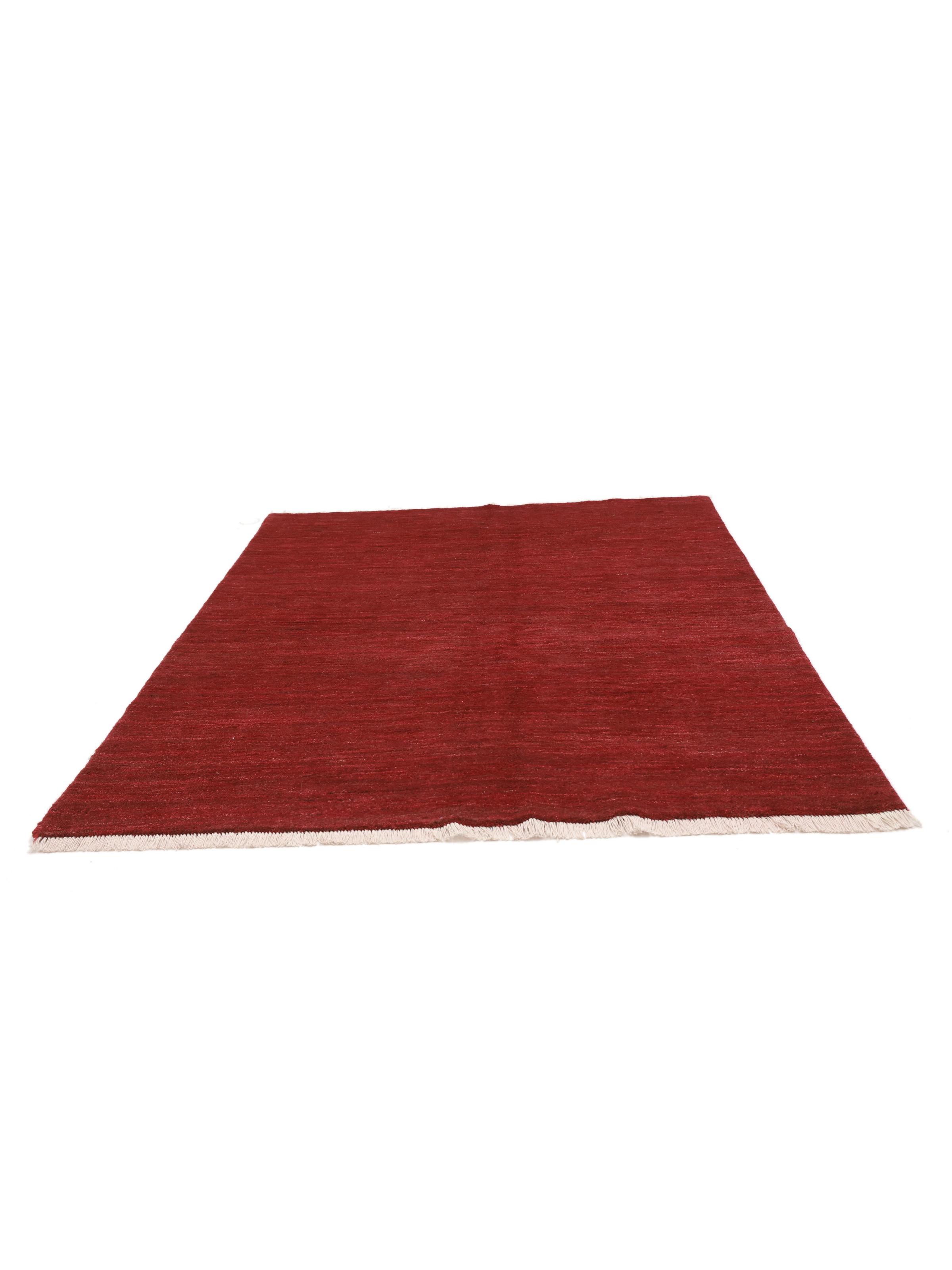
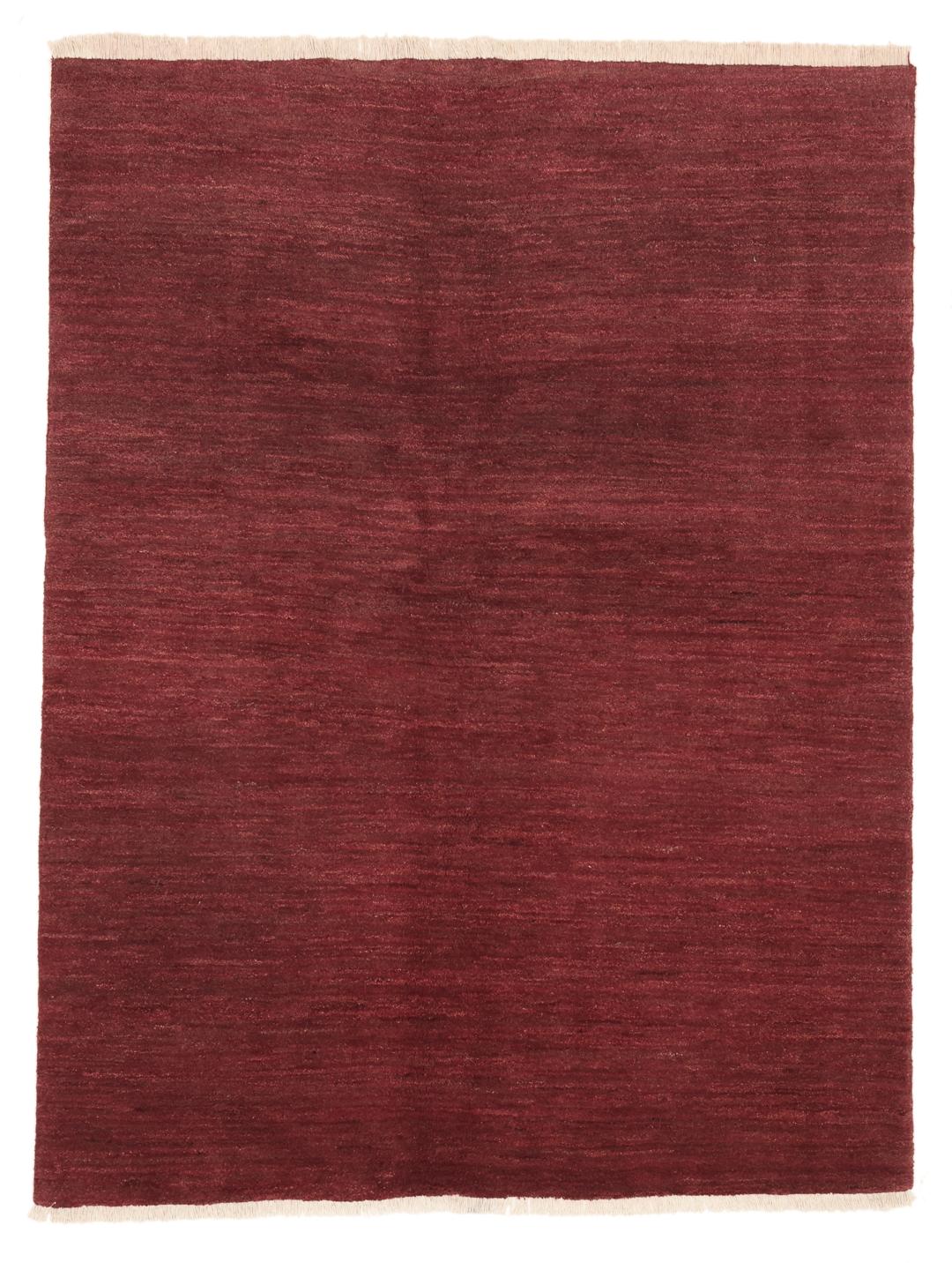
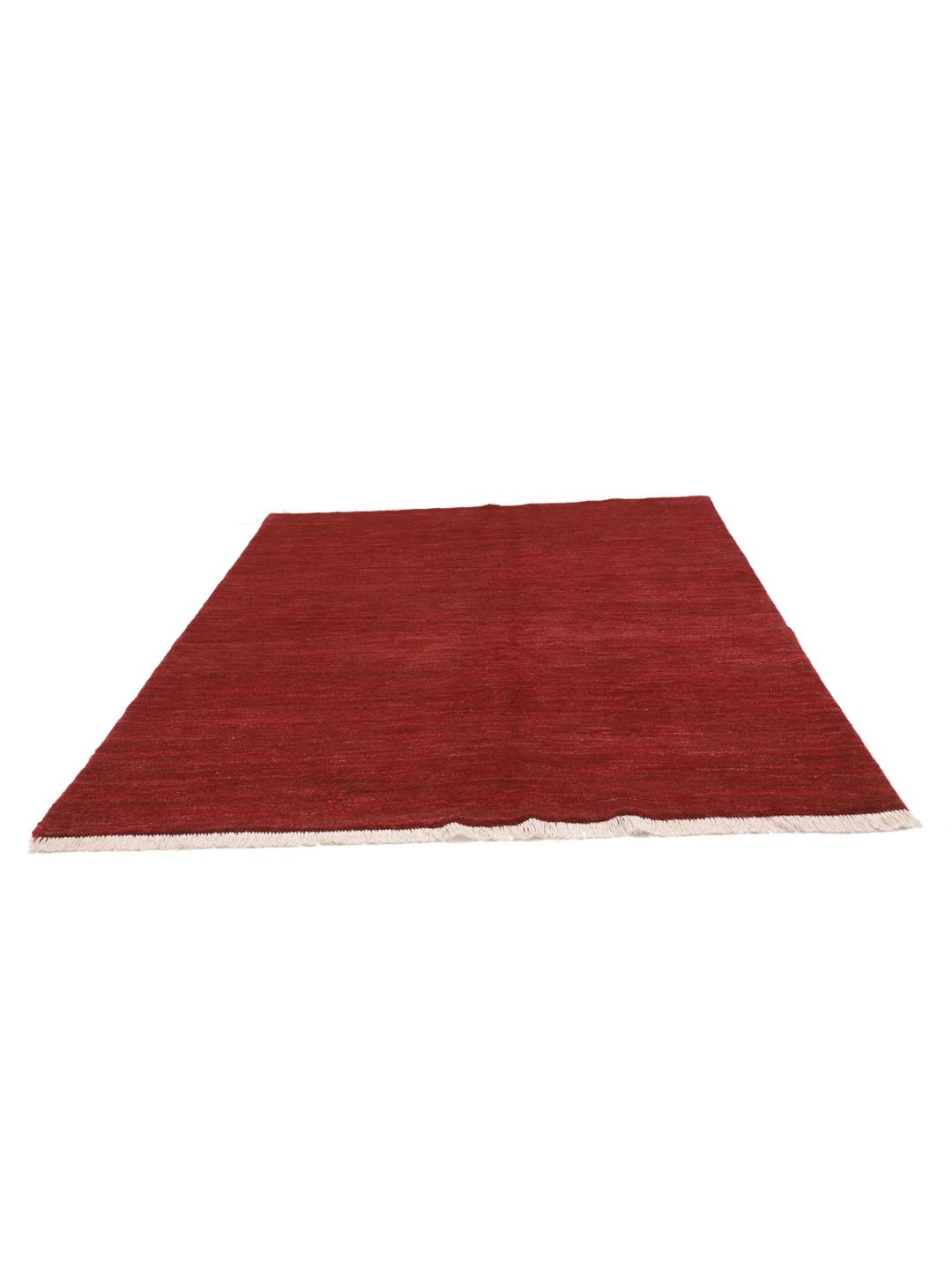
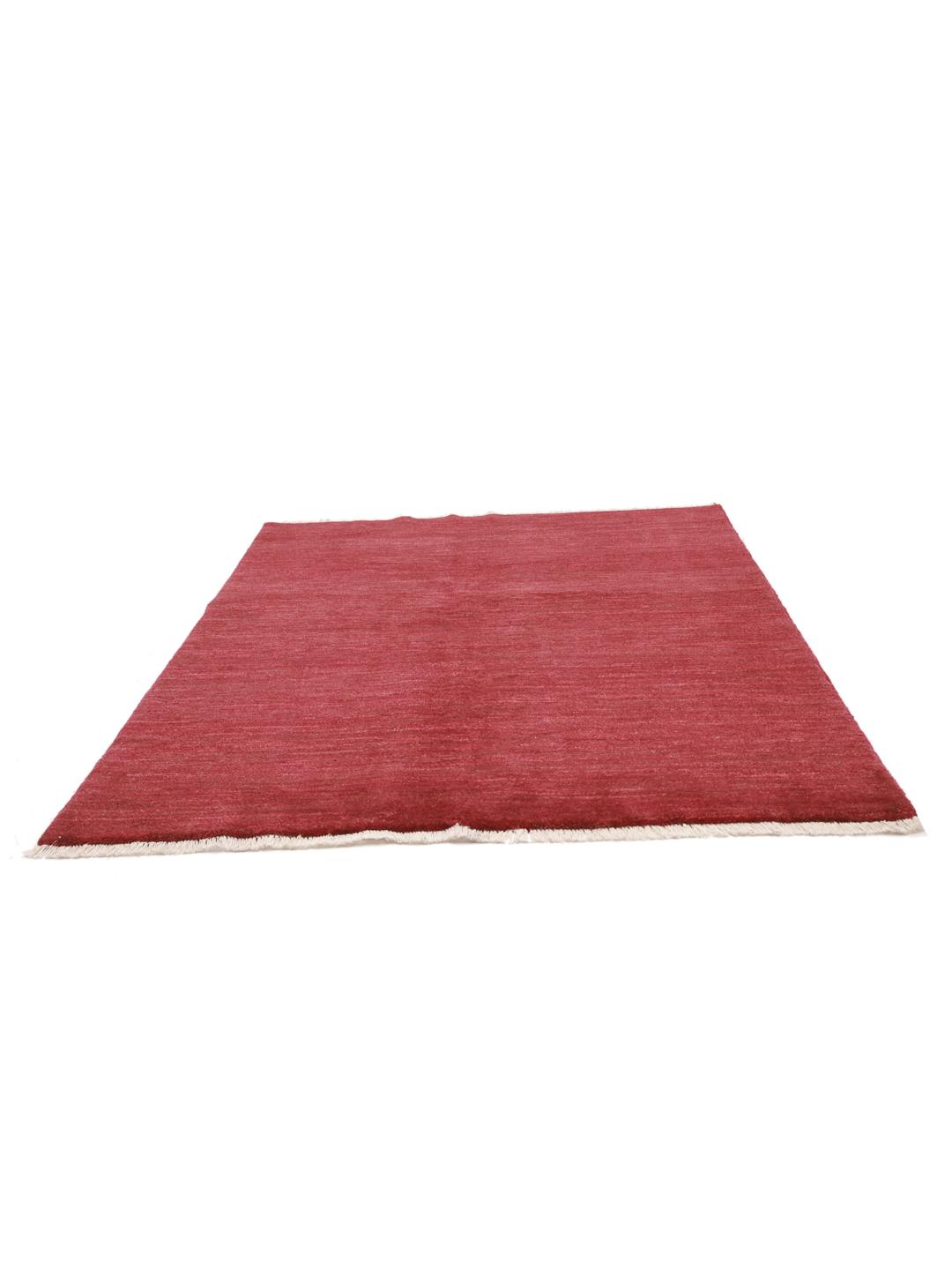
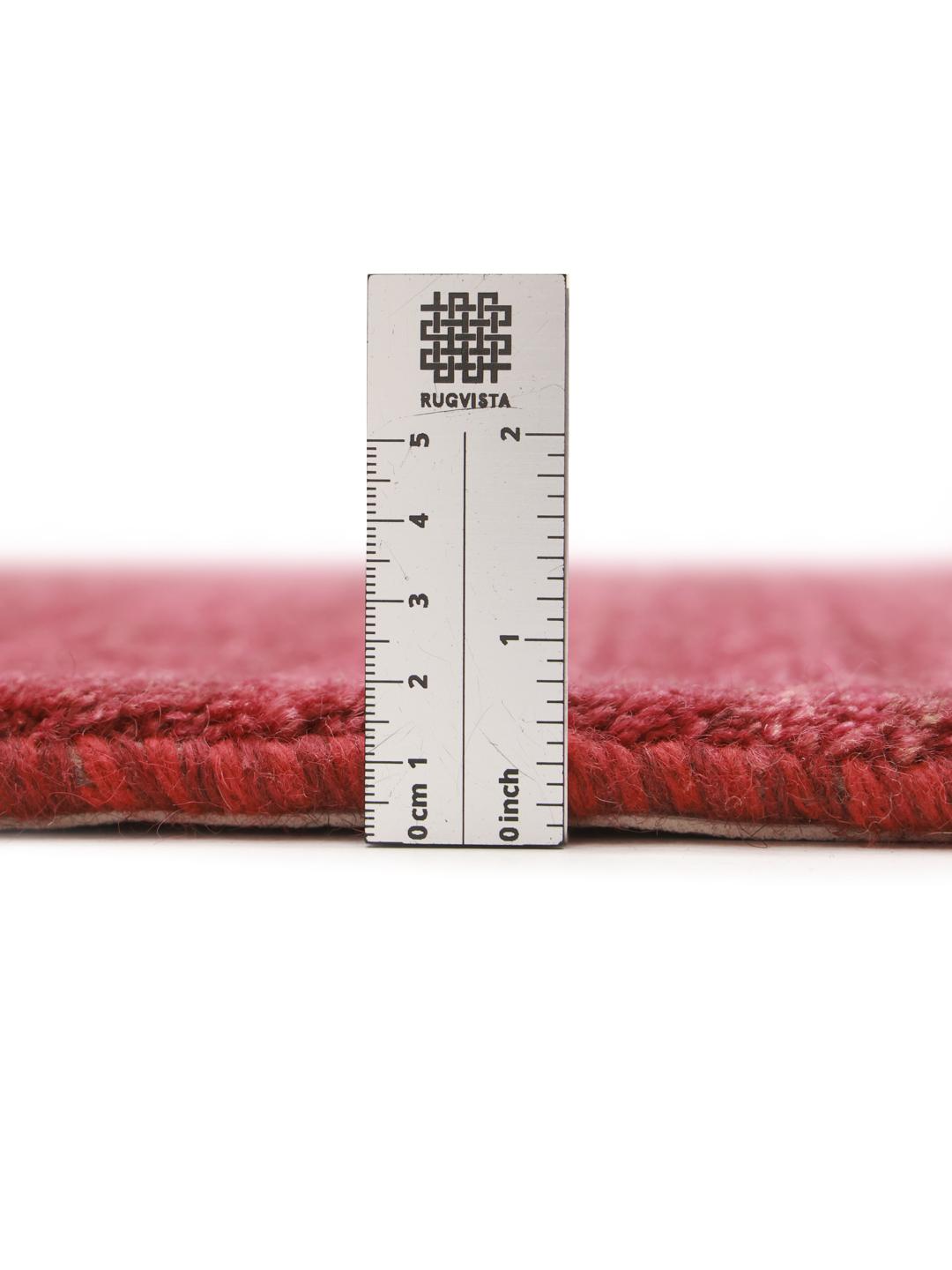
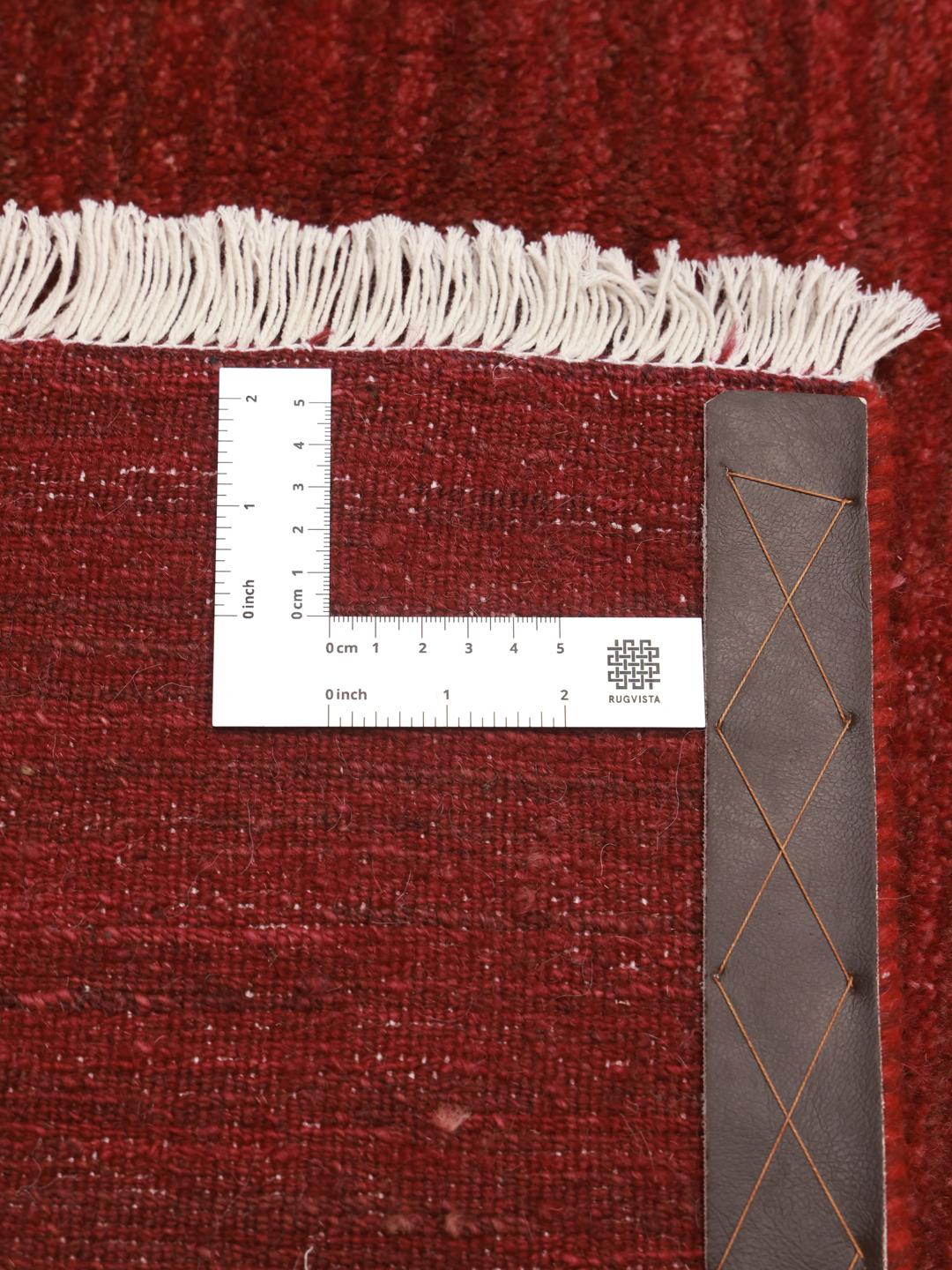
Gabbeh rugs originate from the nomadic tribes of the Middle East, where they were traditionally crafted for personal use rather than for trade. Unlike the formal, symmetrical patterns found in many other rug traditions, the Gabbeh was designed to be a functional, warm floor covering that reflected the weaver's own surroundings and emotions.
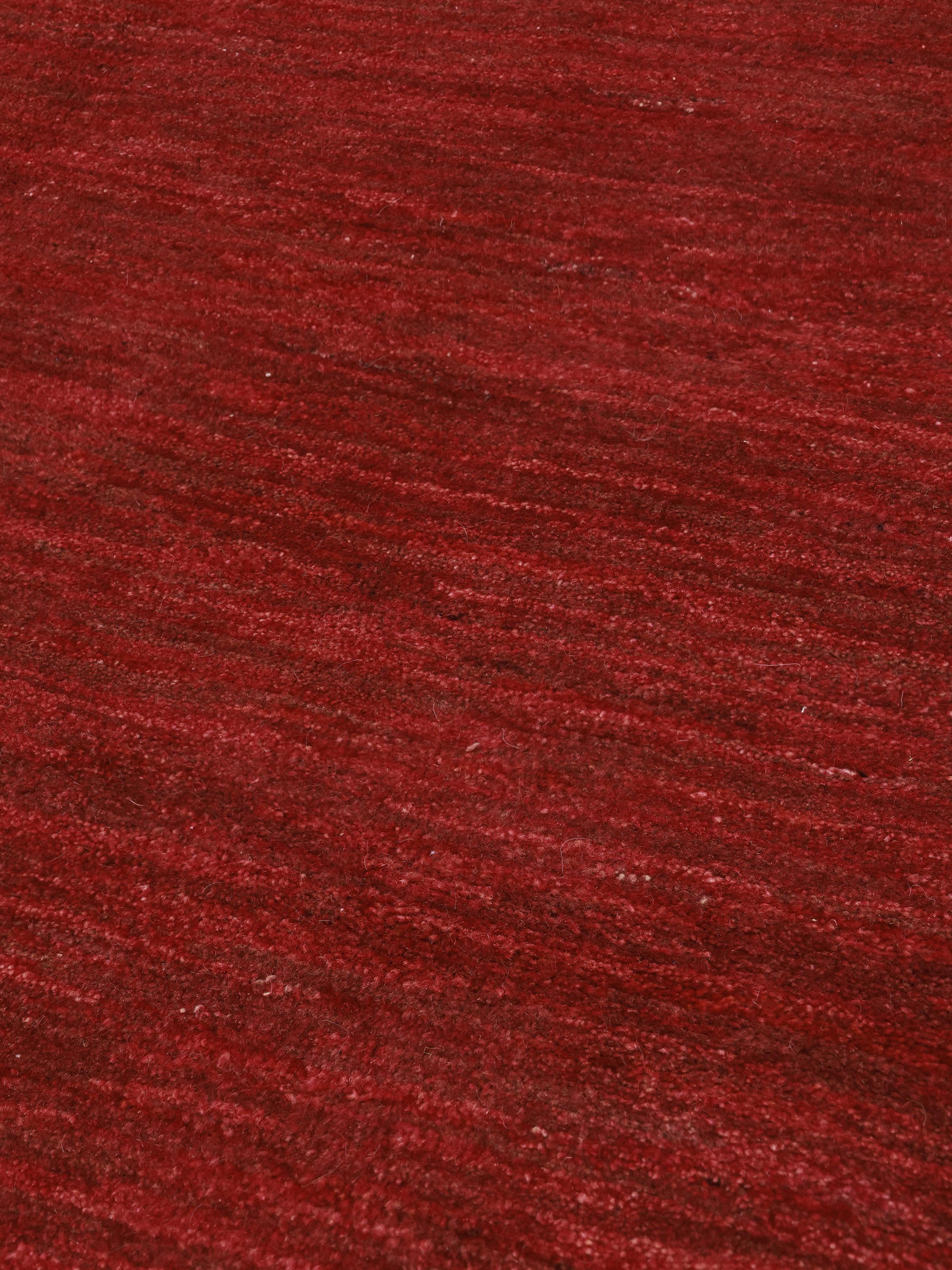
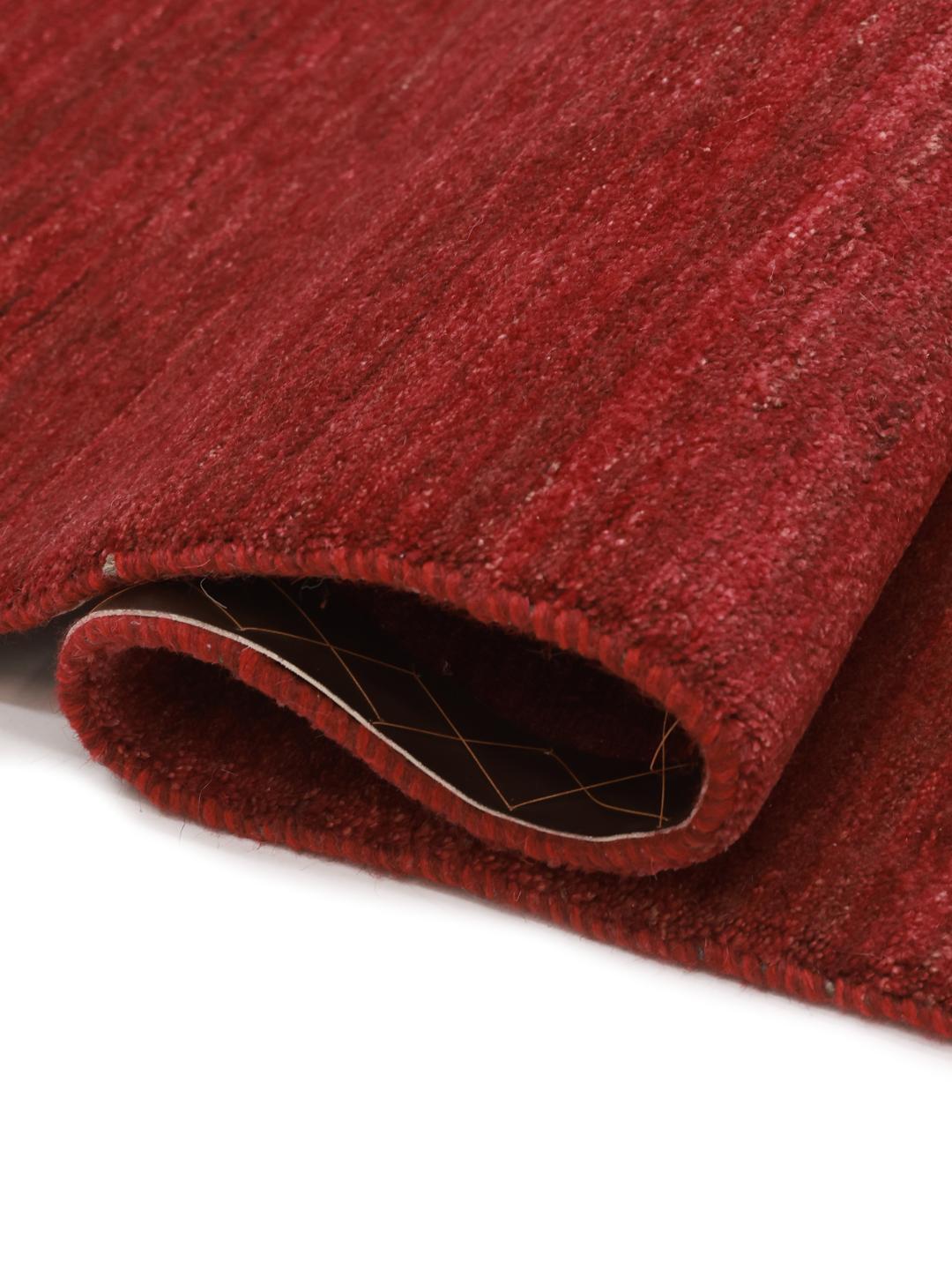
The term 'Gabbeh' itself translates to 'raw' or 'natural', which speaks to the unrefined and authentic nature of these rugs. Traditionally, these pieces were made using hand-spun wool and coloured with natural, vegetable-based dyes, resulting in the deep, earthy, and vibrant palettes that continue to define the style today.
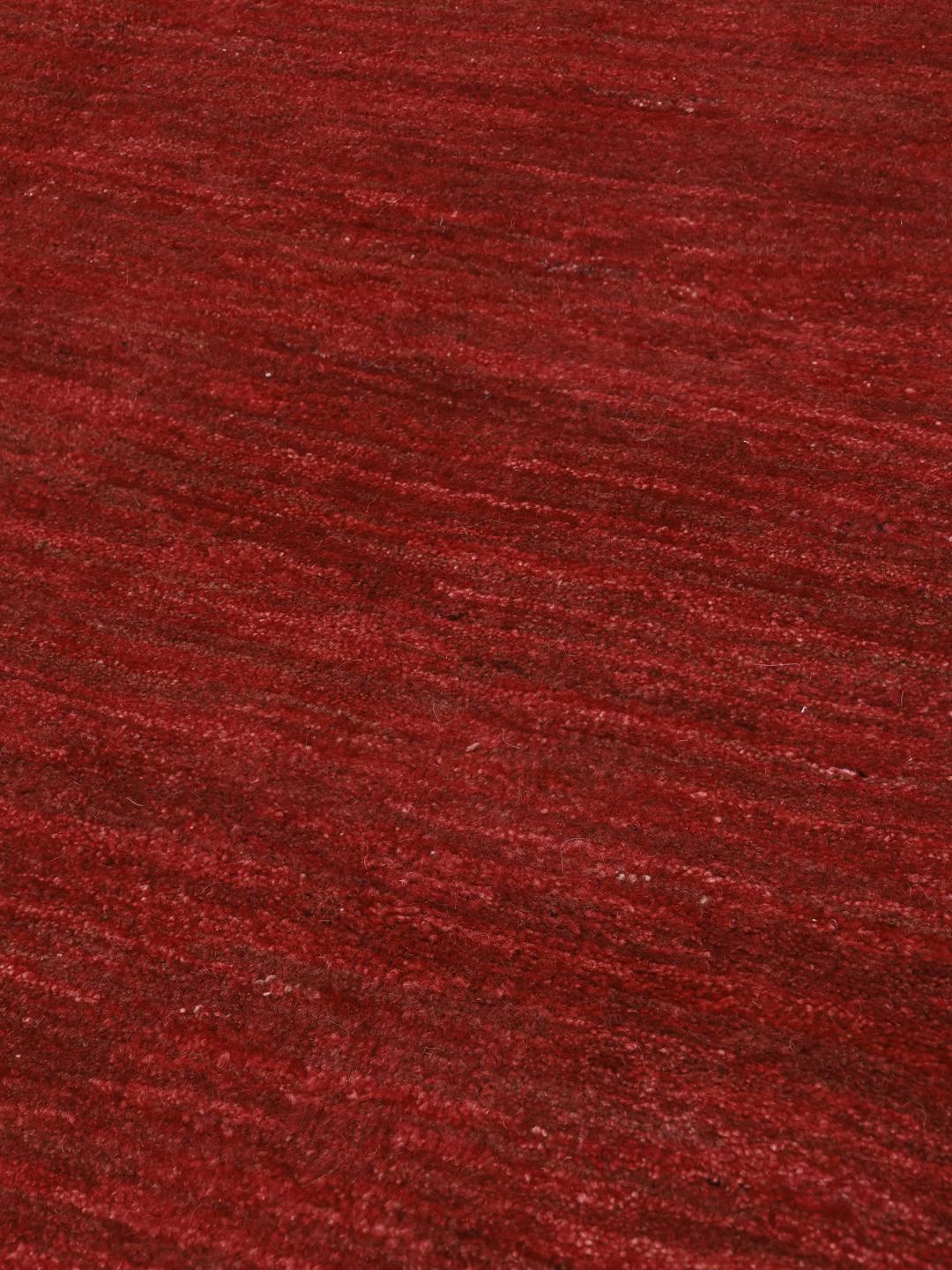
Visually, Gabbeh rugs are celebrated for their minimalism and bold use of colour. While they often feature solid fields or simple geometric motifs, their true beauty is found in the subtle 'abrash'—the intentional or accidental colour variations that occur due to the use of different batches of hand-dyed wool. This gives the rug a dynamic, painterly quality that shifts beautifully under different lighting.
Today, these rugs are highly sought after by collectors who value the intersection of ancestral skill and modern design. Owning a Gabbeh is a connection to a long-standing nomadic heritage, offering not just a floor covering, but a piece of cultural history that brings a grounded, human touch to contemporary interiors.