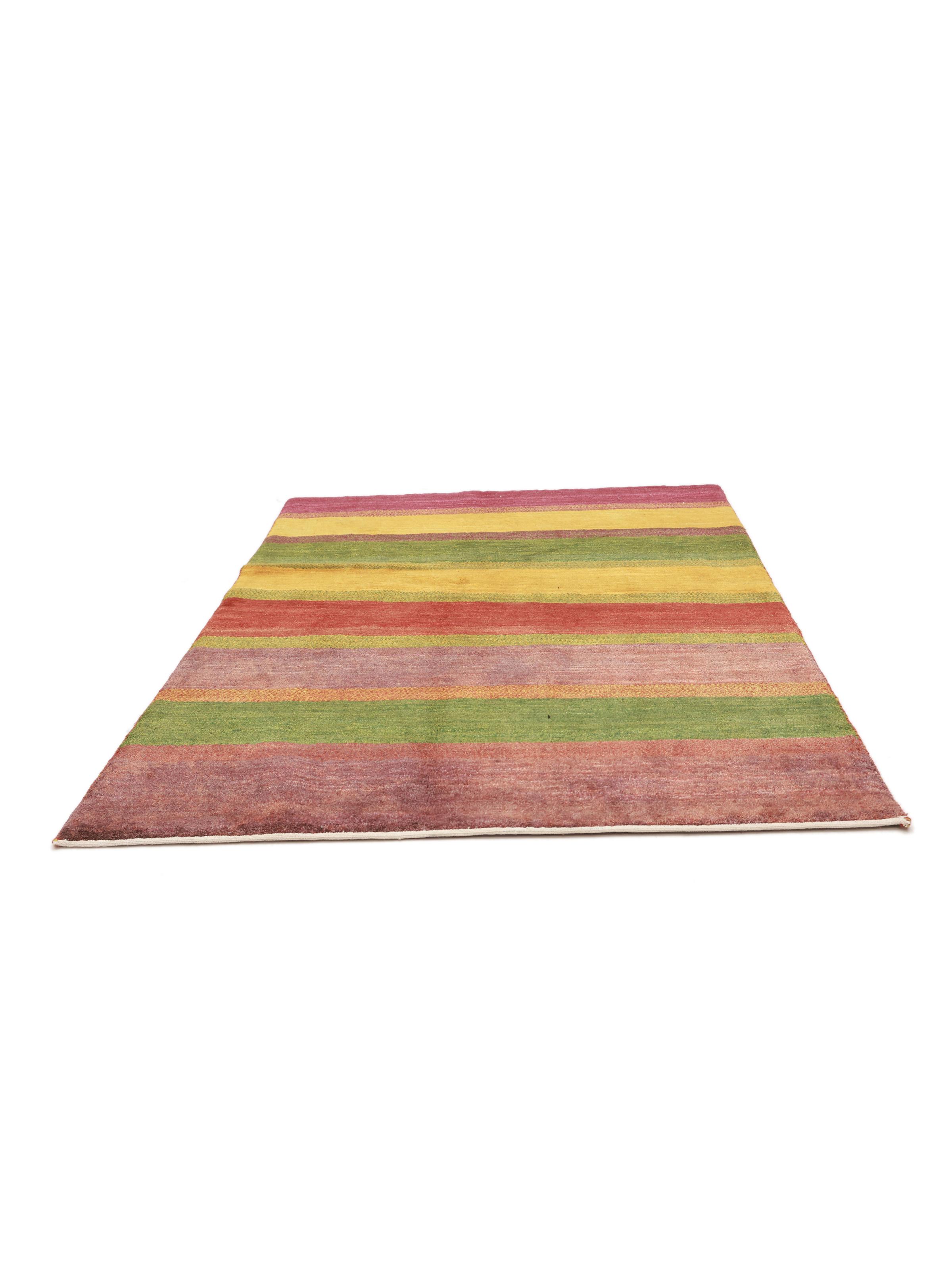
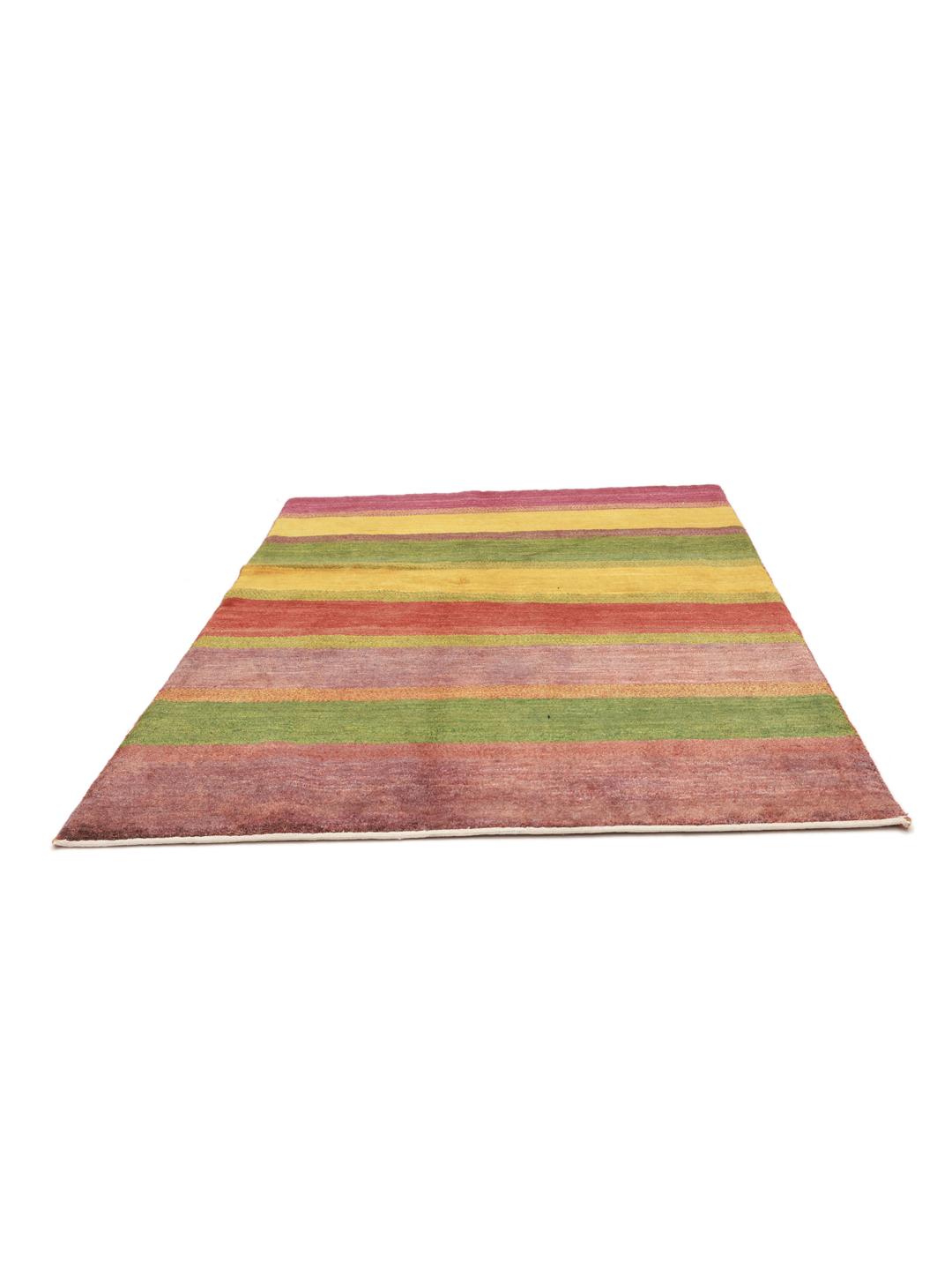
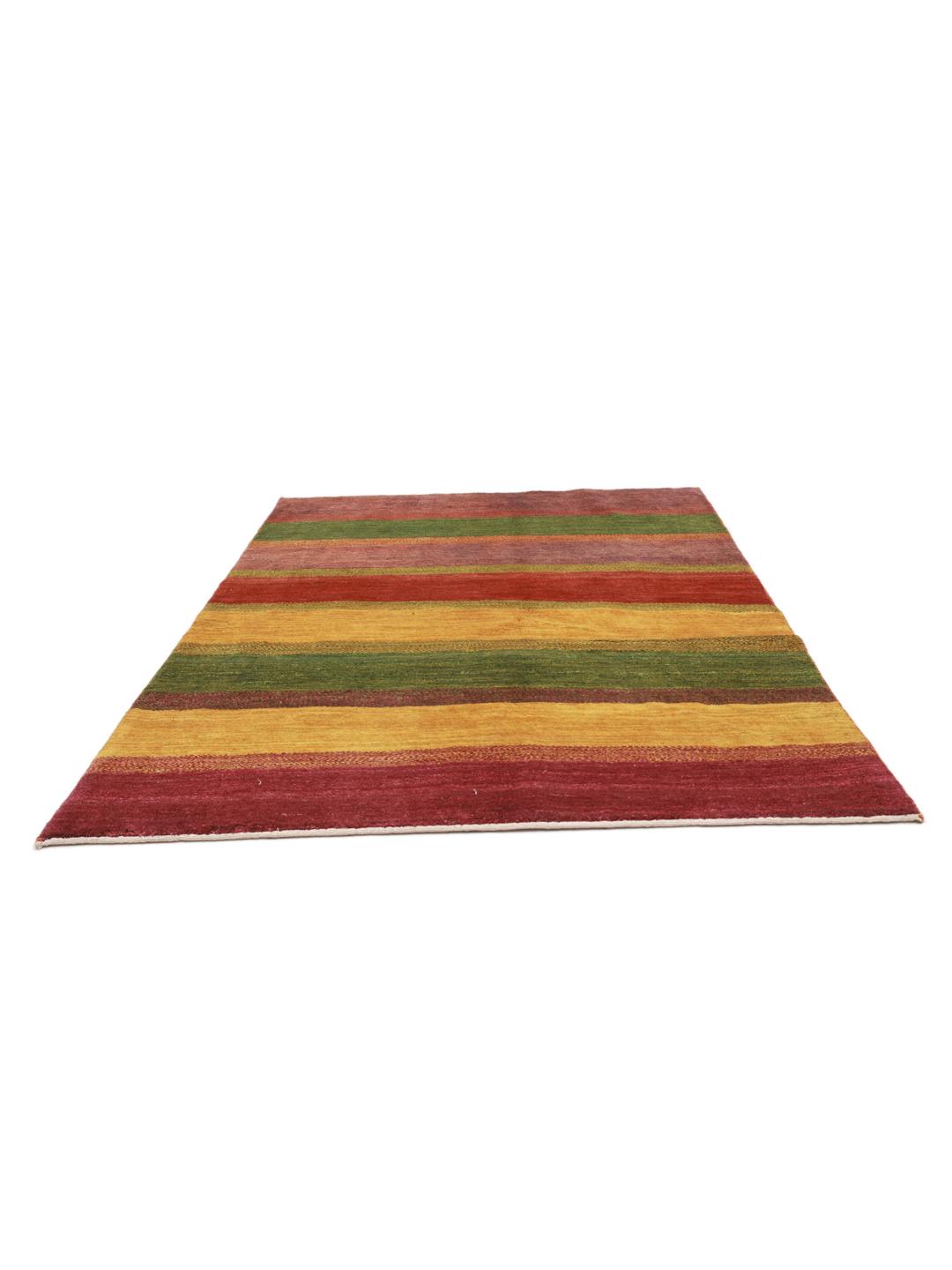
The Gabbeh tradition originates from the nomadic tribes of the Middle East, who developed these rugs as functional, heavy-duty floor coverings for daily life. Historically, these were woven for personal use rather than for trade, resulting in a more spontaneous and expressive design language that reflects the weaver's own experiences and surroundings.
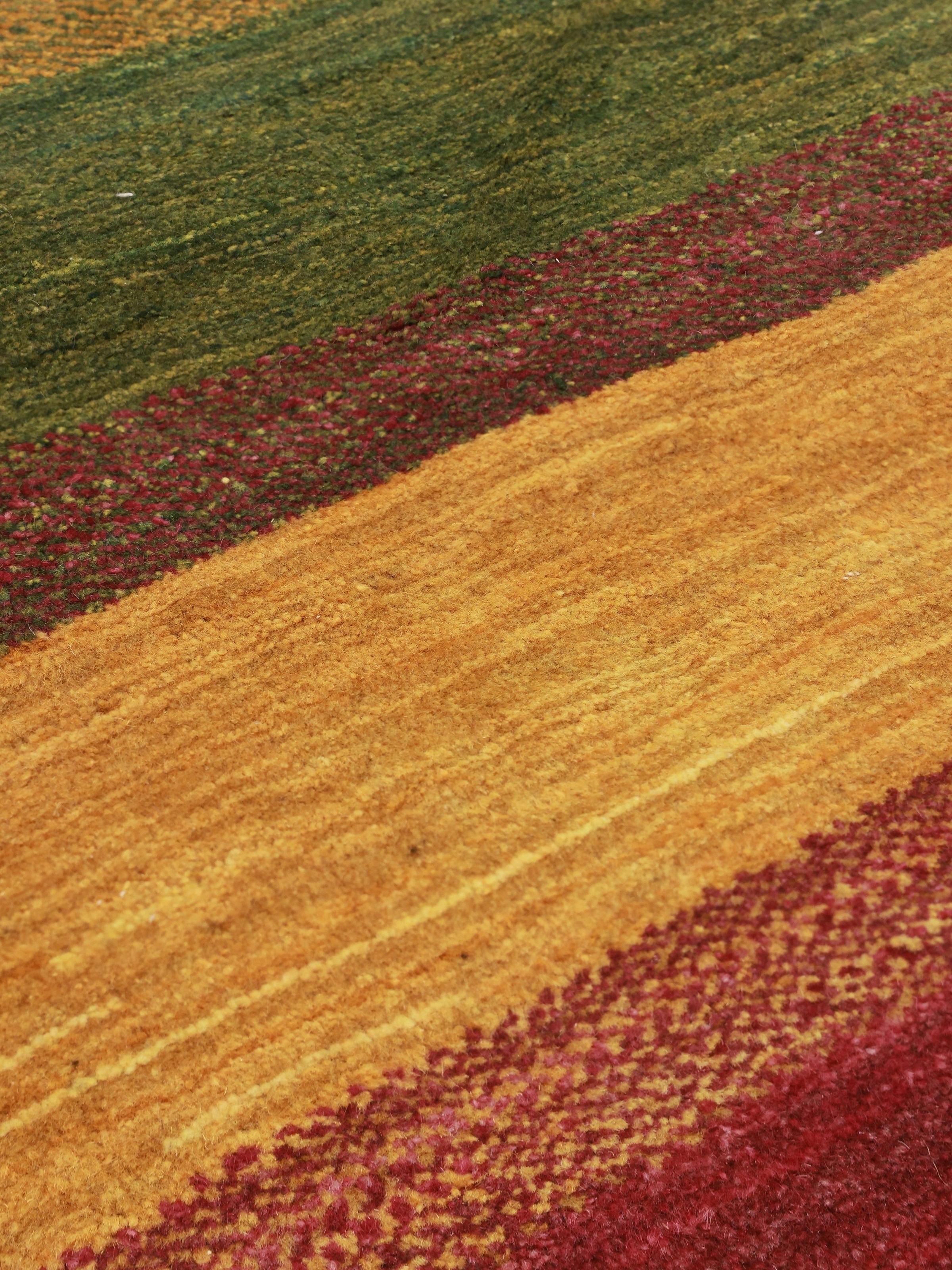
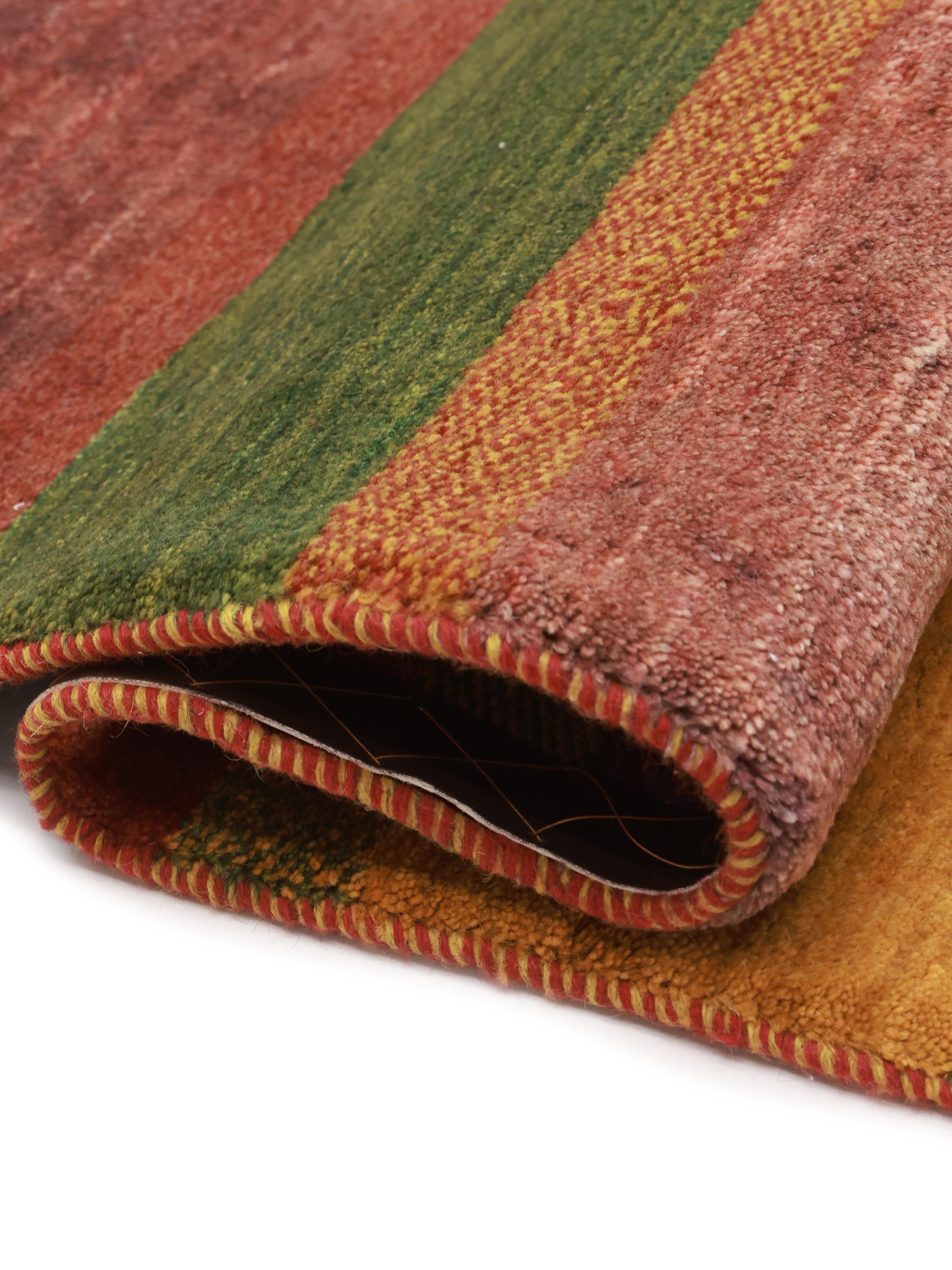
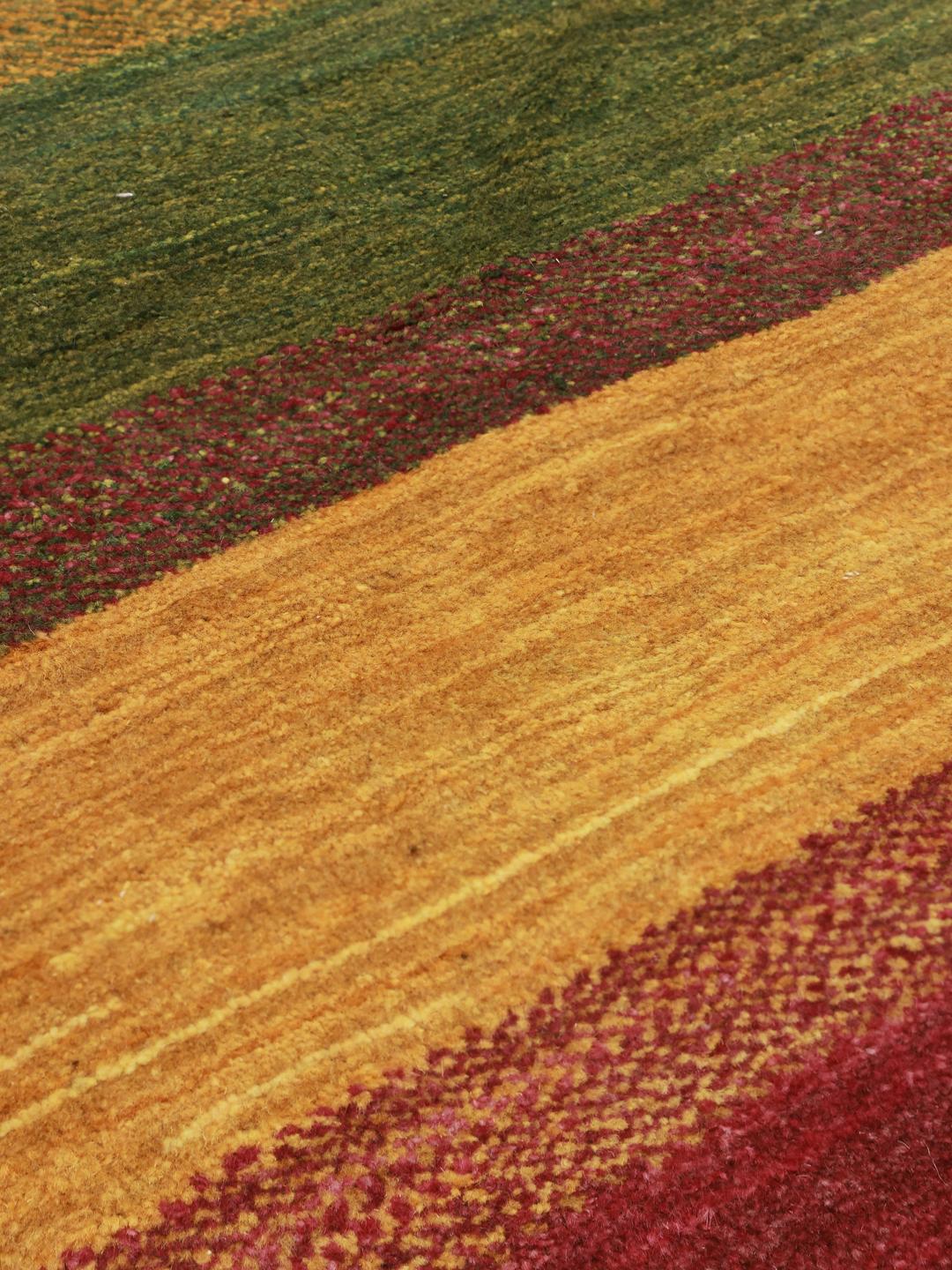
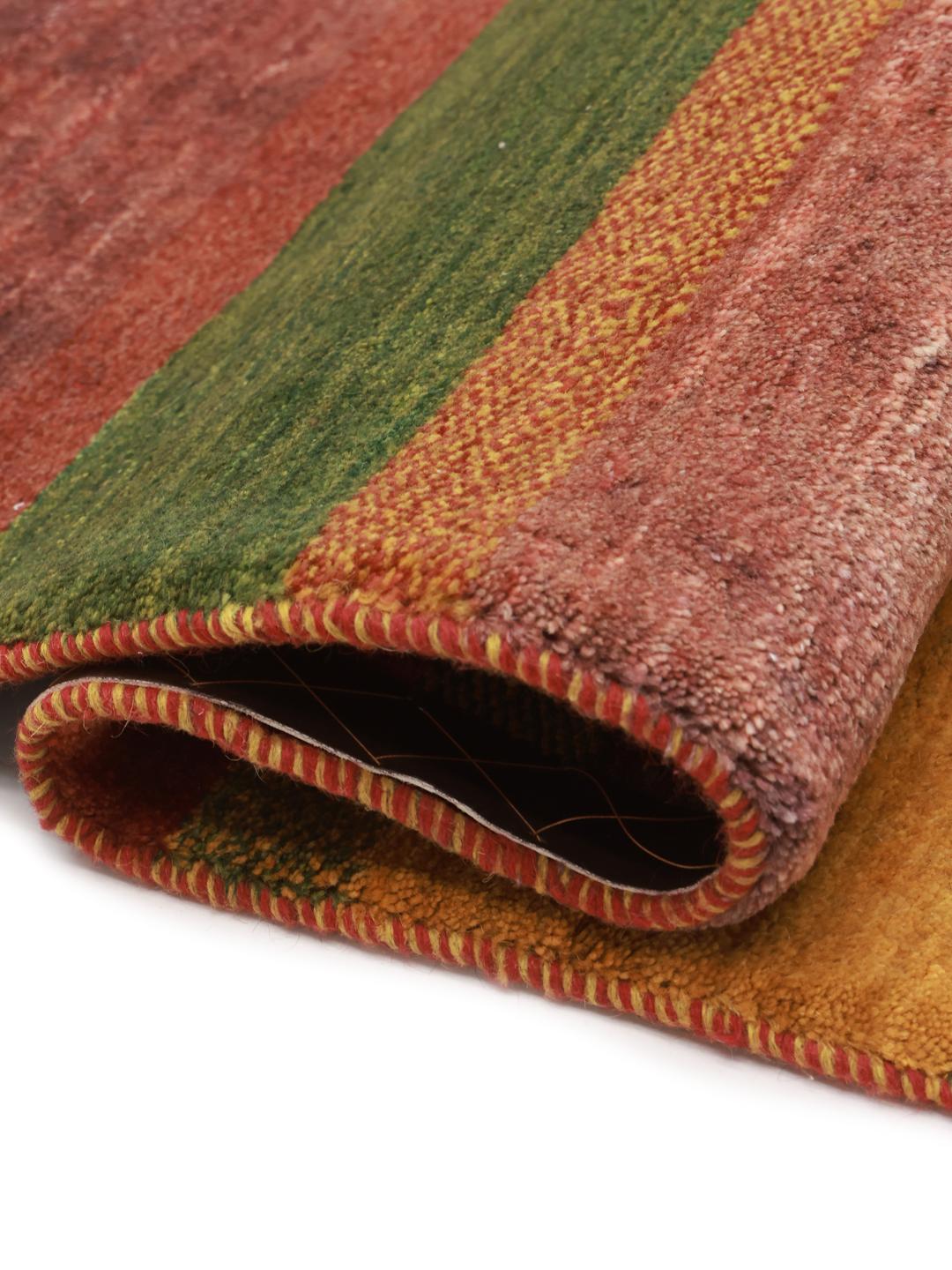
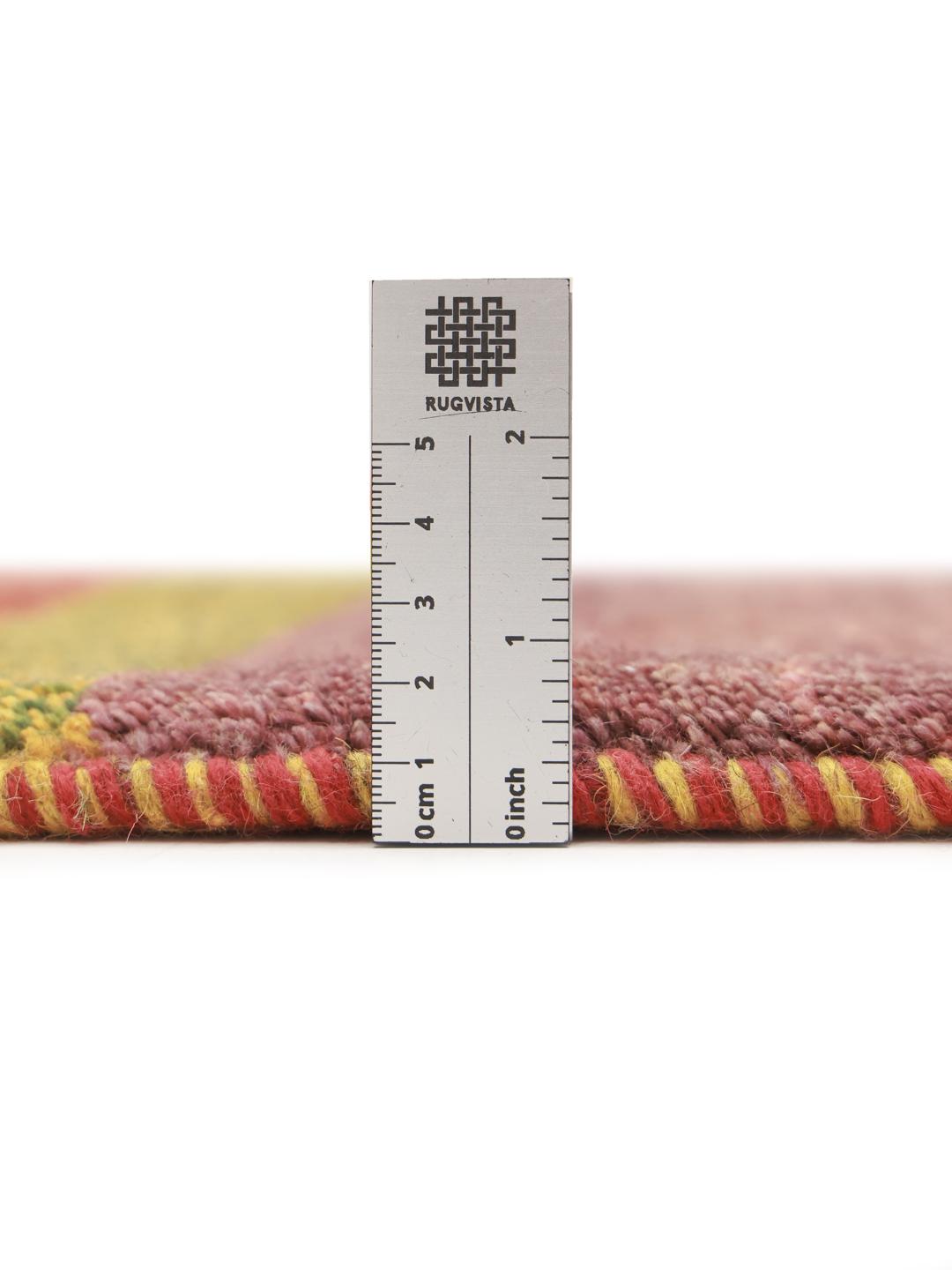
The term 'Shabargan' refers to the regional style and specific design sensibilities that define this particular collection. These rugs are known for their thicker, plush pile compared to other Middle Eastern styles, a feature that provides exceptional warmth and comfort in the rugged, high-altitude climates where the tradition first flourished.
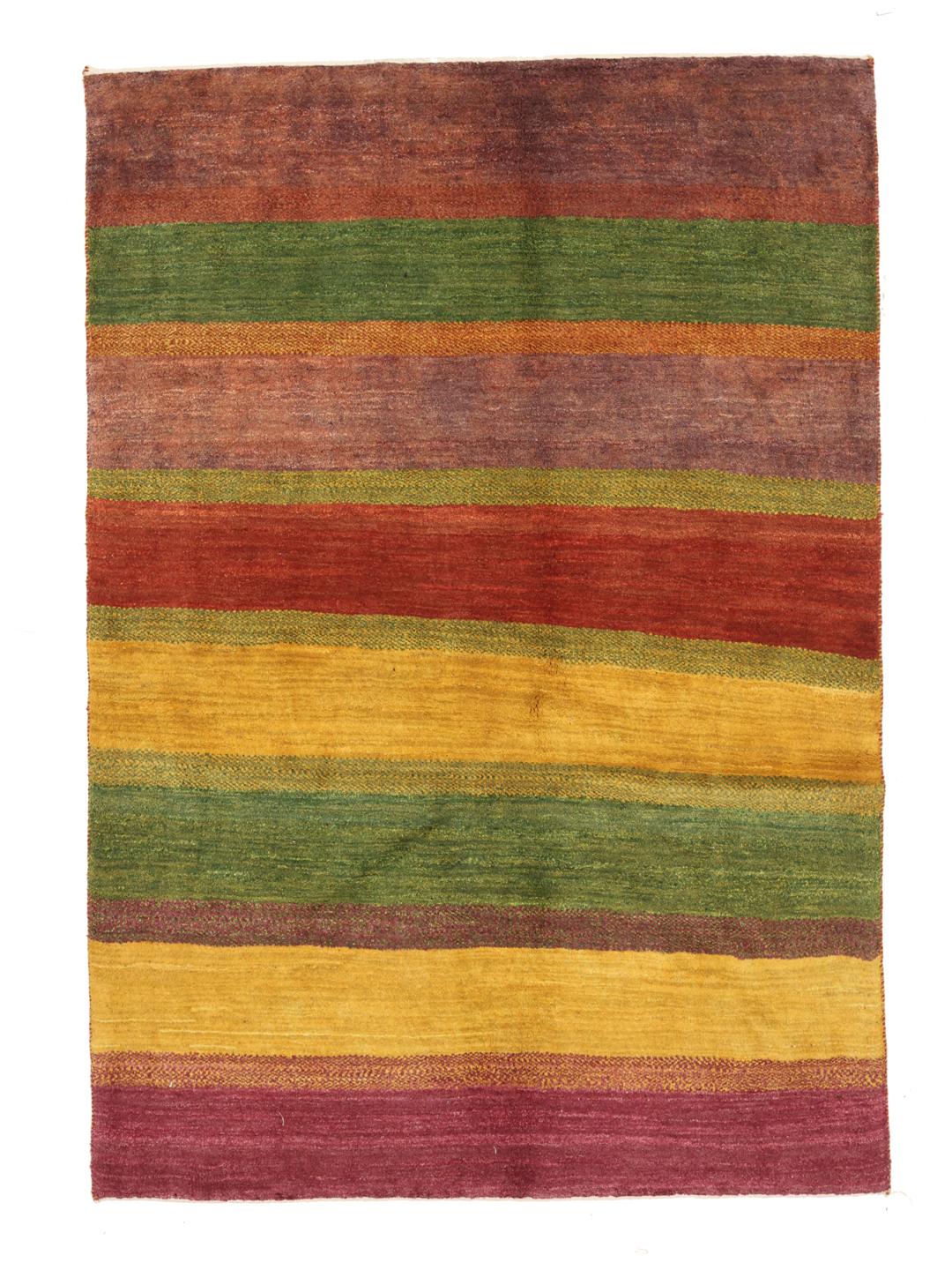
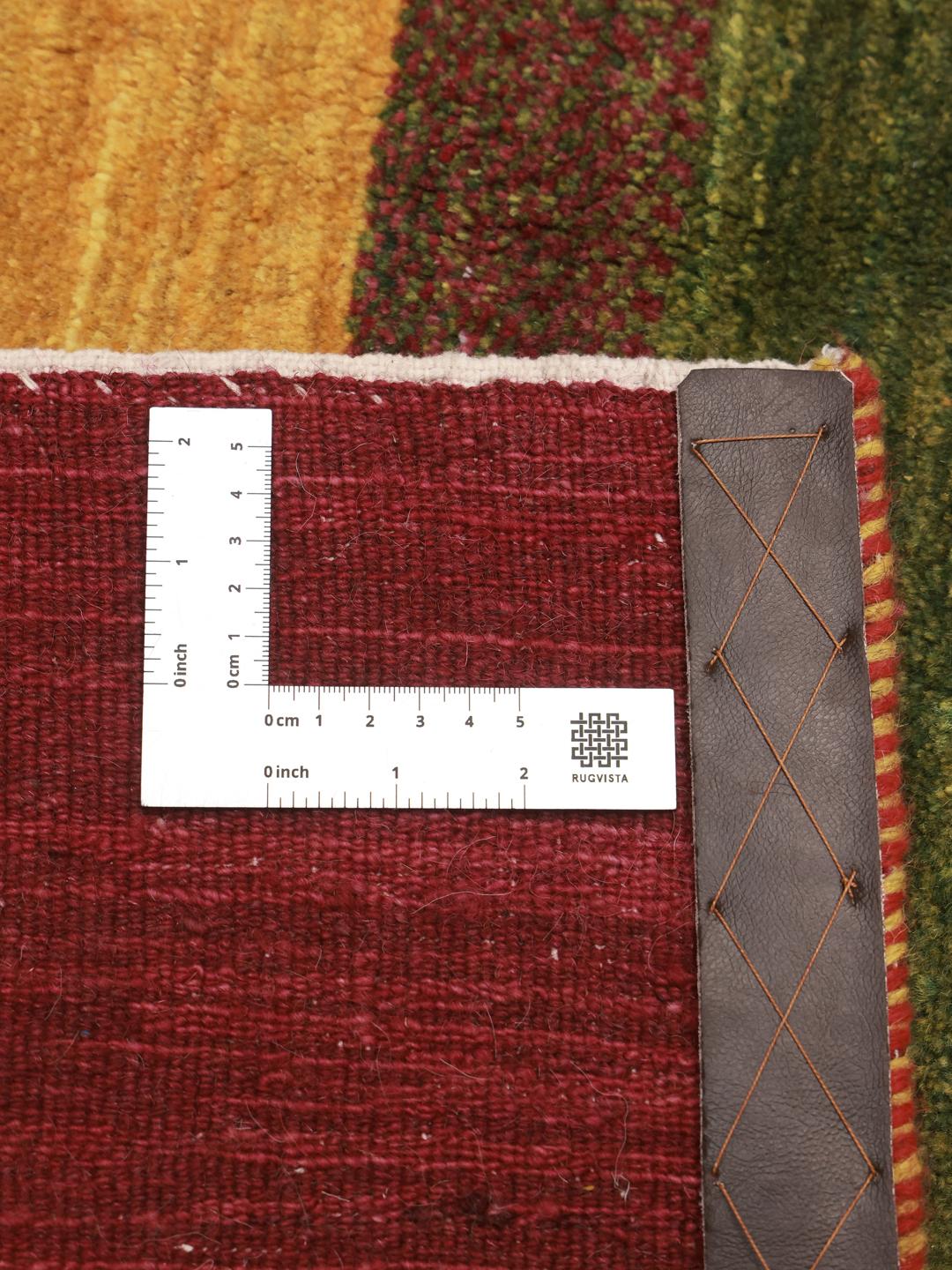
Visually, Gabbeh rugs are celebrated for their bold, abstract, and often minimalist designs. While many traditional rugs are defined by complex floral patterns, the Gabbeh typically features wide stripes, geometric shapes, or simple animal motifs rendered in vibrant, naturally dyed colours. The striped design seen here is a classic manifestation of this tradition, emphasising the beauty of simplicity and the depth of the Wool.
Collecting a Gabbeh rug is an investment in a living heritage. These pieces are highly valued by connoisseurs not only for their aesthetic appeal but for the raw, human touch present in every weave. Owning one is a way to celebrate the enduring skill of the nomadic tribes and to keep a vital piece of textile history alive in a modern home.