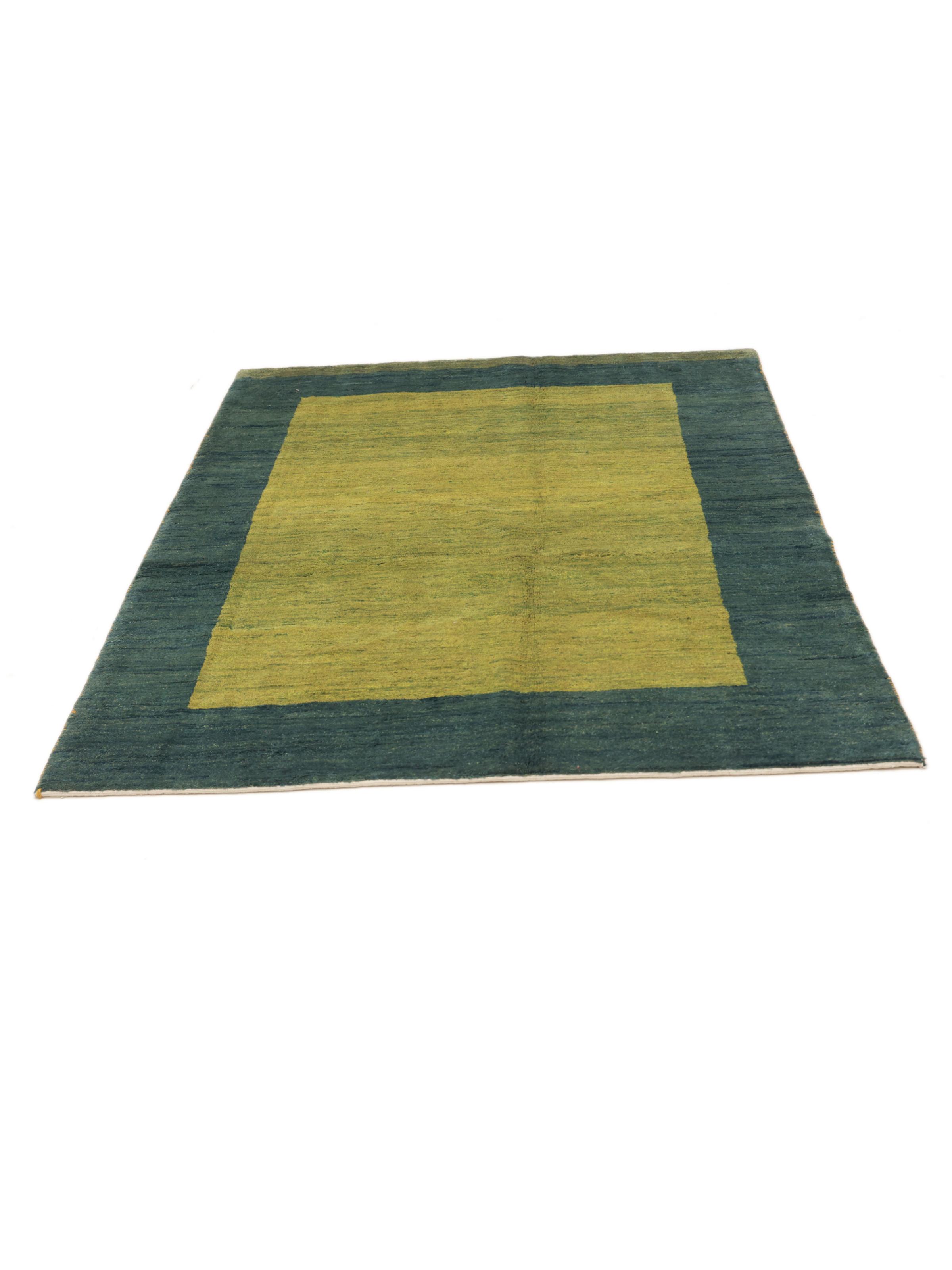
Gabbeh rugs trace their roots to the nomadic tribes of the Middle East, where they were originally woven for personal use rather than for trade. Unlike formal, city-made rugs, these pieces were designed to provide warmth and comfort within the rugged conditions of nomadic life. Over generations, these rugs have evolved from functional floor coverings into celebrated examples of tribal art, known for their honest, unpretentious beauty.
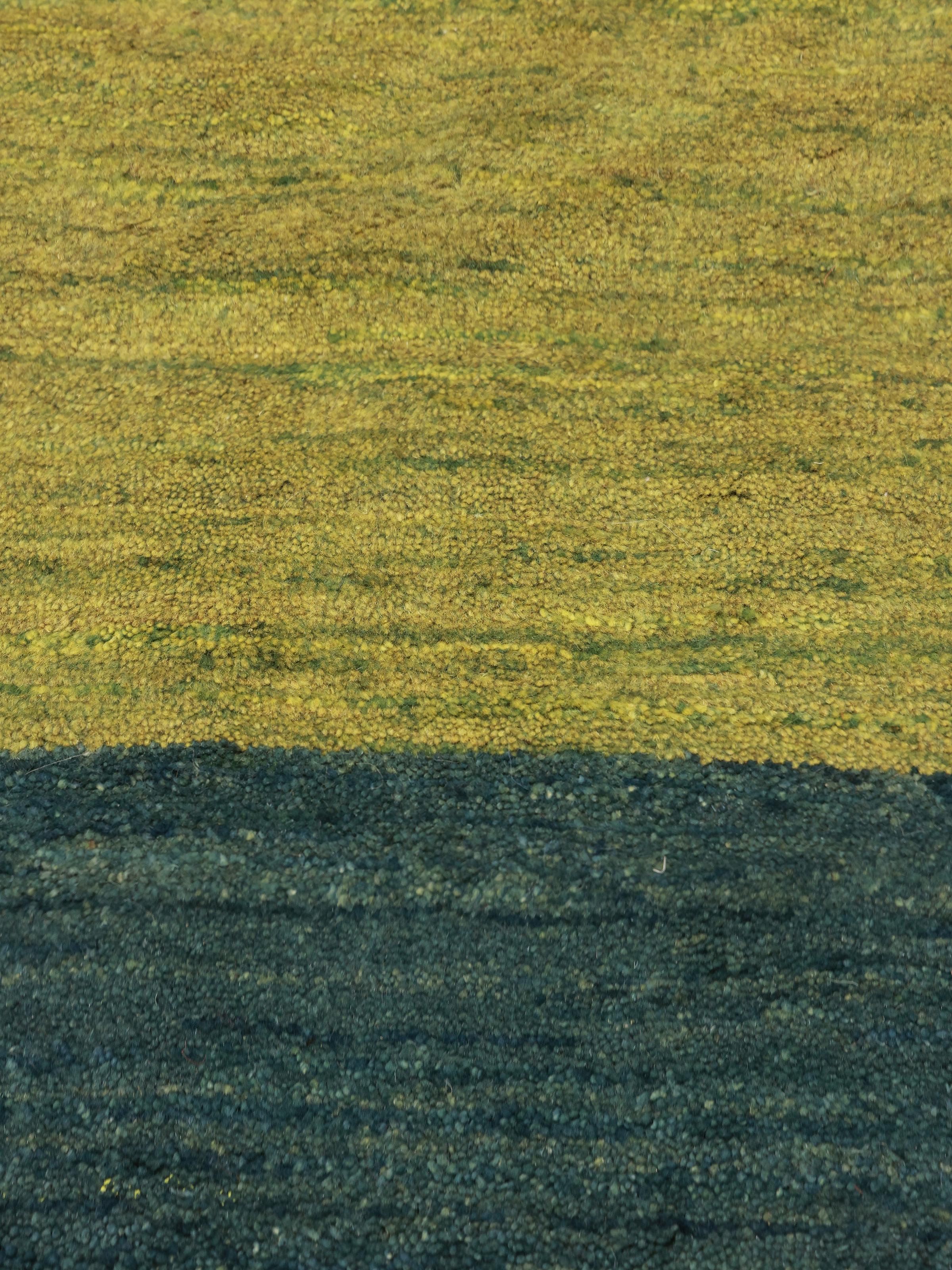
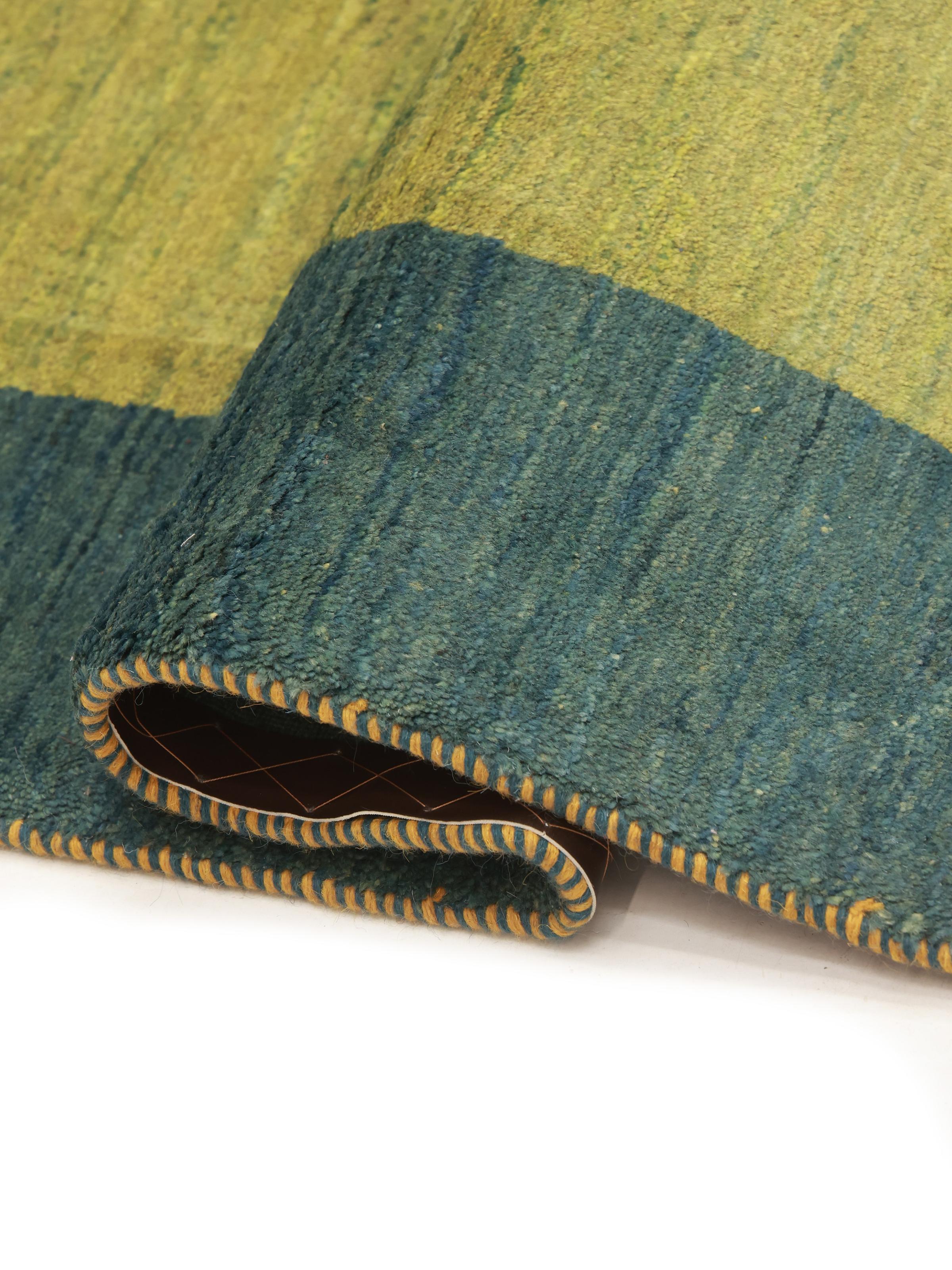
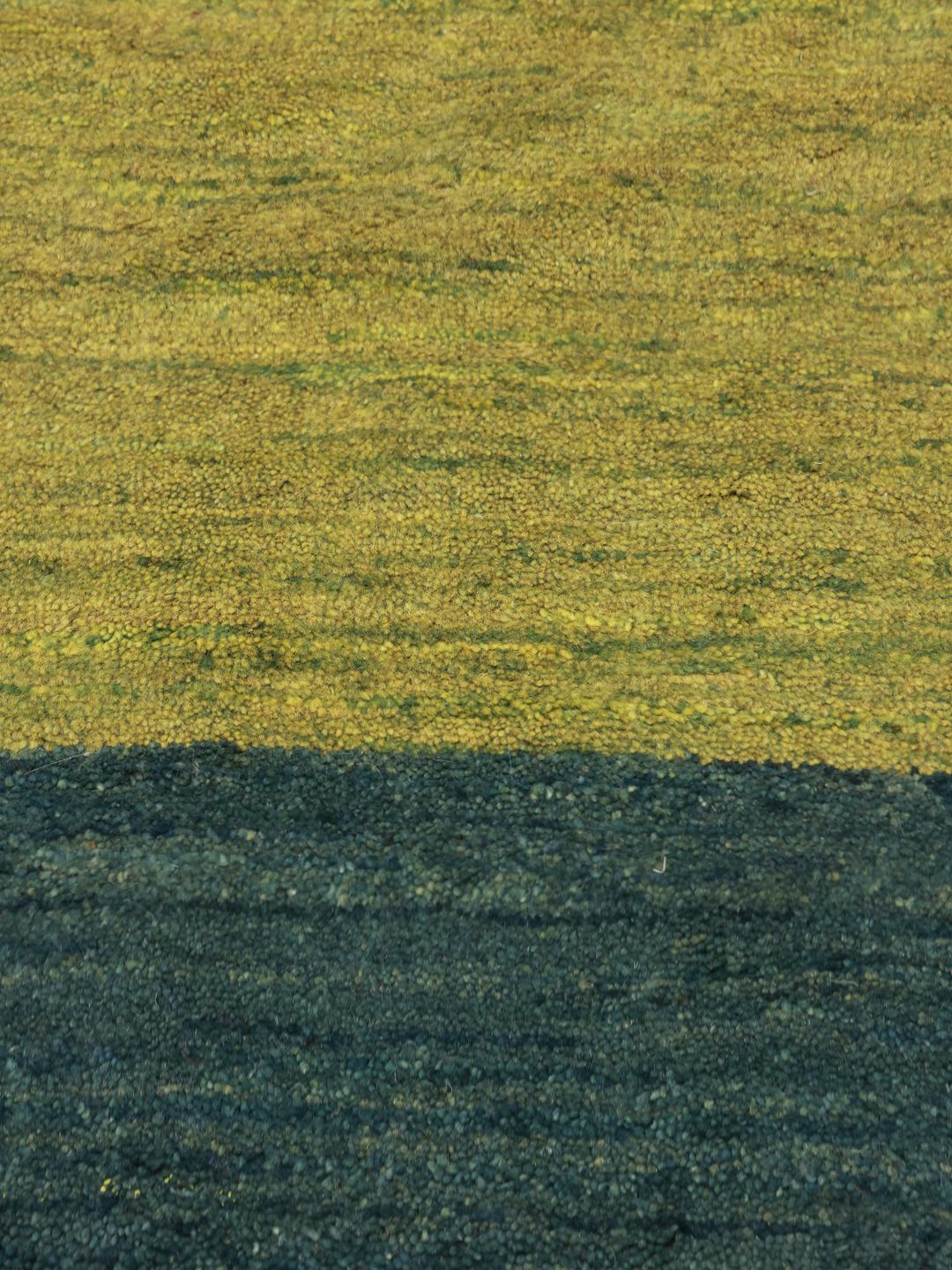
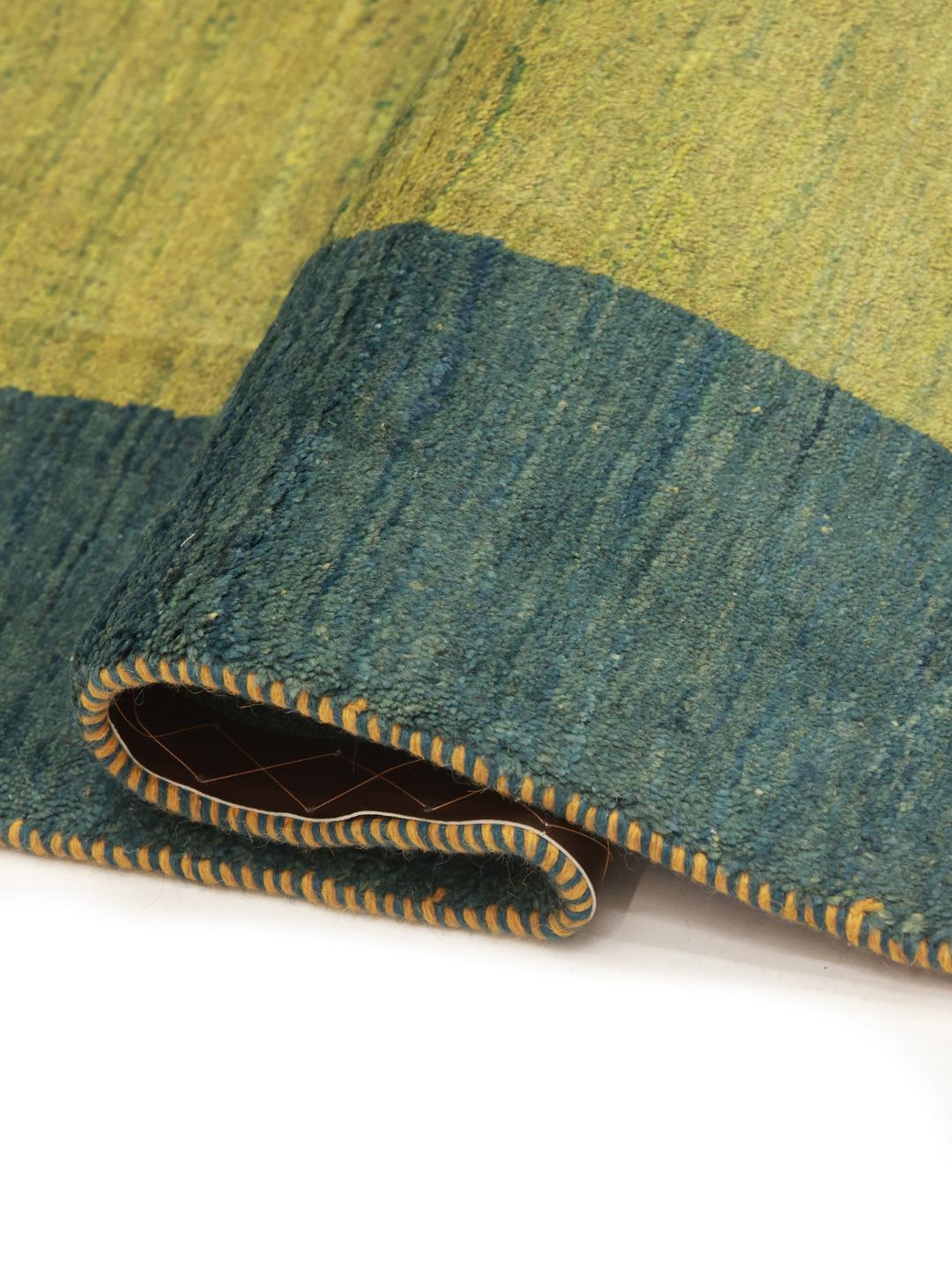
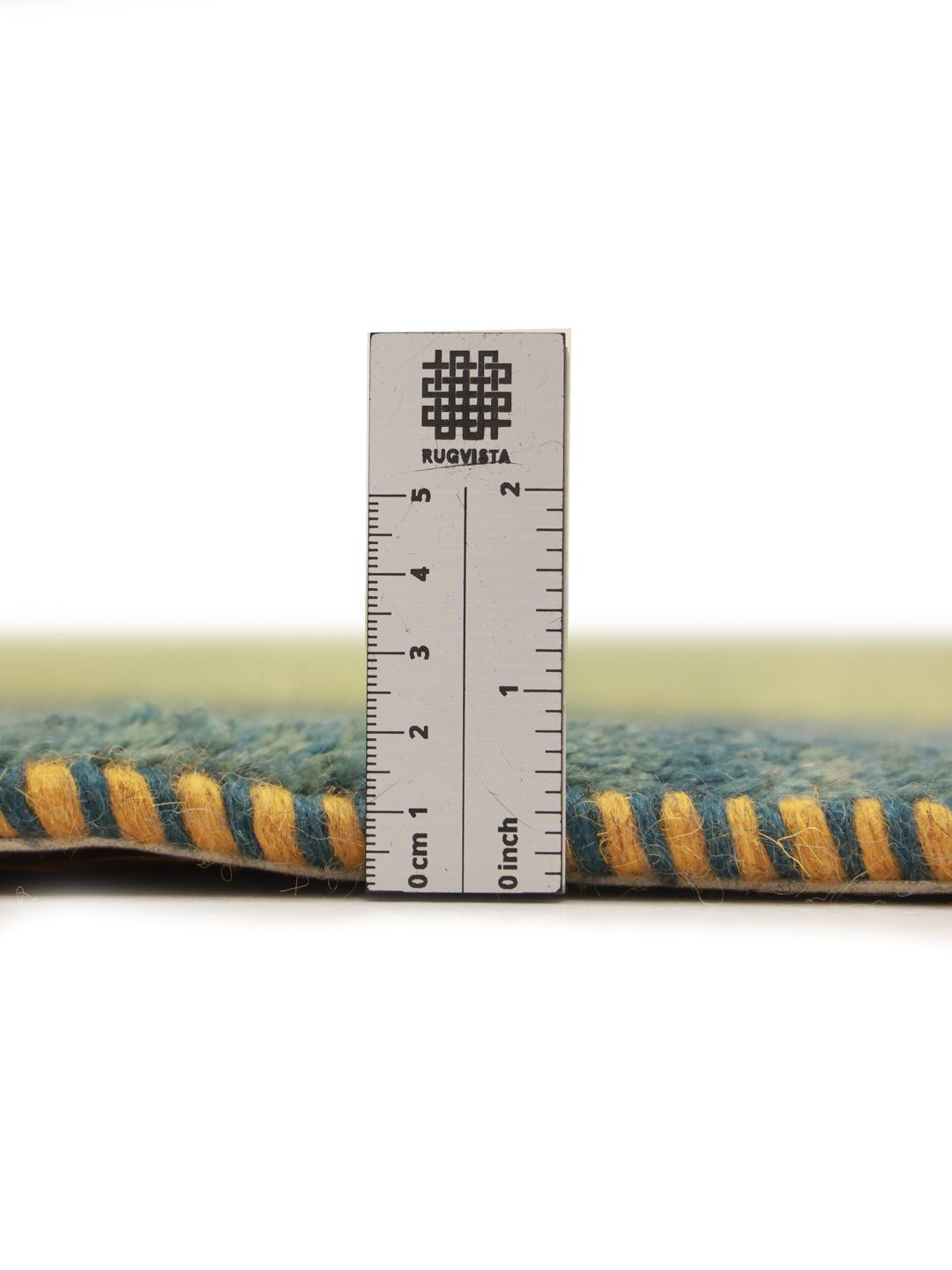
The term Gabbeh refers to a specific style of weaving that prioritises a thicker, longer pile and a more simplistic aesthetic. This construction method allows for a softer, more luxurious texture compared to thinner, more tightly woven styles. The use of hand-spun Wool is central to the Gabbeh tradition, as it allows the natural oils in the fibre to remain, resulting in a durable and lustrous finish that ages gracefully over time.
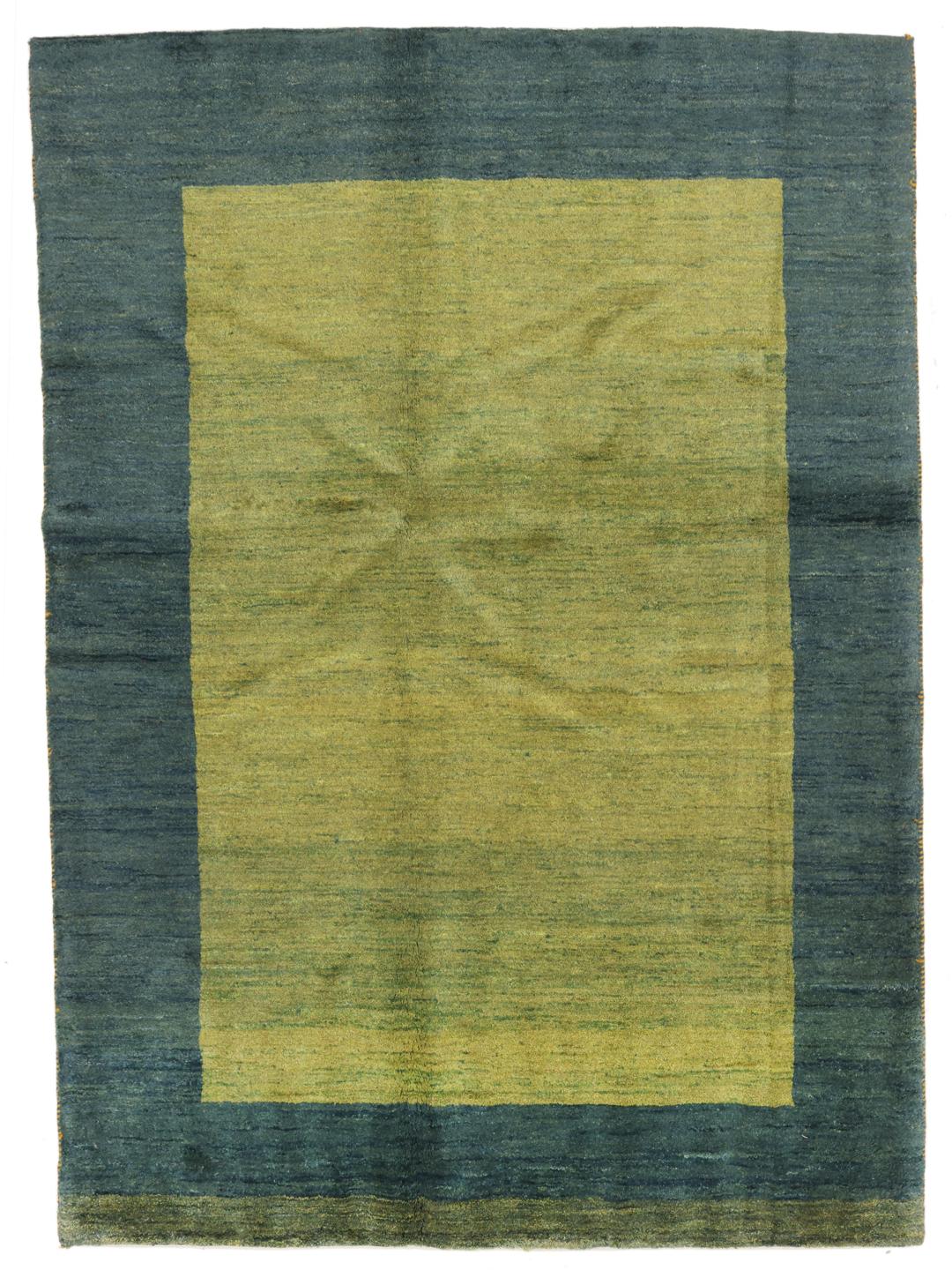
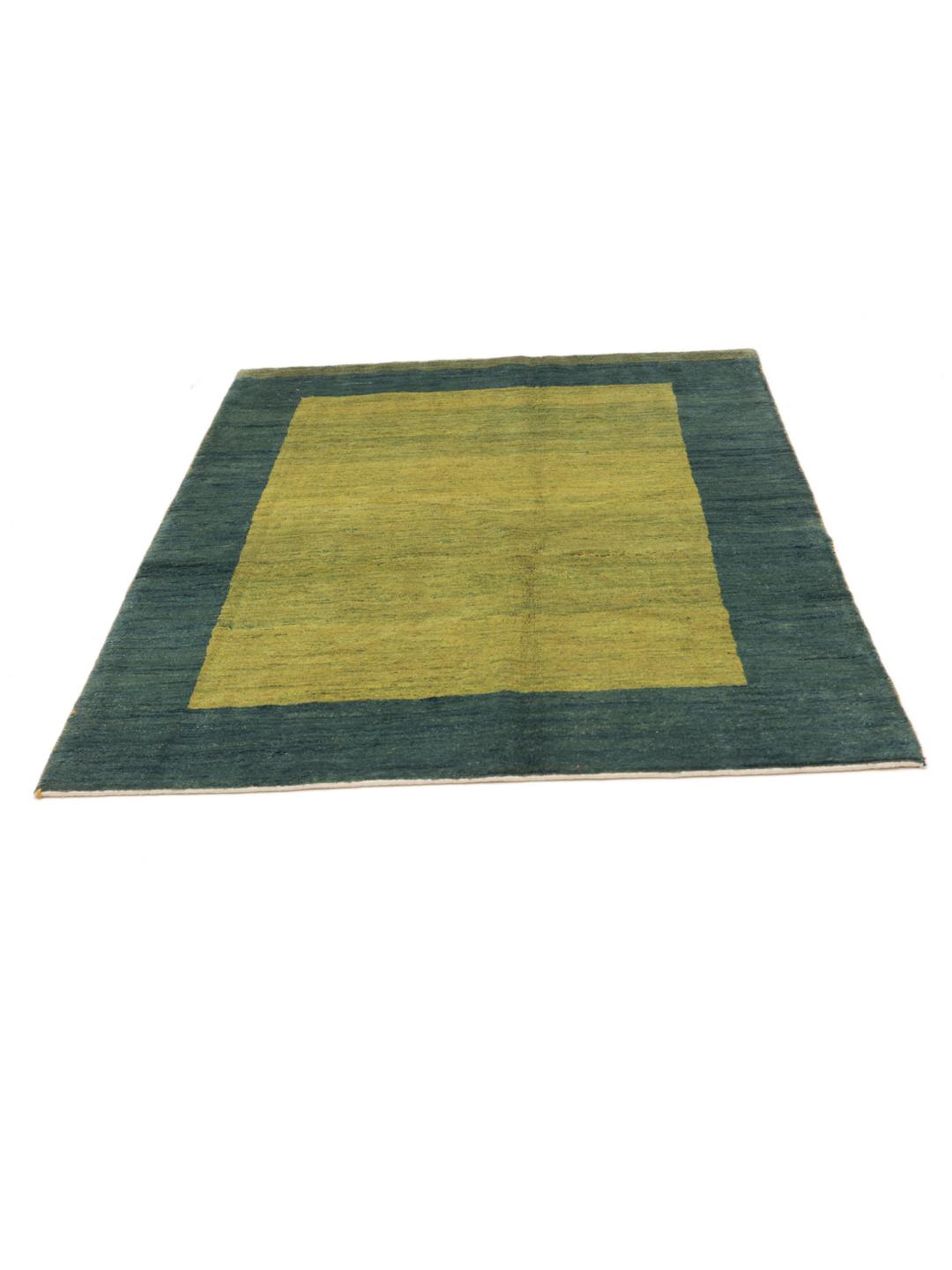
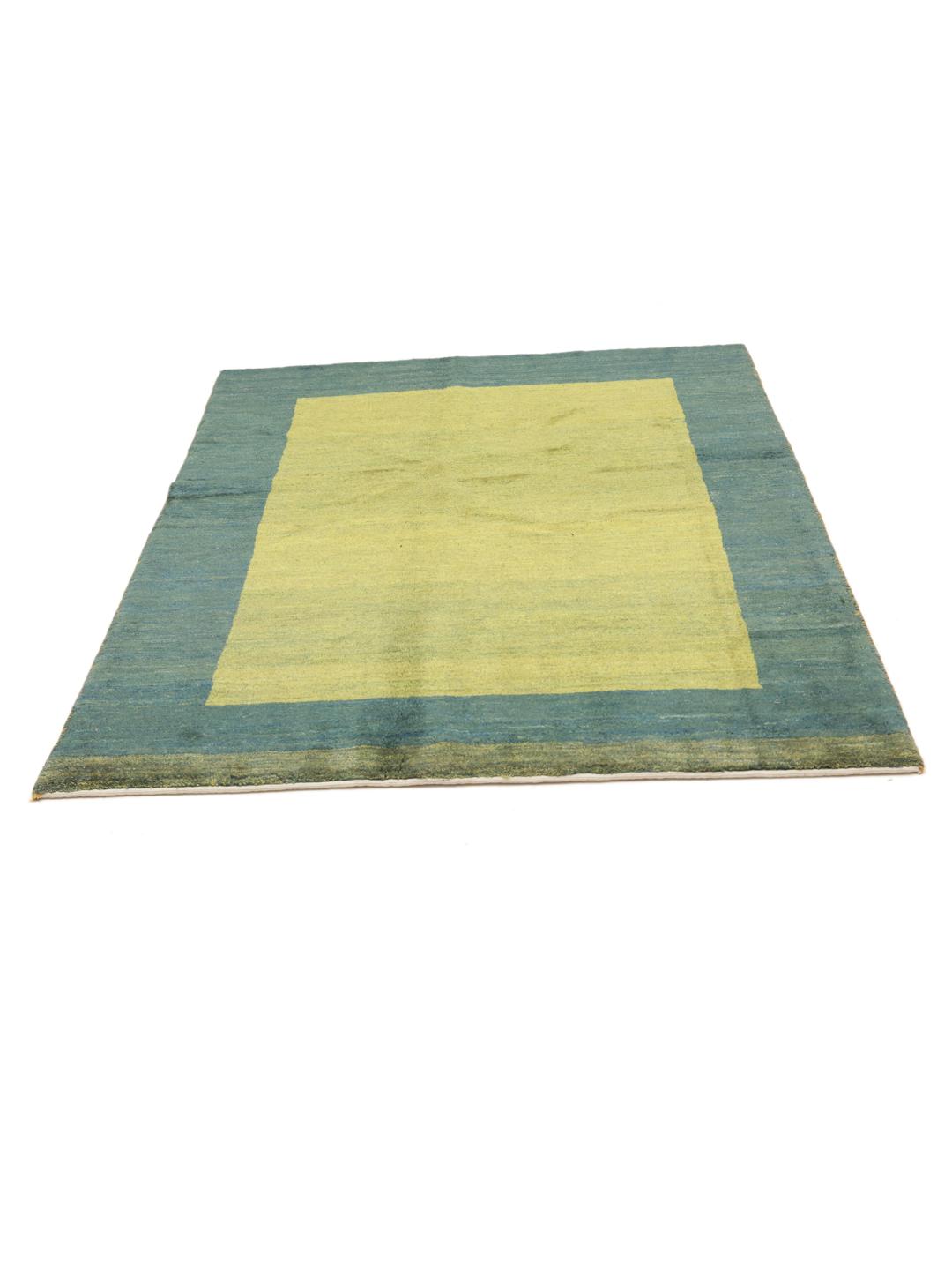
Visually, these rugs are defined by their bold, minimalist approach. While formal traditions often rely on intricate floral or geometric motifs, the Gabbeh typically features open fields of colour or simple, symbolic patterns inspired by the weaver's environment and daily experiences. The use of natural dyes often creates subtle variations in tone, which gives the rug a vibrant, living quality that changes as light hits the surface.
Collectors value these rugs for their authenticity and the deep connection they offer to historical weaving traditions. Owning a Gabbeh is not merely about covering a floor, but about preserving a legacy of skill and cultural expression. Each piece tells a story of the weaver's life and environment, making them highly sought after by those who appreciate the intersection of heritage, artistry, and lasting quality.