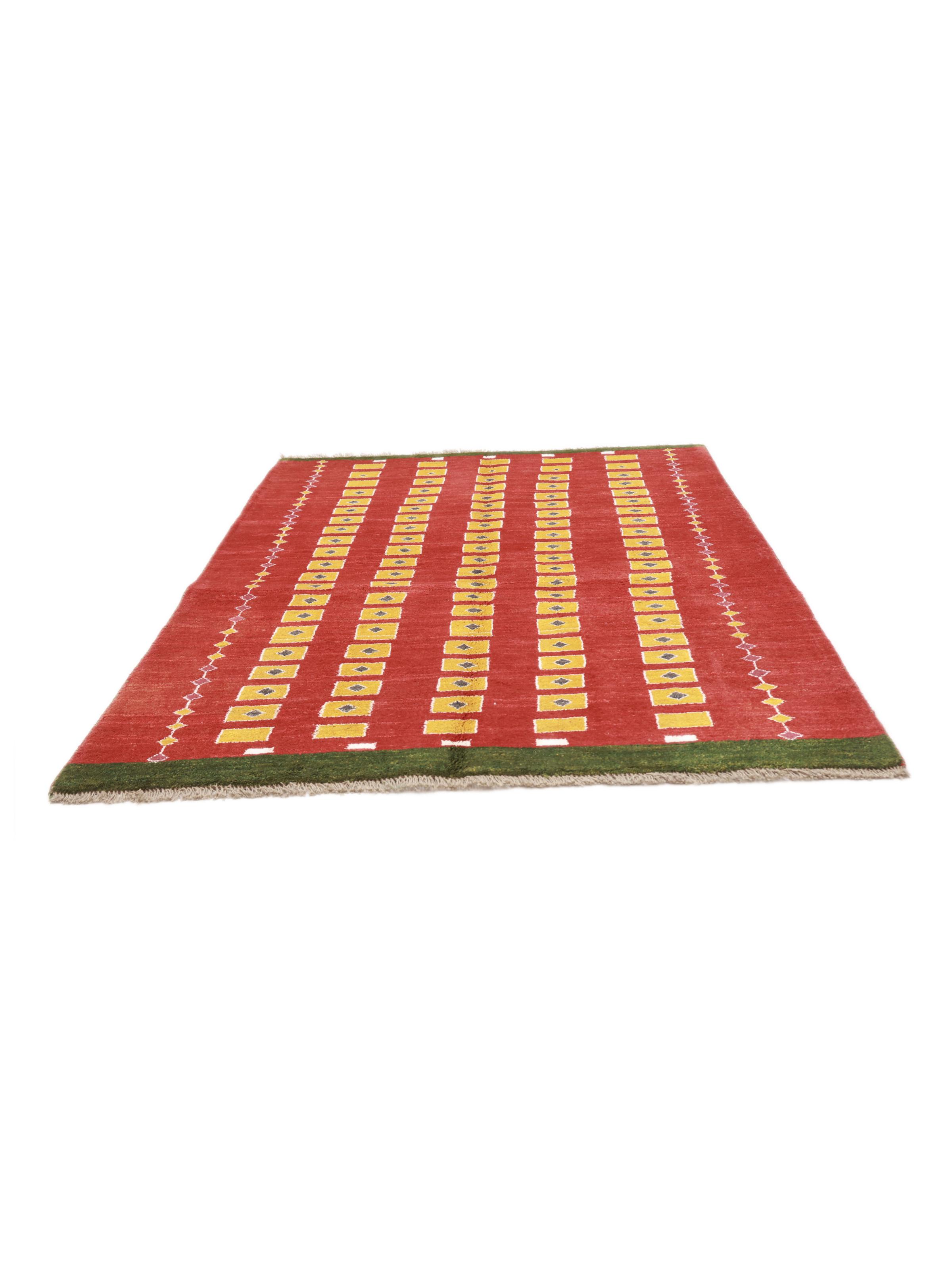
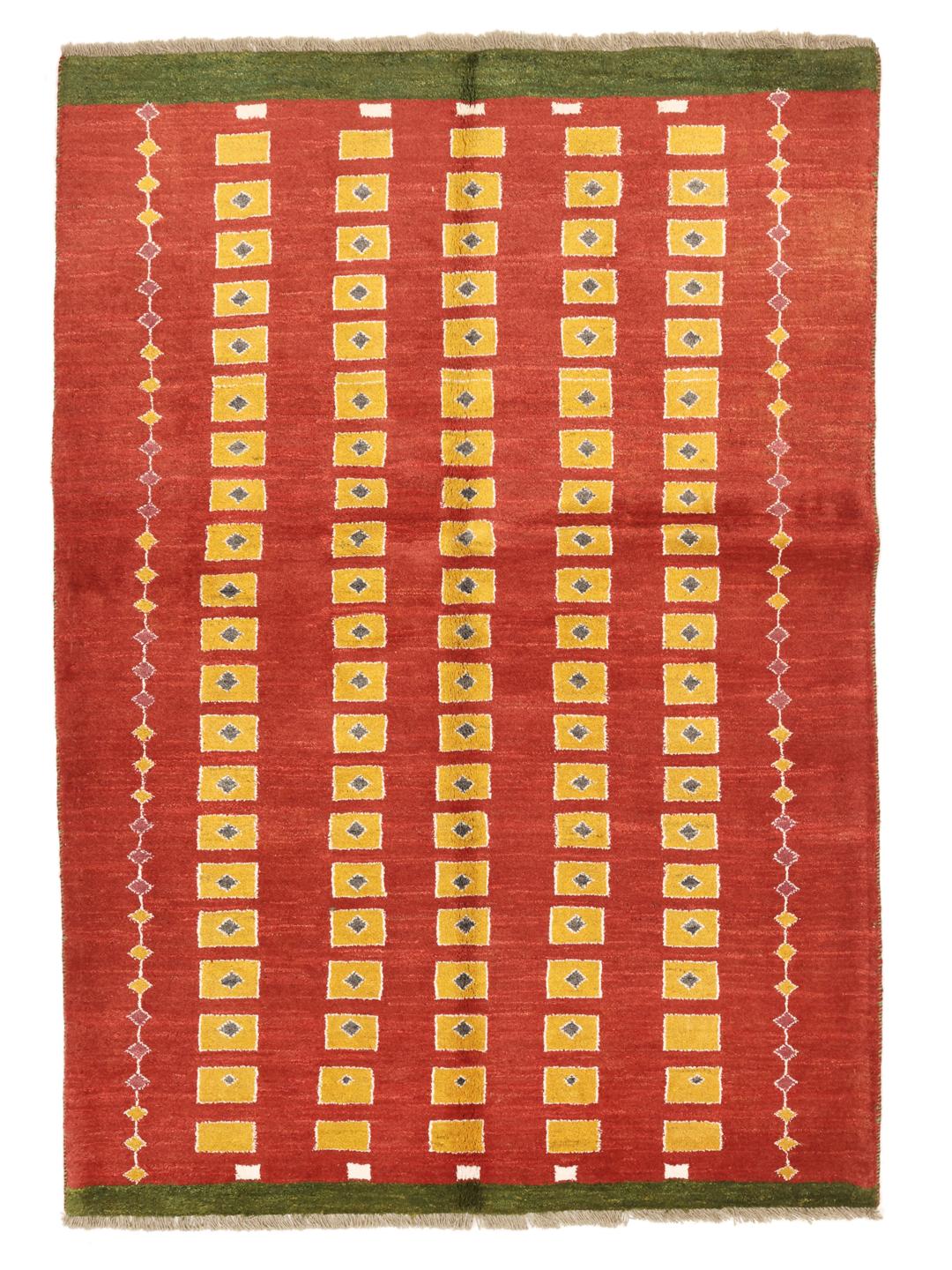
Gabbeh rugs trace their origins to the nomadic tribes of the Middle East, where they were originally crafted for personal use rather than for sale. These tribes, moving across diverse and often harsh landscapes, developed a style that prioritised comfort and utility, using the wool of their own flocks to create thick, protective floor coverings.
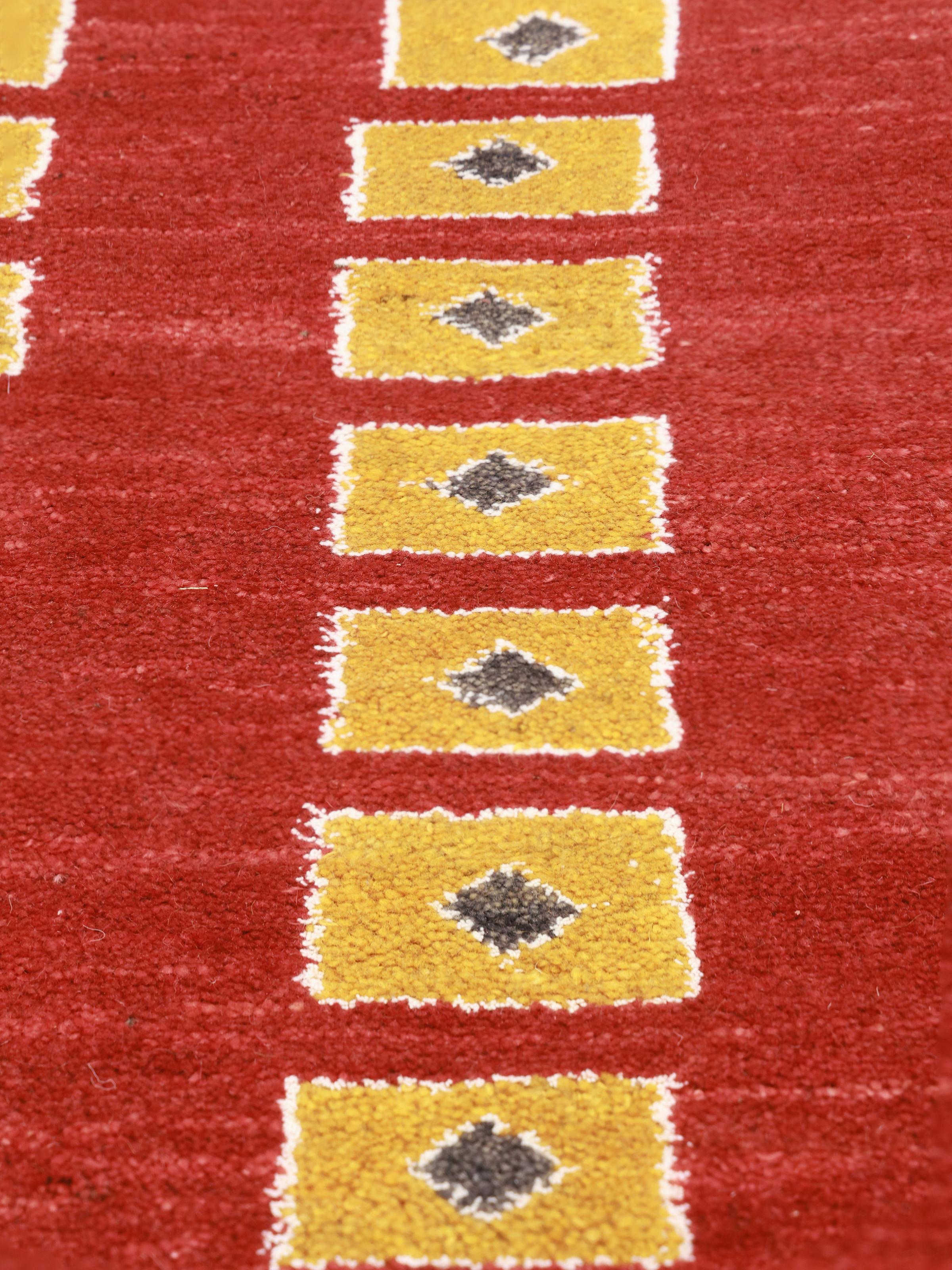
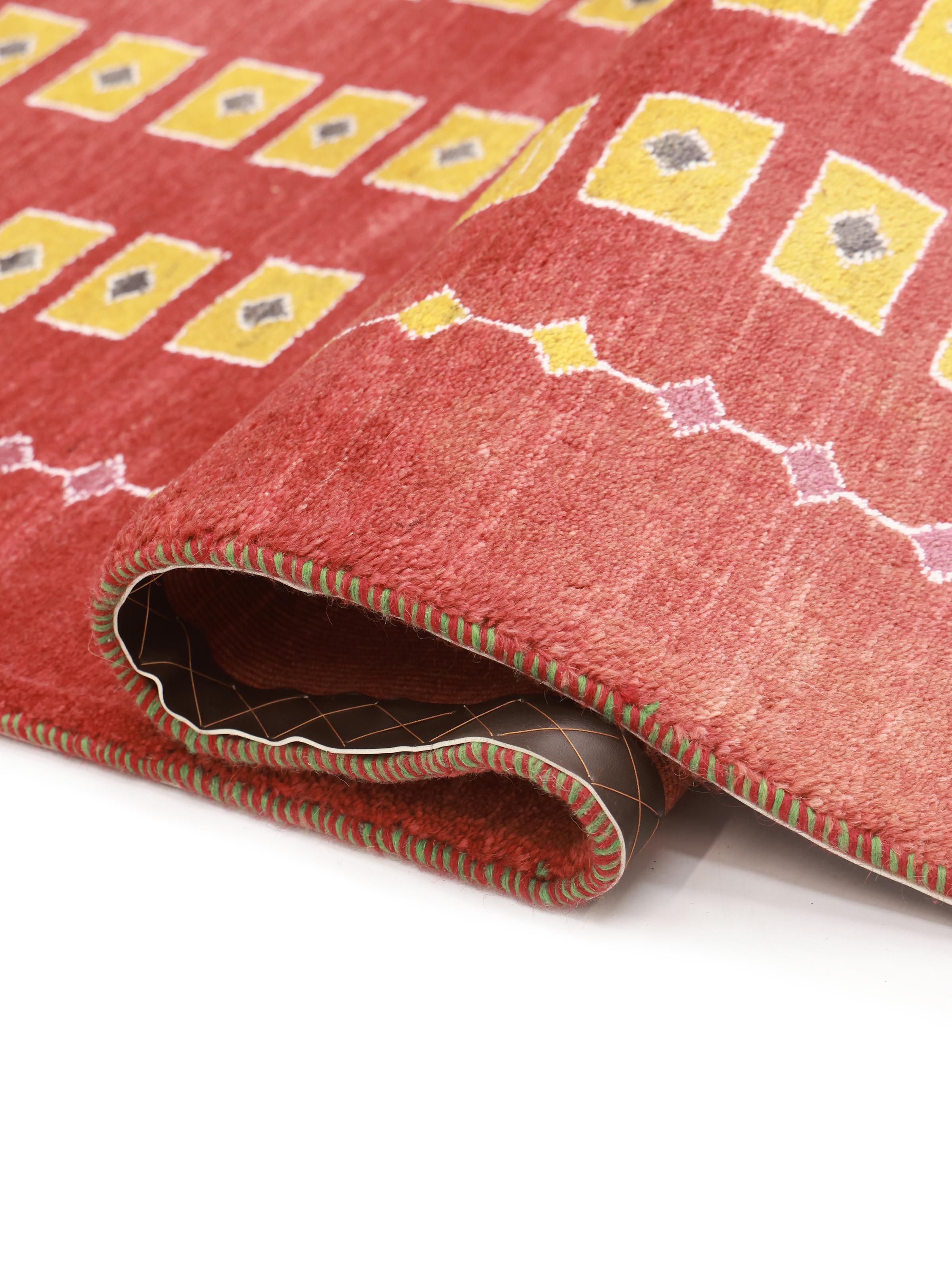
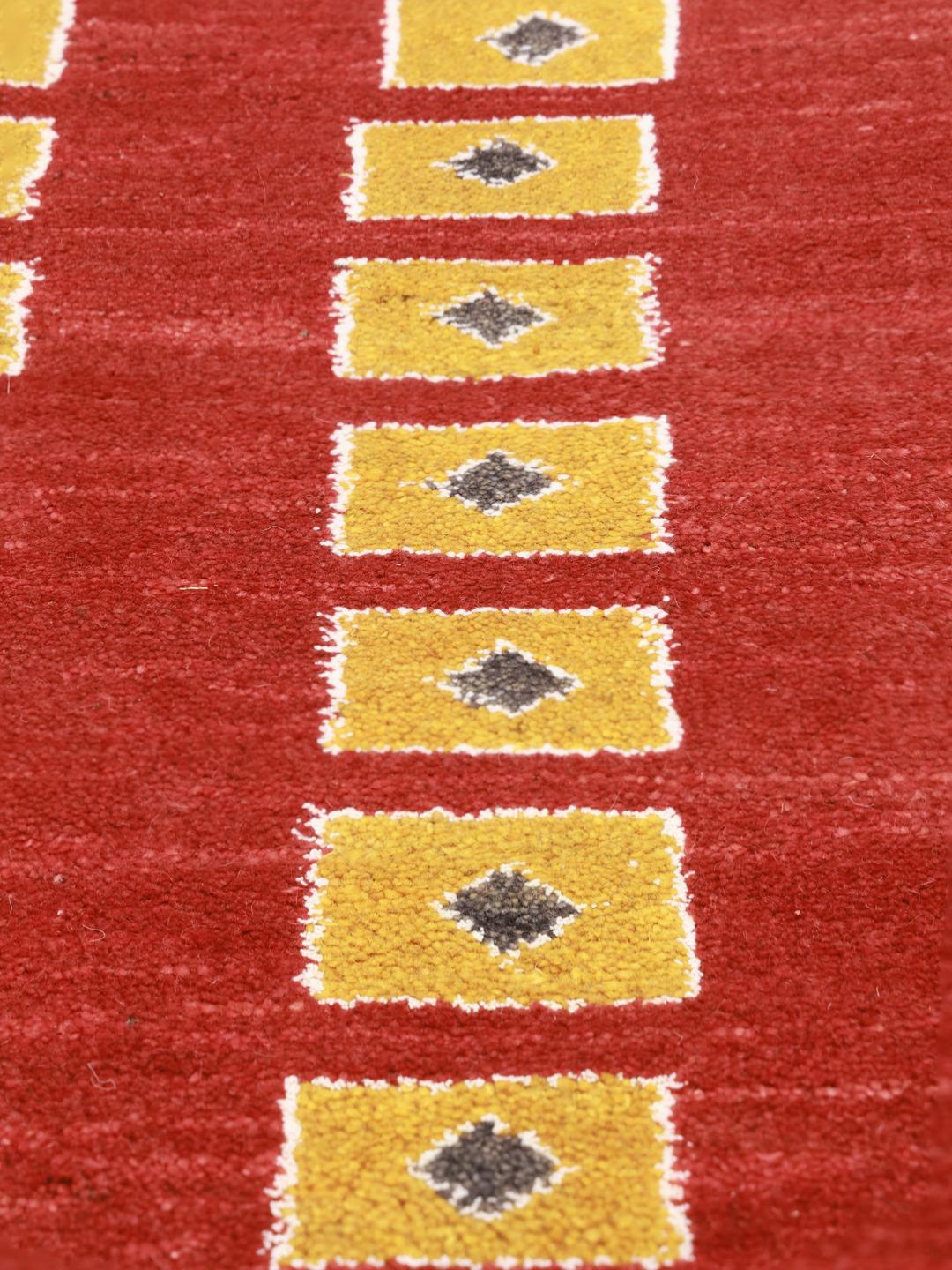
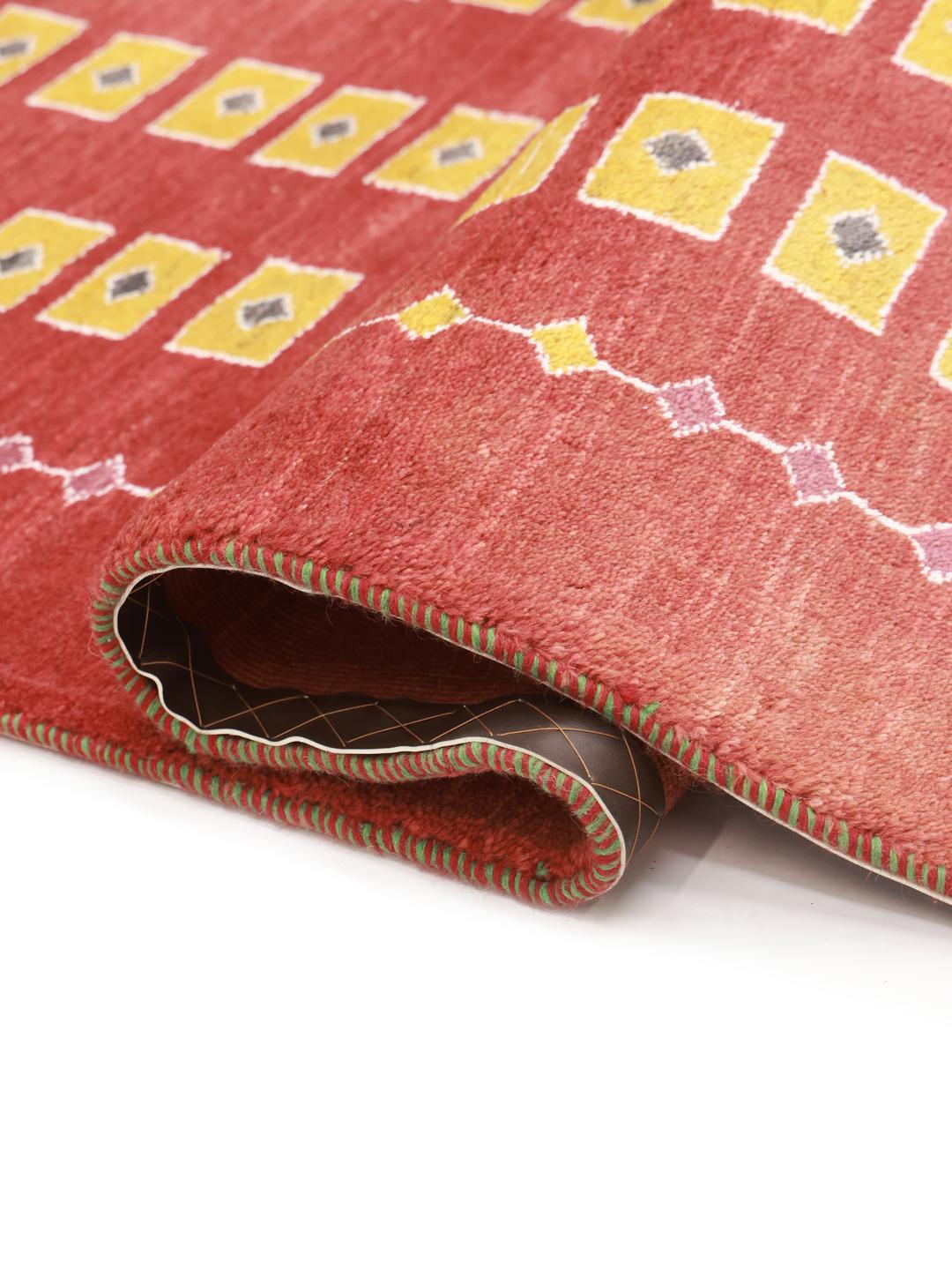
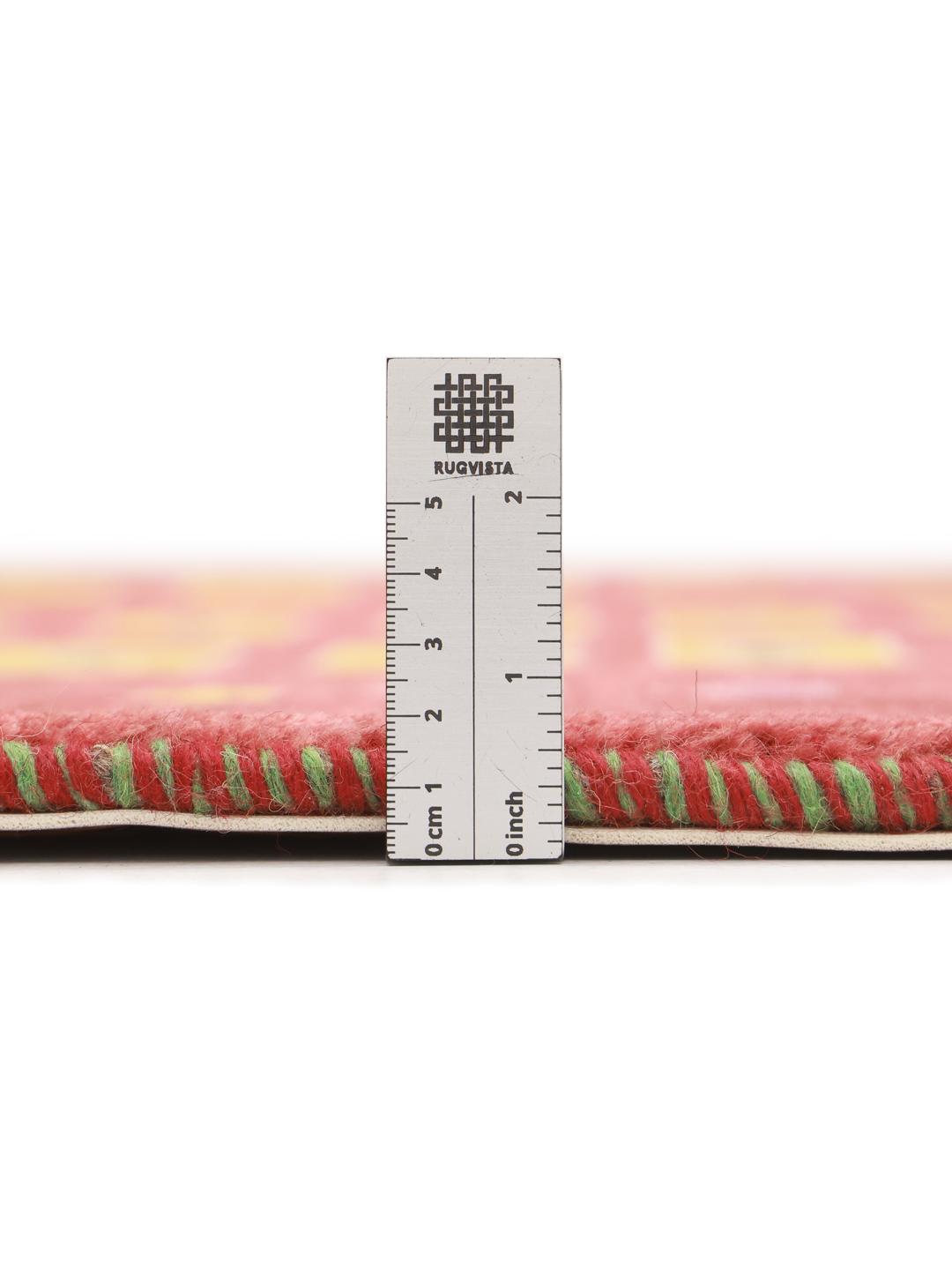
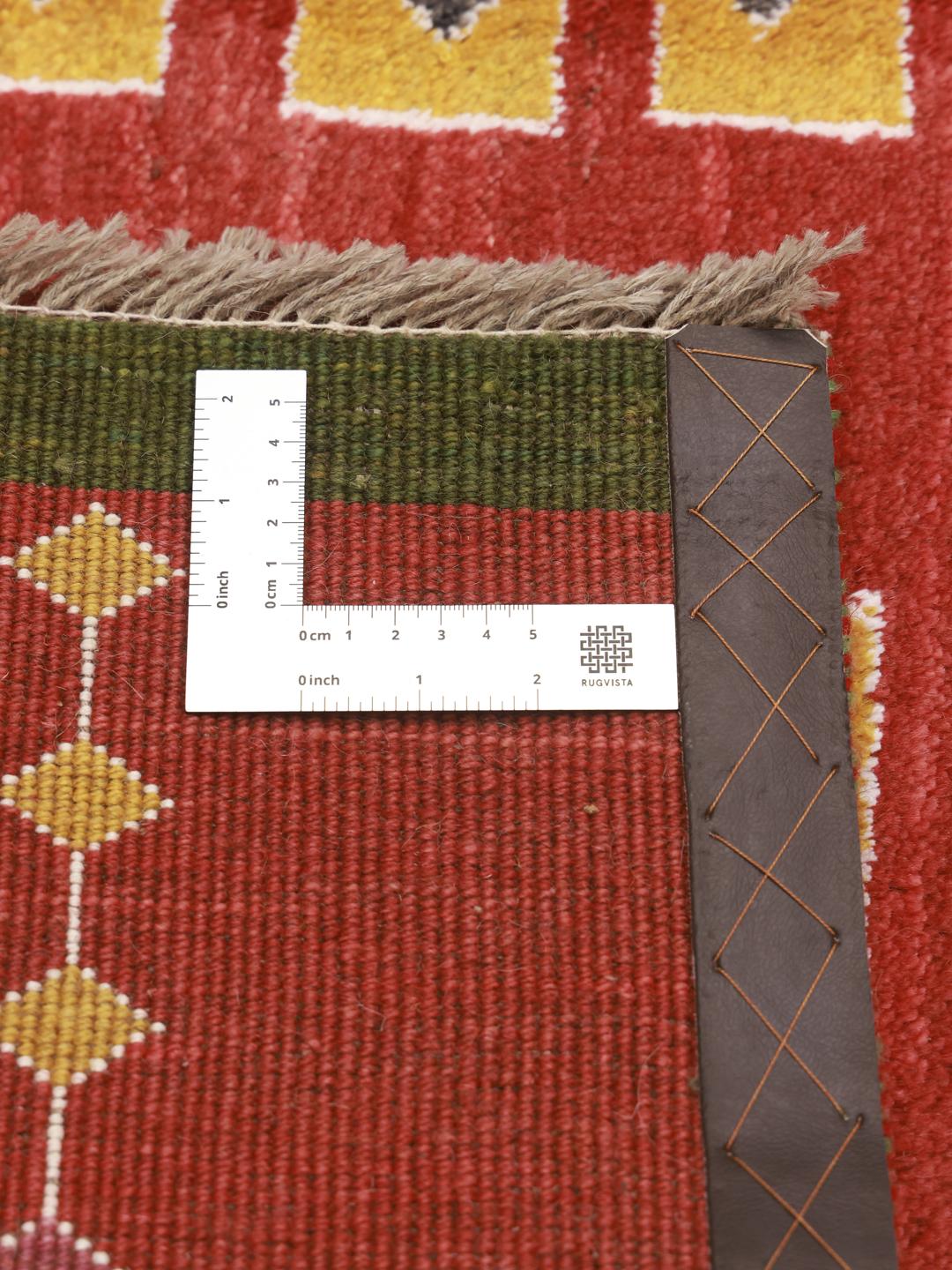
The term Gabbeh refers to a specific type of knotting style that is often coarser and more relaxed compared to formal city rugs. This allows for a deeper, softer pile that feels incredibly luxurious. The construction relies on a sturdy wool foundation, which provides the necessary strength to support the dense, plush pile that defines these rugs.
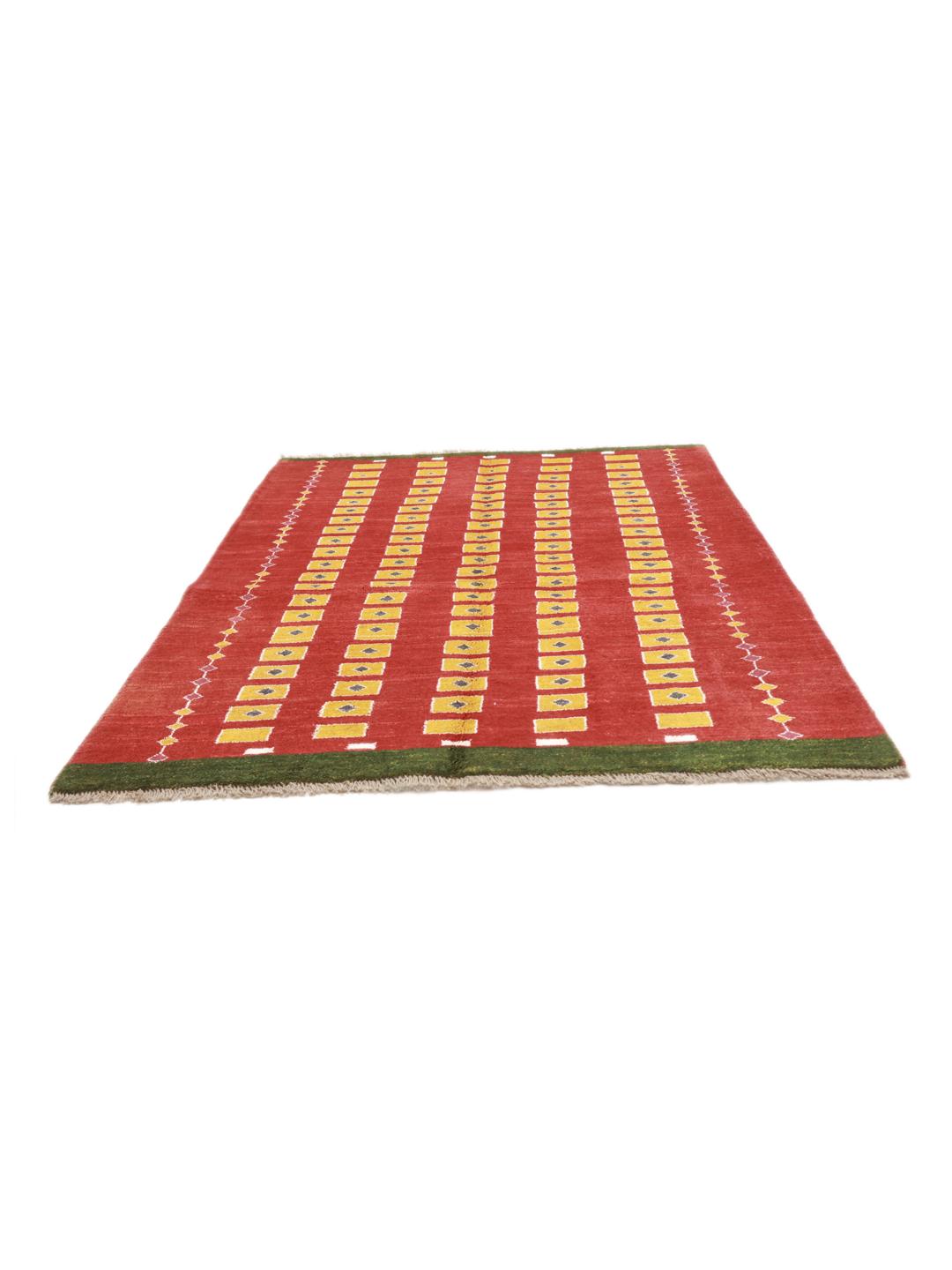
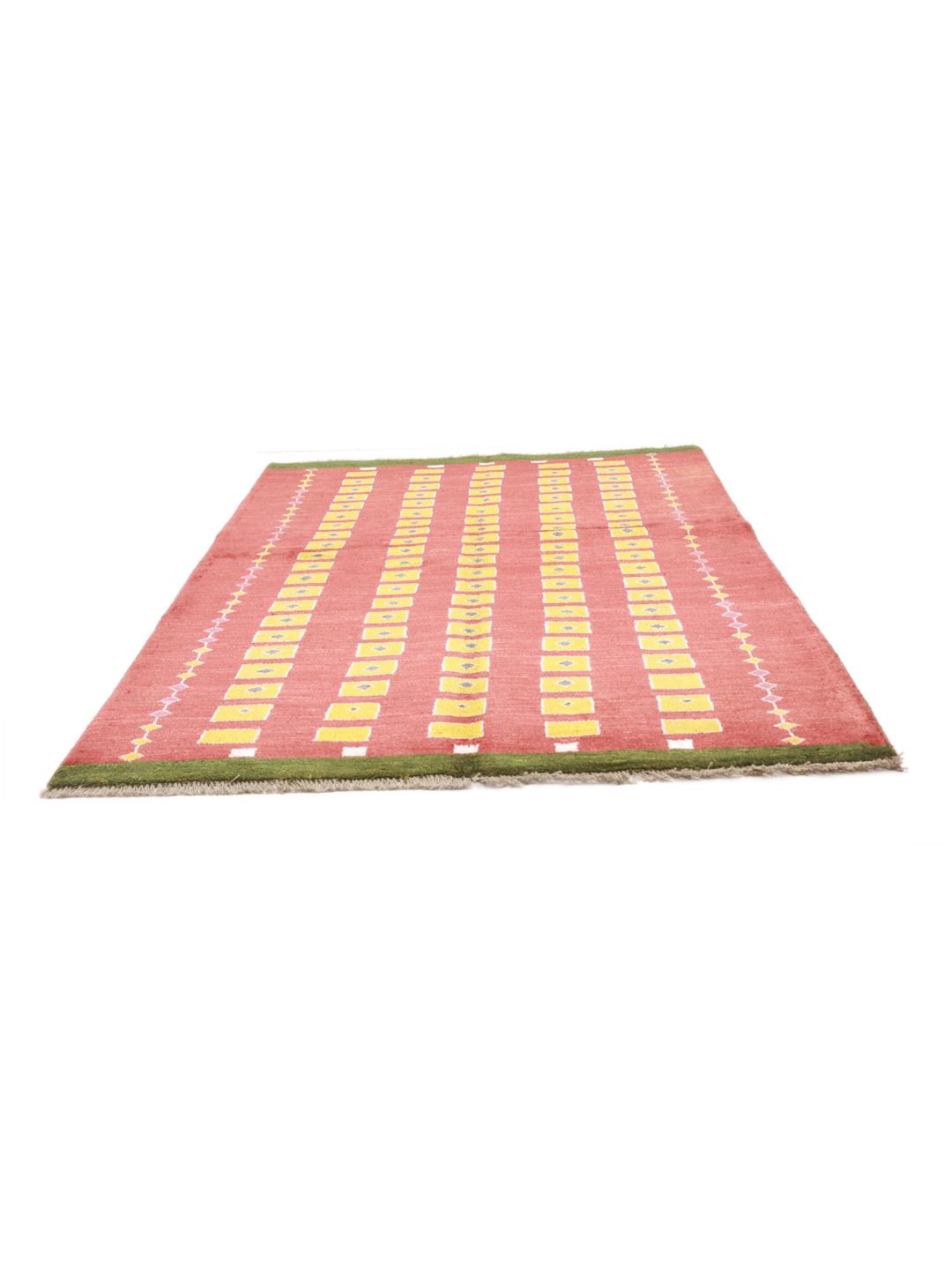
Visually, these rugs are celebrated for their bold, artistic expression. Unlike more formal, symmetrical designs, Gabbeh rugs often feature simplified geometric shapes, animal motifs, or abstract patterns that reflect the weaver's personal environment or imagination. The use of vibrant, natural dyes often results in a rich, variegated appearance that brings a lively, organic energy to any room.
Today, these rugs are highly sought after by collectors who value the blend of primitive design and sophisticated craftsmanship. Owning a piece from this tradition is an investment in cultural heritage, representing a centuries-old way of life where every rug served as a canvas for the artisan's individual story and creative spirit.