Gabbeh rugs are a cherished tradition from the Middle East, historically woven by nomadic tribes. These rugs were originally crafted for personal use, designed to provide warmth and comfort in the harsh, variable climates of the region. Unlike more formal urban rugs, the Gabbeh was a medium for the weaver’s own creative expression, often featuring spontaneous, minimalist designs that tell a story of daily life and the natural world.
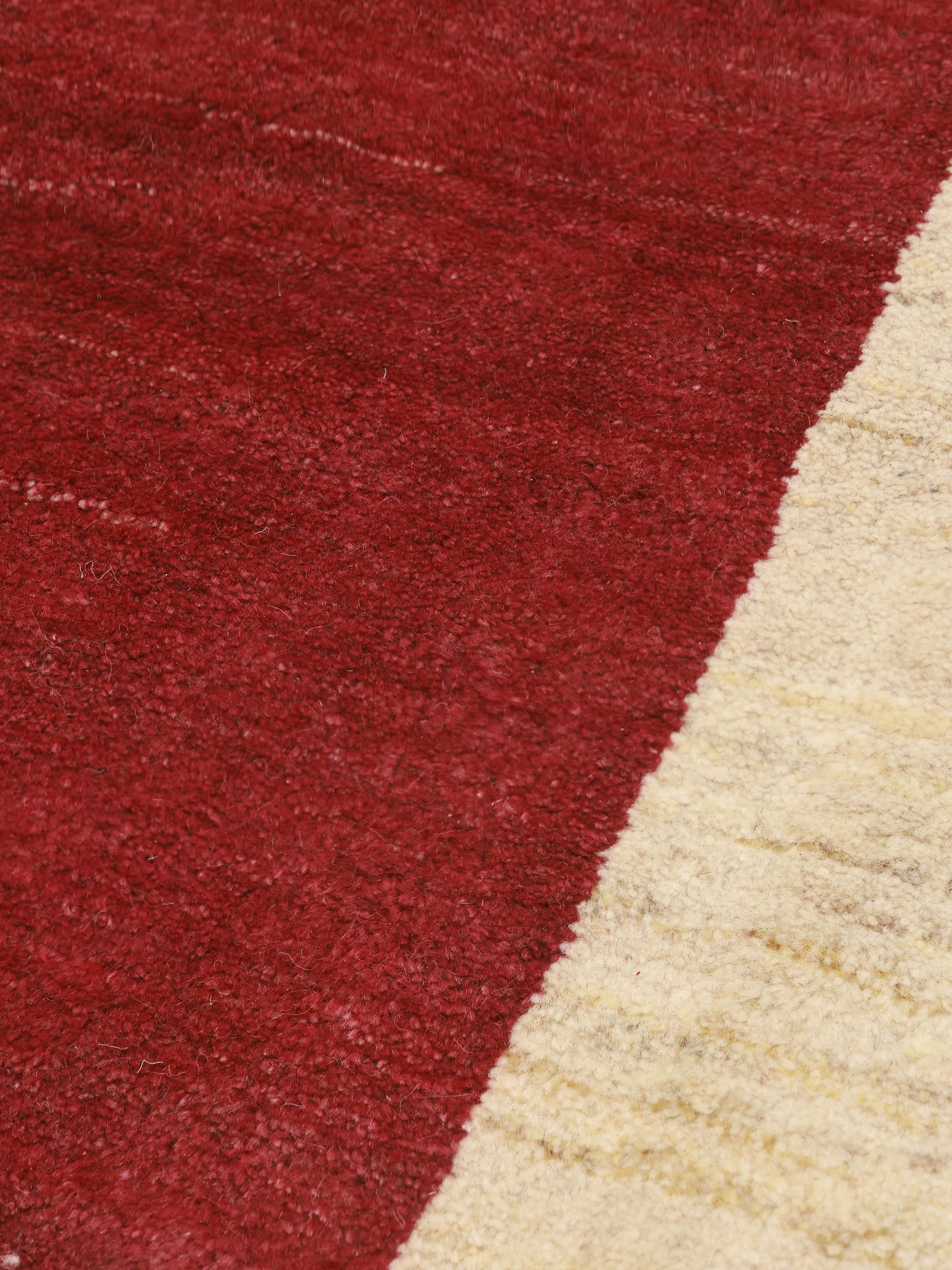
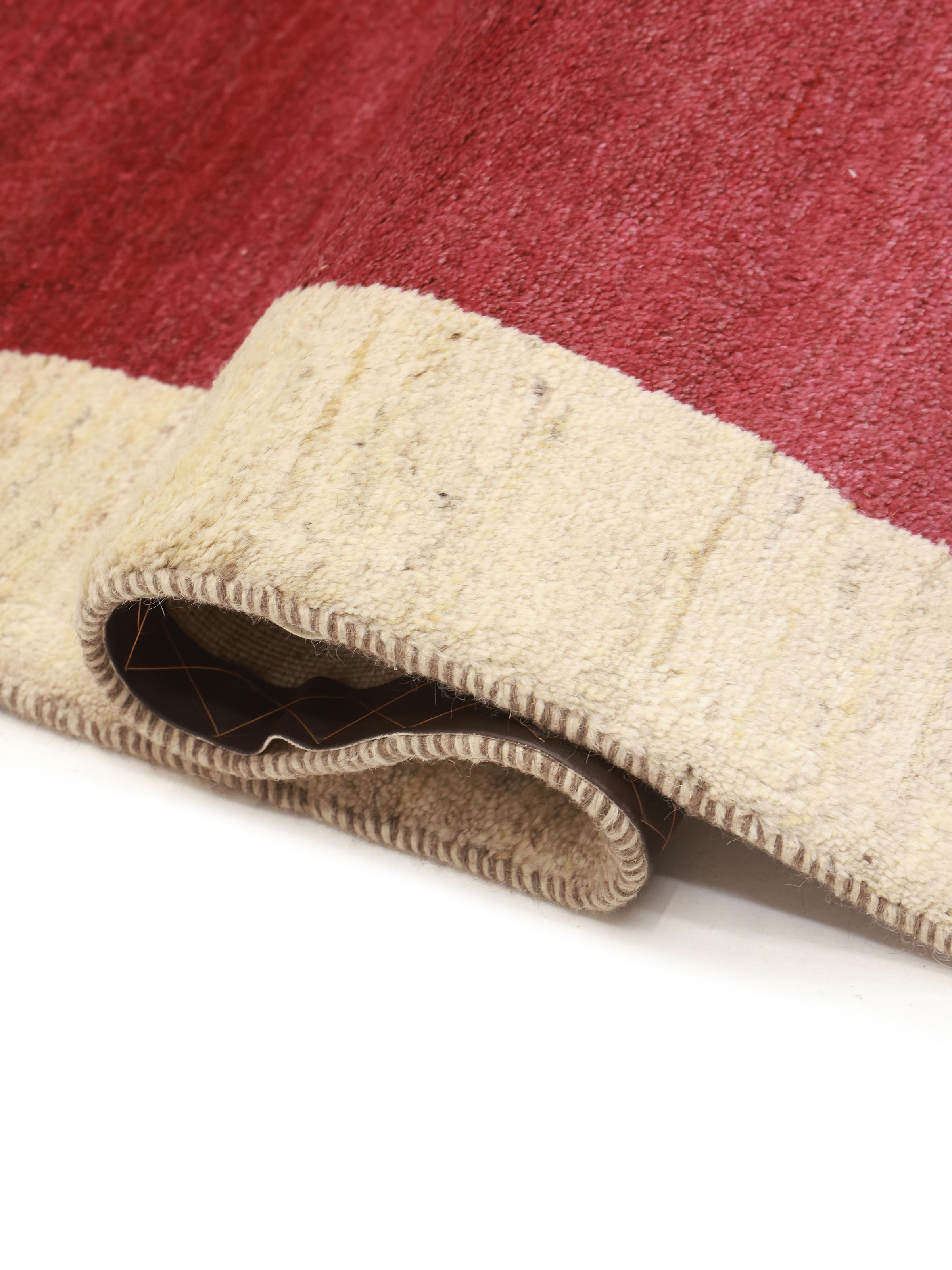
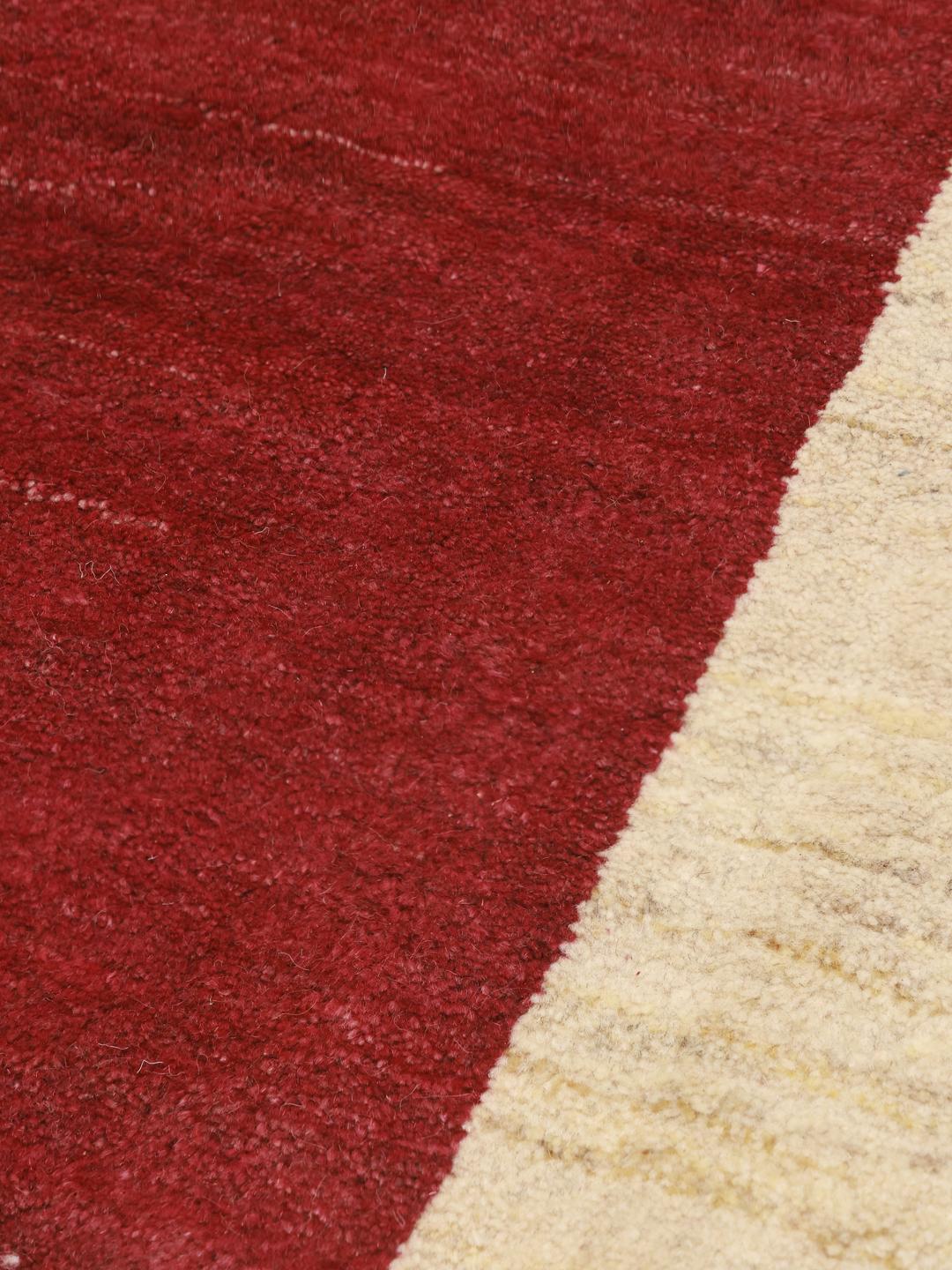
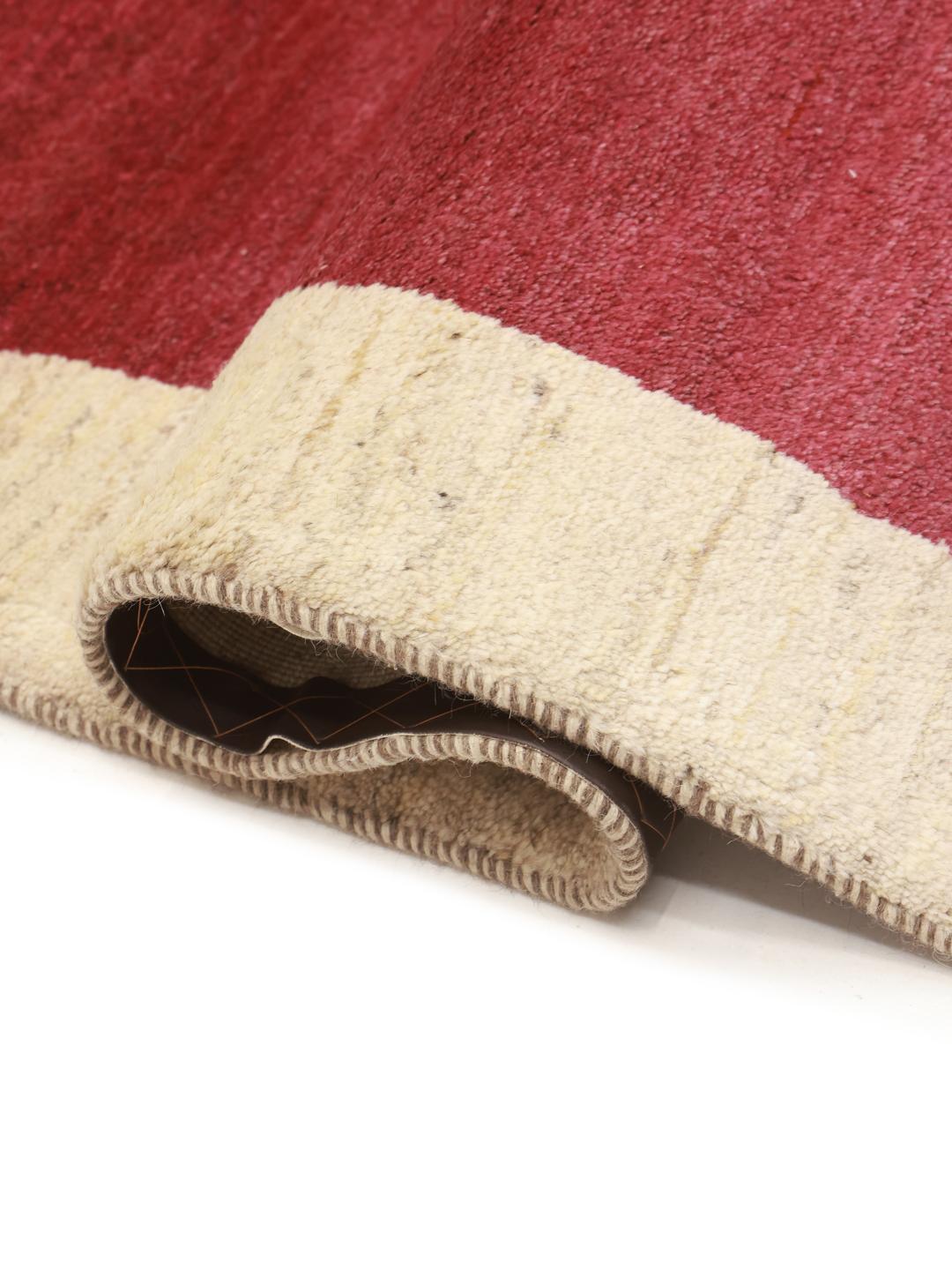
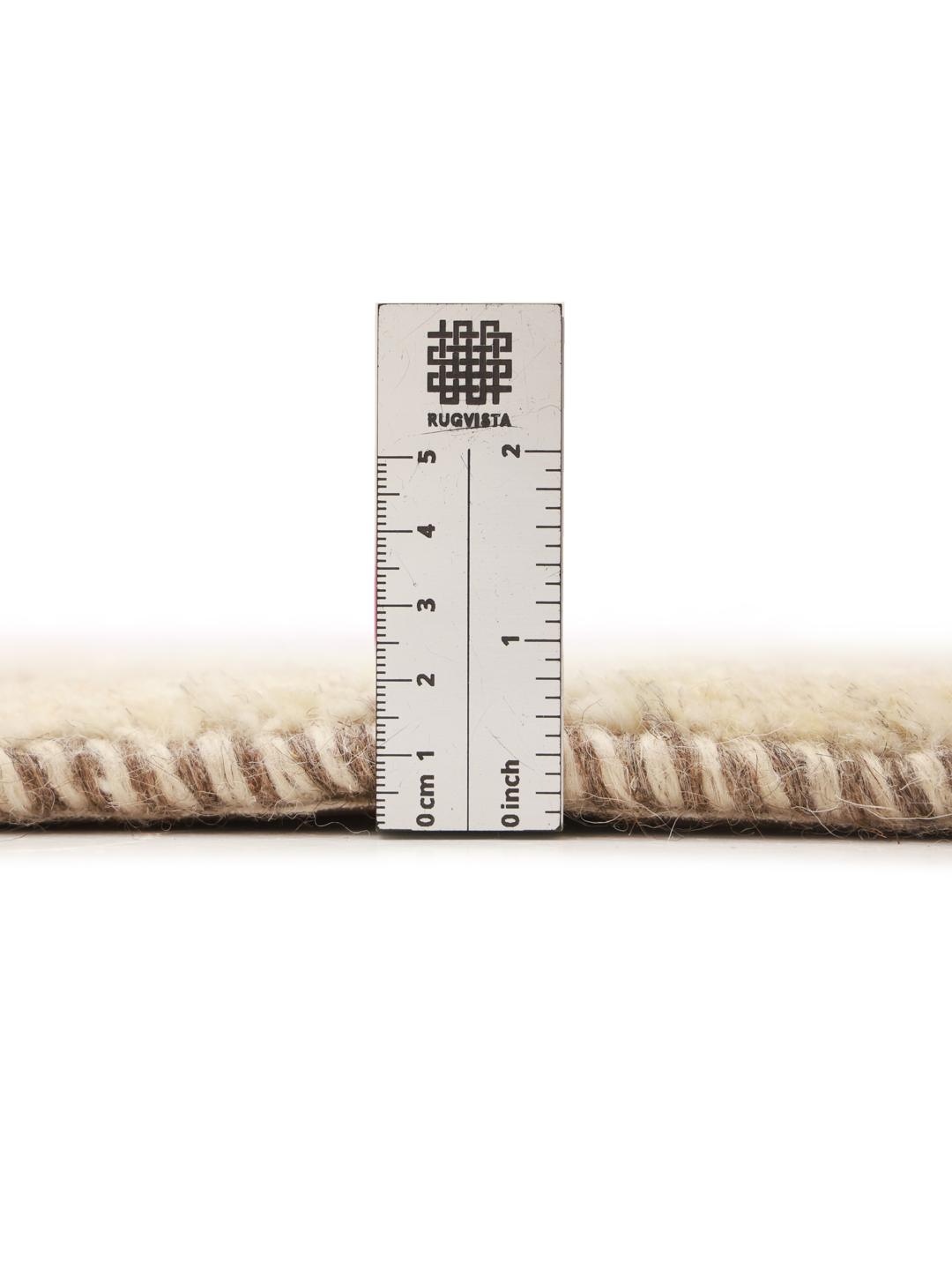
The term 'Gabbeh' itself refers to a rug that is 'raw' or 'natural', reflecting its long association with unrefined, hand-spun wool and traditional techniques. These pieces are known for their thicker, coarser pile compared to other styles, a construction choice that prioritises insulation and longevity. This thicker pile is achieved through a technique that creates a robust, dense surface, ensuring the rug remains a durable, functional part of the household for generations.
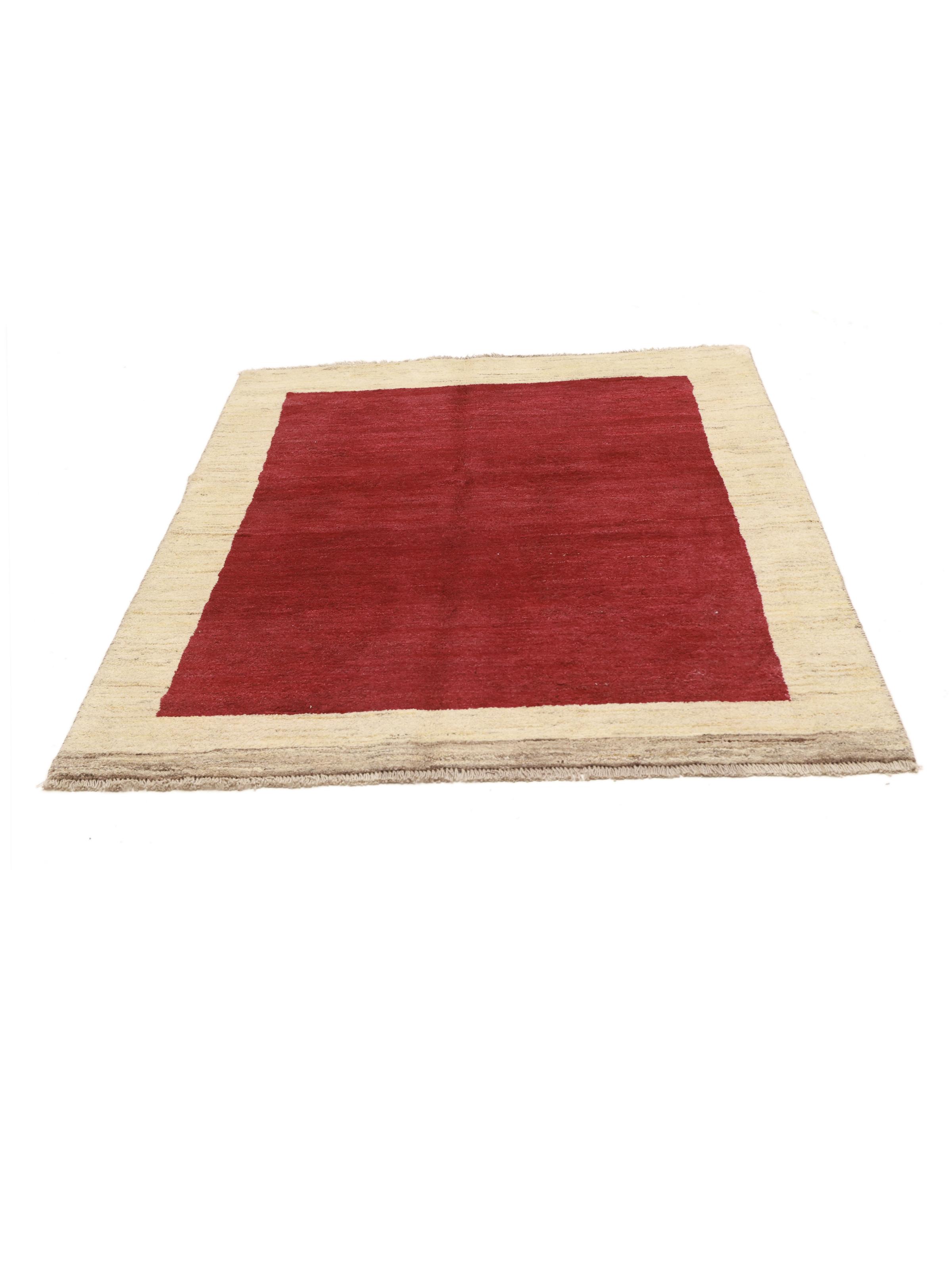
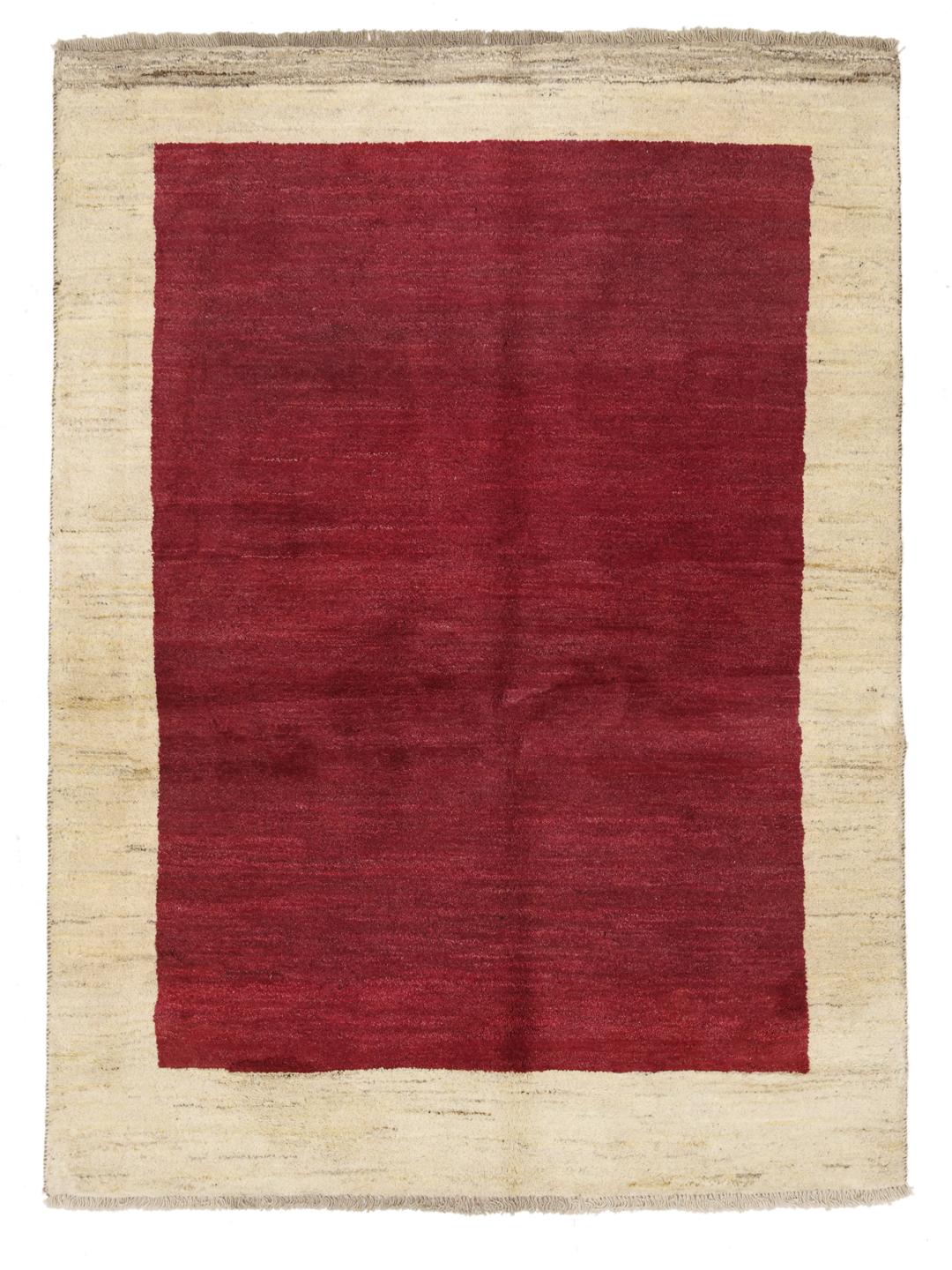
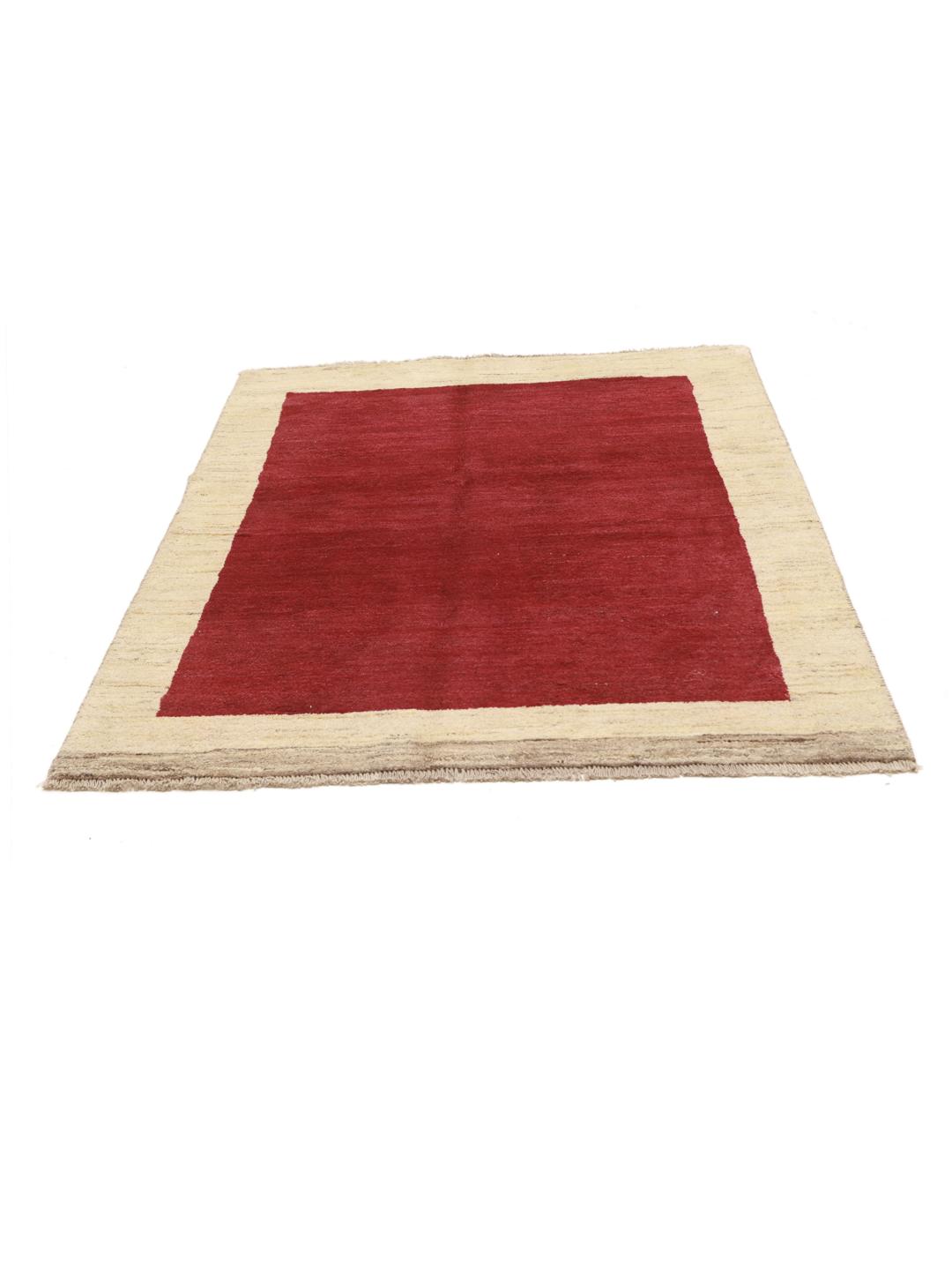
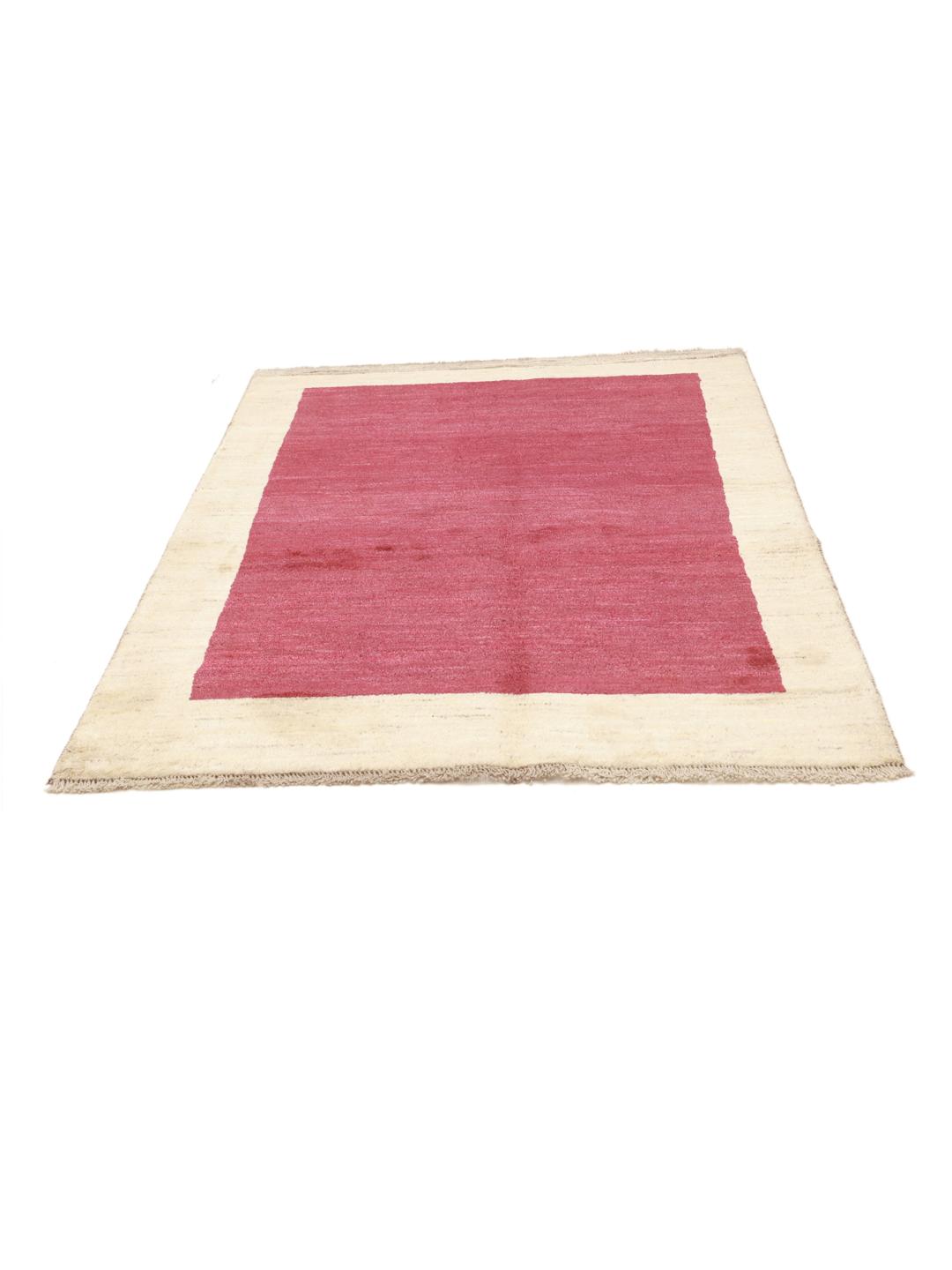
Visually, these rugs are defined by their use of bold, solid fields and simple, geometric motifs. While many traditional rugs are covered in intricate floral patterns, the Gabbeh stands out for its restraint. By focusing on expansive colour fields and subtle border details, the design highlights the beauty of the wool and the depth of the natural dyes used. This minimalist approach has made them highly sought after by collectors who appreciate the intentional, quiet power of the design.
Owning a Gabbeh is an opportunity to connect with a living craft tradition that values human touch over mass production. These rugs are not just floor coverings but are cultural artefacts that carry the skill and heritage of the weavers who created them. Their value lies in their authenticity and the fact that each one serves as a testament to the enduring appeal of hand-crafted quality in a modern home.