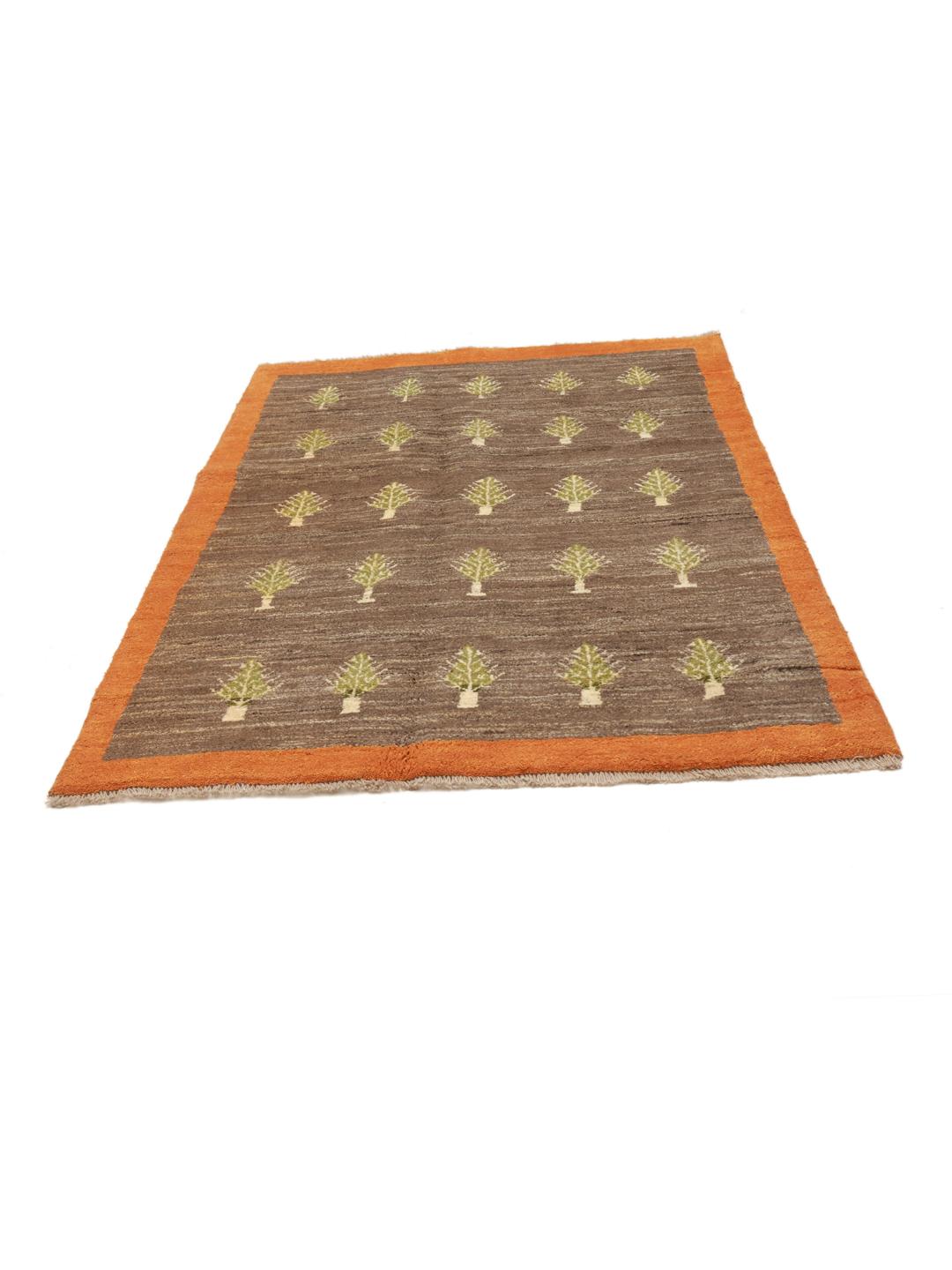
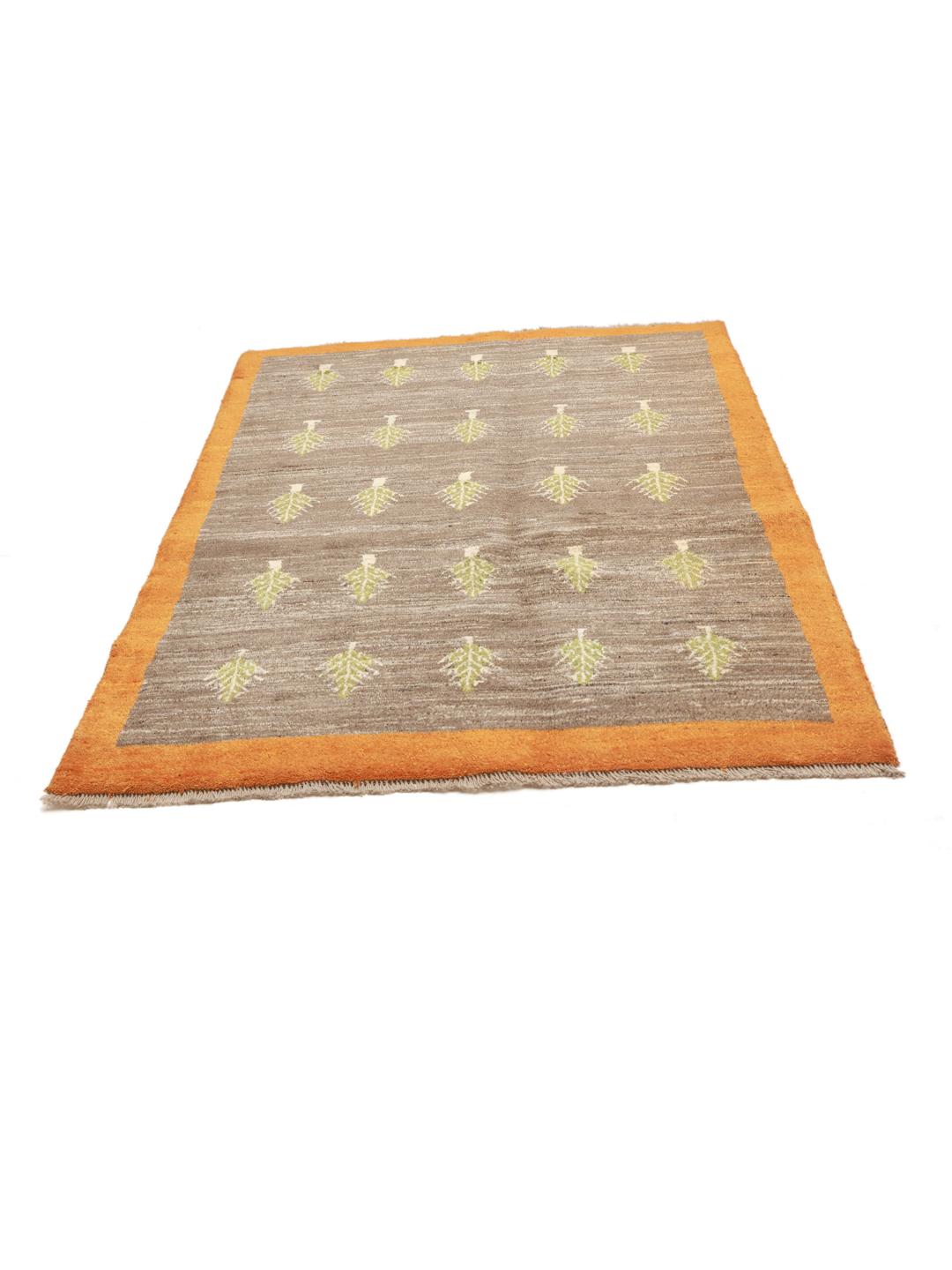
Gabbeh rugs are a celebrated tradition from the Middle East, historically woven by nomadic tribes as functional, warm bedding and floor coverings. Unlike the more formal, intricate city rugs, the Gabbeh was designed for personal use, often reflecting the surroundings and daily life of the weaver. This tradition has evolved over generations, shifting from purely functional items to highly sought-after decorative pieces that are valued for their raw beauty.
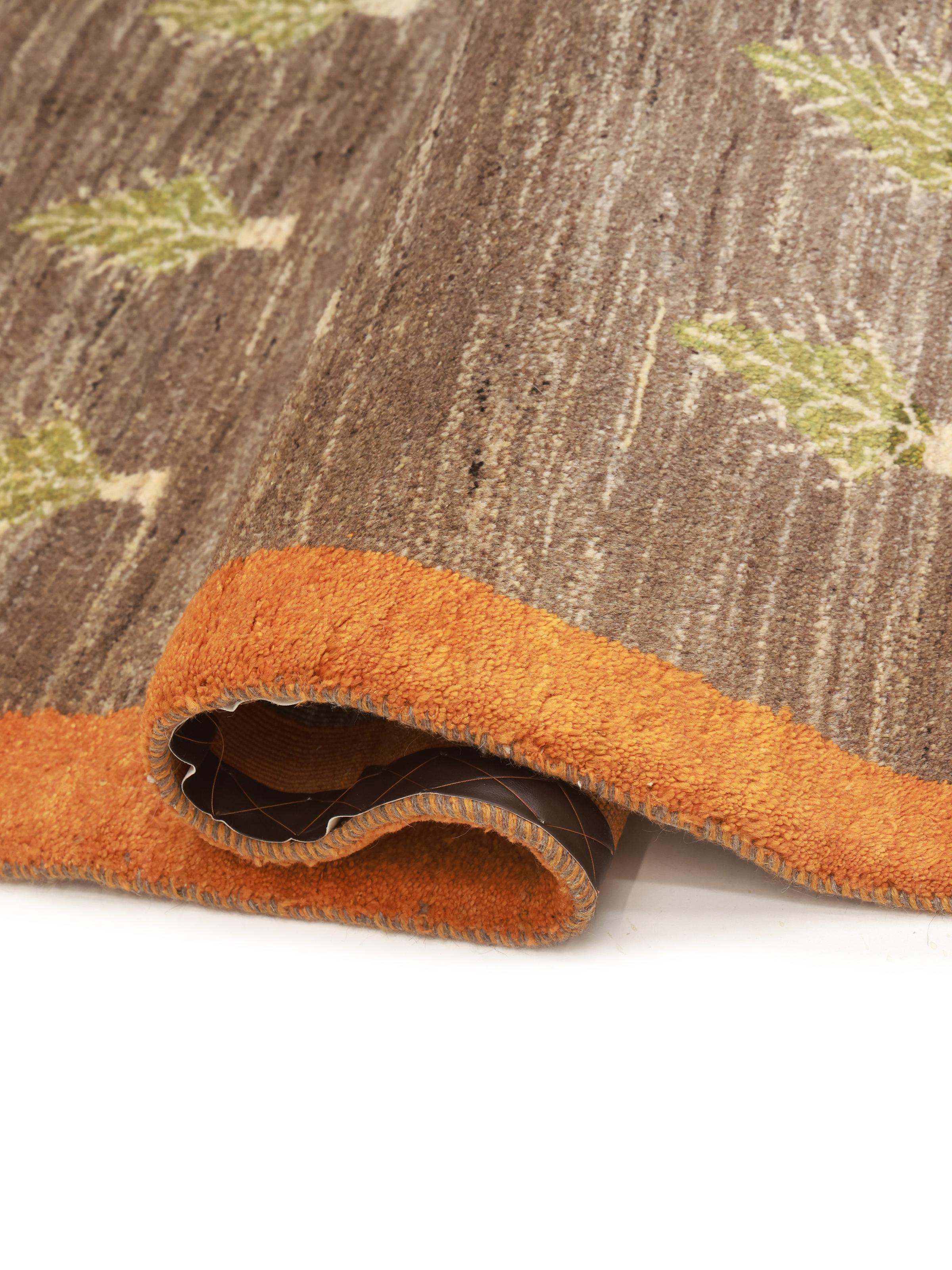
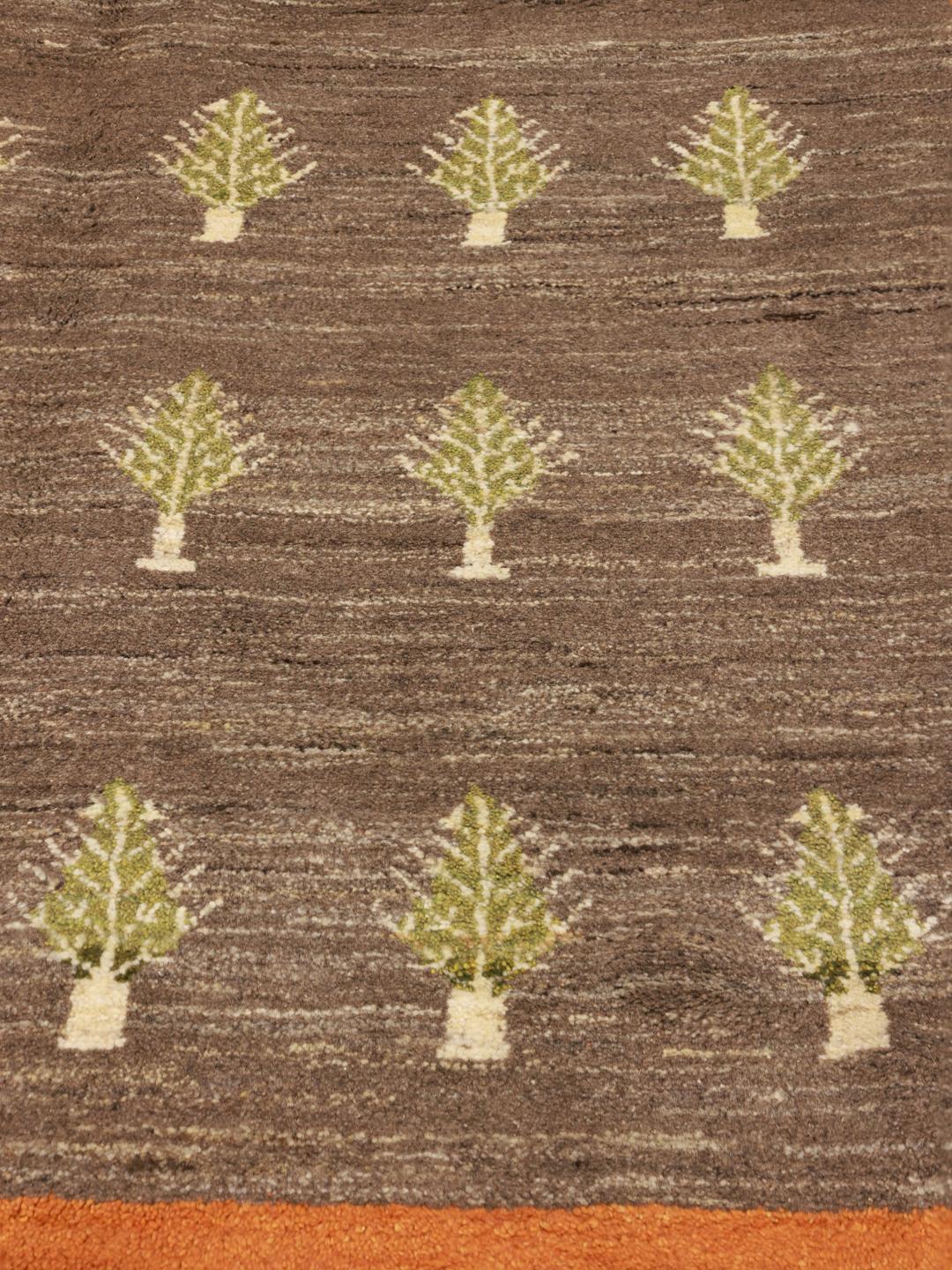
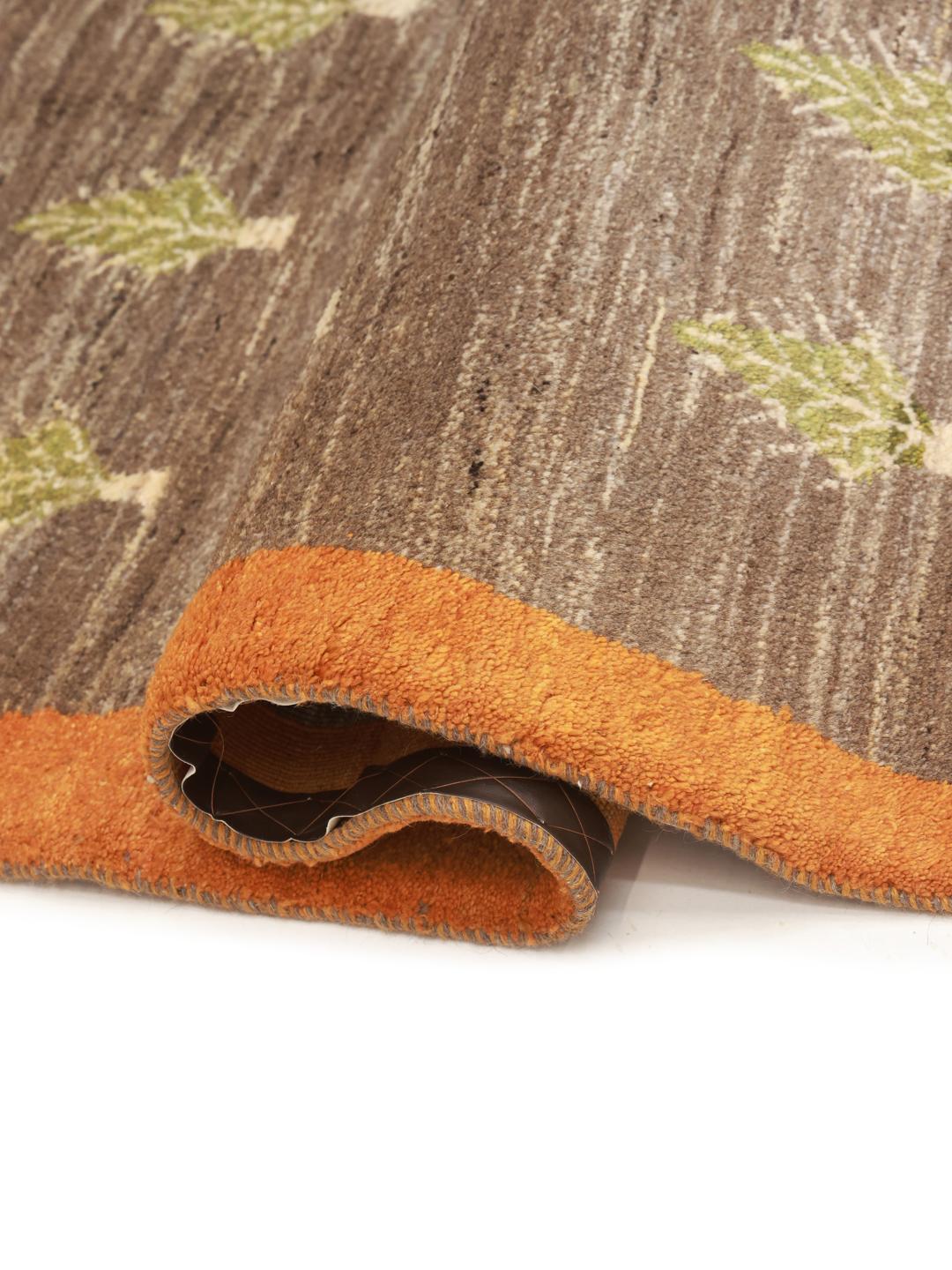
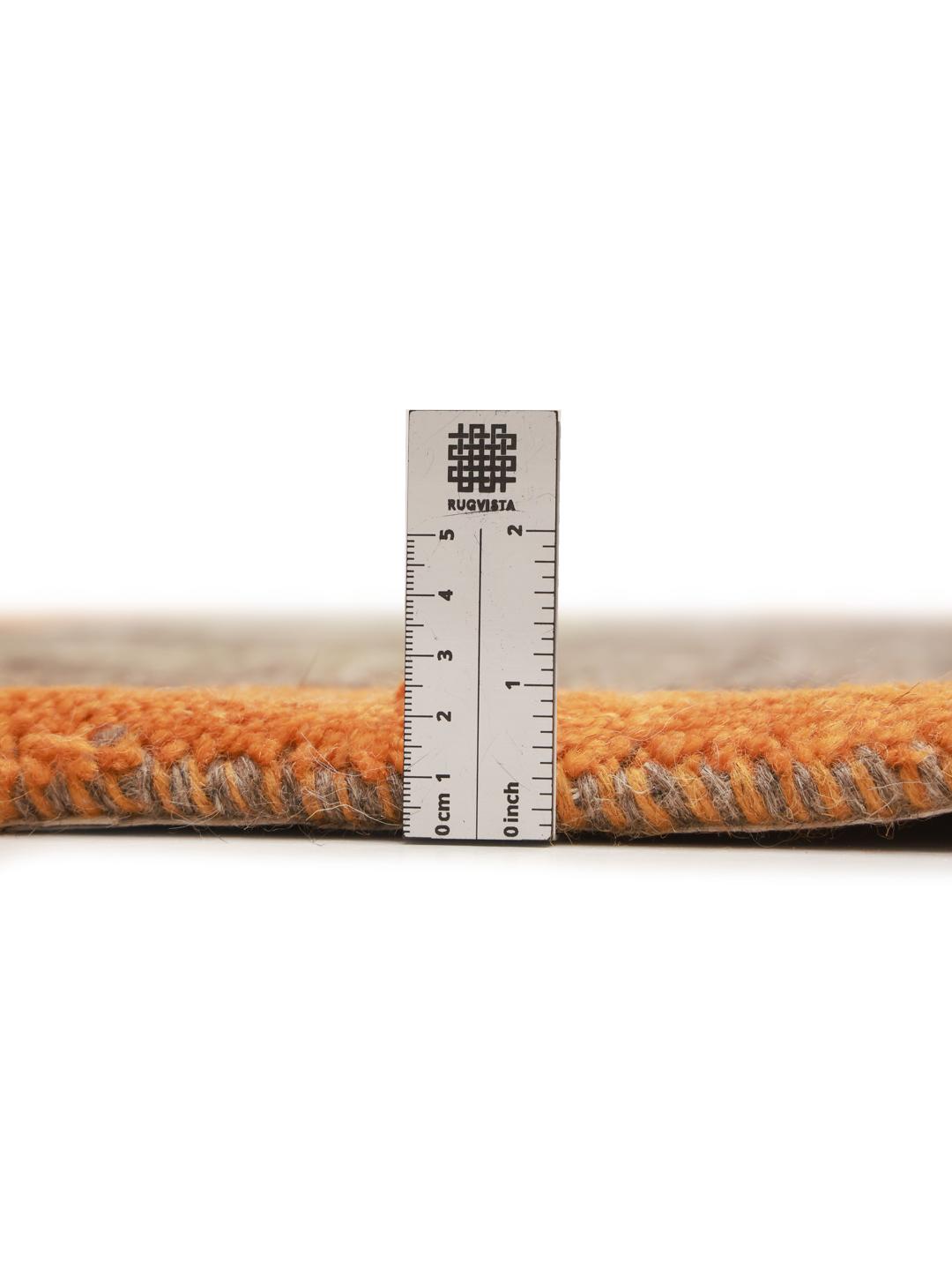
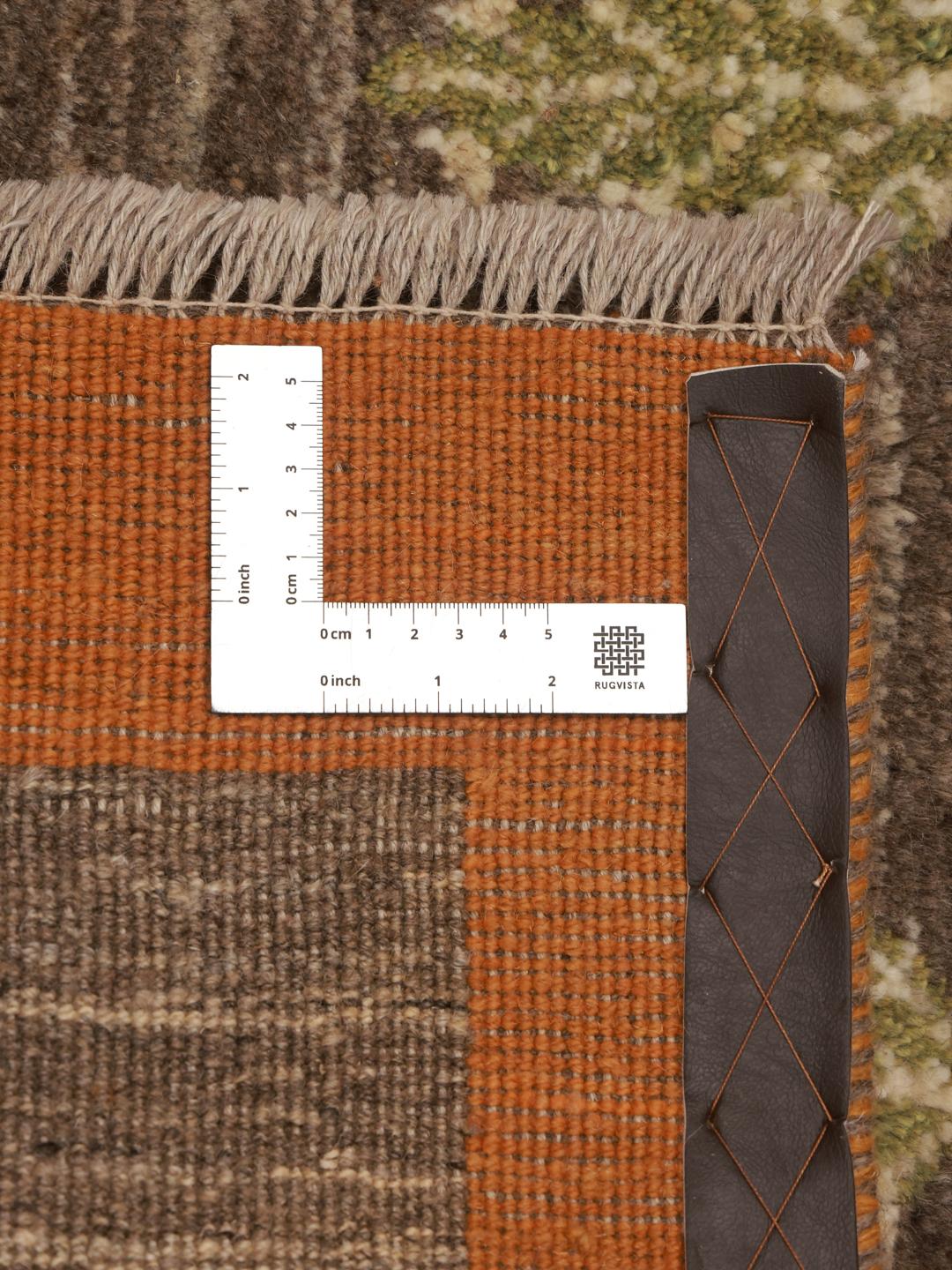
The term Gabbeh refers to a specific, thicker style of weaving that emphasises the natural qualities of the Wool. These rugs are typically characterised by a high, plush pile and a less rigid knotting structure, which results in a softer and more flexible feel compared to finer, more formal rugs. This construction choice is intentional, prioritising comfort and warmth for the nomadic lifestyle from which they emerged.
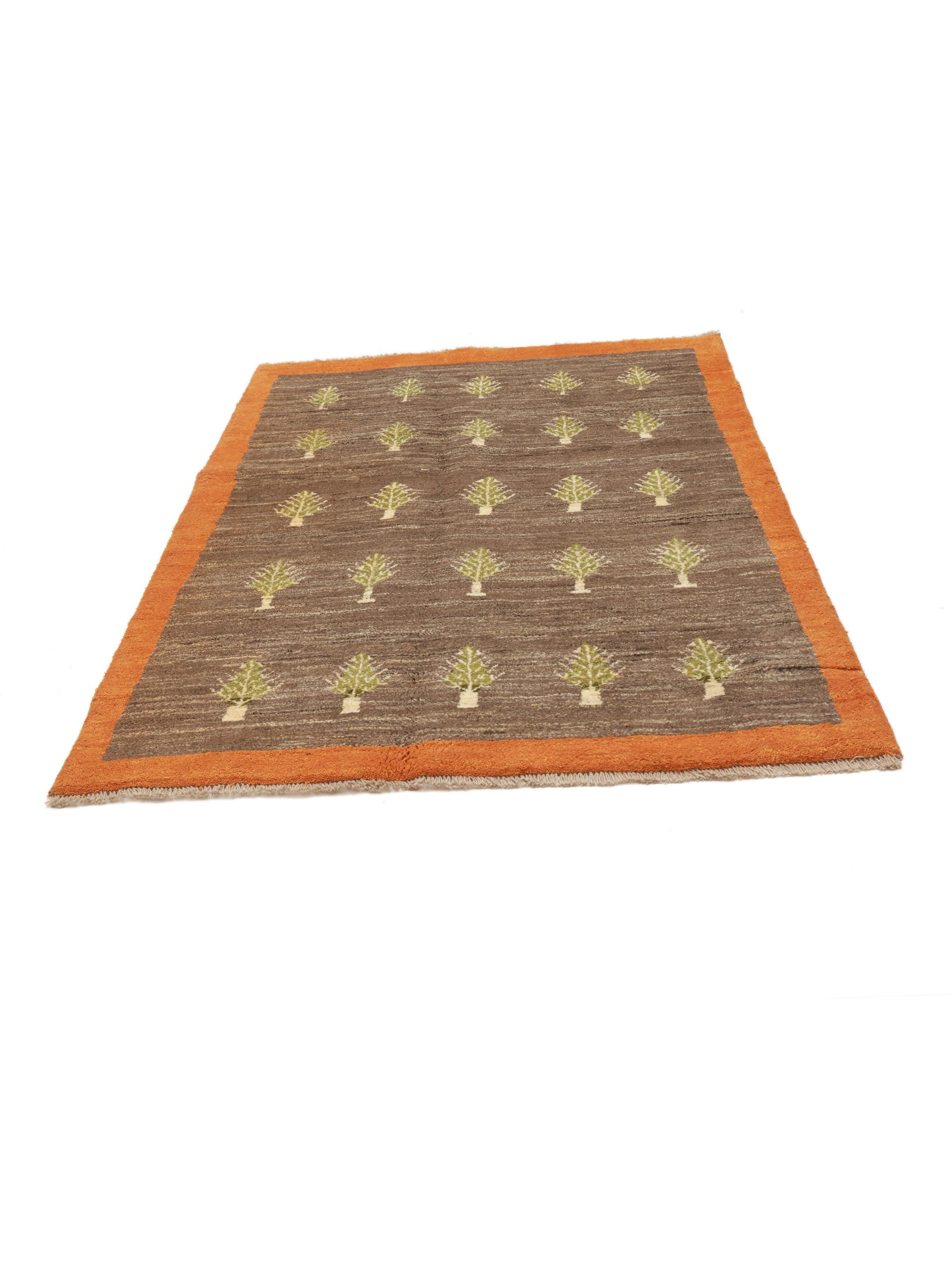
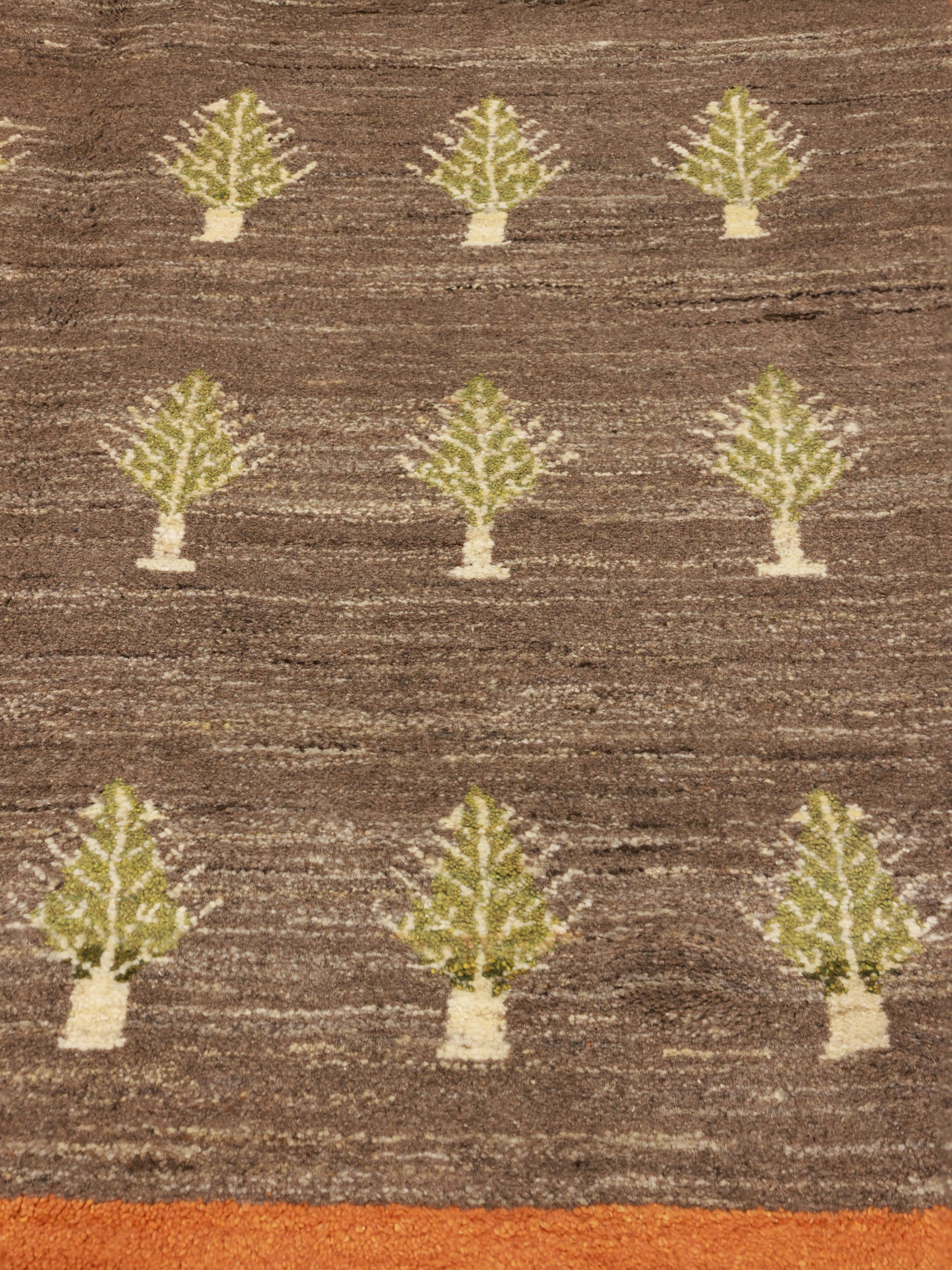
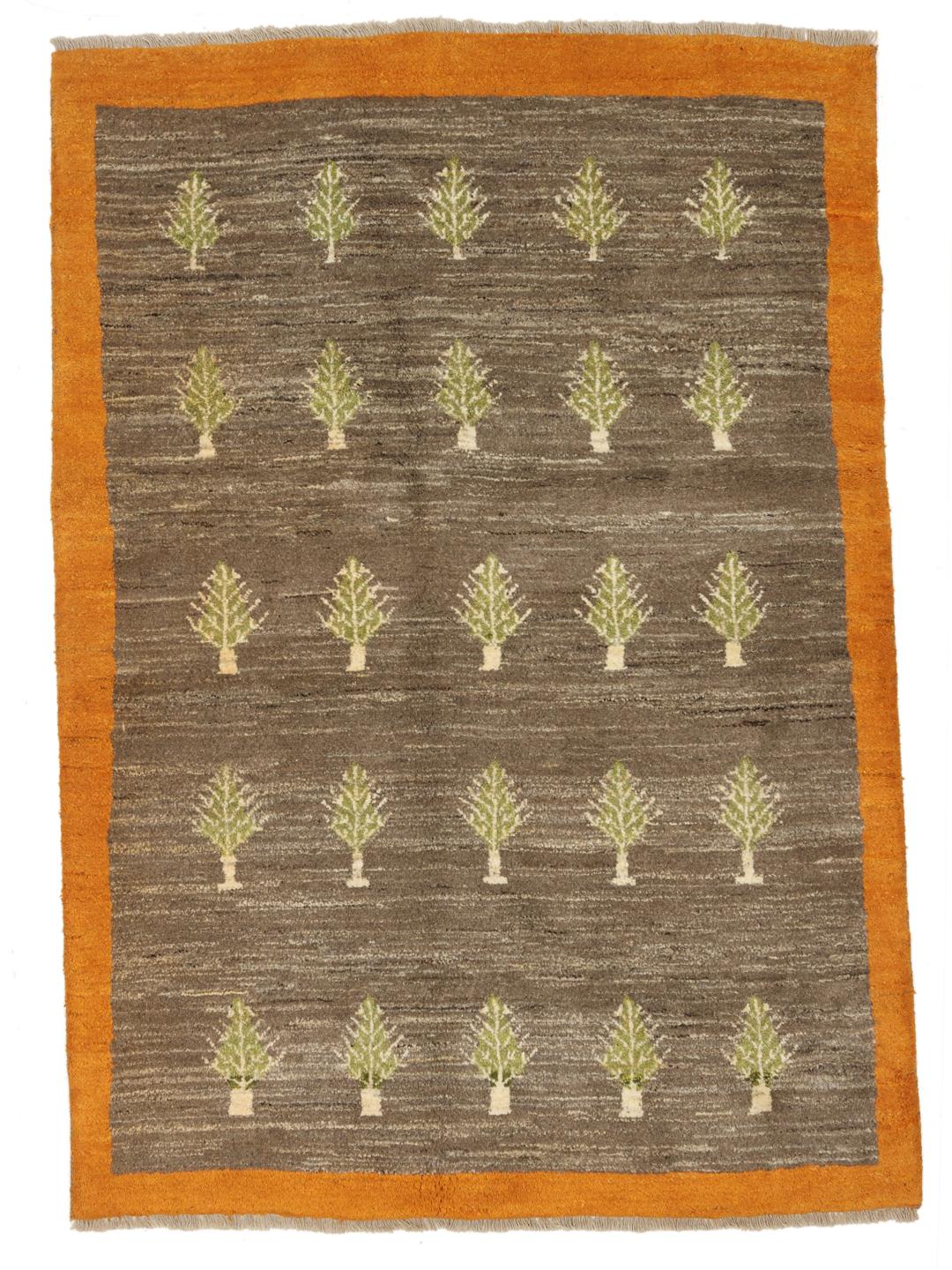
Visually, Gabbeh rugs are known for their minimalist approach, often using bold, open fields and simplified motifs. While many traditional rugs are defined by complex floral or geometric borders, this style often features abstract or stylized representations of the natural world, such as trees, animals, or simple geometric shapes. The use of vibrant, natural dyes and the occasional variation in colour—known as abrash—adds a layer of depth and visual interest that makes each piece feel alive.
Owning a Gabbeh is about more than just decor; it is about connecting with a rich heritage of craft. These rugs are collected for their authenticity and the human story woven into every knot. In an age of mass production, these pieces stand out as testaments to the skill and creative freedom of the artisans, offering a sense of heritage and lasting quality that brings a grounded, human touch to any modern interior.