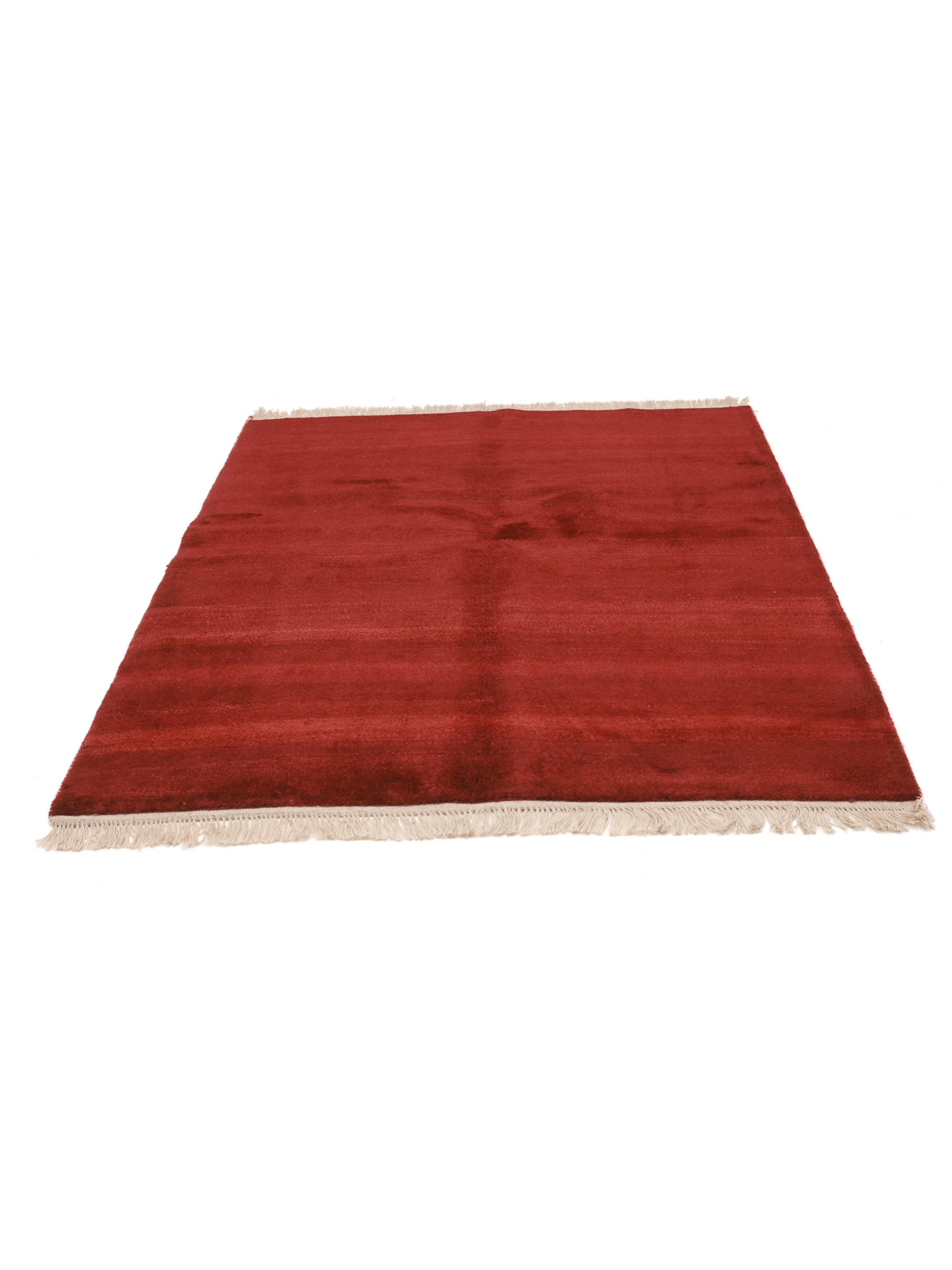
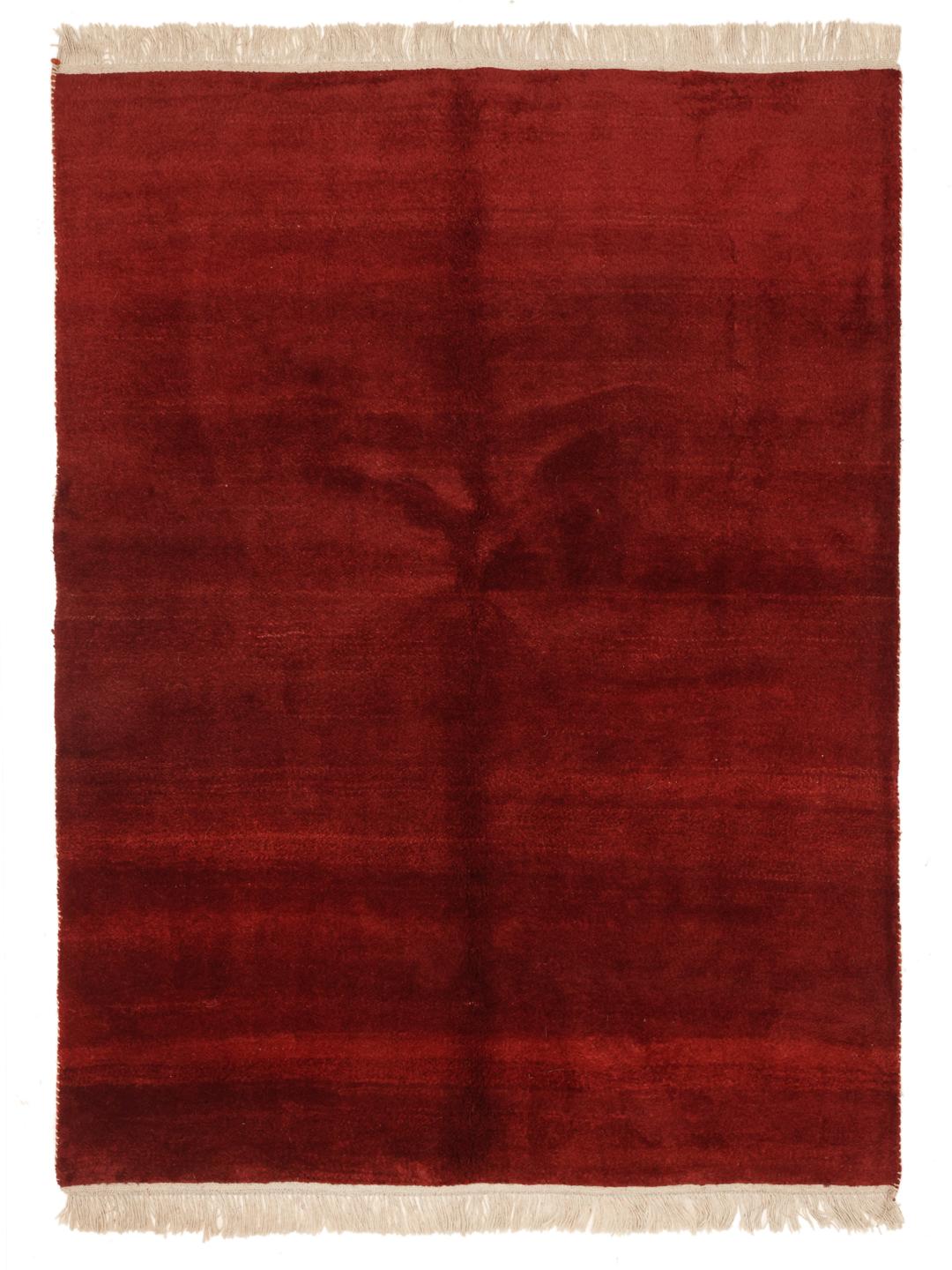
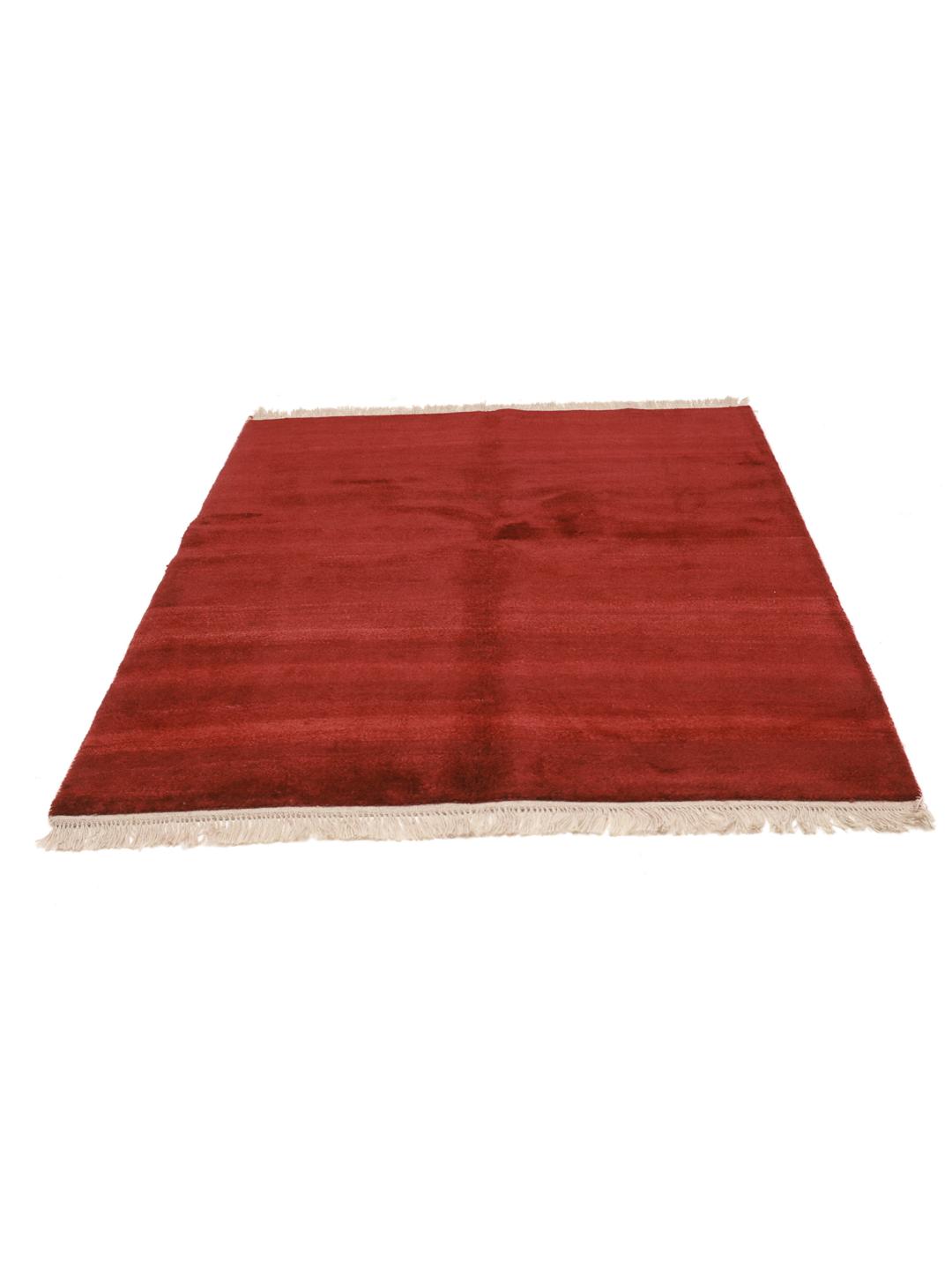
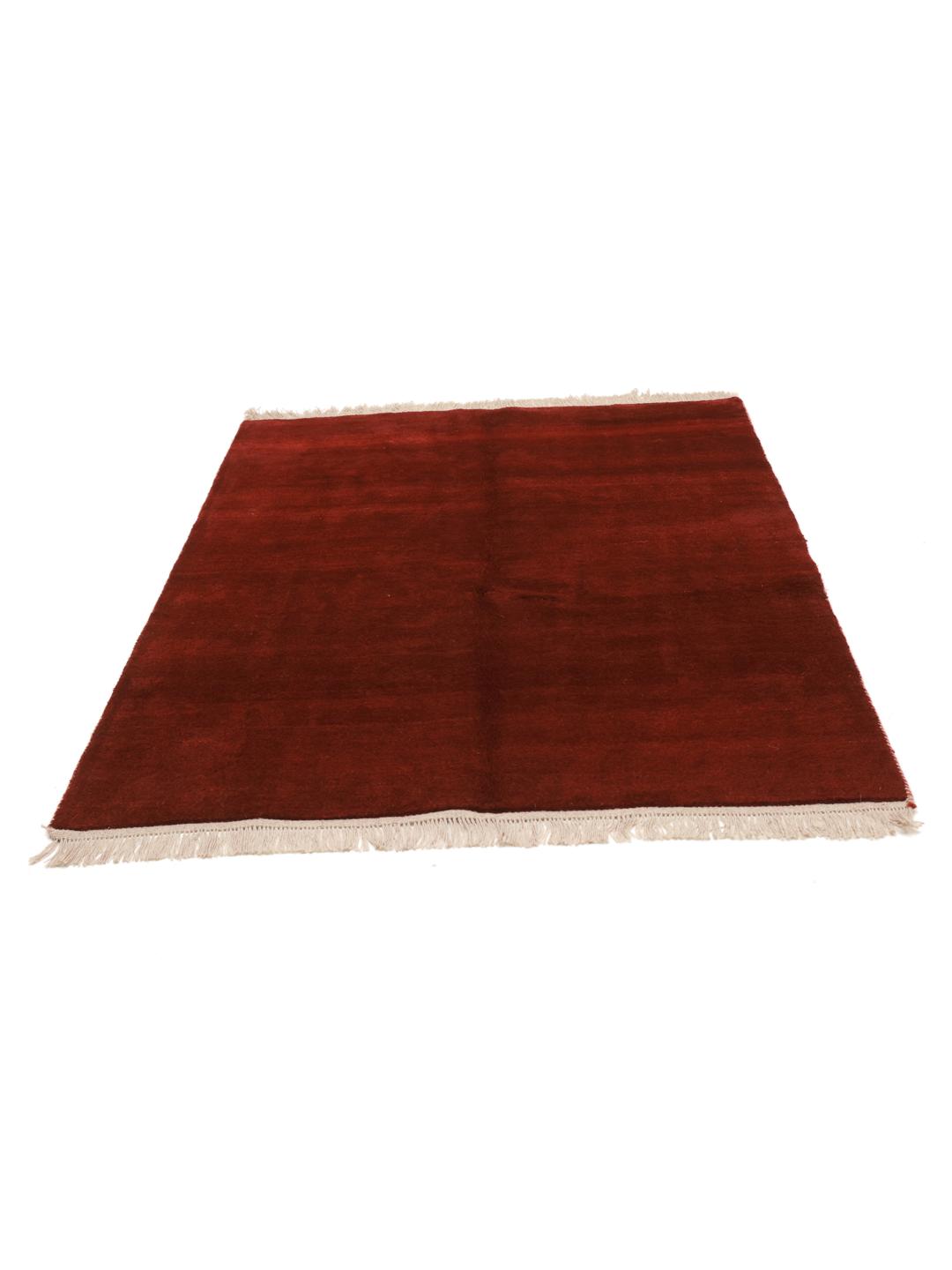
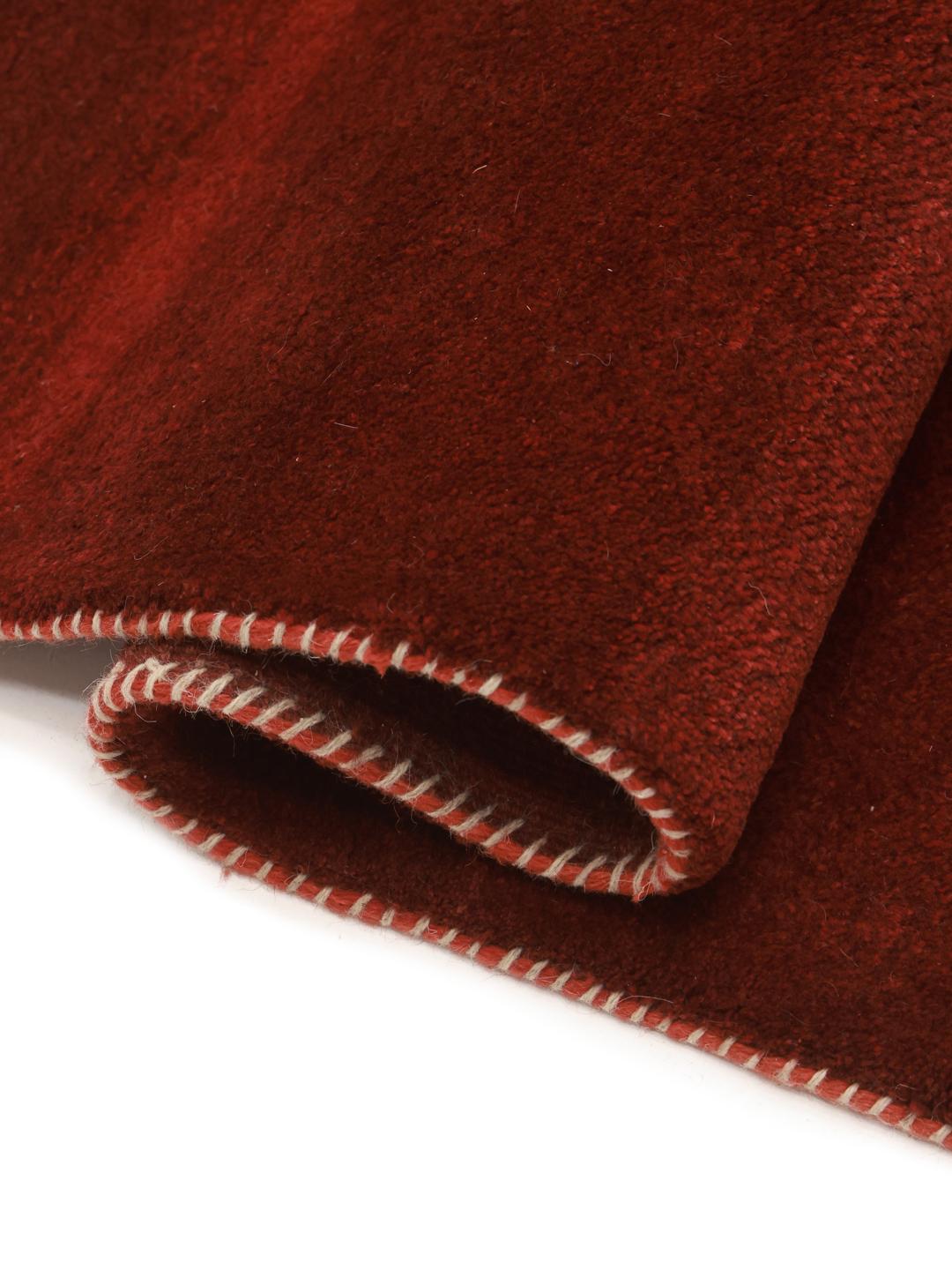
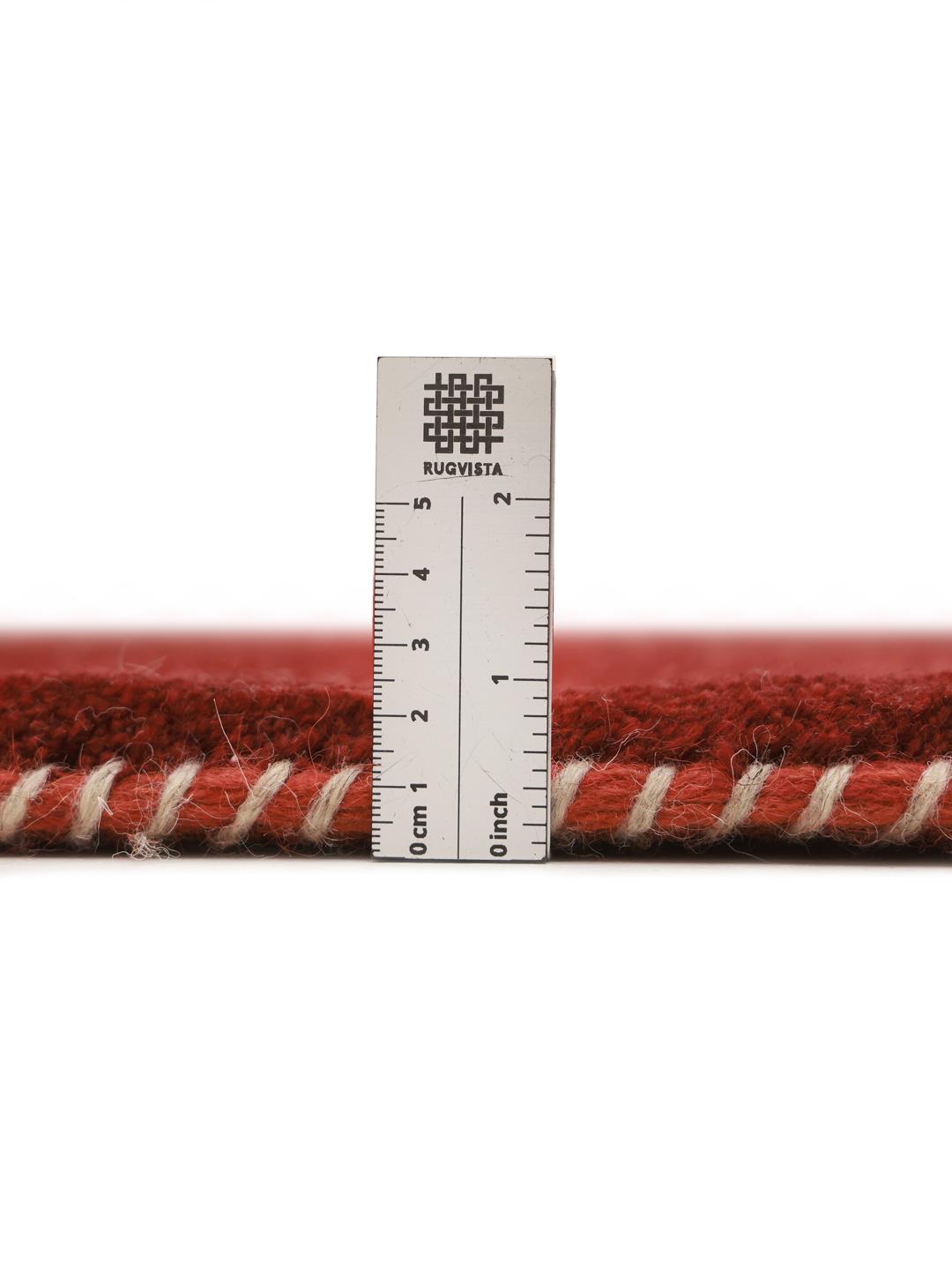
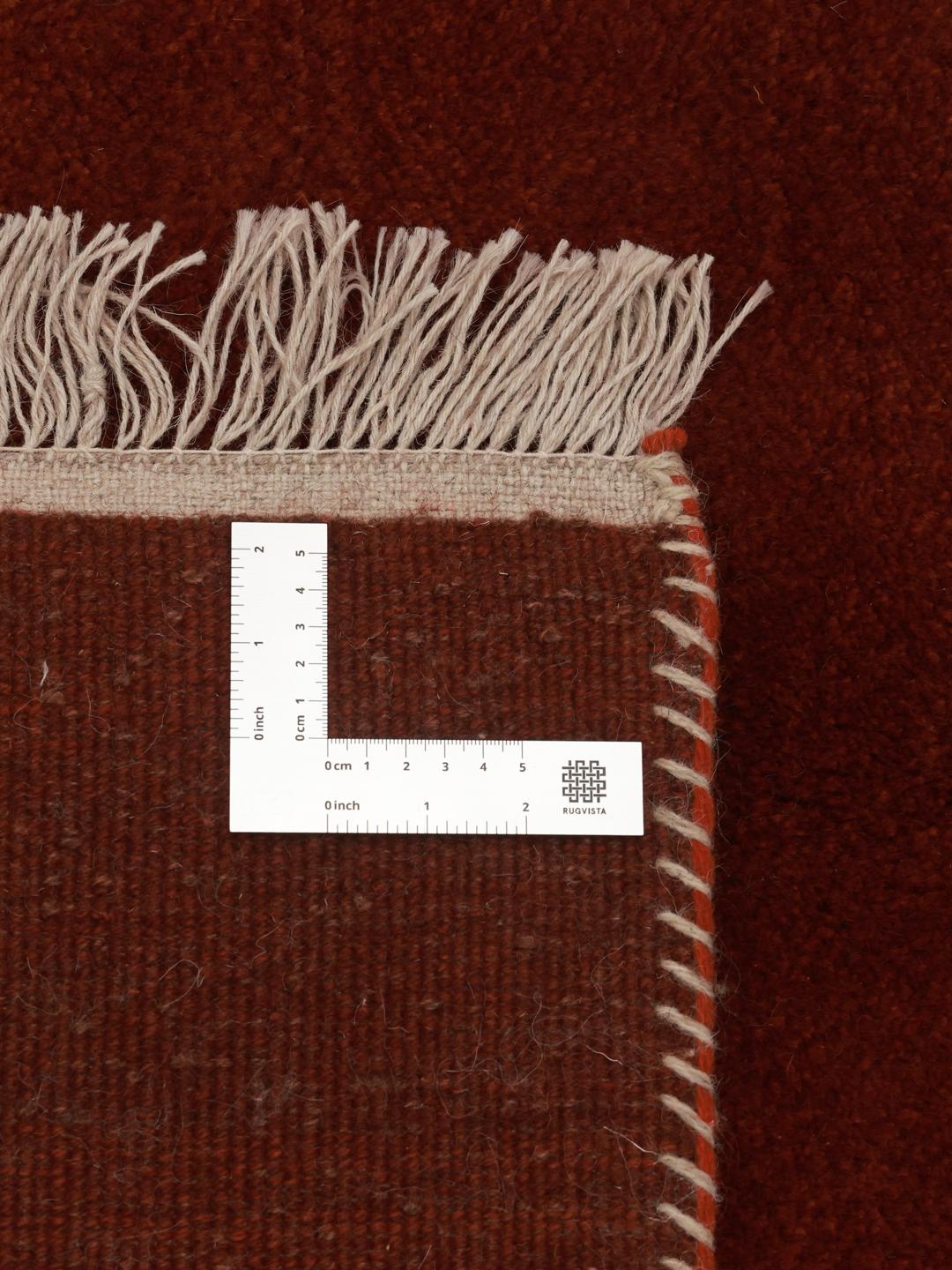
Gabbeh rugs originate from the nomadic tribes of the Middle East, where they were traditionally crafted for personal use rather than for trade. These rugs were woven by hand using local Wool, reflecting the rugged landscapes and the cultural identity of the weavers who created them.
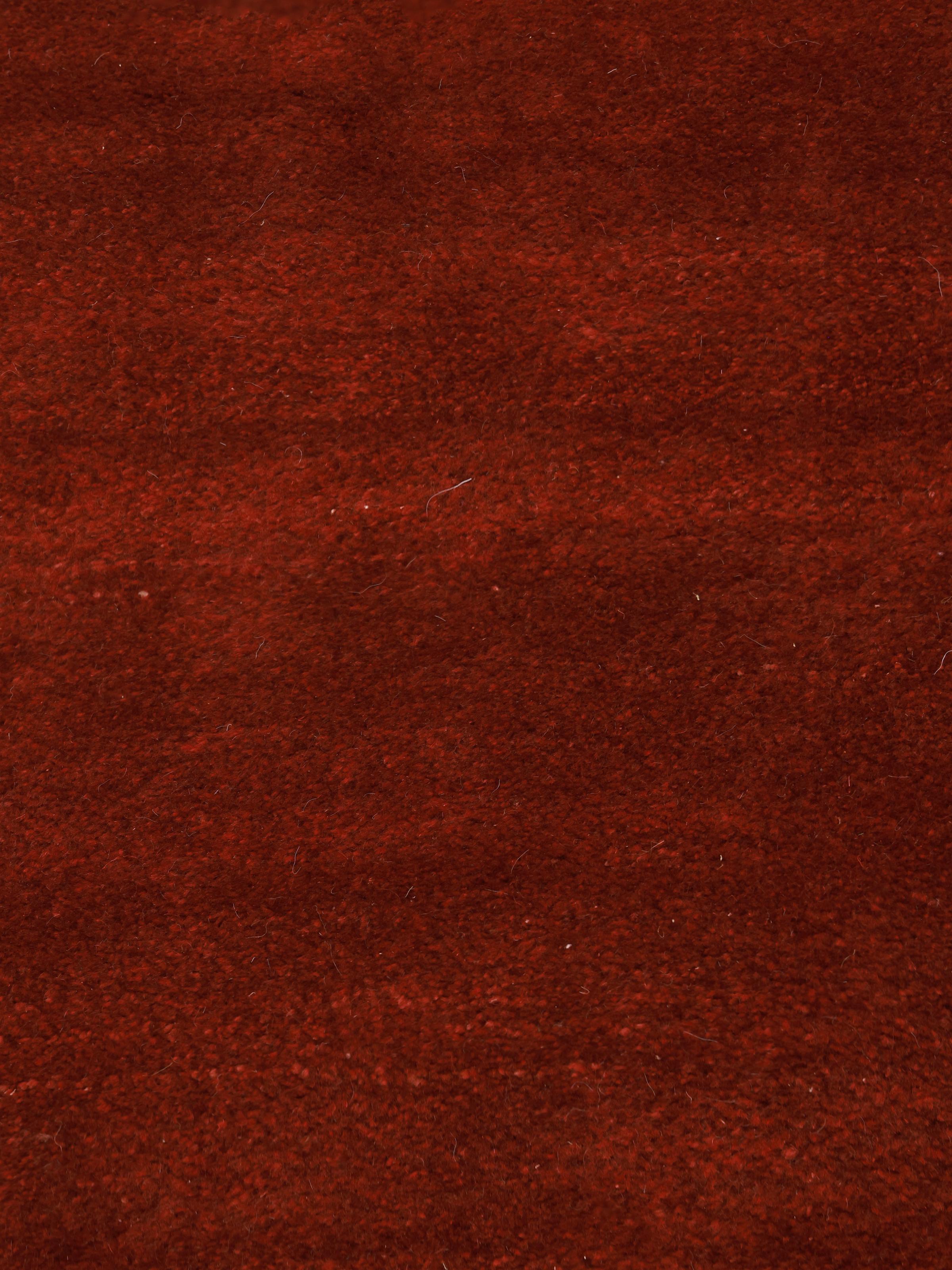
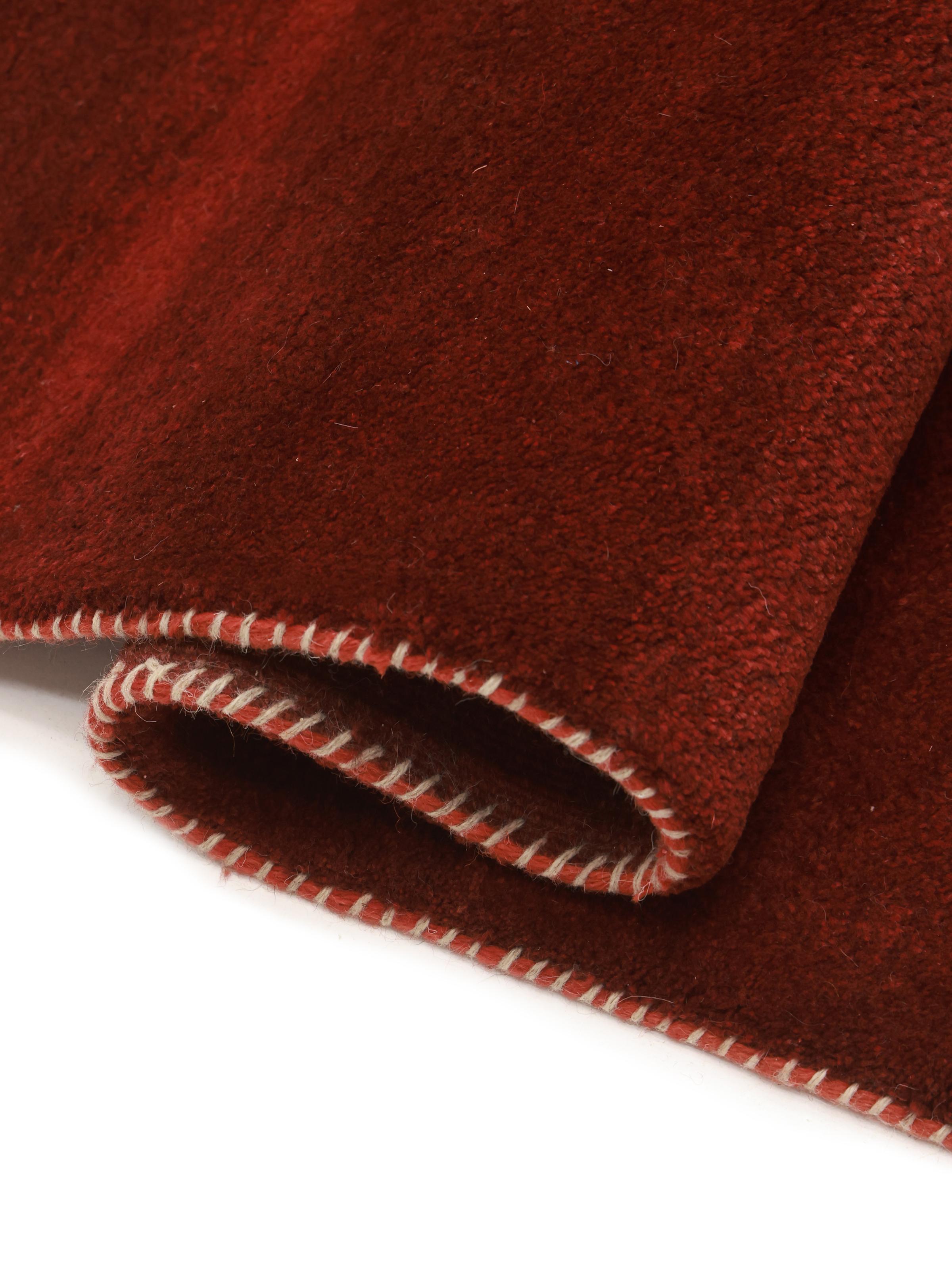
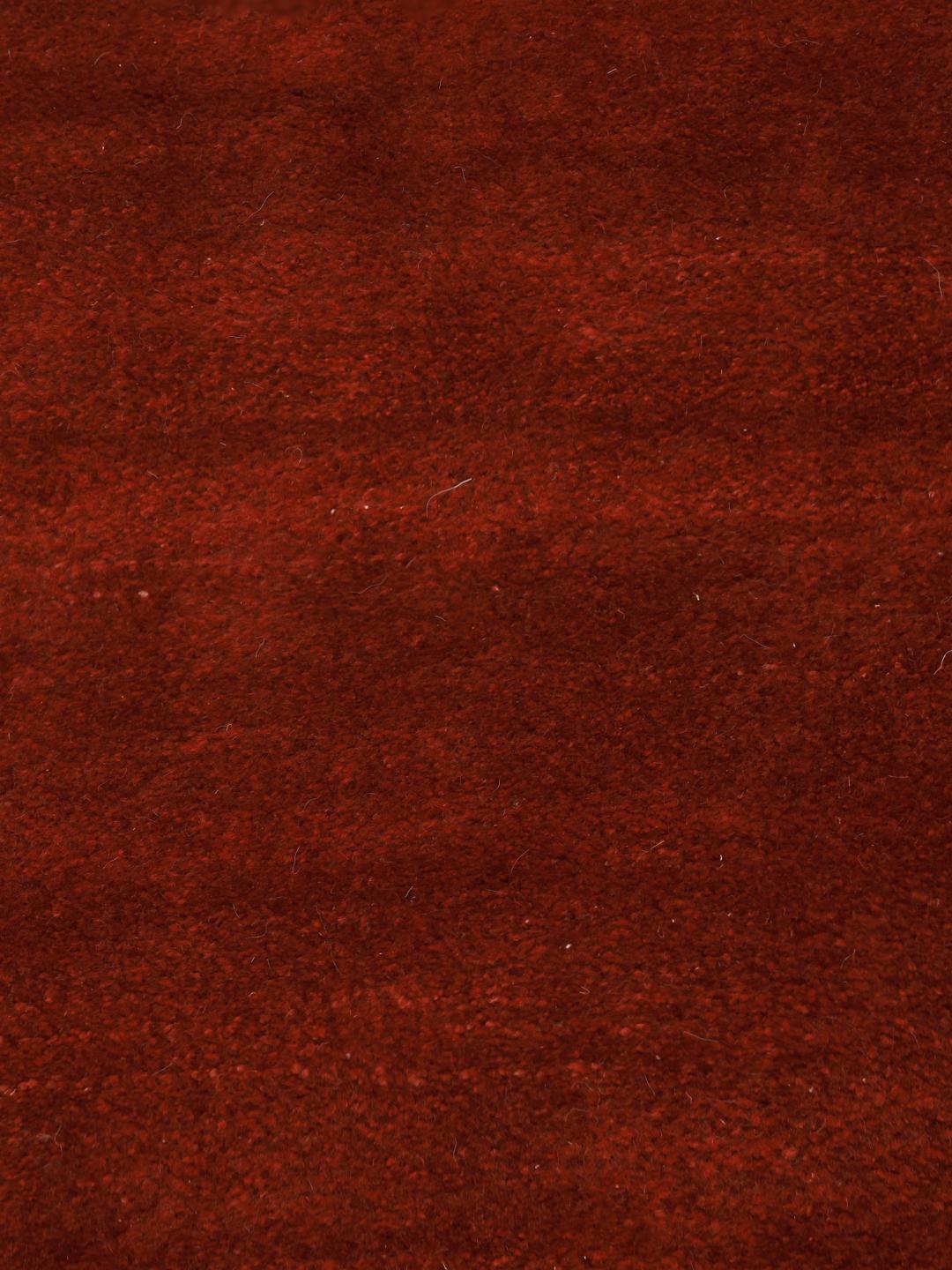
The term Gabbeh itself means raw, natural, or unclipped, which perfectly describes the aesthetic of these pieces. Historically, they were known for their thicker, coarser, and longer pile compared to other types of rugs, providing essential warmth and comfort in the harsh conditions of the nomadic lifestyle.
Visually, these rugs are celebrated for their expressive simplicity. While many traditional rugs are defined by intricate, formal medallions or borders, Gabbeh rugs often favour open, unadorned fields or simple geometric motifs. This minimalist approach allows the natural quality of the Wool and the depth of the dye to take centre stage, creating a powerful visual impact.
Today, these rugs are highly sought after by collectors who value their authenticity and the human story behind every knot. Owning a Gabbeh is not just about the functional benefit of a floor covering, but about connecting with a long-standing tradition of tribal craft and artistic expression that has survived for centuries.