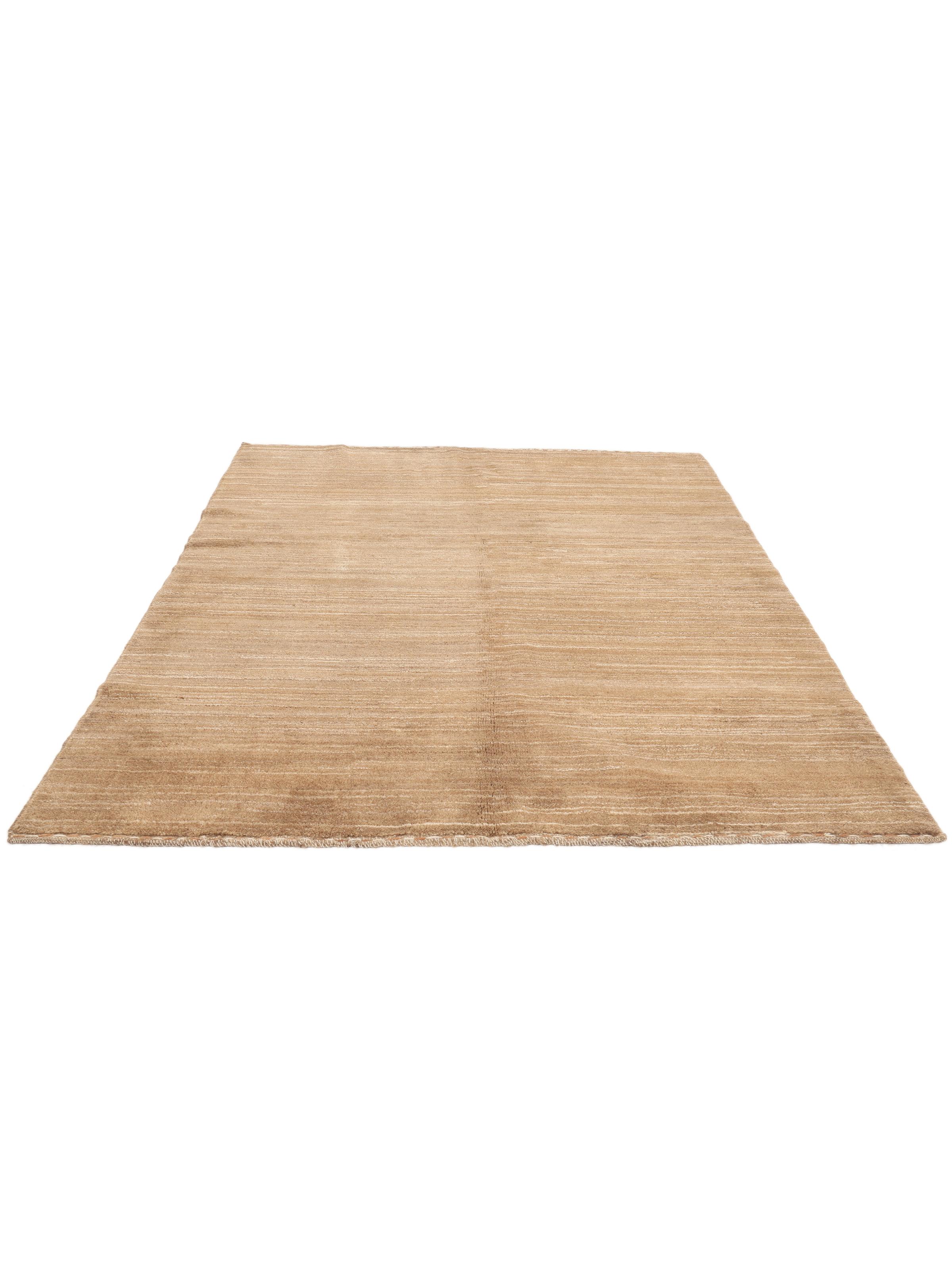
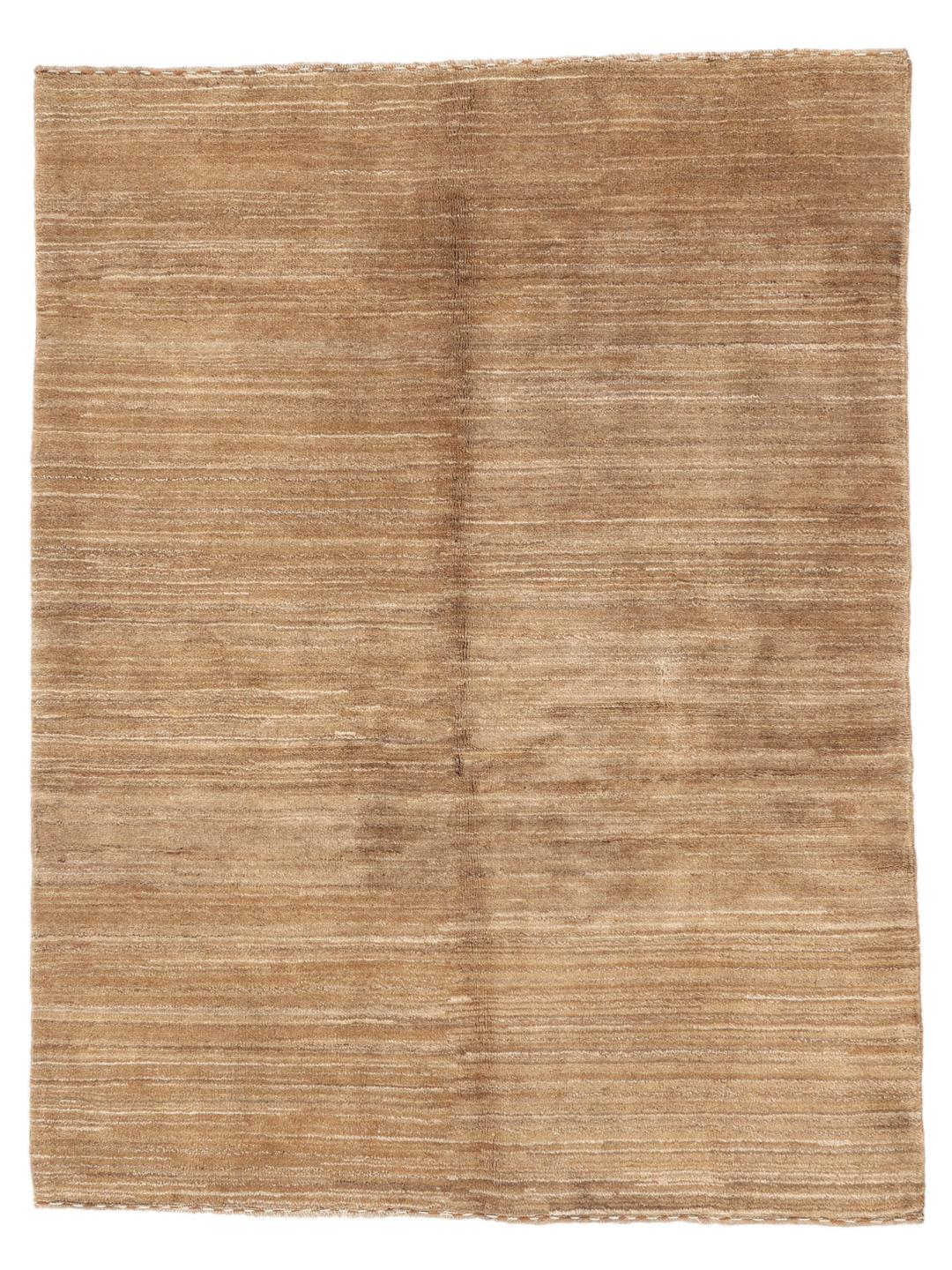
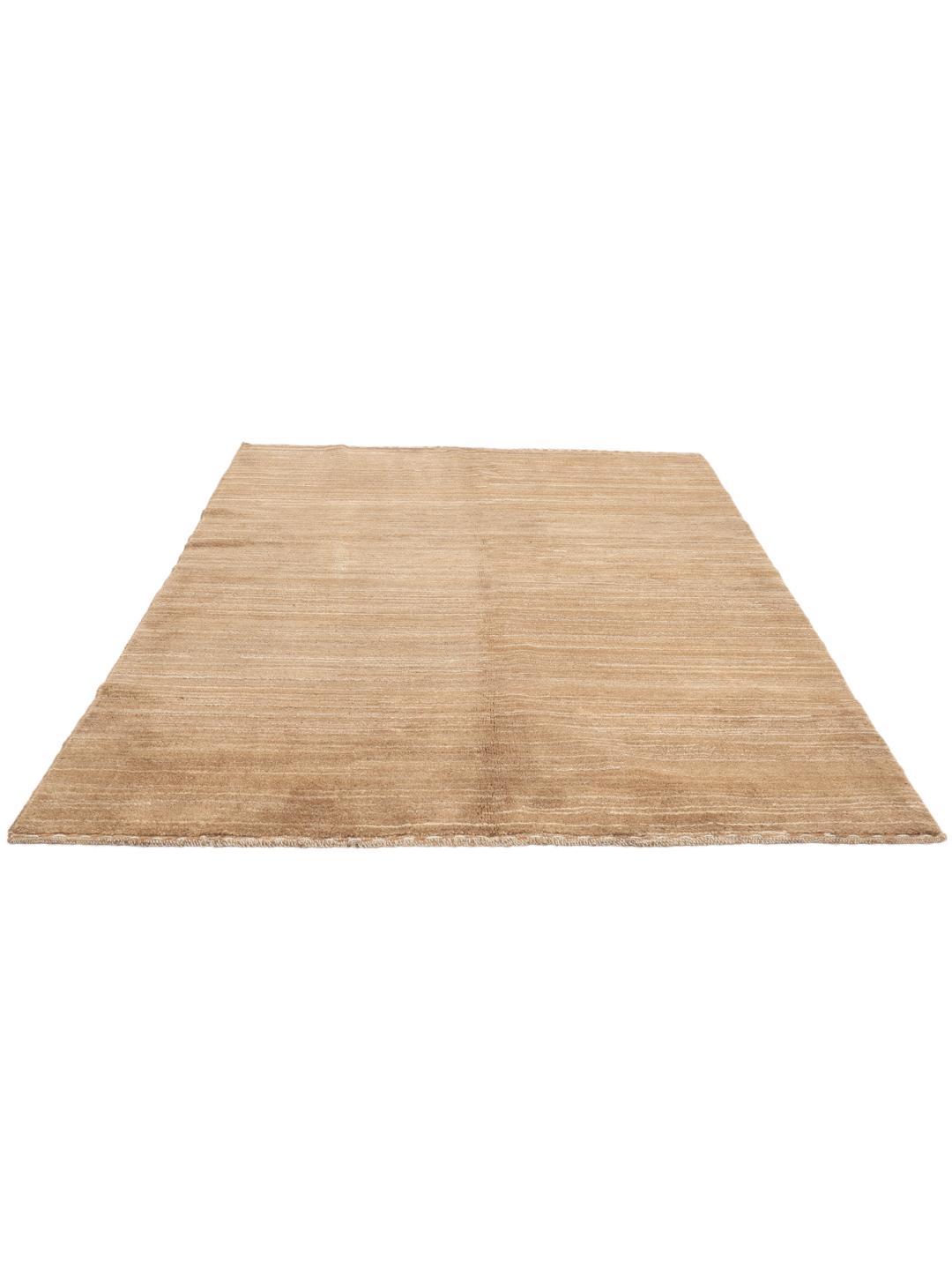
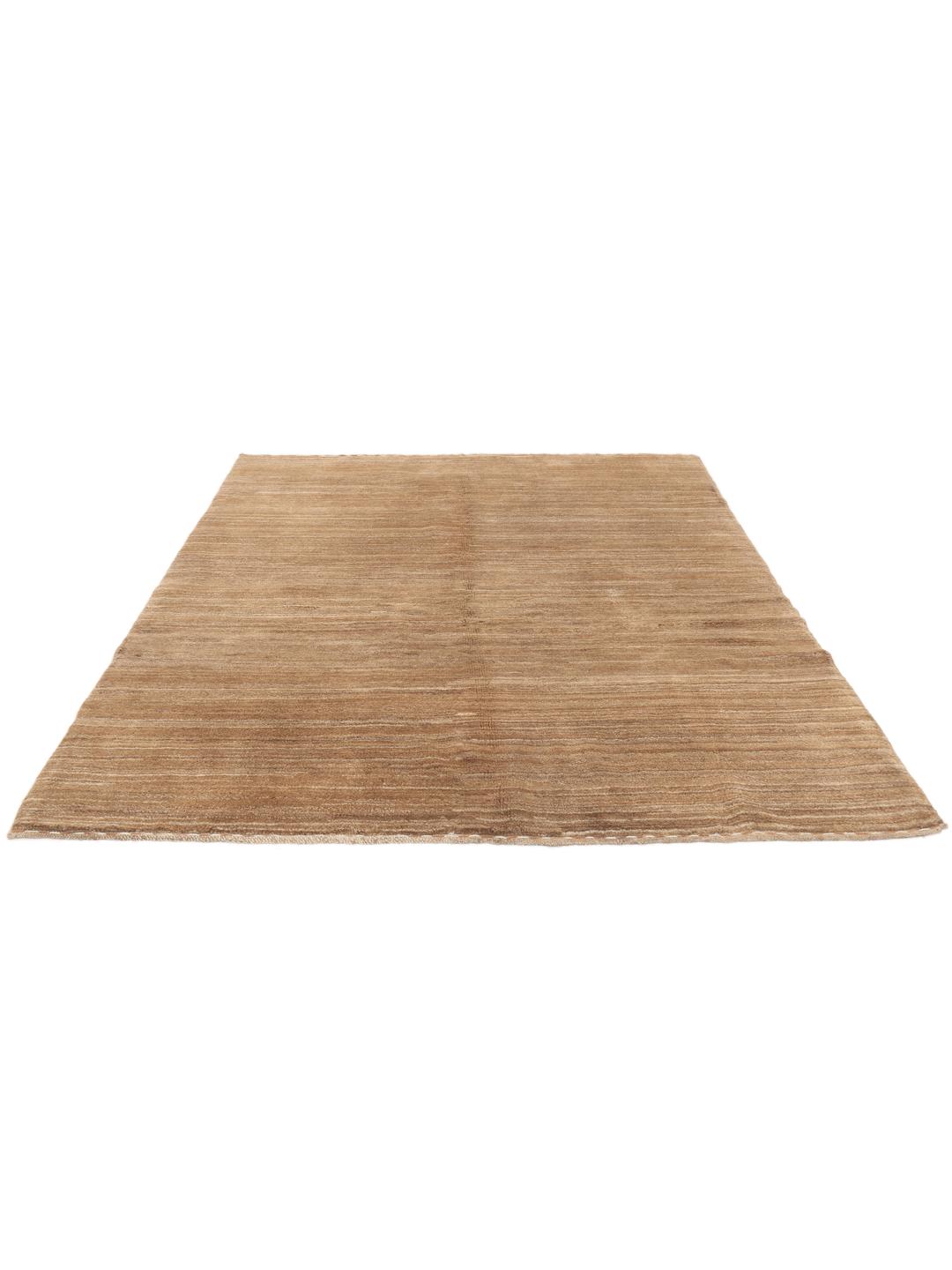
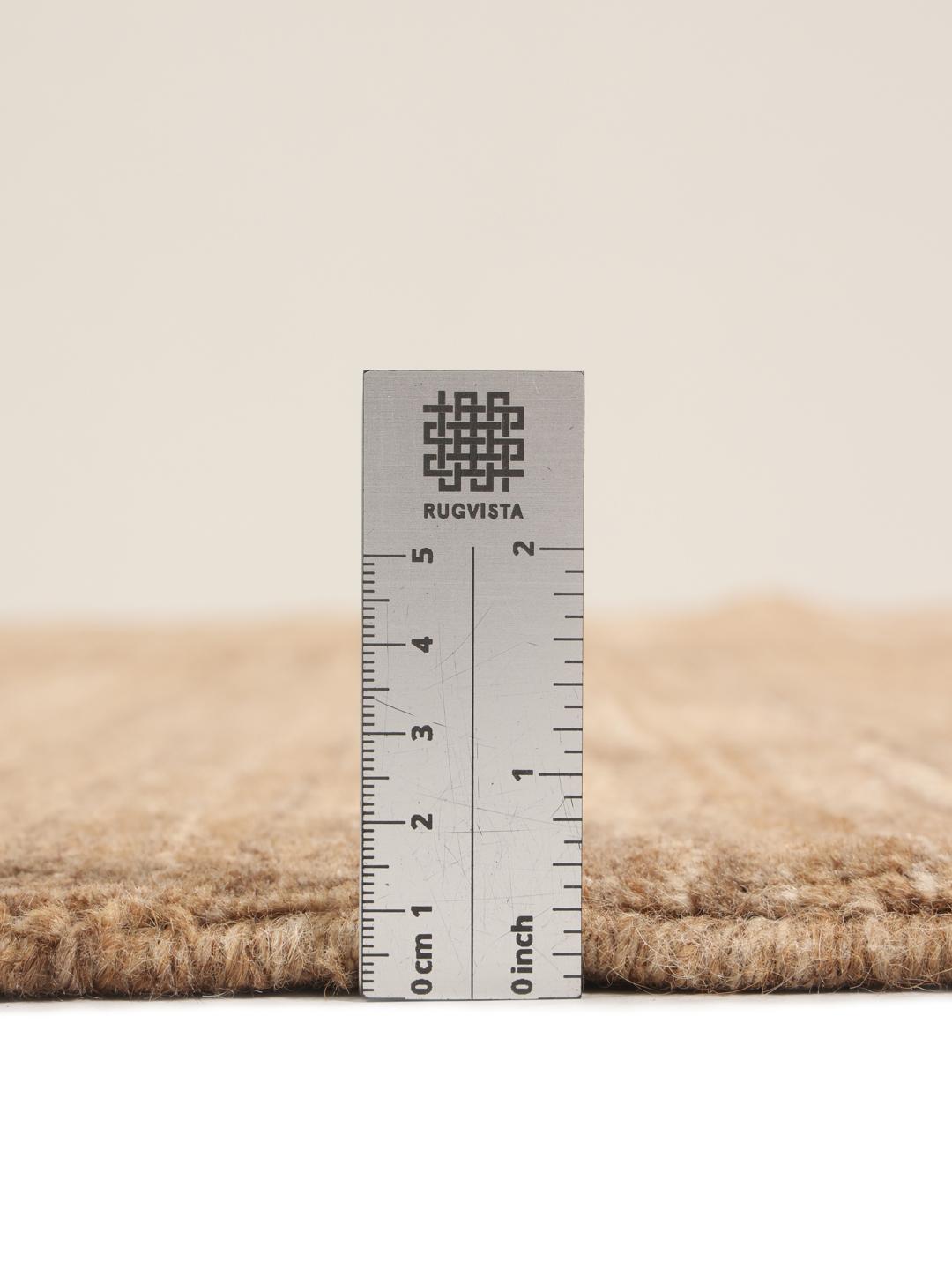
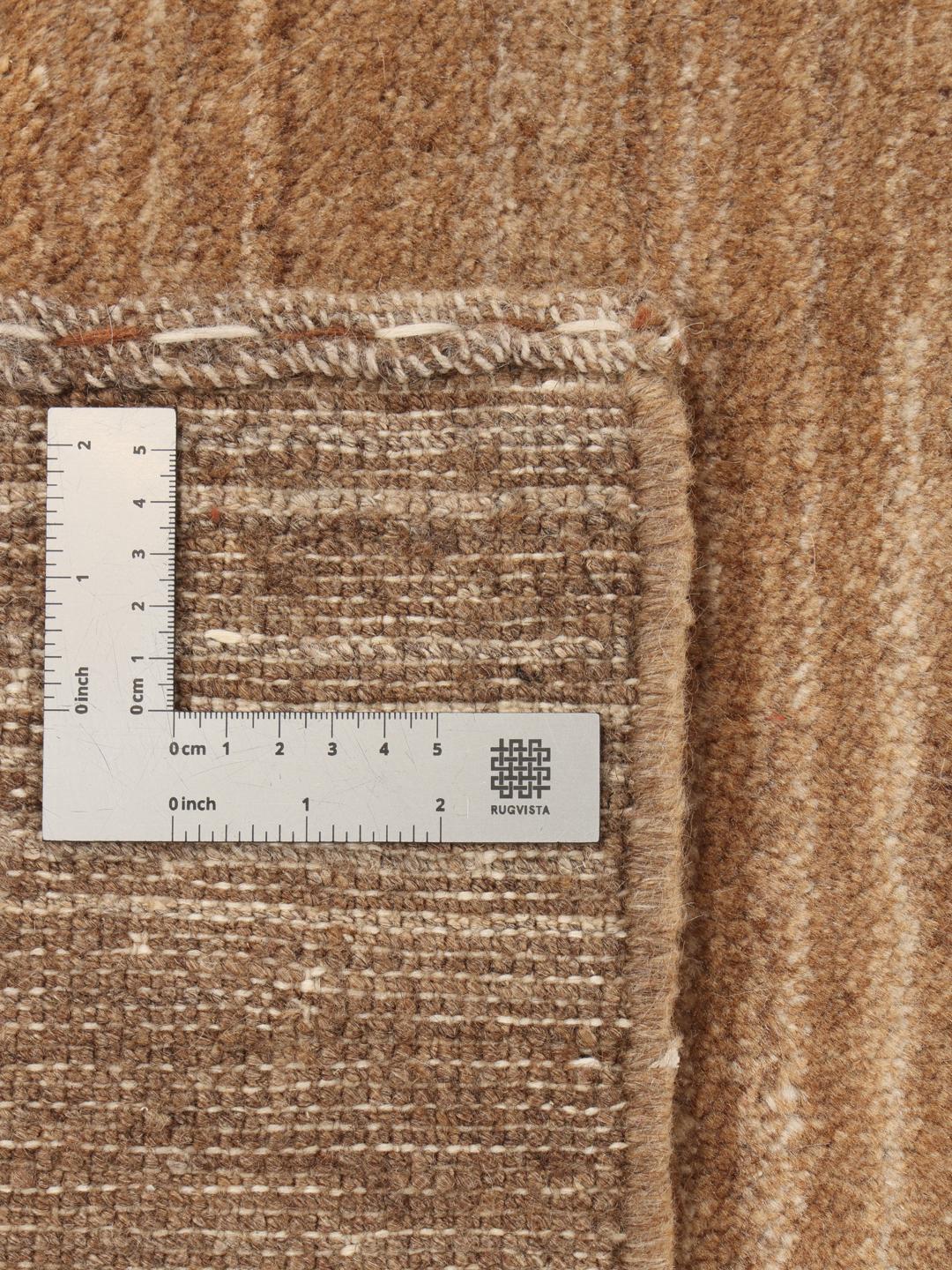
Gabbeh rugs originate from the nomadic tribes of the Middle East, primarily woven by the Qashqai and Luri people. Traditionally, these rugs were created for personal use within the home, serving as thick, protective floor coverings that provided insulation against the harsh desert climate. Unlike more formal urban carpets, the Gabbeh was designed for comfort and utility, often featuring simple, bold designs that were inspired by the weaver's own environment and experiences.
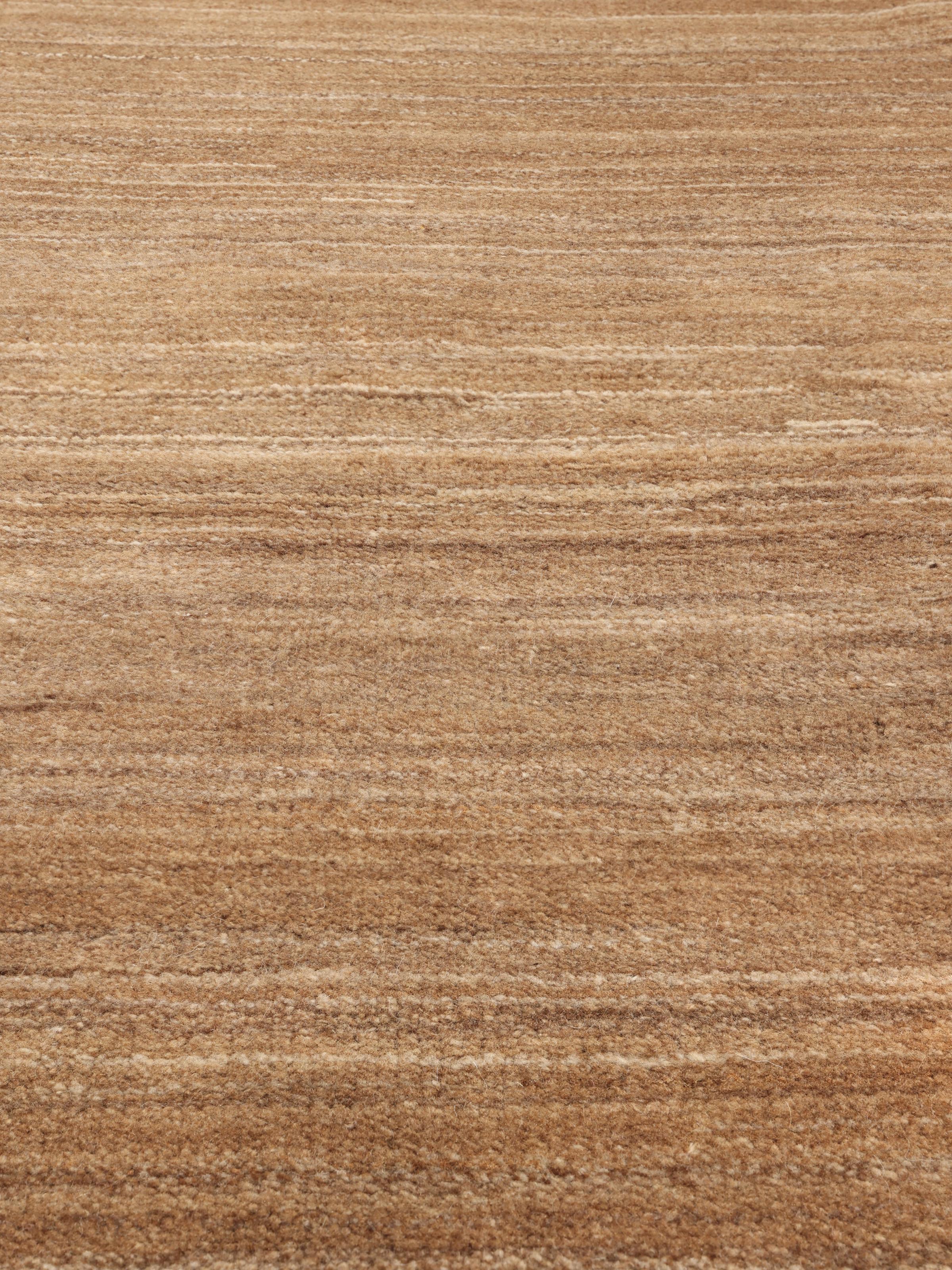
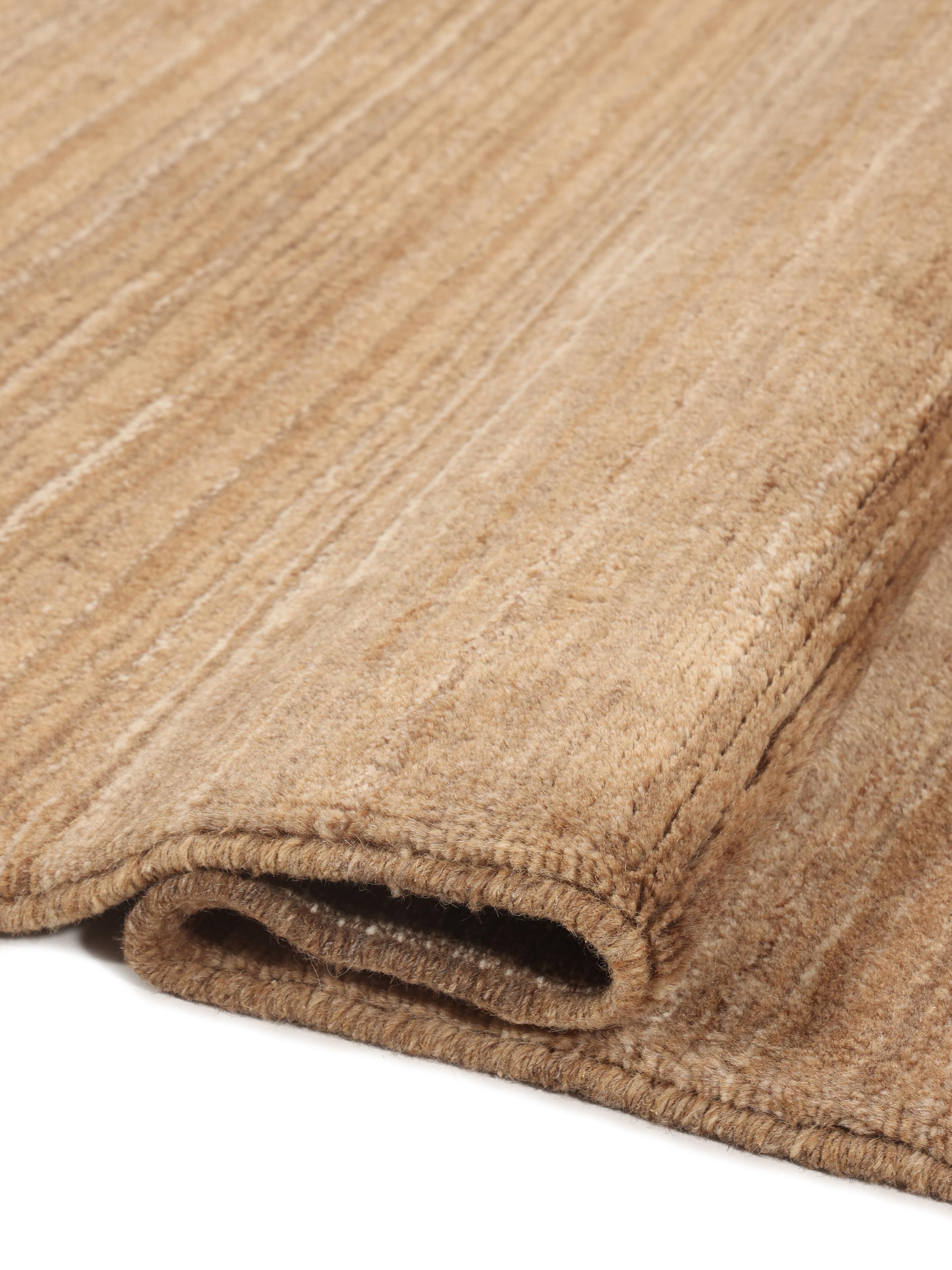
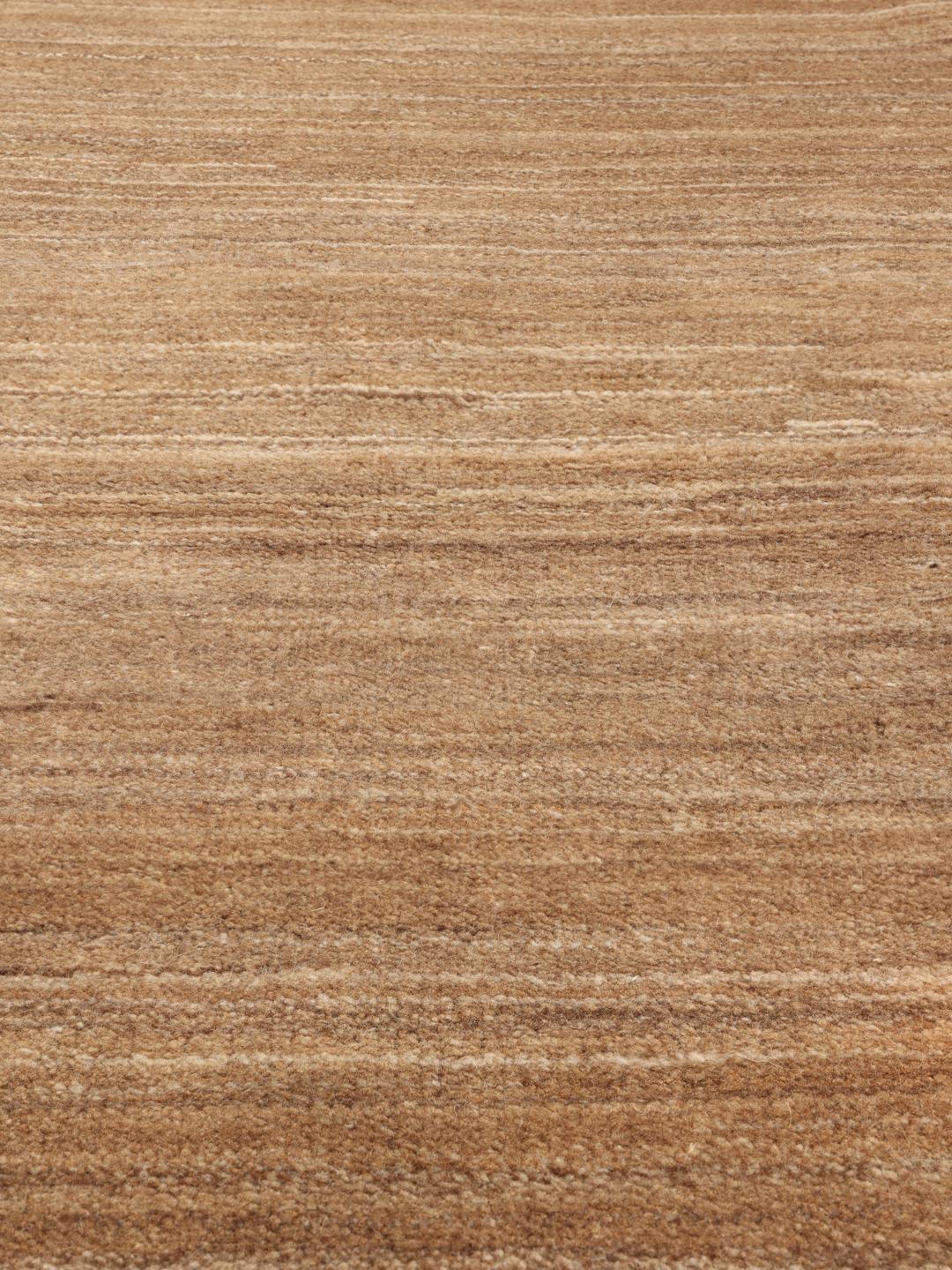
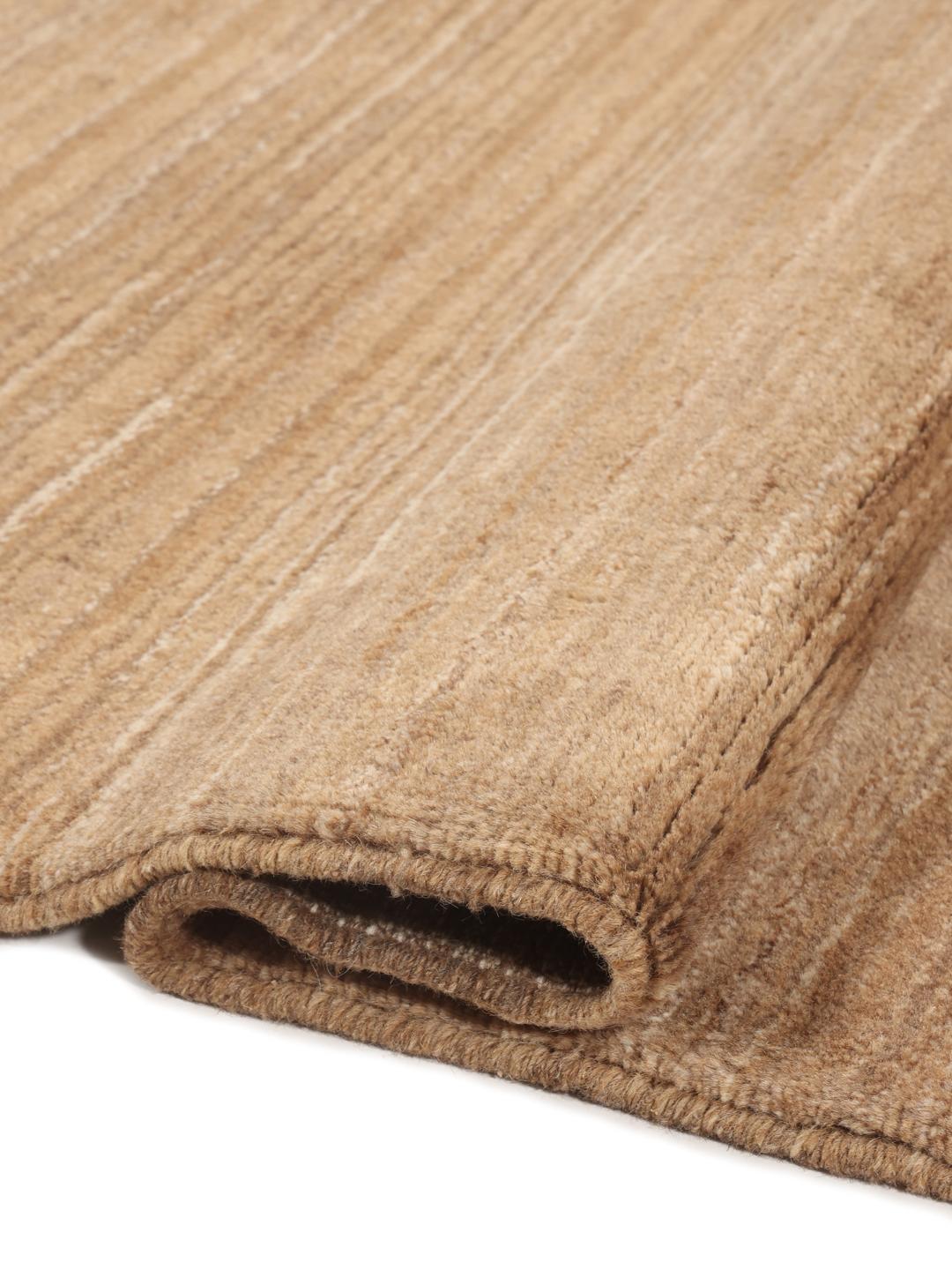
The term Gabbeh itself refers to a 'raw' or 'natural' style, which is reflected in their construction and aesthetic. These rugs are typically hand-knotted using hand-spun, thick wool that has been dyed with natural pigments. The use of natural, undyed wool is a signature characteristic, showcasing the raw beauty of the fibres. This traditional approach results in a heavier, more tactile rug that feels significantly different from more refined, tightly woven counterparts.
The visual language of the Gabbeh is famously minimalist and abstract. While urban rugs often feature complex floral or geometric patterns, the Gabbeh celebrates empty space and simple motifs, such as stylized animals, trees, or subtle linear shifts. This design tradition allows the natural variations in the wool and the unique hand-dyeing process to take centre stage, making every rug a canvas for the artisan's personal expression.
Today, these rugs are highly prized by collectors for their authentic, soulful quality. Owning a piece from this tradition is more than just purchasing a floor covering; it is an acquisition of cultural heritage. They represent a bridge between ancient nomadic life and the contemporary home, offering a sense of warmth and groundedness that is increasingly rare in mass-produced items.