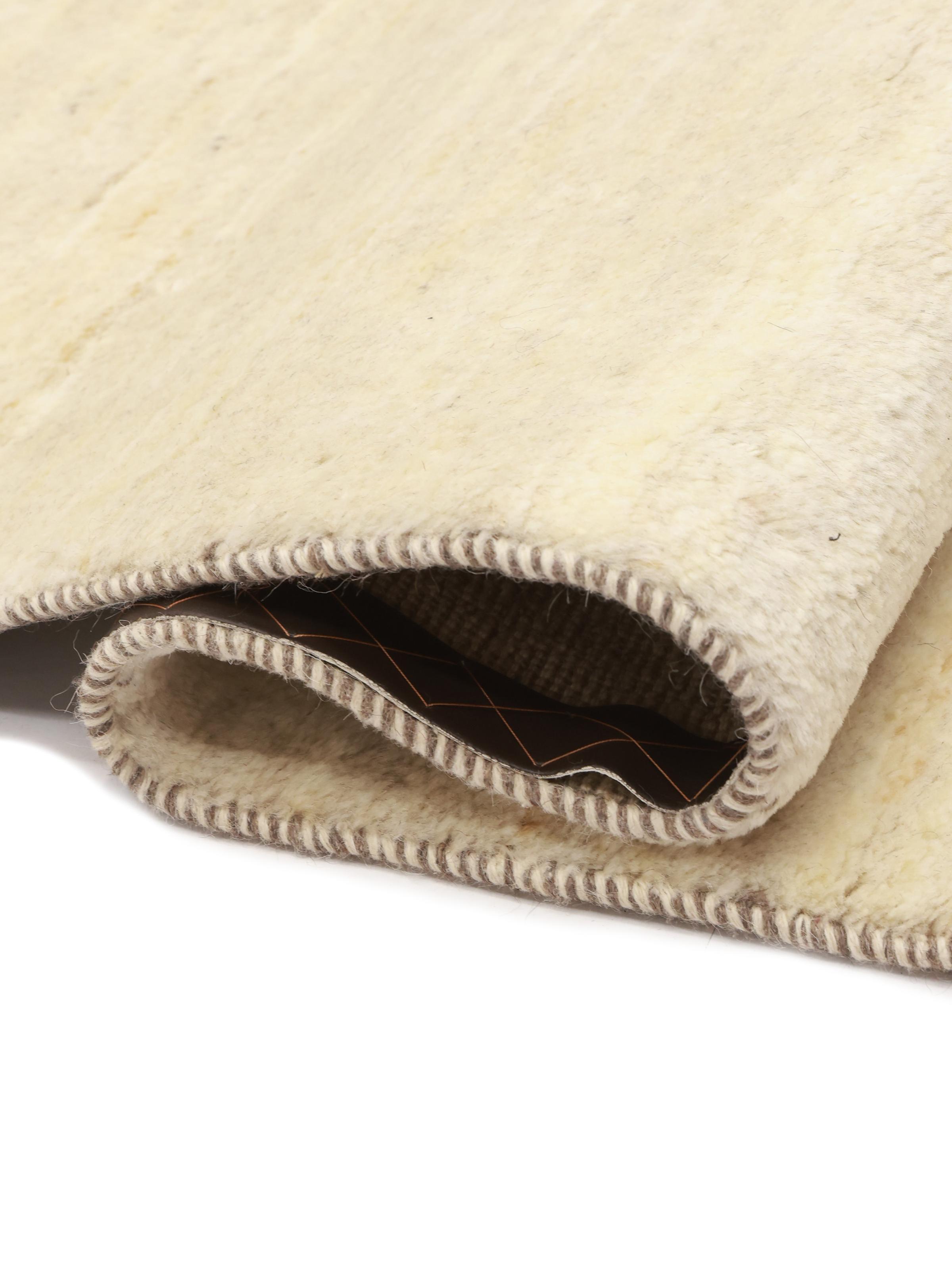
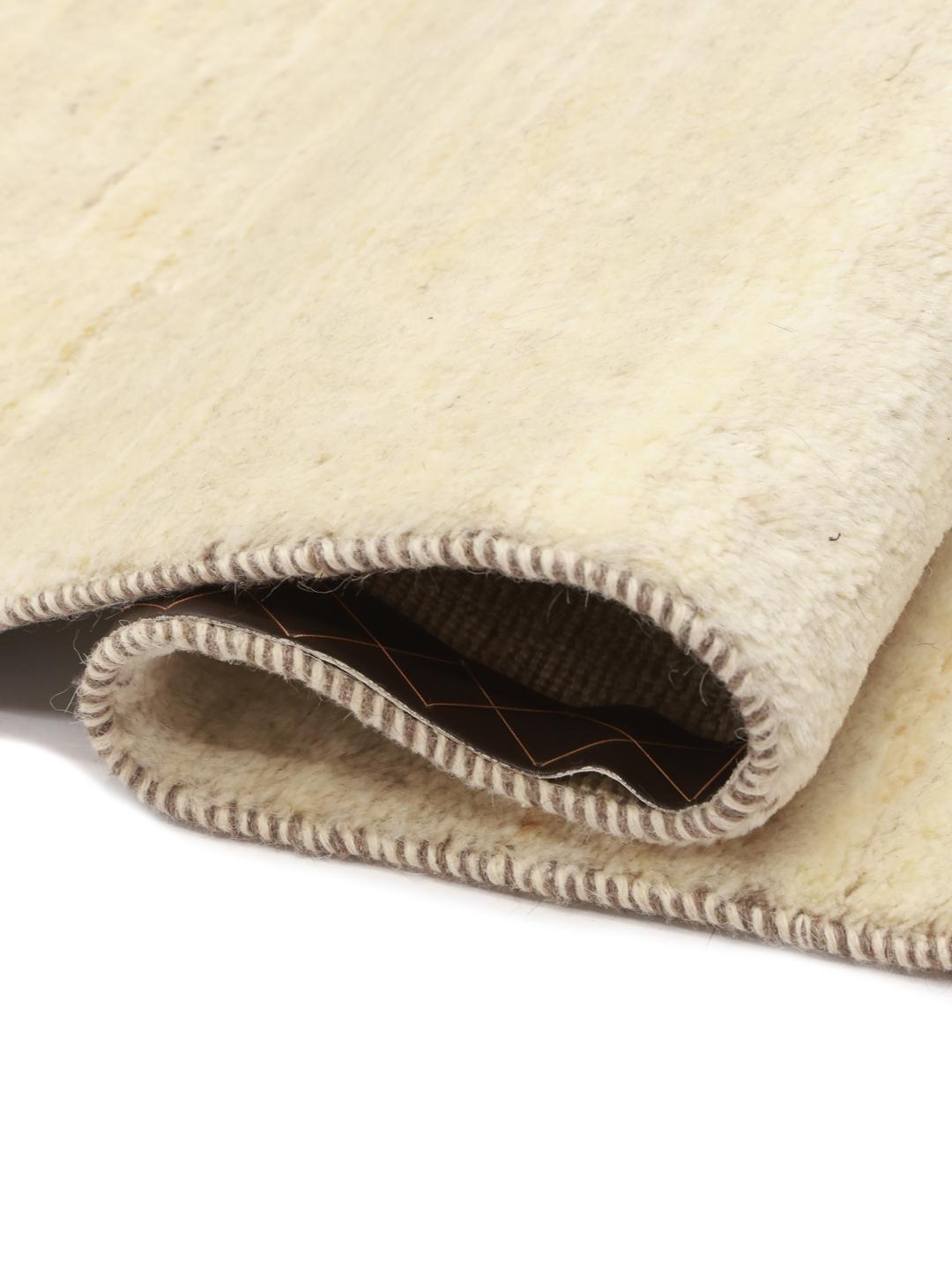
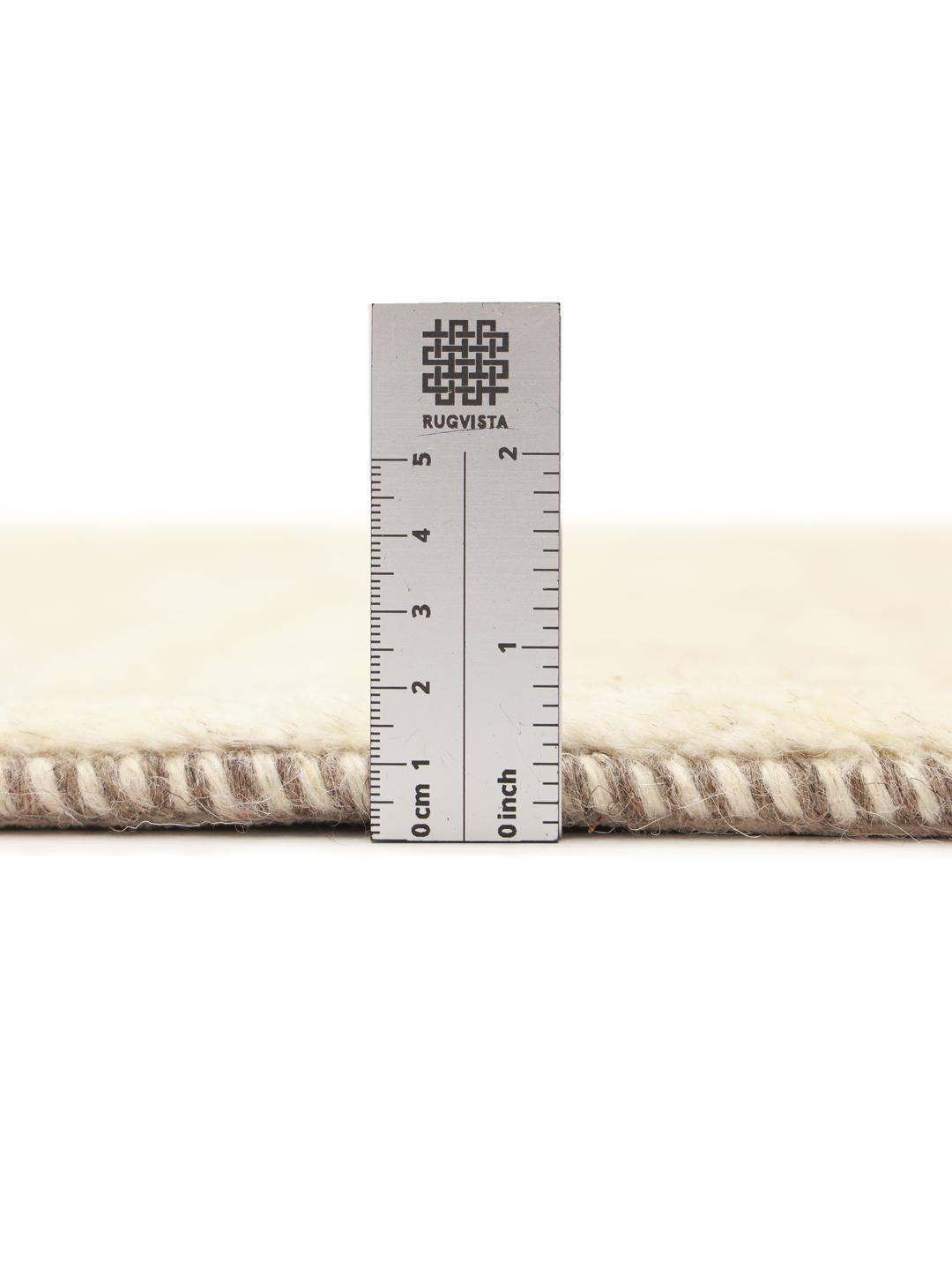
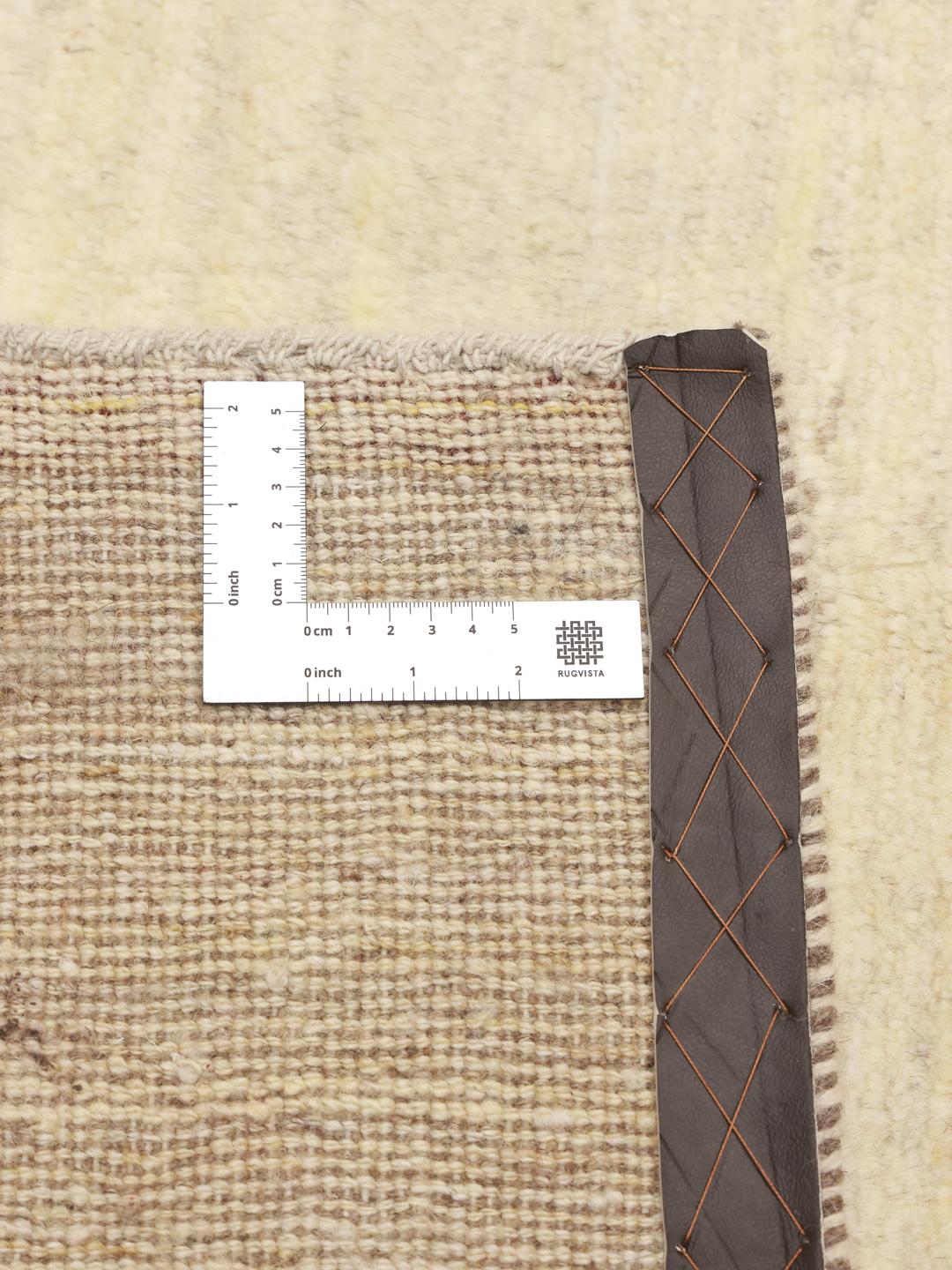
The Gabbeh tradition finds its roots in the nomadic cultures of the Middle East, where weavers created these rugs primarily for their own use rather than for trade. These pieces were designed to be thick, warm, and durable, serving as essential bedding and floor coverings during long migrations across harsh terrain.
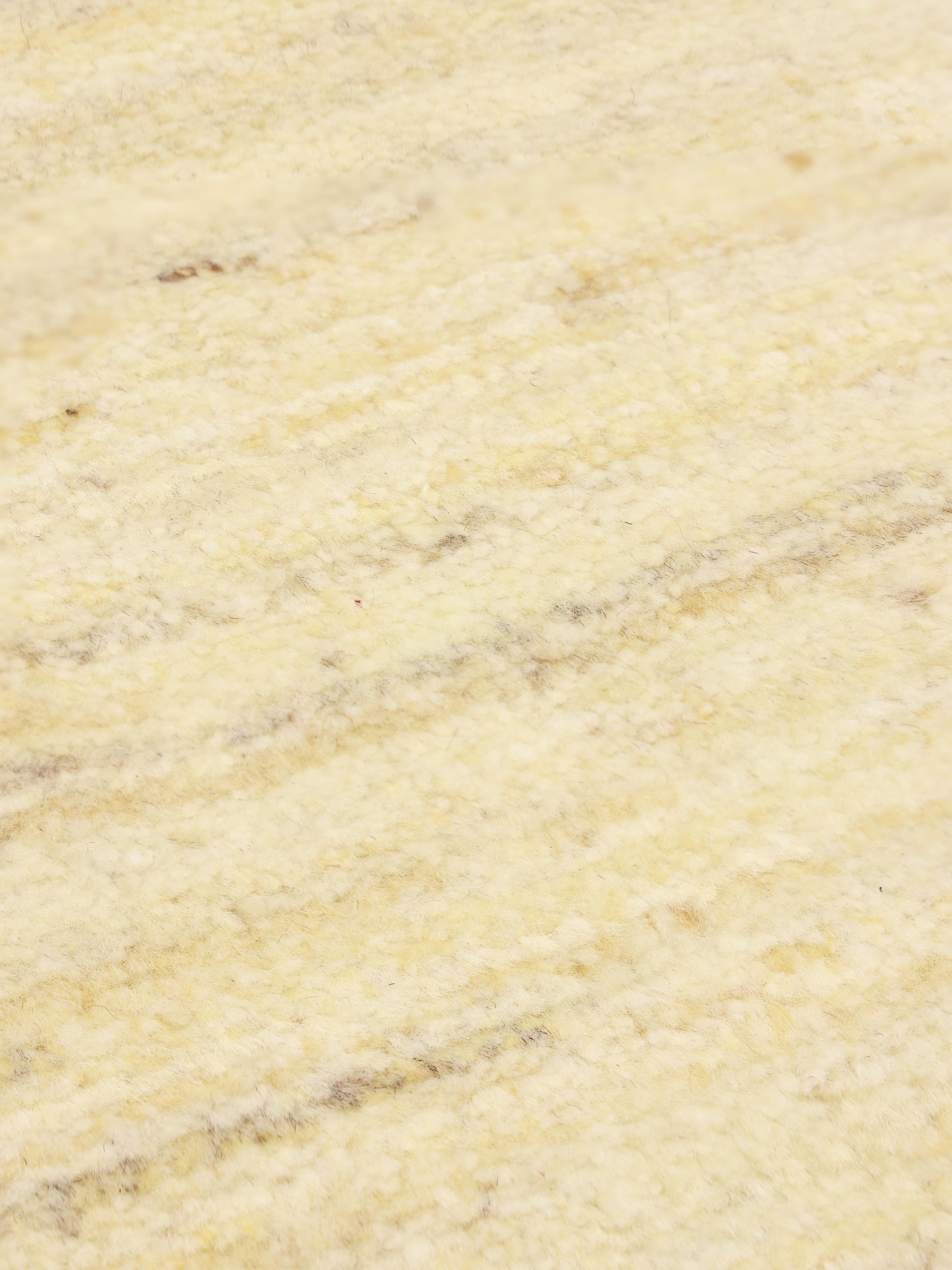
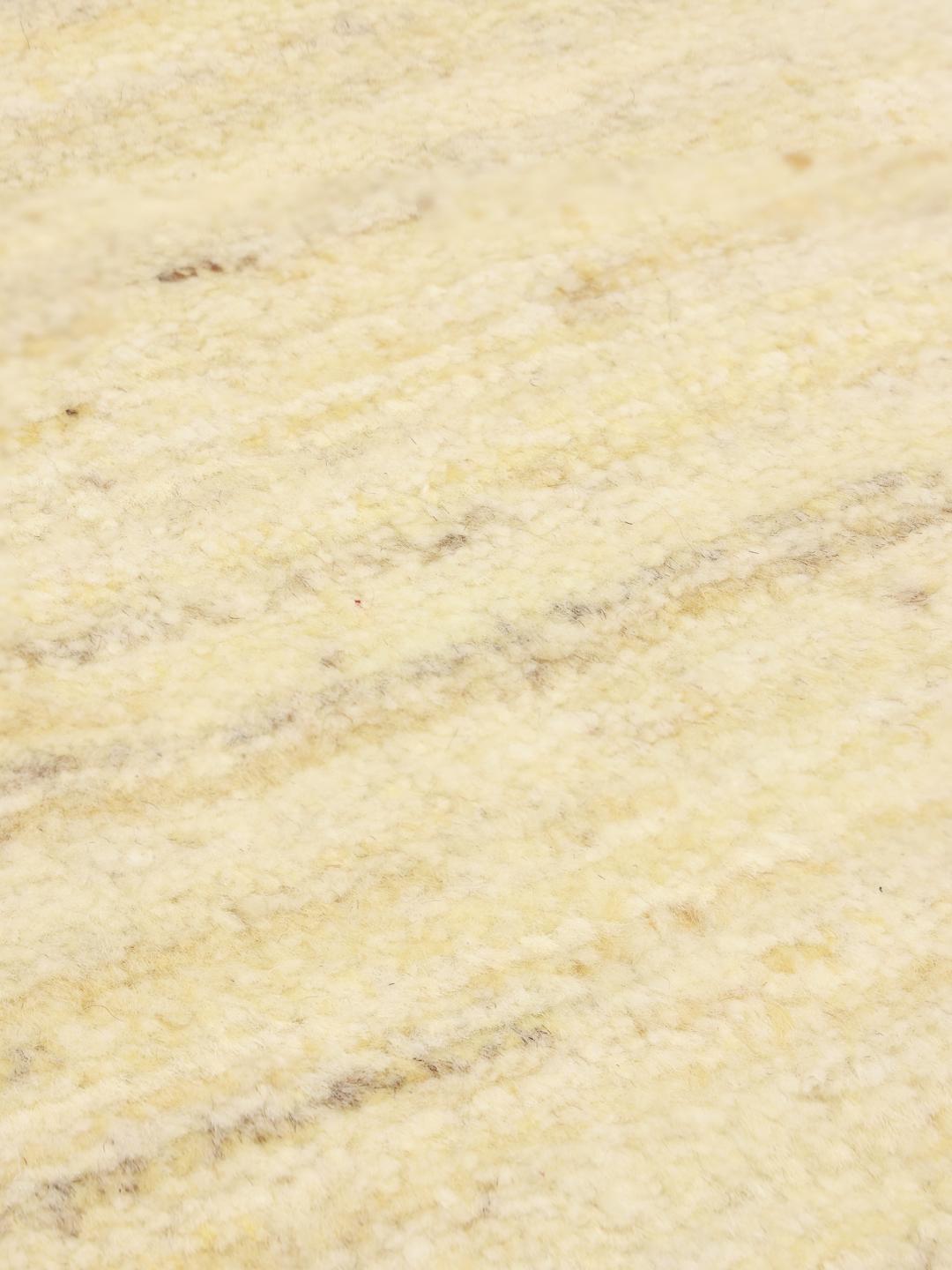
The term 'Gabbeh' itself translates to 'raw' or 'natural', which perfectly describes the aesthetic of these rugs. Unlike more formal, complex designs, traditional Gabbehs are celebrated for their simplicity and the use of hand-spun wool, which often retains a slight irregularity that gives each piece its unique character and depth.
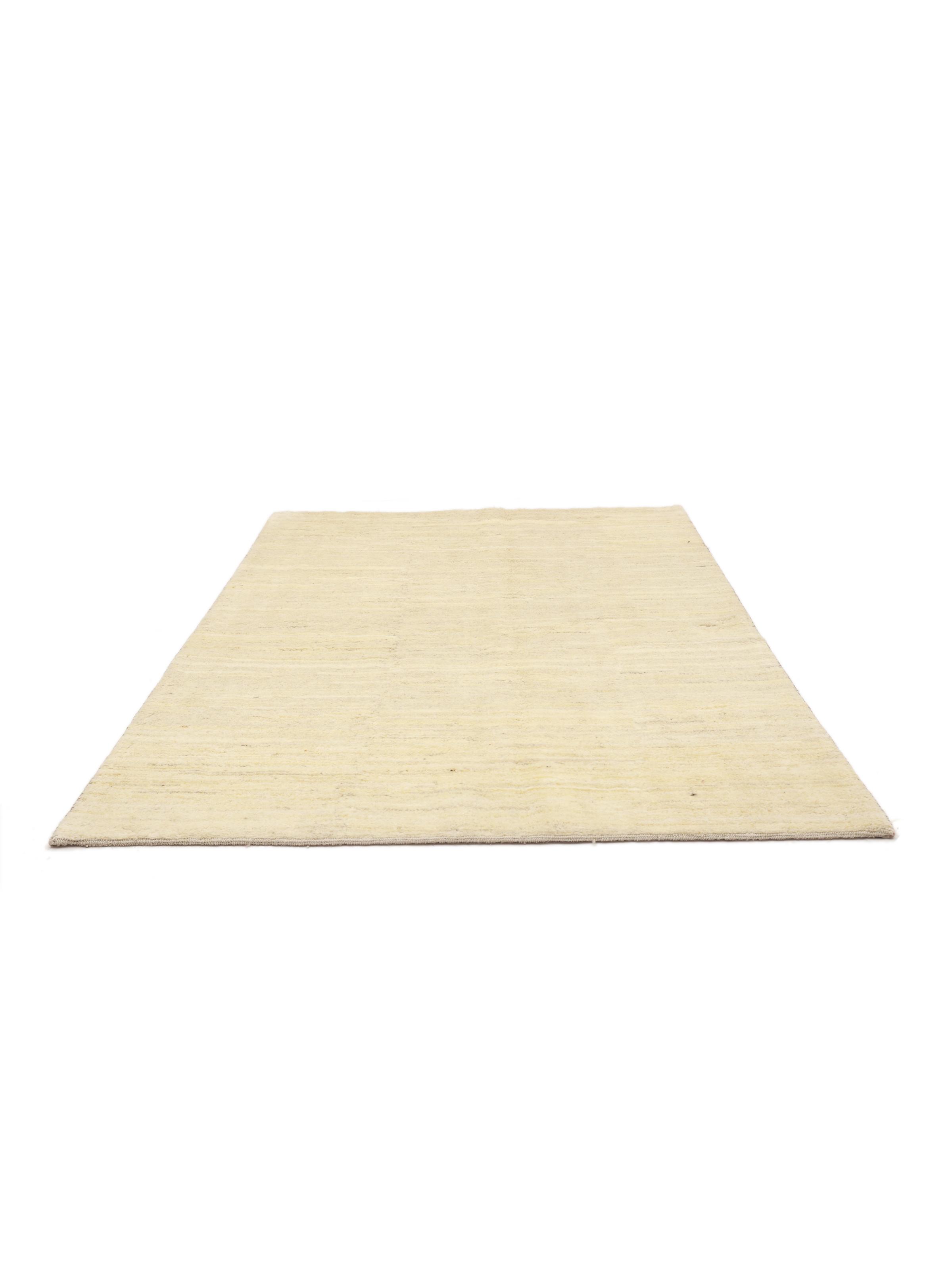
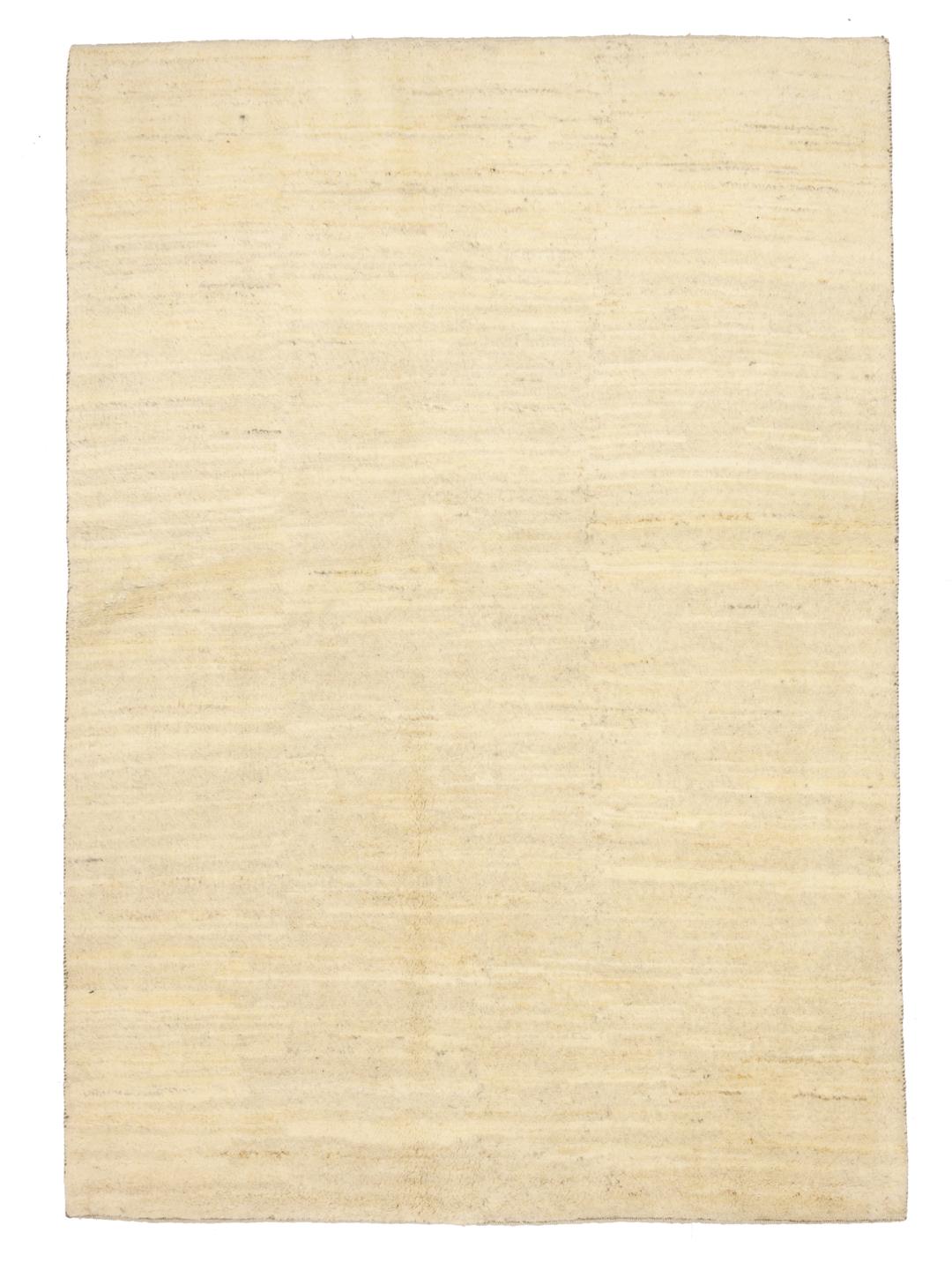
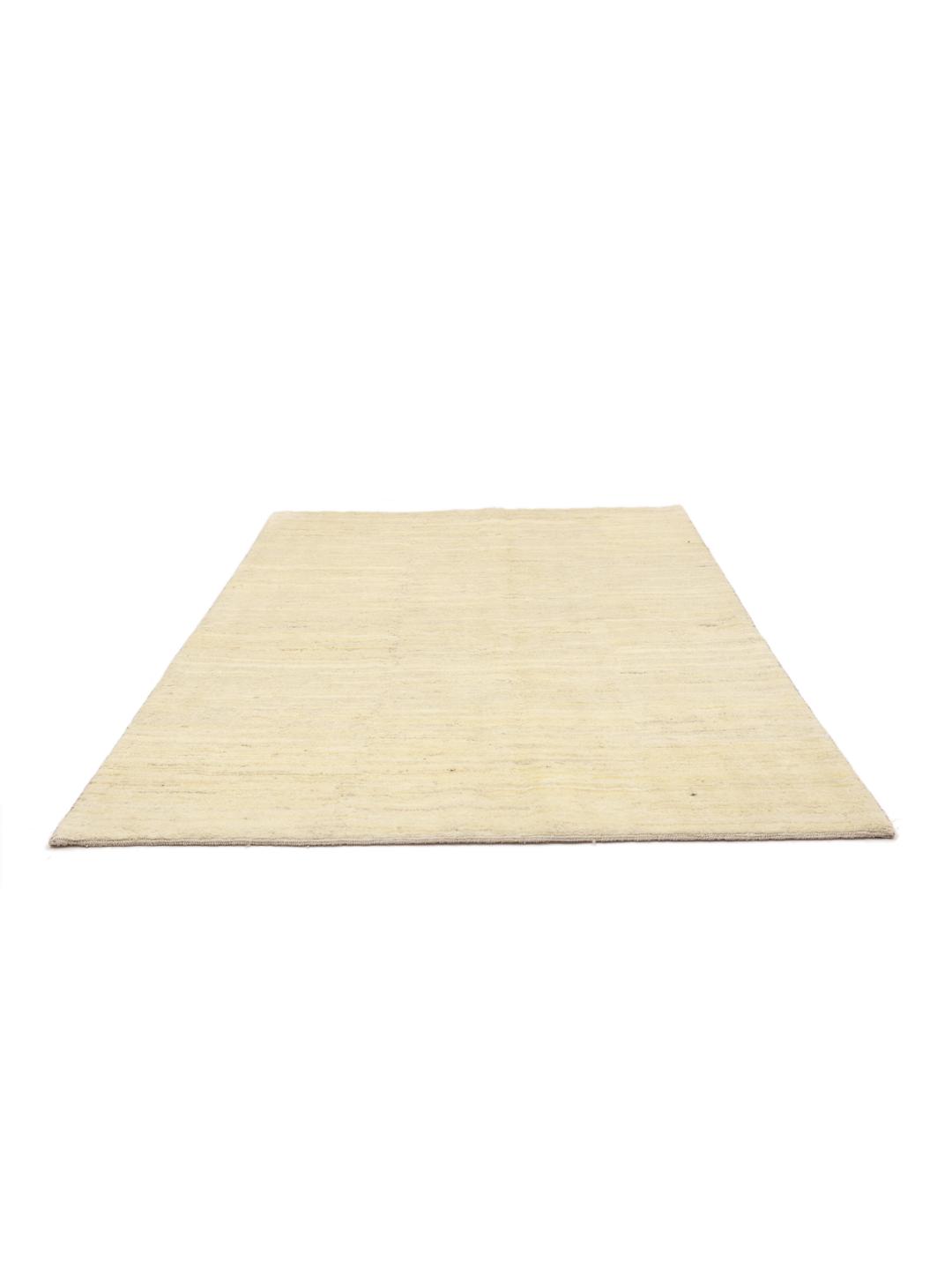
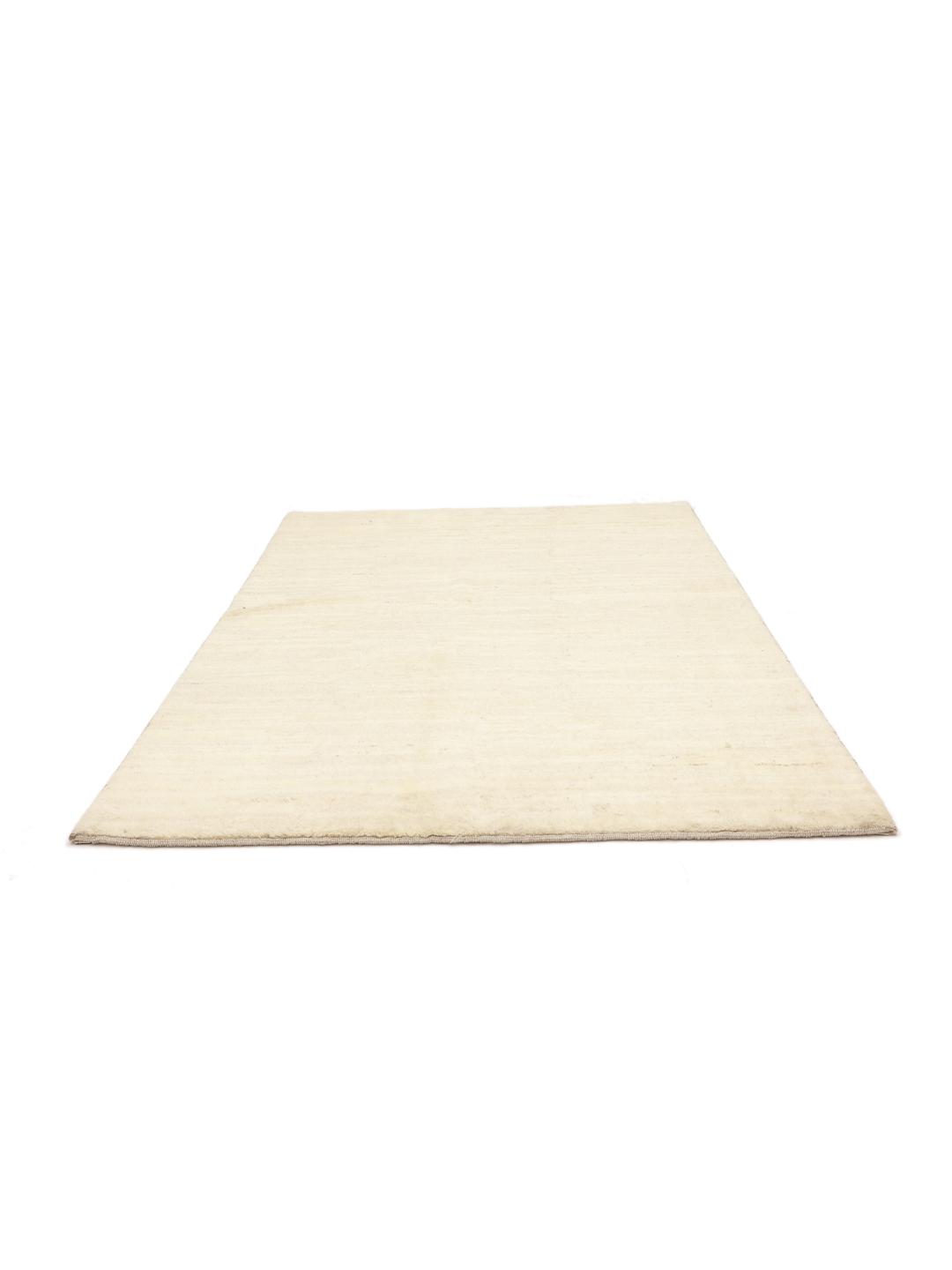
Design-wise, these rugs are often defined by their open fields and sparse, symbolic motifs that draw inspiration from the weaver's immediate surroundings, such as animals, plants, or abstract shapes. This specific piece, part of the Shabargan category, showcases the beauty of a minimalist approach where the texture of the material takes centre stage over complex patterns.
Owning a Gabbeh is an opportunity to connect with a centuries-old craft tradition. These rugs are highly valued by collectors and interior enthusiasts alike for their honesty, cultural weight, and the way they bring a sense of history and human presence into a modern home.