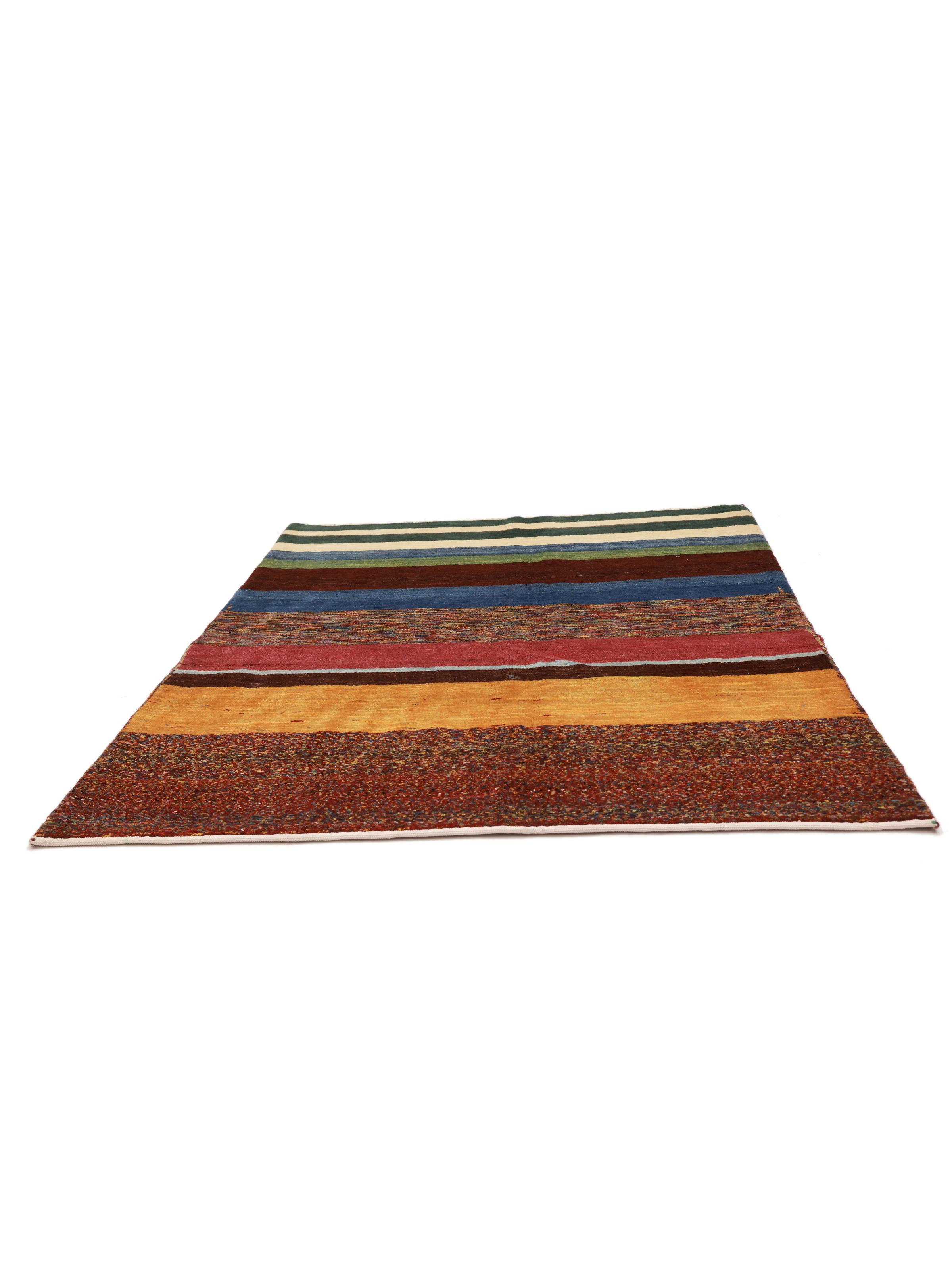
Gabbeh rugs have long been celebrated for their raw, artistic honesty, originating from the nomadic tribes of the Middle East. Unlike more formal, city-produced rugs that follow rigid, pre-planned patterns, the Gabbeh was traditionally woven for personal use by nomadic families, serving as a warm, protective barrier against the cold earth.
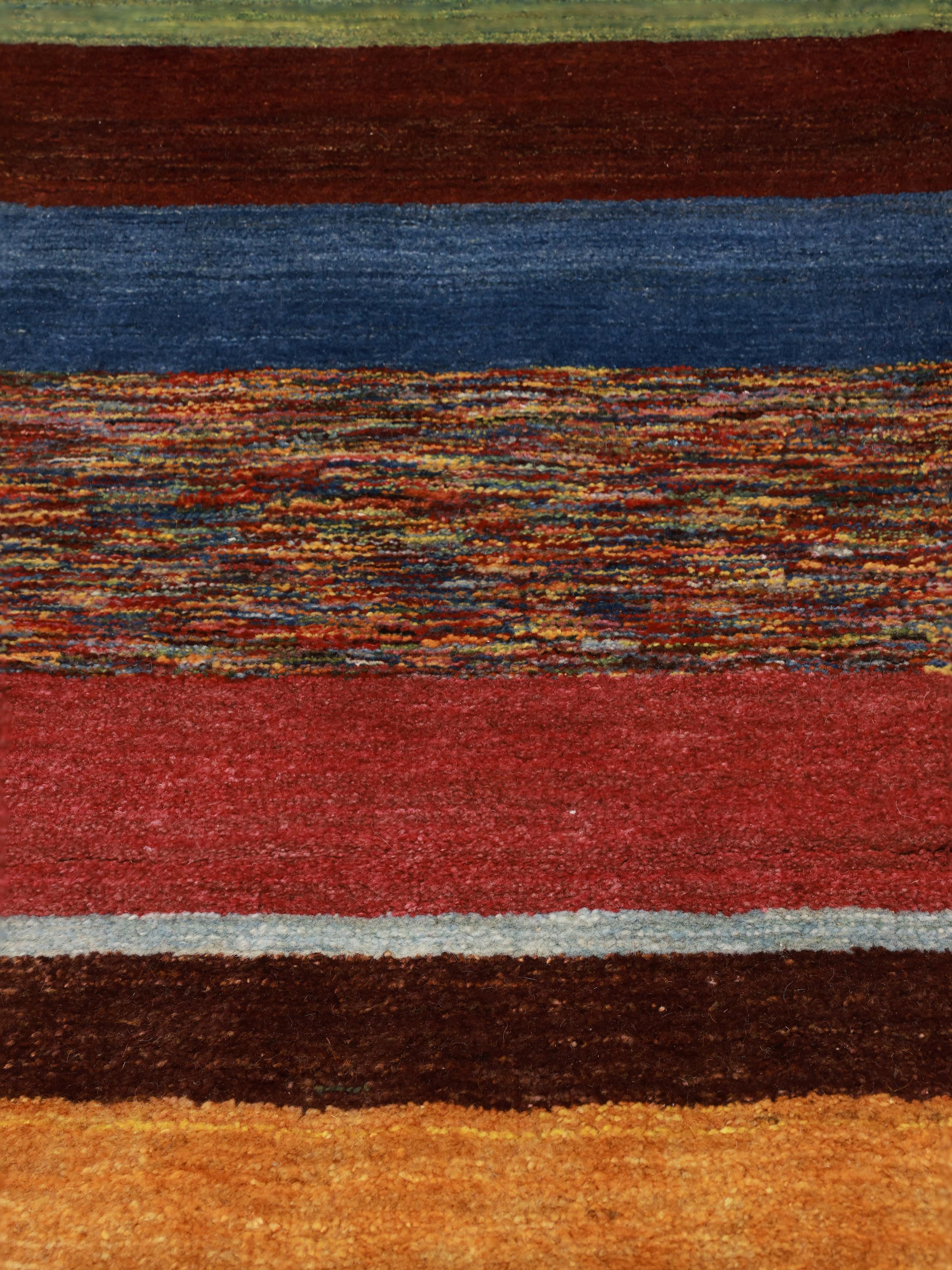
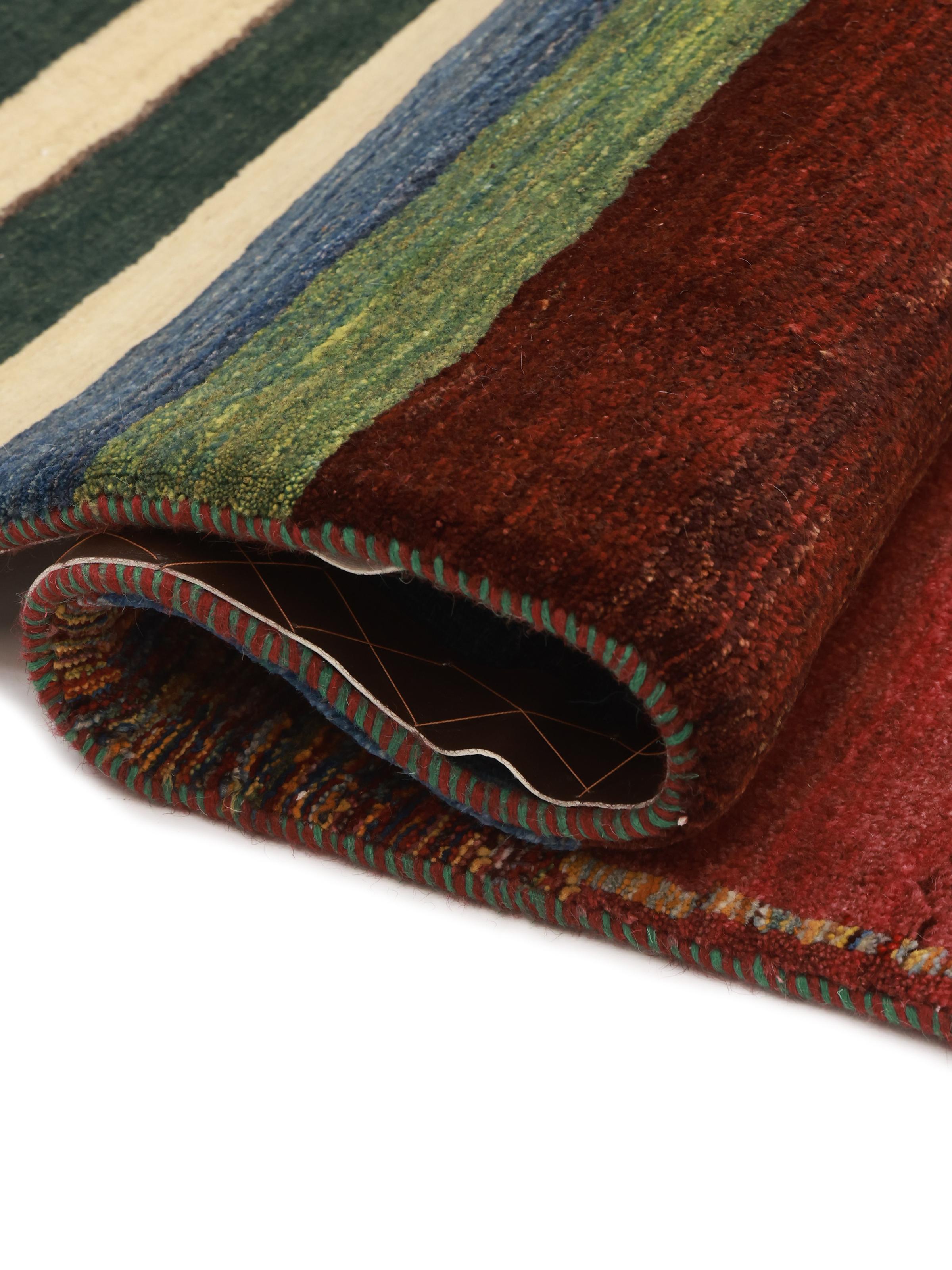
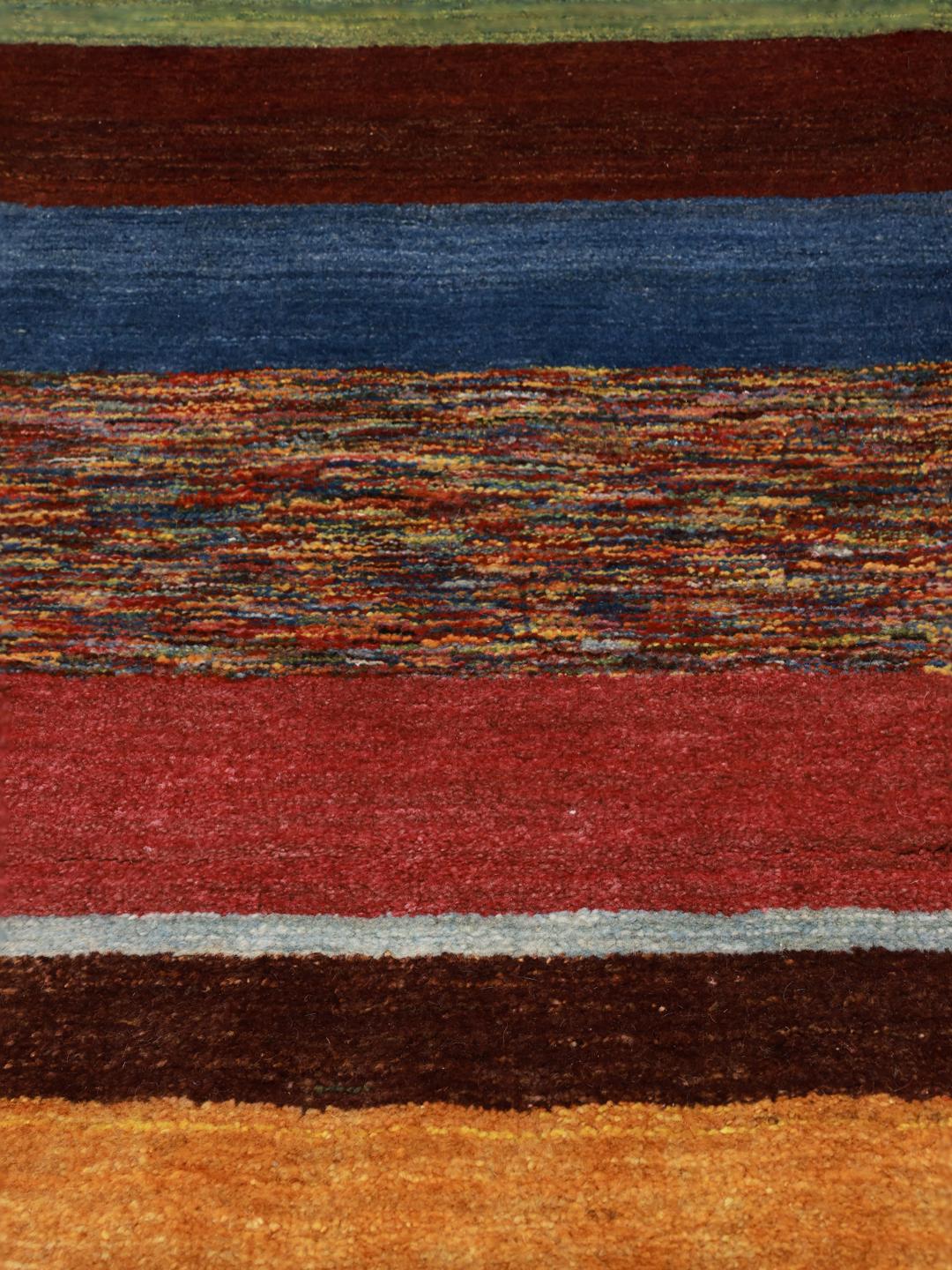
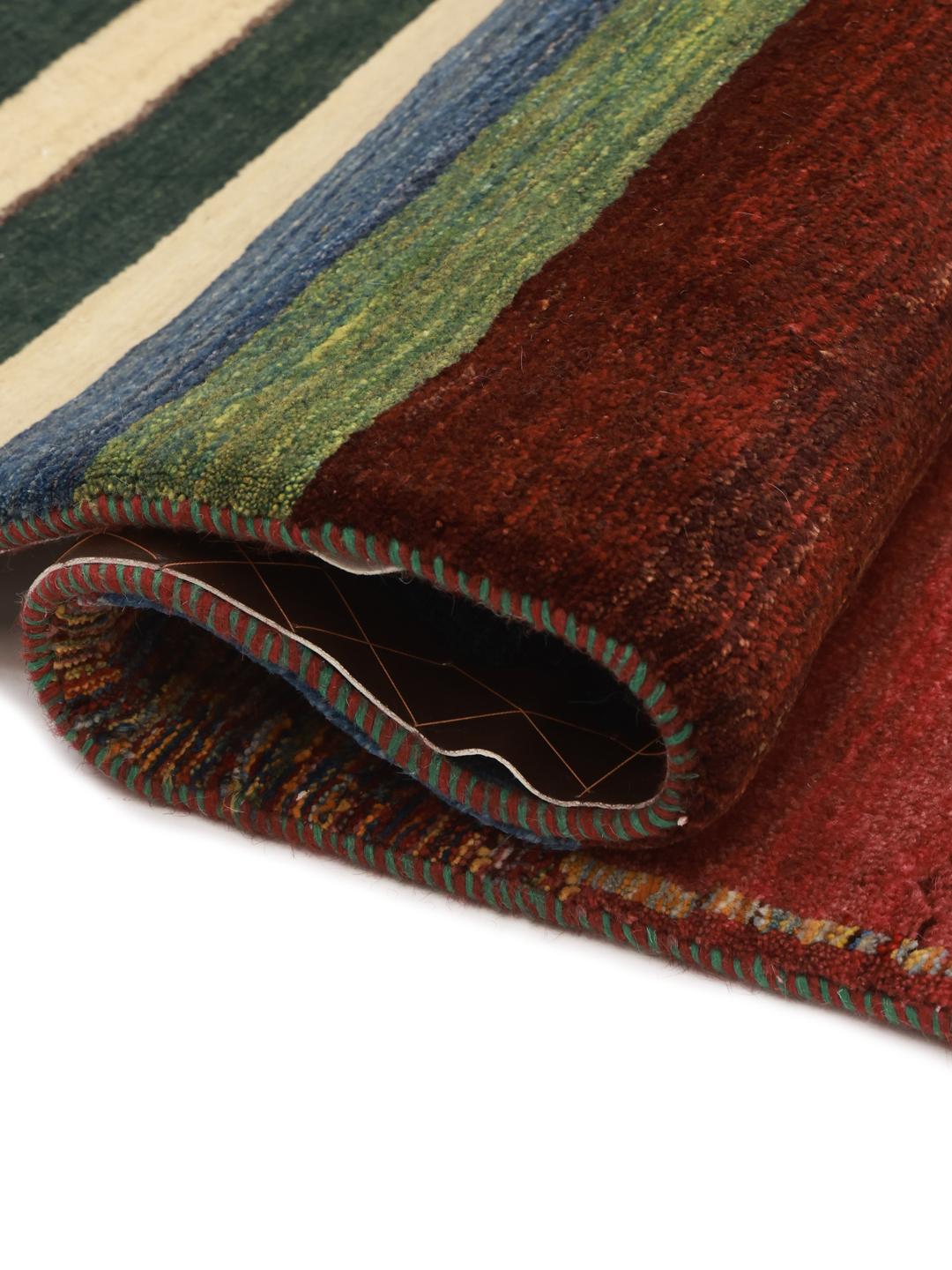
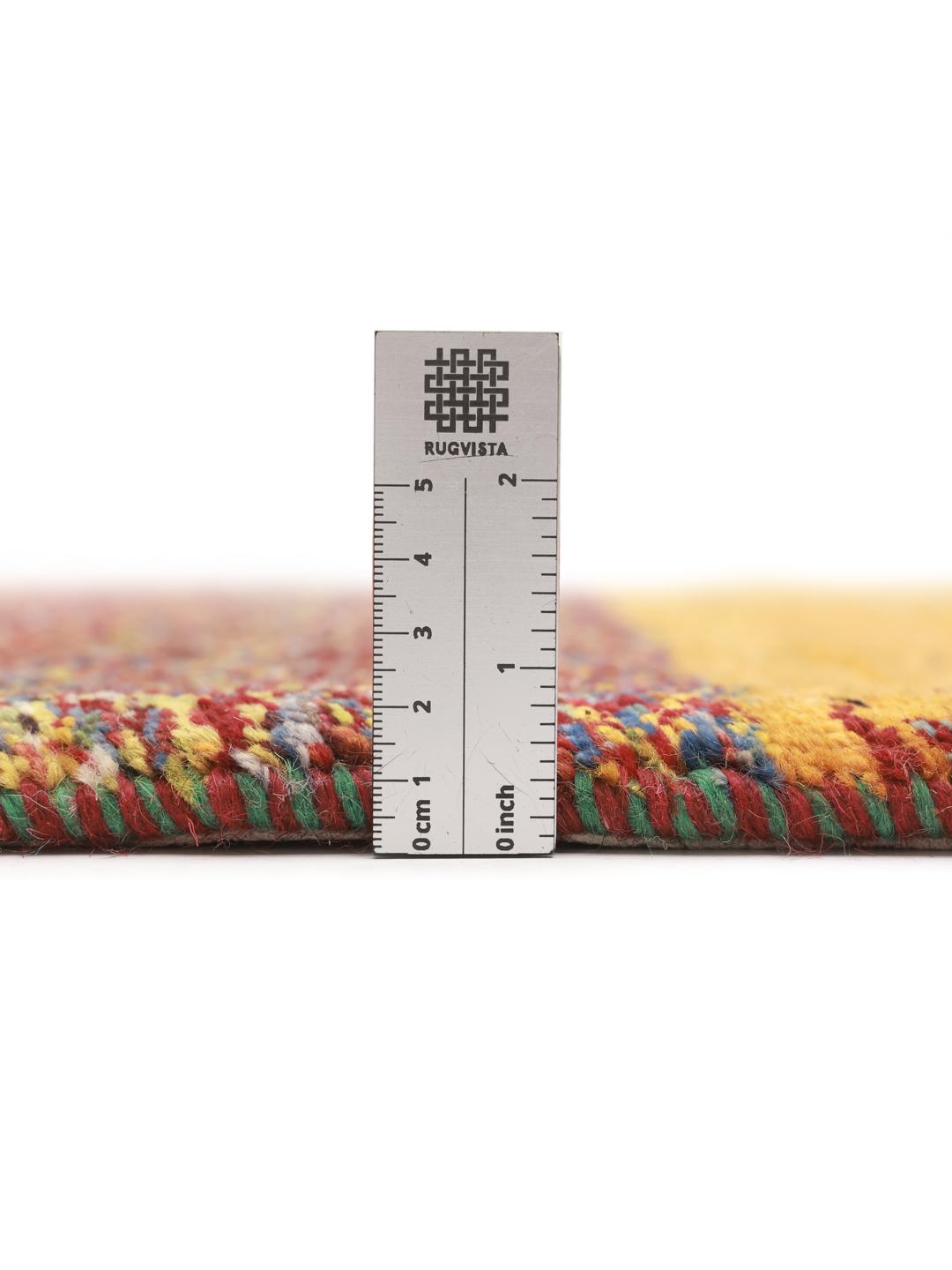
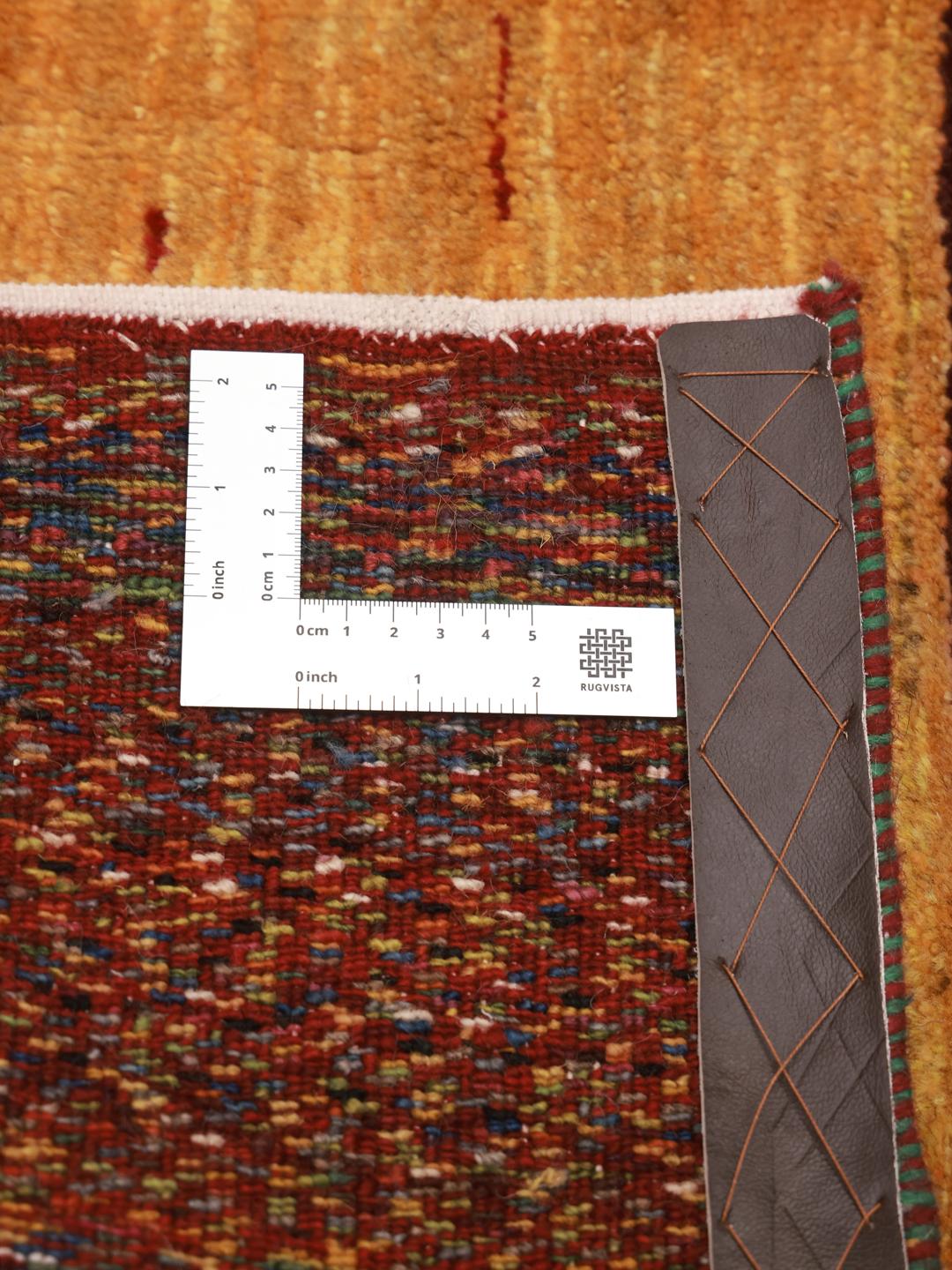
The term Gabbeh itself refers to a 'natural' or 'raw' style of weaving, characterised by a thicker pile and a more relaxed approach to design. This construction allows the wool to showcase its natural lustre and softness, making these rugs exceptionally comfortable. The use of hand-spun wool, often dyed with natural pigments, results in a rich, variegated colour palette that evolves beautifully over time.
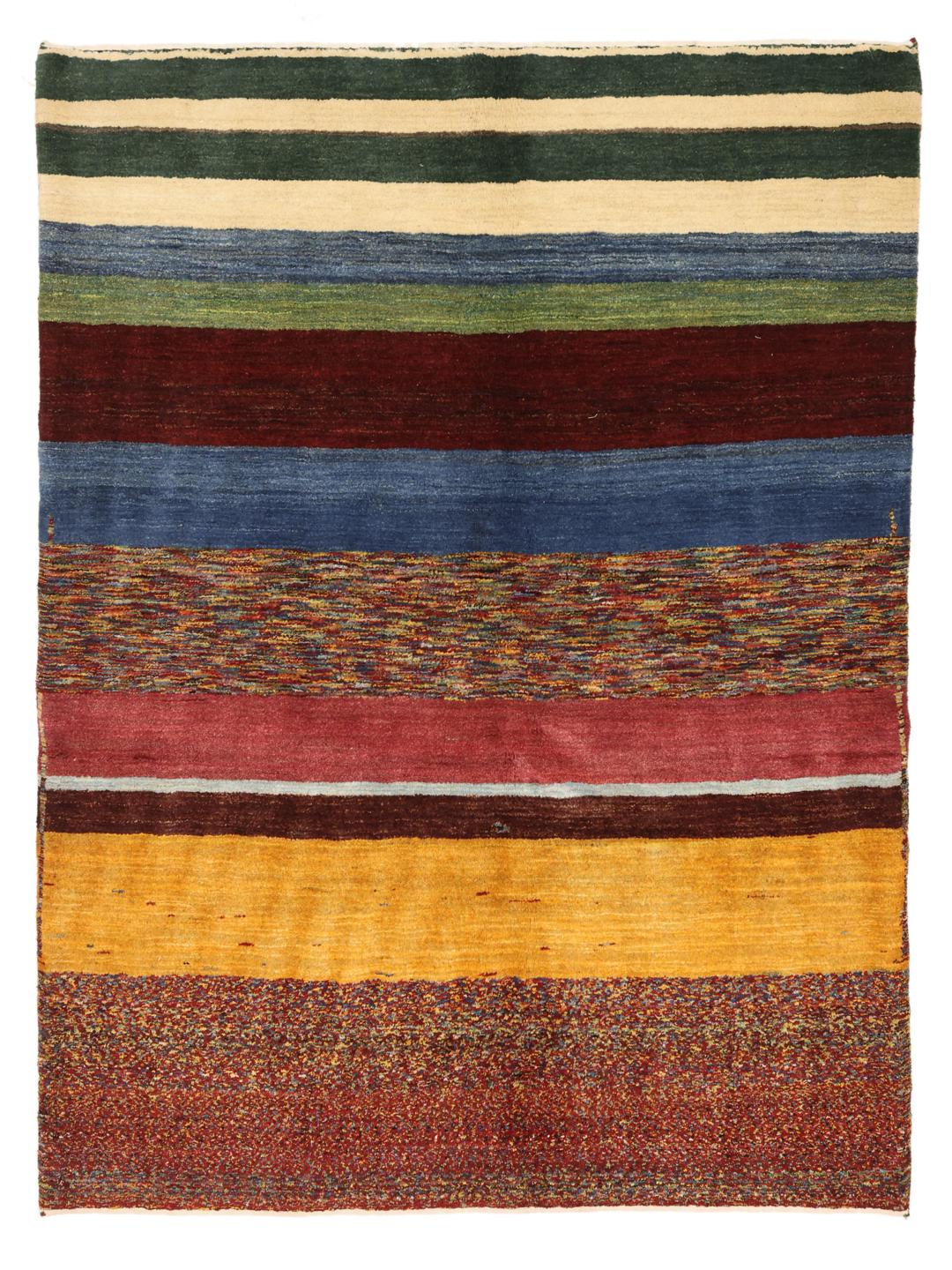
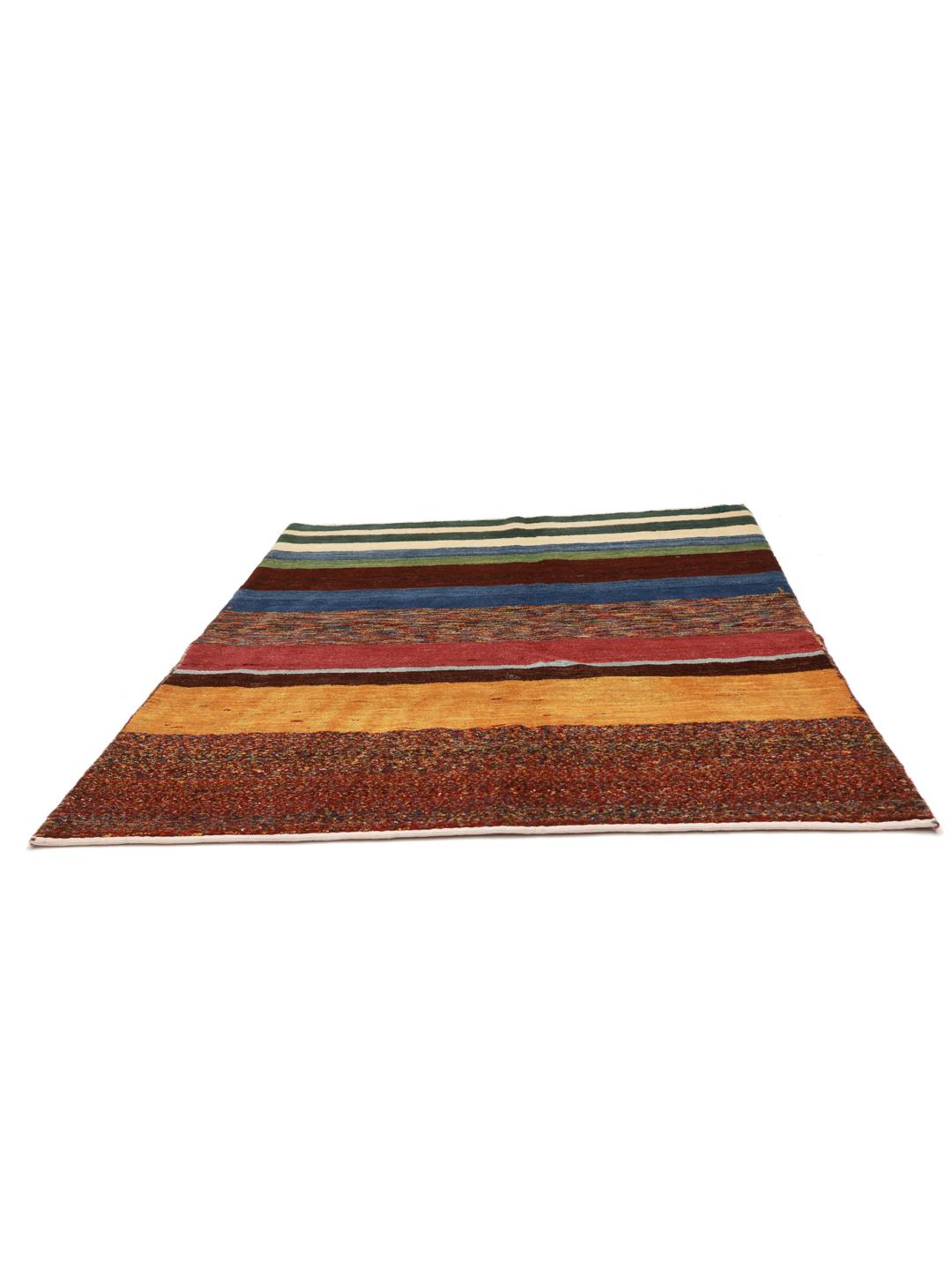
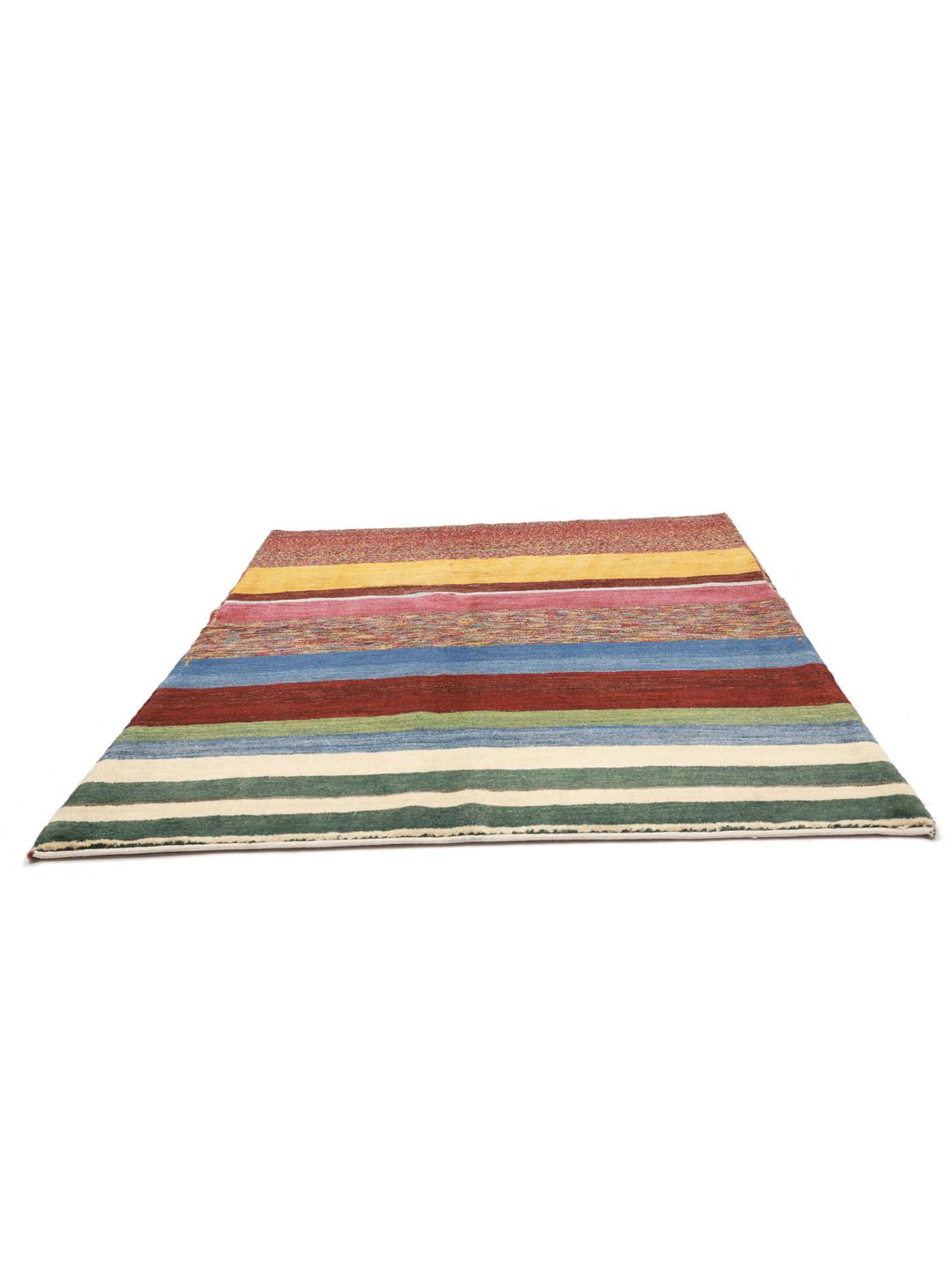
Visually, these rugs are defined by their minimalist yet expressive use of colour and geometric motifs. While they often feature open fields, this particular piece utilises bold, sweeping stripes to create a modern, rhythmic aesthetic. Such designs reflect the weaver's surroundings and personal stories, turning the rug into a canvas of cultural expression rather than just a functional object.
Owning a Gabbeh is an act of preserving a dying art form. As nomadic lifestyles shift, the number of artisans who possess the skill to create these authentic, hand-knotted pieces is becoming increasingly rare. Collectors value them not only for their striking beauty but for the connection they provide to a storied past of tribal resilience and creative freedom.