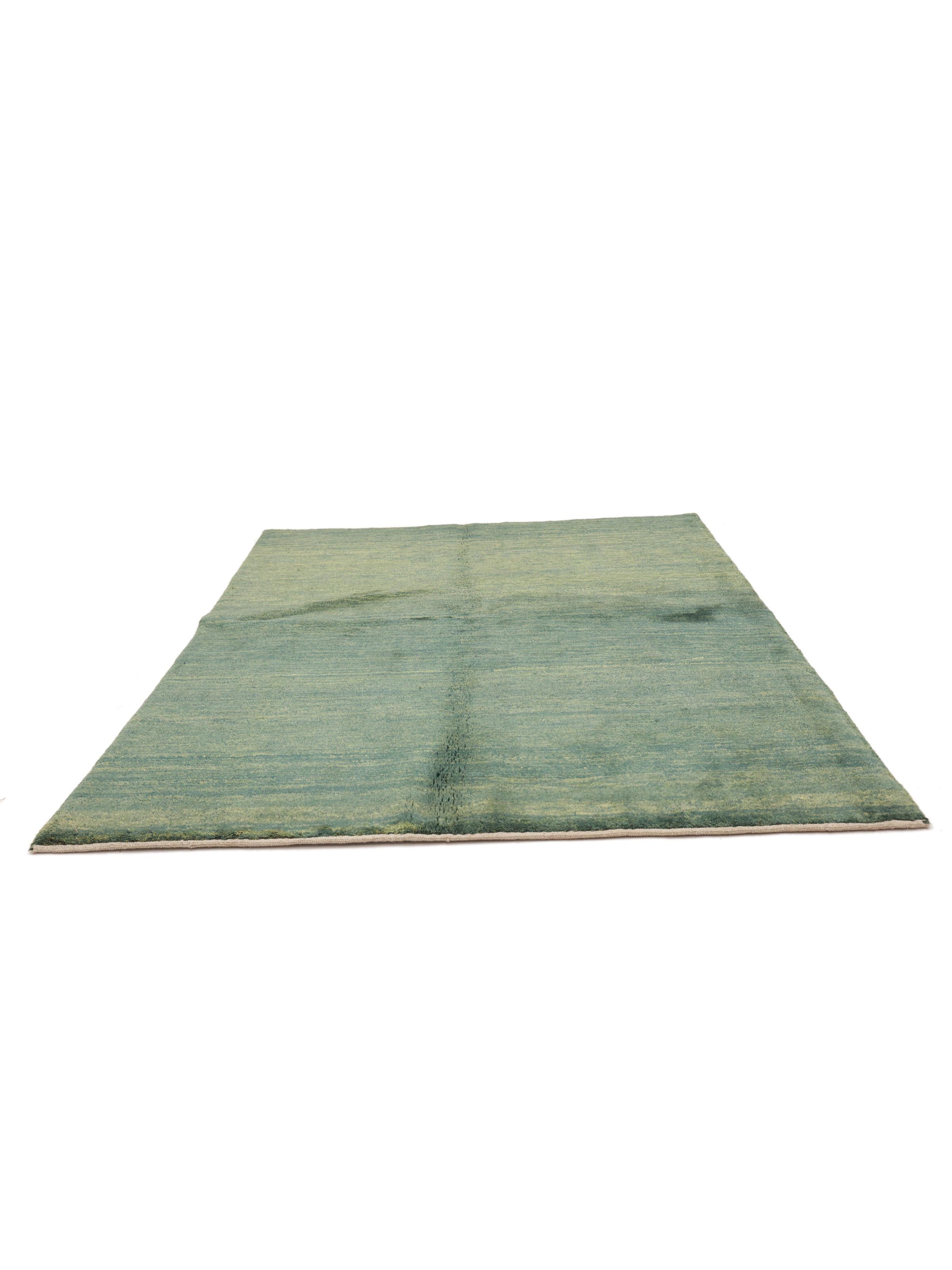
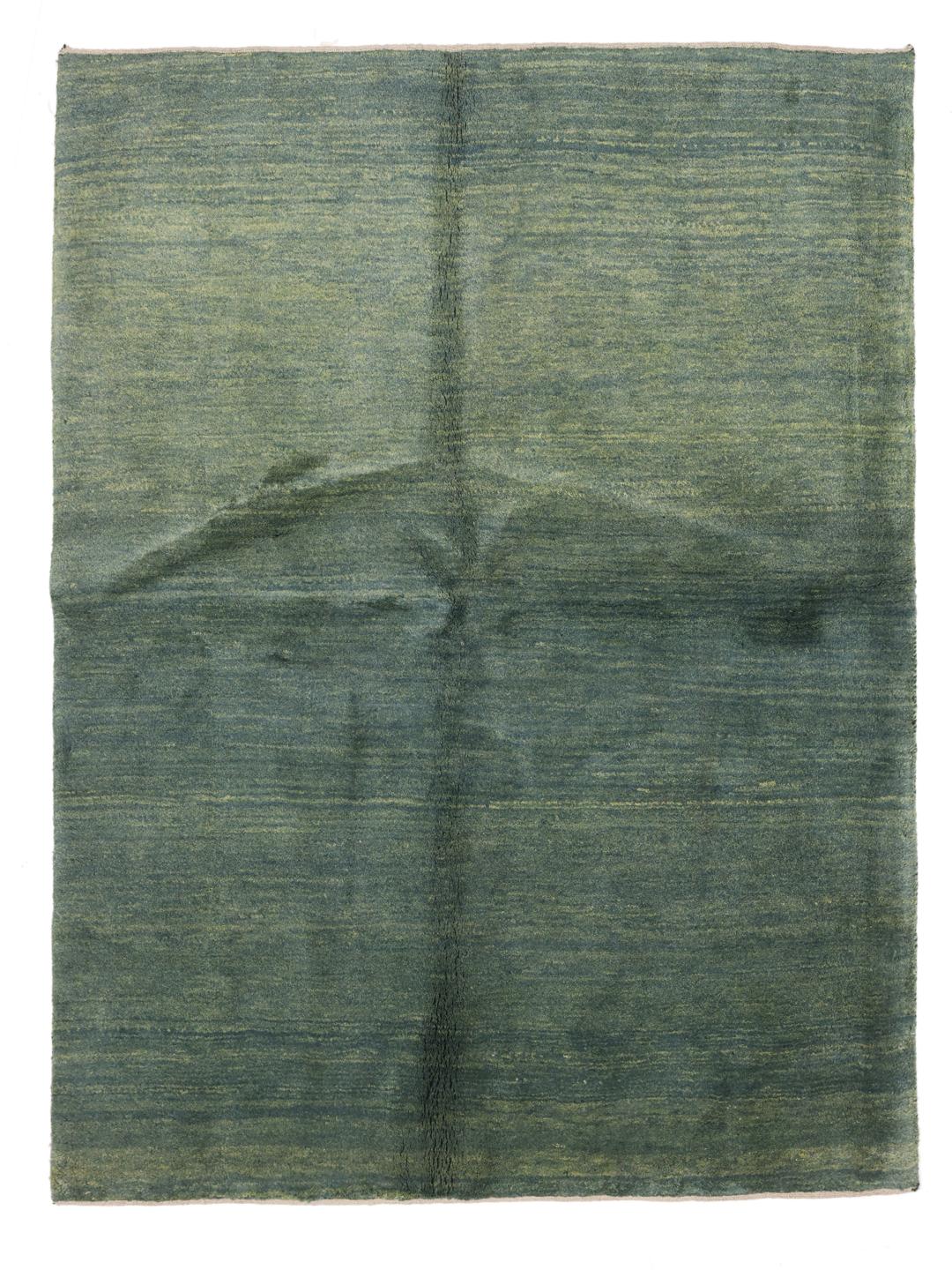
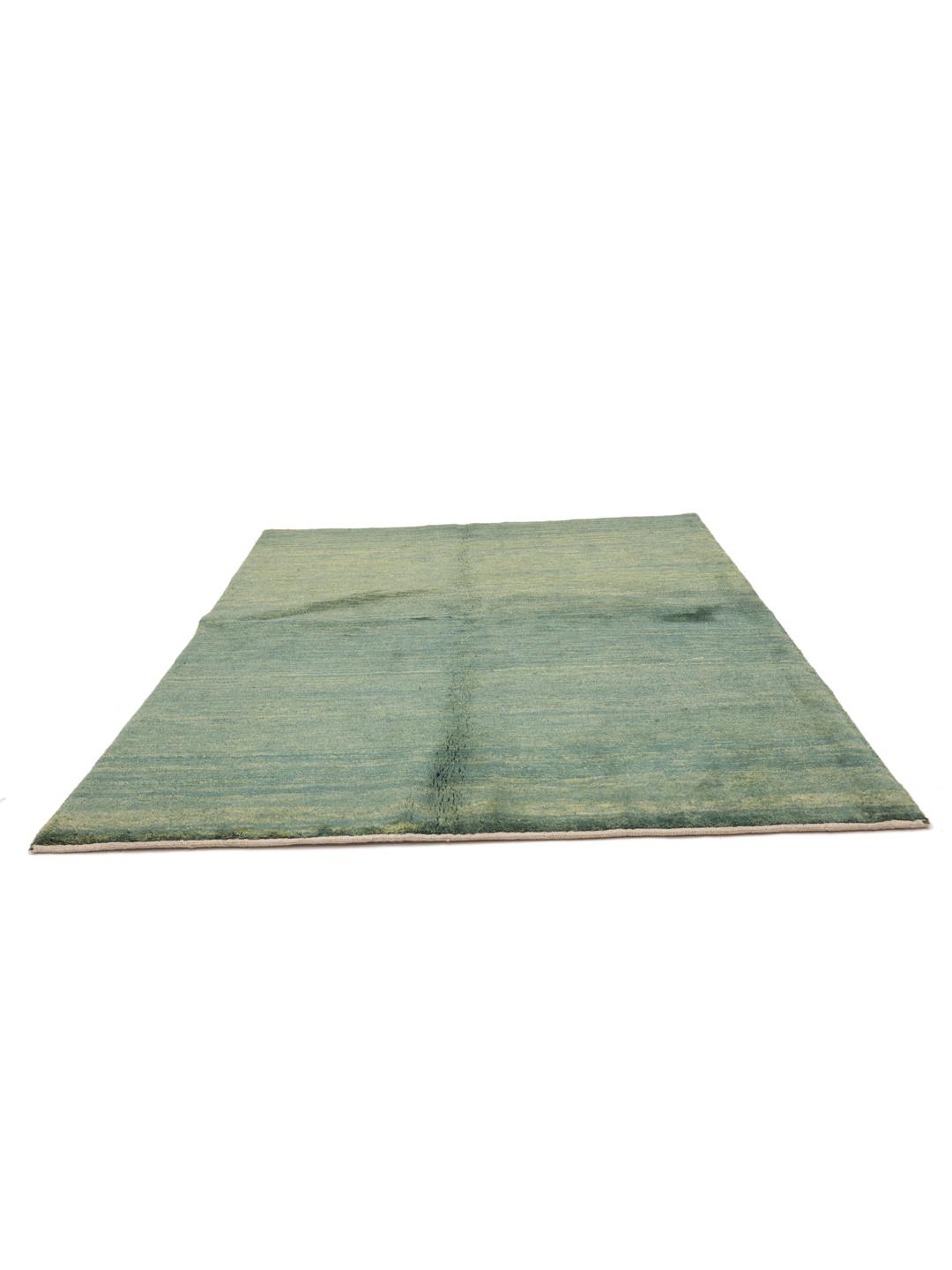
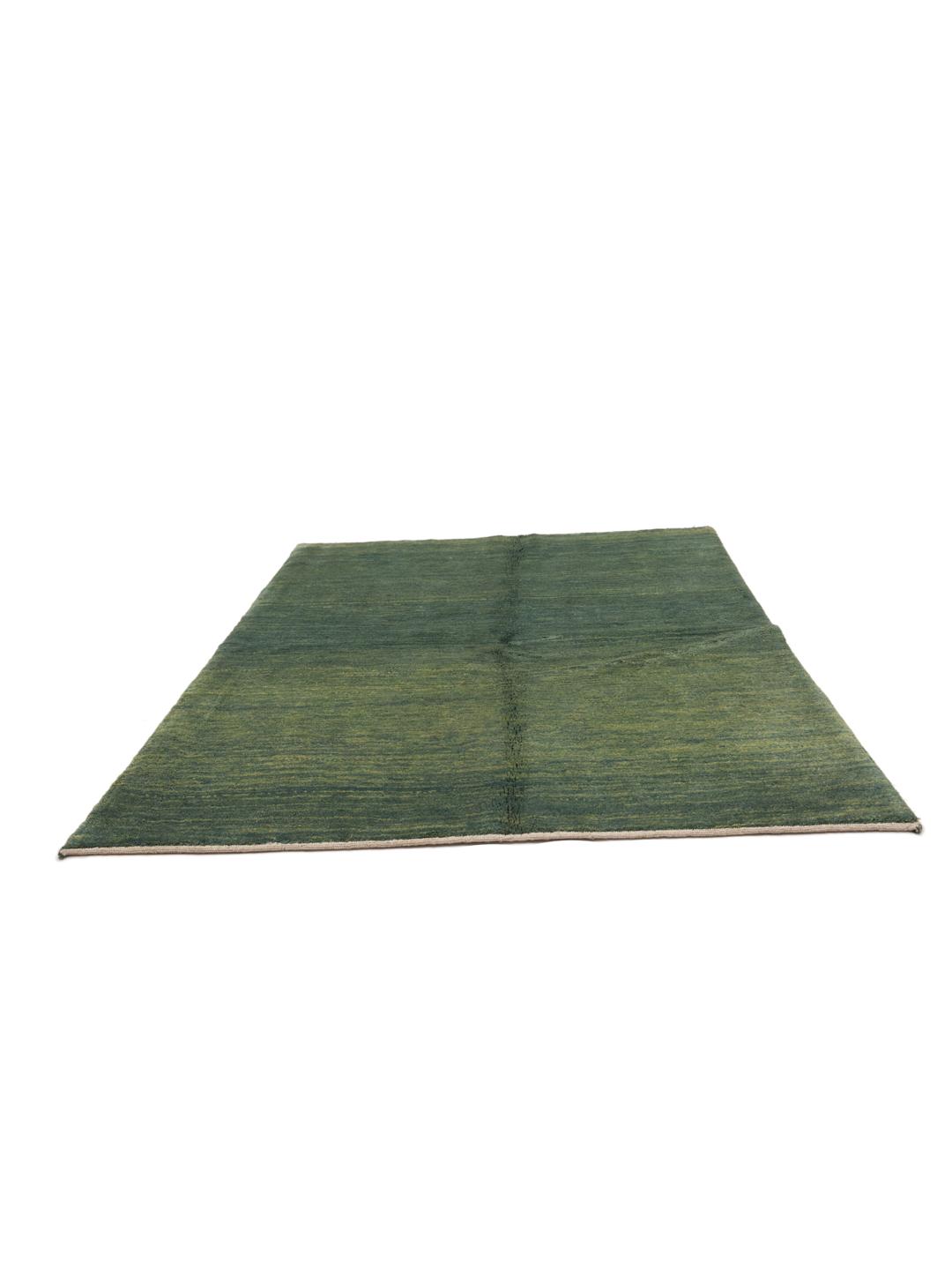
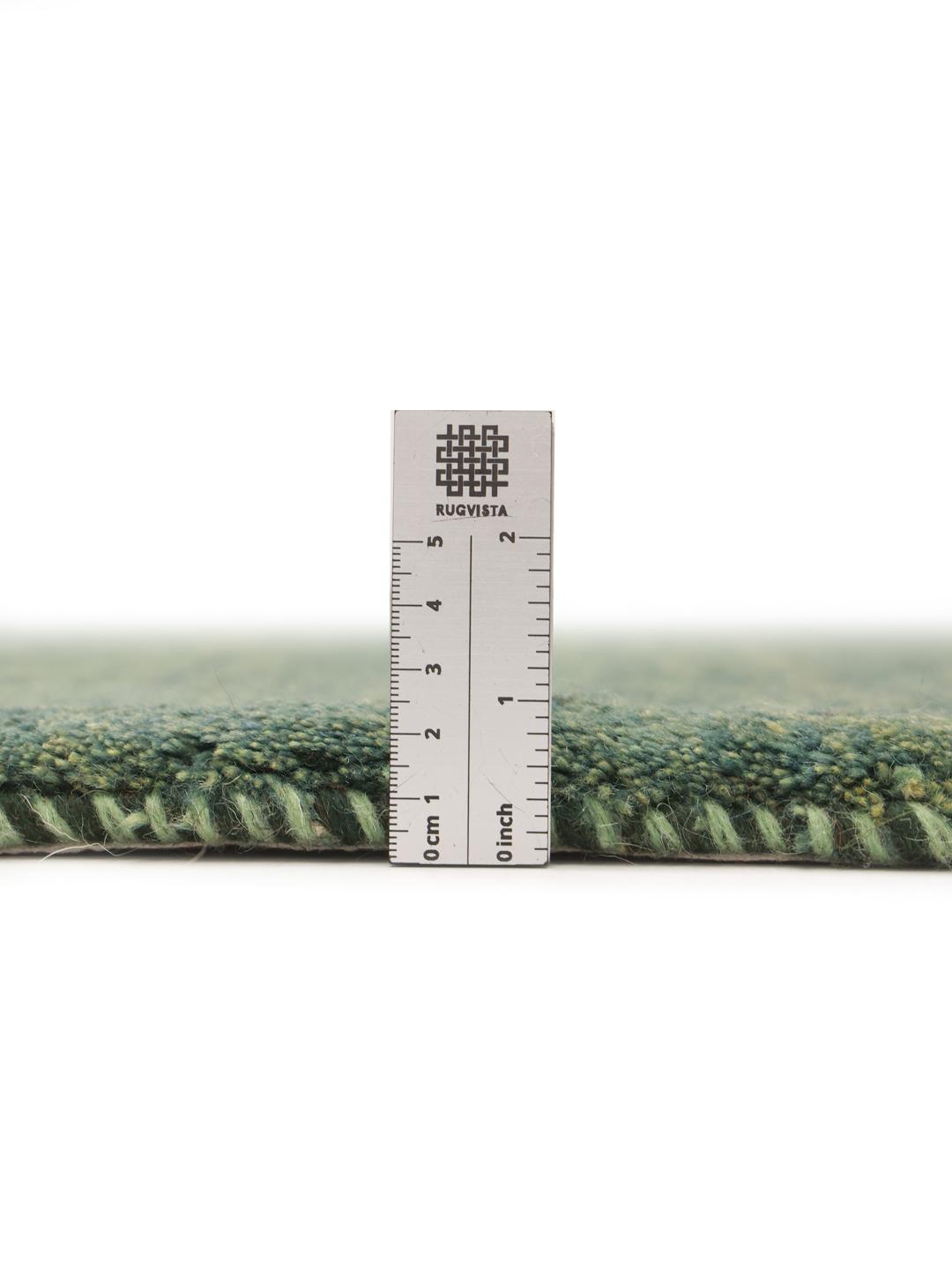
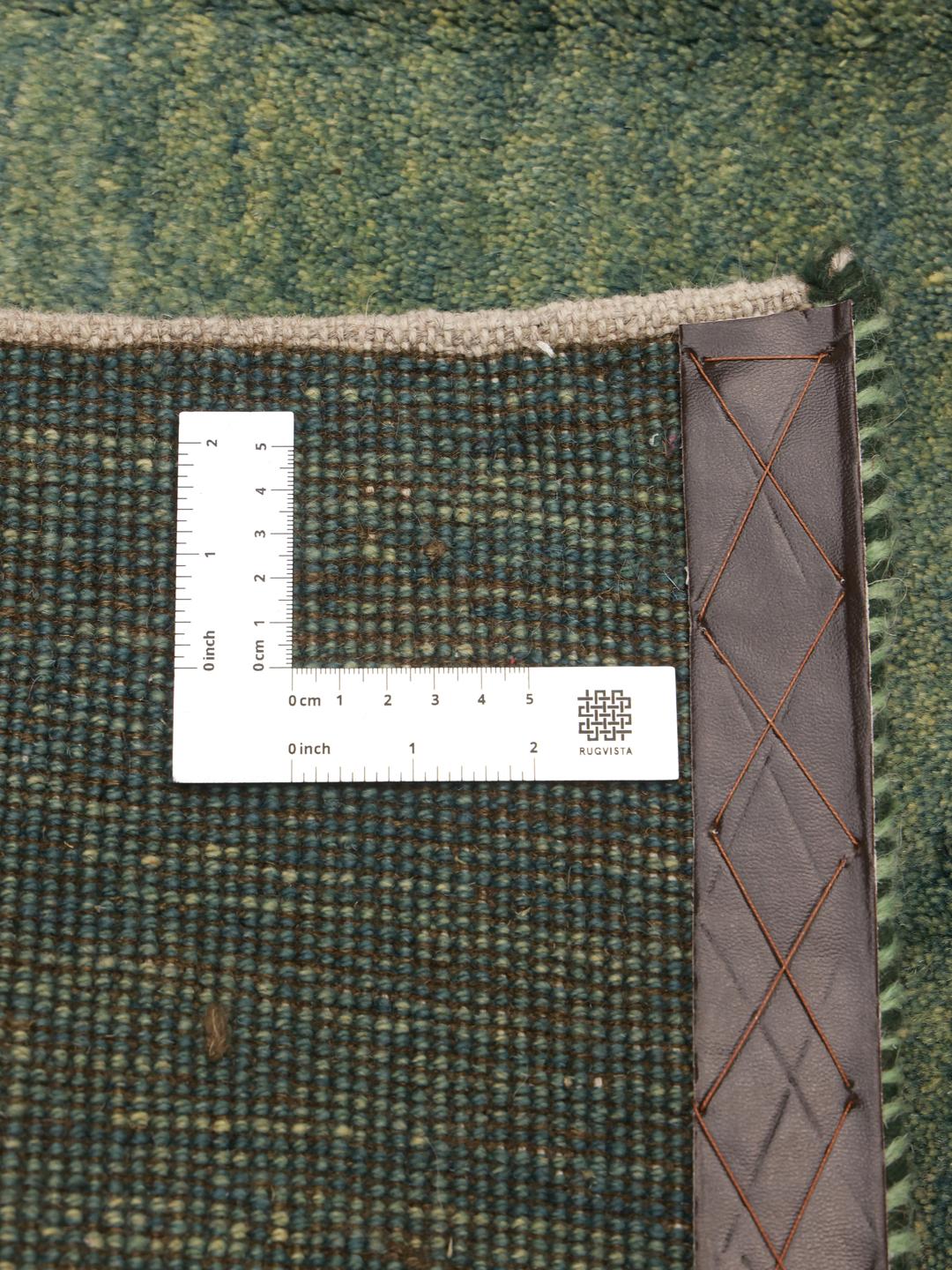
Gabbeh rugs have a long and storied tradition in the Middle East, originating from the nomadic tribes who wove them primarily for their own practical use. Unlike more formal, city-made rugs, these pieces were designed to provide warmth and comfort in harsh, mountainous environments, often serving as bedding or floor coverings within tents.
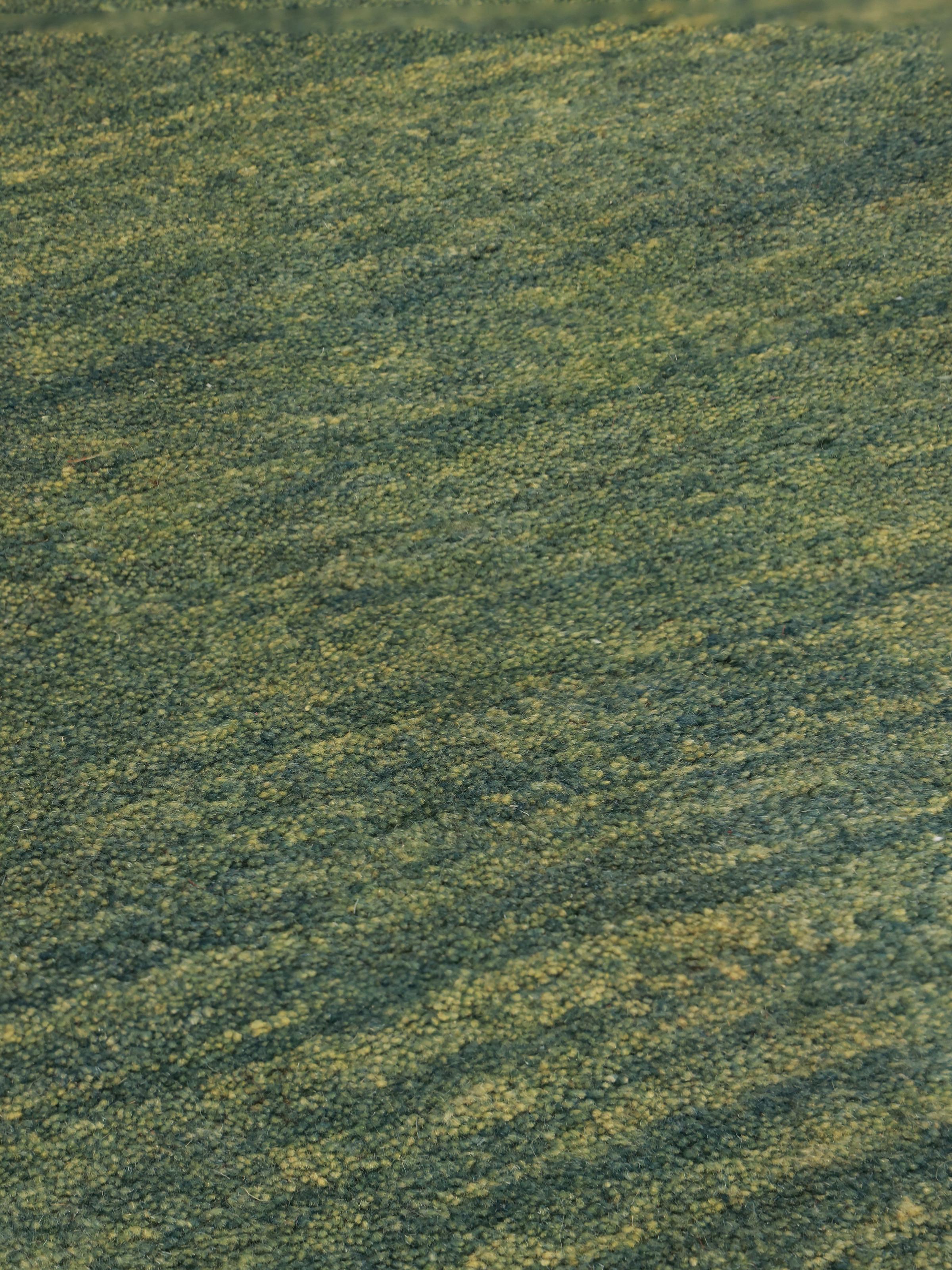
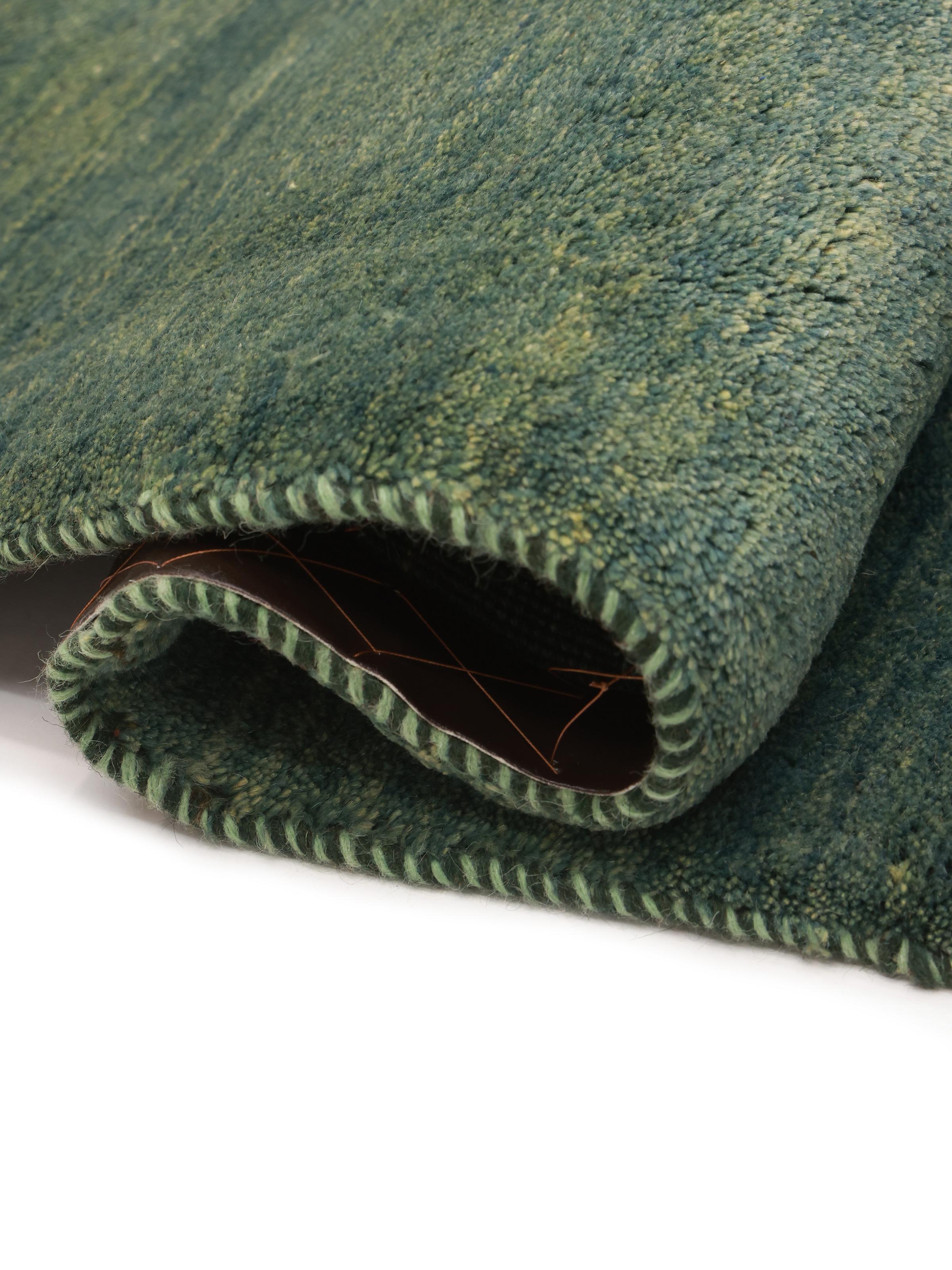
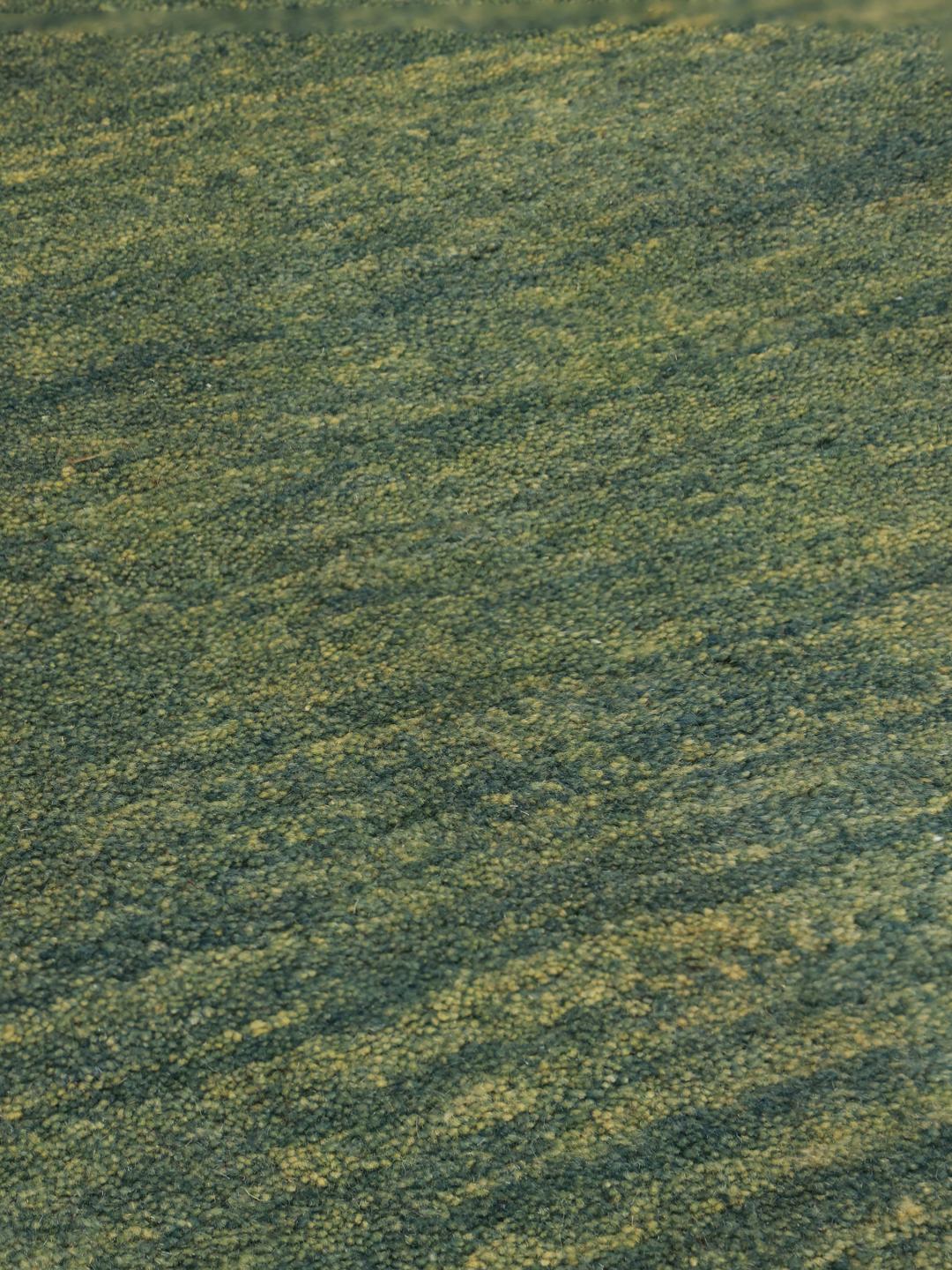
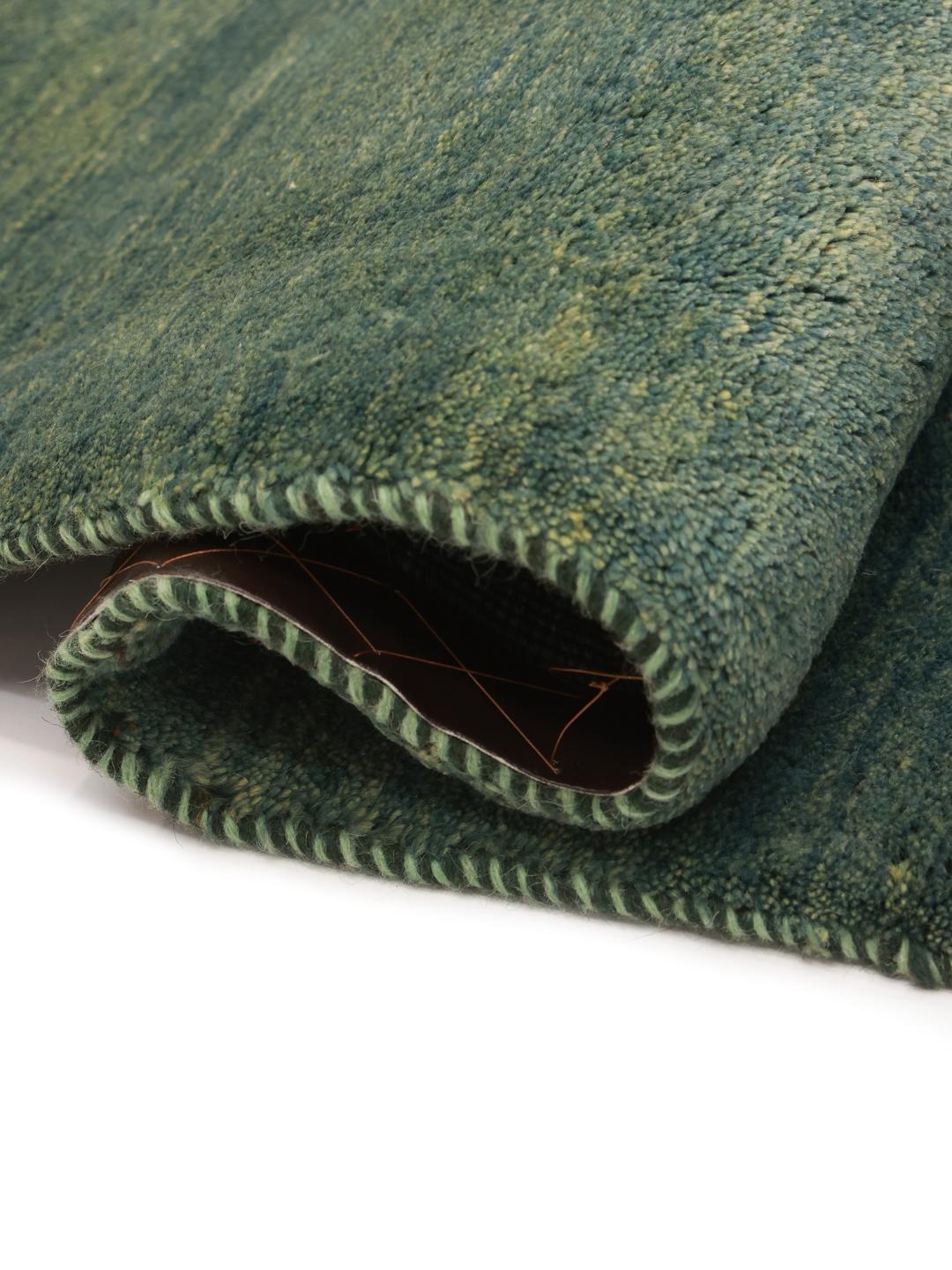
The term Gabbeh itself refers to a rug that is 'natural', 'raw', or 'unclipped', reflecting the simplicity of the early designs. The craft is defined by a focus on the quality of the wool and the expressive, often abstract, use of colour, which allows the material to speak for itself without the need for complex, rigid patterns.
Visually, these rugs are celebrated for their minimalist approach, often featuring large areas of solid or subtly modulated colour. While traditional designs might incorporate simple geometric motifs or stylized animals inspired by the weaver's immediate surroundings, the modern Gabbeh often embraces an artistic, painterly quality that blends seamlessly into contemporary homes.
Owning a Gabbeh is an opportunity to connect with a living tradition of nomadic art. These rugs are highly valued by collectors not only for their durability and the quality of their material but for the authentic, human expression captured in every piece. Each rug serves as a document of the weaver's environment and creative instinct, making it a meaningful addition to any collection.