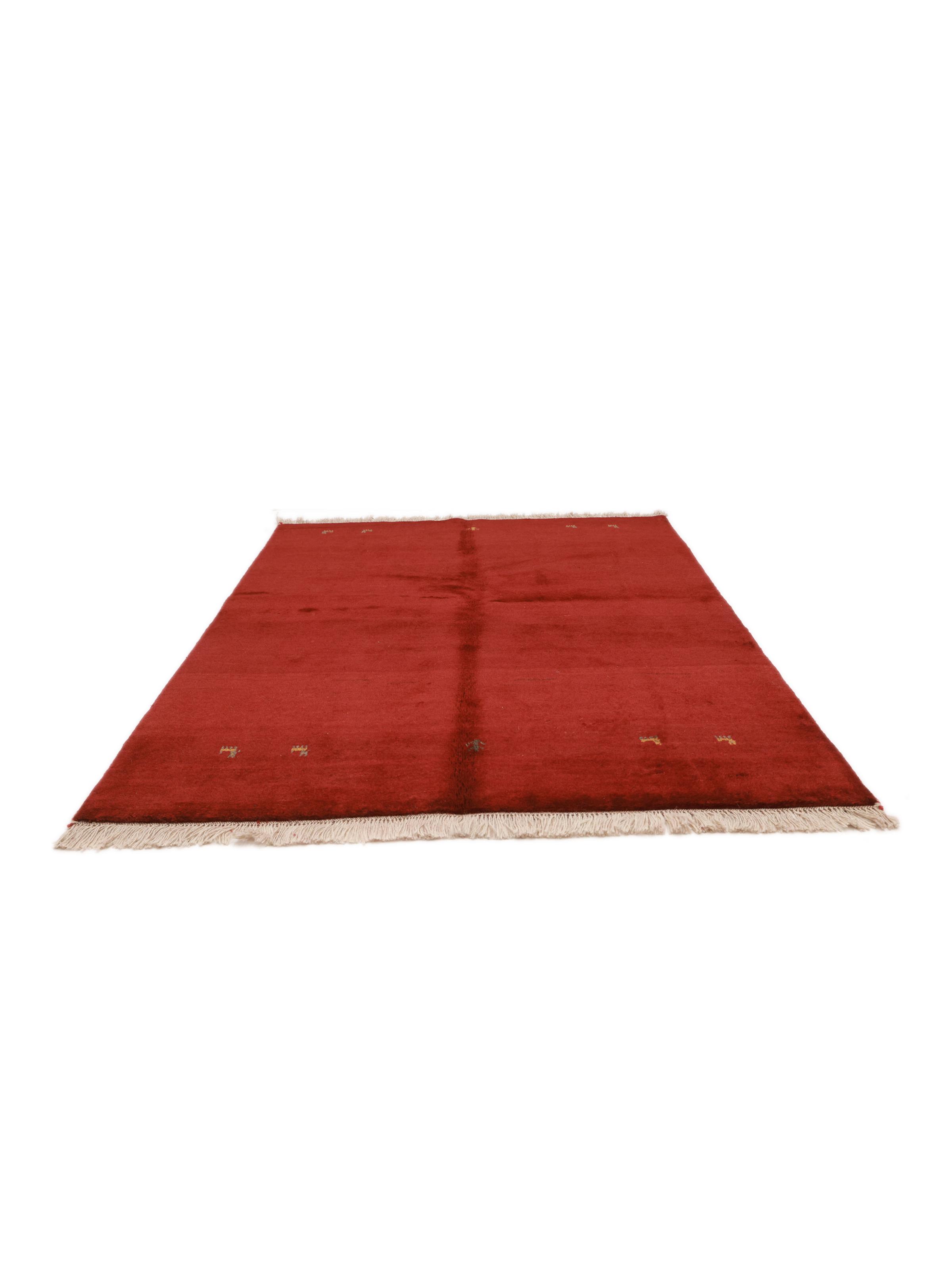
The Gabbeh tradition traces its roots to the nomadic tribes of the Middle East, where weavers created these rugs primarily for their own domestic use. Unlike more formal, city-woven styles, Gabbeh rugs were designed to be functional, comfortable, and deeply personal, often serving as floor coverings or sleeping mats that provided much-needed warmth in harsh climates.
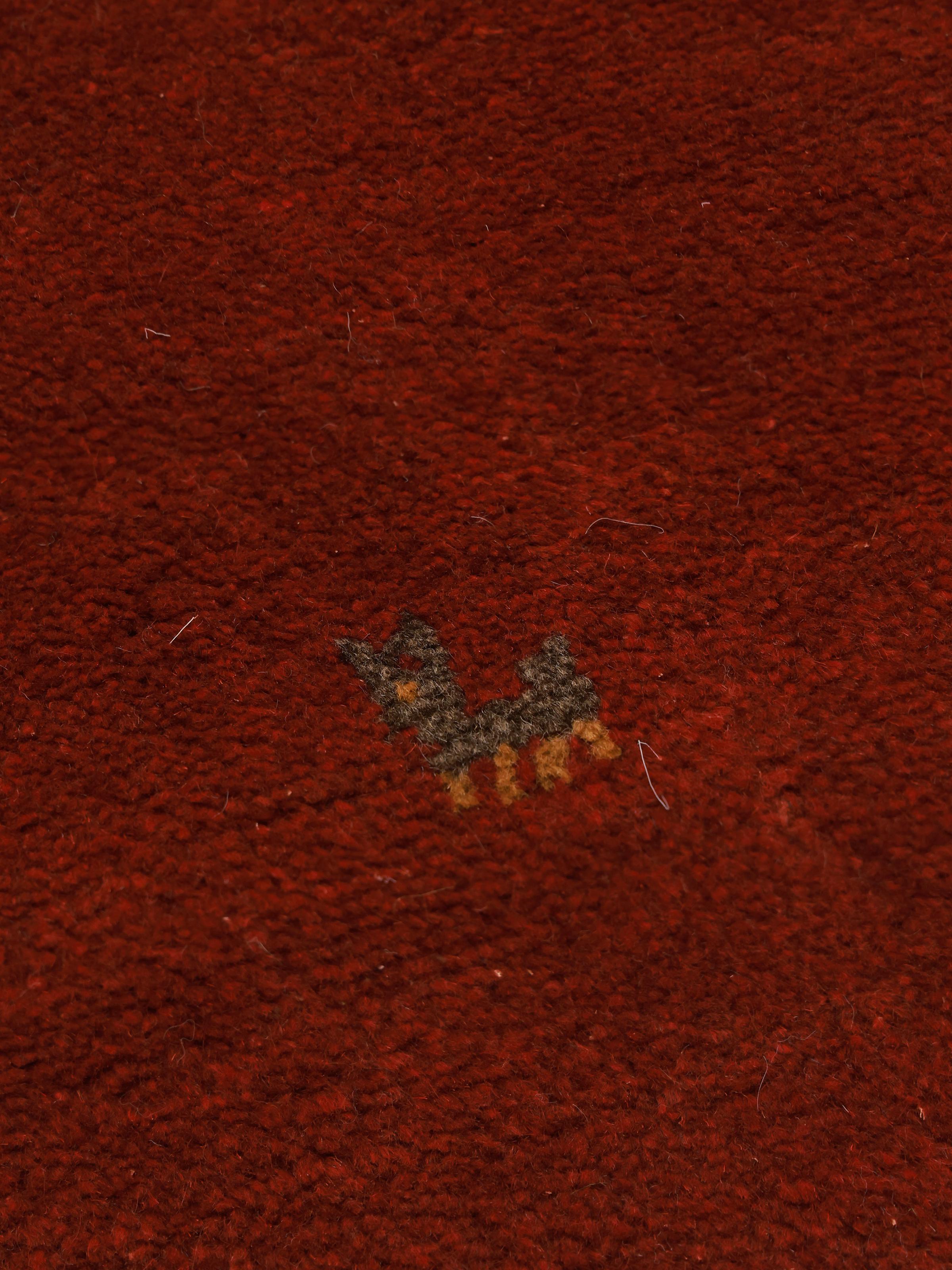
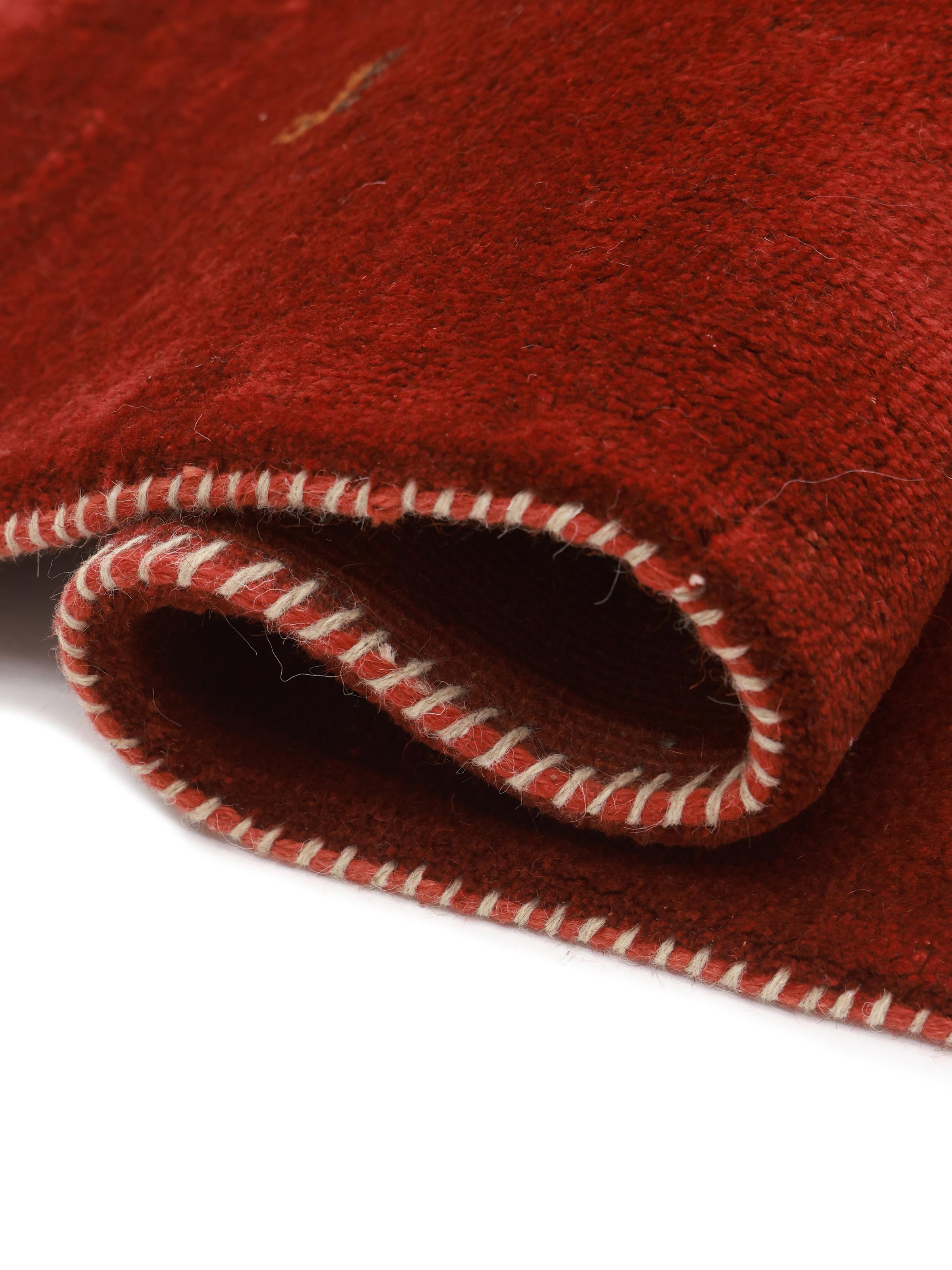
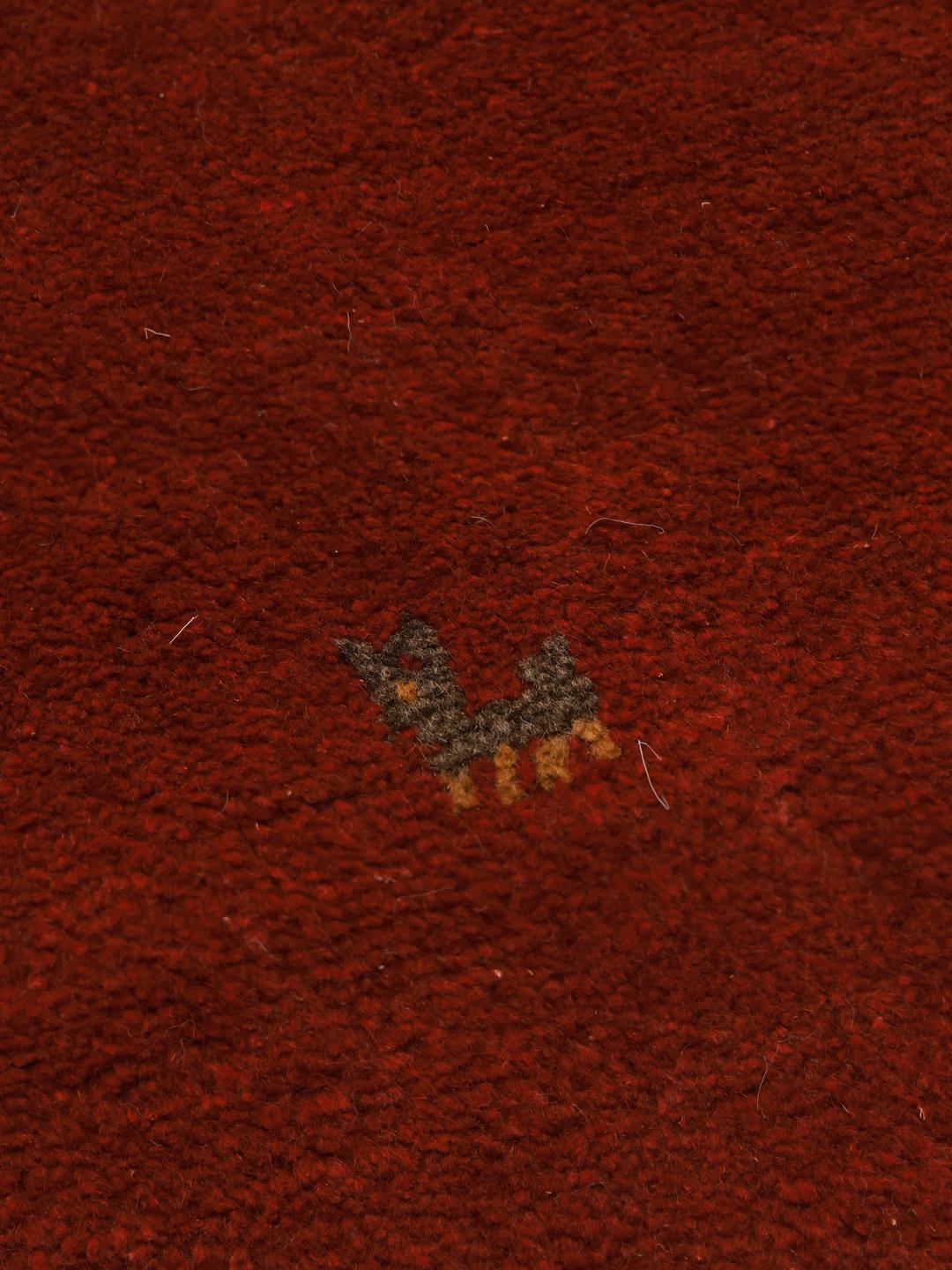
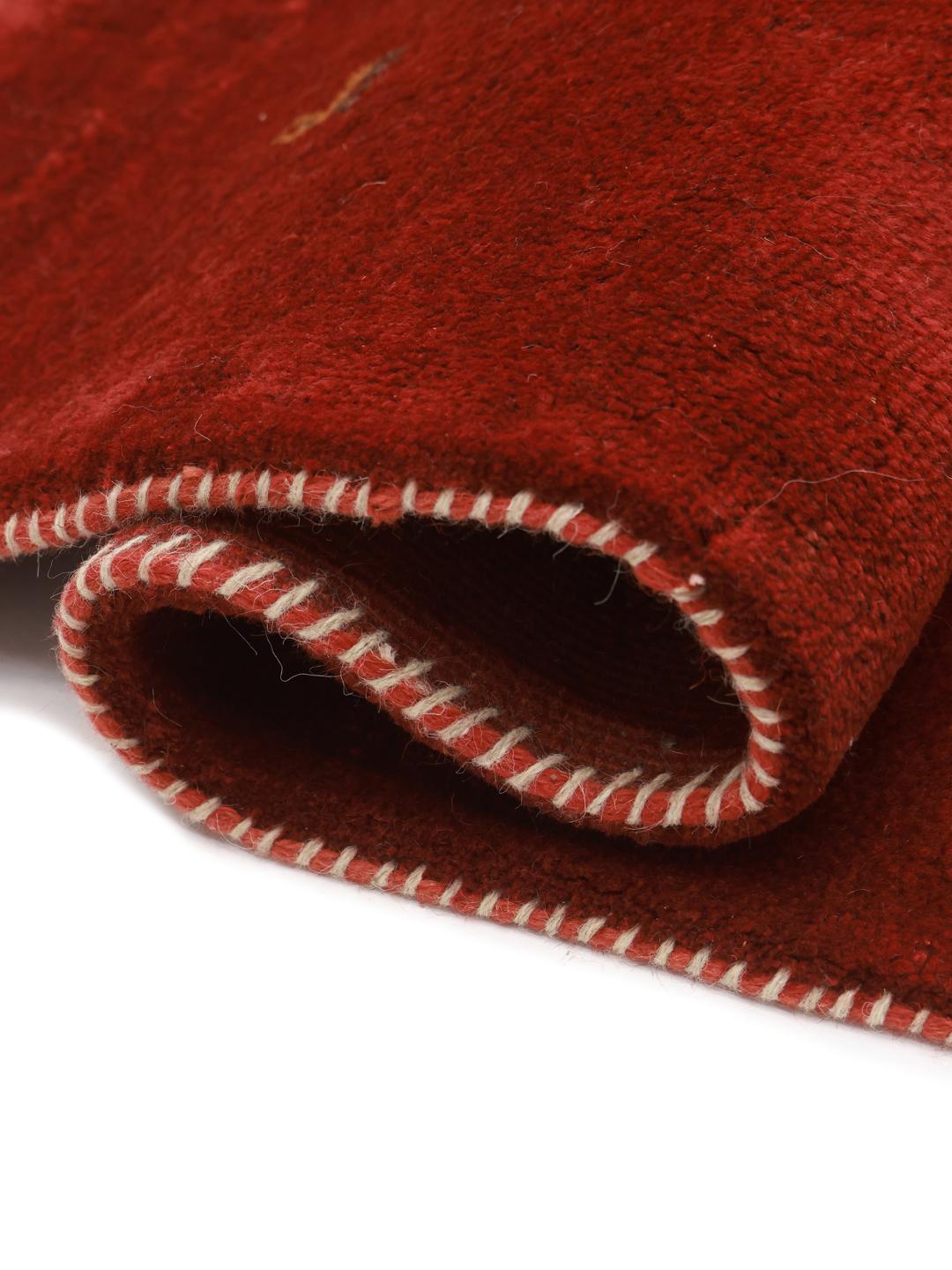
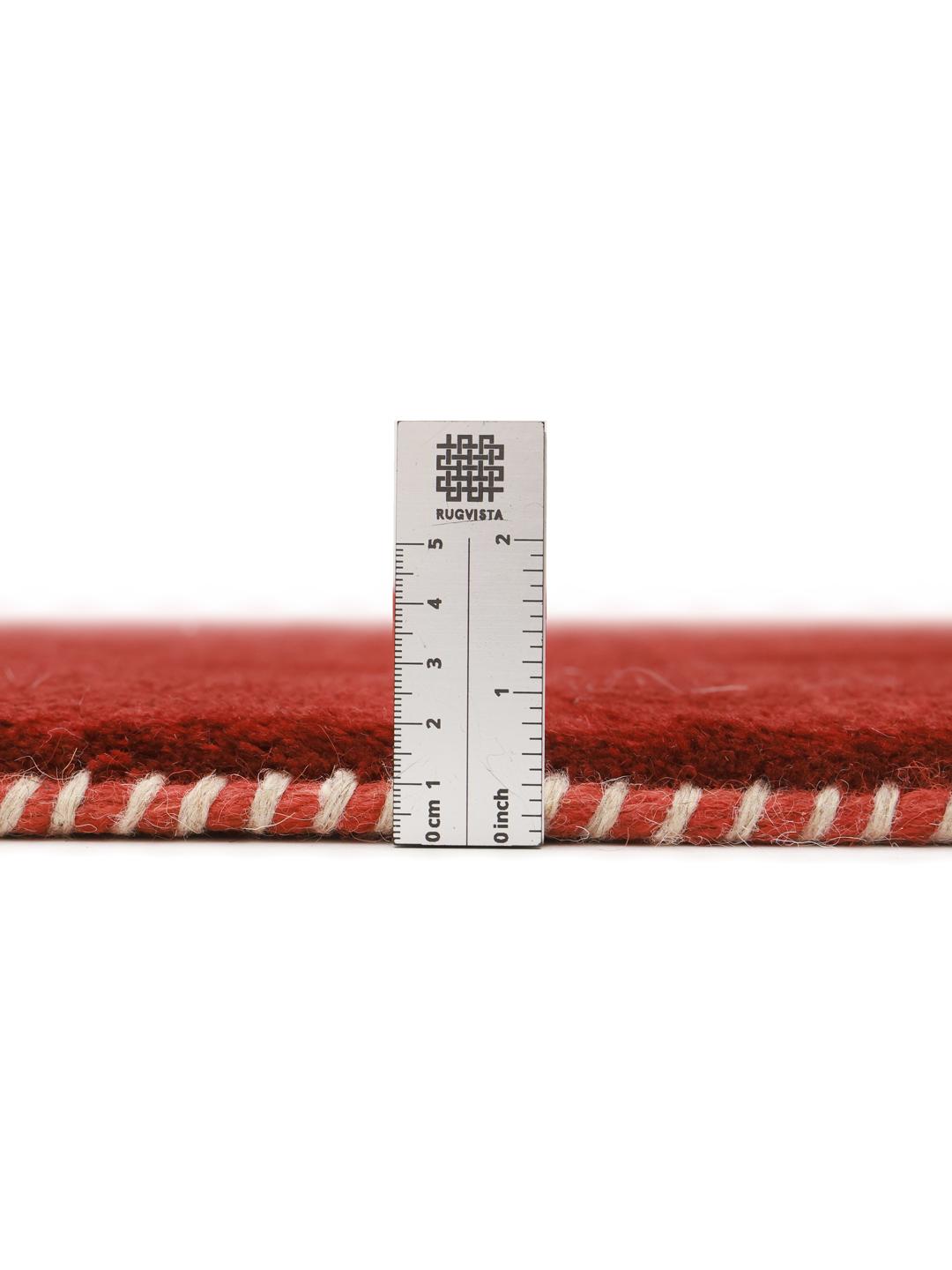
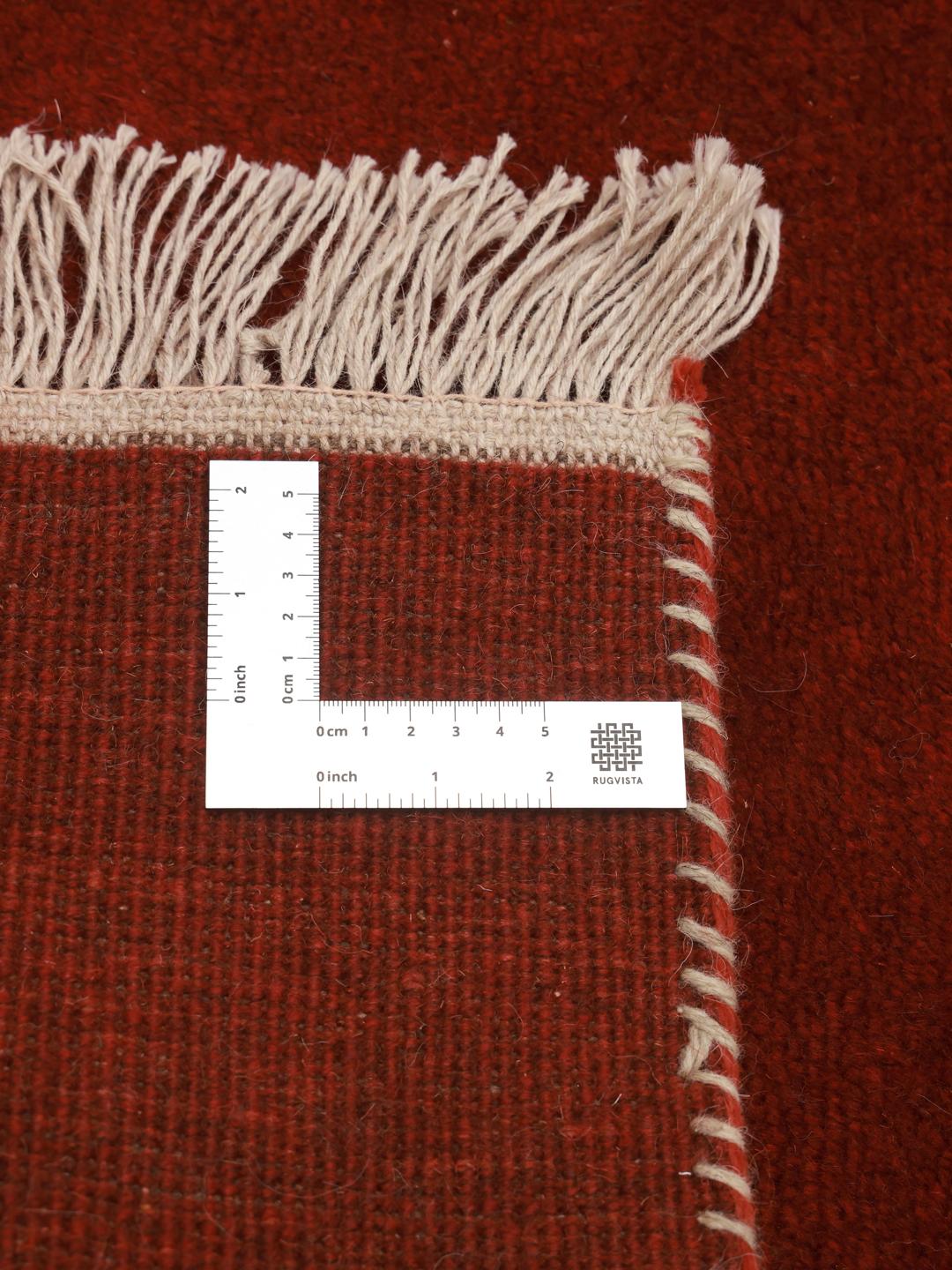
At the heart of the Gabbeh aesthetic is a focus on the quality of the wool. The wool used is typically hand-spun and left in its natural state or dyed with natural pigments, resulting in a pile that is thicker and more lustrous than many other varieties. This thick, soft pile is the defining characteristic that makes these rugs so beloved for their physical comfort.
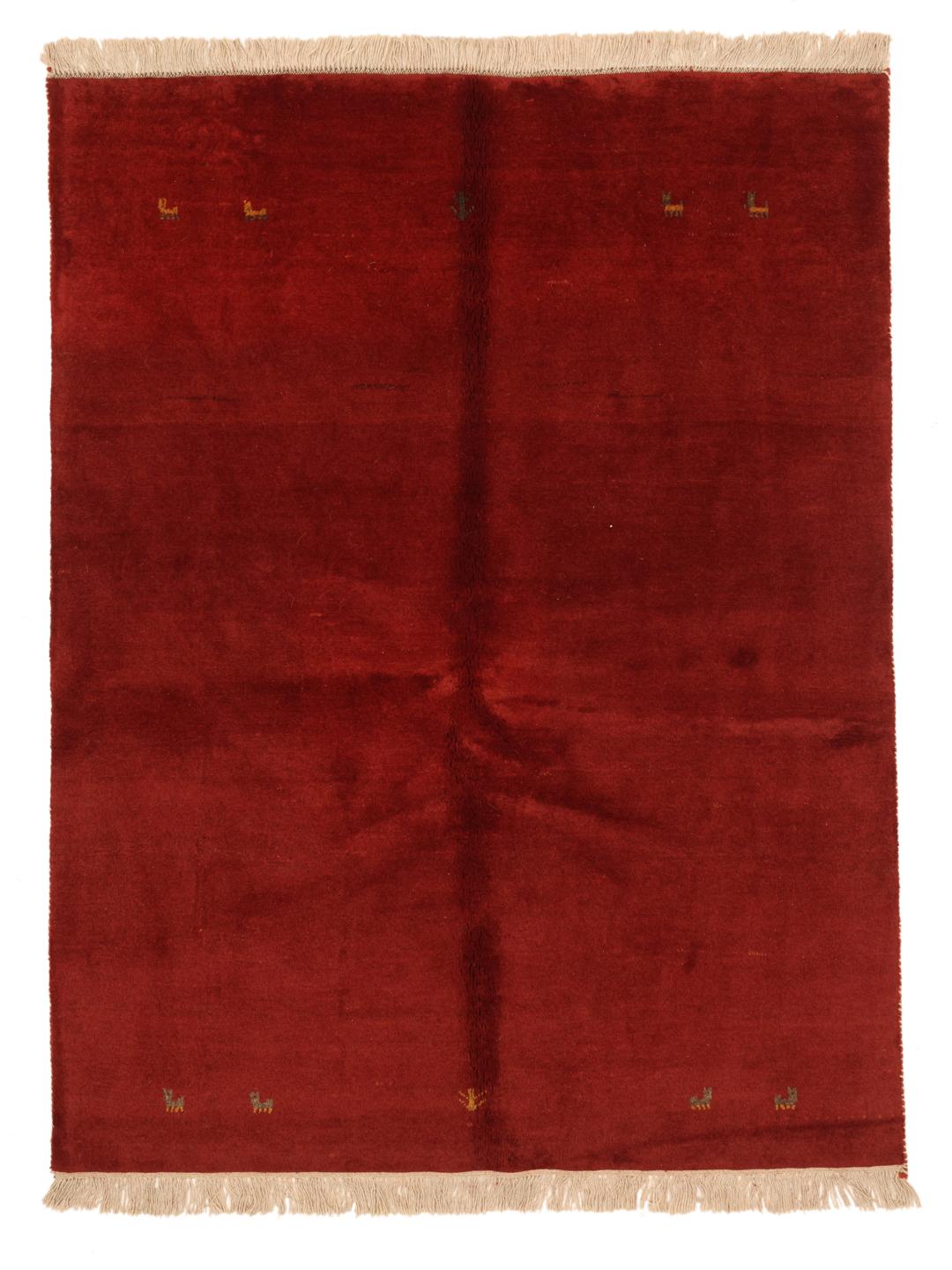
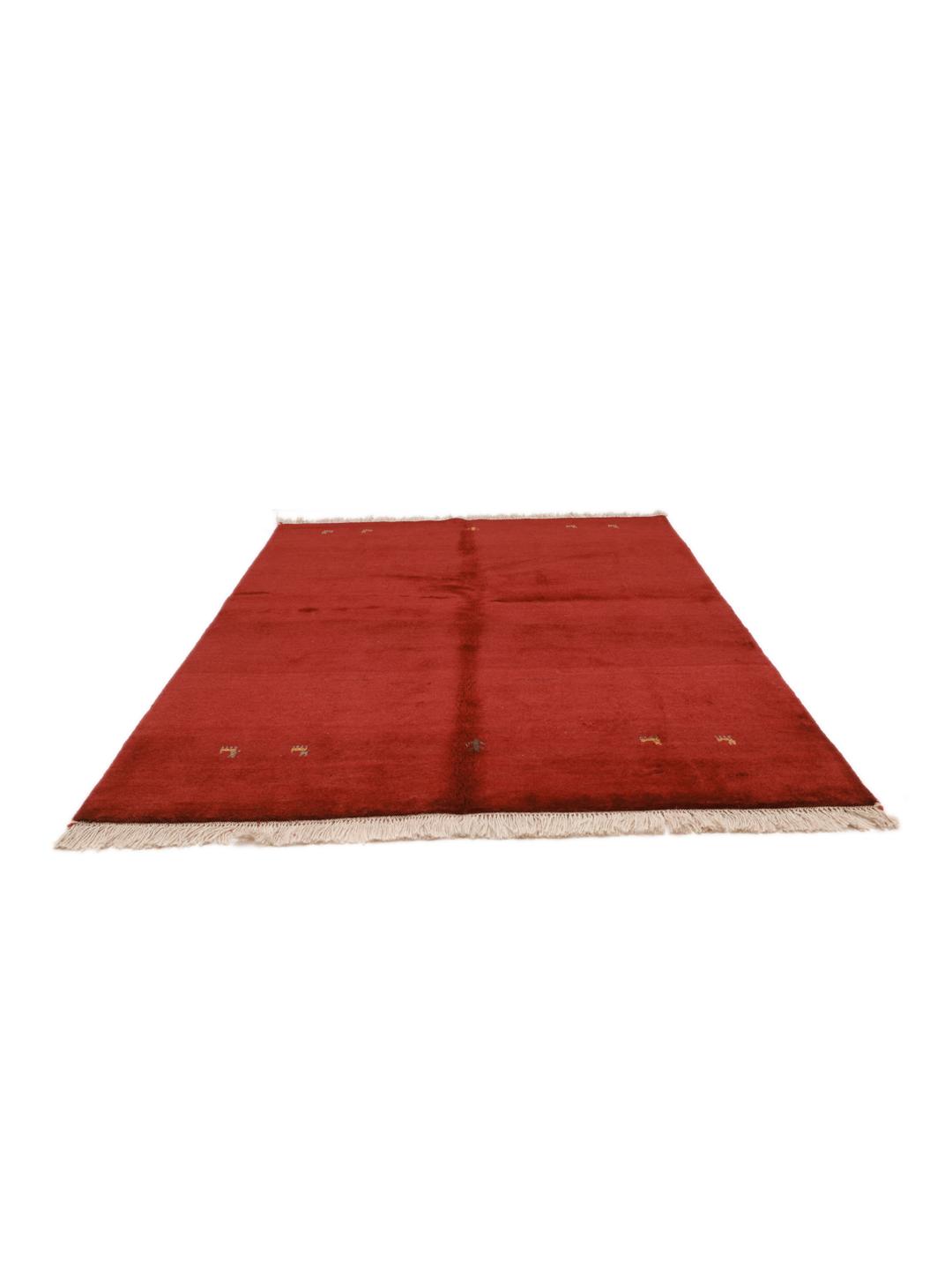
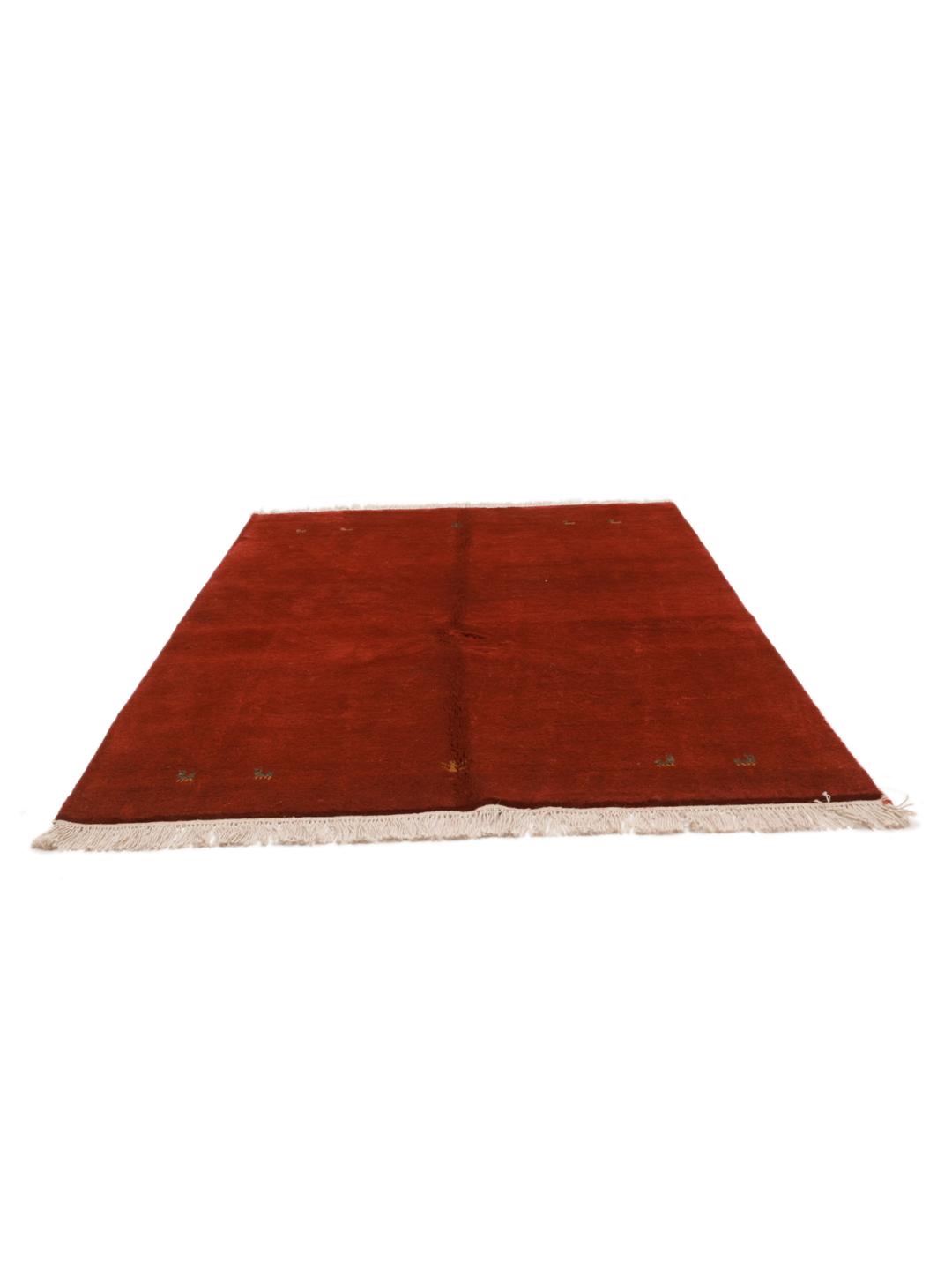
Visually, these rugs are known for their minimalist, often abstract, and highly expressive designs. While a formal rug might feature intricate, repeating floral patterns, a Gabbeh often highlights open, expansive fields of colour, punctuated only by occasional, stylized motifs representing animals, plants, or daily life. This bold, artistic restraint makes them feel surprisingly modern and versatile.
Owning a Gabbeh is an opportunity to connect with a rich heritage of nomadic artistry. These rugs are highly valued by collectors not just for their beauty, but for the authentic, unhurried skill they represent. Each piece tells a story of the weaver's environment and imagination, making it a meaningful addition to any home that values lasting quality and cultural depth.