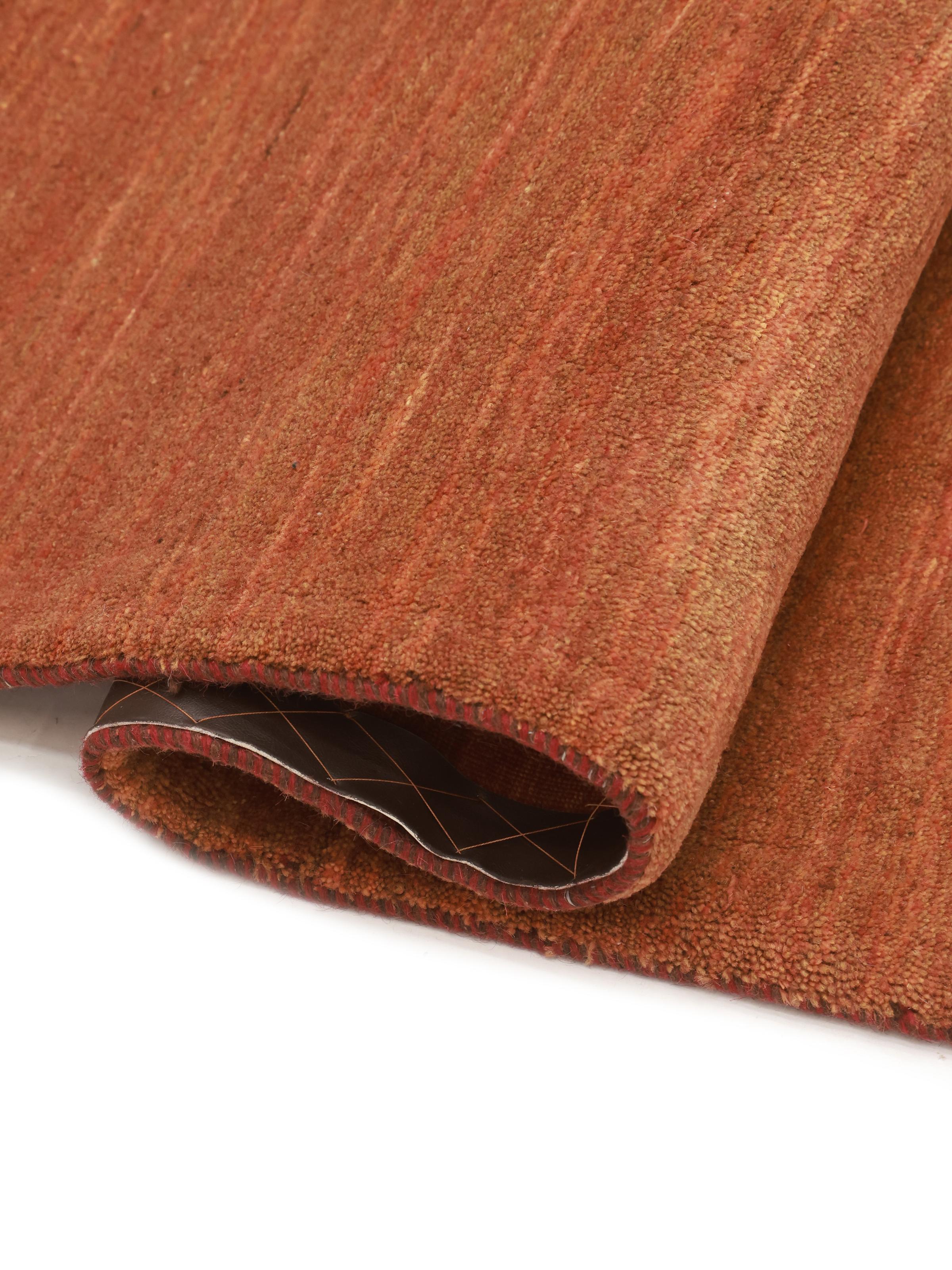
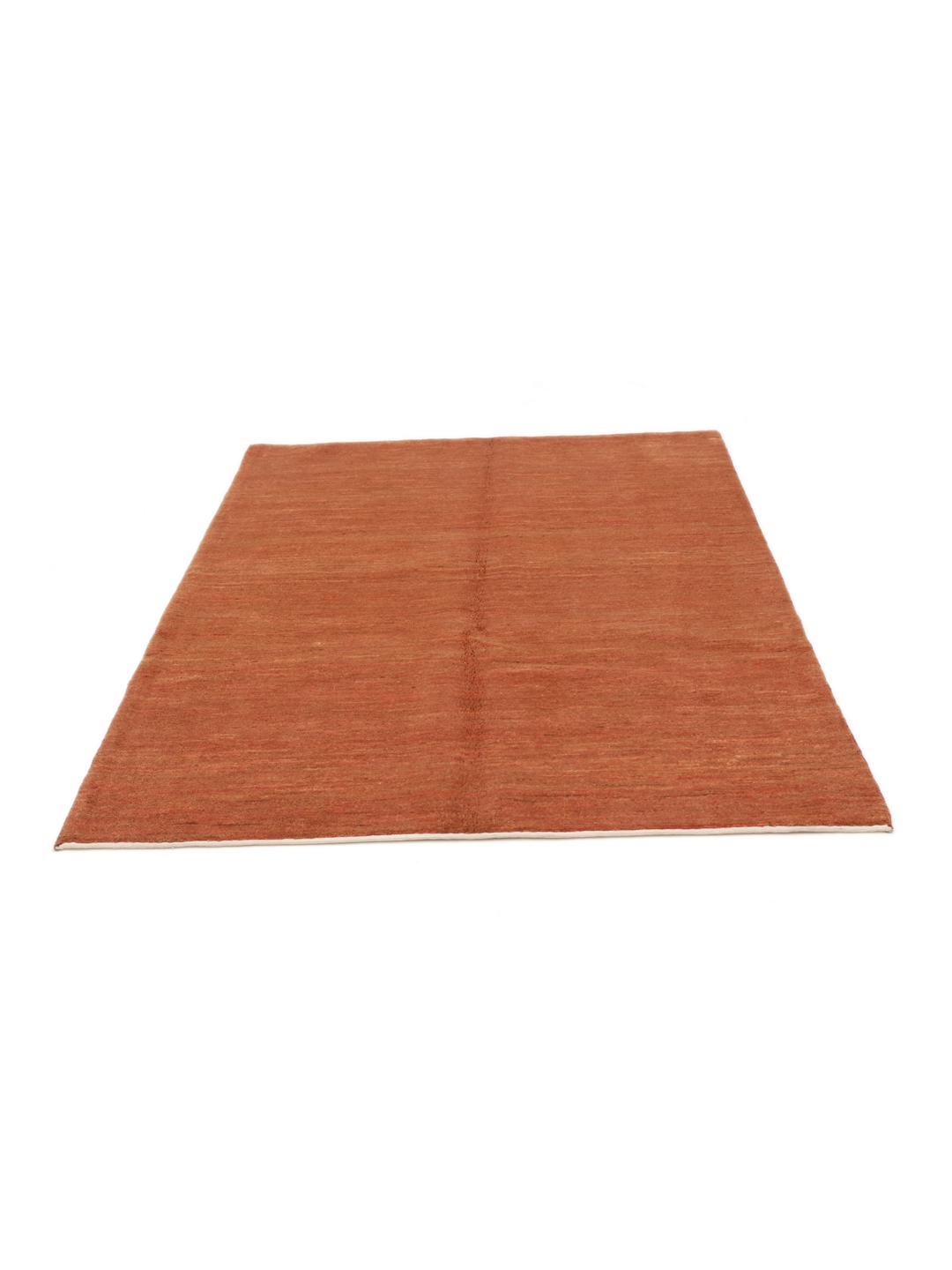
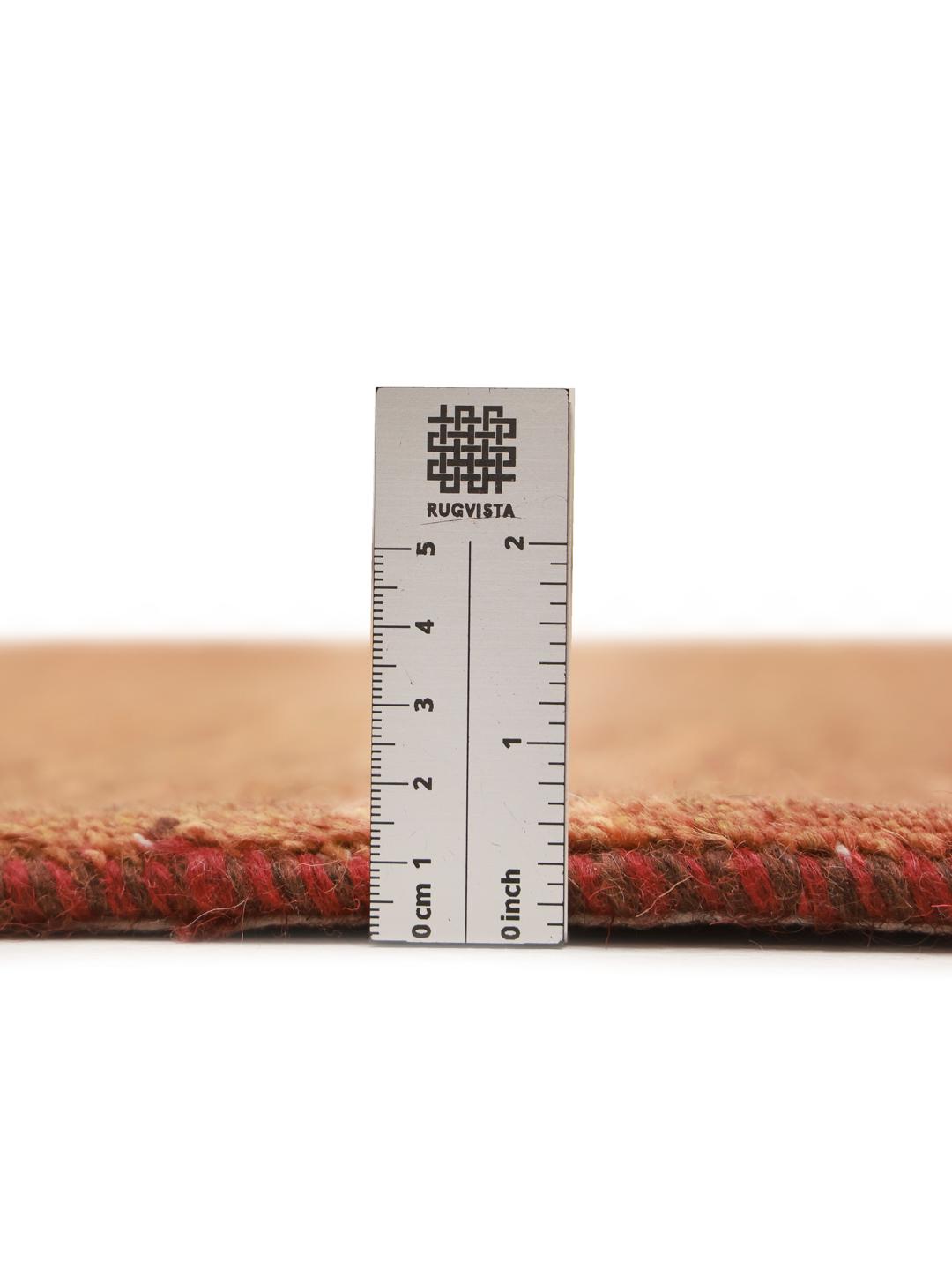
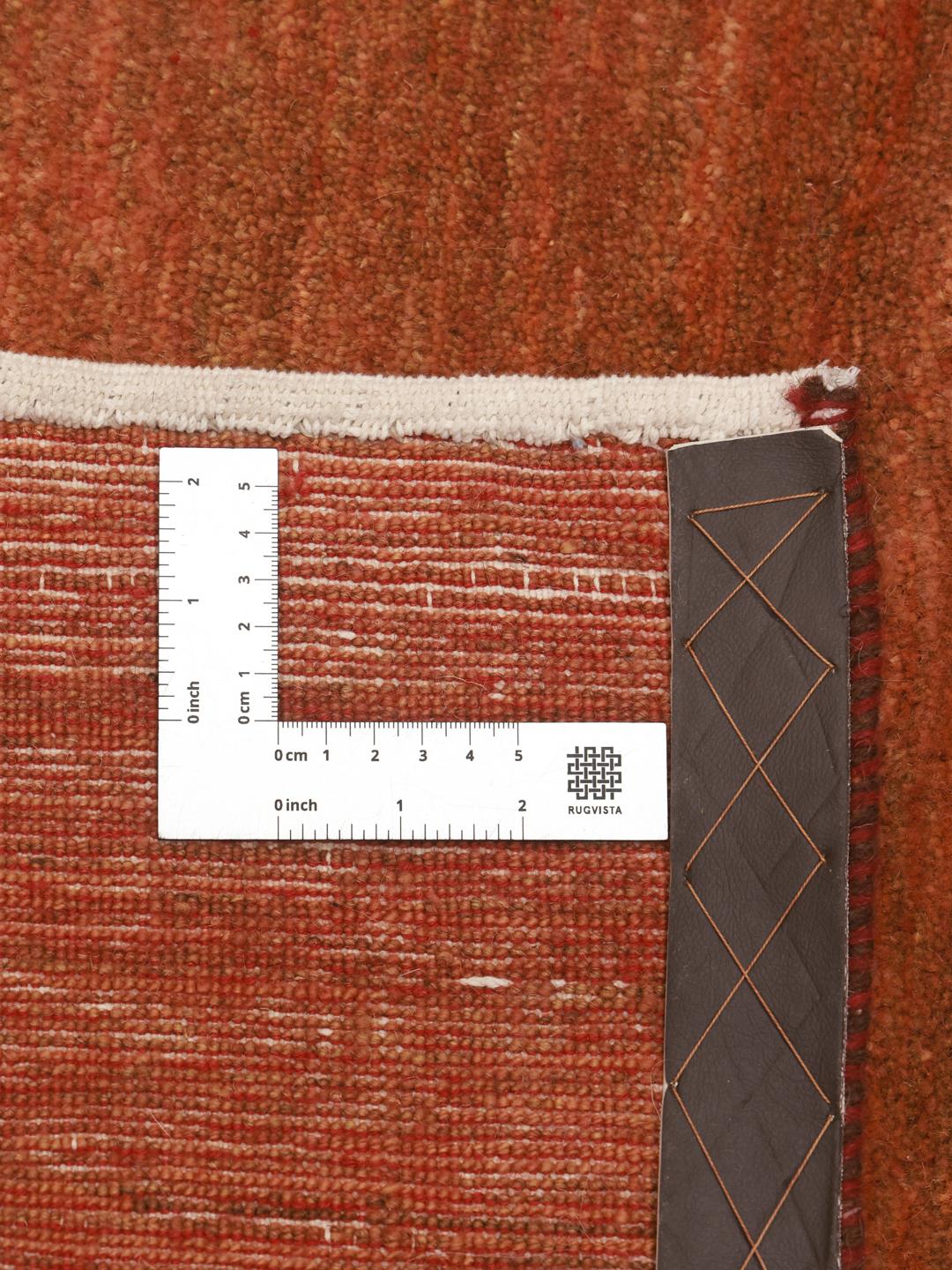
Gabbeh rugs have long been celebrated for their artistic freedom and connection to the nomadic cultures of the Middle East. Traditionally woven by tribal groups, these rugs were originally created for practical use within the home, serving as warm bedding or floor coverings, which explains their thick, soft pile and simple, bold aesthetics.
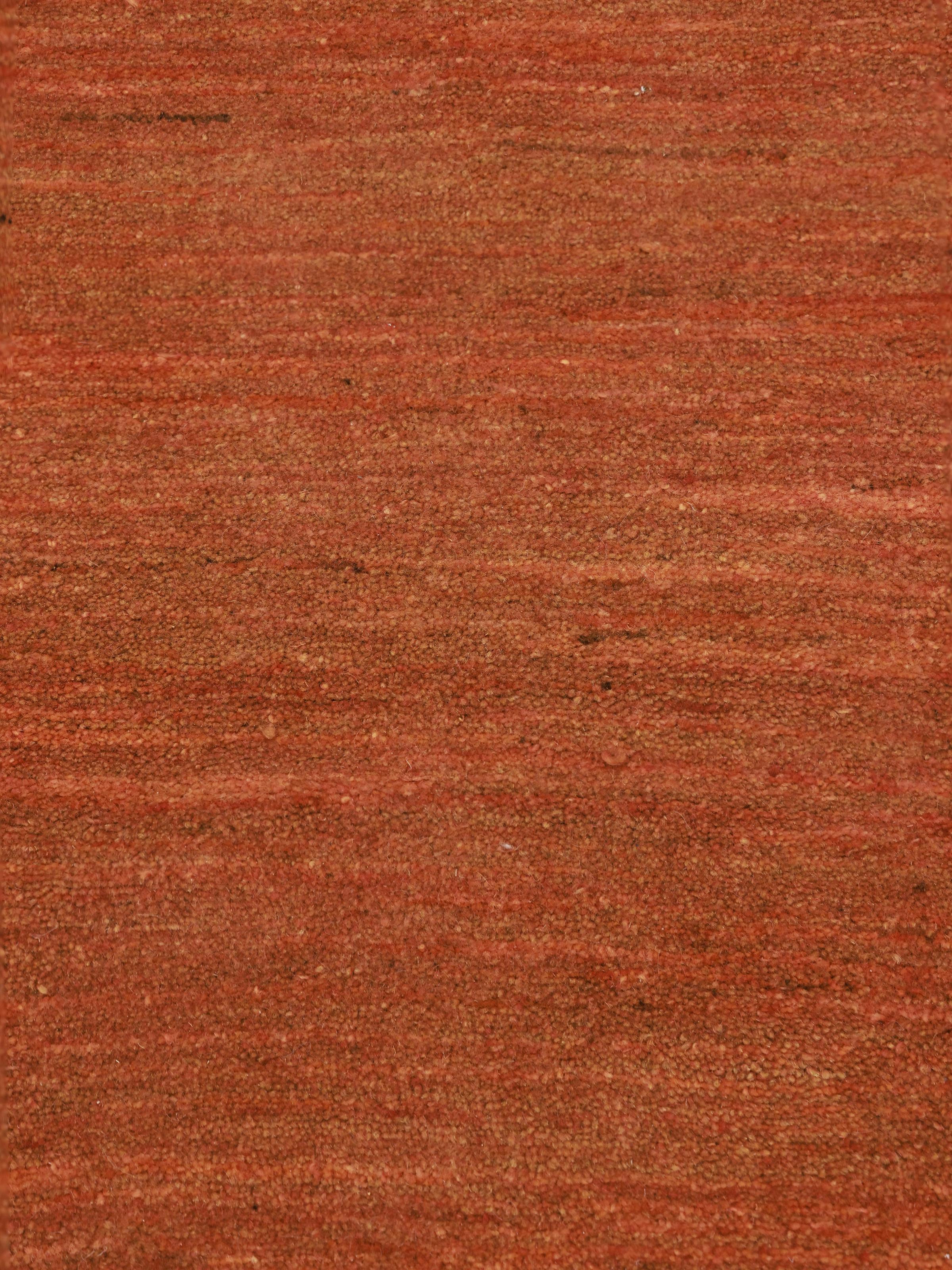
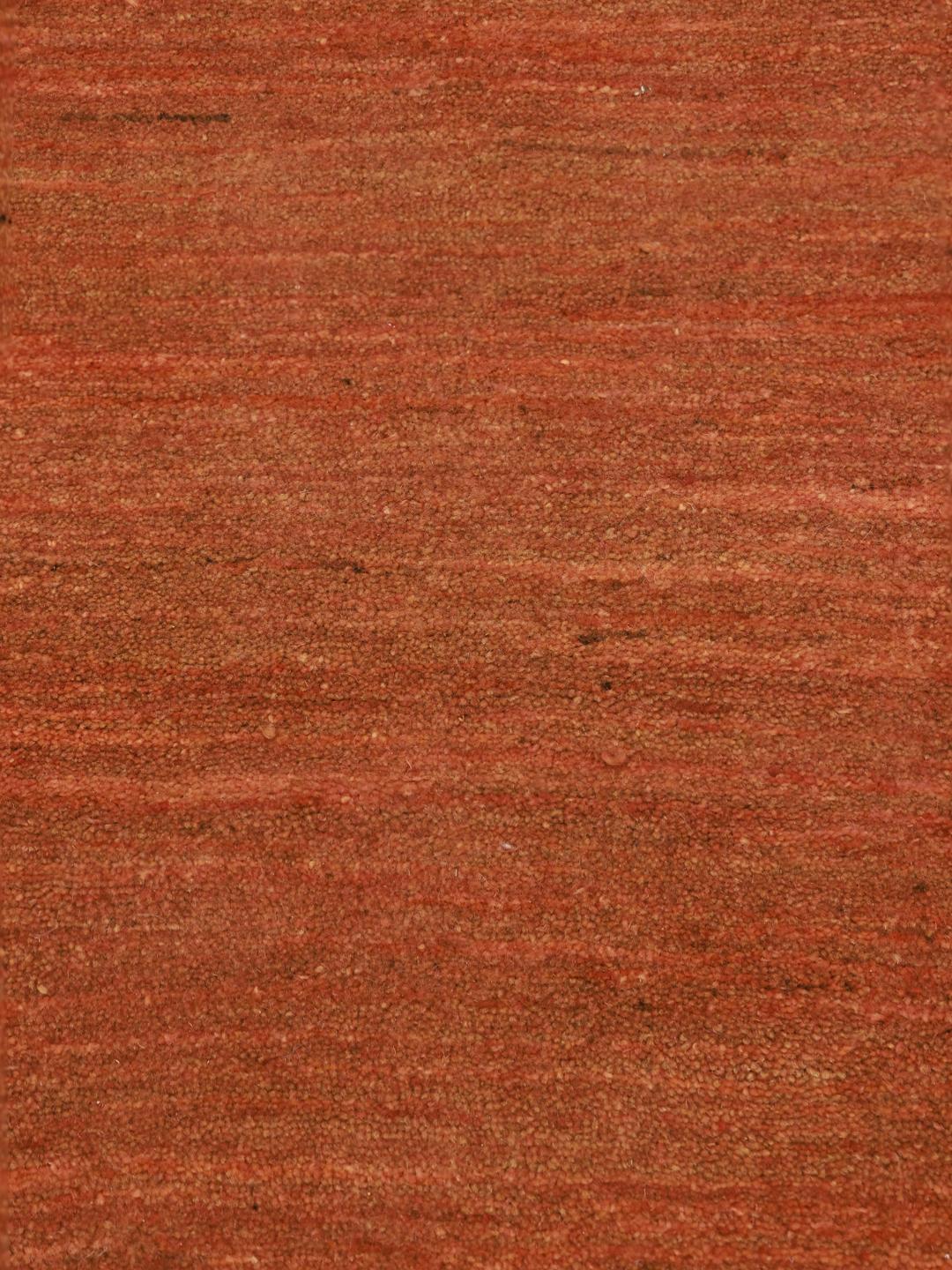
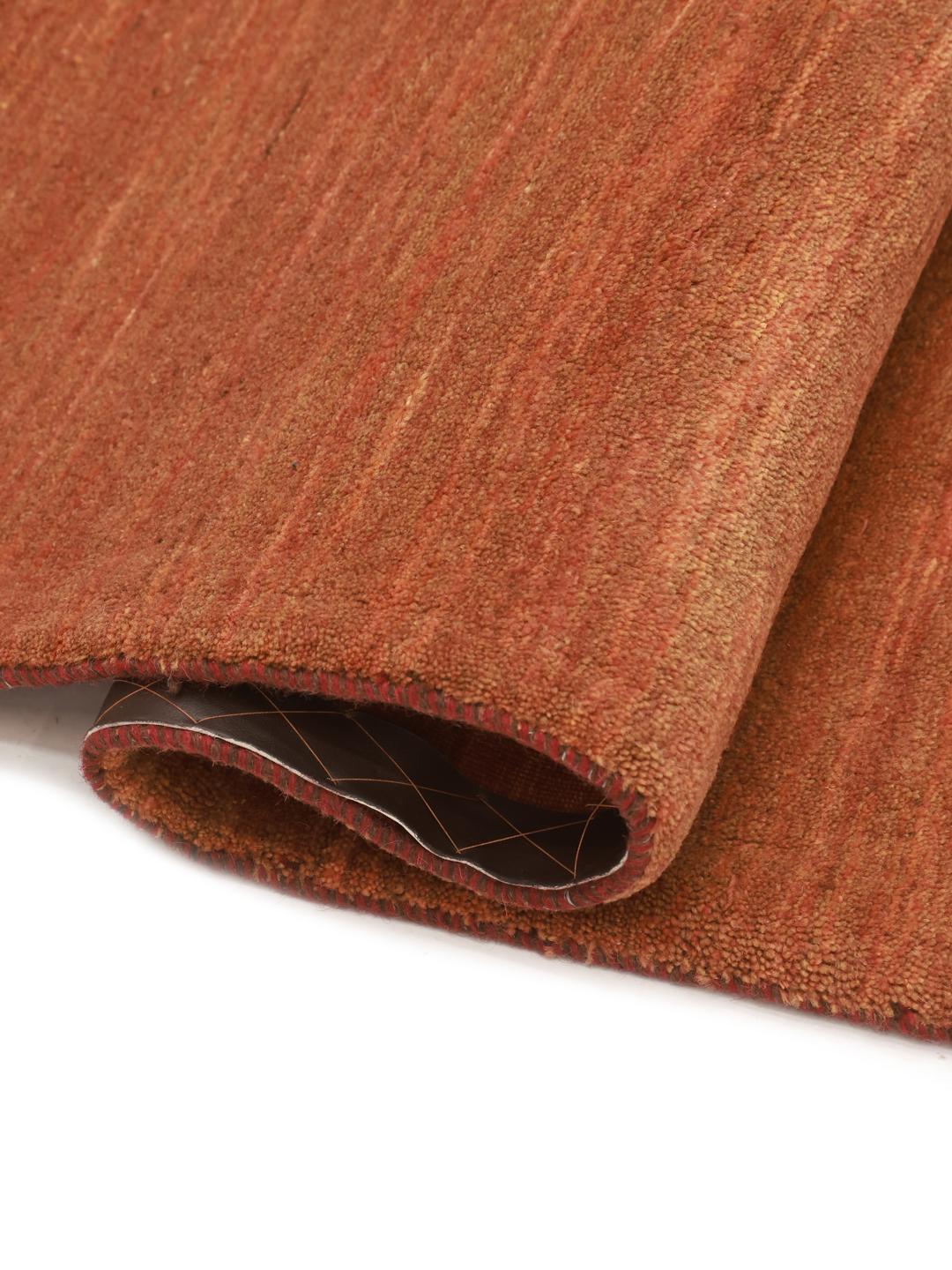
The term Gabbeh itself refers to a rug that is 'natural' or 'raw,' often characterised by a thicker, coarser weave compared to formal city rugs. This technical approach allows for a highly durable, resilient pile that is exceptionally comfortable. The simplicity of the weave is not a lack of sophistication, but a deliberate choice that highlights the quality of the Wool and the depth of the natural dyes used in the process.
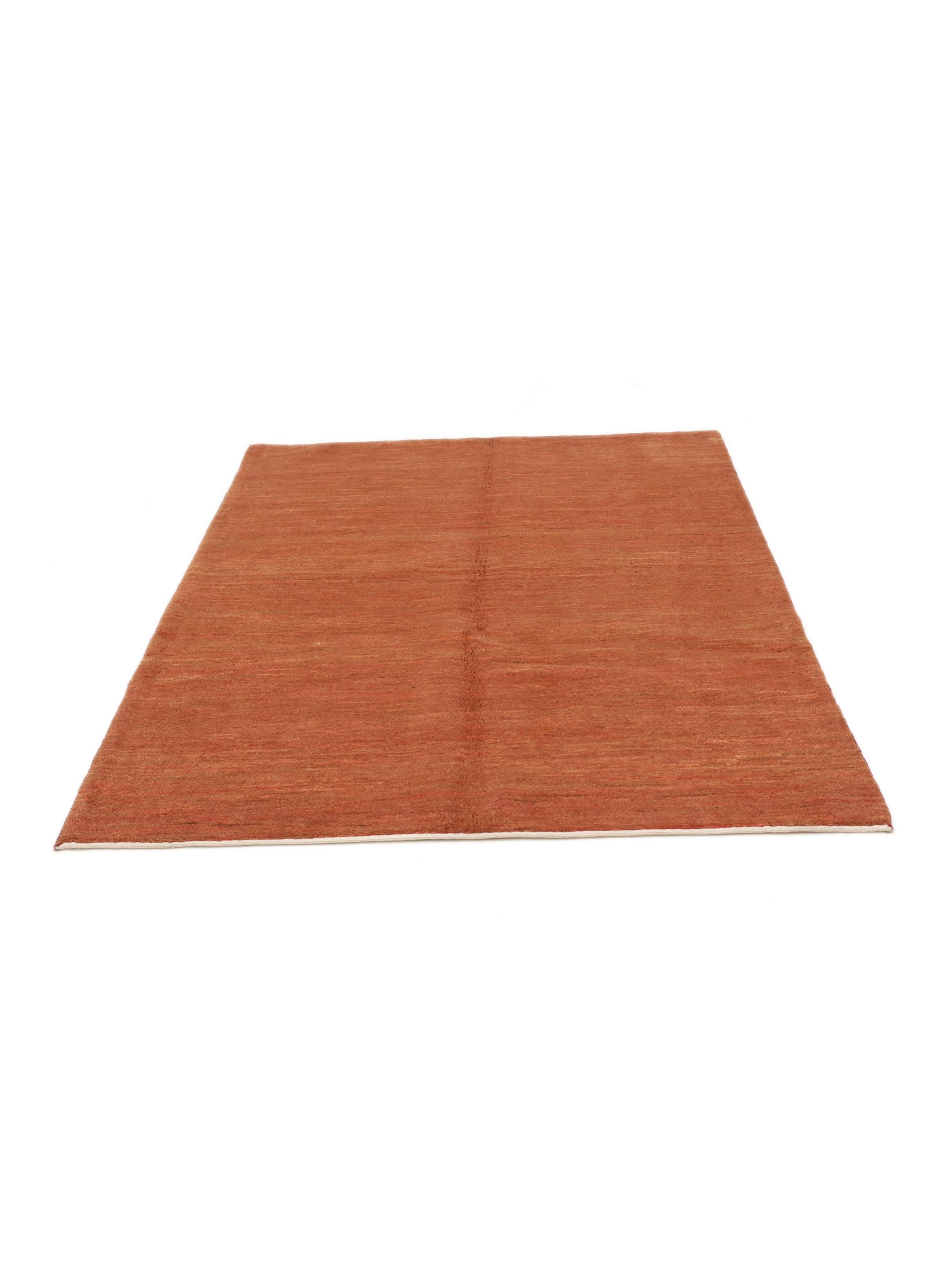
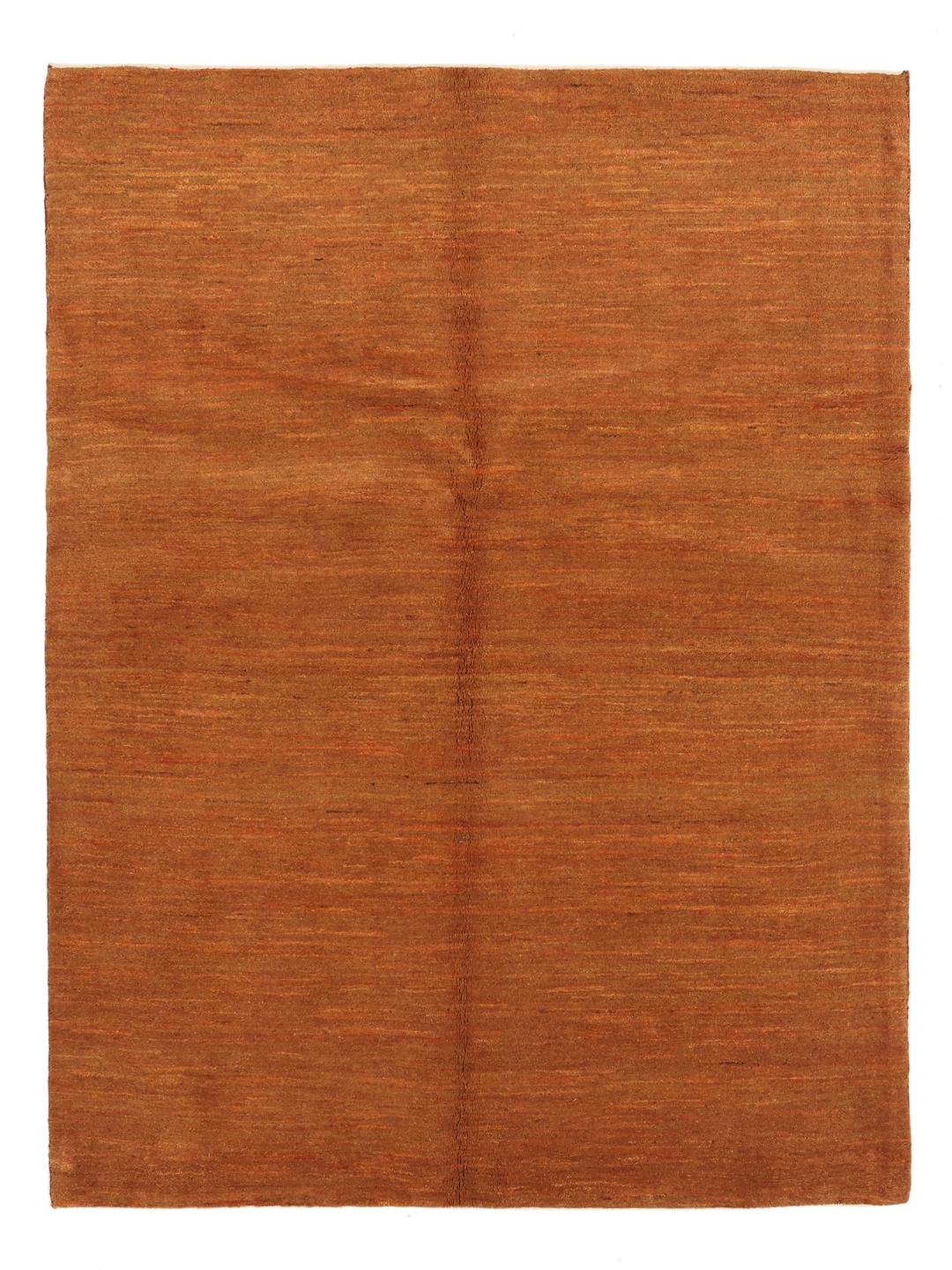
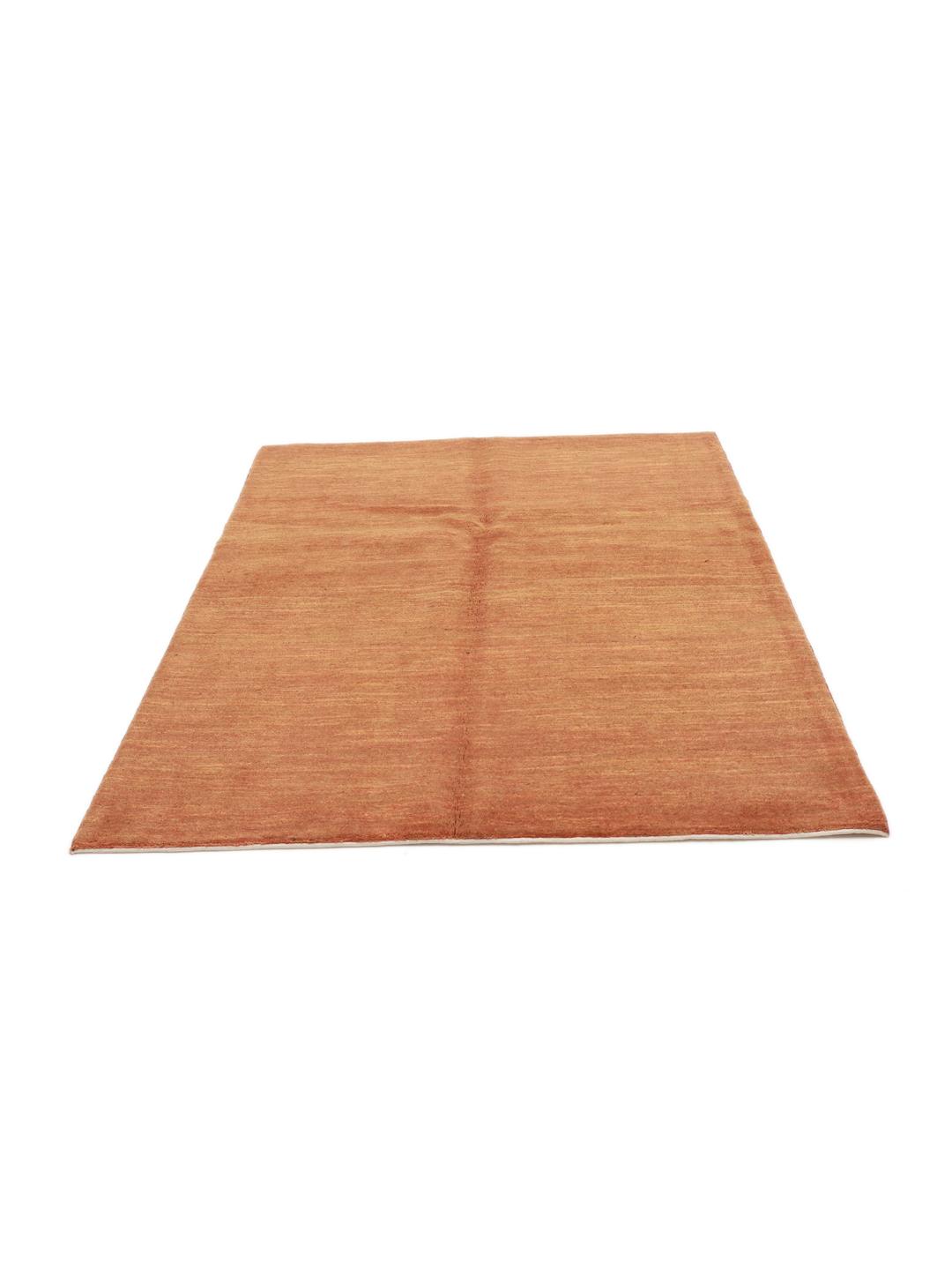
Design-wise, these rugs are known for their minimalist, often abstract or semi-abstract appearance. While city-made rugs might feature rigid, complex floral patterns, Gabbeh designs tend to be more spontaneous, featuring open fields of colour or simple geometric shapes that reflect the weaver's personal vision and environment. This specific piece captures that tradition through its harmonious, monochromatic field.
Owning a piece from this tradition is about more than just decor. It is an appreciation of a craft that has survived for centuries, passed down through generations of families. These rugs are highly valued by collectors for their authenticity, their lack of pretension, and the way they bring a sense of history and human connection into a modern living space.