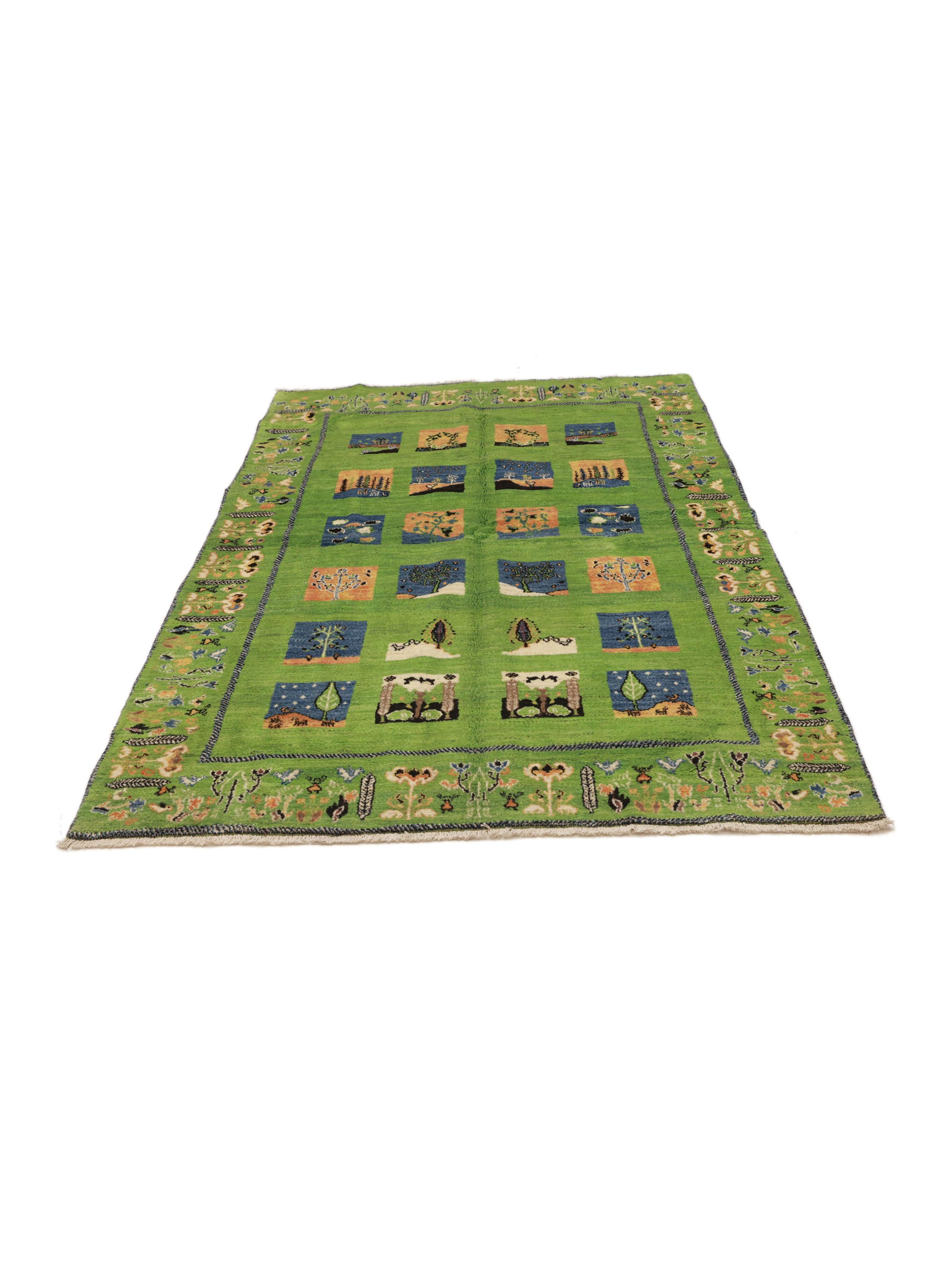
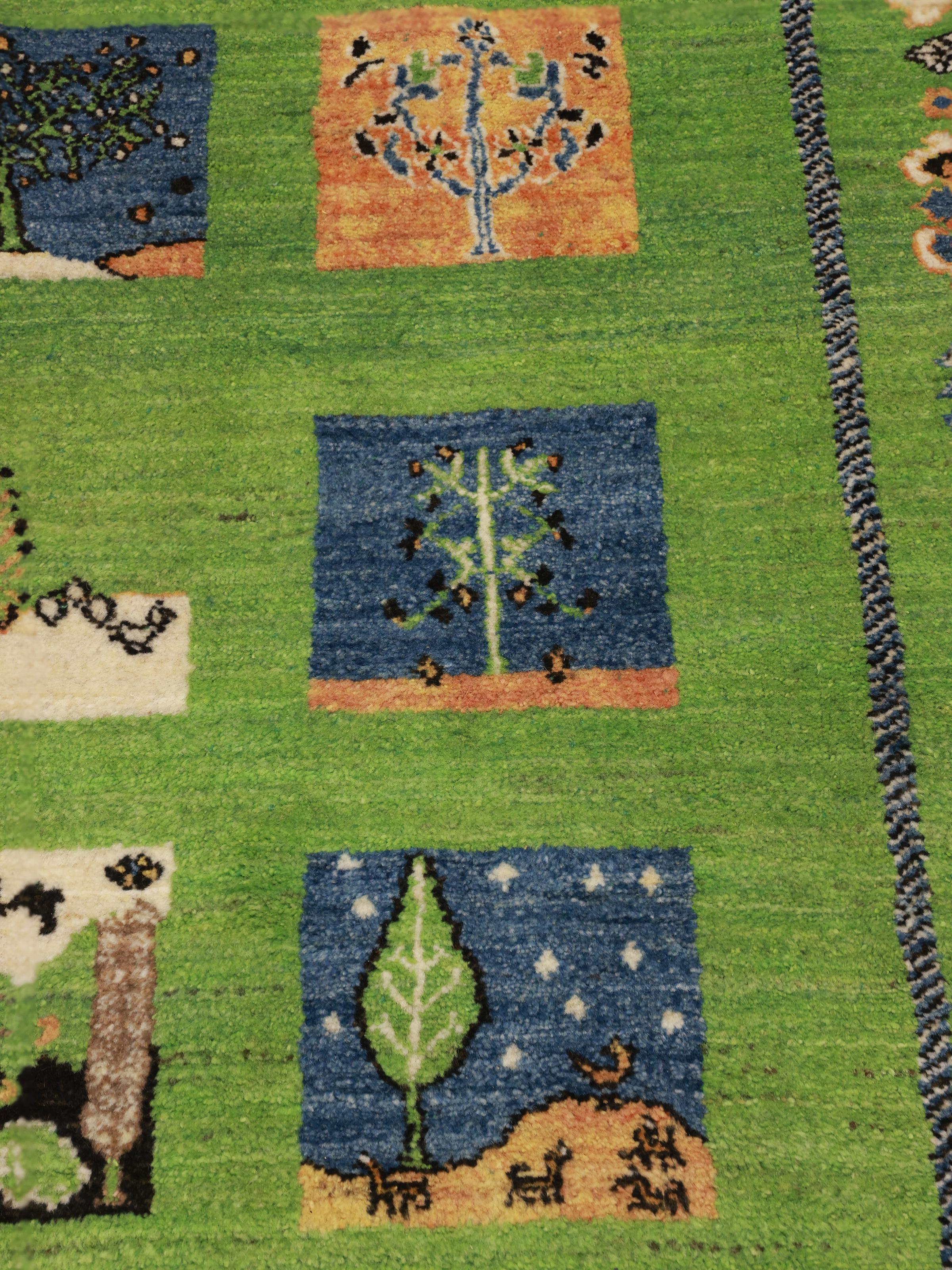
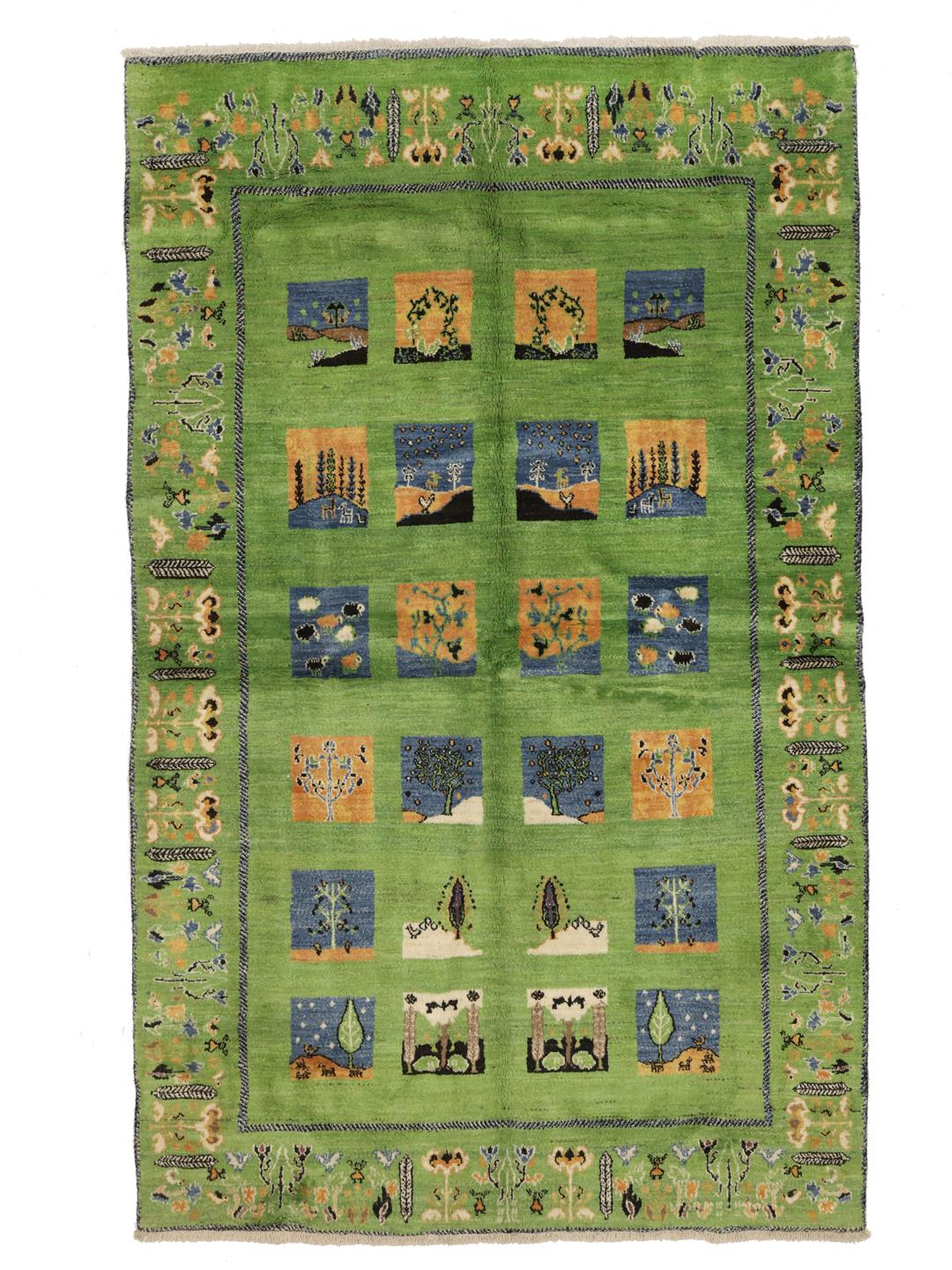
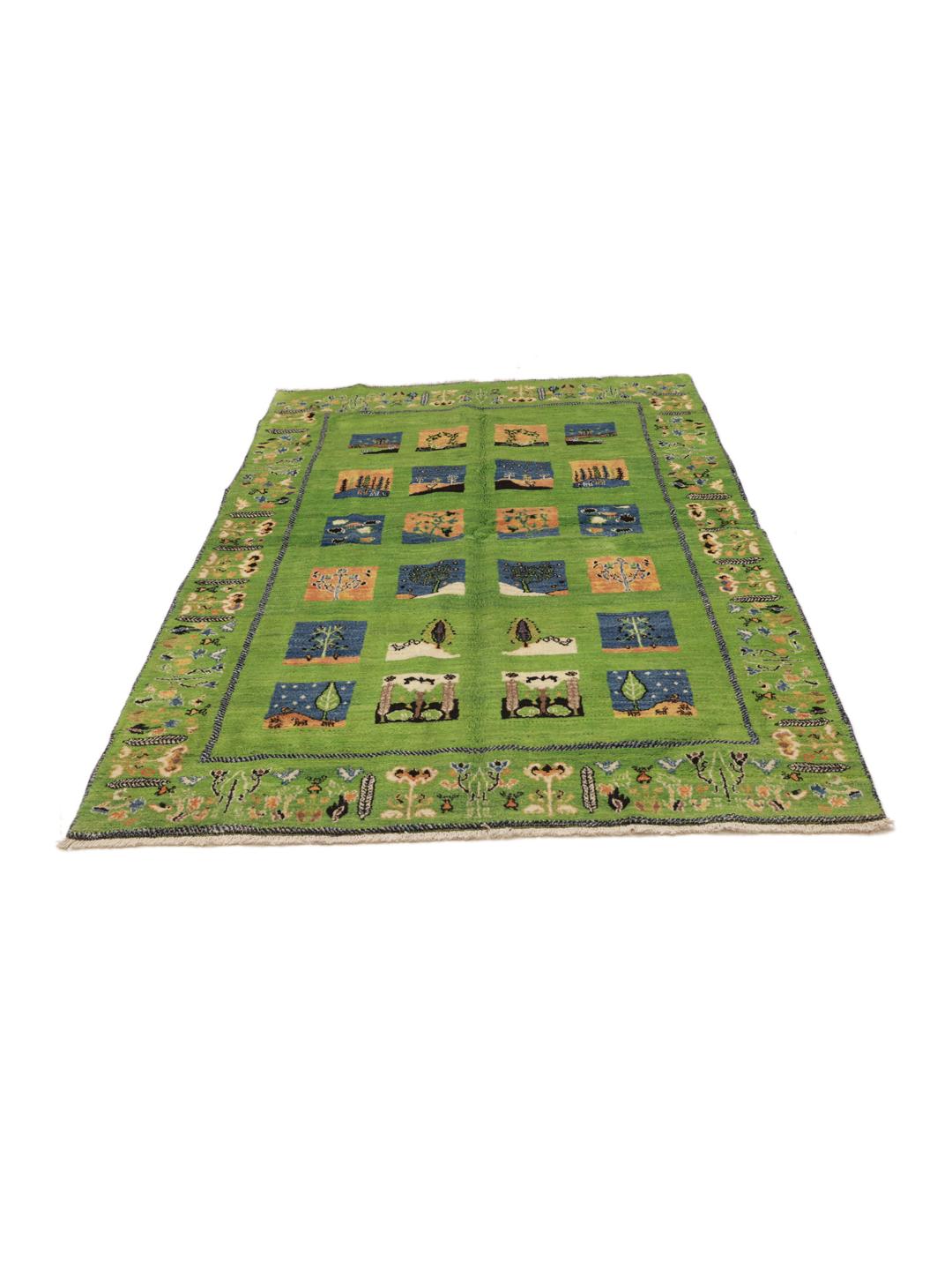
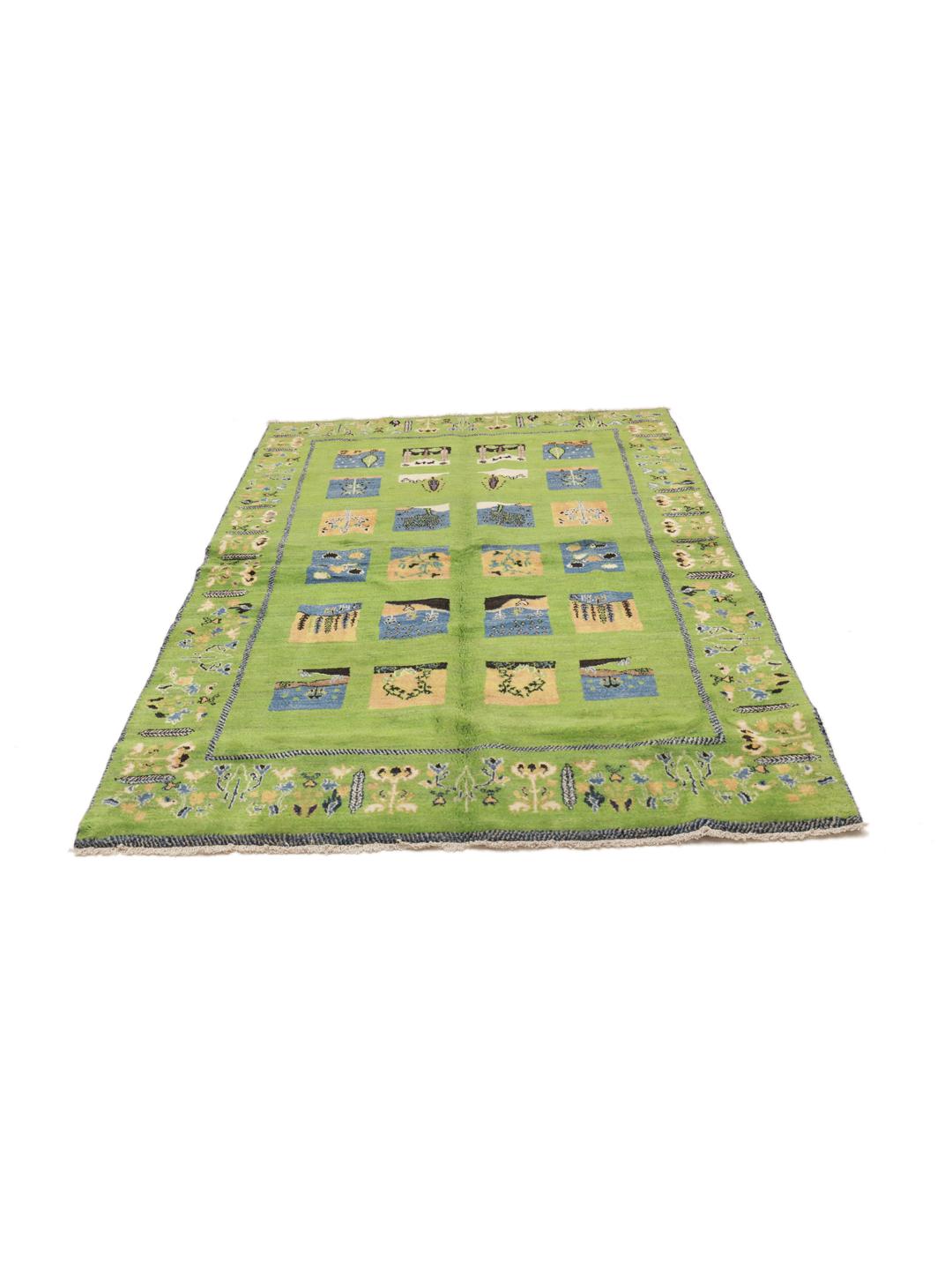
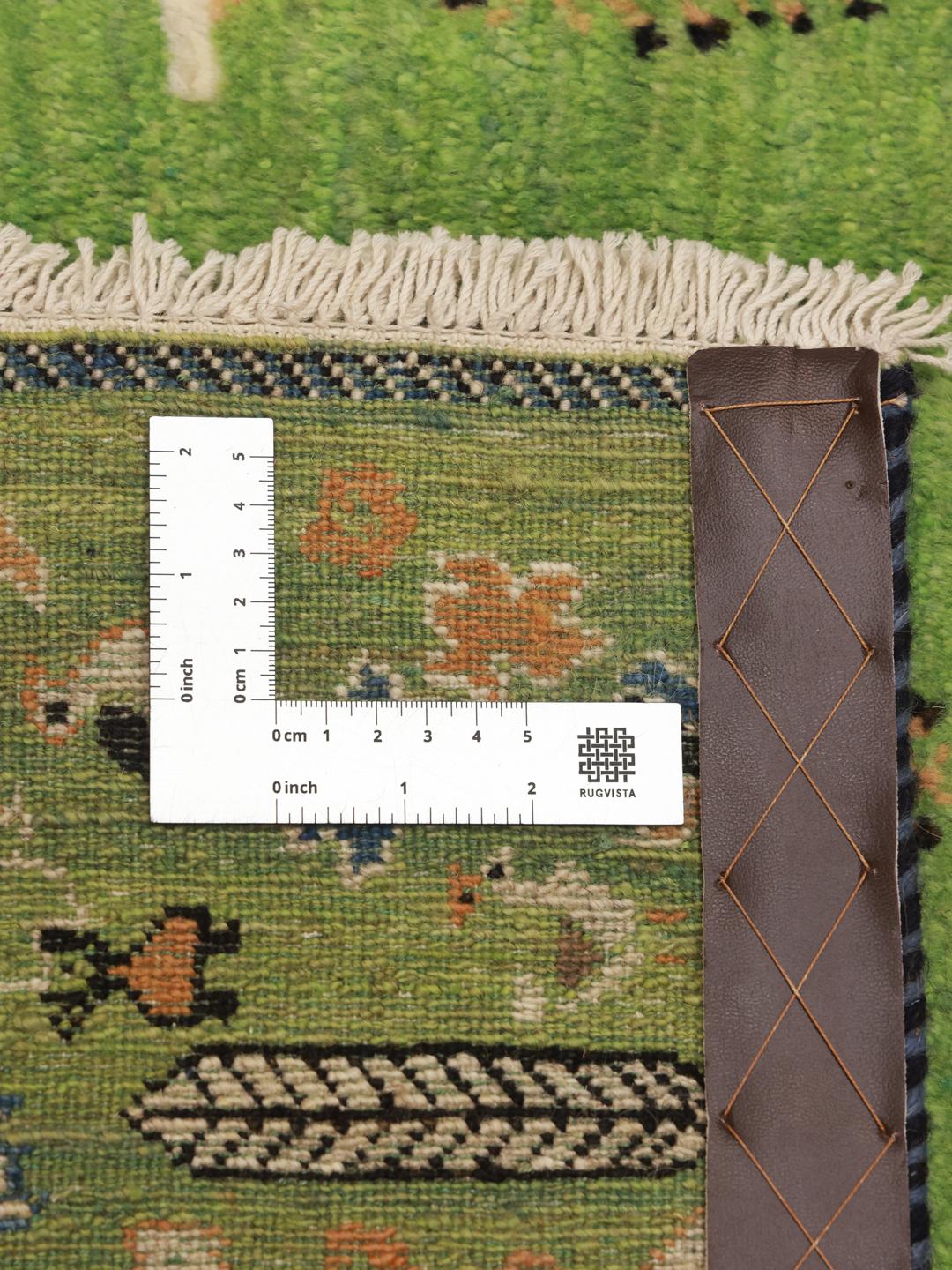
Gabbeh rugs have their roots in the nomadic traditions of the Middle East, where they were originally woven for personal use rather than for trade. Historically, these rugs were characterised by their thick, long pile and a design language that was deeply connected to the weaver's immediate environment and daily life. Over generations, they have evolved from purely utilitarian floor coverings into celebrated pieces of folk art.
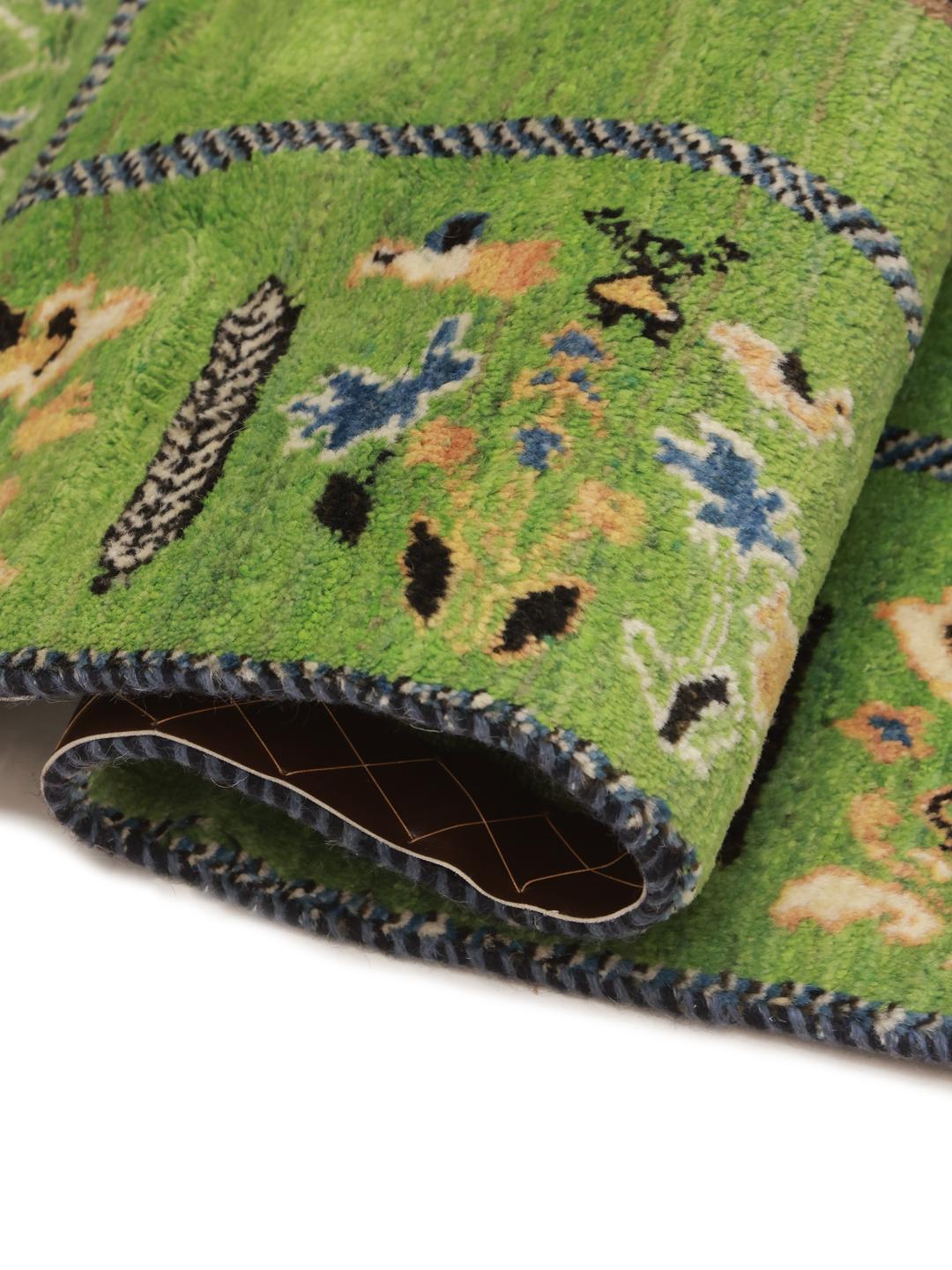
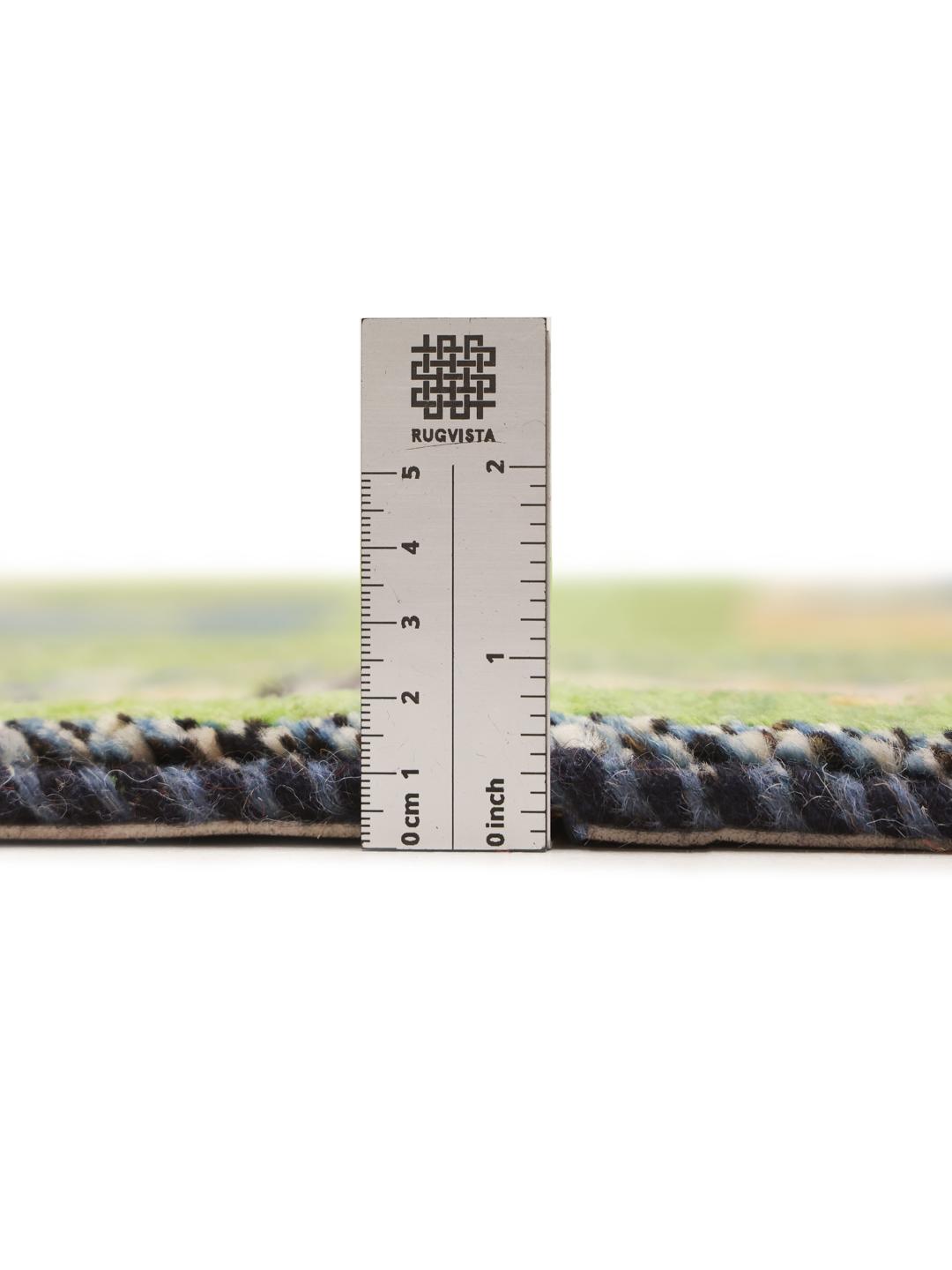
The term Gabbeh itself implies something raw, natural, or unclipped, reflecting the honest and straightforward approach to their construction. Weavers often used hand-spun wool, which can display natural variations in tone that add depth and character to the final piece. This focus on natural materials and a thicker weave creates a rug that is exceptionally comfortable and resilient.
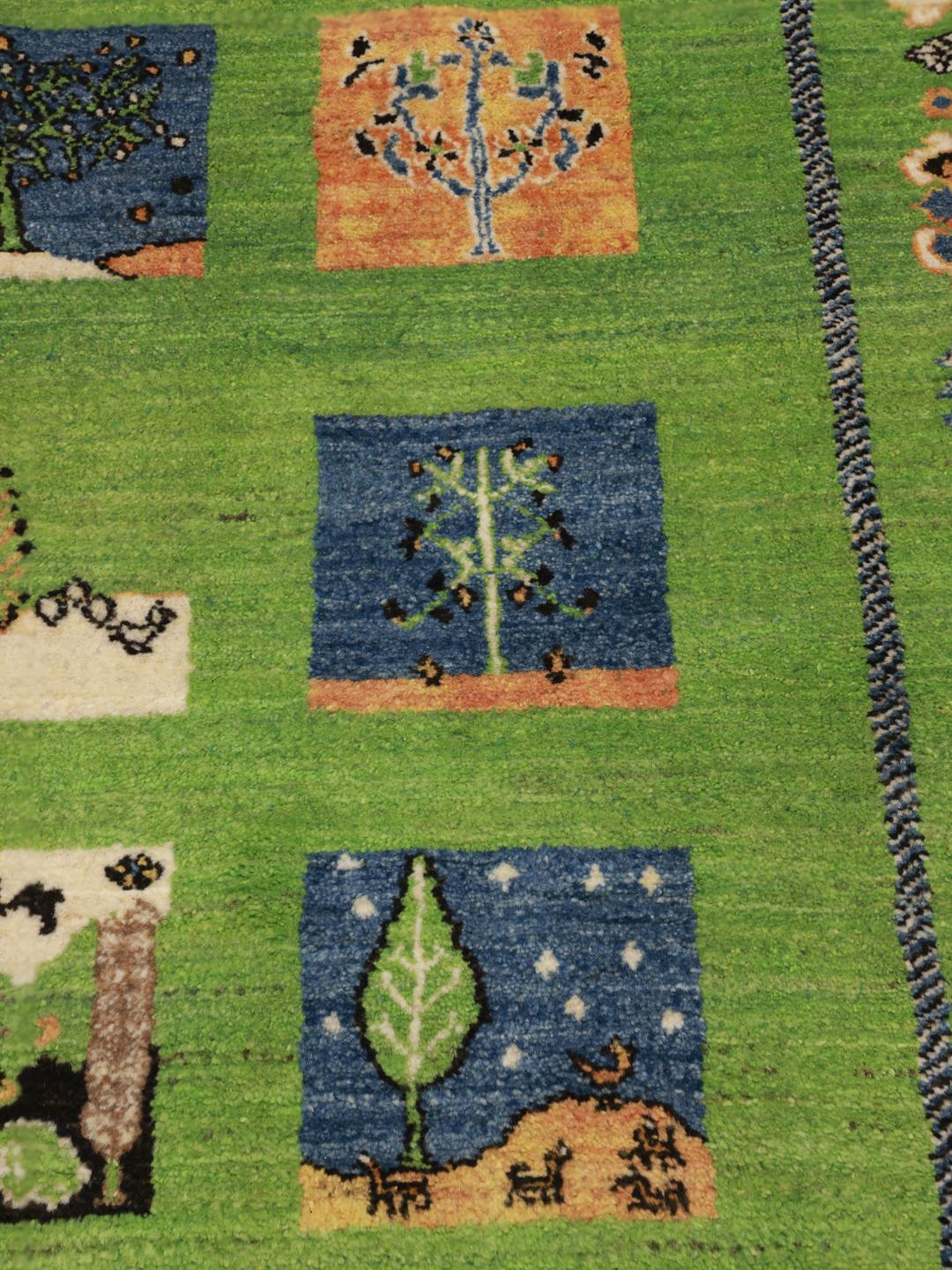
Design-wise, these rugs are famous for their bold, artistic, and often abstract approach. While many traditional rugs rely on rigid geometric patterns, Gabbeh rugs frequently incorporate pictorial motifs such as animals, stylised trees, and mountain scenes. These elements are often arranged in a spontaneous, improvisational manner, allowing the weaver to express a personal or cultural narrative within the frame of the rug.
Owning a piece from this tradition is an opportunity to connect with a history of nomadic craft. These rugs are highly valued by collectors for their authenticity and the sheer human effort required to create them. Because they are rarely made to a strict pattern, every rug serves as a document of the weaver's imagination, ensuring that each piece remains a distinct cultural treasure.