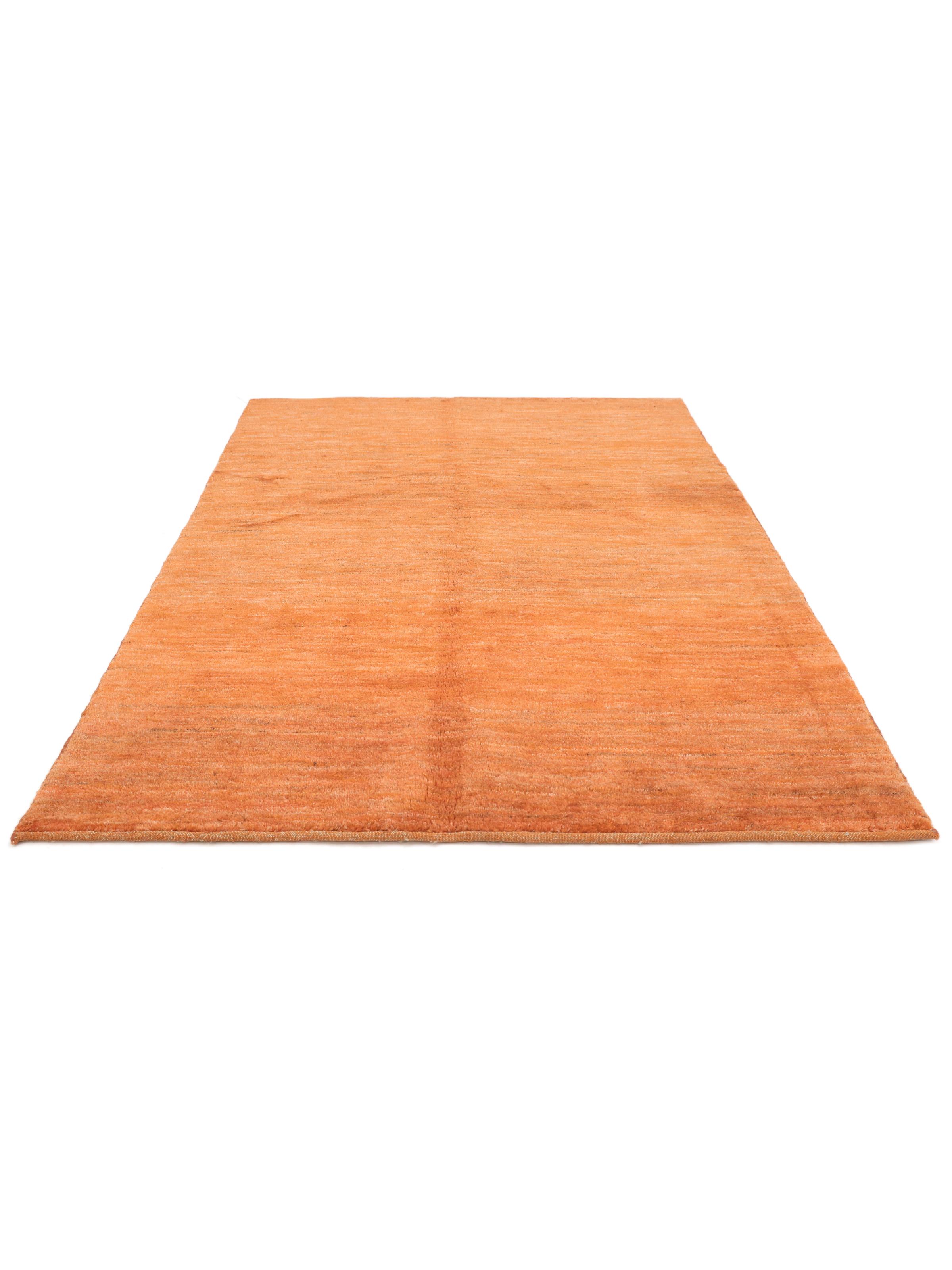
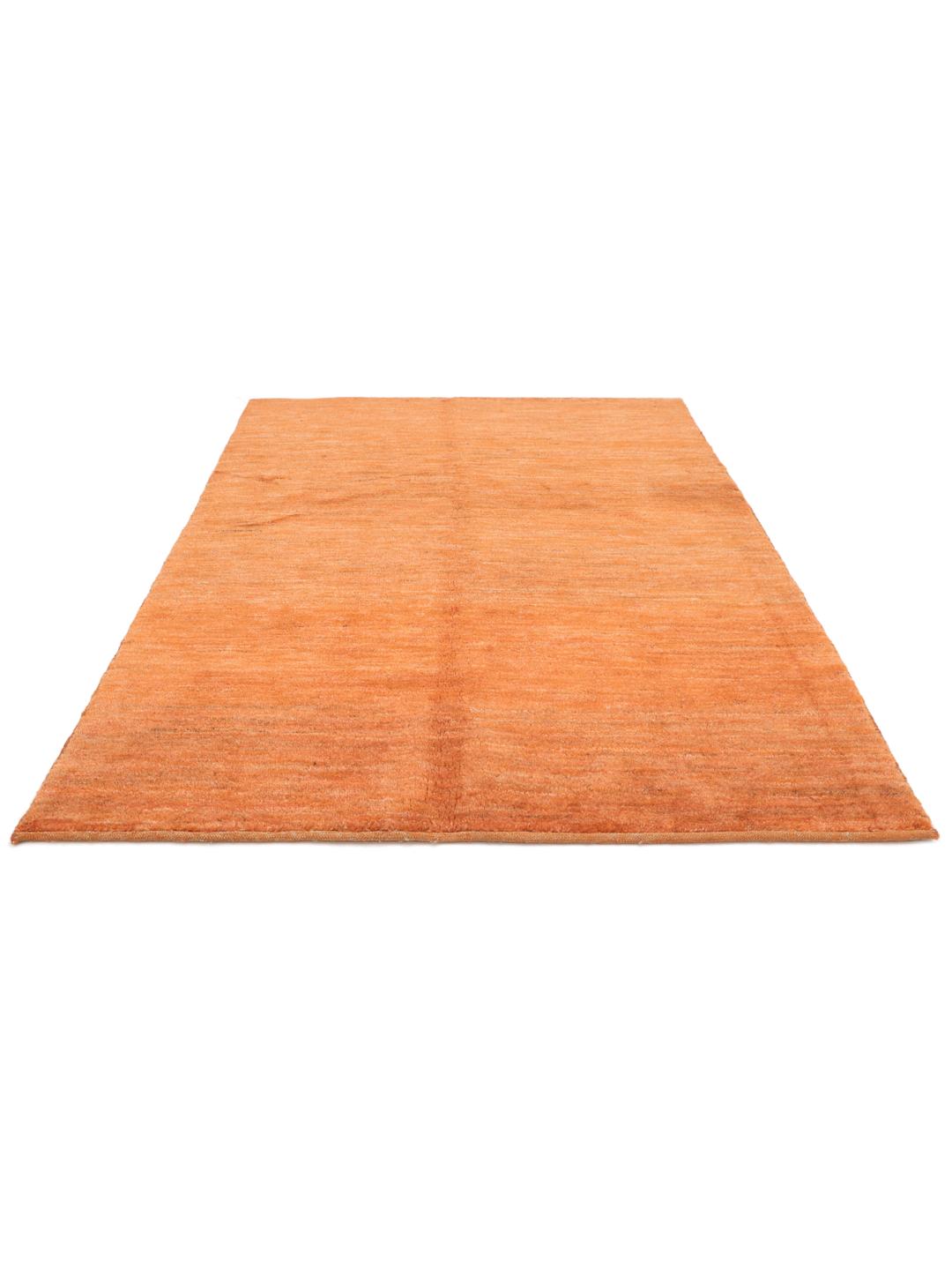
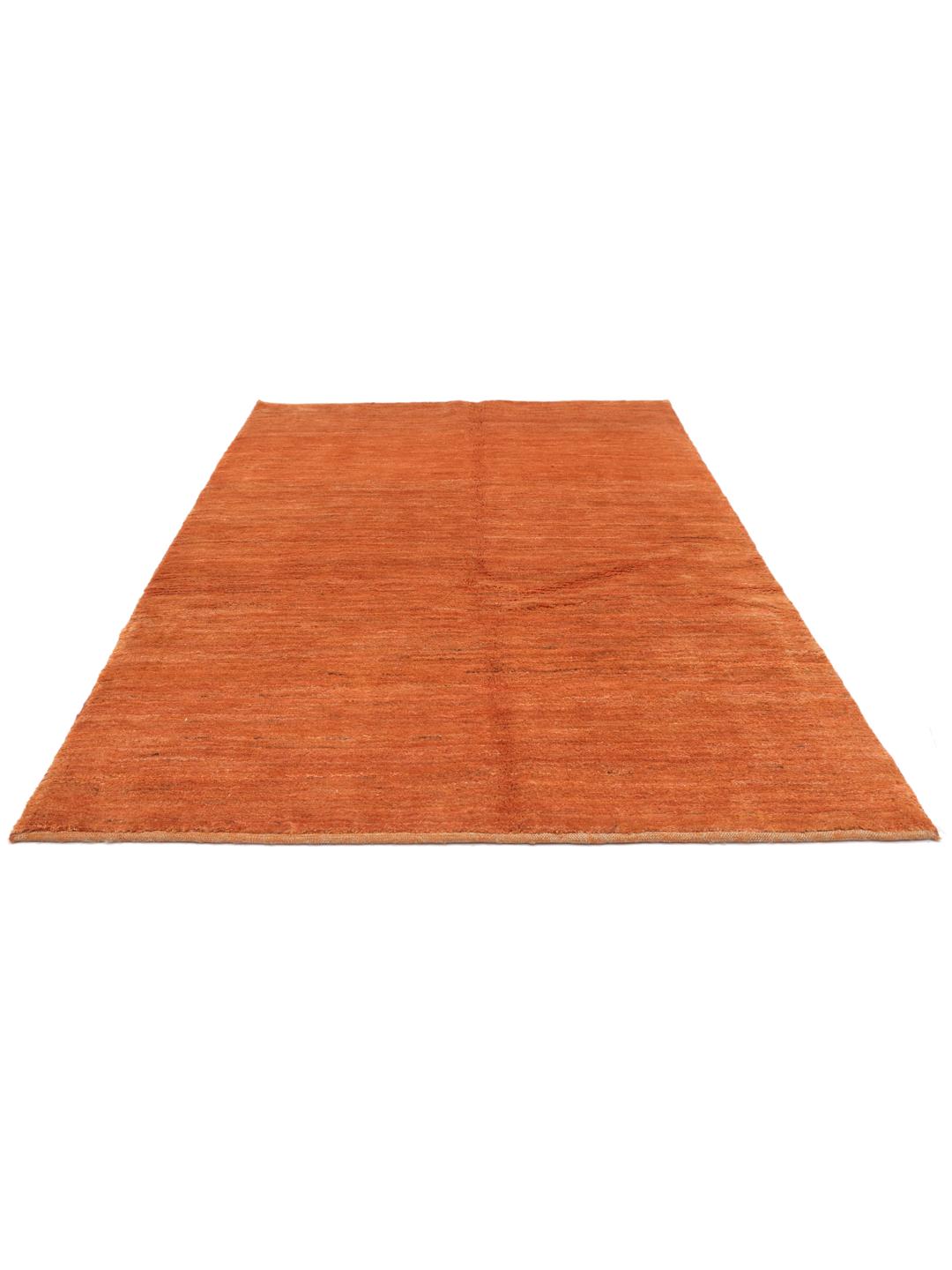
Gabbeh rugs have a long and storied history, originating from the nomadic tribes of the Middle East. Traditionally, these rugs were woven by tribal women for their own personal use, serving as thick, protective floor coverings against the cold desert ground. Unlike more formal urban rugs, Gabbeh designs were deeply personal, often reflecting the surroundings, folklore, and emotions of the weaver.
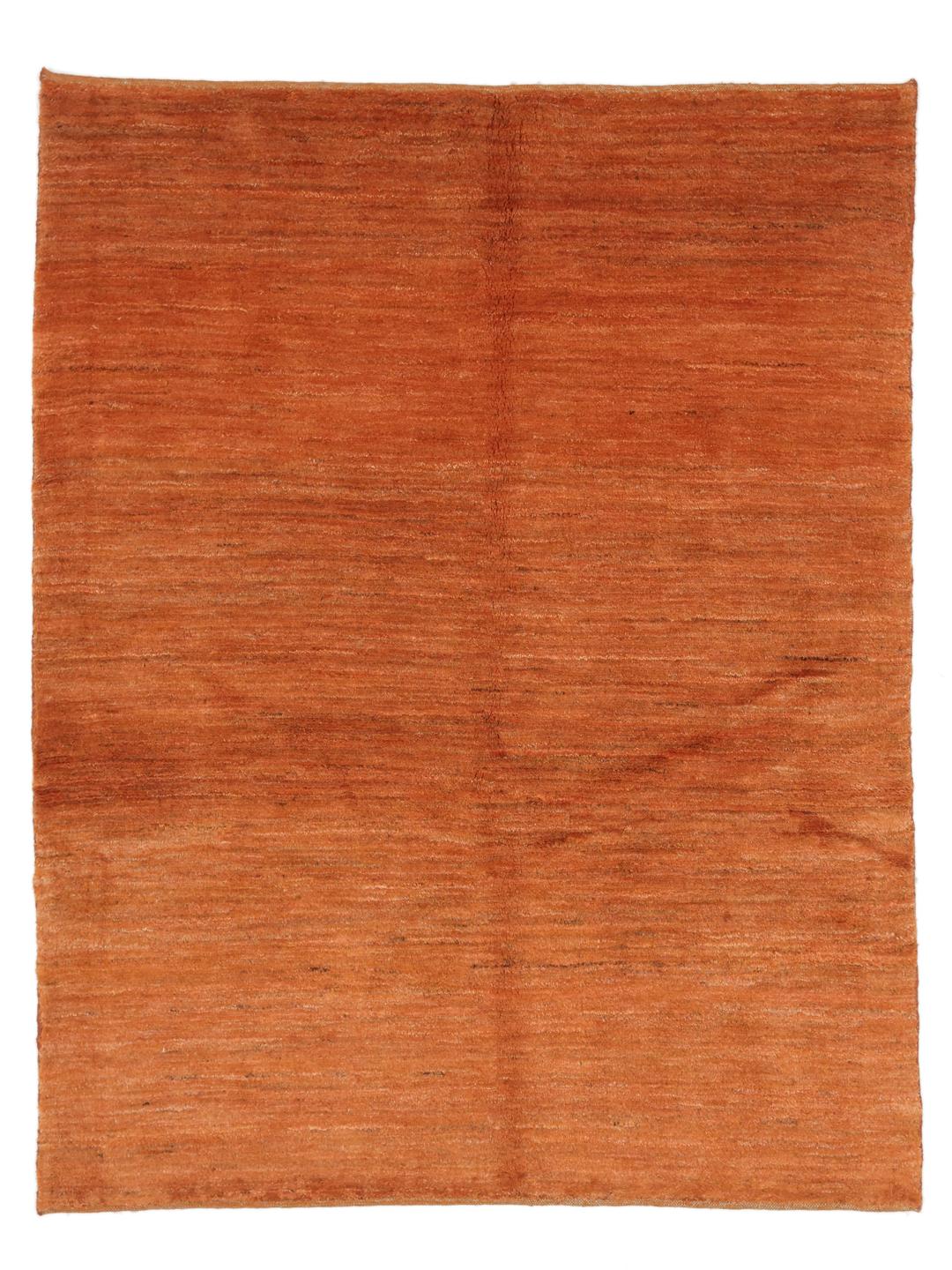
The term Gabbeh itself means 'raw' or 'natural' in the local dialect, which perfectly describes the aesthetic of these pieces. They are known for their minimalist, often abstract, and highly expressive designs that favour bold fields of colour over complex, symmetrical patterns. This simplicity is what makes them so sought after in modern interior design.
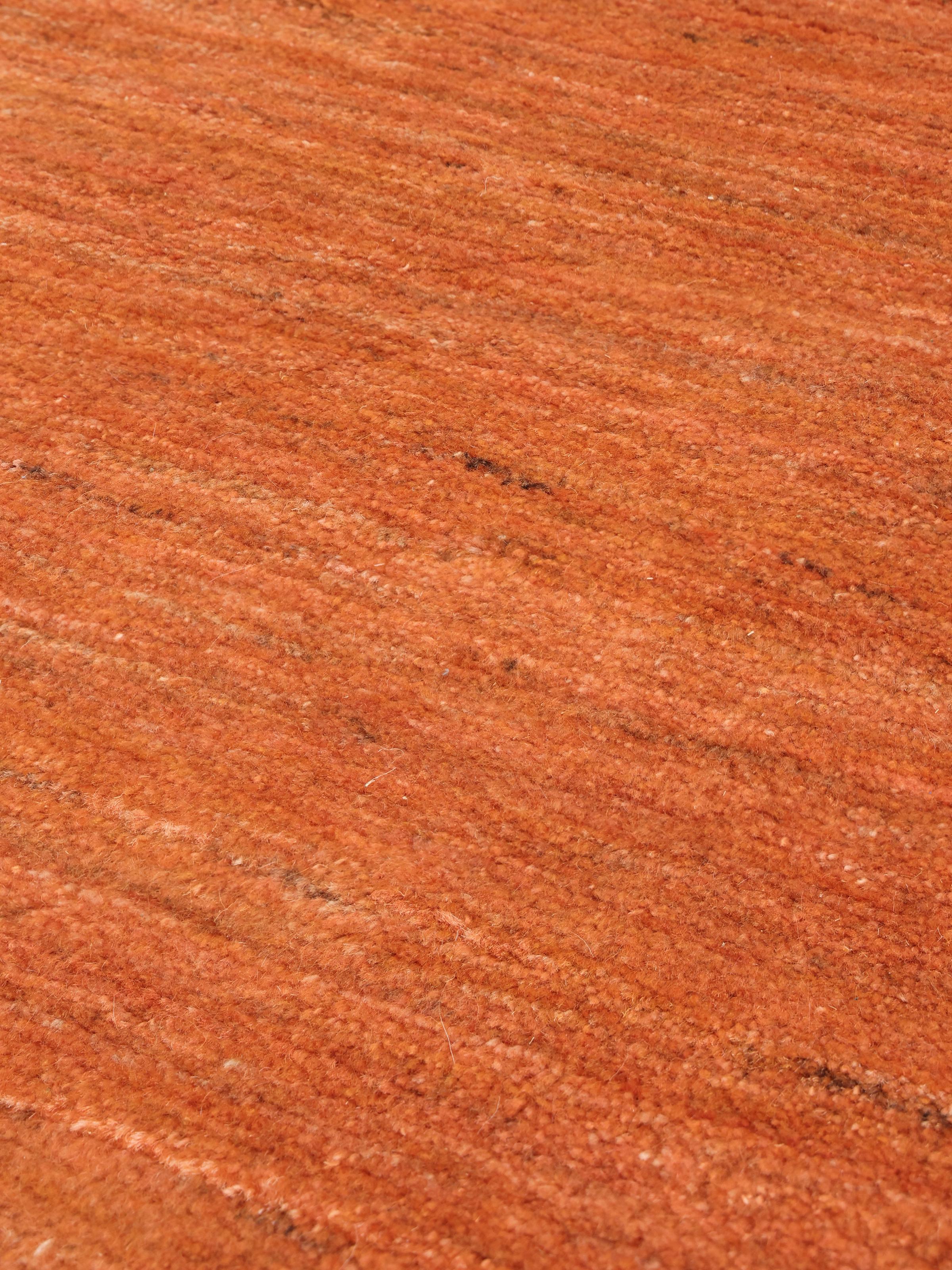
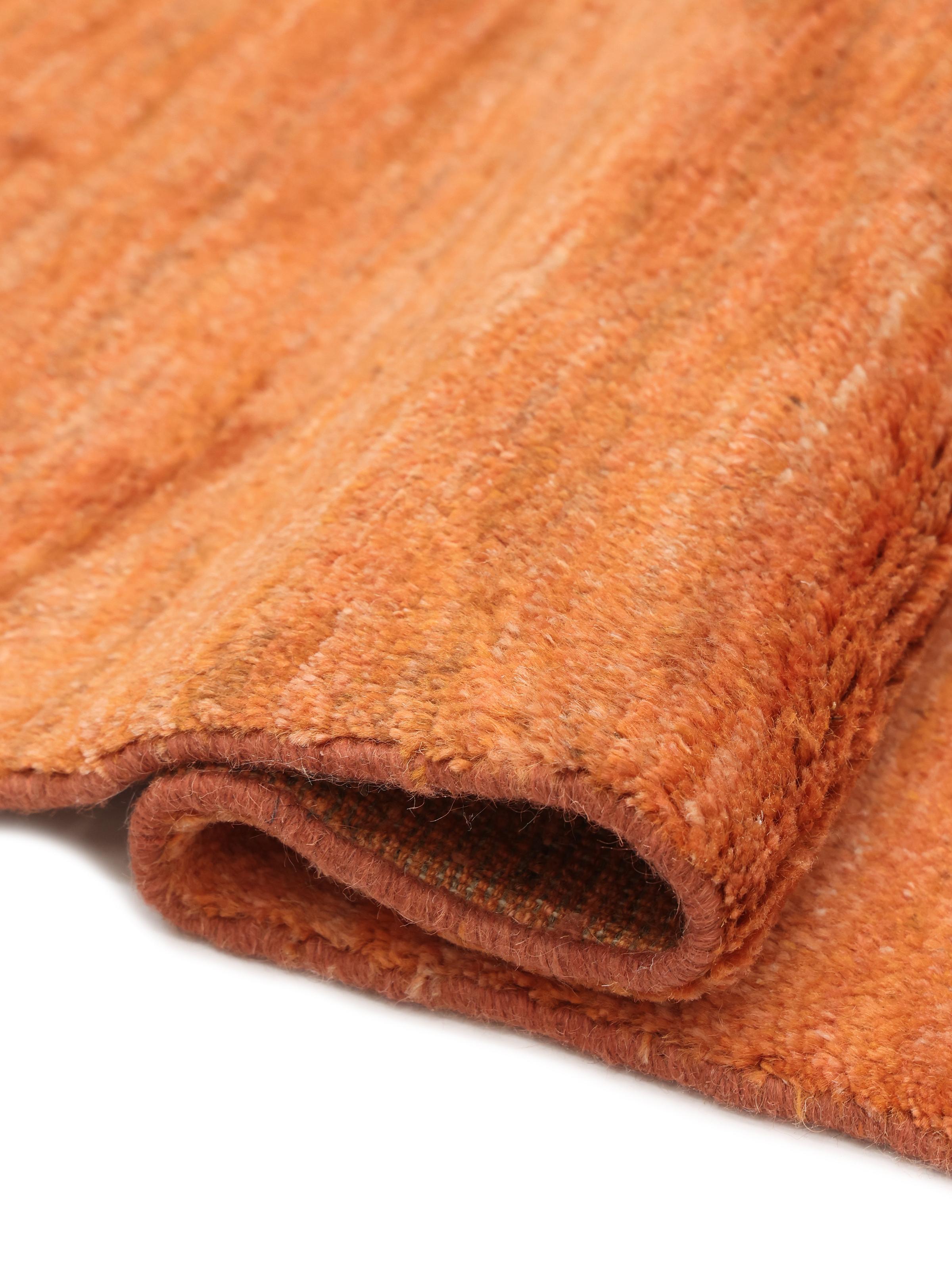
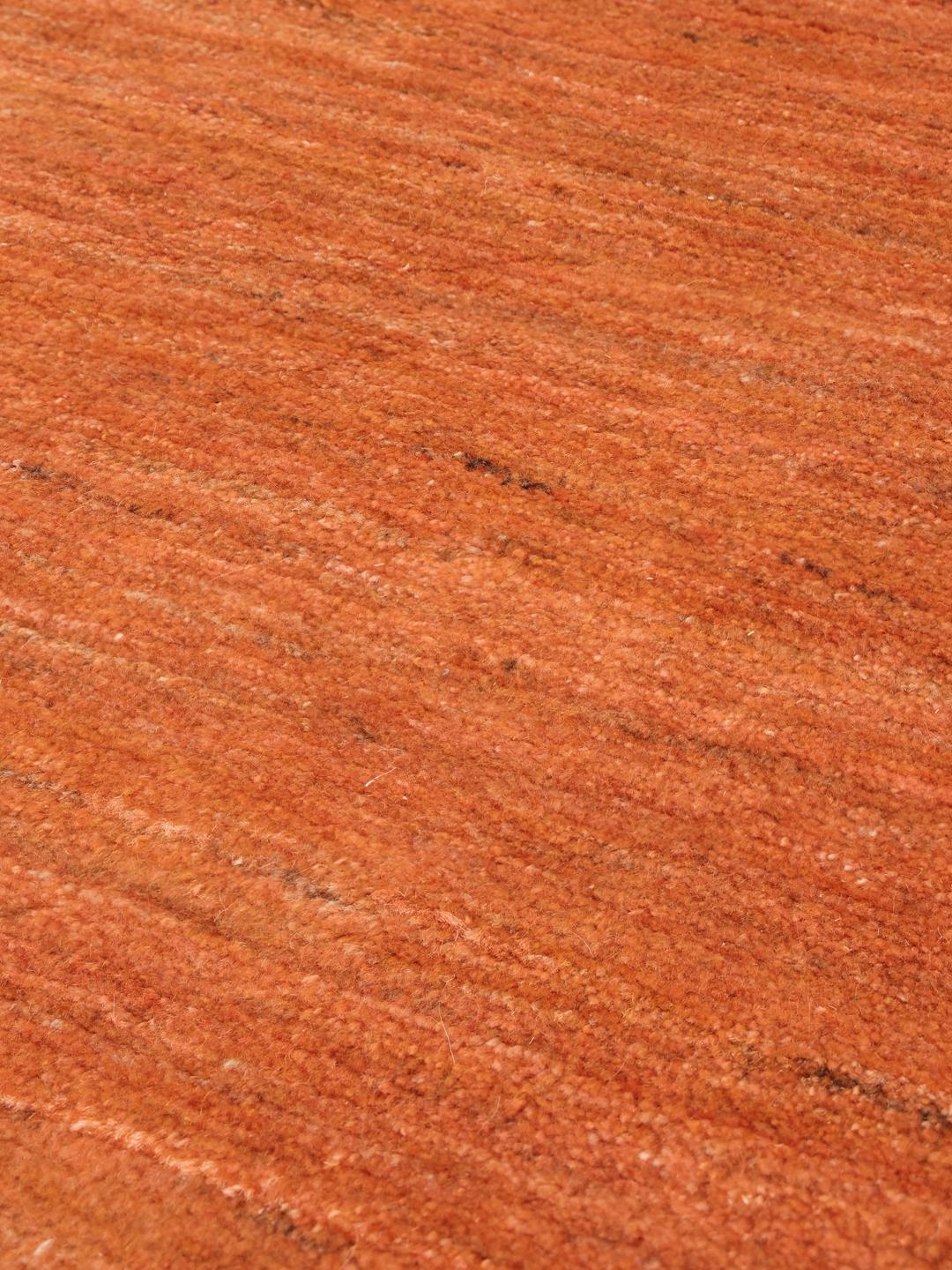
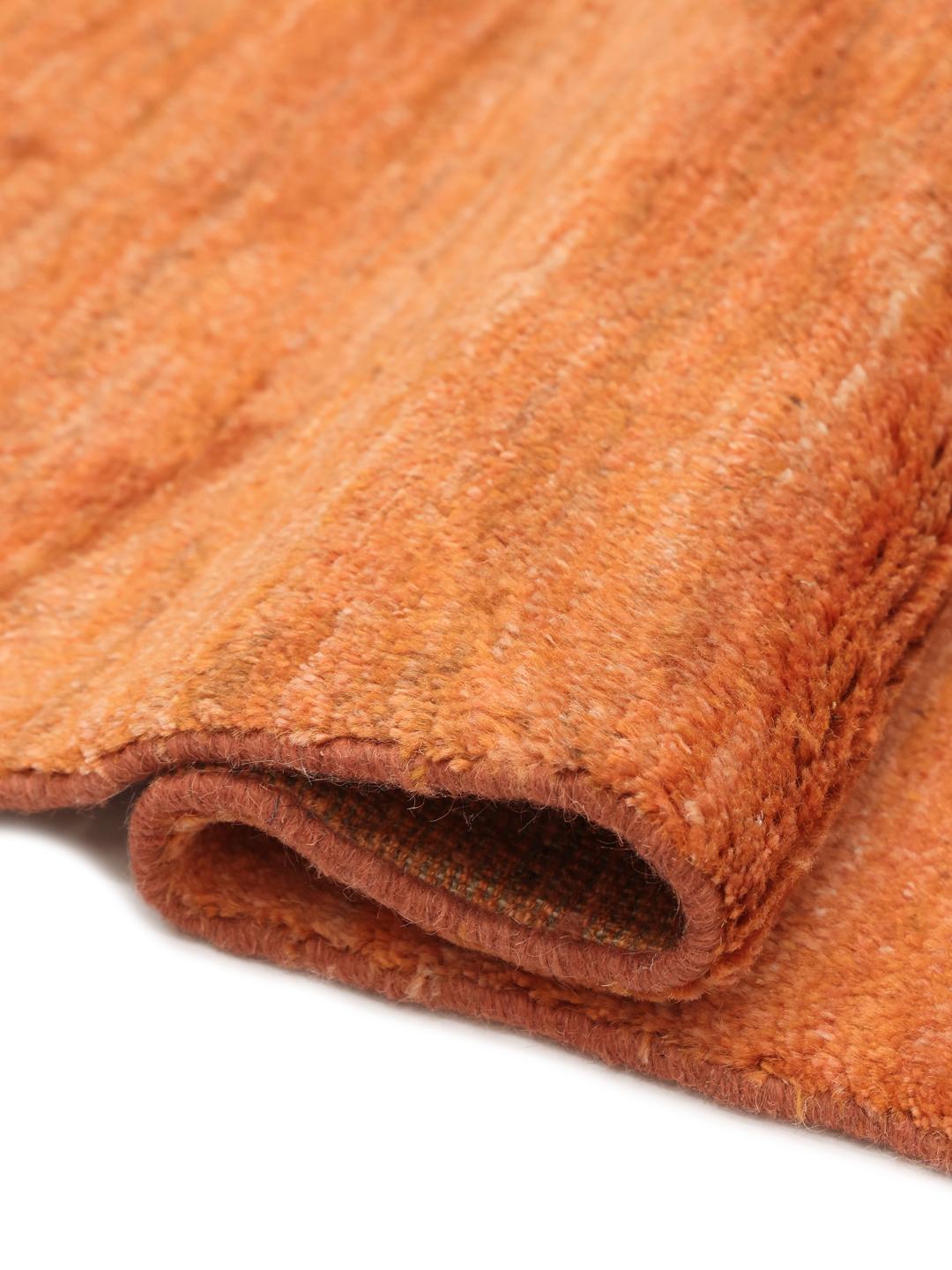
The craft relies on the use of hand-spun Wool, which is often dyed using natural pigments gathered from local plants and minerals. This gives the Wool a unique depth of colour and a soft, tactile quality that machine-made alternatives cannot replicate. The variations in shade, known as abrash, are a hallmark of this tradition and are considered a sign of authentic, natural dyeing processes.
Today, owning a Gabbeh rug is about more than just decor; it is about connecting with a heritage of nomadic artistry. These rugs are highly valued by collectors for their individuality and the way they celebrate the human touch. When you bring a Gabbeh into your home, you are keeping a centuries-old tradition of craft and storytelling alive.