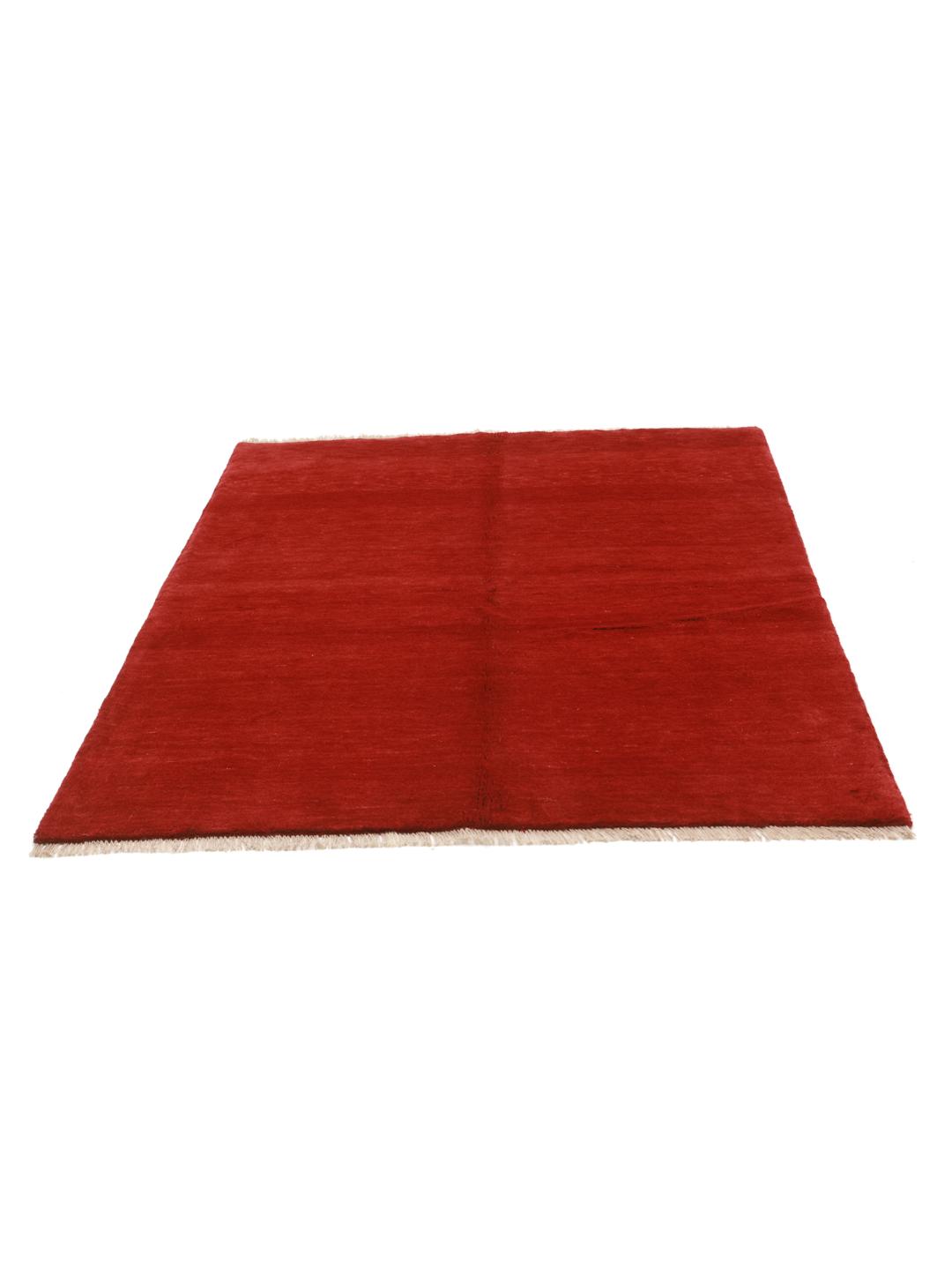
The Gabbeh rug originates from the nomadic tribes of the Middle East, where these pieces were traditionally woven for personal use rather than for trade. Unlike formal, intricate carpets, the Gabbeh was designed to provide essential warmth and comfort in the rugged, high-altitude environments where these tribes lived.
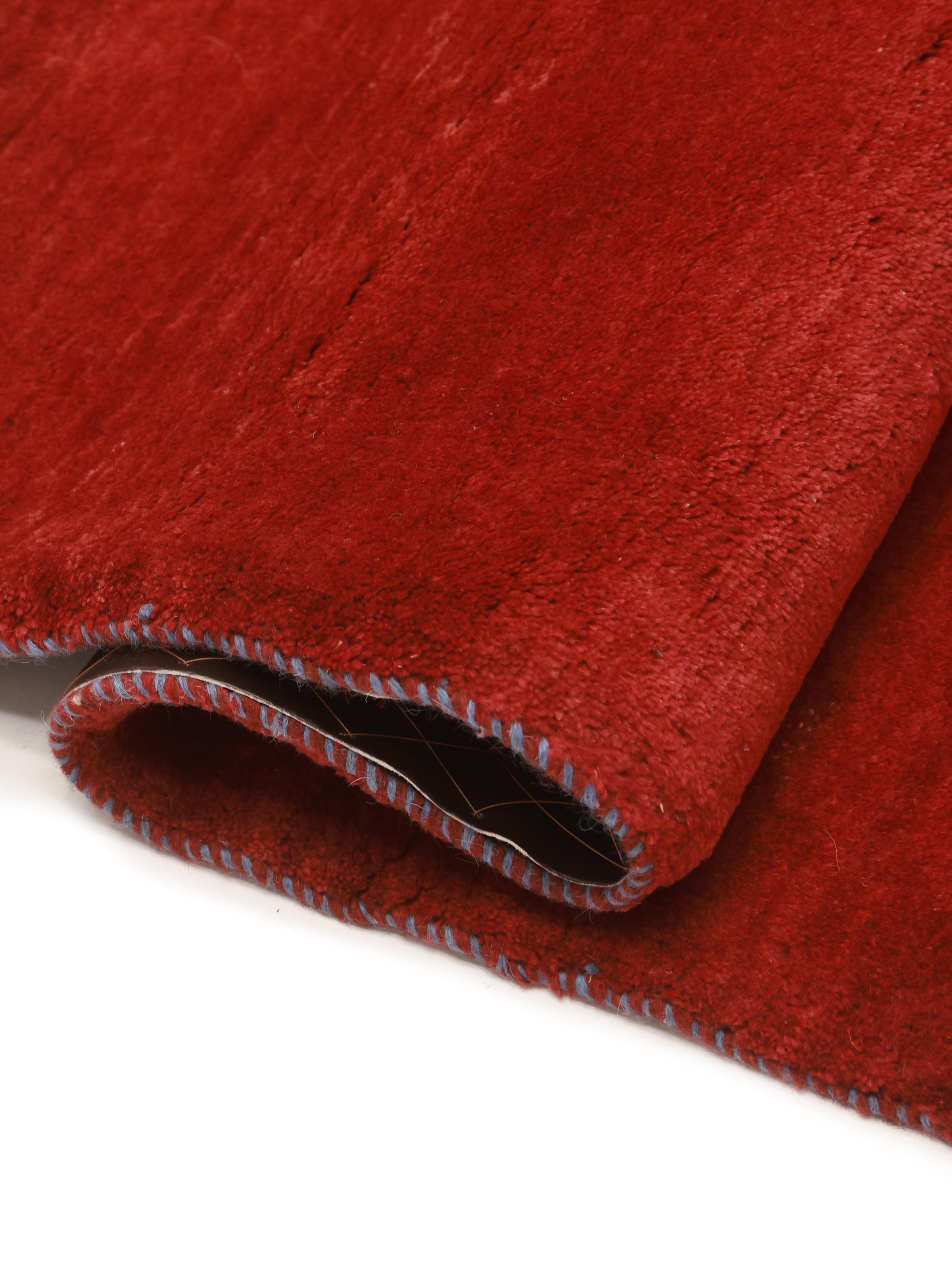
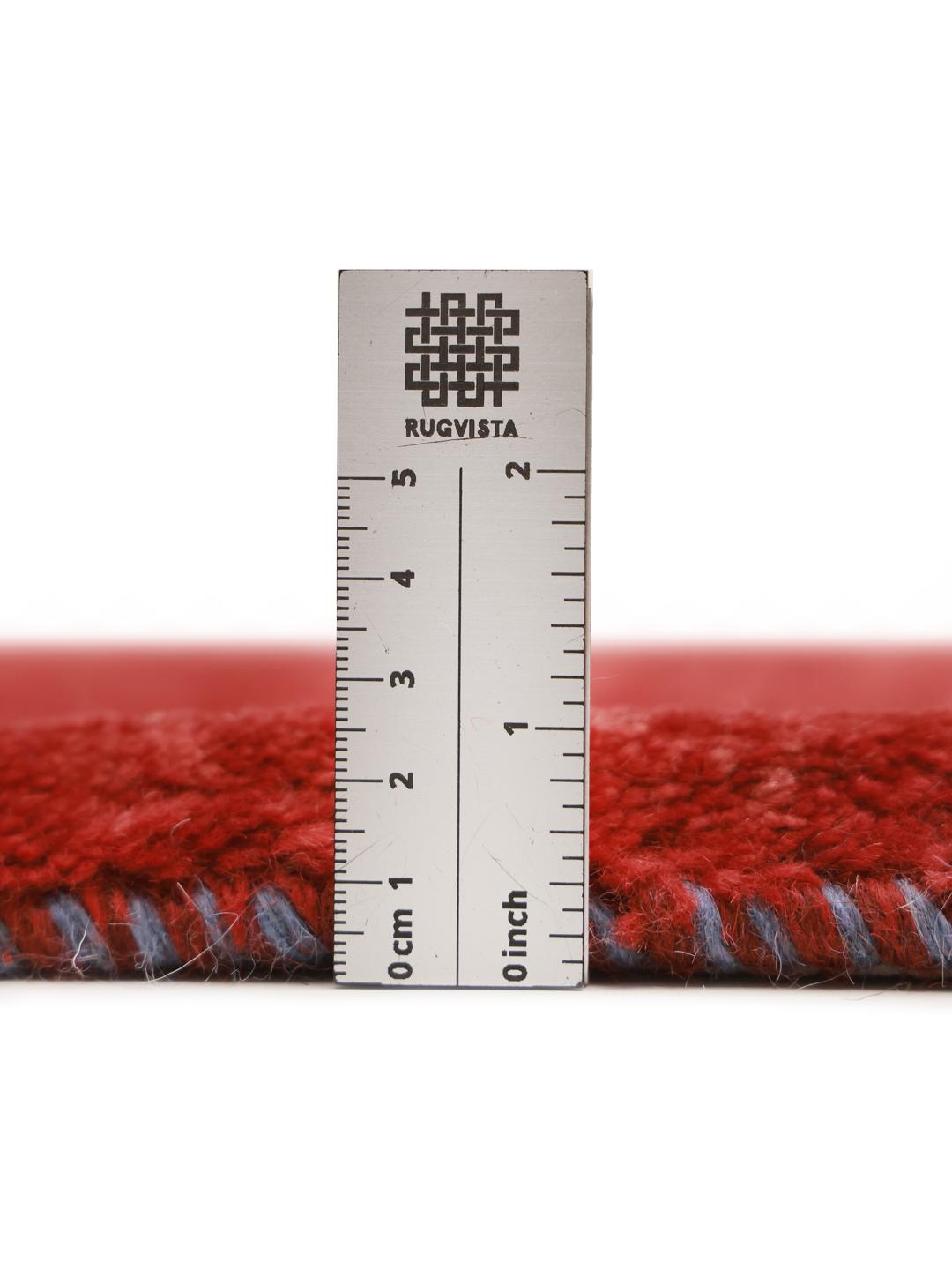
The term itself is deeply rooted in the nomadic tradition, often translating to 'raw', 'natural', or 'unclipped'. This reflects the historical approach to the craft, where the focus was placed on the tactile quality of the wool and the functional necessity of a thick, protective floor covering that could withstand harsh winters.
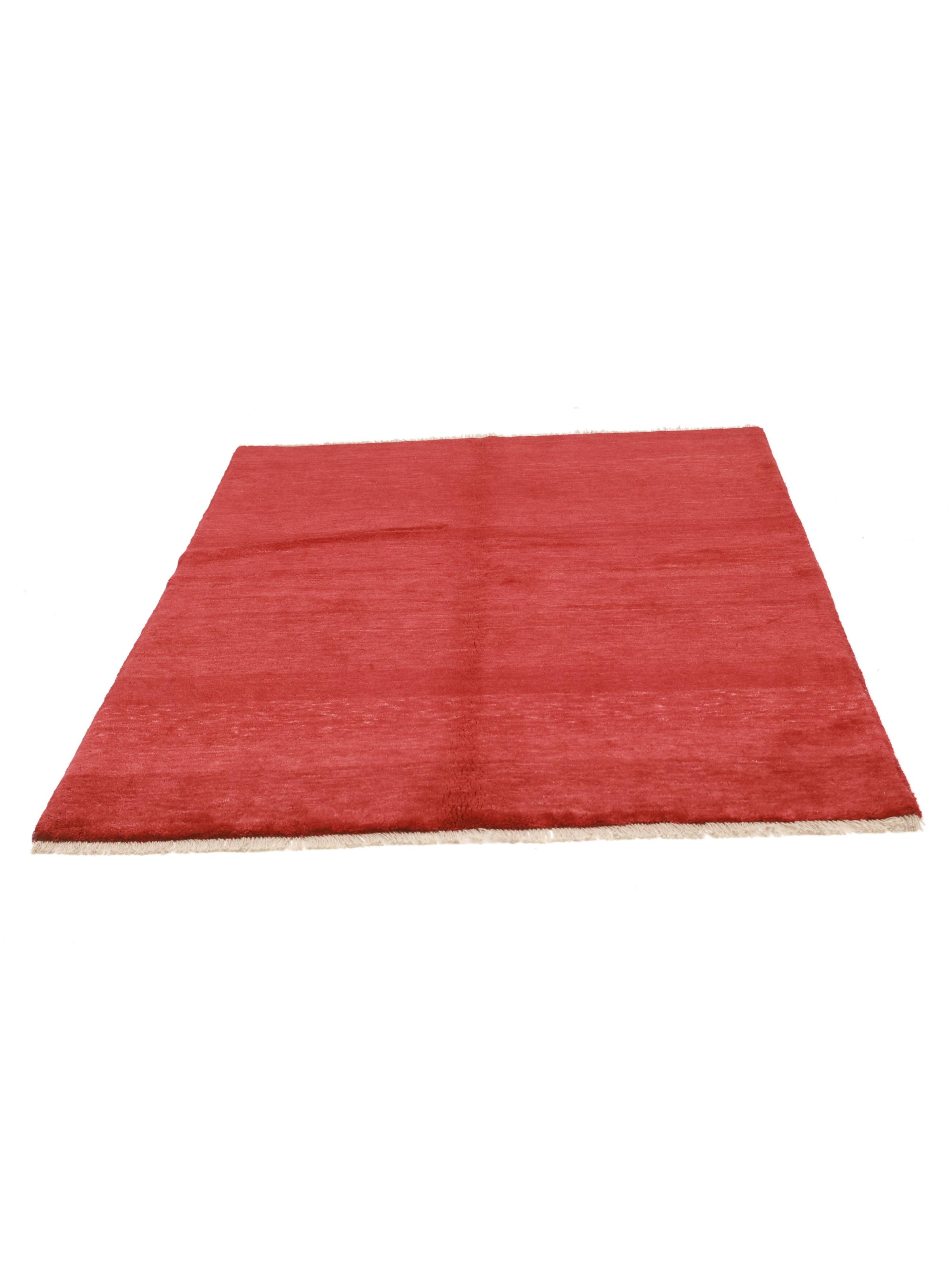
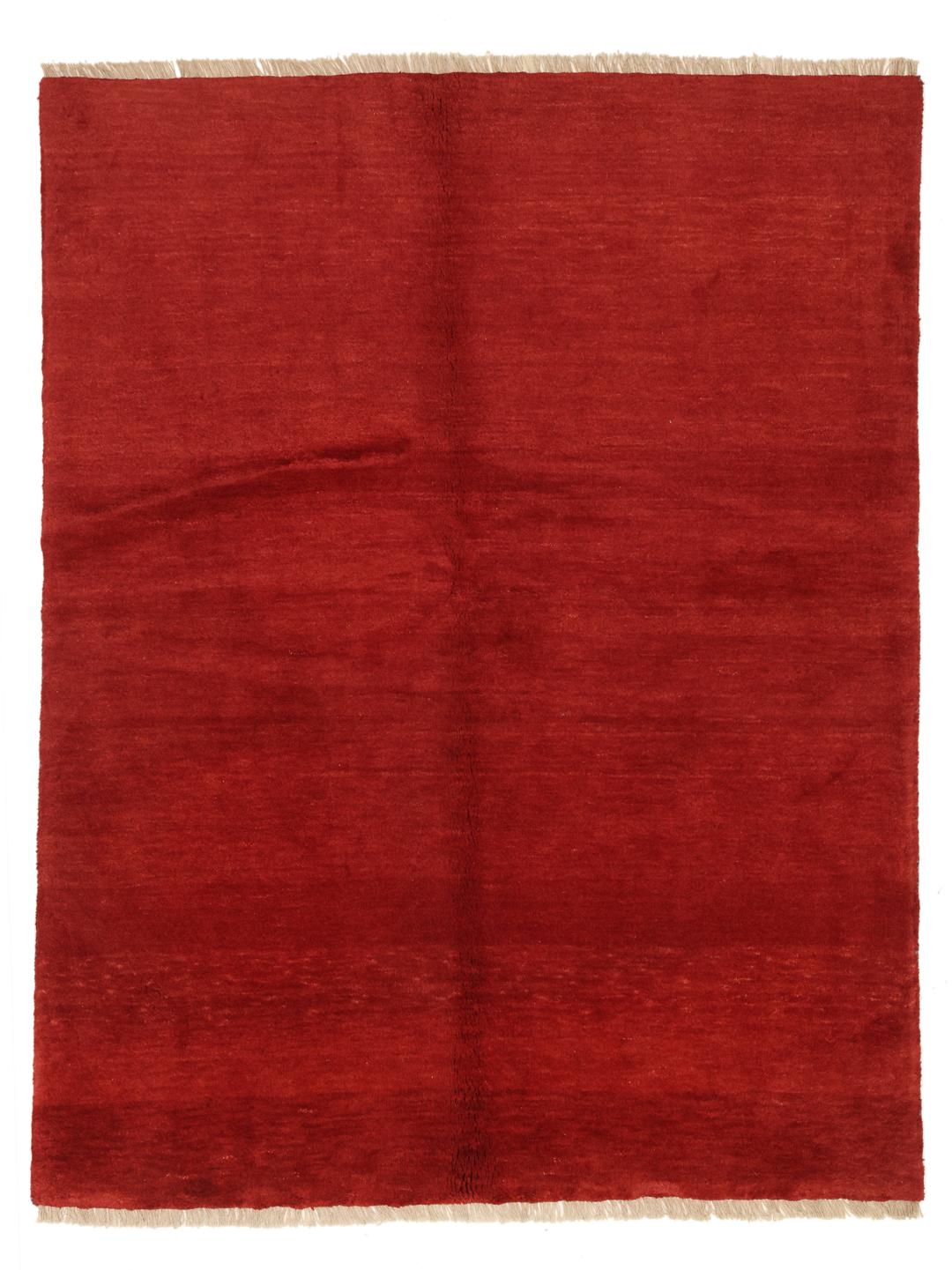
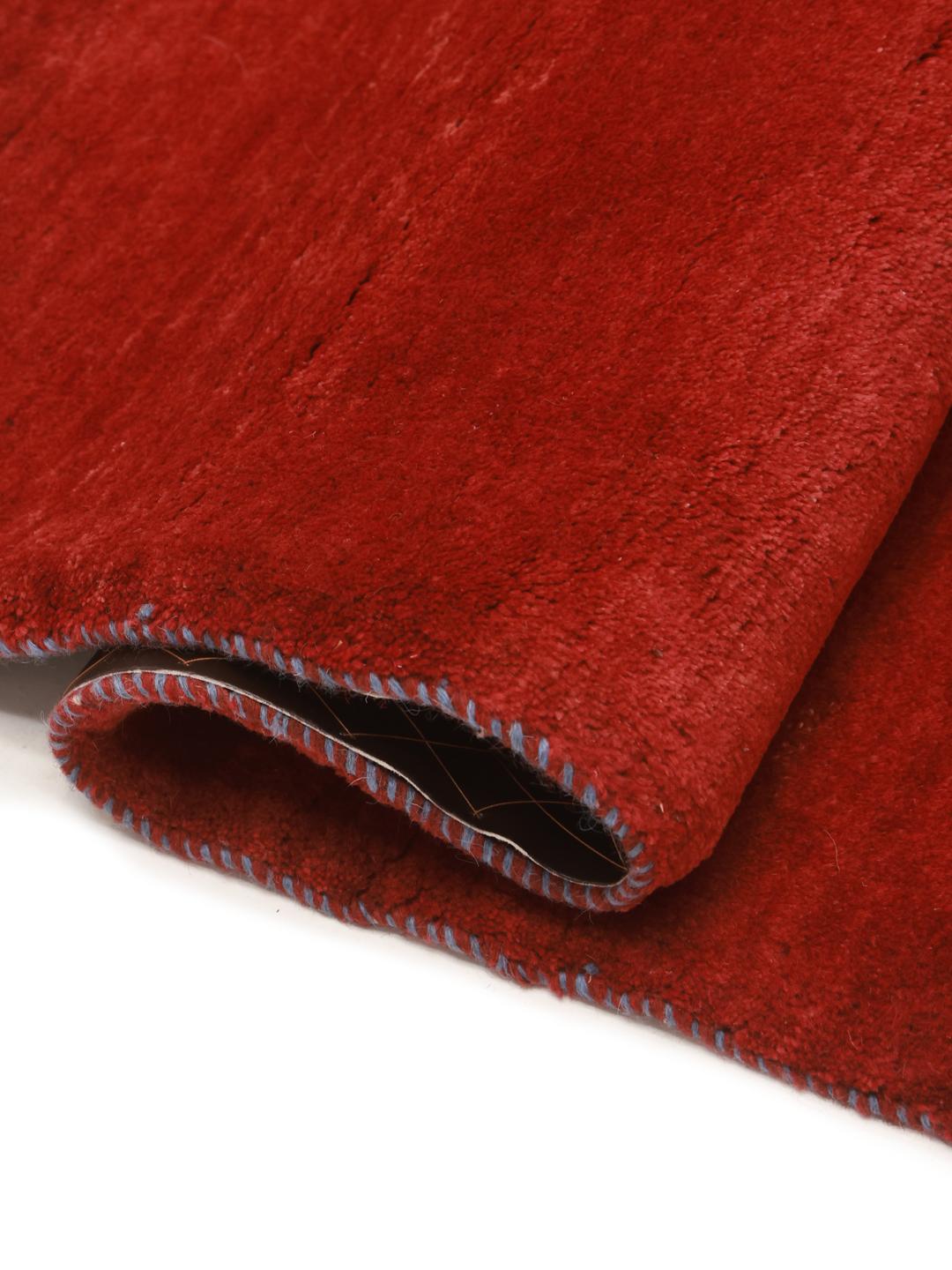
Visually, these rugs are celebrated for their artistic simplicity and bold use of colour. While traditional designs often featured sparse, symbolic motifs, many modern examples like this one emphasise expansive, solid fields of colour, allowing the natural lustre and depth of the wool to take centre stage.
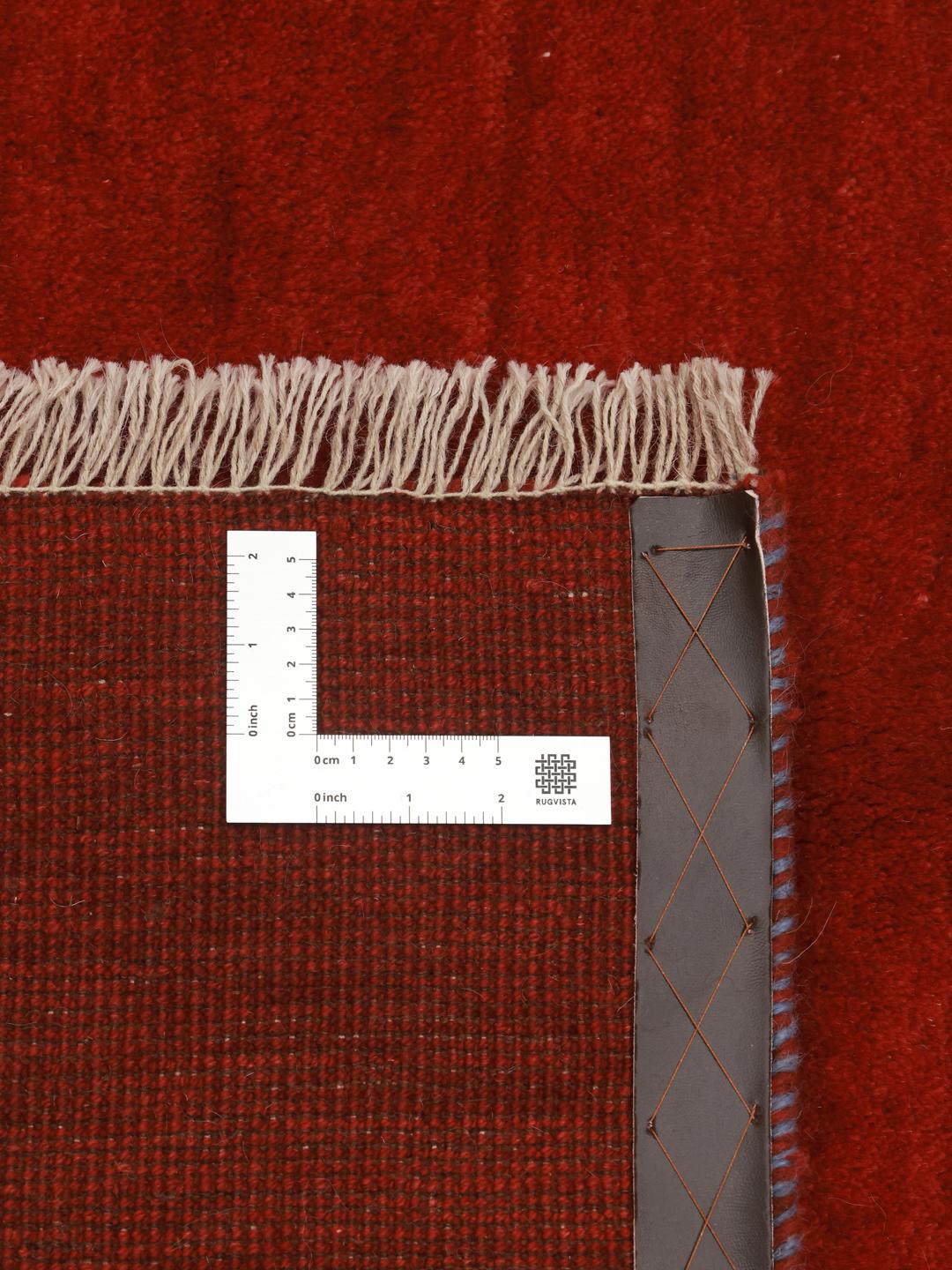
Today, these rugs are highly sought after by collectors who value the authentic connection to nomadic history and the raw, unpretentious beauty of the craft. Owning a Gabbeh is about embracing a tradition that prioritises genuine human skill and the enduring quality of natural materials over industrial conformity.