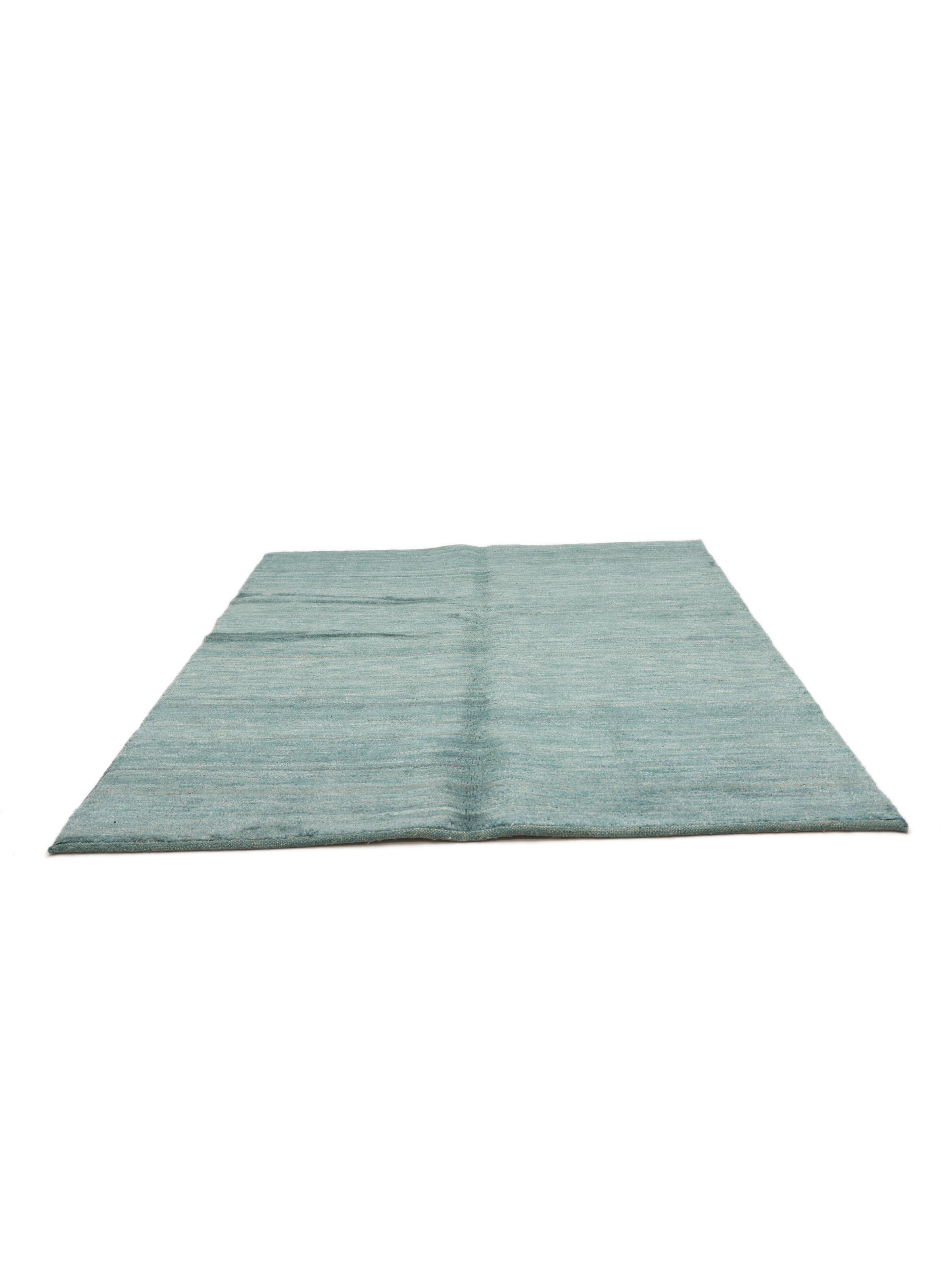
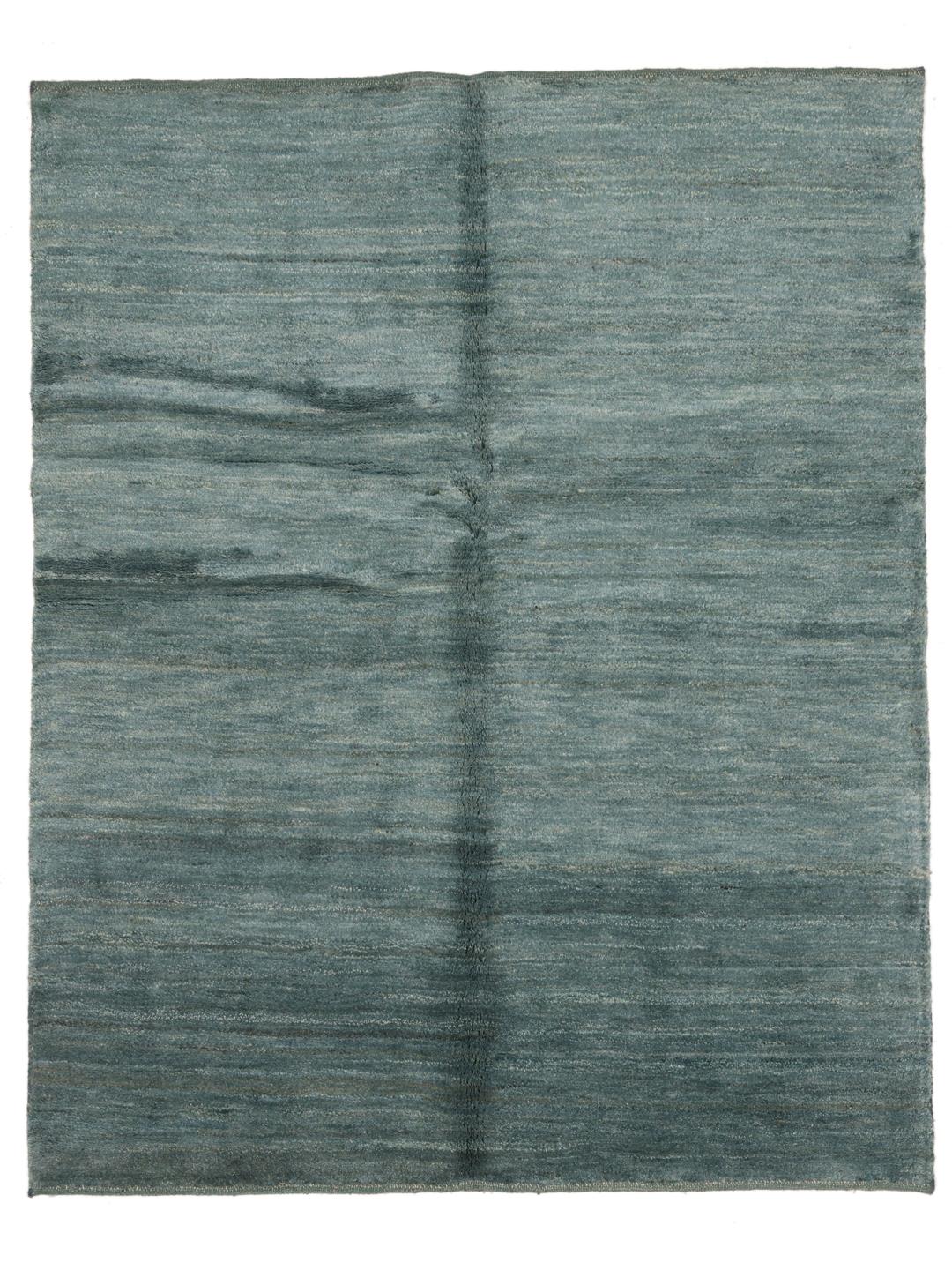
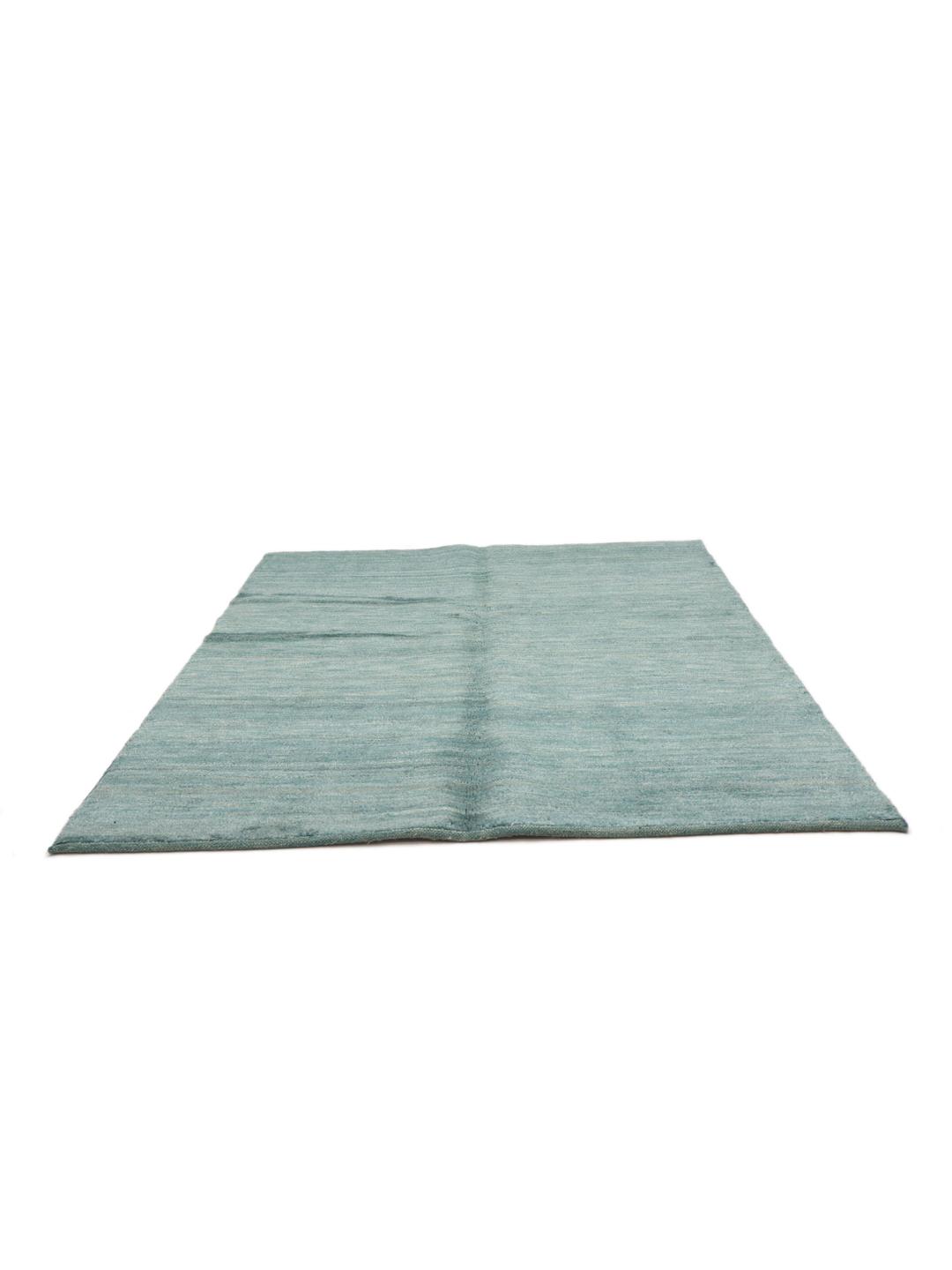
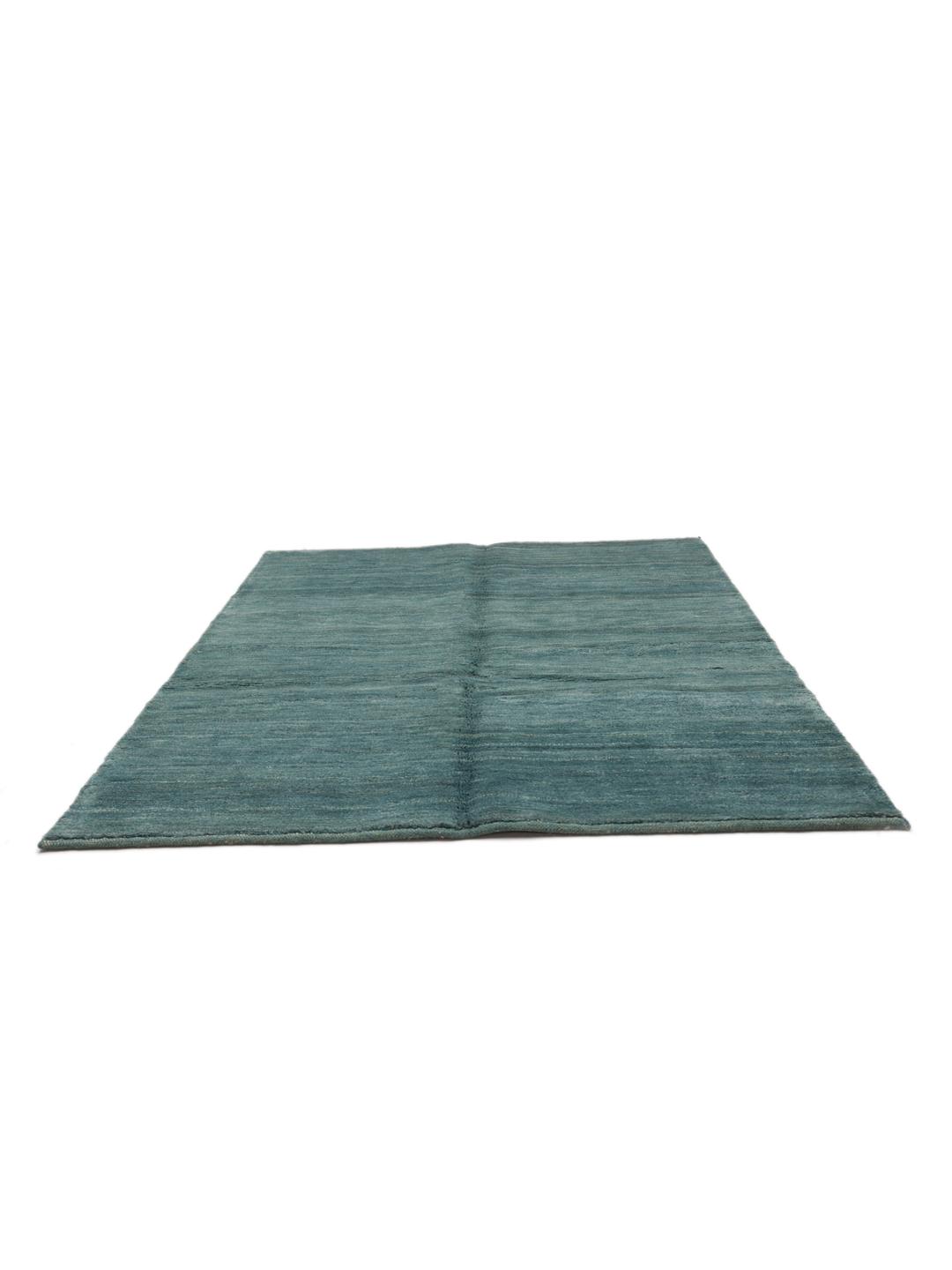
Gabbeh rugs have a storied history rooted in the nomadic traditions of the Middle Eastern tribal peoples. Historically, these rugs were woven by nomadic tribes not primarily for trade, but for personal use within the family tent to provide warmth, insulation against the cold ground, and a soft place to sit or sleep.
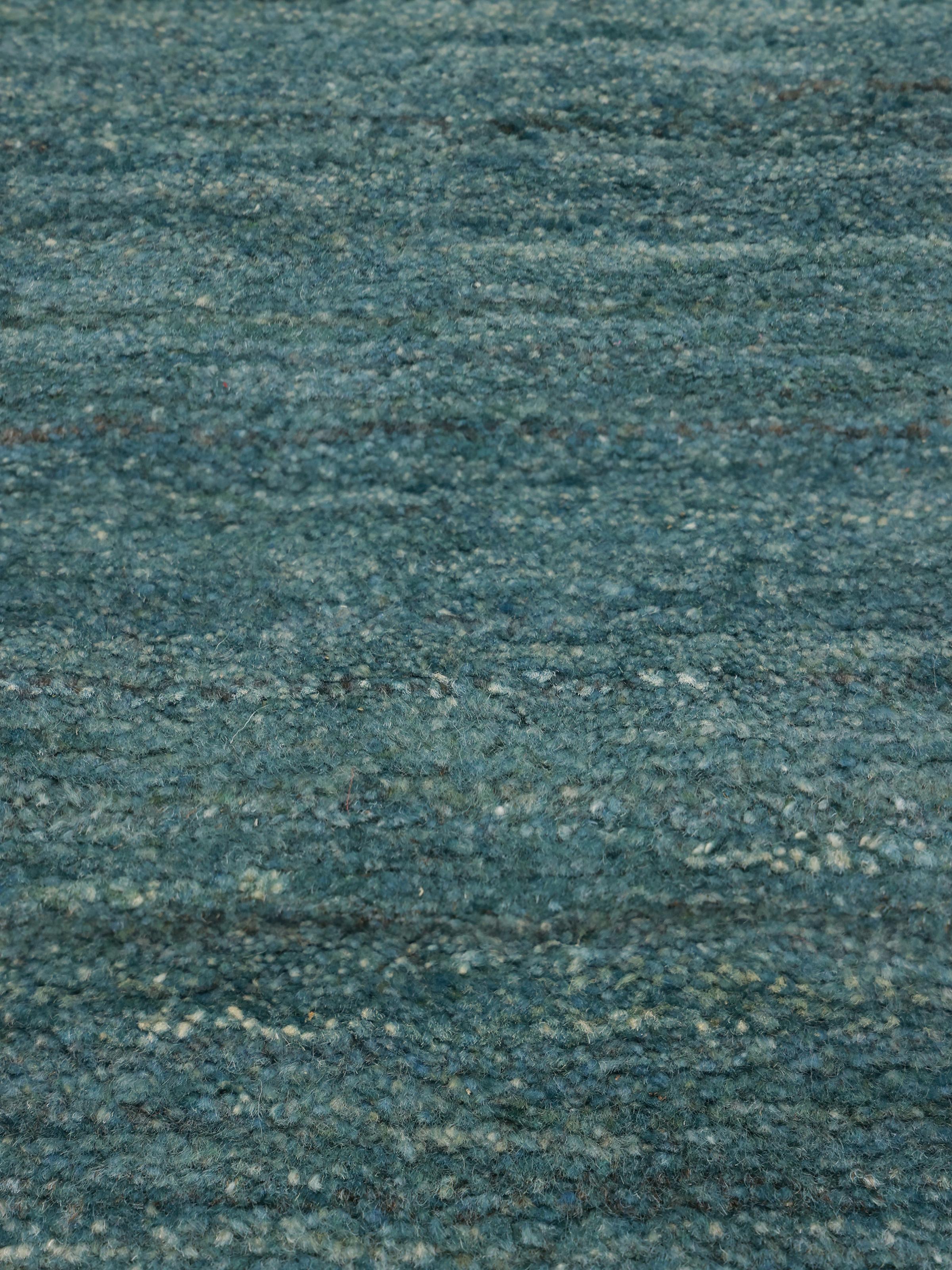
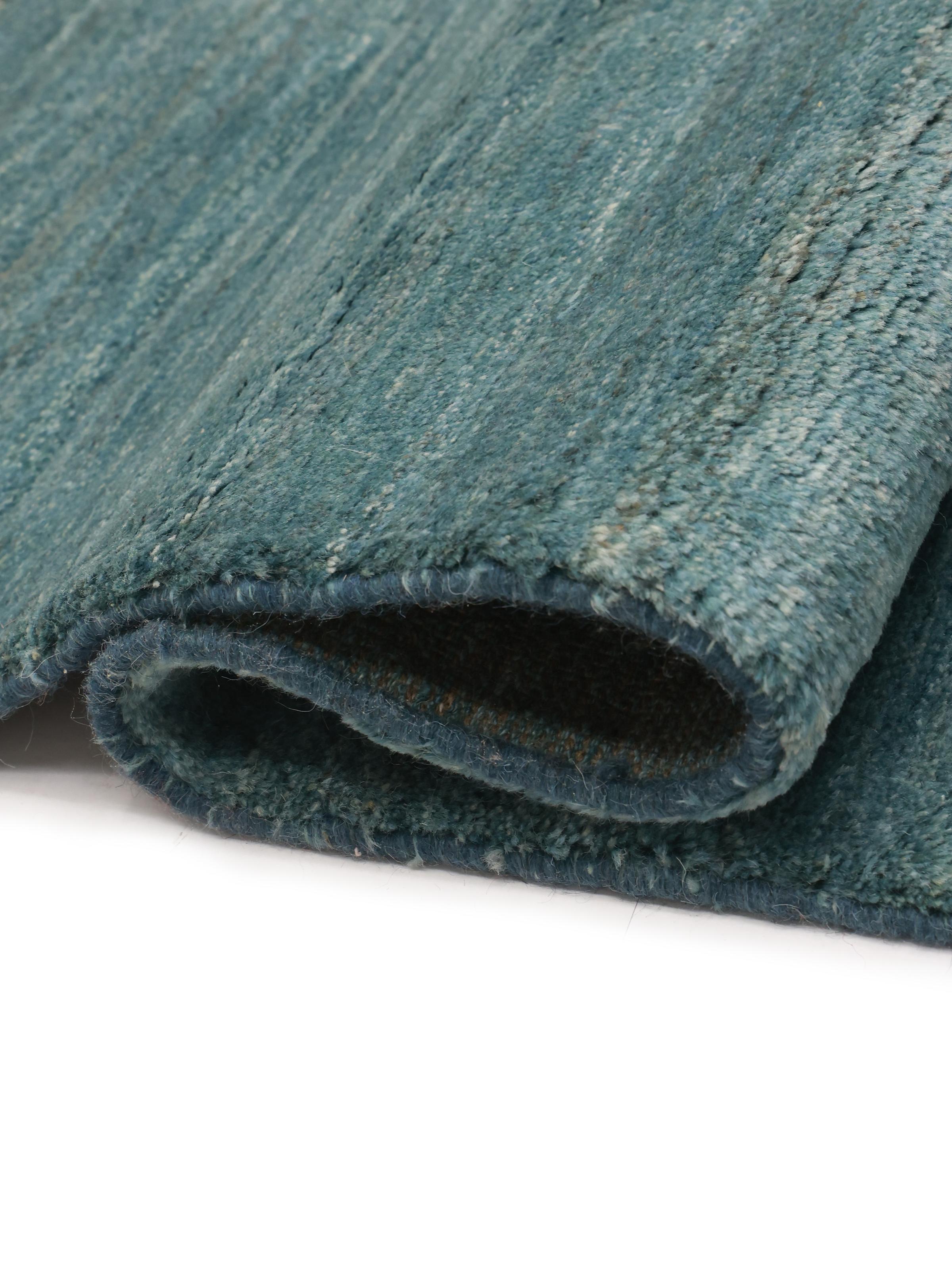
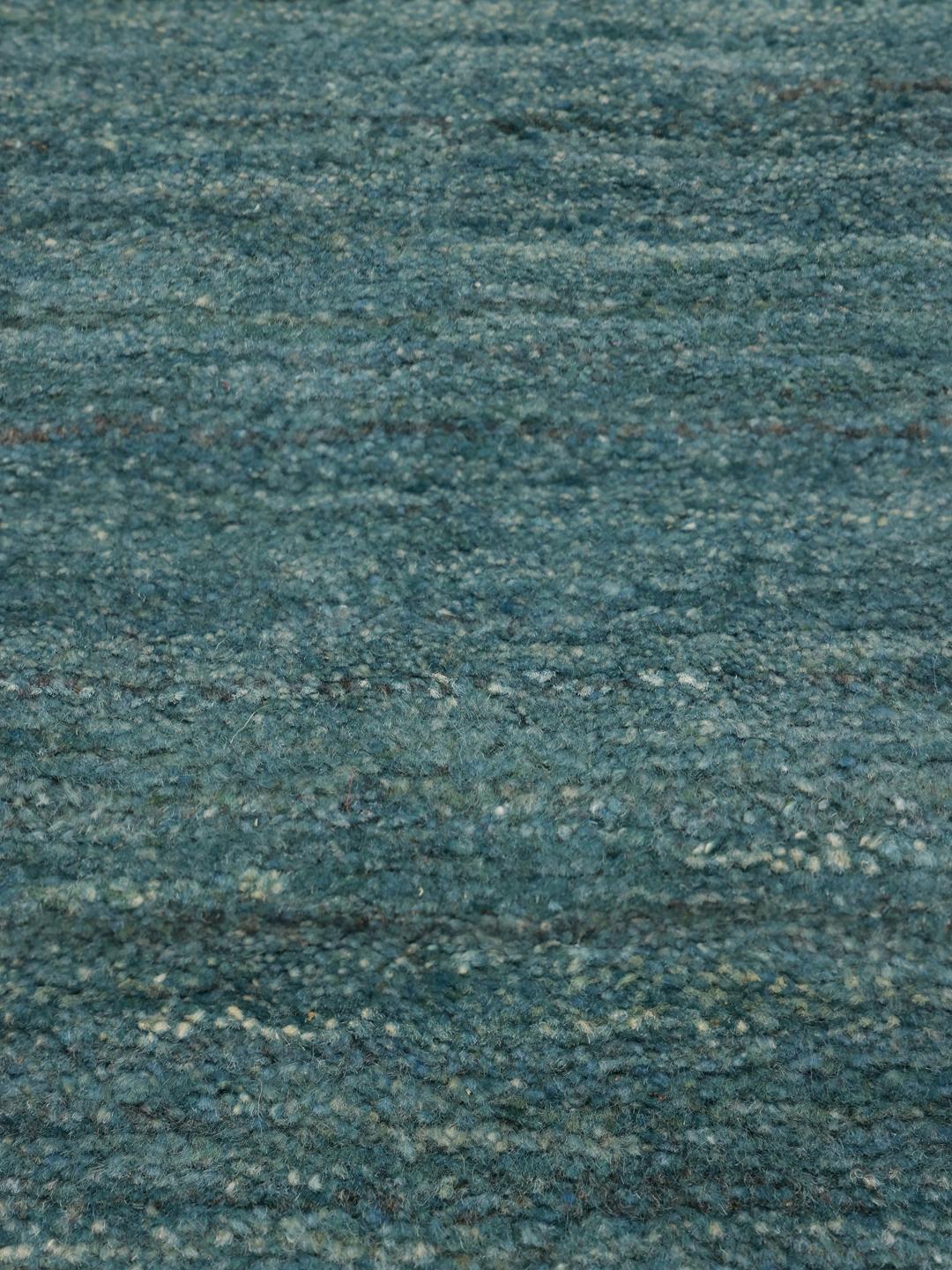
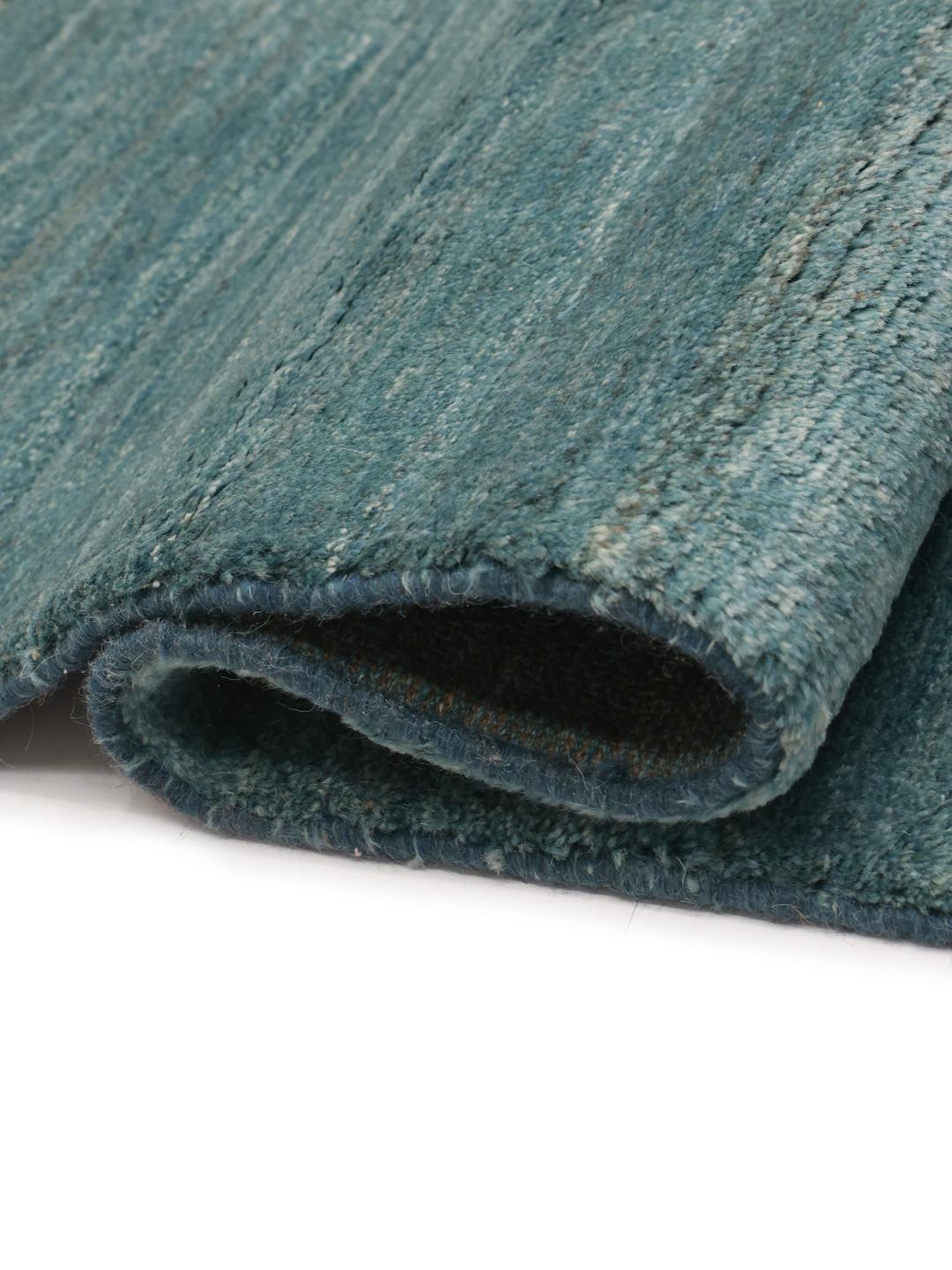
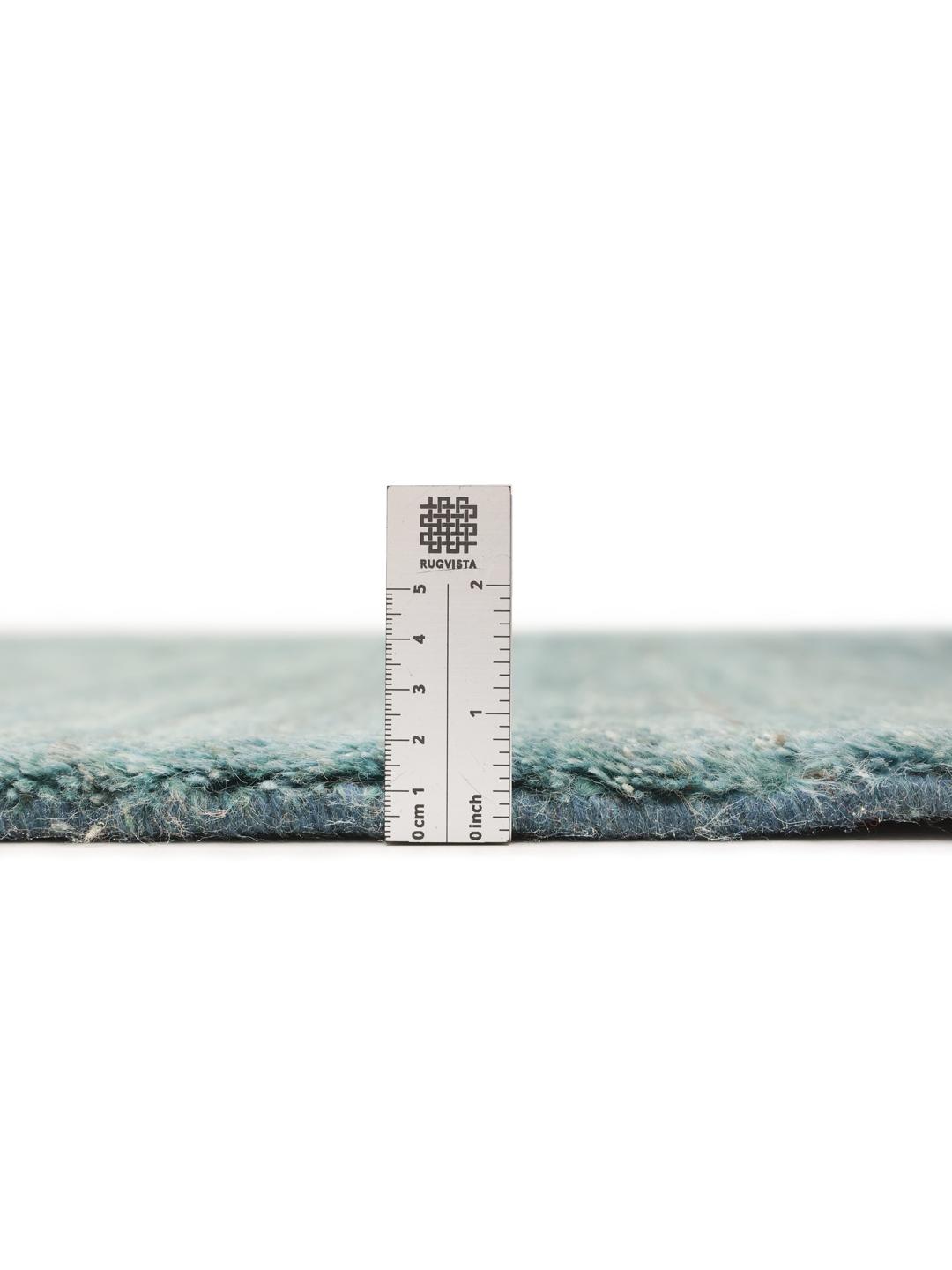
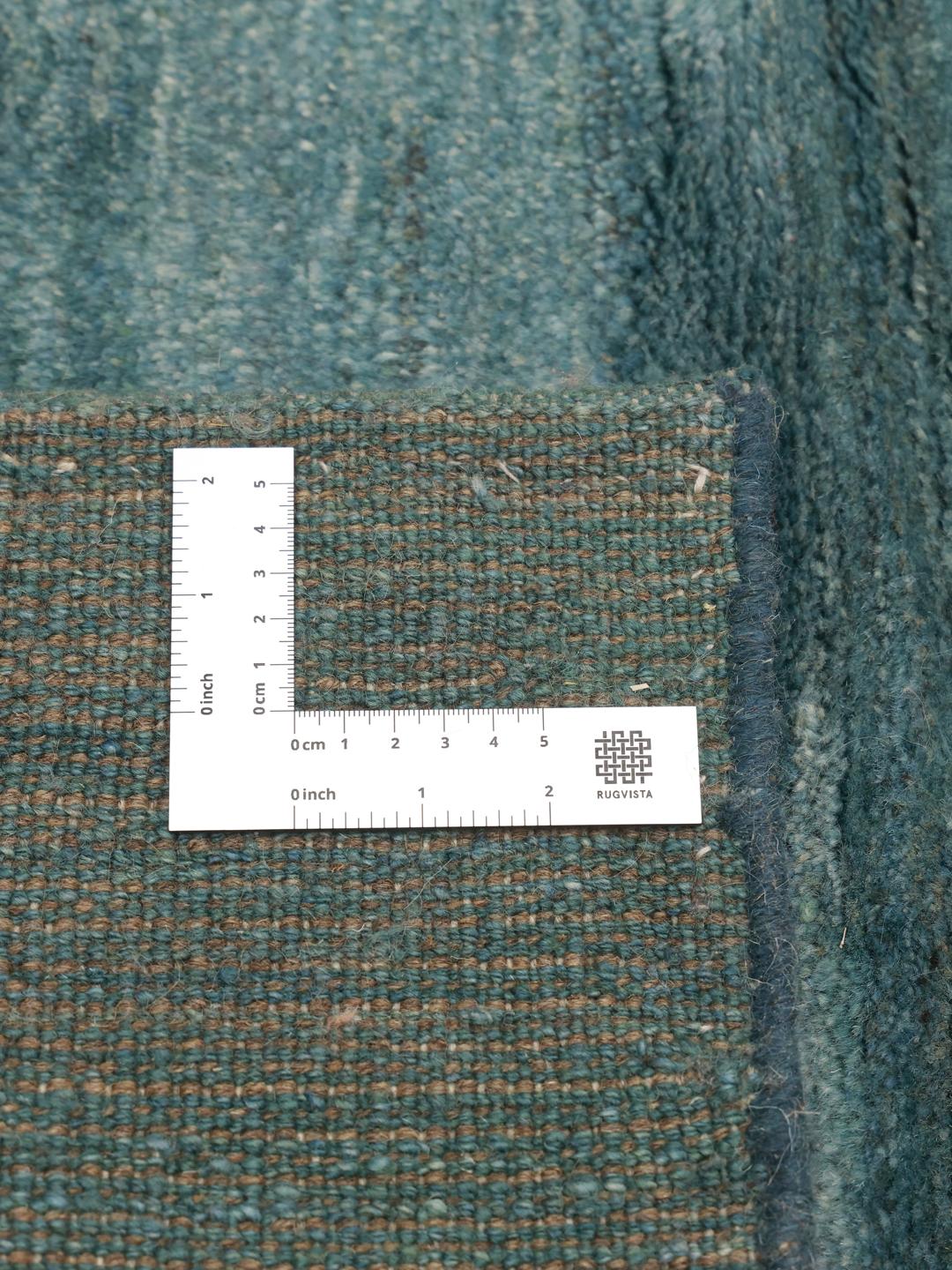
The term Gabbeh refers to a specific style characterised by a thicker, coarser pile compared to more formal city-made rugs. This construction is a hallmark of their utilitarian origins, prioritising comfort and durability. The knots are tied with a deliberate, slightly larger scale, which gives the finished piece a plush, cloud-like quality that is highly prized by modern collectors.
Visually, traditional Gabbeh rugs are known for their artistic, minimalist aesthetic. Unlike the intricate floral motifs found in urban workshops, these rugs often feature bold, open fields of colour, abstract shapes, or simple geometric patterns inspired by the weaver's environment and imagination. This rug continues that legacy, showcasing a deep, evocative colour palette that highlights the organic beauty of the Wool.
Today, these rugs are celebrated as authentic expressions of folk art. Collectors value them for their raw, honest character and the connection they provide to ancient weaving practices. Owning a piece from this tradition is more than just a decor choice; it is an investment in a history of human creativity that values the maker's intuition and the natural characteristics of the materials.