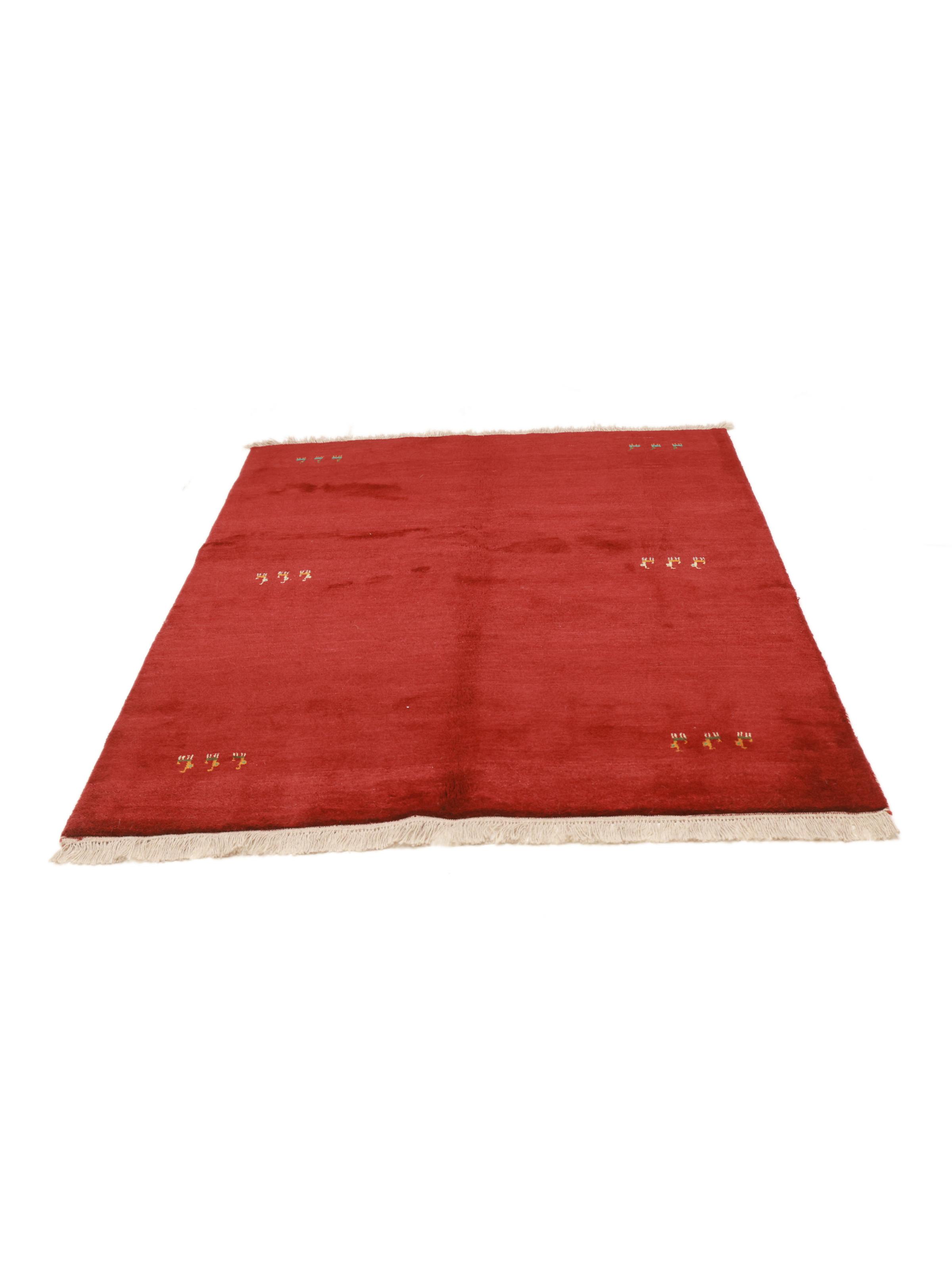
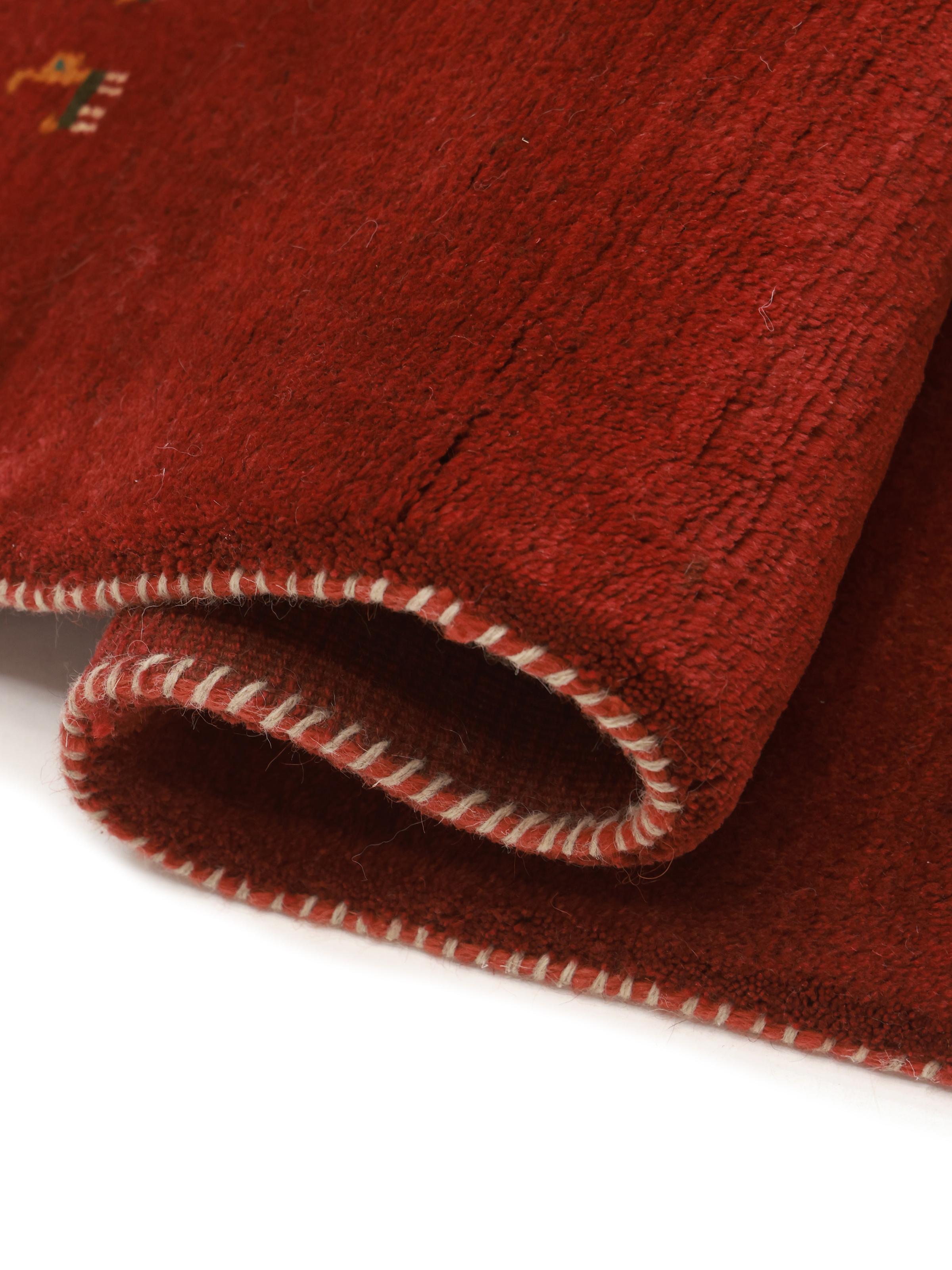
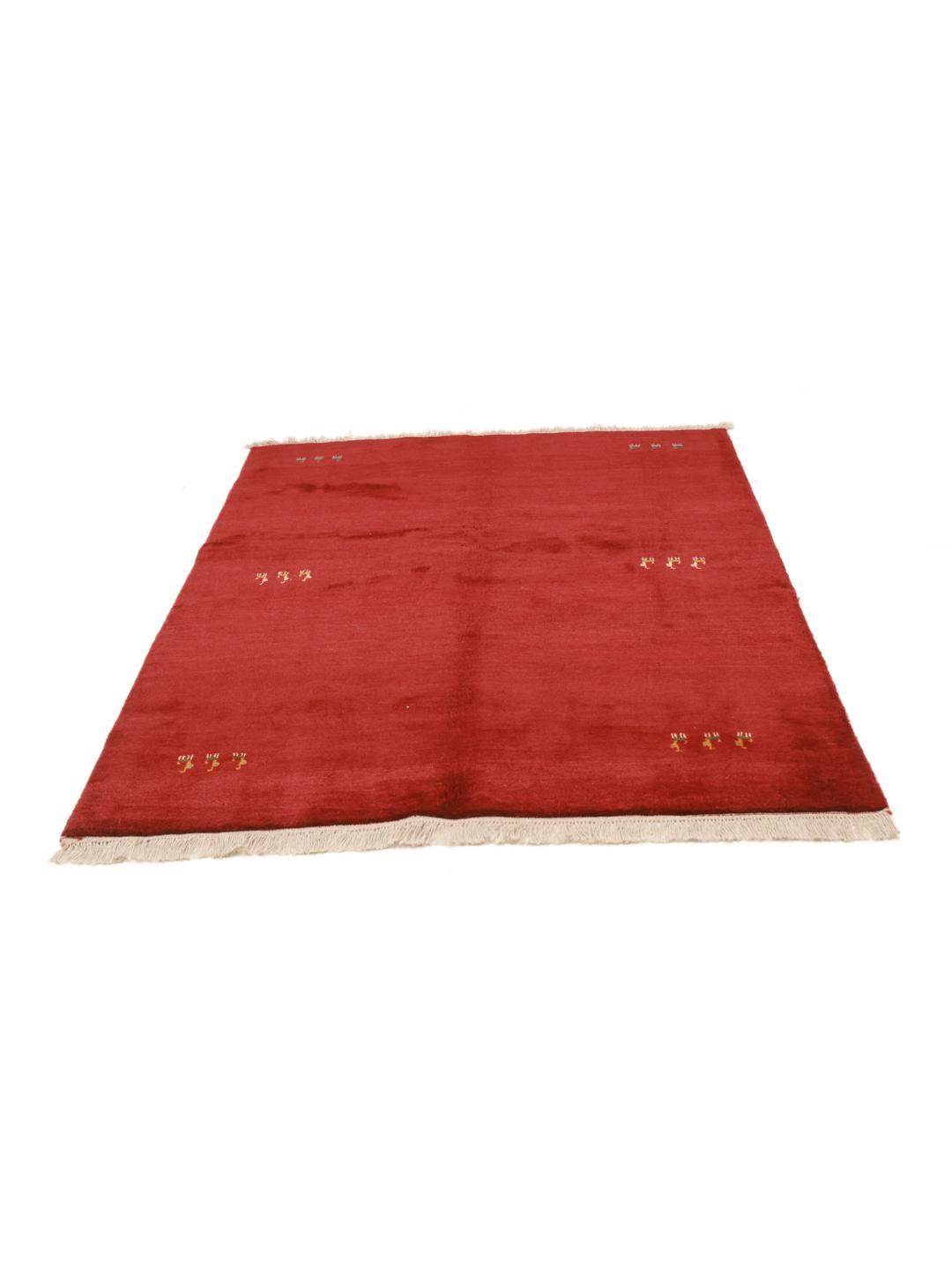
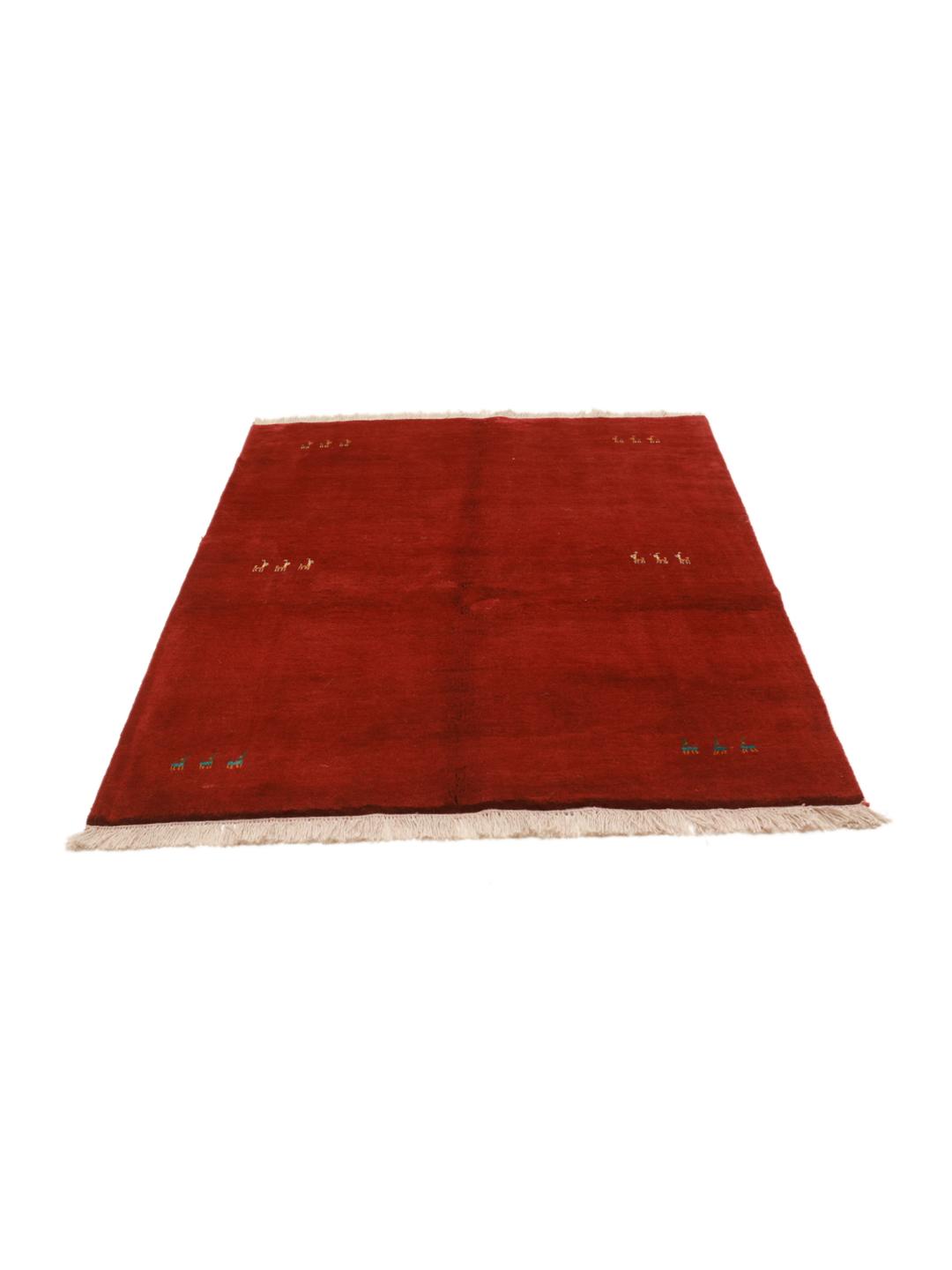
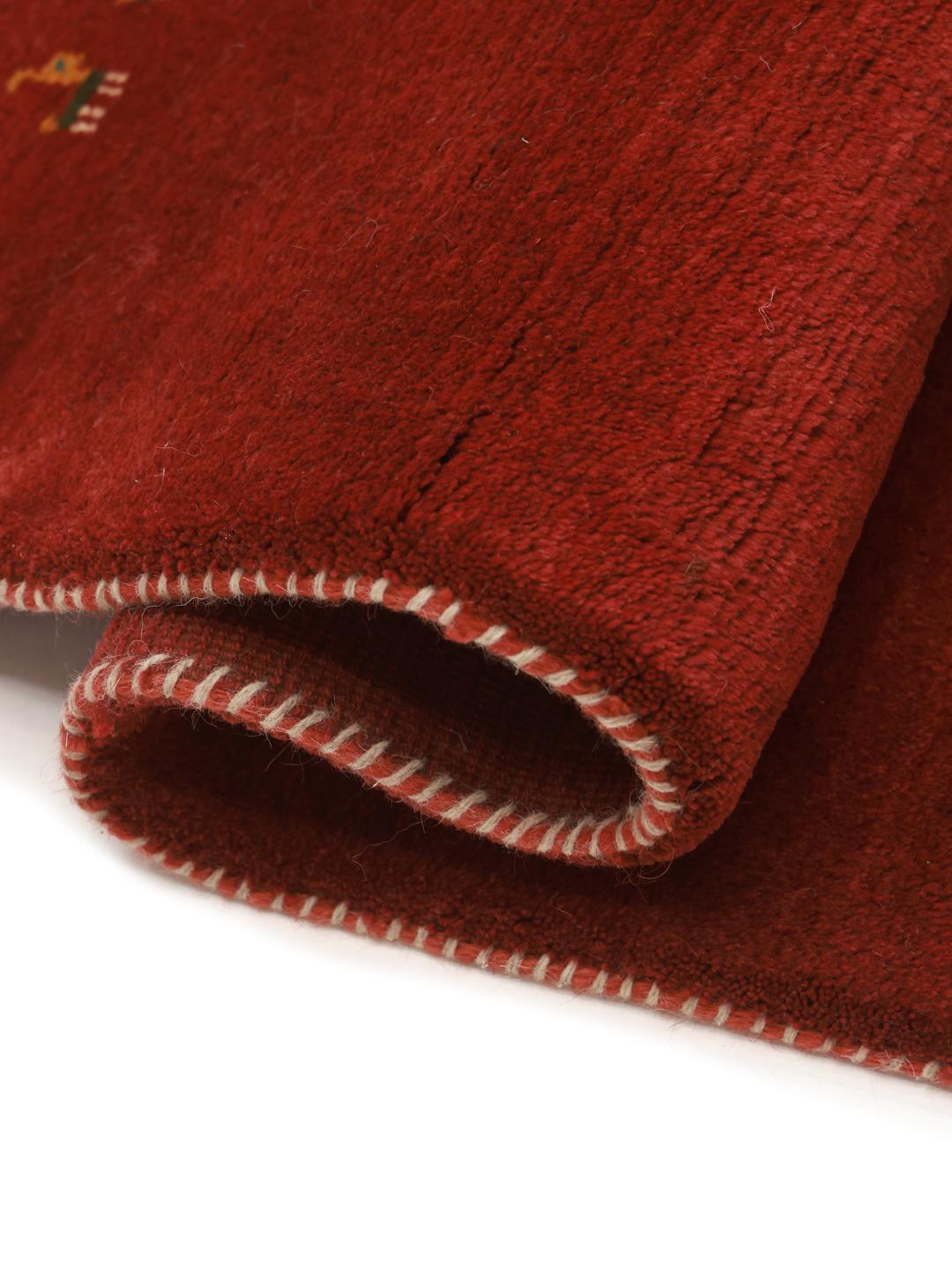
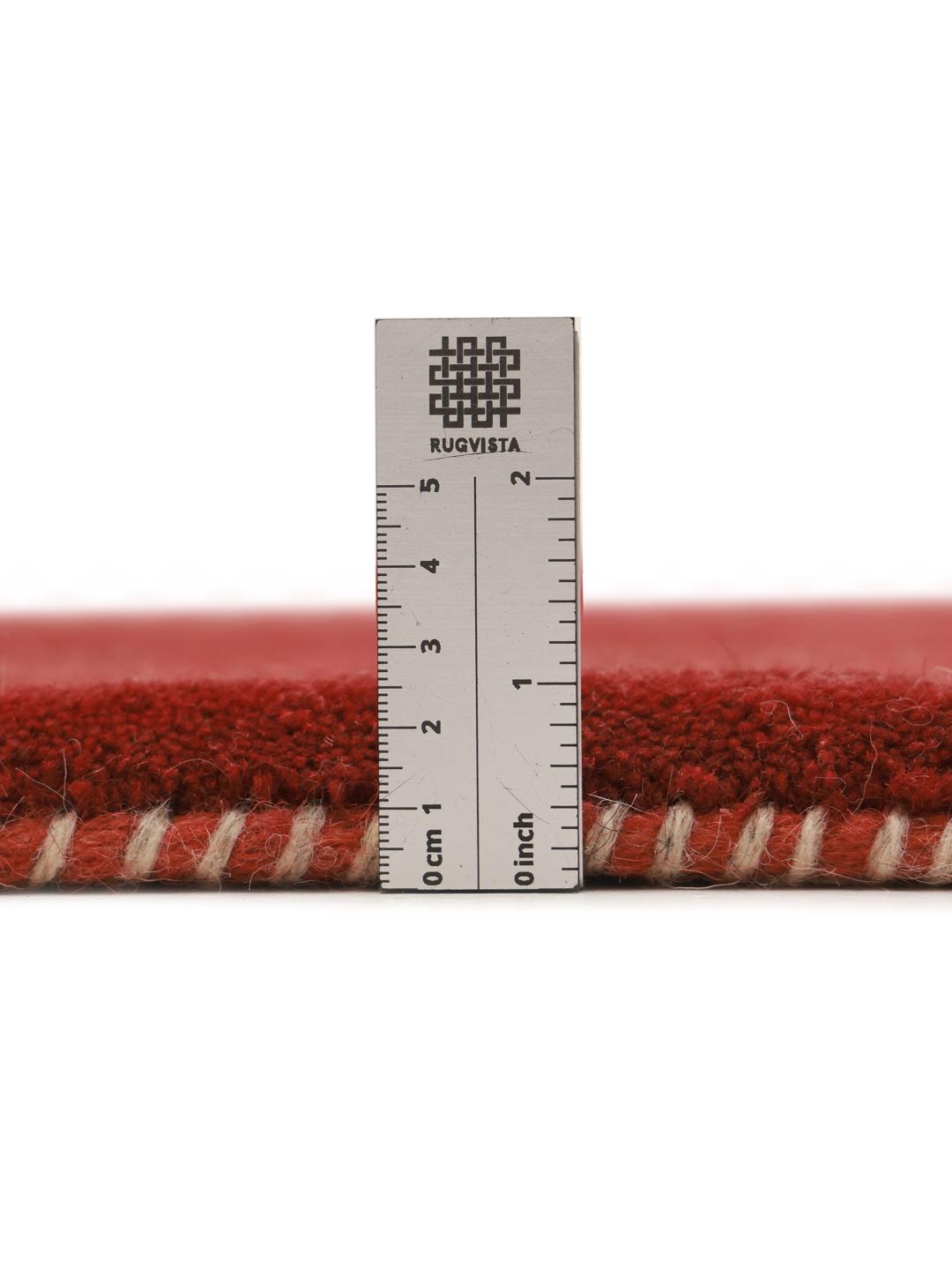
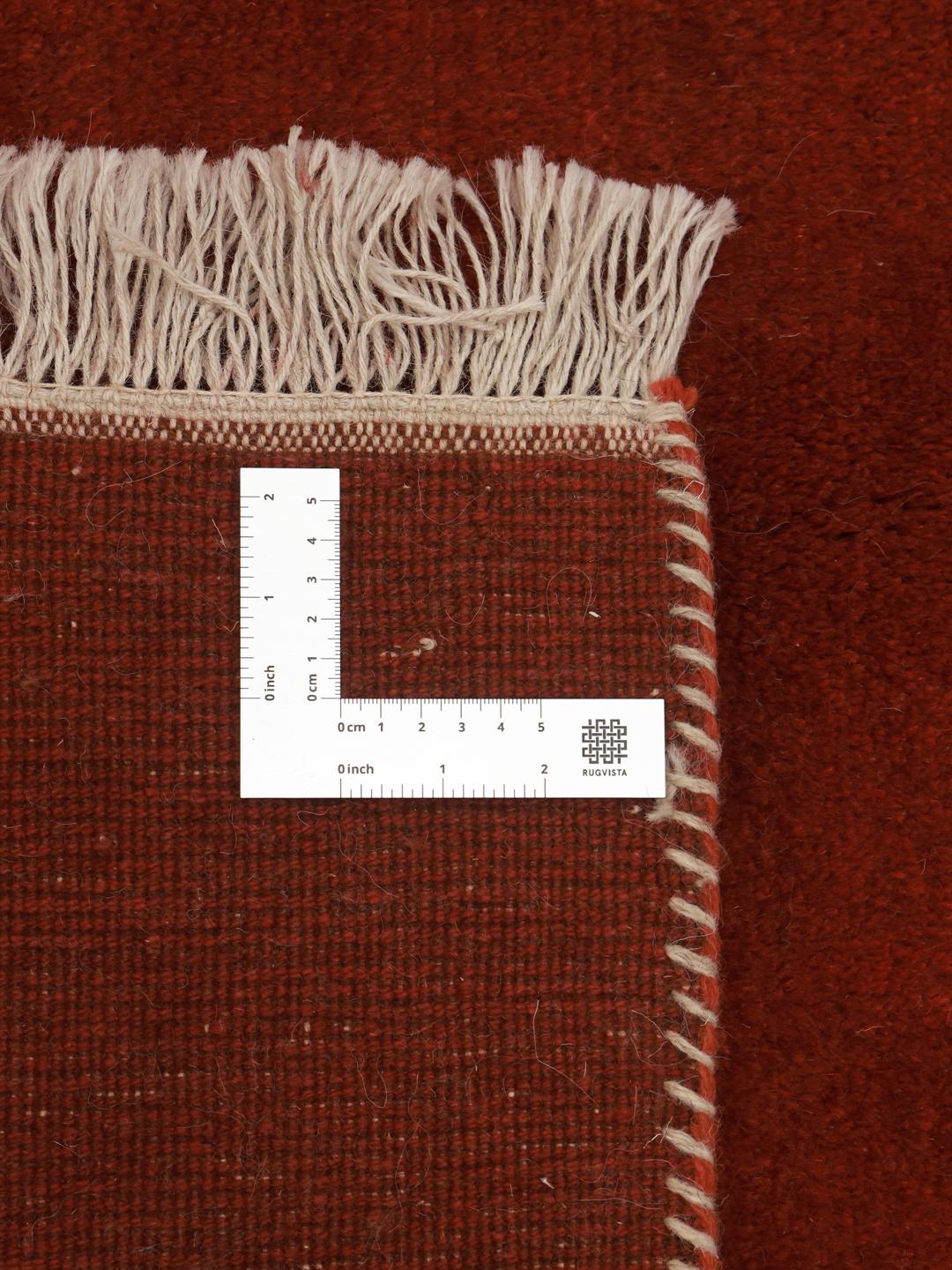
The Gabbeh rug tradition hails from the nomadic tribes of the Middle East, where weavers historically created these pieces for their own personal use. Unlike formal workshop rugs, the Gabbeh was designed to be a practical, comfortable floor covering for tent living, meant to insulate against the cold ground and provide a soft place to rest.
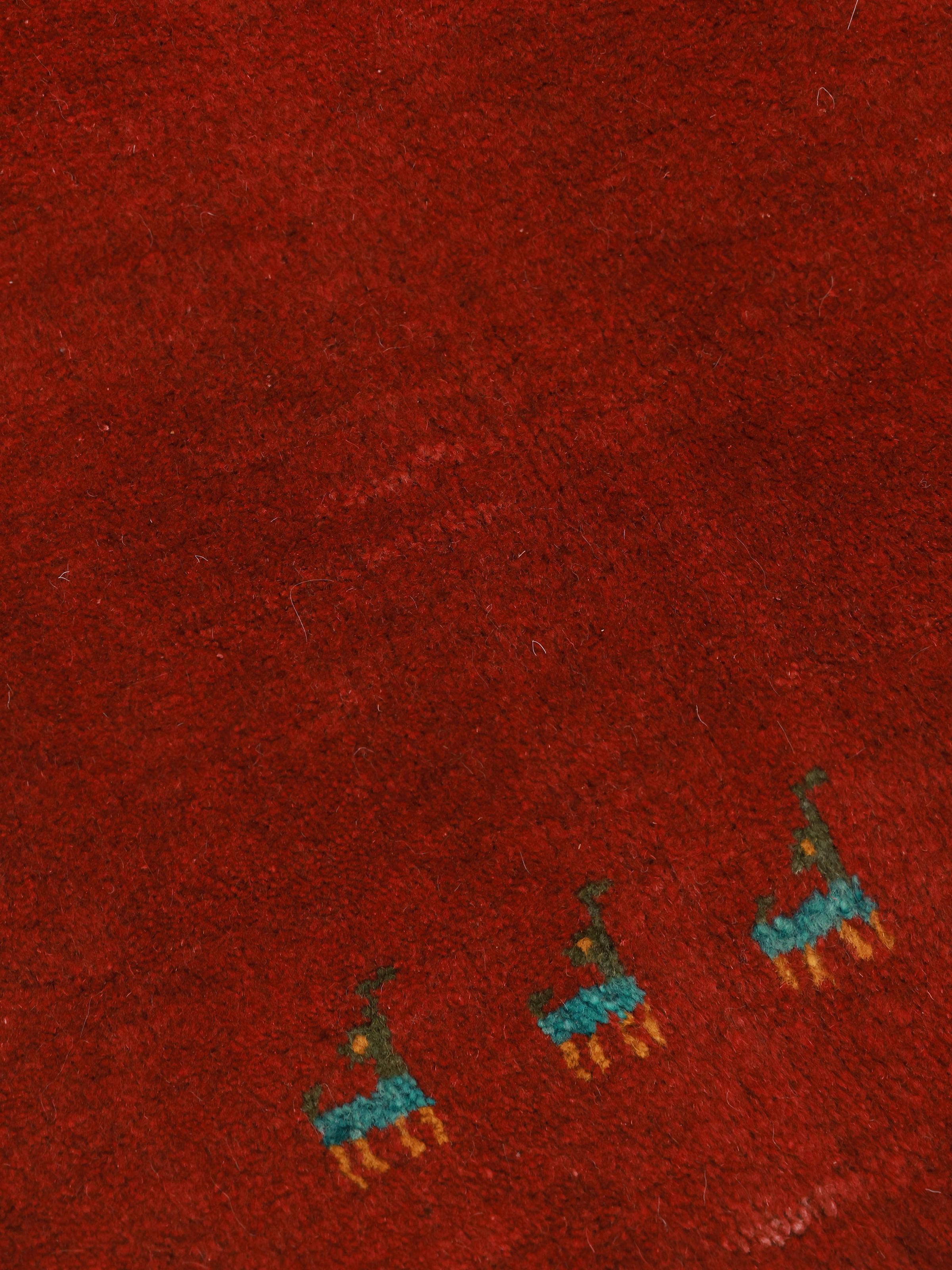
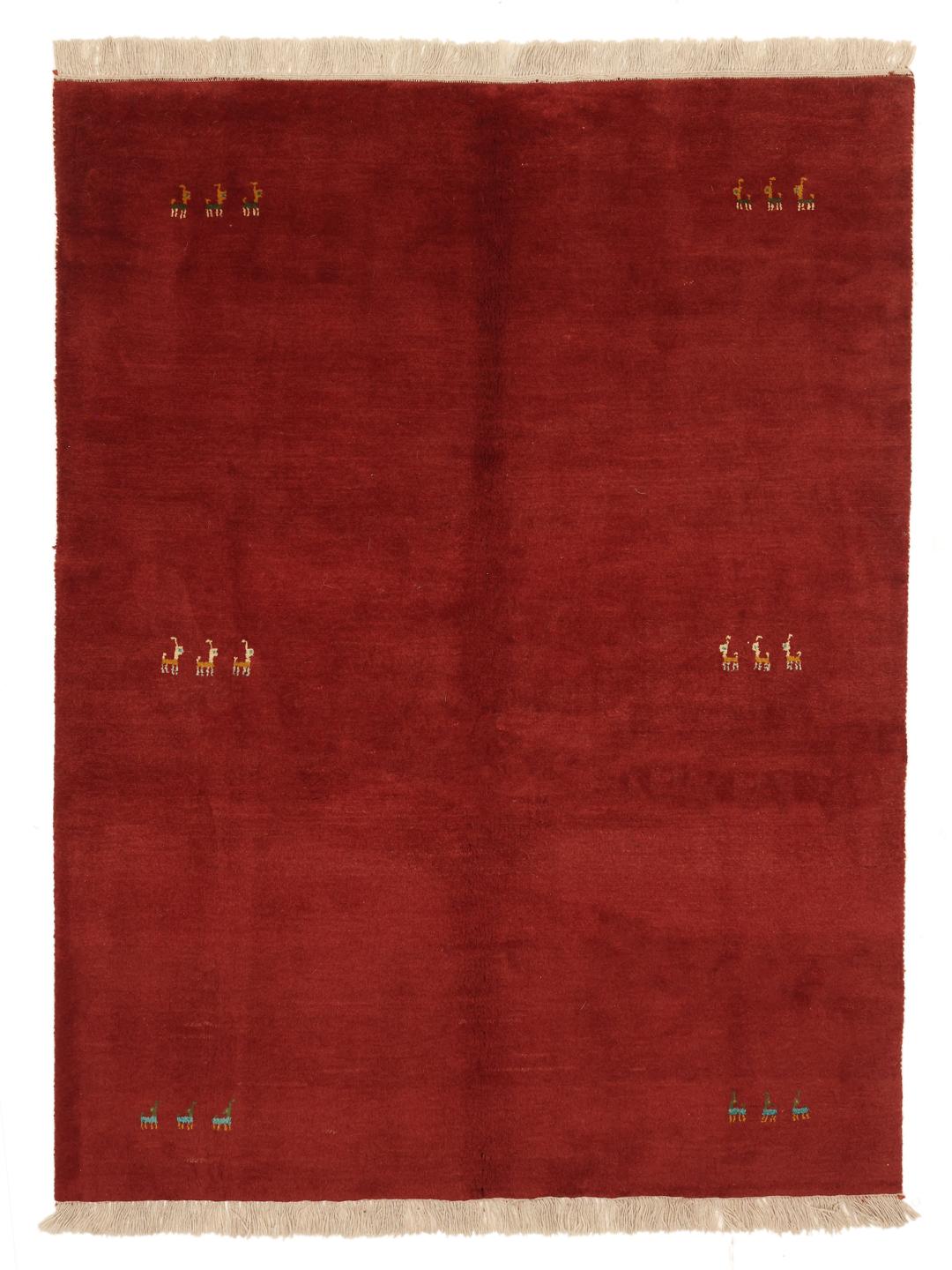
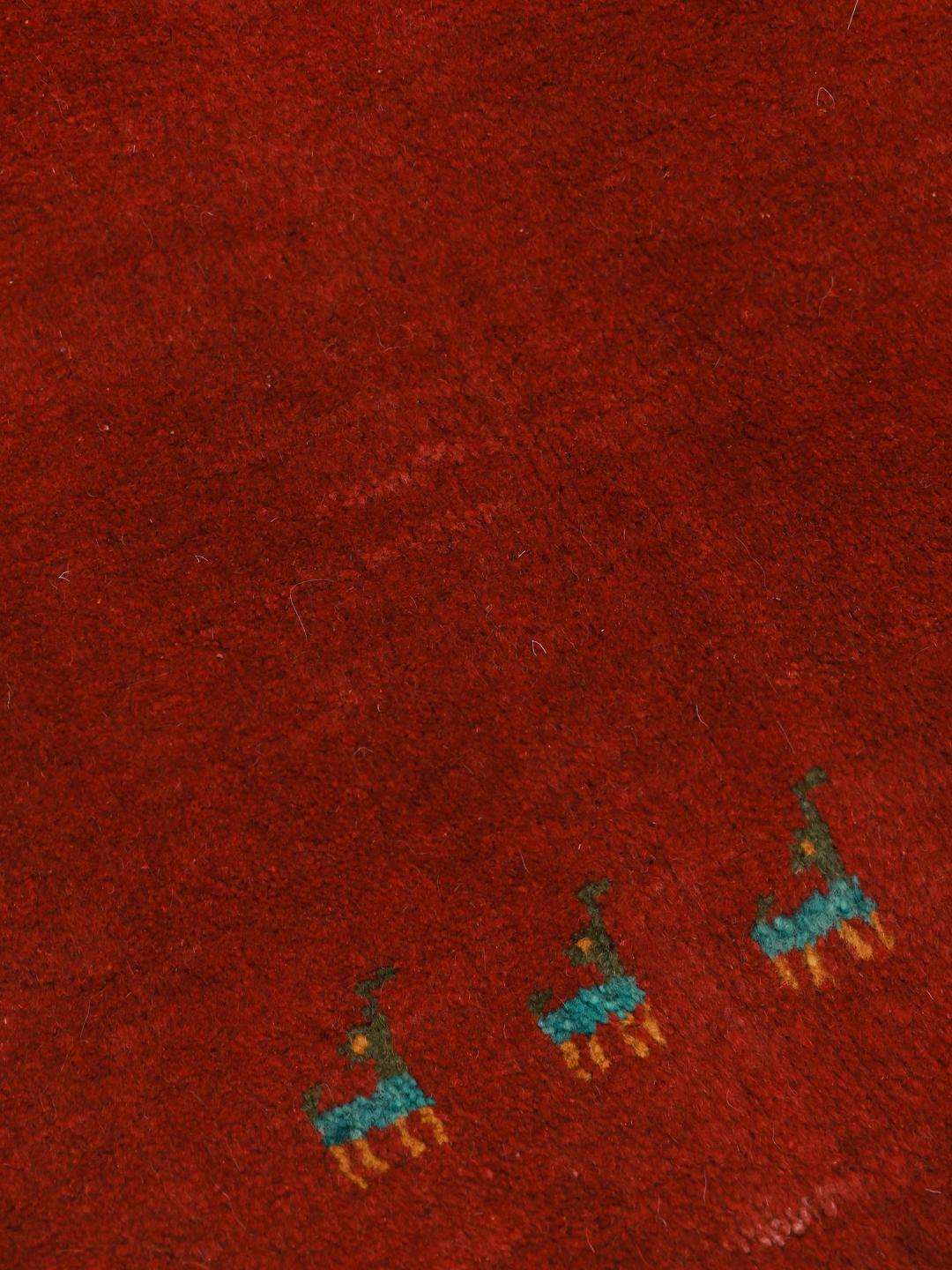
The term Gabbeh itself refers to a style that is intentionally raw, thick, and unrefined in its approach to design. While formal rugs often follow strict, pre-planned patterns, the Gabbeh is known for its creative freedom, often featuring open fields of colour and whimsical, symbolic motifs that reflect the weaver's own experiences and surroundings.
Visually, these rugs are defined by their deep, often monochromatic fields and a minimalist use of geometric or animal-inspired motifs. The use of vibrant, natural dyes and the focus on simplicity make them highly distinct, standing out as a departure from the complex, floral-heavy patterns often associated with more formal Middle Eastern weaving.
Today, Gabbeh rugs are highly sought after by collectors who value their authenticity and the human story behind every knot. Owning one is an opportunity to connect with a centuries-old nomadic heritage, where the rug served not just as a piece of decor, but as a functional and artistic companion to daily life.