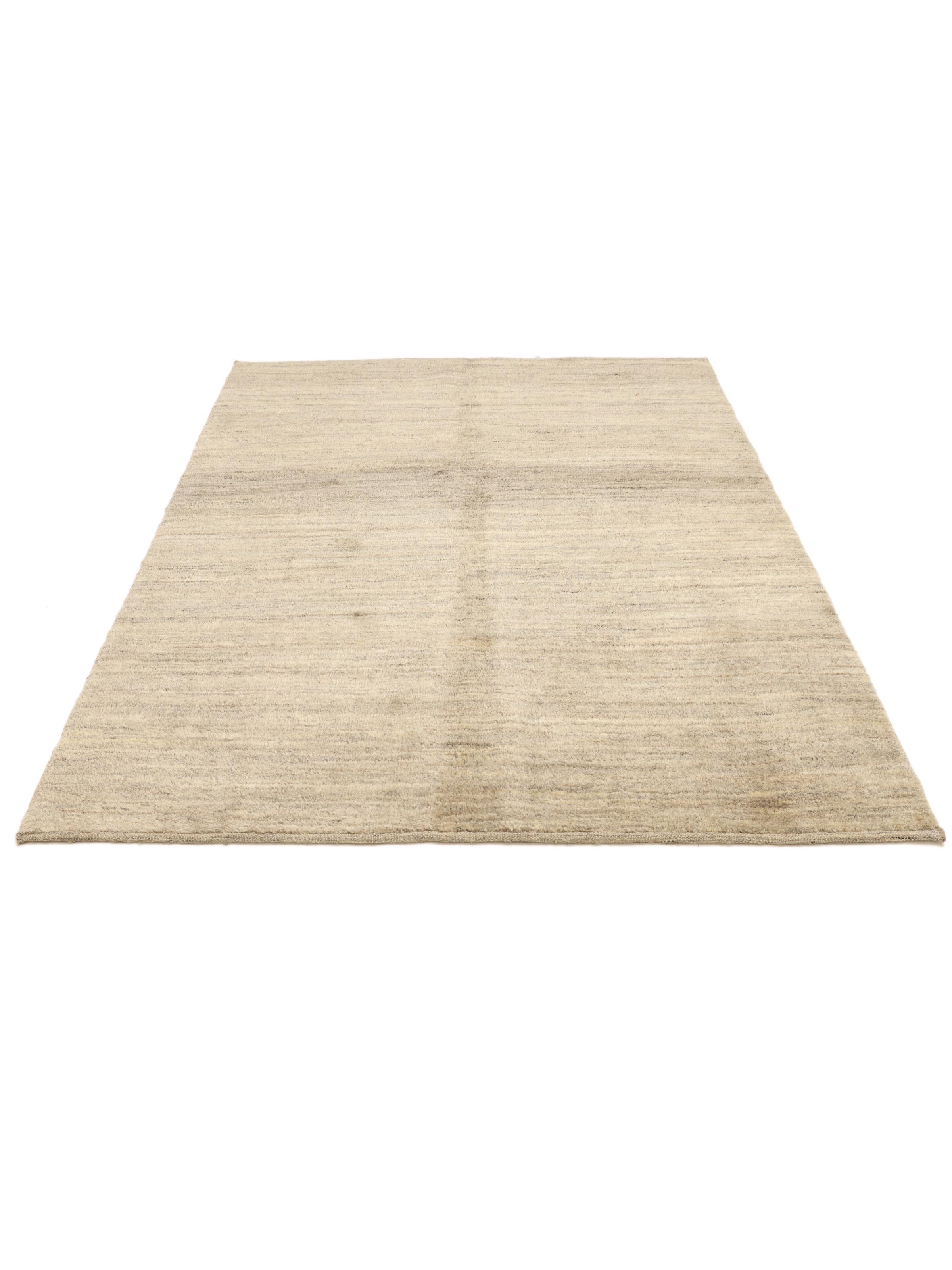
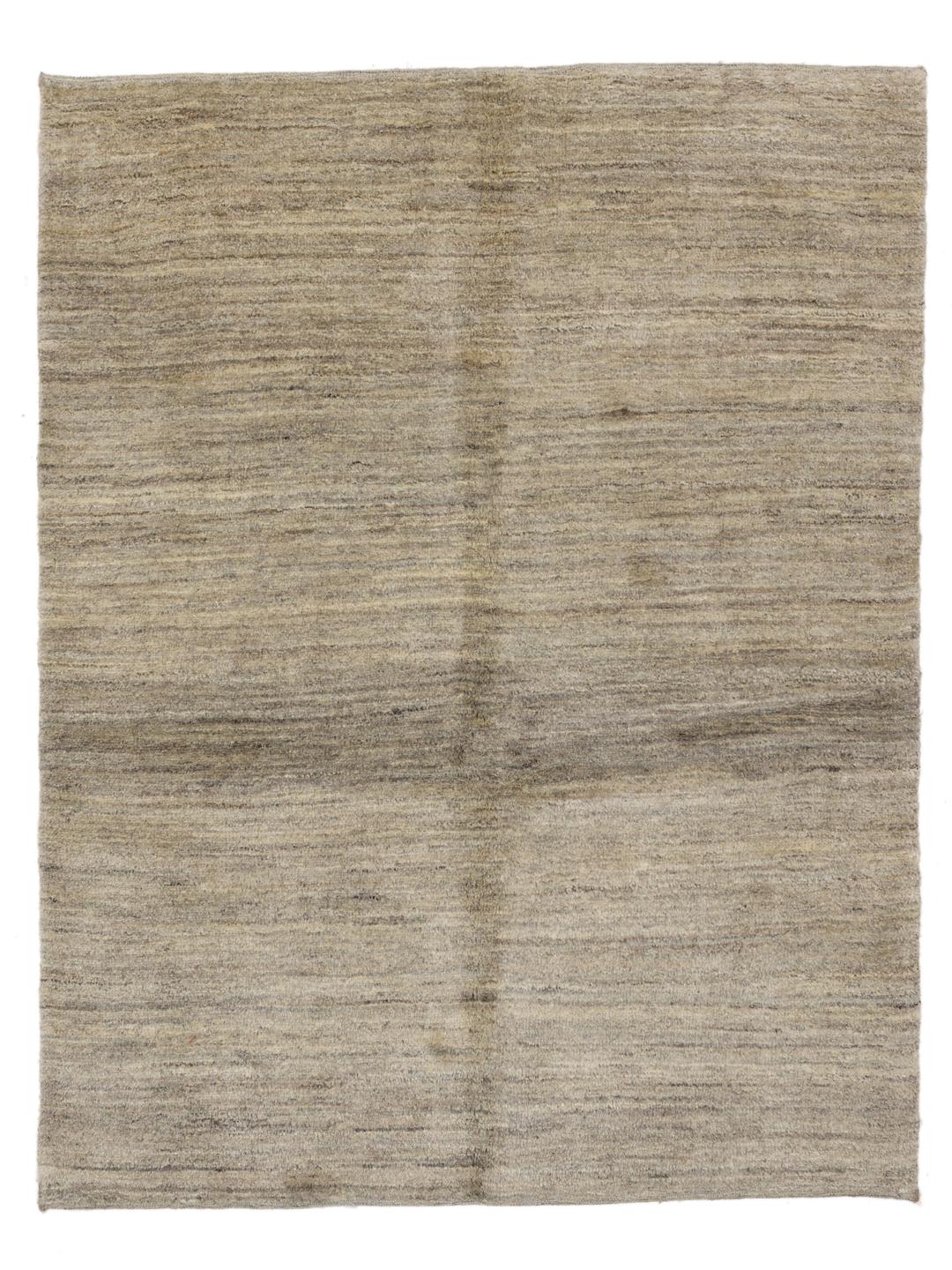
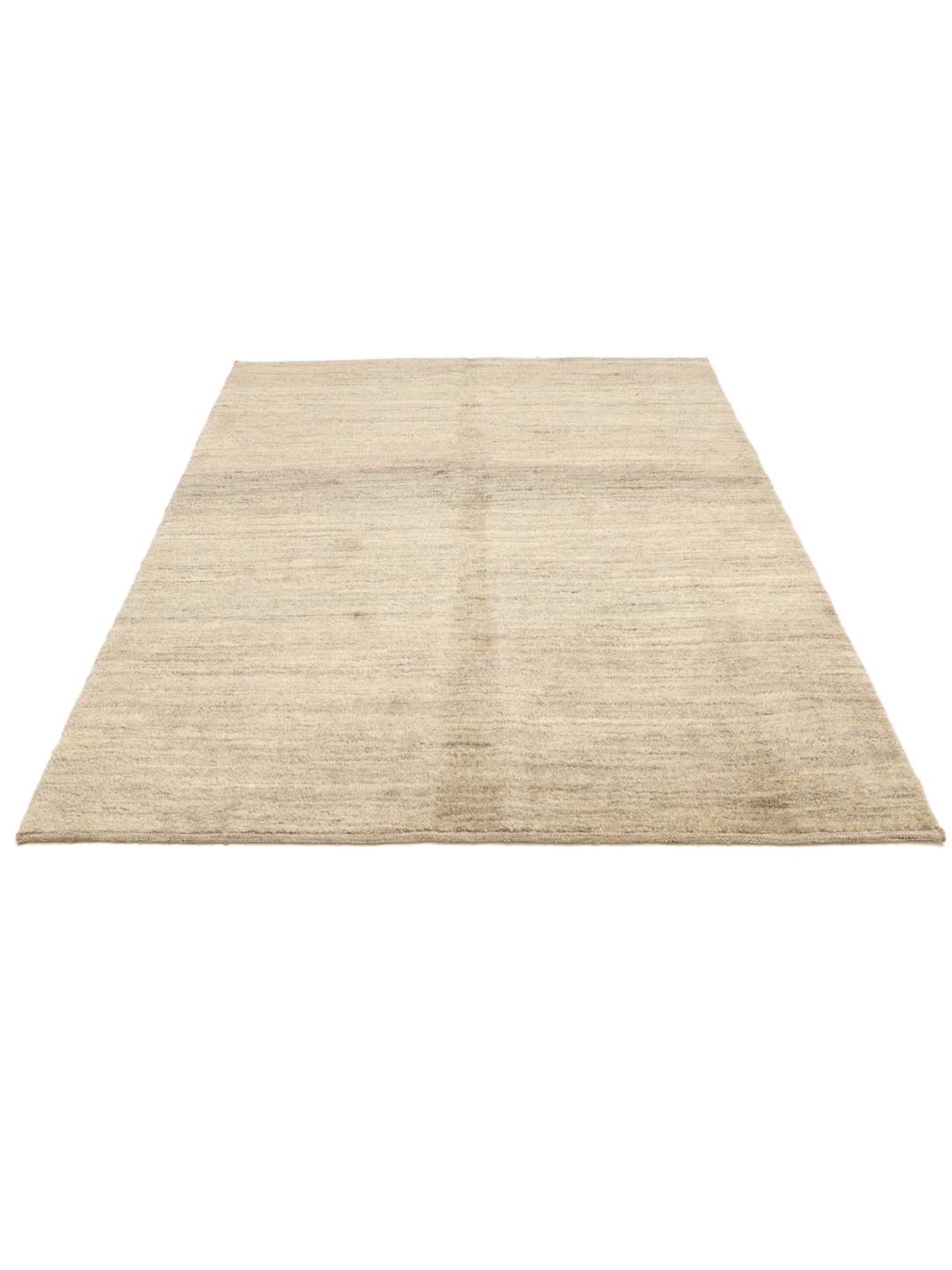
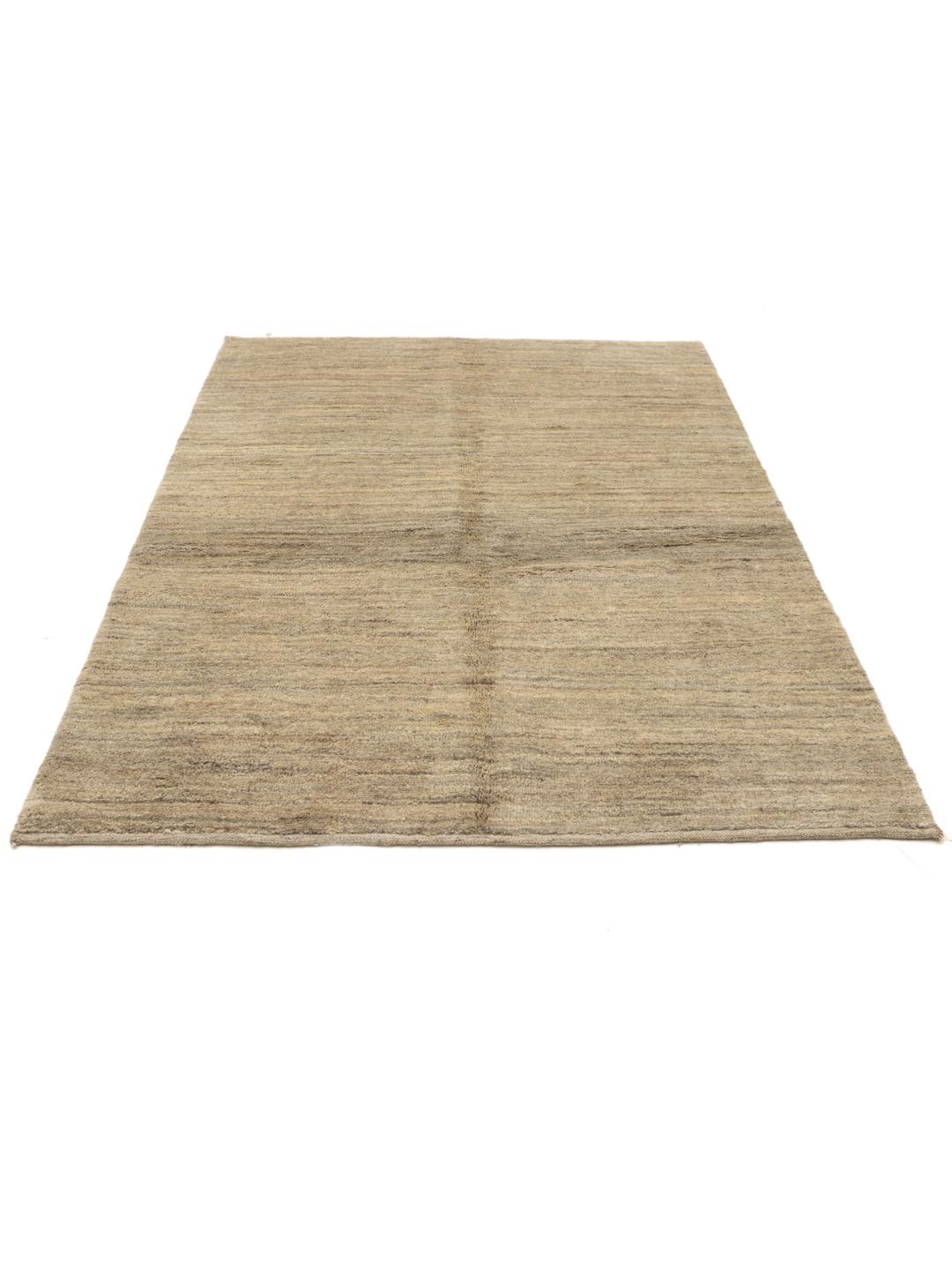
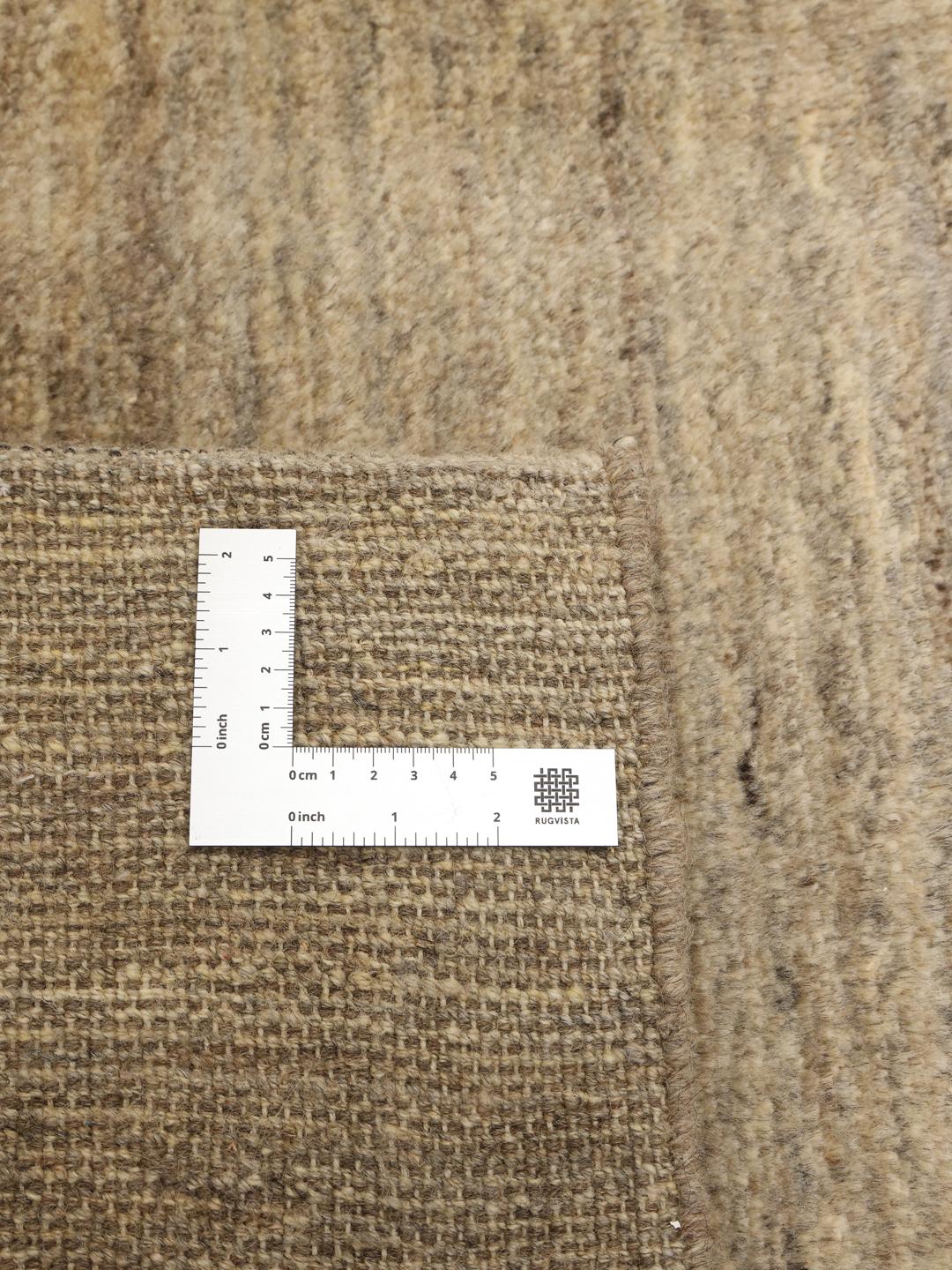
The Gabbeh rug tradition originates from the nomadic tribes of the Middle East, where weaving has long been an essential part of daily life and cultural expression. Unlike more formal, city-made rugs, these pieces were traditionally created for personal use, serving as warm bedding and floor coverings within tents, which is why their design often reflects a raw and personal connection to the weaver’s environment.
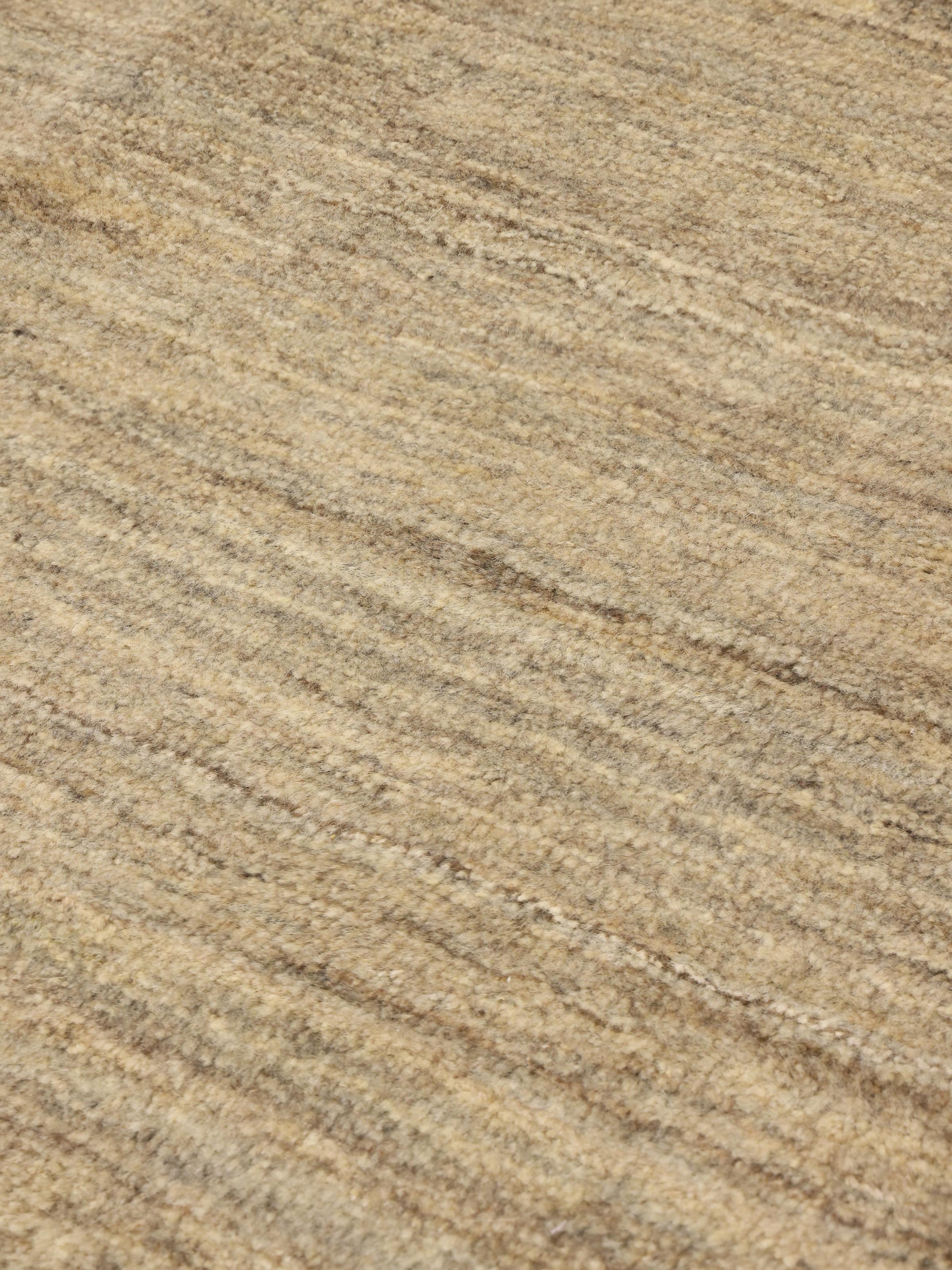
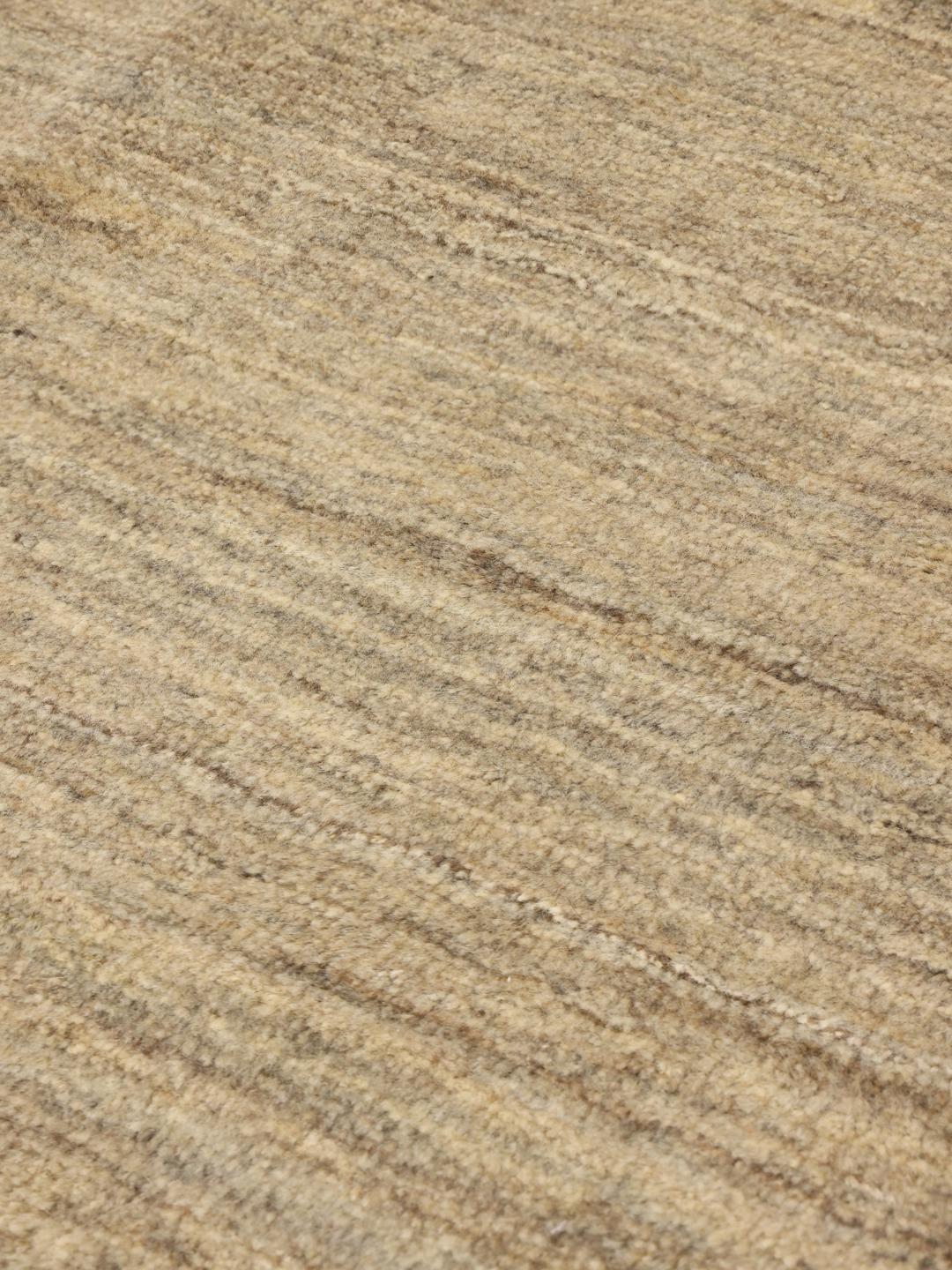
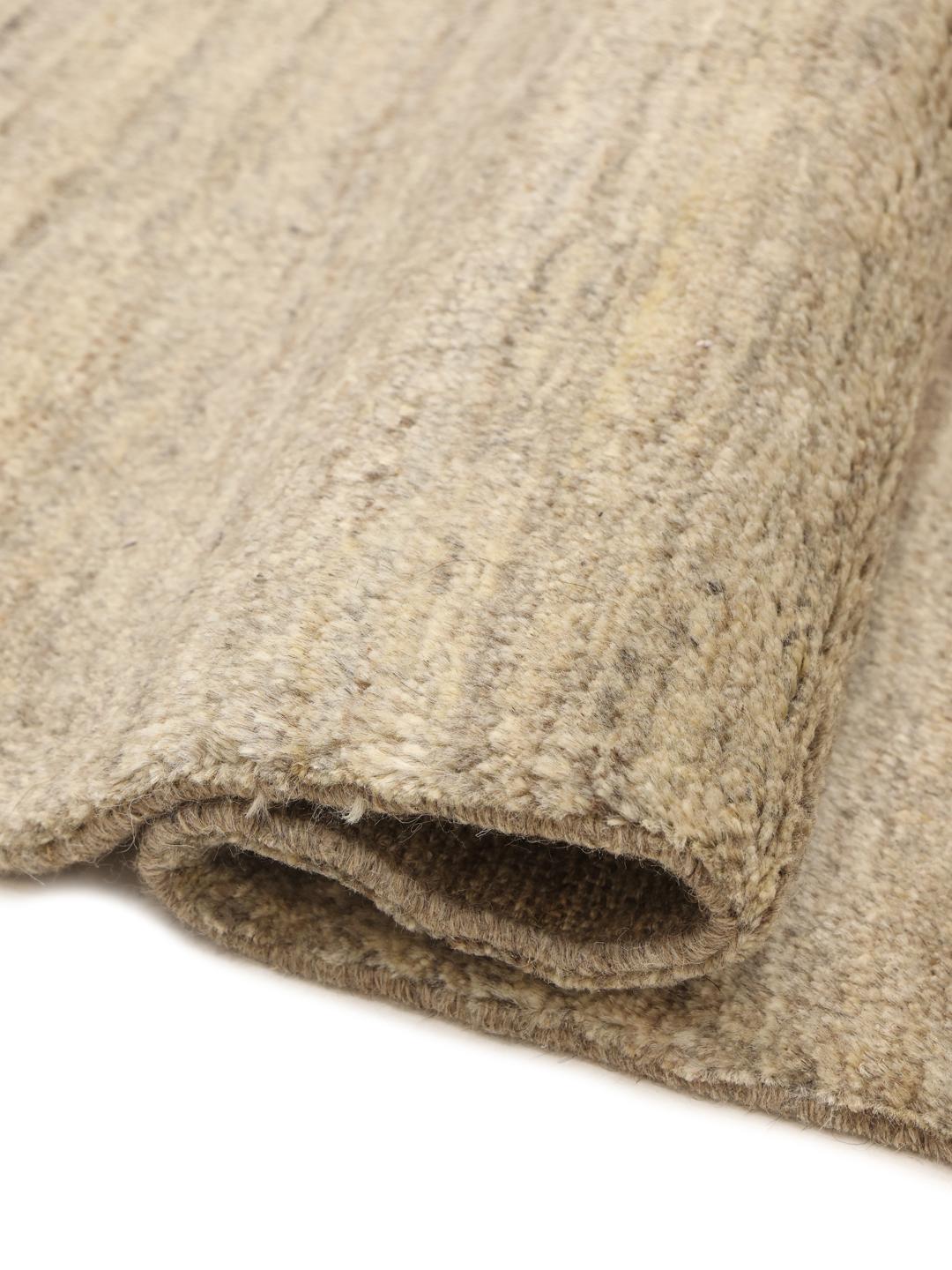
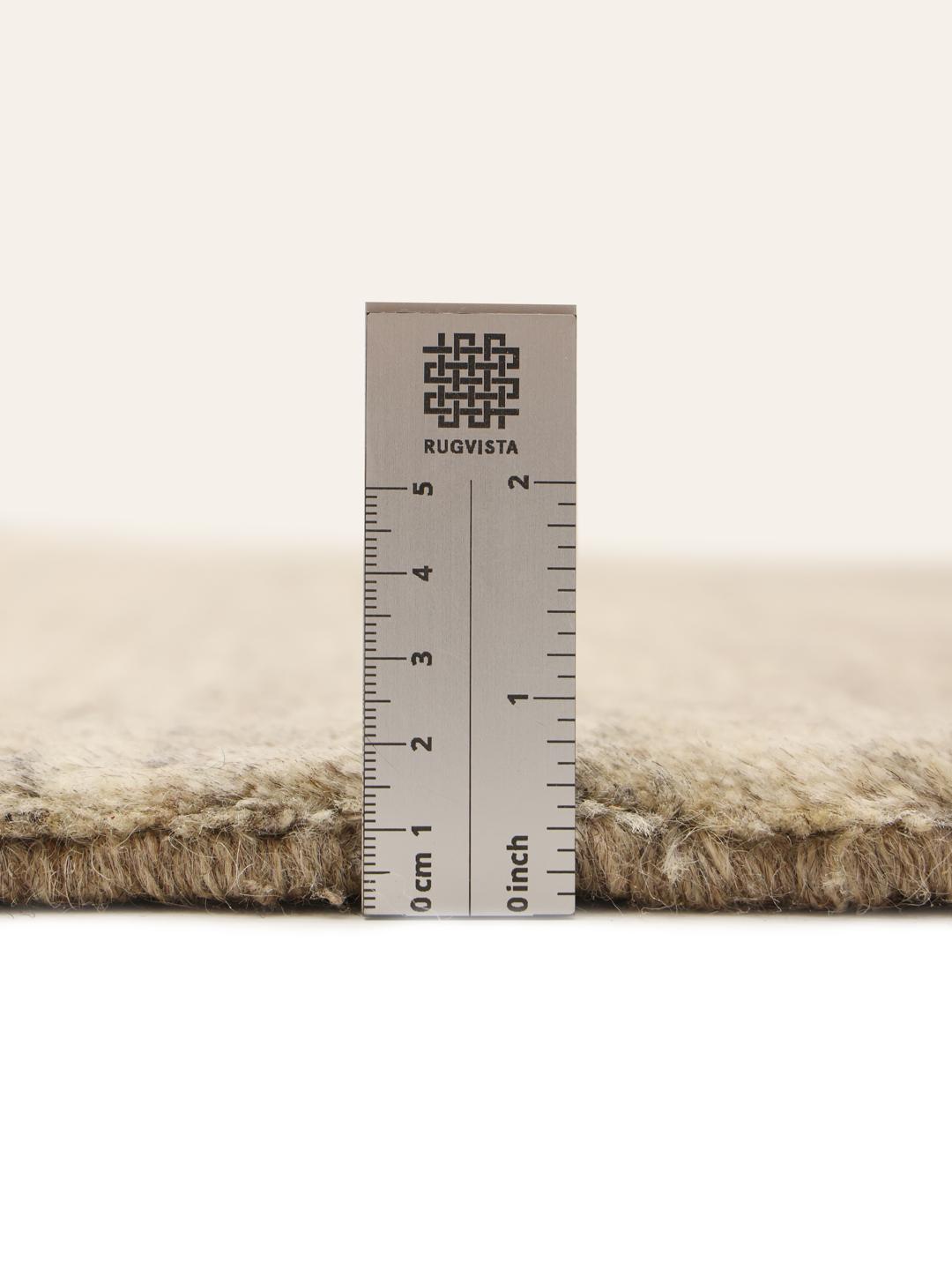
The term Gabbeh itself refers to a style that is intentionally unrefined and thicker than many other types of rugs. This construction style prioritizes warmth and comfort, using a coarser knotting technique that allows for a deeper, more luxurious pile. This focus on tactile quality over intricate, geometric precision is what gives these rugs their signature, honest appeal.
Visually, these rugs are defined by their minimalist and often abstract aesthetic. While many traditional rugs are heavily patterned with complex medallions, the Gabbeh typically celebrates the natural beauty of the wool, often using undyed or subtly dyed earth tones. This creates a clean, organic look that feels both ancient and remarkably modern, fitting seamlessly into contemporary homes.
Owning a piece from this tradition is an act of preserving a dying art form. These rugs are highly valued by collectors not for their technical complexity, but for their artistic sincerity and the way they capture the spirit of nomadic life. When you acquire one, you are not just buying a floor covering, but a piece of cultural heritage that embodies the skill, intuition, and history of generations of weavers.