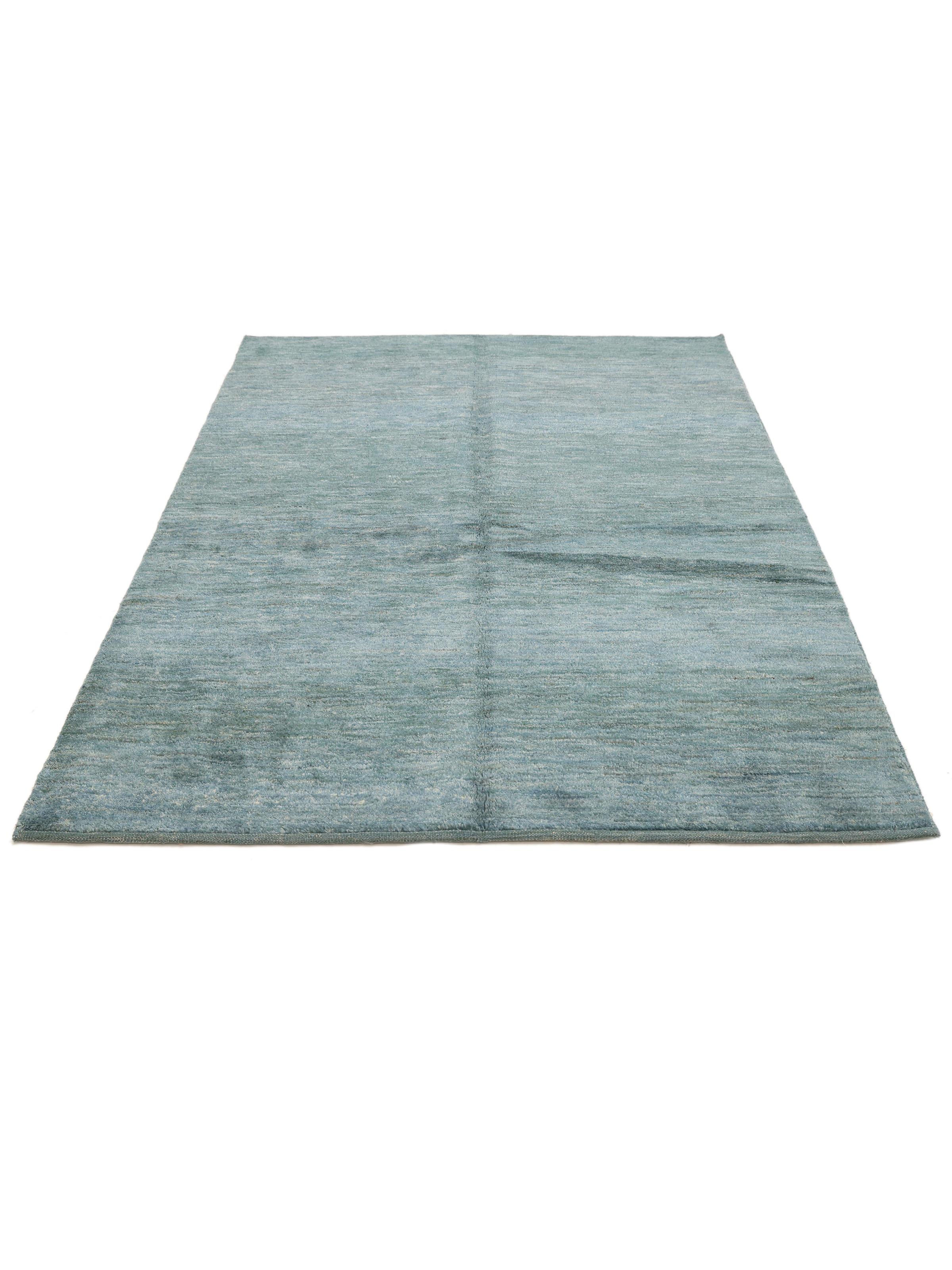
Gabbeh rugs have a long history as nomadic floor coverings, originally crafted by tribal weavers in the Middle East for their own domestic use. Unlike more formal, intricate carpets, the Gabbeh was designed to be a practical, comfortable, and warm surface for living, often featuring simple, bold aesthetics that reflect the weaver's personal expression.
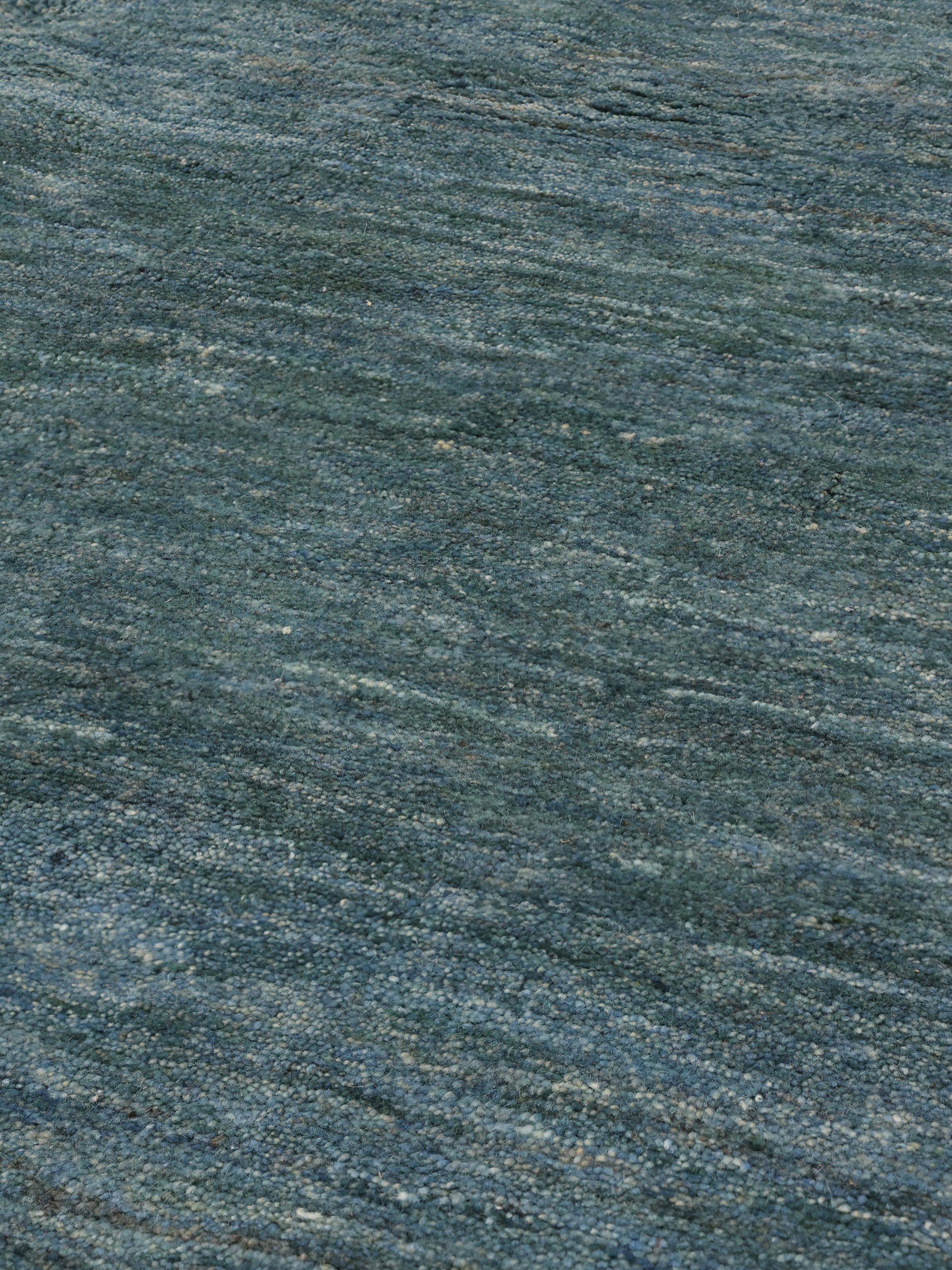
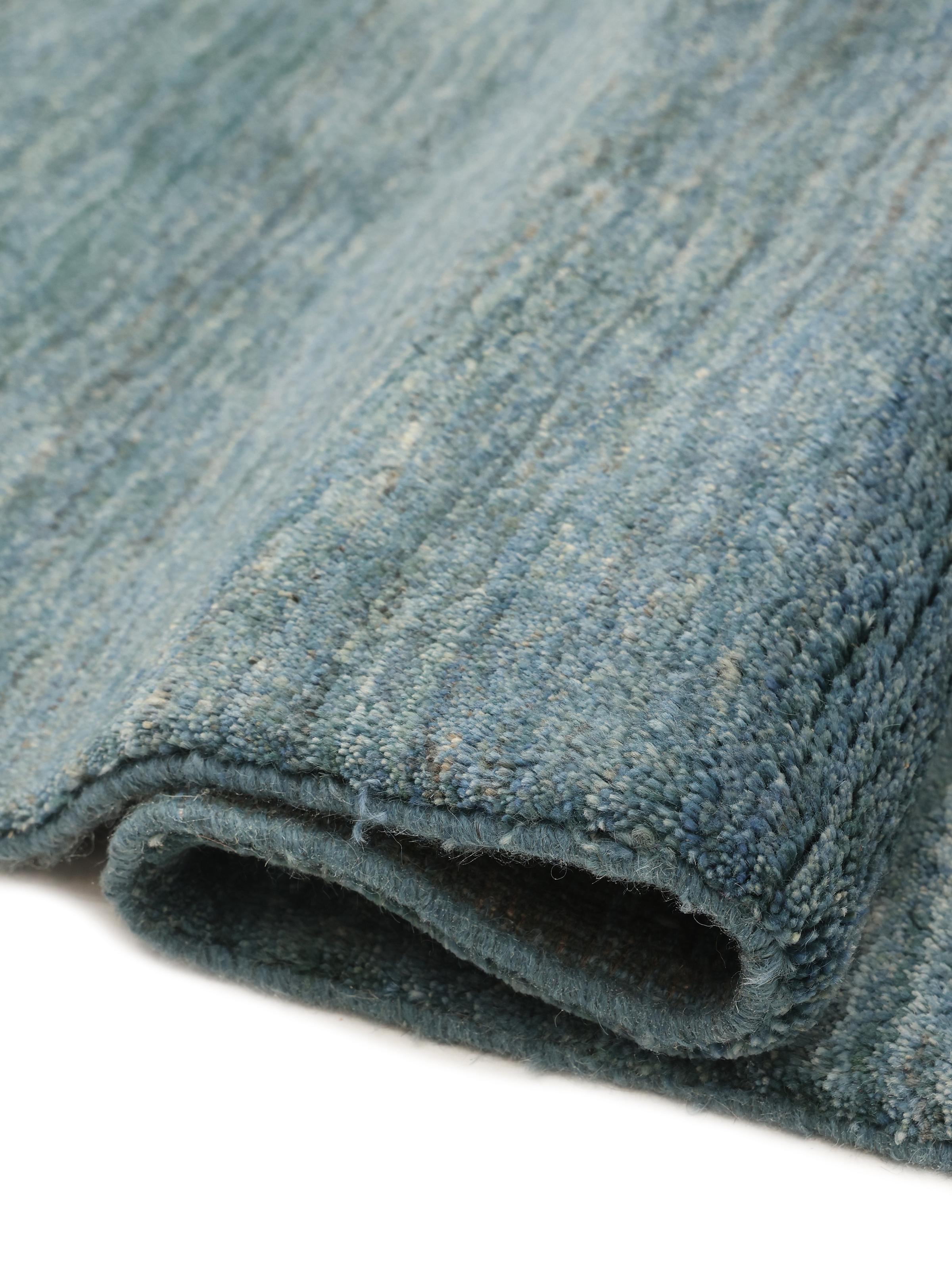
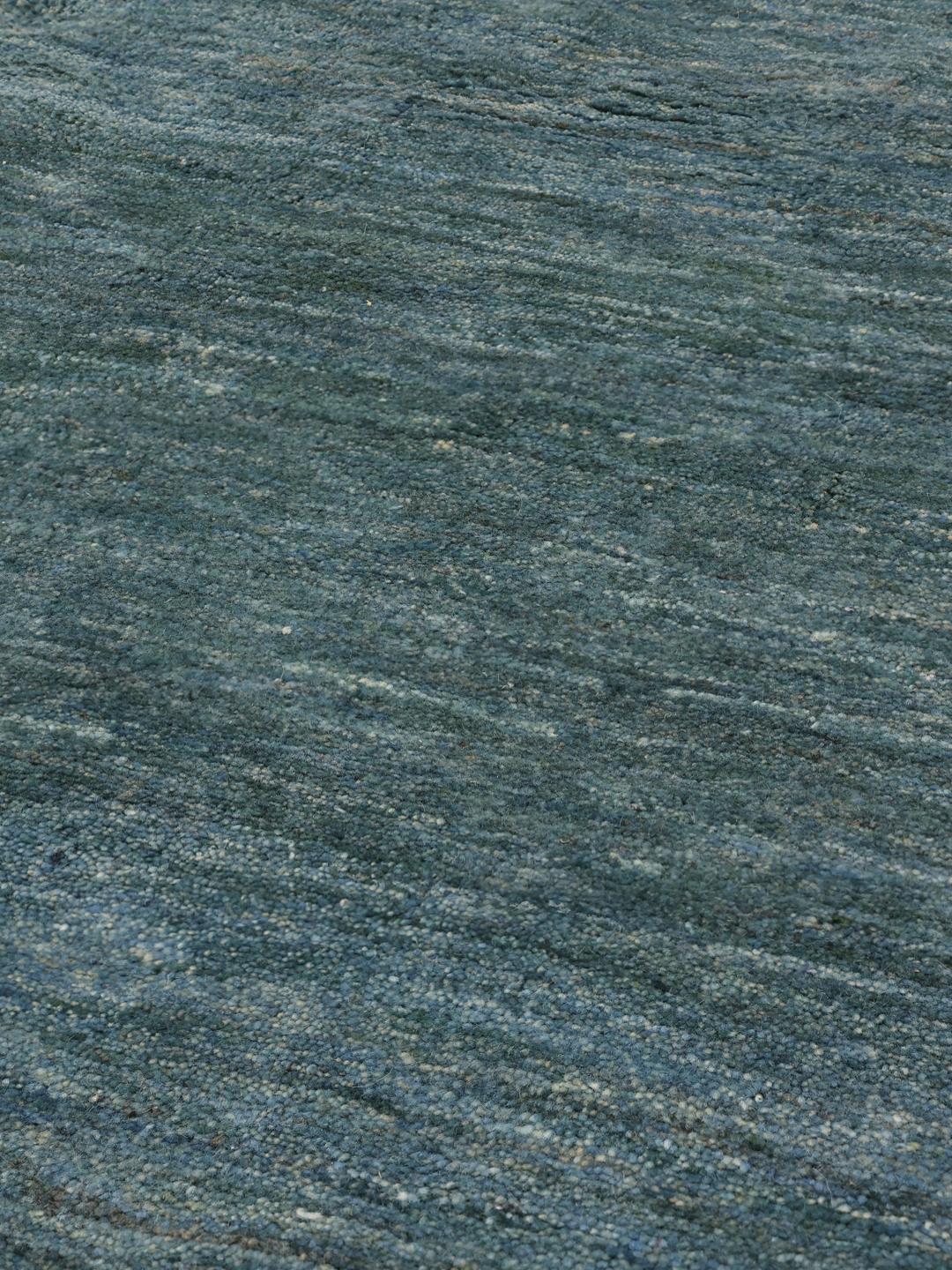
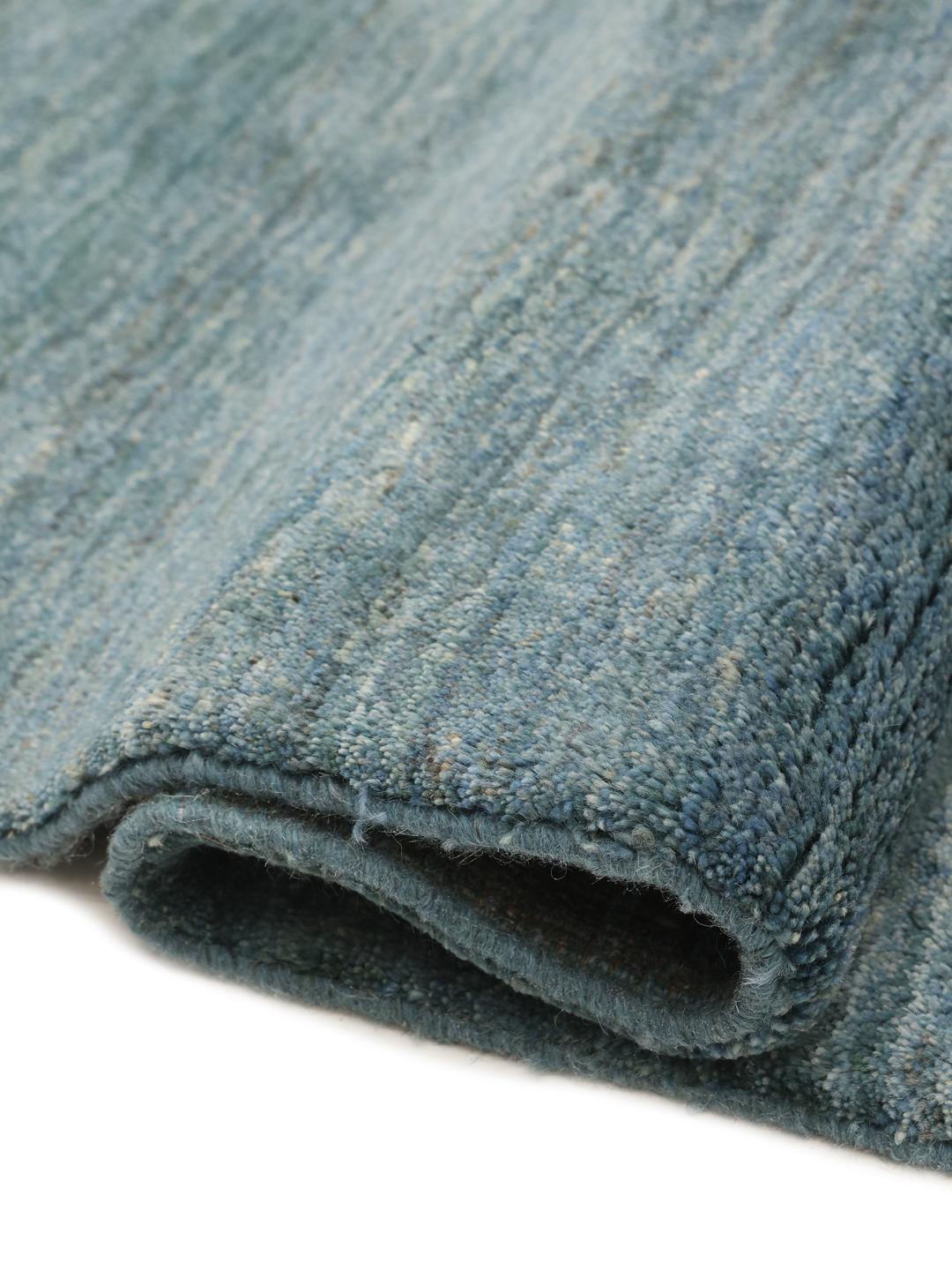
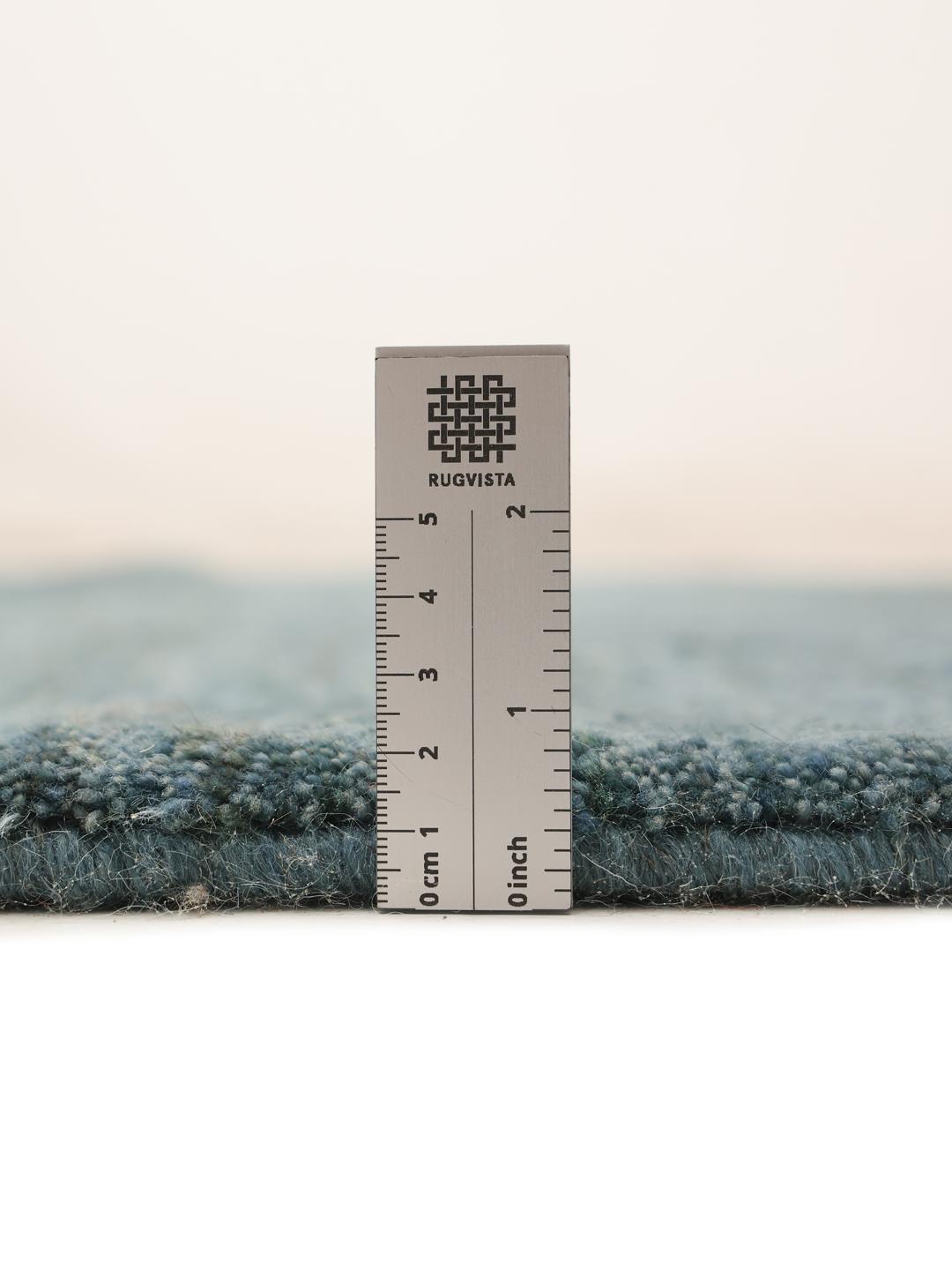
The term itself refers to a rug that is 'raw' or 'natural', capturing the spirit of traditional rug-making where the focus is on the quality of the wool and the depth of the colour. These pieces are known for their thicker pile, which was historically essential for insulation in harsh climates, and this tradition of generous, plush construction remains a hallmark of the style today.
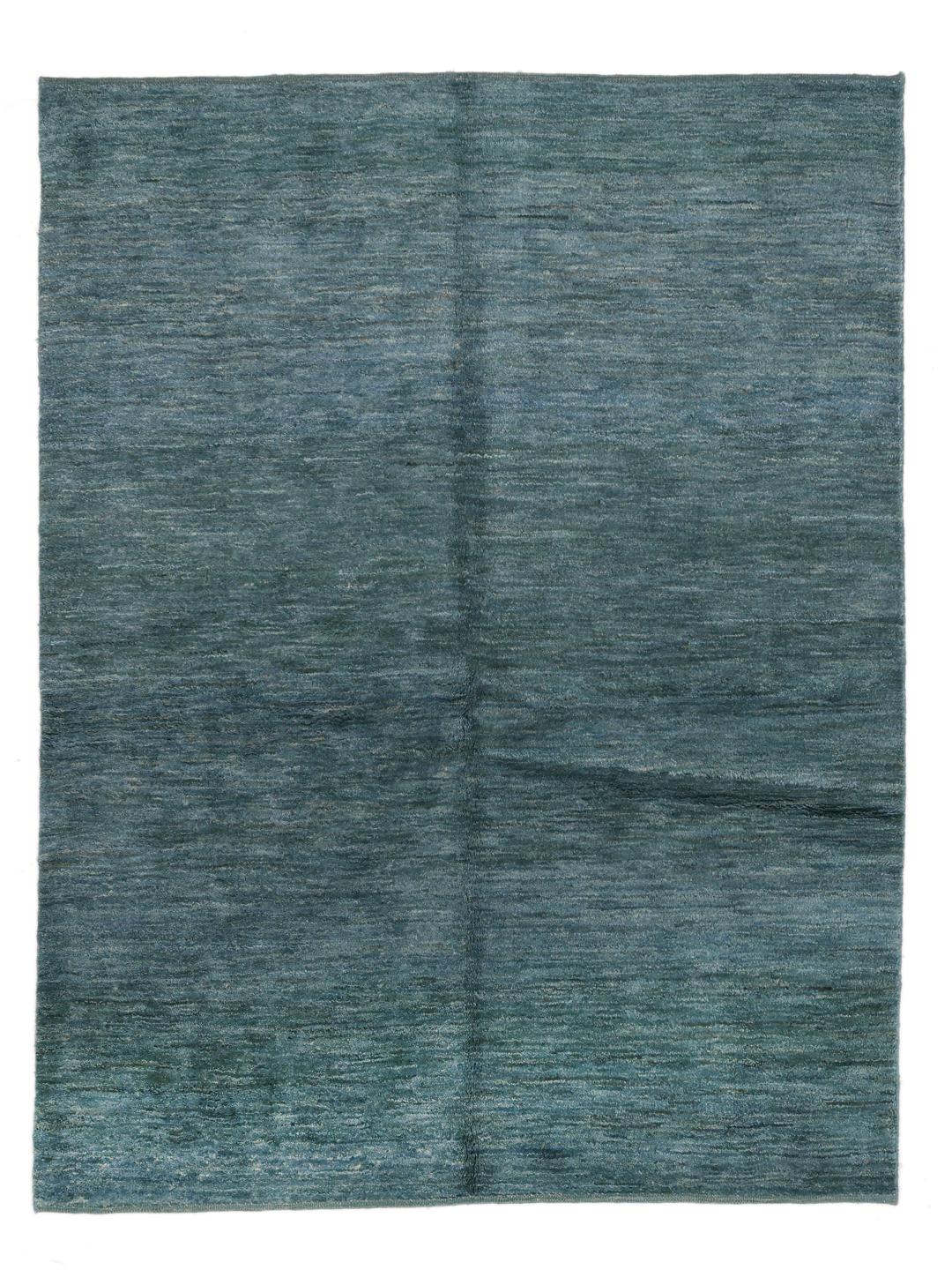
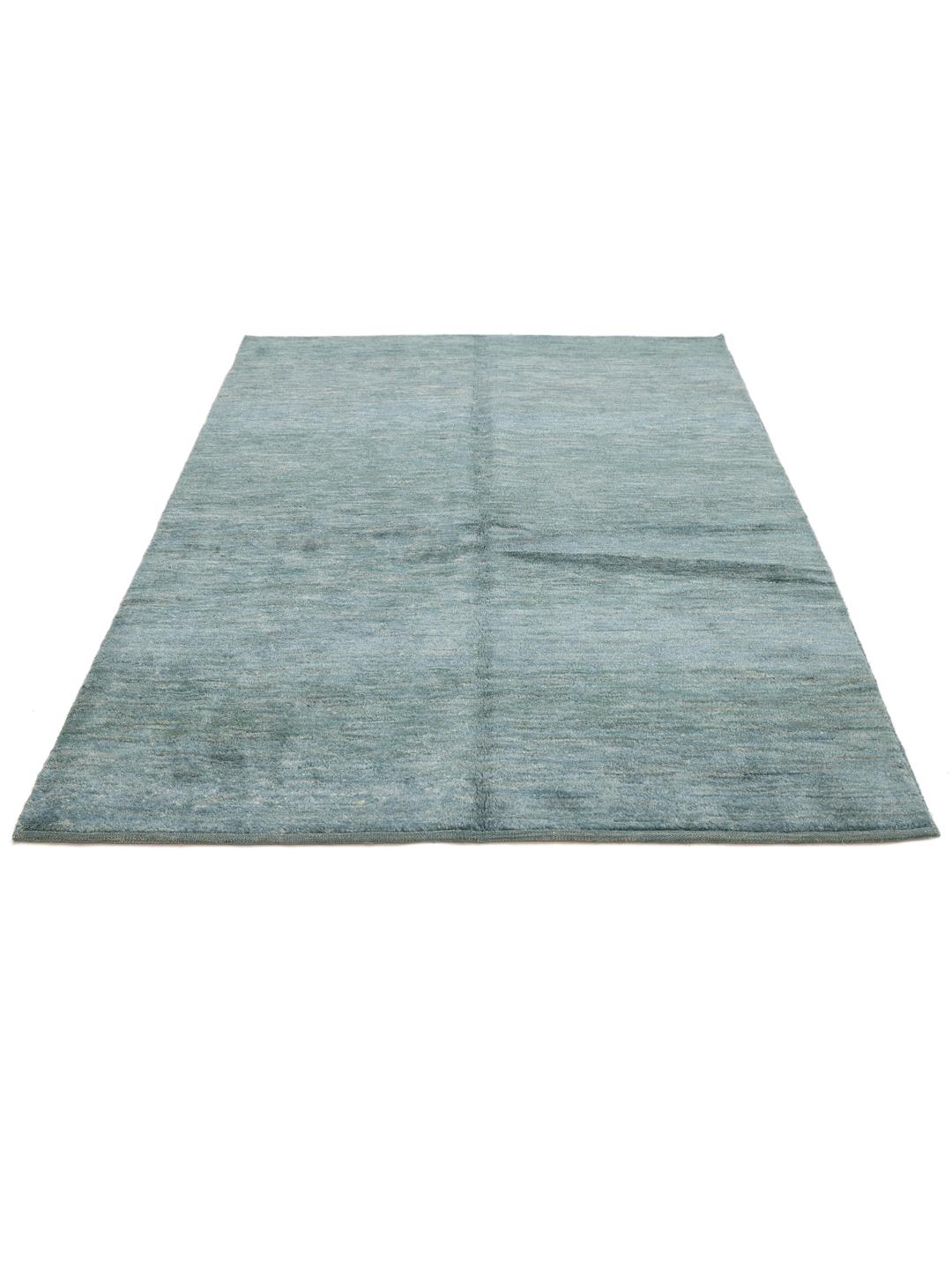
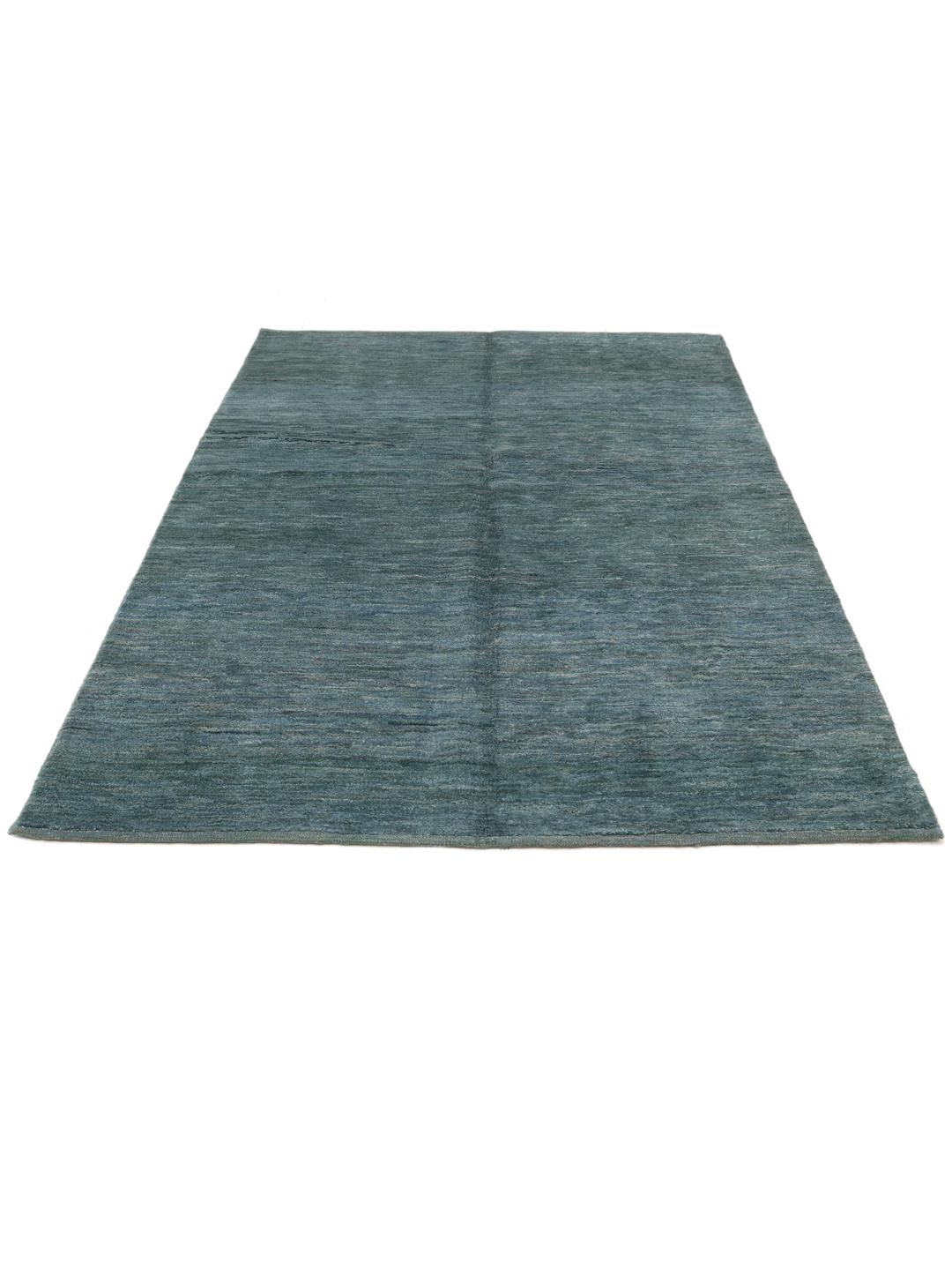
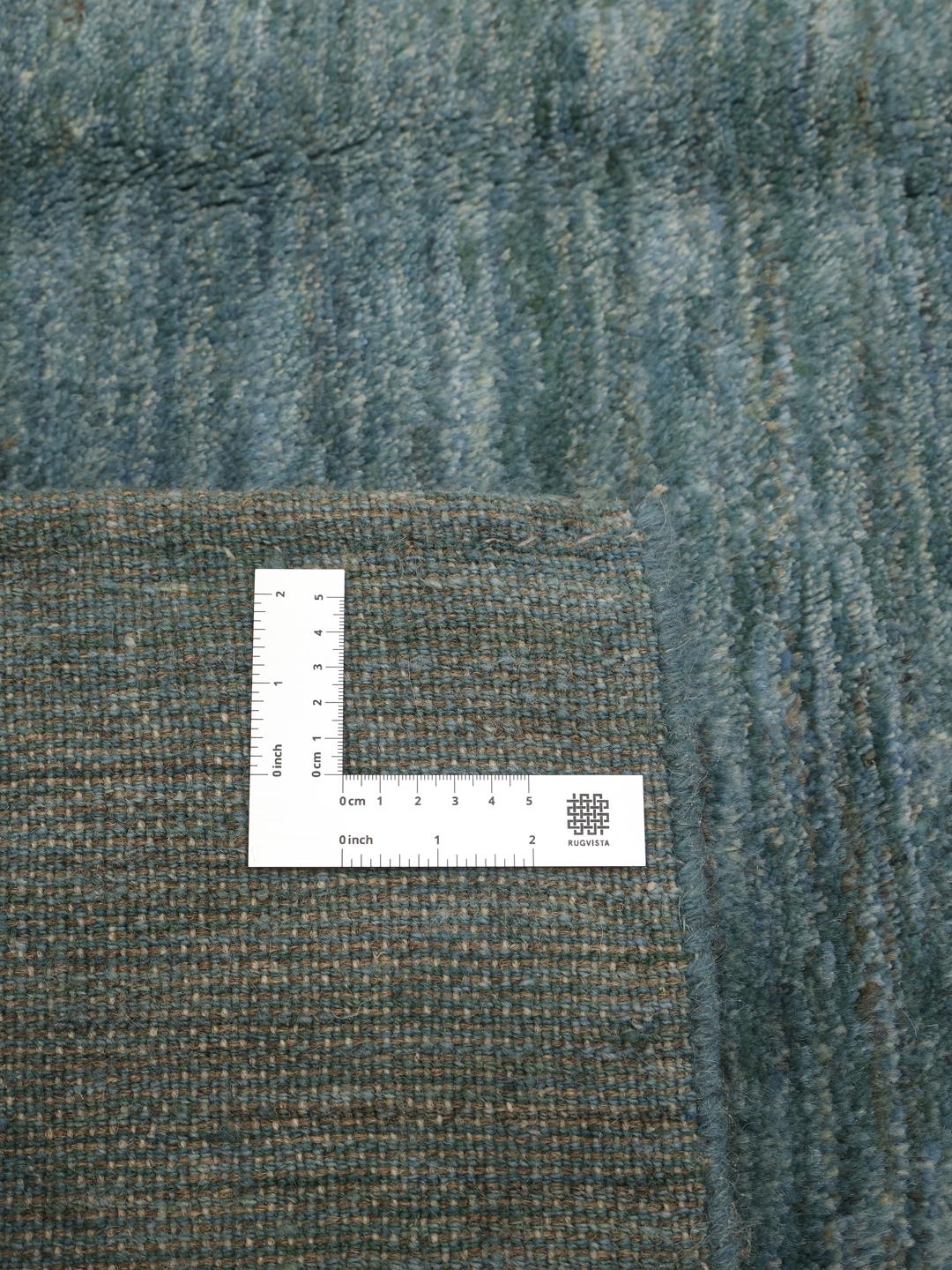
While traditional Gabbeh designs often lean into geometric motifs or primitive, artistic depictions of daily life, modern examples like this one often embrace a more minimalist or solid-field aesthetic. This shift allows the focus to remain on the purity of the material and the subtle, organic variations in the blue tones that occur during the hand-dyeing process.
Owning a Gabbeh is a way to connect with a genuine, living heritage. These rugs are highly valued by collectors and homeowners alike for their authenticity and the way they bring a sense of grounded, human-made warmth to modern interiors. Each piece is a unique artifact, representing a marriage of ancient technique and lasting, functional design.