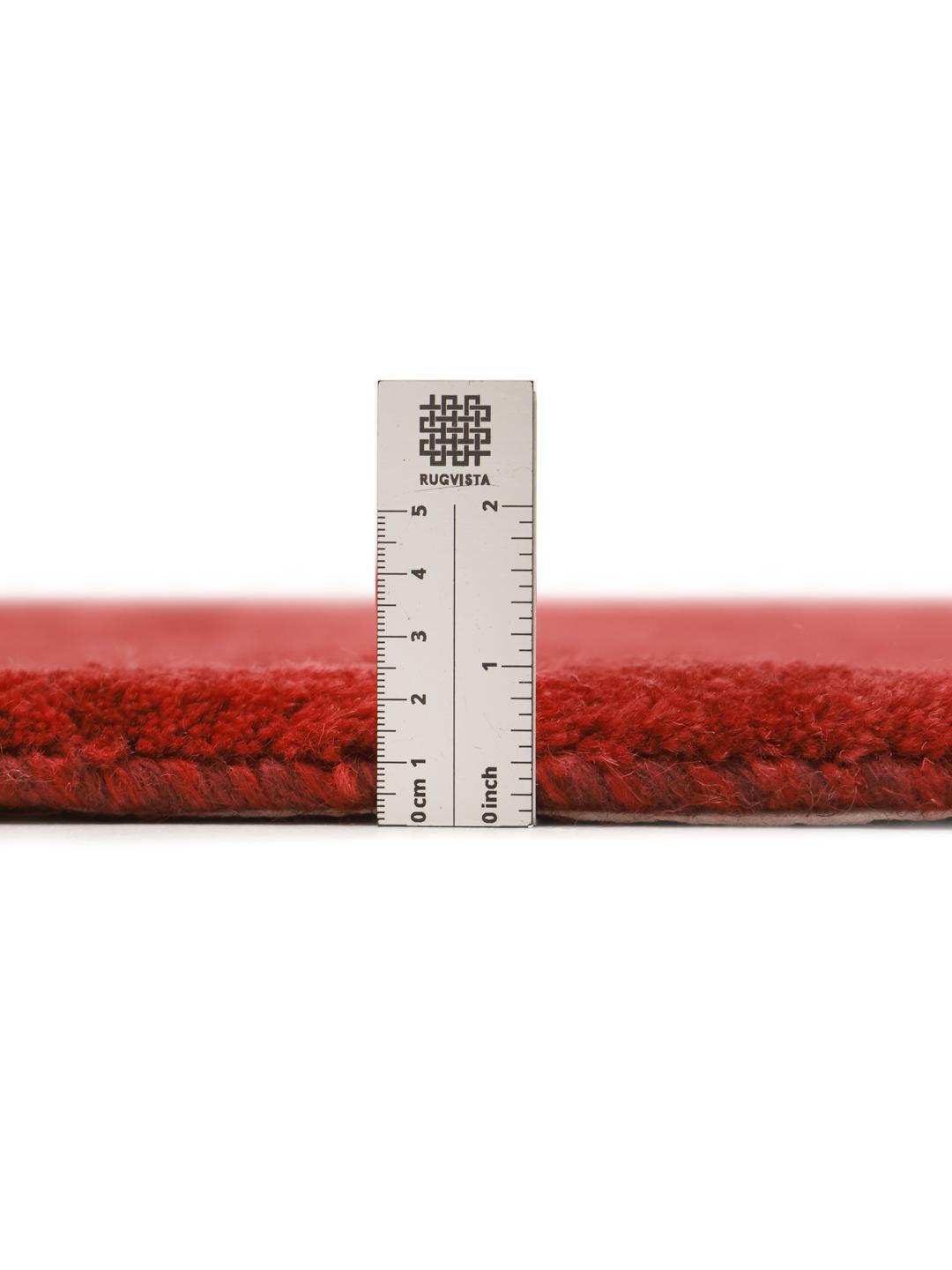
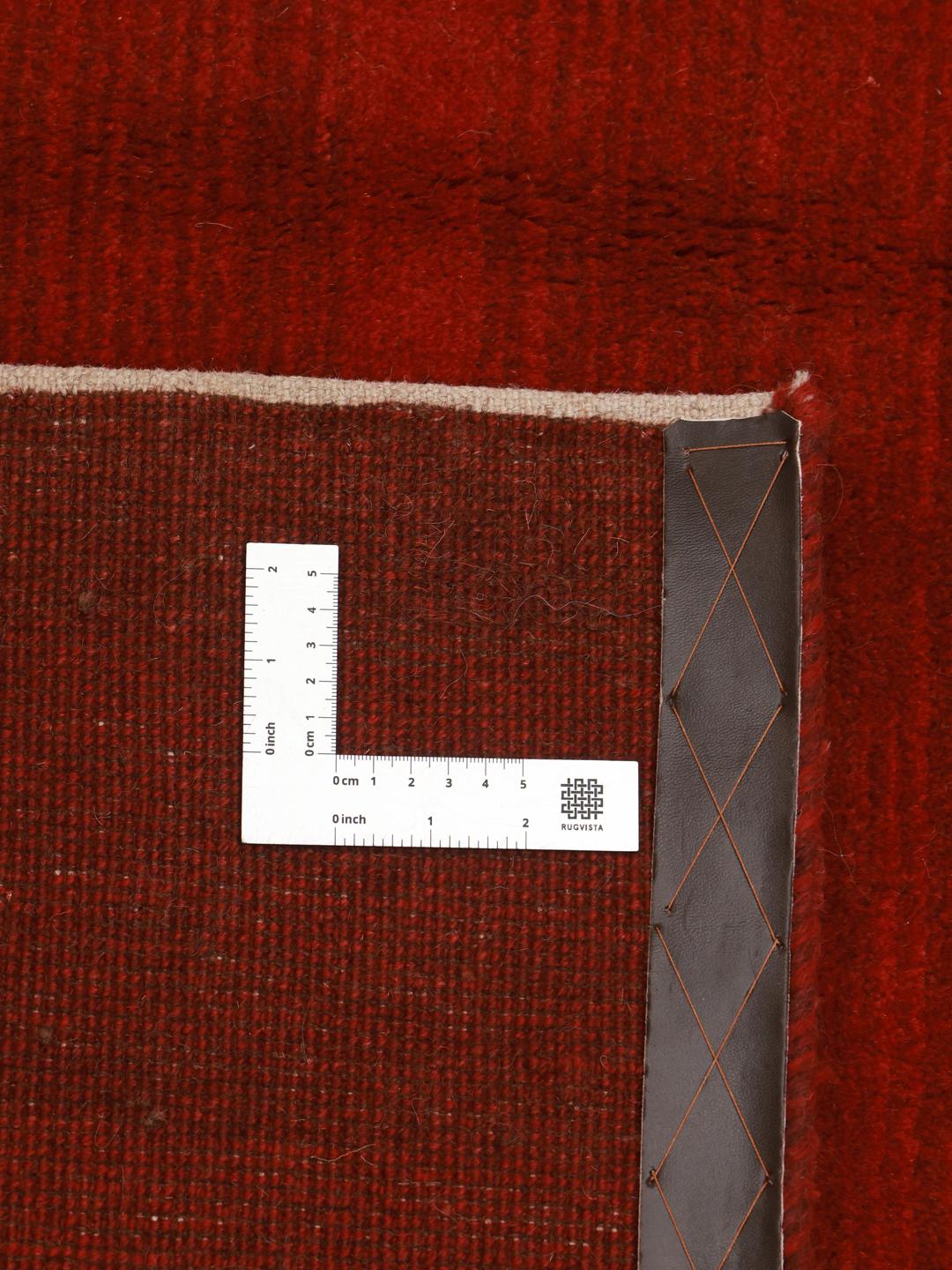
Gabbeh rugs originate from the nomadic tribes of the Middle East, primarily woven by the Qashqai and Lori peoples. Traditionally, these rugs were created for personal use within the family tent, serving as functional floor coverings that provided essential insulation against the cold ground.
Unlike formal, city-made rugs, the Gabbeh tradition is defined by its simplicity and artistic freedom. The weavers often used hand-spun, naturally dyed wool to create pieces that were highly personal, reflecting the landscapes, stories, and emotions of the weaver without the constraints of rigid, pre-planned patterns.
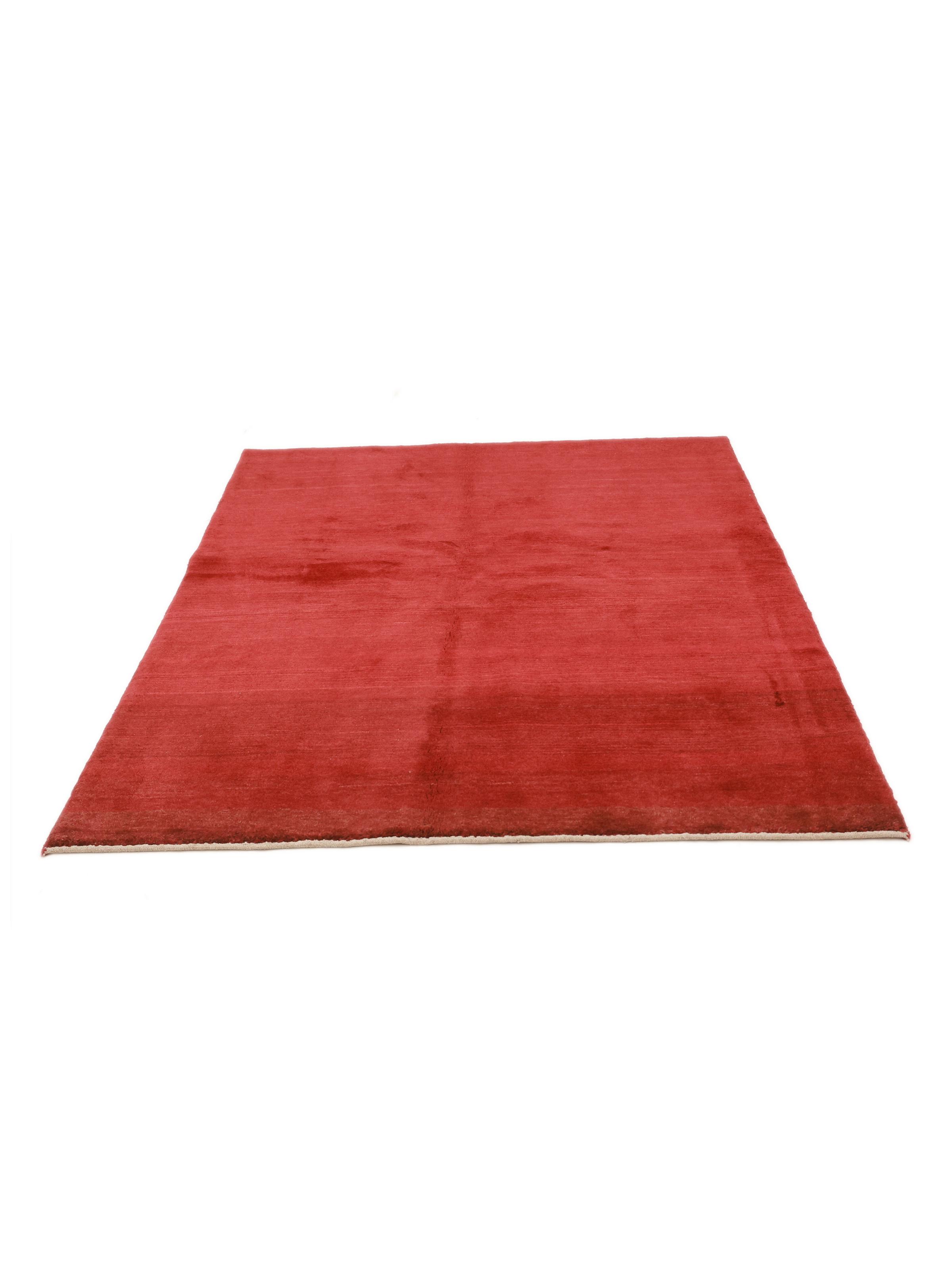
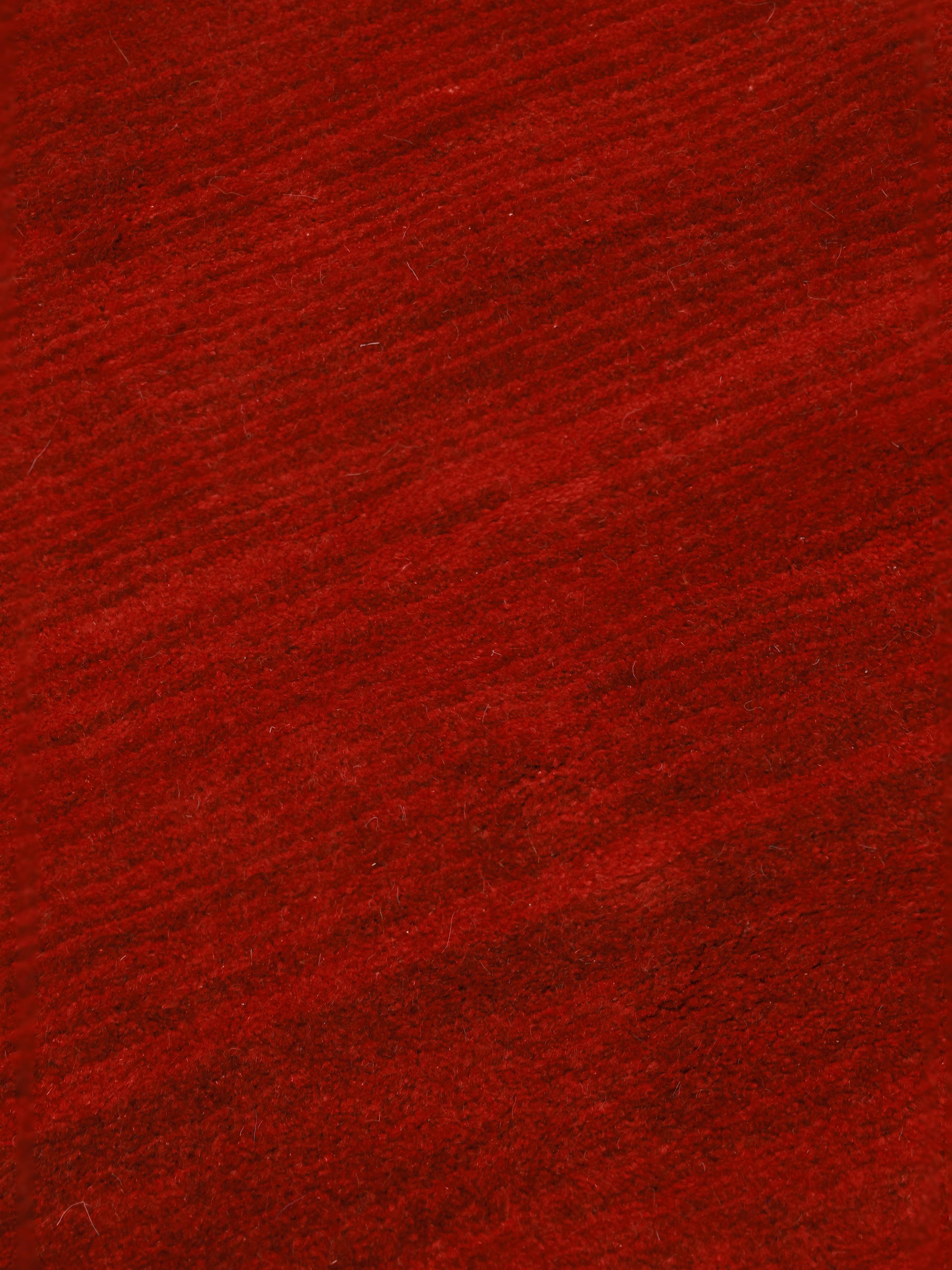
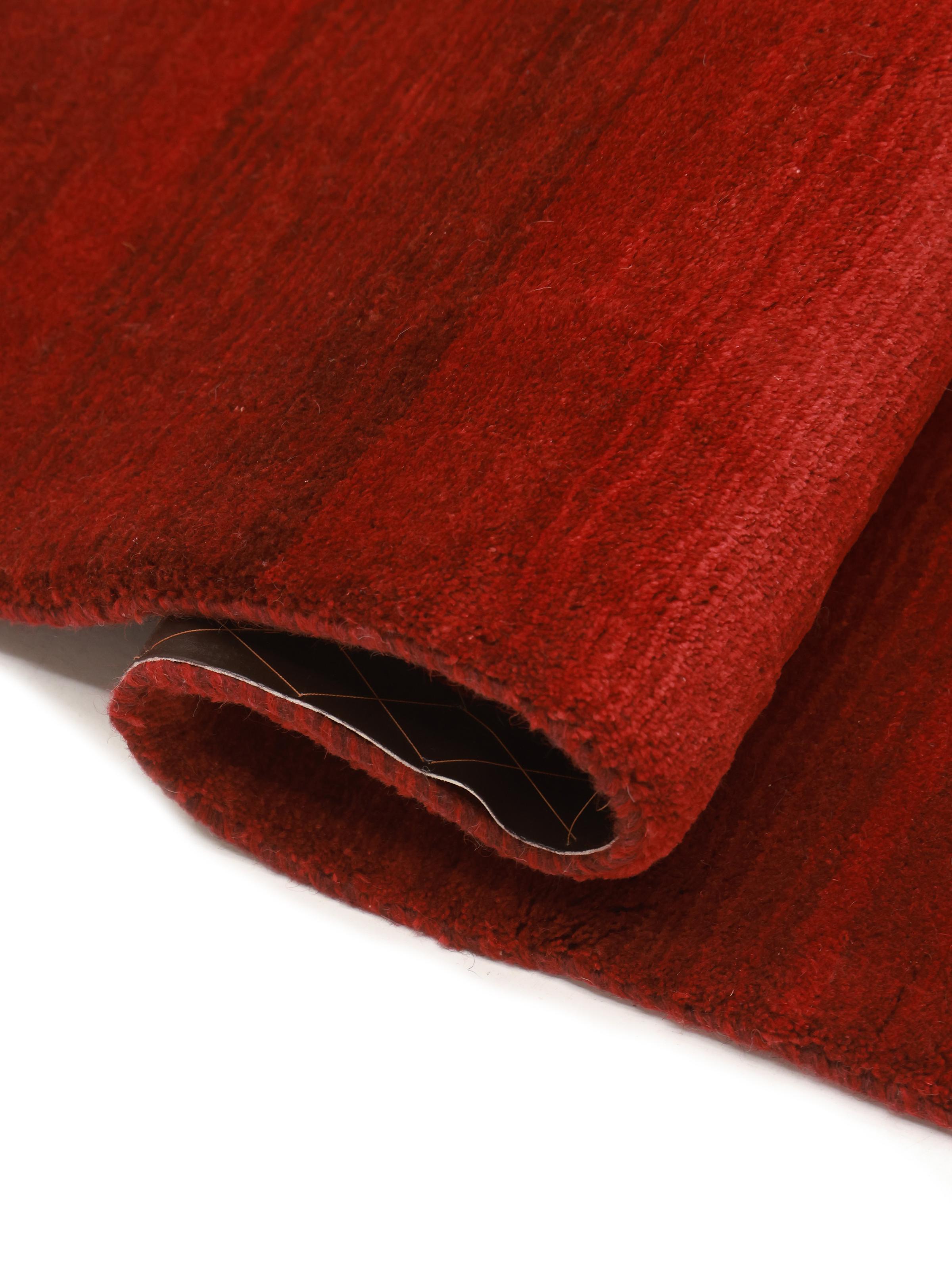
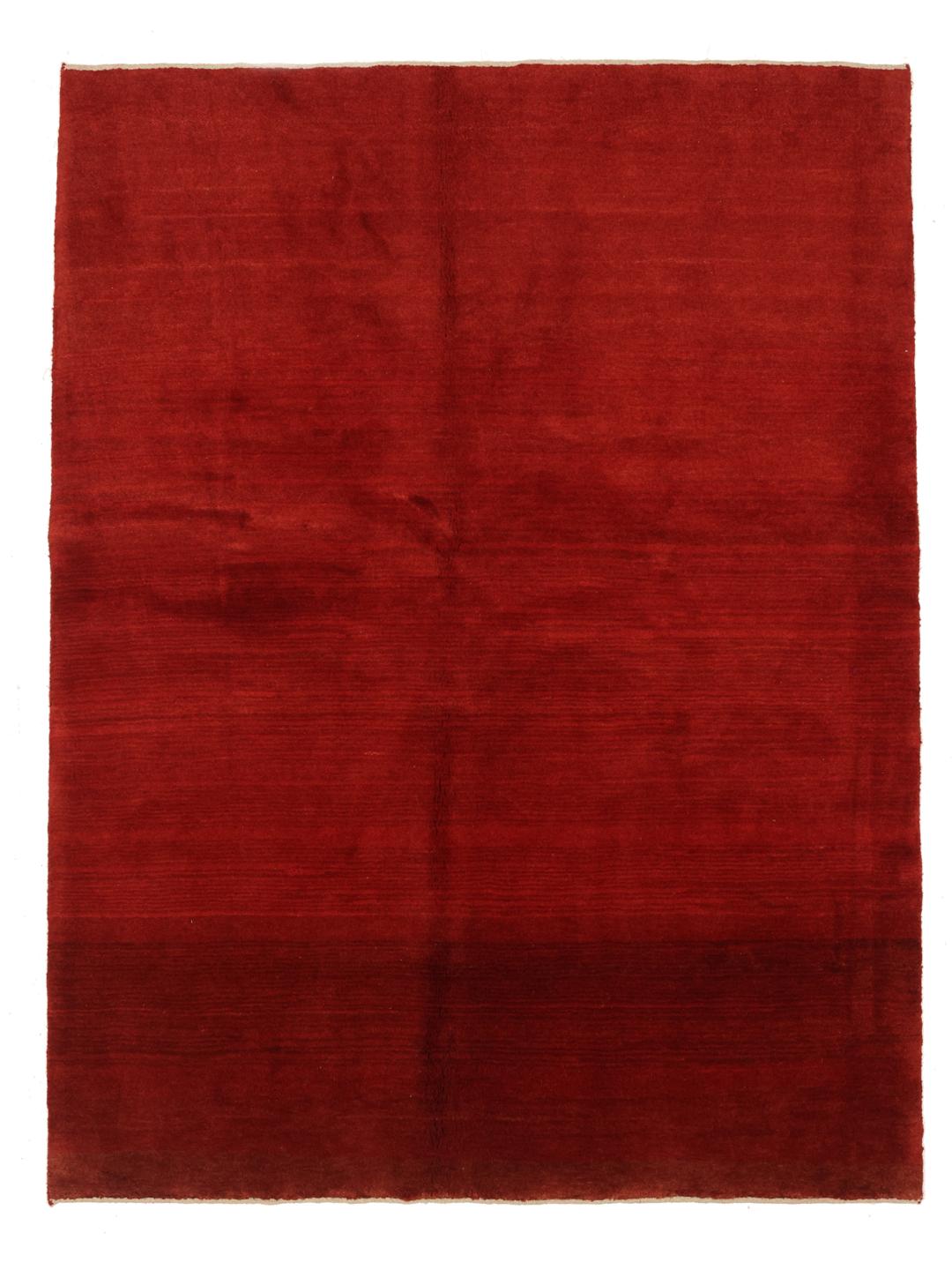
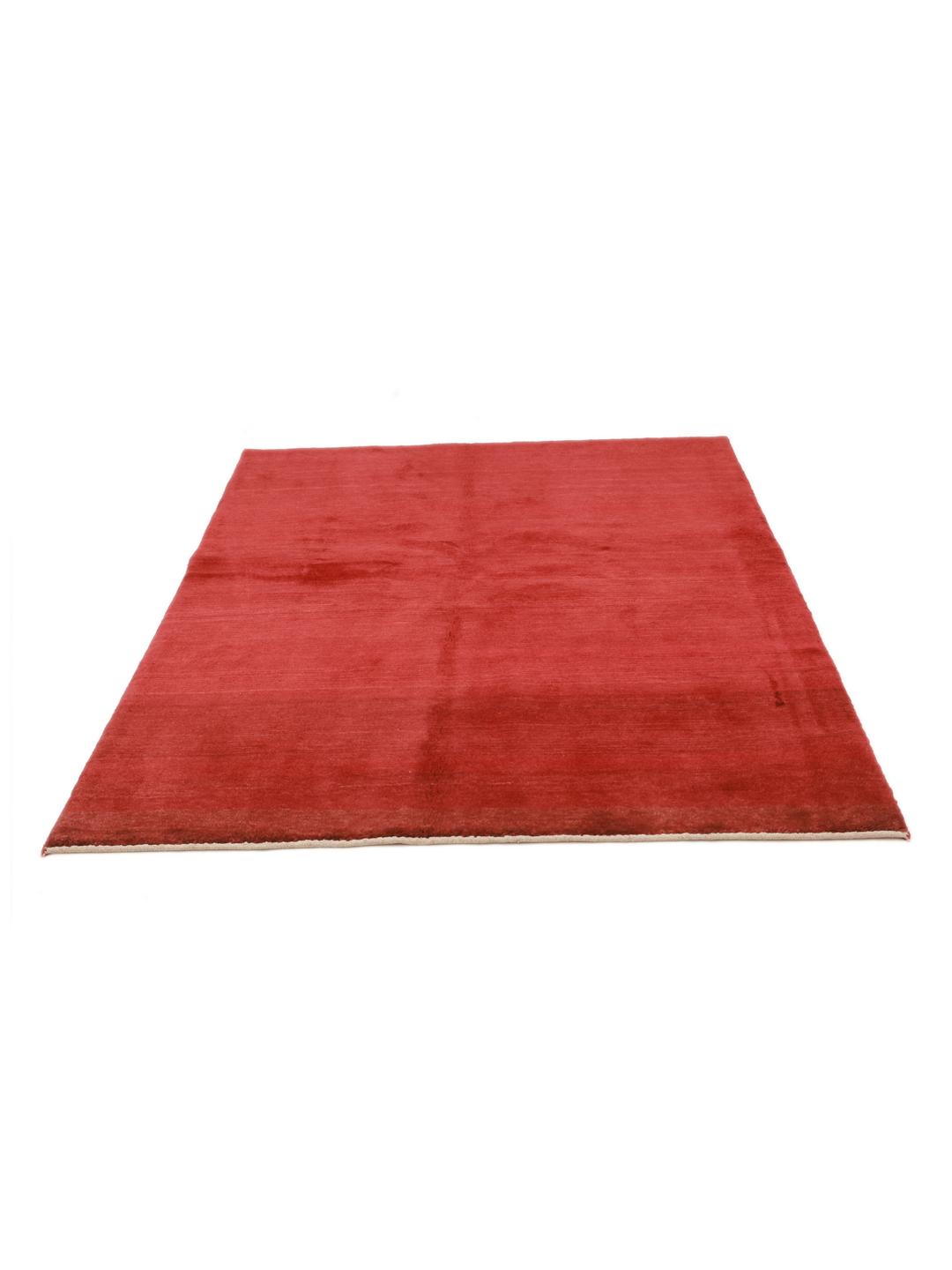
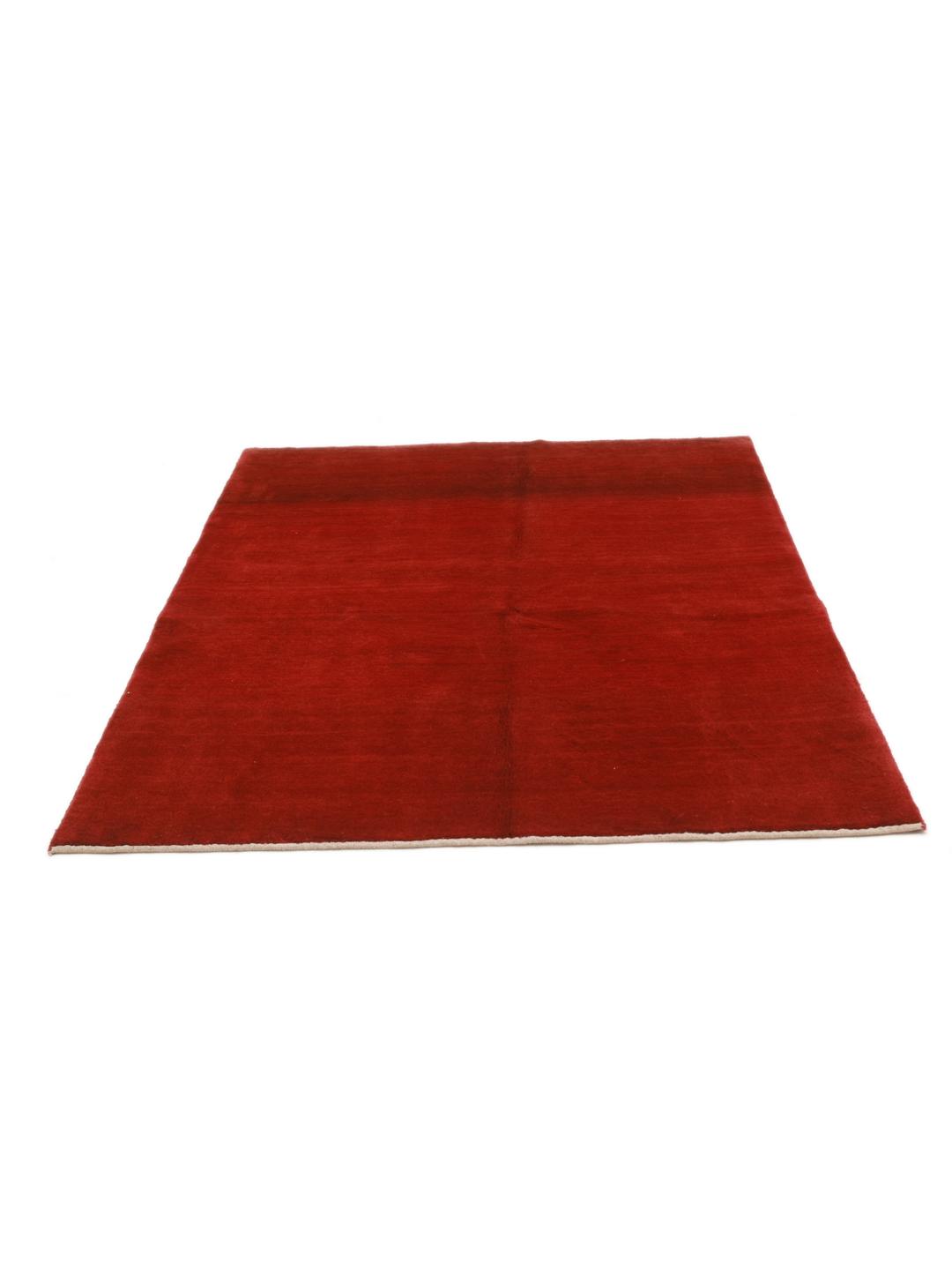
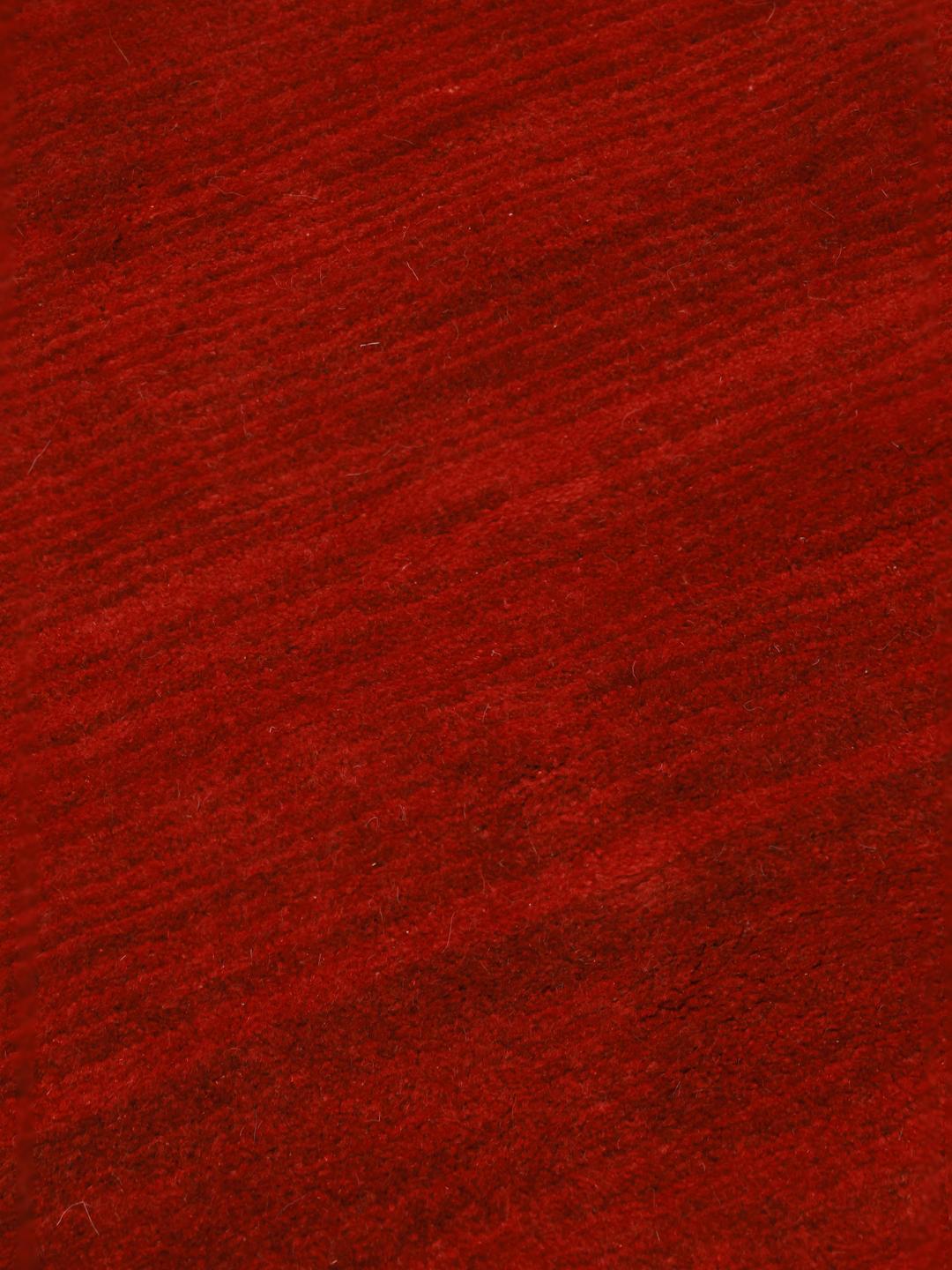
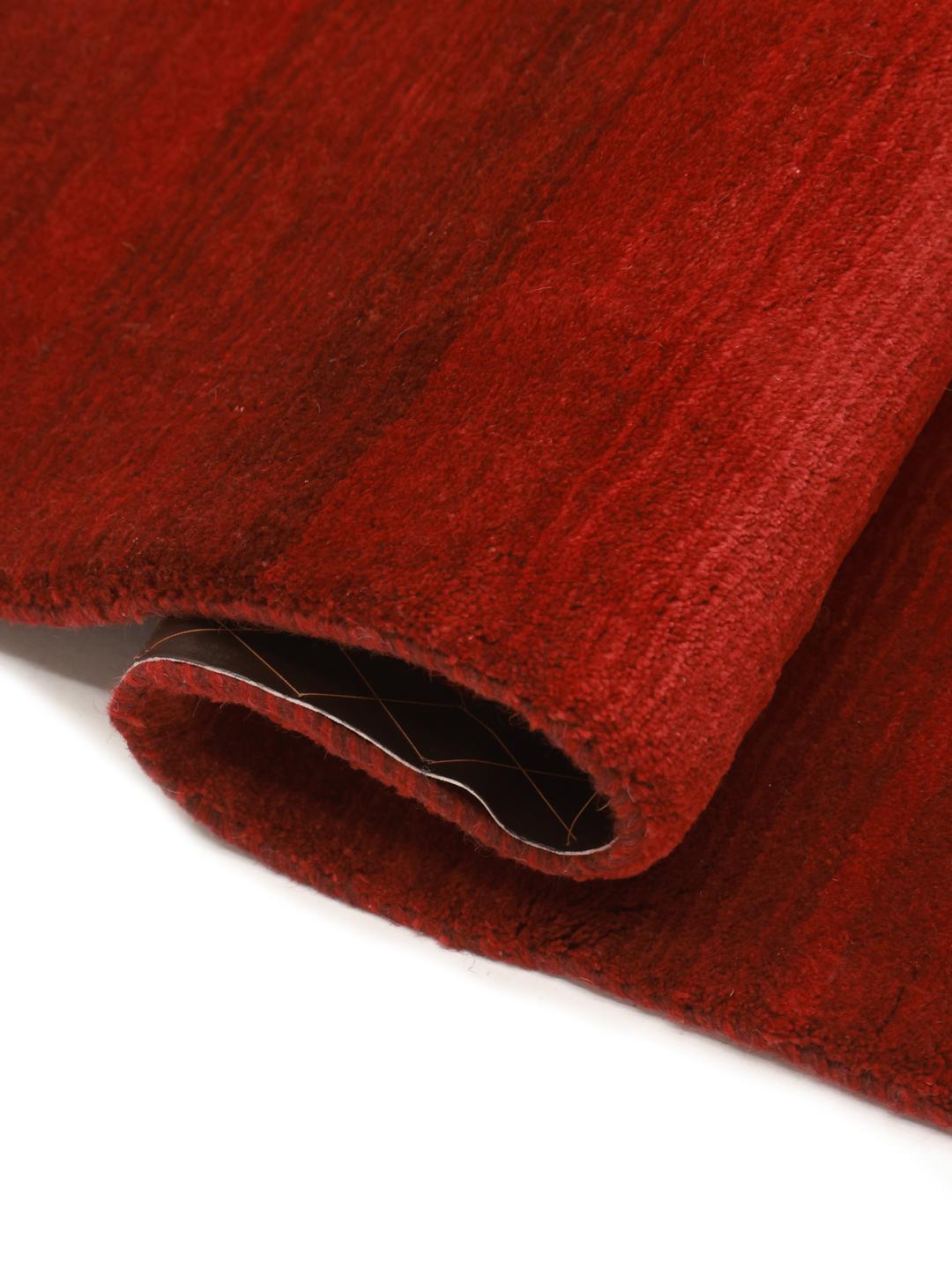
The design of this piece is celebrated for its minimalist, single-coloured field, which highlights the quality of the wool and the depth of the dye. This approach focuses on the raw beauty of the material, allowing the subtle variations in colour to create a sense of movement and life within the rug's surface.
Today, these rugs are highly sought after by collectors who value the authenticity and cultural significance of nomadic weaving. Owning a Gabbeh is not just about acquiring a floor covering, but about connecting with a heritage of craft where every knot tells the story of the artisan who made it.