The Gabbeh rug tradition originates from the nomadic tribes of the Middle East, who have historically woven these pieces for personal use within their tents. Unlike more formal, city-made rugs, Gabbeh rugs were traditionally created to be functional, durable, and deeply expressive of the weaver's own creative vision and natural environment.
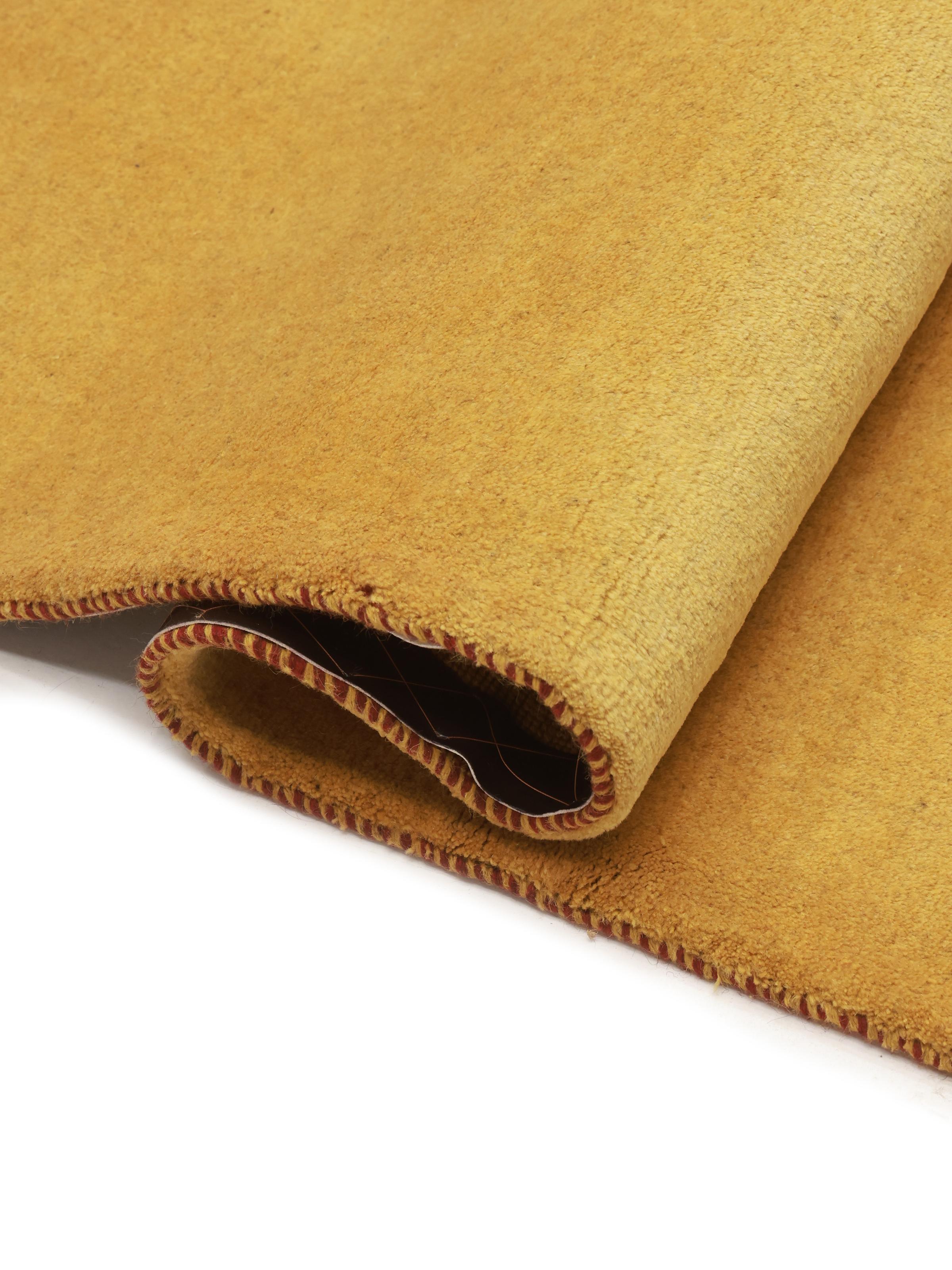
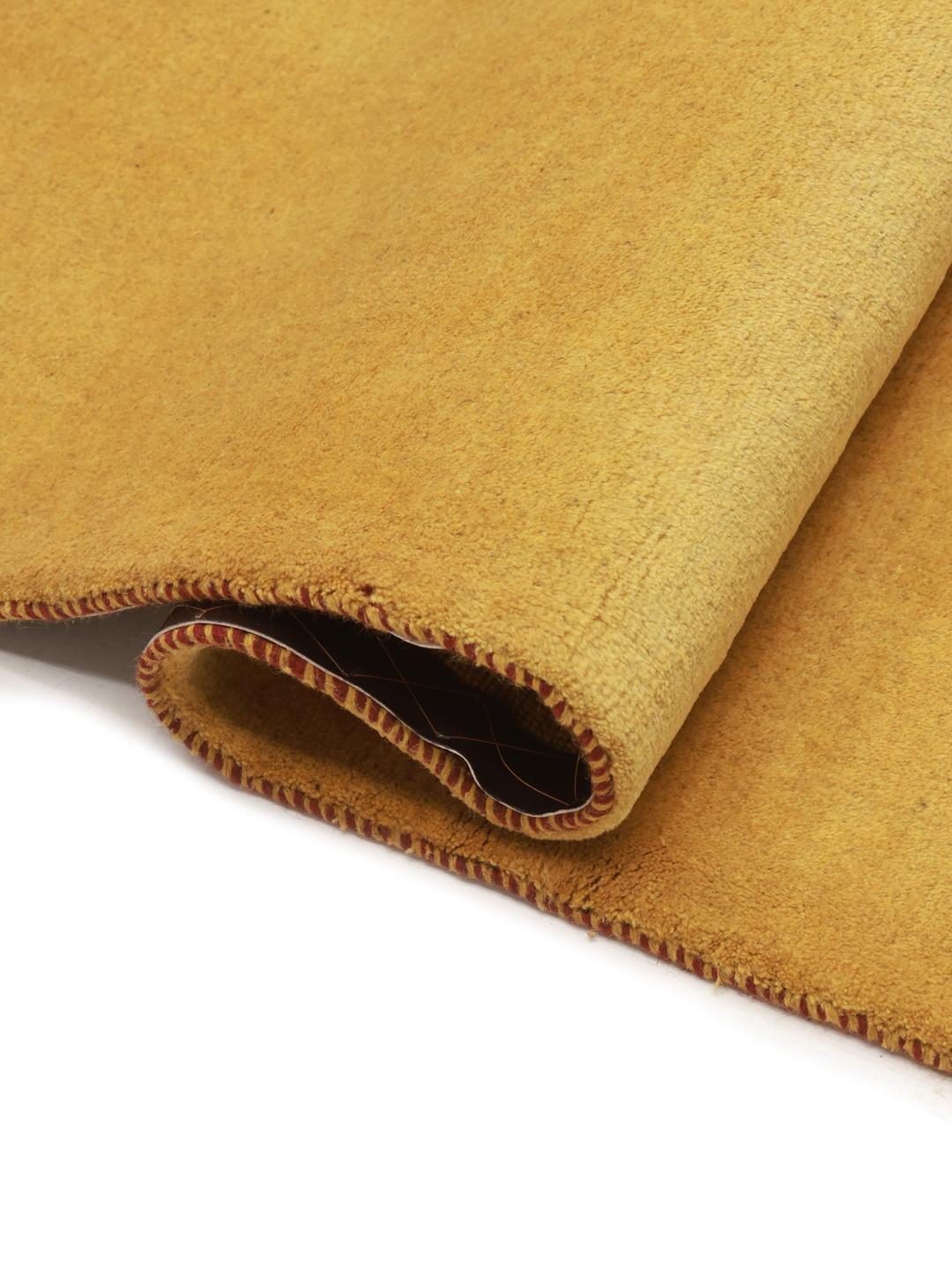
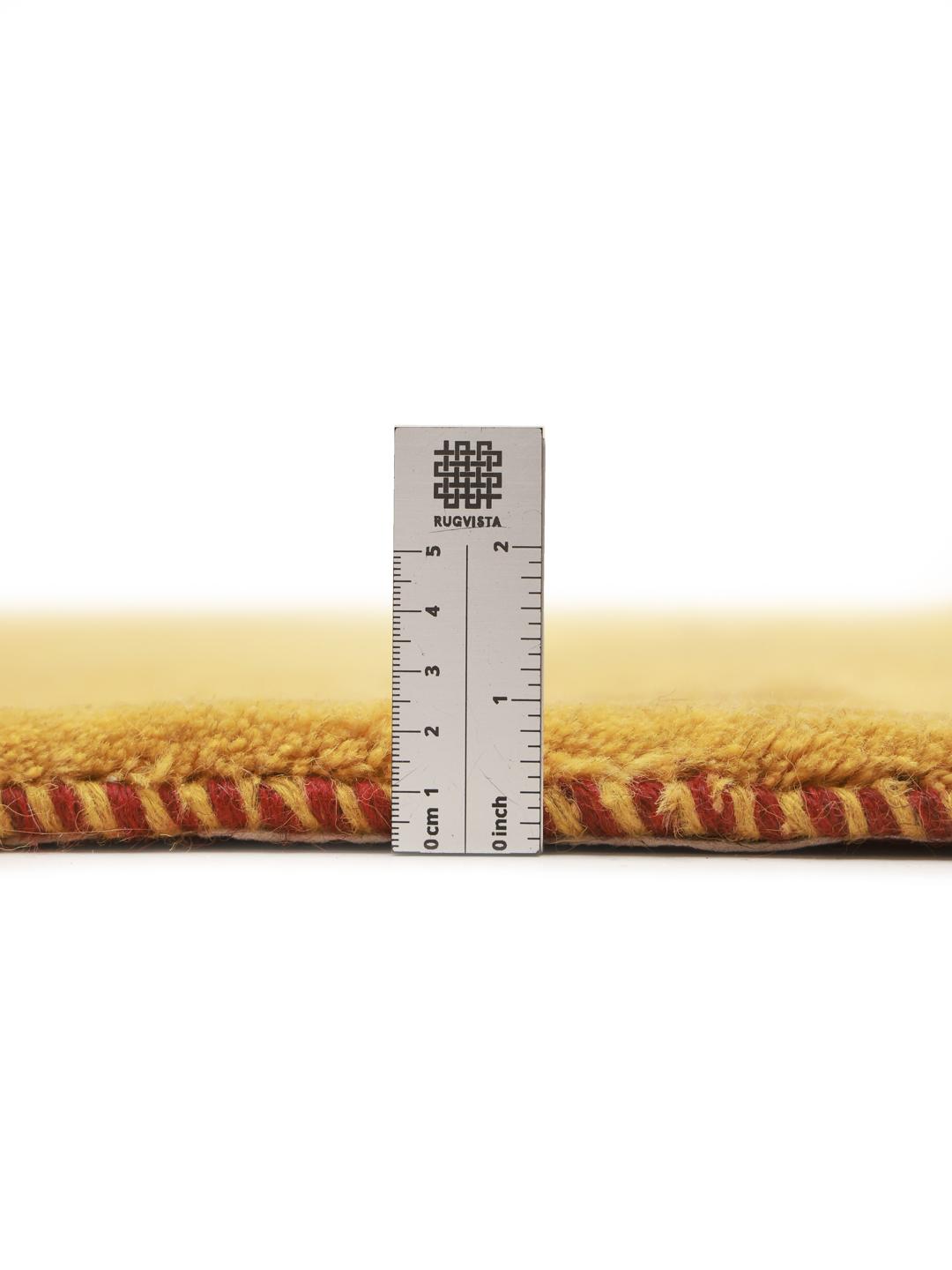
The term Gabbeh itself refers to a rug that is 'raw' or 'natural', reflecting its roots in simplified, often abstract designs. These rugs are known for their thick, long pile, which was originally developed to provide maximum warmth and comfort against the cold desert floors. The wool used is often hand-spun and dyed using natural pigments, resulting in the vibrant and varied colour palettes that define the style.
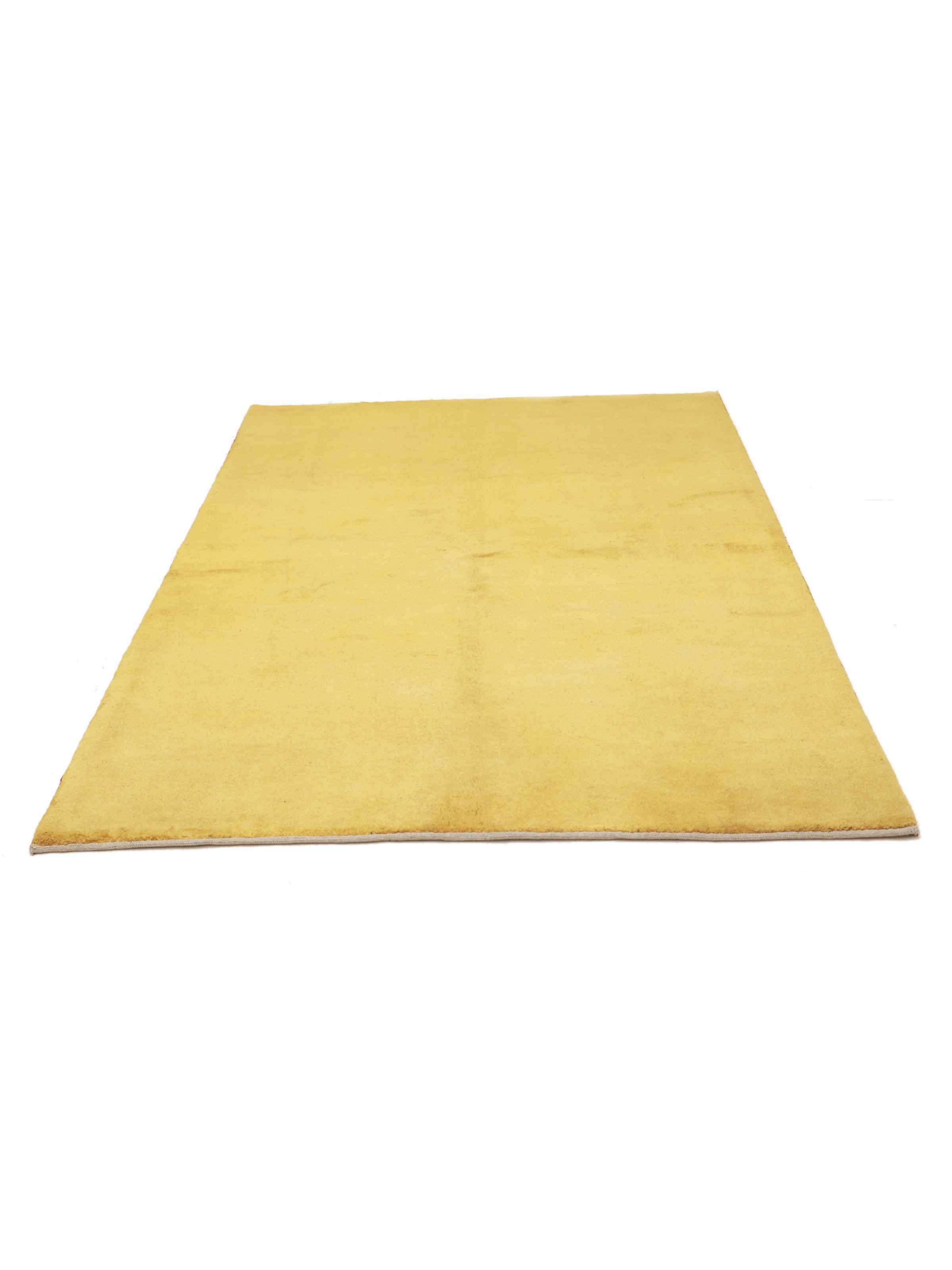
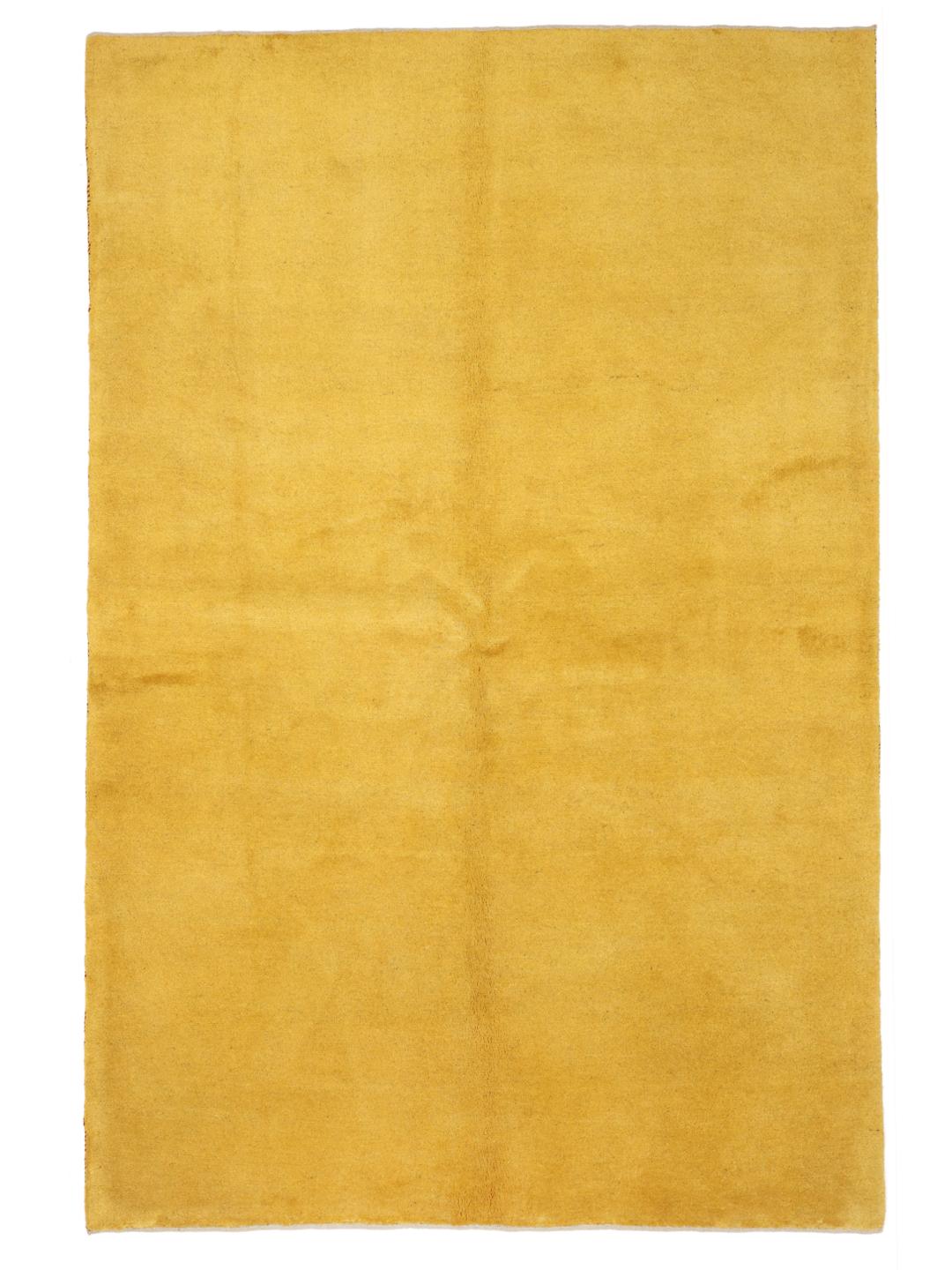
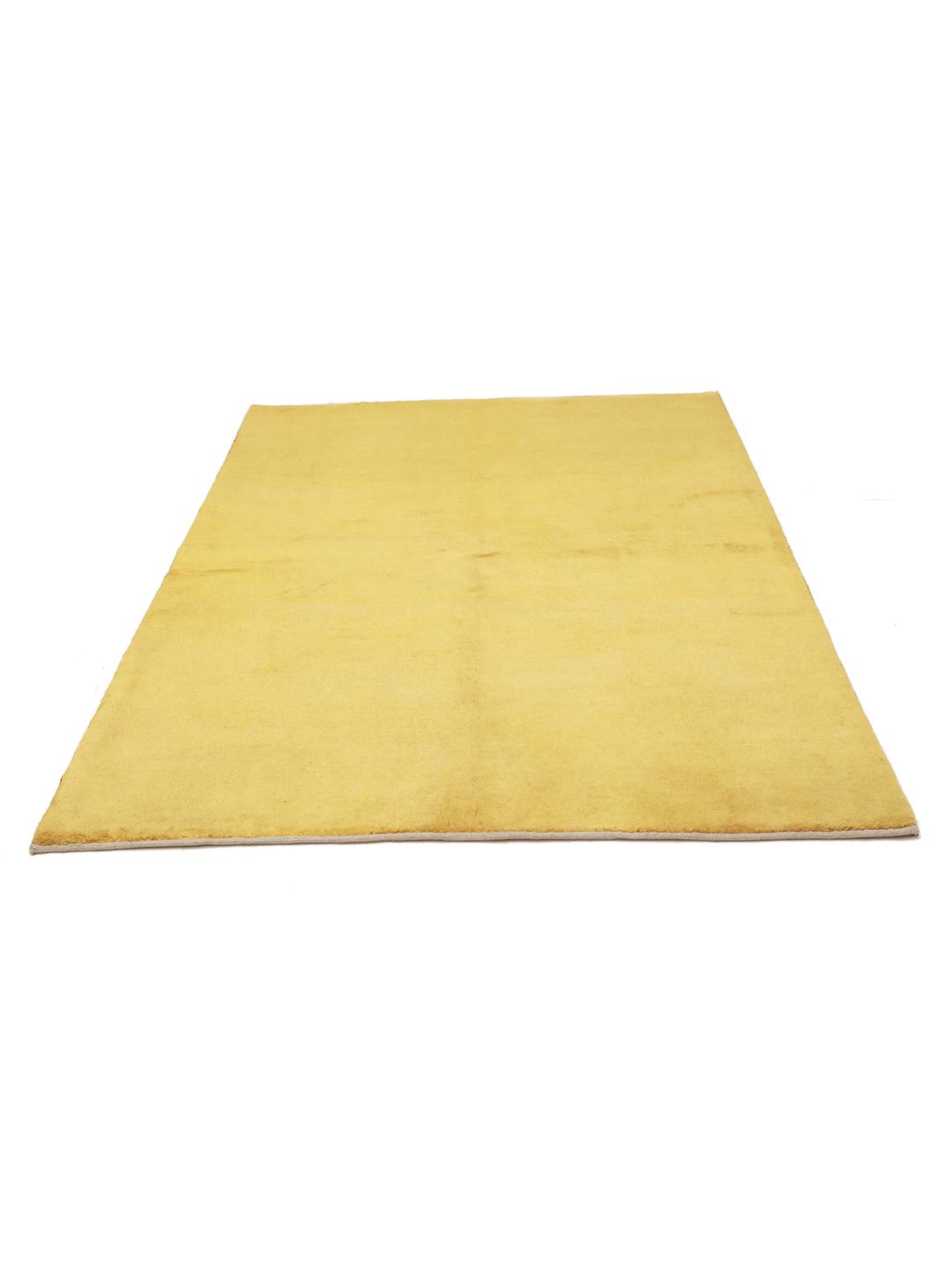
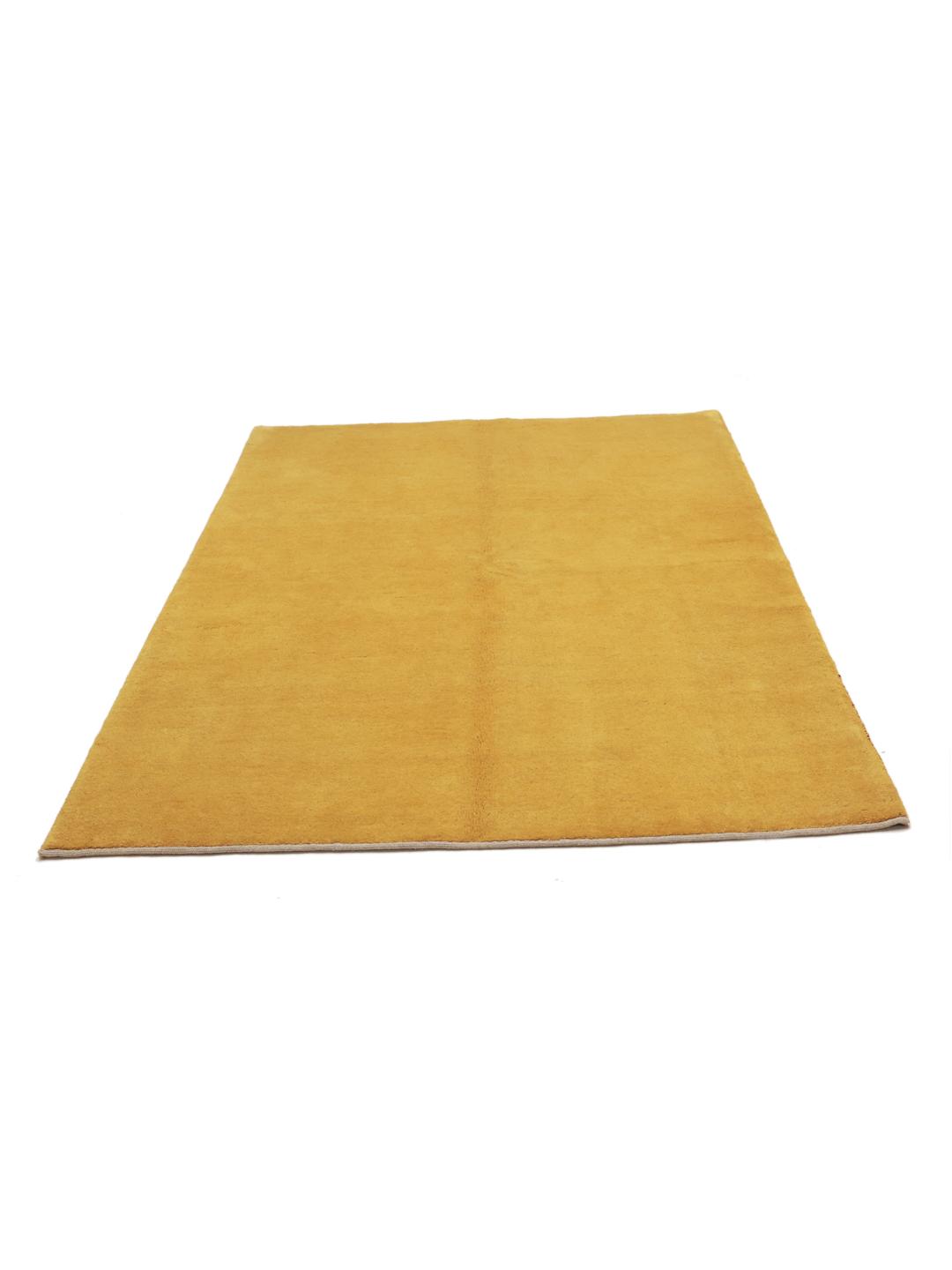
Visually, Gabbeh rugs are celebrated for their minimalist approach, often featuring solid fields of colour or simple, spontaneous motifs. This departure from complex, geometric patterns allows the quality of the wool and the depth of the colour to take centre stage. When you see subtle variations in the yellow hue across this rug, you are seeing the authentic result of traditional dyeing processes.
Today, these rugs are highly prized by collectors and homeowners alike for their cultural weight and genuine character. Owning a piece from this tradition is an investment in human skill and historical craft. It represents a living connection to ancient nomadic life, brought into a modern context as a functional and beautiful object that anchors a room with its story.